

Image of 1935 Ford Model 48, Note: These illustrations use artistic license and may differ from actual historical models.
Performance Metrics
Fundamental Metrics
Emotional Appeal
MMP Rating
| Engine Specifications | |
|---|---|
| Engine: | Ford Flathead V8 |
| Displacement: | 221 cubic inches (3.6 liters) |
| Horsepower: | 85 hp |
| Torque: | 144 lb-ft |
| Compression Ratio: | 6.3:1 |
| Ignition System: | Distributor and coil |
| Cooling System: | Water-cooled |
| Performance Specifications | |
| 0-60 Time: | Estimated at around 20 seconds |
| 1/4 Mile Time: | Not available |
| Top Speed: | 65-70 mph |
| Transmission and Drive | |
| Drive Type: | Rear-wheel drive |
| Transmission Type: | 3-speed manual |
| Fuel and Efficiency | |
| Fuel System Type: | Carburetor |
| MPG: | Estimated at around 15-20 mpg |
| Dimensions and Brakes | |
| Brakes: | Mechanical drum brakes |
| Wheelbase: | 112 inches |
| Weight: | 2,570 lbs |
Note: Specifications for classic cars are given to the best of our ability, considering the limited and variant data available.
1935 Ford Model 48: An Affordable V8 with Lasting Appeal
The 1935 Ford Model 48 brought V8 power and fresh, streamlined styling to the American road at a time when dependable, affordable transportation mattered more than ever. Built by the Ford Motor Company in the middle of the Great Depression, it combined a sturdy chassis and simple mechanicals with a look that was distinctly more modern than the boxier cars of the early 1930s.
The Model 48 was powered by Ford’s familiar 221-cubic-inch flathead V8, rated at 85 horsepower. Its V8 was not new for 1935, but the car’s combination of power, price, and broad body-style selection helped make it a compelling choice for families and businesses. One especially appealing detail is how far the model ranged: a Model 48 could be a practical sedan, a sporty open car, or a wood-bodied station wagon.
Art Deco Lines and Practical Design
The 1935 Ford’s front end is its most recognizable feature. A broad, V-shaped grille gives the nose a pronounced centerline, while the hood and front fenders flow into a more integrated shape than those of earlier Fords. The headlights sit on the fenders, and the long hood makes the car look substantial without losing its clean, upright proportions. From the side, sweeping fenders and running boards balance the rounded bodywork, giving the Model 48 a confident presence on the road.
Inside, the cabin was designed for function rather than luxury-car extravagance. The dashboard was metal, with clearly arranged instruments and controls, while upholstery materials varied by body style and trim level. Cloth was common in closed cars, with more upscale finishes available on some models. Compared with modern interiors, the fittings are straightforward, but the broad bench seats and generous glass area make the cabin feel open.
Ford offered a range of factory colors that included dark and muted shades such as black, blue, green, gray, and maroon. Exact choices depended on body style and production details, and surviving cars are often found in period-inspired combinations as well as later restorations. Dark blue, green, and maroon finishes are especially attractive against the car’s bright grille and trim.
Body styles included Tudor and Fordor sedans, coupes, roadsters, phaetons, cabriolets, and station wagons. The two-door Tudor sedan was a popular practical choice, while the coupe has become an enduring favorite with collectors and hot-rodders. The wood-bodied station wagon, often called a “woodie,” is among the most distinctive and sought-after versions, although it was far less common than the steel-bodied cars.
Flathead V8 and 1930s Innovation
The Model 48’s most important technology was its 221-cubic-inch flathead V8. Ford had introduced its affordable V8 in 1932, making eight-cylinder power available to buyers who could not afford a luxury automobile. By 1935, the engine had become a major part of Ford’s identity. Its compact layout and comparatively simple construction made it suitable for mass production and, later, a favorite among mechanics and performance enthusiasts.
Power went through a three-speed manual transmission to the rear wheels. The car used a conventional body-on-frame construction, solid axles, transverse leaf springs, and four-wheel mechanical brakes. Those systems were familiar and serviceable, but they differed sharply from modern independent suspension and hydraulic braking. Ford’s approach emphasized affordability, durability, and ease of production rather than technical complexity.
The 1935 Ford did not invent streamlined automotive design, nor was it the first mass-produced V8. Its significance lies in how it brought a recognizable V8-powered car to a broad market while presenting it in a more cohesive, contemporary shape. The flathead’s long life in Ford passenger cars and trucks, followed by its popularity in early hot rods, gave the Model 48 a place in the story of both American mass motoring and performance culture.
Performance and Road Manners
With 85 horsepower on tap, a standard Model 48 was lively for its era, though it was no modern sports car. Period and retrospective performance figures vary with body style, gearing, condition, and test method. A reasonable estimate for a sound, standard example is a top speed in the neighborhood of 75 to 80 mph, with 0 to 60 mph taking roughly 18 to 22 seconds. Heavier sedans and wagons will generally be slower than lighter coupes or roadsters.
The flathead V8 delivers its power with a deep, steady burble rather than the high-revving sound of a modern engine. Acceleration is strongest at modest speeds, and the driver works the three-speed gearbox to keep the engine in its useful range. The steering is unassisted and requires more effort at low speed than a modern car, while the mechanical brakes demand anticipation and a firm, deliberate pedal.
On a smooth road, the Model 48 feels planted and relaxed for a prewar car. Its transverse leaf springs and solid axles help it cope with rough surfaces, but sharp bumps can send a noticeable jolt through the cabin, and the body may move around more than drivers accustomed to modern suspension expect. On winding roads, careful steering and early braking are part of the experience. Crosswinds can also affect the car, particularly in a tall sedan or wagon.
Living with a Model 48
Today, most 1935 Fords are weekend cruisers, show cars, touring vehicles, or hot-rod projects rather than everyday transportation. A well-maintained original can handle local drives and club events, but modern traffic brings challenges: modest acceleration, long stopping distances, limited lighting by current standards, and the absence of contemporary safety equipment.
Routine maintenance is relatively approachable for an owner comfortable with older cars. The flathead’s basic layout is familiar to vintage-Ford specialists, and replacement parts and reproduction components are widely available. Common areas to inspect include the cooling system, ignition, carburetor, wiring, brakes, steering, suspension, and rust-prone body and frame sections. A car that has been stored for years may need more than a tune-up; fuel systems, rubber components, and brake parts often require careful attention before it is safe to drive.
Originality can affect both the cost and complexity of ownership. A stock car is appealing to preservation-minded collectors, while a modified example may be easier to use in modern cruising. Either way, the best purchase is usually the most complete, well-documented car the buyer can afford, rather than the cheapest project on the market.
Notable Details and Common Criticisms
The Model 48’s broad selection of body styles is one of its most enjoyable quirks. A 1935 Ford can look like a family car, a formal touring sedan, or an open-air roadster without losing its unmistakable identity. The station wagon’s real wood framing gives it special visual appeal, but it also requires additional care because wood can deteriorate or be replaced during restoration.
There is no single widely recognized speed or endurance record associated specifically with the 1935 Model 48. Its broader legacy comes from the Ford V8’s enormous influence on American car culture and the flathead engine’s later life in racing and hot-rodding. The Model 48 also appears in the wider visual history of the 1930s, from period photographs to films and classic-car events, though individual cars should not be assumed to have a famous ownership history without documentation.
Common criticisms are rooted in its age. Mechanical brakes need more stopping distance than modern hydraulic systems, the ride can be choppy over broken pavement, and the cabin lacks modern climate control, safety features, and sound insulation. Original flatheads can also run hot if the cooling system is neglected. For enthusiasts, these are manageable trade-offs, but they are important realities for anyone expecting modern-car convenience.
Collector Values and Availability
Ford produced roughly 820,000 cars for the 1935 model year, though published totals can vary depending on how production figures are grouped. That makes the Model 48 far from a one-off rarity, but survival rates vary considerably by body style and condition. Sedans are generally easier to find than roadsters, cabriolets, and wood-bodied station wagons.
As a broad U.S. market estimate for 2025–2026, a project car may sell for about $8,000 to $20,000, depending on completeness and rust. A usable driver-quality car often falls in the $20,000 to $40,000 range. Well-restored examples can bring approximately $45,000 to $80,000, while exceptional woodies, rare body styles, or high-quality restorations may exceed that range. These are general guide figures, not appraisals; provenance, originality, restoration quality, and regional demand make a substantial difference.
Values are best described as selective rather than uniformly rising. Clean, original cars and desirable body styles continue to attract interest, while modified cars and incomplete projects depend heavily on execution and buyer taste. In nominal dollars, top examples may appreciate over time, but restoration costs can outpace resale value, and inflation-adjusted gains are far from guaranteed. A Model 48 is often most rewarding as a car to own and drive, not as a short-term investment.
Why the 1935 Ford Model 48 Still Matters
The 1935 Ford Model 48 paired a recognizable flathead V8 with streamlined styling, practical engineering, and a wide choice of body styles. It was not the fastest or most technically advanced car of its day, but it offered an appealing mix of performance and accessibility that helped define Ford’s place in American motoring.
Nearly a century later, its appeal is easy to understand: the grille catches the eye, the V8 gives the car a voice, and the straightforward mechanicals invite owners to take part in its upkeep. The Model 48 is more than a surviving prewar Ford. It is a vivid reminder of how affordable V8 power helped put a lasting stamp on the American road.
1935 Ford Model 48 Catalog of Parts
 1935 Ford Model 48 Front Bumper Arm Grommets-BG 22Front Bumper Arm Grommets. 2-1/4" wide X 3-5/16" long, with 1-5/8" long inner slot. Pair
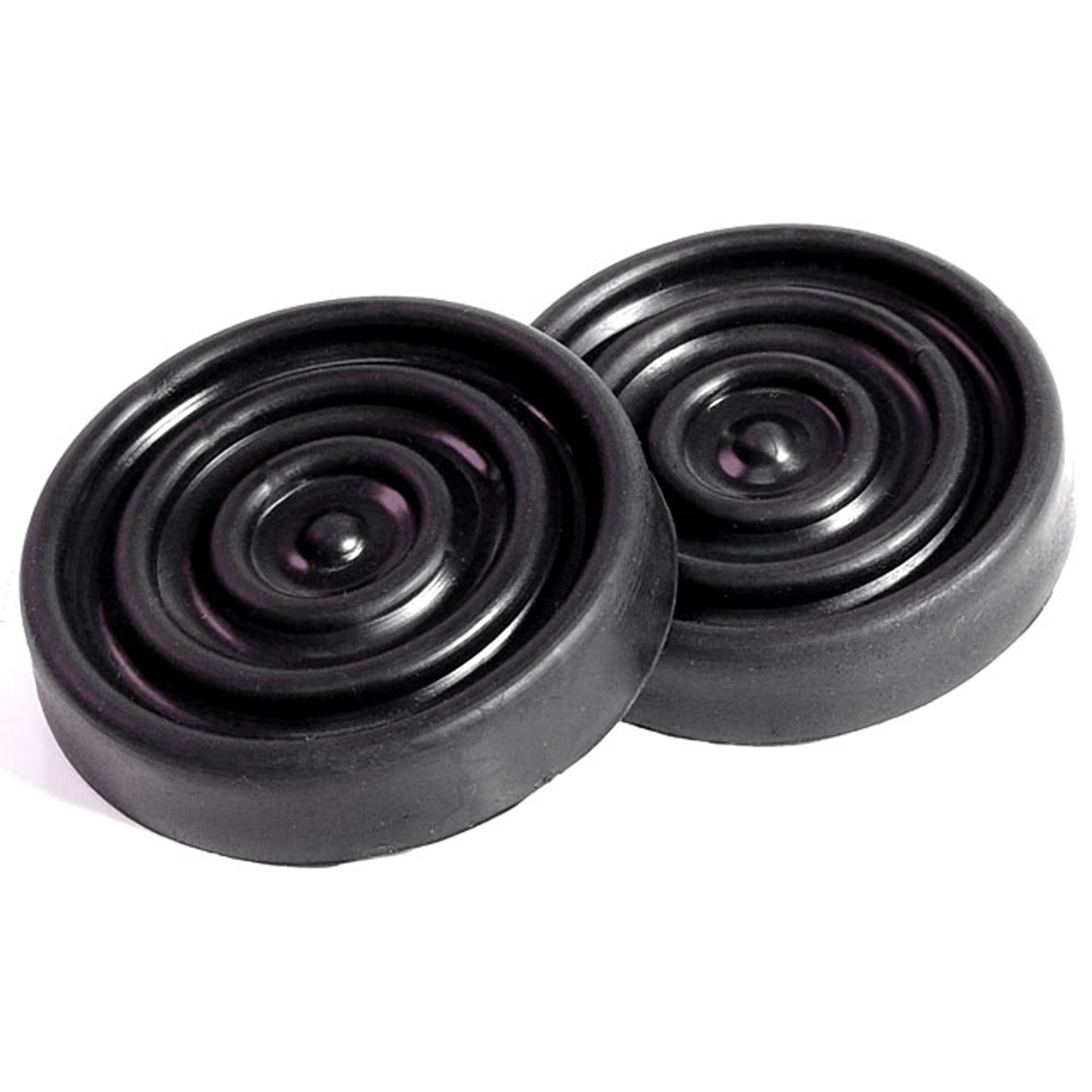 1935 Ford Model 48 Clutch and Brake Pedal Pads-CB 106Clutch and Brake Pedal Pads. Made with molded steel core and threaded stud. 3" diameter. Pair
 1935 Ford Model 48 Roof Related Seal. Top insert filler & seal for closed cars-LP 110-RRoof Related Seal. Top insert filler & seal for closed cars. Fits in groove between cloth top-center panel & surrounding steel. Sold by the foot
 1935 Ford Model 48 Horn Vent Pad. 4-1/4" O.D. Each-MP 684-CHorn Vent Pad. 4-1/4" O.D. Each
 1935 Ford Model 48 Wind Wing Pads. 7-1/8" wide X 4-1/4" long. Pair-MP 687Wind Wing Pads. 7-1/8" wide X 4-1/4" long. Pair
 1935 Ford Model 48 Windshield Post Pads. For Roadster-MP 704Windshield Post Pads. For Roadster. 2-3/4" wide X 4-1/4" long. Pair
 1935 Ford Model 48 Trunk Handle Pad. 2-5/8" wide X 1-3/8" long. Each-MP 704-DTrunk Handle Pad. 2-5/8" wide X 1-3/8" long. Each
 1935 Ford Model 48 Trunk Hinge Pads. 1-3/8" wide X 2-1/2" long. Set-MP 704-ETrunk Hinge Pads. 1-3/8" wide X 2-1/2" long. Set
 1935 Ford Model 48 Trunk Handle Pad. 1-3/8" X 2-1/2". Each-MP 704-FTrunk Handle Pad. 1-3/8" X 2-1/2". Each
 1935 Ford Model 48 Trunk Lock Pad. 1-3/8" wide X 2" long. Each-MP 704-GTrunk Lock Pad. 1-3/8" wide X 2" long. Each
 1935 Ford Model 48 Headlight Pads. 1" O.D. Pair-MP 710Headlight Pads. 1" O.D. Pair
 1935 Ford Model 48 Tail-light Pads. 4-3/8" wide X 7-3/4" long. Pair-MP 720Tail-light Pads. 4-3/8" wide X 7-3/4" long. Pair
 1935 Ford Model 48 Tail-light Bracket Pads. 3" wide X 2-1/8" long. Pair-MP 720-ATail-light Bracket Pads. 3" wide X 2-1/8" long. Pair
 1935 Ford Model 48 Door Handle Pads. 1-3/8" wide X 2-5/8" long. Pair-MP 730Door Handle Pads. 1-3/8" wide X 2-5/8" long. Pair
 1935 Ford Model 48 Trunk Lock Pad. 2-1/8" O.D. Each-MP 740Trunk Lock Pad. 2-1/8" O.D. Each
 1935 Ford Model 48 Windshield Wiper Transmission Pads. 1" O.D. Set-MP 750Windshield Wiper Transmission Pads. 1" O.D. Set
 1935 Ford Model 48 Side Window Anti-Rattle Pad. 1/4" wide X 1" long. Each-SB 73-ASide Window Anti-Rattle Pad. 1/4" wide X 1" long. Each
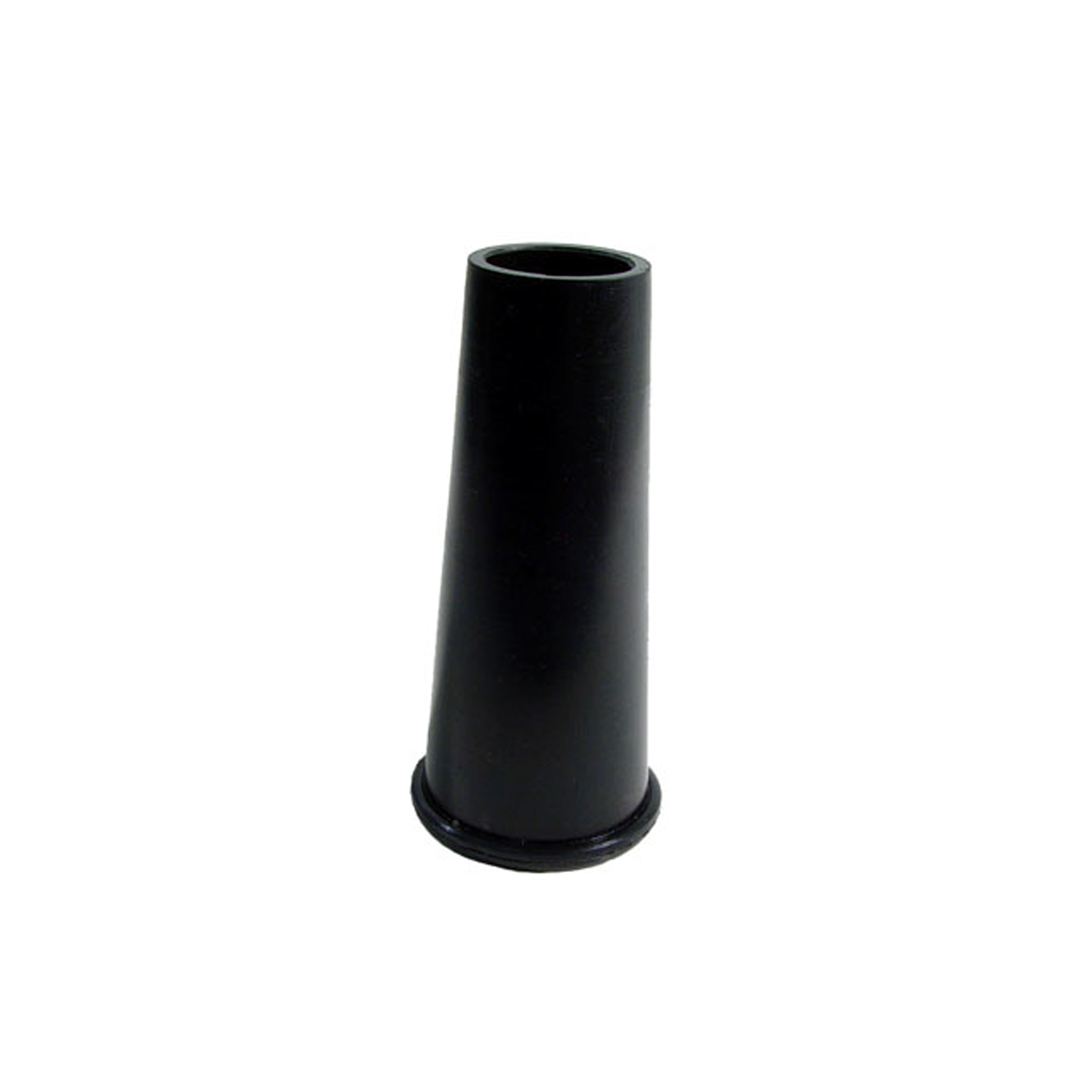 1935 Ford Model 48 Distributor Ignition Boot. 3-1/8", 1-1/4" O.D., 3/4" I.D-SM 65-DDistributor Ignition Boot. 3-1/8", 1-1/4" O.D., 3/4" I.D. Each
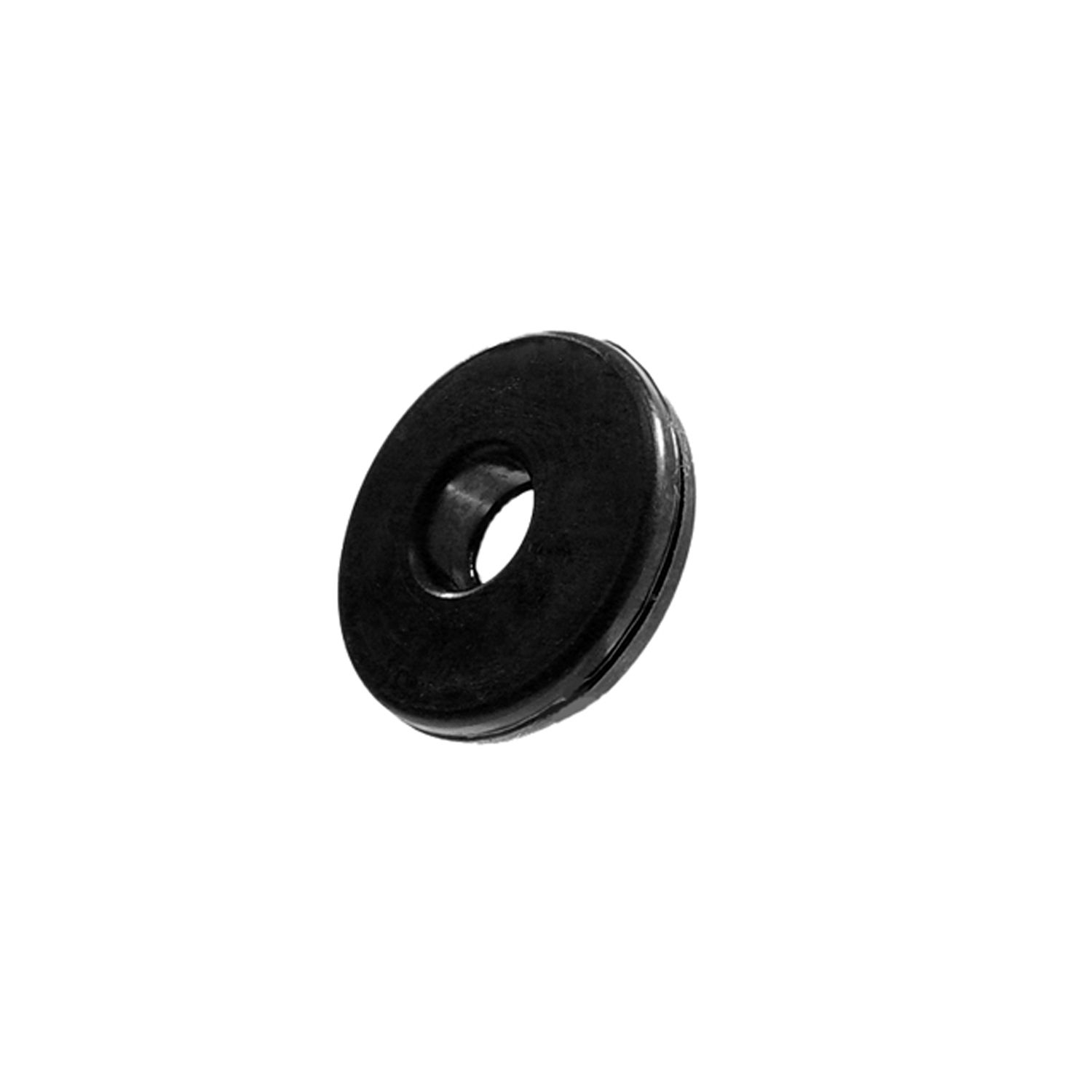 1935 Ford Model 48 Headlight Wires through Inner Splash Pan, Front Fenders-SM 96Headlight Wires through Inner Splash Pan, Front Fenders. Two used per car. 3/8" I.D., 1-5/16" O.D. Each
 1935 Ford Model 48 Swing-Out Windshield Seal. Each-VWS 3303Swing-Out Windshield Seal. Each
Why Choose Metro?
For over 100 years, Metro Moulded Parts has been the pinnacle of quality in classic car restoration parts. Our commitment to precision and authenticity in every component ensures a perfect fit and an OEM-level appearance.
- Expert Craftsmanship & Quality: Each part is a testament to our dedication to reliability and perfection, crafted from original designs and thoroughly tested.
- Advanced Technology: We use cutting-edge techniques to create flawless, long-lasting parts that surpass others in performance.
- SuperSoft Sponge – The Ultimate Door Seal: Not only are our door seals 30% softer than competitors', but they're also guaranteed to never leak. They effectively reduce wind and road noise, enhancing your classic car's comfort and driving experience.
- Proudly American: Our parts are a product of American craftsmanship, made in the USA with a spirit of excellence and heritage.
- Unrivaled Warranty: We back our products with a 30-year industry-leading warranty, a testament to our confidence in their quality.
Join us in preserving the legacy of classic cars with parts that are crafted for perfection, not just made.