
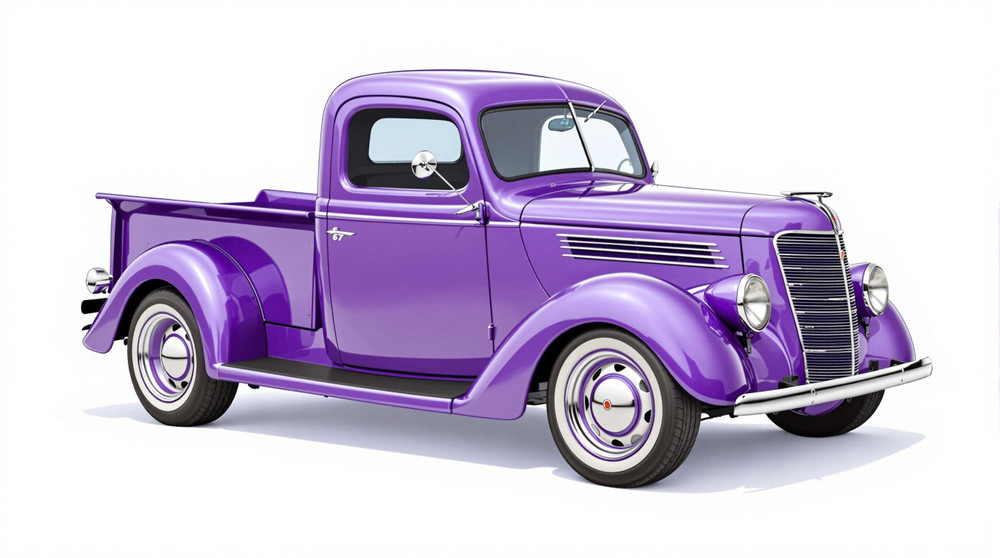
Image of 1936 Ford Model 67, Note: These illustrations use artistic license and may differ from actual historical models.
Performance Metrics
Fundamental Metrics
Emotional Appeal
MMP Rating
| Engine Specifications | |
|---|---|
| Engine: | Ford Flathead V8 |
| Displacement: | 221 cubic inches (3.6 liters) |
| Horsepower: | Estimated 85 hp |
| Torque: | 144 lb-ft |
| Compression Ratio: | Estimated 6.3:1 |
| Ignition System: | Distributor and coil |
| Cooling System: | Water-cooled |
| Performance Specifications | |
| 0-60 Time: | Information not available due to the age of the vehicle |
| 1/4 Mile Time: | Information not available due to the age of the vehicle |
| Top Speed: | 75 mph |
| Transmission and Drive | |
| Drive Type: | Rear-wheel drive |
| Transmission Type: | 3-speed manual |
| Fuel and Efficiency | |
| Fuel System Type: | Carburetor |
| MPG: | Estimated 15-20 mpg |
| Dimensions and Brakes | |
| Brakes: | Mechanical drum brakes |
| Wheelbase: | 112 inches |
| Weight: | 2,570 lbs |
Note: Specifications for classic cars are given to the best of our ability, considering the limited and variant data available.
1936 Ford Model 67: A Flathead-Era Workhorse
The 1936 Ford Model 67 puts a V8 rumble where it mattered most: in a working truck built to haul, deliver, and earn its keep. Produced by the Ford Motor Company, the Model 67 is commonly identified by collectors as a 1936 Ford half-ton pickup. It belongs to a period when American roads were rough, farms and small businesses relied on dependable transport, and Ford’s affordable V8 helped make eight-cylinder power available to ordinary buyers.
The Model 67 arrived during the Great Depression, when a truck had to justify every dollar spent on it. Ford’s answer combined a sturdy chassis and practical cargo capacity with its well-known flathead V8. That engine is a notable part of the truck’s story: Ford had introduced its mass-produced V8 in 1932, and by 1936 the engine had become a familiar selling point across the company’s passenger cars and commercial vehicles. The Model 67 was not a luxury truck, but it offered a level of smoothness and power that made it stand out among basic work vehicles.
Streamlined Steel and a Working-Cab Interior
The 1936 Ford truck looks compact and purposeful, with a tall, upright grille, rounded front fenders, and flowing lines that soften what is essentially a work tool. Its hood tapers toward the grille, while the separate fenders and running boards give the front end a broad, planted stance. The headlights sit prominently above the fenders, and the cab’s rounded roof and windshield bring some of the period’s streamlined styling to a practical commercial vehicle.
Inside, the Model 67 is straightforward. The cabin is narrow by modern standards, with a simple painted-metal dashboard, clear basic gauges, a bench seat, and a large steering wheel. Materials were selected for cost and durability rather than luxury. A rubber floor covering and hard-wearing seat upholstery suited muddy boots and daily use. Restored trucks may have replacement upholstery, so details such as trim and seat material can vary from the factory specification.
Ford’s 1936 trucks were available in commercial colors, though exact choices could vary with body type, destination, and paint schedule. Black and dark, practical shades such as green or blue are commonly associated with period trucks. Many examples seen today wear custom or carefully researched restoration colors, so original paint evidence is more useful than assuming every truck left the factory in one standard shade.
The Model 67 is best known as a pickup, but Ford’s commercial range also included related chassis and cab configurations that could be fitted with bodies for delivery, utility, or other trade work. The pickup is the most recognizable version to collectors, with its open cargo bed and compact proportions. Body details and equipment could differ, especially when a specialist body builder was involved.
What Made the Model 67 Matter
The Model 67 did not introduce a radical new truck layout. Its importance lies in how it brought Ford’s established V8 formula into a practical commercial package. In the 1930s, many buyers cared less about novelty than about getting a useful combination of power, parts availability, and manageable purchase cost. Ford’s large production network helped make the truck familiar to mechanics and owners across the country.
Its styling also reflects a wider change in American vehicle design. Earlier commercial vehicles often looked like little more than an engine and a box; by the mid-1930s, trucks were becoming more integrated and streamlined. The Model 67’s shaped hood, rounded fenders, and coordinated cab gave it a more finished appearance without sacrificing its working purpose. That blend of utility and style helped establish the vintage pickup as both a tool and, eventually, a collectible.
Flathead V8 Performance and Road Manners
Power came from Ford’s 221-cubic-inch (3.6-liter) flathead V8, rated at about 85 horsepower in period specifications. A three-speed manual transmission sent power to the rear wheels. The truck used a conventional solid-axle layout with leaf springs and mechanical brakes, reflecting the technology of the time. Ford did not introduce hydraulic brakes across its passenger-car and truck lines until later, so a 1936 Model 67 depends on properly adjusted mechanical brakes for safe stopping.
Factory acceleration figures for an individual Model 67 are not consistently available, and results depend heavily on gearing, body style, condition, and load. As a modern estimate, a sound, lightly loaded truck might take roughly 20 to 25 seconds to reach 60 mph. A top speed in the neighborhood of 60 to 70 mph is plausible for a healthy example, but sustained high-speed driving is not what the truck was designed for. Its gearing and brakes are better suited to moderate road speeds and useful pulling power.
On the road, the flathead delivers a distinctive, even burble, with more low-speed flexibility than many basic four-cylinder work vehicles of the era. The three-speed gearbox requires deliberate shifts, and the steering feels heavy by modern standards, particularly at low speed. The ride is firm and can feel busy over broken pavement, especially when the truck is unladen. On a winding road, its tall stance, solid axles, and period tires call for measured cornering rather than sporty driving. A crosswind, uneven road, or full cargo bed changes the feel considerably.
Living With a 1936 Ford Pickup
In its own day, the Model 67 was a working vehicle for farms, tradespeople, local deliveries, and small businesses. Today, owners tend to use surviving examples as weekend drivers, show vehicles, parade trucks, or occasional light haulers. A carefully restored truck can cover local roads comfortably, but modern traffic, limited braking performance, and the lack of contemporary safety equipment make defensive driving essential.
The flathead V8 is well understood by classic Ford specialists, and many mechanical parts are available through vintage-car suppliers. Routine work such as ignition service, carburetor adjustment, cooling-system maintenance, and brake adjustment is manageable for an experienced home mechanic with appropriate tools. The important caveat is condition: decades of repairs, conversions, and storage can leave a truck with mismatched parts or hidden wear. Inspect the frame, steering, brakes, cooling system, and engine carefully, and confirm that replacement parts match the truck’s year and configuration.
Reliability is strongly tied to restoration quality. A correctly rebuilt, regularly driven truck can be dependable for local outings, but an old flathead that has sat for years should not be expected to perform like a modern vehicle without recommissioning. Mechanical brakes and a vintage electrical system deserve particular attention before road use.
Model 67 Facts and Common Criticisms
The Model 67’s strongest claim to fame is the character of its flathead V8, not a record-setting speed run or a single famous event. The engine became one of the most recognizable American powerplants of its era and later developed a strong following among hot rodders. The 1936 Ford is also part of the broader prewar Ford story, when the company’s high-volume cars and trucks helped put V8 performance within reach of a wide range of buyers.
There is no widely accepted production figure published specifically for every Model 67 pickup configuration. Ford built vehicles in substantial numbers, but surviving records and body variations make a precise model-level total difficult to state. A broad estimate of perhaps 20,000 to 40,000 Model 67 pickups is a reasonable guess, not a verified factory count. The number of original, unmodified examples still available is much smaller.
Common criticisms are familiar to anyone who drives a prewar truck: mechanical brakes need regular adjustment, steering and controls take more effort, the cabin is noisy, and highway speed is limited by the truck’s gearing and braking system. The ride can also be stiff when the bed is empty. Those compromises are part of the period experience, but they matter when choosing a truck for regular use.
Collector Values and Availability
Values vary considerably with originality, rust, mechanical condition, restoration quality, and completeness. As a broad current-market estimate, a project truck may sell for about $15,000 to $30,000. A solid driver or older restoration might bring roughly $30,000 to $55,000, while a high-quality, well-documented restoration can reach approximately $55,000 to $85,000 or more. Exceptional examples, rare body configurations, and trucks with strong provenance can exceed those ranges. These are guide figures rather than guaranteed sale prices.
Model 67 pickups are not impossible to find, but clean, correctly restored examples are much less common than modified or partially restored trucks. Values for desirable prewar Ford pickups have generally strengthened over the long term, though prices move with collector demand and the cost of restoration. Condition and authenticity tend to matter more than simply spending heavily on a build. A well-preserved truck with sound documentation is often a safer collector purchase than a shiny restoration with uncertain history.
Why the 1936 Ford Model 67 Still Turns Heads
The 1936 Ford Model 67 combines unmistakable prewar styling, a charismatic flathead V8, and the practical proportions of a true working pickup. It was built for a different pace of life, and its mechanical brakes, firm ride, and modest performance make that clear behind the wheel. Yet its approachable design, strong period character, and connection to Ford’s influential V8 era continue to attract enthusiasts.
For collectors, the Model 67 is more than an old farm truck. It is a rolling snapshot of the moment when American pickups began to look as memorable as the cars sharing their roads. That blend of honest utility and unmistakable Ford character is what keeps the 1936 Model 67 working its way into people’s hearts long after its original job is done.
1936 Ford Model 67 Catalog of Parts
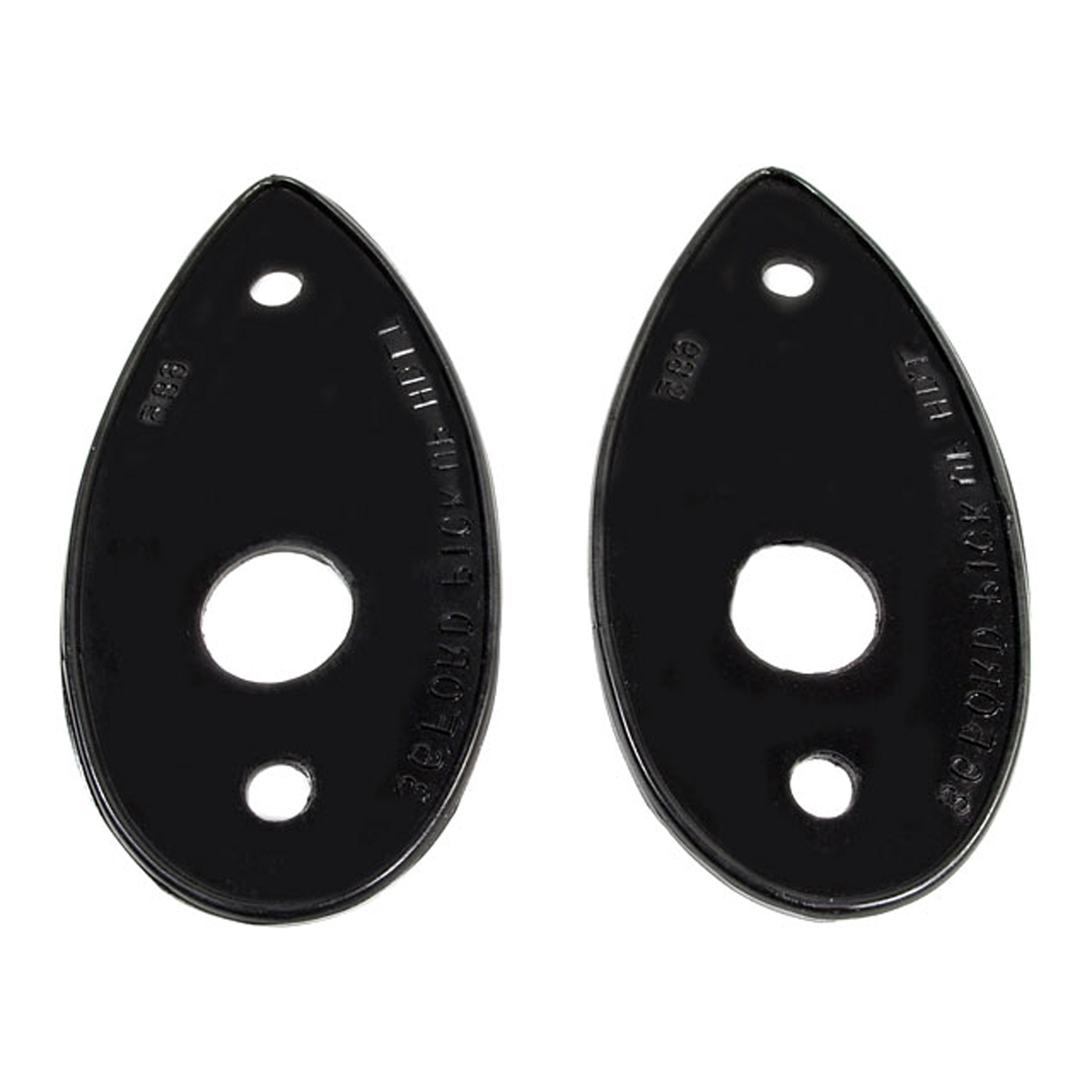 1936 Ford Model 67 Headlight Pads. 3" wide X 6-3/8" long. Pair-MP 685Headlight Pads. 3" wide X 6-3/8" long. Pair
 1936 Ford Model 67 Headlight Pads. 3-1/2" wide X 5-3/8" long. Pair-MP 703Headlight Pads. 3-1/2" wide X 5-3/8" long. Pair
Why Choose Metro?
For over 100 years, Metro Moulded Parts has been the pinnacle of quality in classic car restoration parts. Our commitment to precision and authenticity in every component ensures a perfect fit and an OEM-level appearance.
- Expert Craftsmanship & Quality: Each part is a testament to our dedication to reliability and perfection, crafted from original designs and thoroughly tested.
- Advanced Technology: We use cutting-edge techniques to create flawless, long-lasting parts that surpass others in performance.
- SuperSoft Sponge – The Ultimate Door Seal: Not only are our door seals 30% softer than competitors', but they're also guaranteed to never leak. They effectively reduce wind and road noise, enhancing your classic car's comfort and driving experience.
- Proudly American: Our parts are a product of American craftsmanship, made in the USA with a spirit of excellence and heritage.
- Unrivaled Warranty: We back our products with a 30-year industry-leading warranty, a testament to our confidence in their quality.
Join us in preserving the legacy of classic cars with parts that are crafted for perfection, not just made.