

Image of 1936 Ford Model 68, Note: These illustrations use artistic license and may differ from actual historical models.
Performance Metrics
Fundamental Metrics
Emotional Appeal
MMP Rating
| Engine Specifications | |
|---|---|
| Engine: | Ford Flathead V8 |
| Displacement: | 221 cubic inches |
| Horsepower: | 85 hp |
| Torque: | 144 lb-ft |
| Compression Ratio: | 6.3:1 |
| Ignition System: | Distributor and coil |
| Cooling System: | Water-cooled |
| Performance Specifications | |
| 0-60 Time: | Estimated at around 20 seconds |
| 1/4 Mile Time: | Not available |
| Top Speed: | 80 mph |
| Transmission and Drive | |
| Drive Type: | Rear-wheel drive |
| Transmission Type: | 3-speed manual |
| Fuel and Efficiency | |
| Fuel System Type: | Carburetor |
| MPG: | Estimated at around 14-16 mpg |
| Dimensions and Brakes | |
| Brakes: | Mechanical drum brakes |
| Wheelbase: | 112 inches |
| Weight: | 2,570 lbs |
Note: Specifications for classic cars are given to the best of our ability, considering the limited and variant data available.
1936 Ford Model 68: A Classic Flathead V8
The 1936 Ford Model 68 brings together the ingredients that made prewar Fords so memorable: a compact, purposeful body, handsome period styling, and the unmistakable beat of a flathead V8. Built by the Ford Motor Company in the United States, it belongs to the generation of affordable V8 cars that helped put eight-cylinder performance within reach of ordinary motorists.
“Model 68” is a Ford model-series designation, and period records and later references can apply closely related codes to different body and trim configurations. The car is best understood as part of Ford’s 1936 V8 passenger-car range, offered in several body styles. One appealing detail is its place at the end of a design chapter: Ford gave the 1936 cars a distinctive, upright front end, then substantially revised the look for 1937.
Art Deco Lines and a Practical Cabin
The Model 68 has the unmistakable profile of a mid-1930s Ford. Its tall, narrow grille sits between rounded front fenders, while separate, teardrop-shaped headlamps give the nose a carefully sculpted appearance. The hood stretches back toward a steep windshield, and the flowing fenders continue the car’s rounded forms down the sides. From the rear, the body looks compact and solid, with a spare tire often mounted externally on the back or fender depending on the configuration.
Inside, the cabin is straightforward rather than luxurious. A broad dashboard, large steering wheel, simple gauges, and upright seating reflect the practical priorities of the era. Upholstery materials varied by body style and trim, with cloth and mohair common in closed cars and leather or leather-like materials used in some open or better-equipped versions. The finish was considerably more substantial than the bare-bones image sometimes associated with an inexpensive car, but modern conveniences were limited. Passengers got a warm, enclosed cabin, not today’s expectations of sound insulation, climate control, or adjustable seating.
Ford offered a range of factory paint colors, with availability depending on the body and trim combination. Black was a familiar and popular choice, while dark blues, greens, grays, and maroons suited the car’s formal lines. Two-tone treatments and contrasting upholstery could add visual distinction, particularly on higher-trim or open models.
Body styles across the 1936 Ford V8 range included coupes, two- and four-door sedans, convertibles, and station wagons, though exact availability depended on the series and market. Sedans were practical, widely chosen family cars. The coupe and convertible styles have a special following today, while the wood-bodied station wagon is among the most distinctive and collectible versions from the broader range.
Ford’s V8 Advantage
The Model 68’s central technical feature was Ford’s 221-cubic-inch (3.6-liter) flathead V8. In 1936, it was rated at about 85 horsepower and paired with a three-speed manual transmission. The engine’s compact design and mass production helped Ford offer V8 power at a price many buyers could consider. The Model 68 was not the first car to use a V8, but it carried forward the approach Henry Ford had made famous with the 1932 Ford V8: make eight-cylinder performance accessible, not exclusive.
Its engineering also shows where the industry stood before modern chassis design took over. The Ford used a solid front axle, transverse leaf springs, mechanical drum brakes, and a conventional rear-drive layout. These were established, repairable systems rather than cutting-edge technology, but they helped keep the car durable and relatively straightforward to service. Hydraulic brakes would not arrive on Ford passenger cars until later in the decade.
The 1936 Ford’s lasting influence is less about a single breakthrough than about the combination of value, performance, and recognisable styling. It helped normalize the idea that a reasonably priced family car could have a V8. Its upright grille and rounded fenders also made it one of the most instantly identifiable American cars of its period, a look later remembered as a high point of prewar Ford design.
Flathead Pace and Road Manners
With around 85 horsepower, the Model 68 could reach an estimated top speed in the neighborhood of 75 mph when in good condition. A 0-to-60 mph run generally takes roughly 20 to 25 seconds, depending on body style, gearing, engine health, and test conditions. These are modern estimates rather than a single guaranteed factory figure. The car was lively for its day, but it is not quick by contemporary standards, and safe cruising speeds are usually lower than its theoretical maximum.
The flathead V8 delivers its power with a low, even burble rather than a high-revving rush. The three-speed manual asks the driver to work the clutch and gear lever deliberately, and the steering has a slower, more mechanical feel than a modern car. Braking also requires anticipation: the four-wheel mechanical drums can stop the car, but they do not offer the consistency or stopping power of modern hydraulic systems.
On ordinary roads, the transverse springs and solid axles give the Ford a distinctly period ride. It can absorb small road imperfections reasonably well, though larger bumps and rough surfaces make themselves known through the body and steering. On winding roads, the car rewards smooth inputs. Its narrow tires, upright stance, and vintage suspension favor a measured pace rather than aggressive cornering. Crosswinds can move the car around, and loose or uneven surfaces call for a firm hand on the wheel.
Living With a 1936 Ford
Today, most Model 68s are enjoyed as show cars, weekend cruisers, touring cars, or carefully preserved pieces of automotive history. Some have been modified as hot rods, a long-standing tradition for flathead Fords. A sound, original example can still take part in local events and relaxed drives, but regular modern traffic, freeway speeds, and long-distance use require extra care and realistic expectations.
Maintenance is manageable for an owner with mechanical experience. The flathead V8 is well understood, and parts support remains strong thanks to decades of restoration and hot-rodding interest. Regular attention to ignition, cooling, lubrication, fuel delivery, brakes, and the electrical system is essential. Mechanical brakes need correct adjustment, and an old cooling system deserves particular scrutiny before a long trip. Repairs are often accessible to a skilled home mechanic, although worn or neglected cars can require extensive work, and body restoration can quickly become expensive.
Notable Details and Common Drawbacks
The Model 68 benefits from the broad popularity of Ford’s flathead V8 era. That popularity has created a substantial enthusiast and parts network, and the same basic engine family has powered countless restored cars and hot rods. There is no widely accepted, precise production total for the Model 68 alone: Ford records and later references often group cars by body style, series, or broader passenger-car totals. A reasonable broad estimate is that Ford produced around 800,000 passenger cars across its 1936 range, but that figure should not be treated as a Model 68 count.
The car’s common criticisms are the flip side of its age. Mechanical brakes demand more planning, the cabin can be noisy, the ride and steering feel dated, and the flathead can run hot if the cooling system is not in good order. Original cars also vary considerably after nine decades of repairs and modifications. Buyers should verify the engine, chassis, body numbers, and restoration history rather than assume every car advertised as a Model 68 retains its original specification.
Collector Values and Availability
The 1936 Ford is not rare in the same way as a limited-production luxury car, but finding a well-preserved, correctly restored example is a different matter. Sedans and coupes appear on the market with some regularity, while desirable open cars, station wagons, and unusually original examples are harder to find. The Model 68’s specific production figure is difficult to isolate, so rarity is best judged by body style, originality, and condition rather than by a single model-wide number.
As a broad U.S. market estimate, a project car may sell for about $10,000 to $25,000. A usable driver or competent older restoration can fall around $25,000 to $50,000, while a high-quality restoration or particularly desirable configuration may bring $50,000 to $90,000 or more. These are general ranges, not a formal appraisal. Condition, provenance, body style, originality, and the quality of the restoration can shift the price substantially. Hot rods follow their own market, where build quality and components matter more than factory originality.
Values tend to be strongest for well-documented, correctly restored cars and distinctive body styles. The market can fluctuate, and restoration costs often exceed the eventual sale price, so appreciation is not guaranteed. For many owners, the best return is the pleasure of driving and preserving a landmark-era Ford rather than a promise of investment growth.
Why the 1936 Ford Model 68 Still Matters
The 1936 Ford Model 68 combines a charismatic flathead V8, unmistakable prewar styling, and practical engineering that made Ford a force in the American car market. It is quick enough to feel lively in its own era, straightforward enough to invite hands-on ownership, and distinctive enough to stand out at any vintage-car gathering. More than a handsome old Ford, it represents the moment when V8 performance became a realistic choice for everyday drivers.
Nearly a century later, its appeal is still easy to understand: turn the key, hear the flathead settle into its steady rhythm, and a piece of Ford history becomes wonderfully real.
1936 Ford Model 68 Catalog of Parts
 1936 Ford Model 68 Front Bumper Arm Grommets-BG 23Front Bumper Arm Grommets. 2-1/8" wide X 3-3/4" long, with 1-1/2" long inner slot. Pair
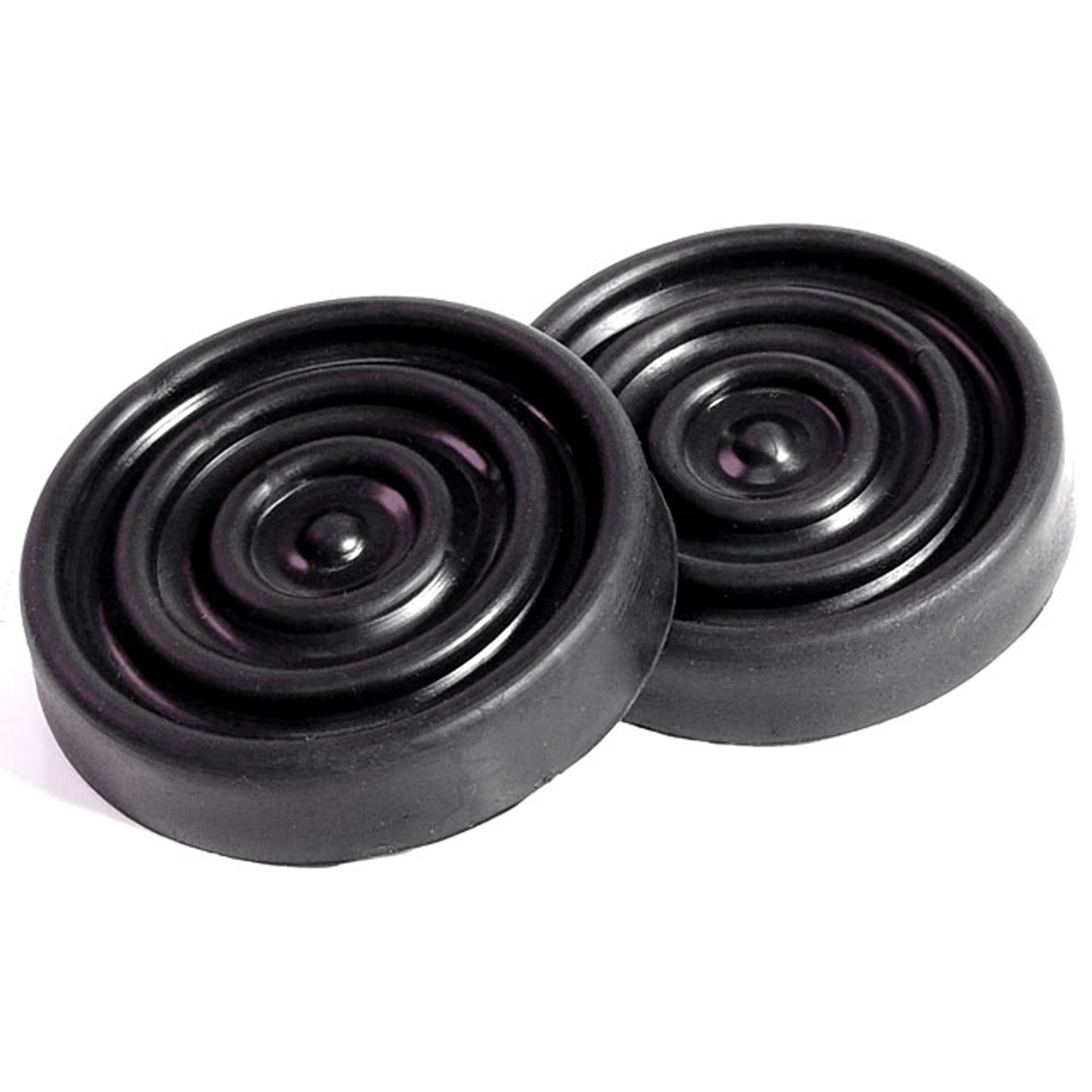 1936 Ford Model 68 Clutch and Brake Pedal Pads-CB 106Clutch and Brake Pedal Pads. Made with molded steel core and threaded stud. 3" diameter. Pair
 1936 Ford Model 68 Roof Related Seal. Top insert filler & seal for closed cars-LP 110-RRoof Related Seal. Top insert filler & seal for closed cars. Fits in groove between cloth top-center panel & surrounding steel. Sold by the foot
 1936 Ford Model 68 Headlight Pads. 2-1/2" wide X 4-1/4" long. Pair-MP 684Headlight Pads. 2-1/2" wide X 4-1/4" long. Pair
 1936 Ford Model 68 Horn Vent Pad. 4-1/4" O.D. Each-MP 684-CHorn Vent Pad. 4-1/4" O.D. Each
 1936 Ford Model 68 Tail-light Pads. 4-3/4" wide X 8-1/8" long. Pair R&L-MP 686Tail-light Pads. 4-3/4" wide X 8-1/8" long. Pair R&L
 1936 Ford Model 68 Wind Wing Pads. 7-1/8" wide X 4-1/4" long. Pair-MP 687Wind Wing Pads. 7-1/8" wide X 4-1/4" long. Pair
 1936 Ford Model 68 Windshield Post Pads. For Roadster-MP 704Windshield Post Pads. For Roadster. 2-3/4" wide X 4-1/4" long. Pair
 1936 Ford Model 68 Trunk Handle Pad. 2-5/8" wide X 1-3/8" long. Each-MP 704-DTrunk Handle Pad. 2-5/8" wide X 1-3/8" long. Each
 1936 Ford Model 68 Trunk Hinge Pads. 1-3/8" wide X 2-1/2" long. Set-MP 704-ETrunk Hinge Pads. 1-3/8" wide X 2-1/2" long. Set
 1936 Ford Model 68 Trunk Handle Pad. 1-3/8" X 2-1/2". Each-MP 704-FTrunk Handle Pad. 1-3/8" X 2-1/2". Each
 1936 Ford Model 68 Trunk Lock Pad. 1-3/8" wide X 2" long. Each-MP 704-GTrunk Lock Pad. 1-3/8" wide X 2" long. Each
 1936 Ford Model 68 Tail-light Bracket Pads. 3" wide X 2-1/8" long. Pair-MP 720-ATail-light Bracket Pads. 3" wide X 2-1/8" long. Pair
 1936 Ford Model 68 Door Handle Pads. 1-3/8" wide X 2-5/8" long. Pair-MP 730Door Handle Pads. 1-3/8" wide X 2-5/8" long. Pair
 1936 Ford Model 68 Trunk Lock Pad. 2-1/8" O.D. Each-MP 740Trunk Lock Pad. 2-1/8" O.D. Each
 1936 Ford Model 68 Windshield Wiper Transmission Pads. 1" O.D. Set-MP 750Windshield Wiper Transmission Pads. 1" O.D. Set
 1936 Ford Model 68 Side Window Anti-Rattle Pad. 1/4" wide X 1" long. Each-SB 73-ASide Window Anti-Rattle Pad. 1/4" wide X 1" long. Each
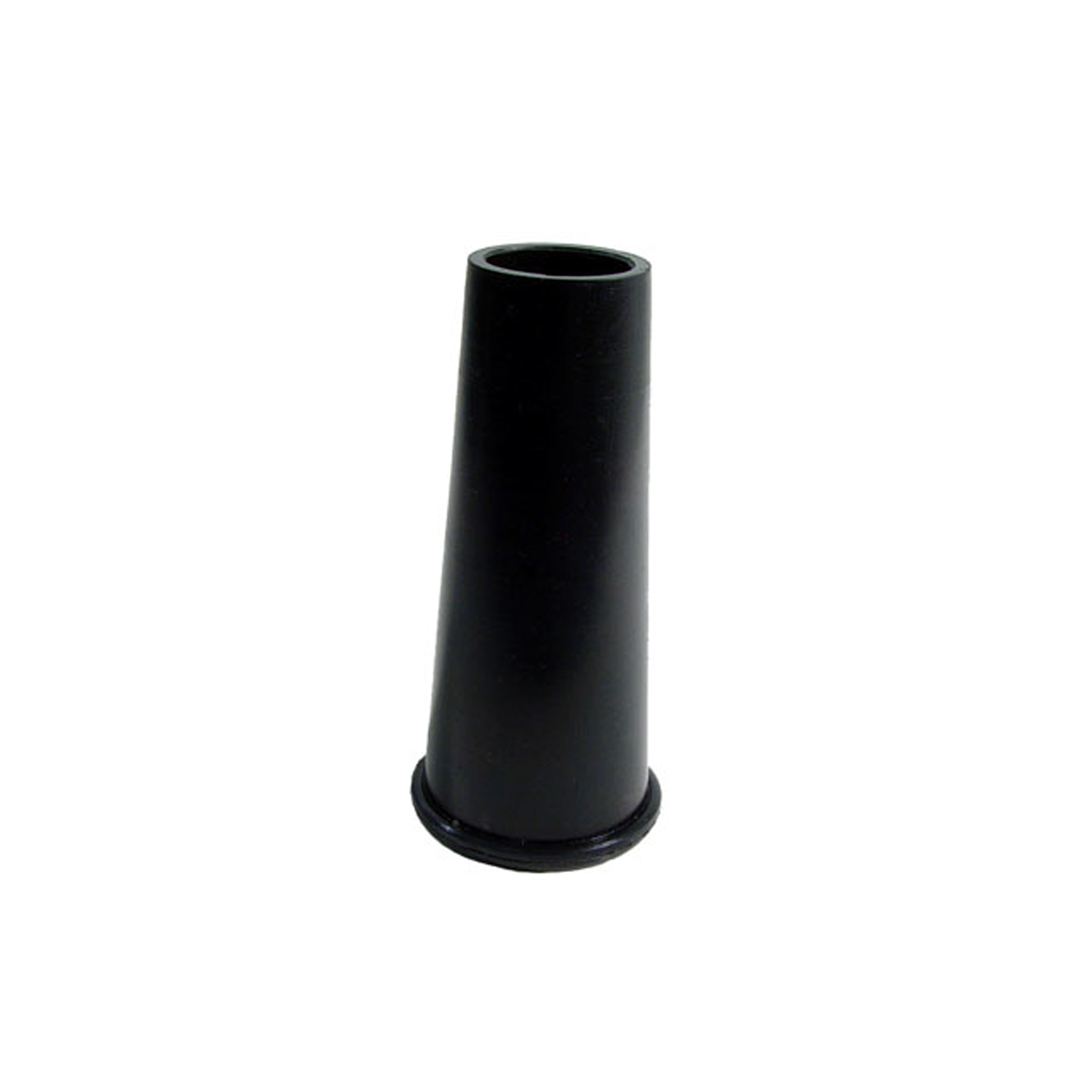 1936 Ford Model 68 Distributor Ignition Boot. 3-1/8", 1-1/4" O.D., 3/4" I.D-SM 65-DDistributor Ignition Boot. 3-1/8", 1-1/4" O.D., 3/4" I.D. Each
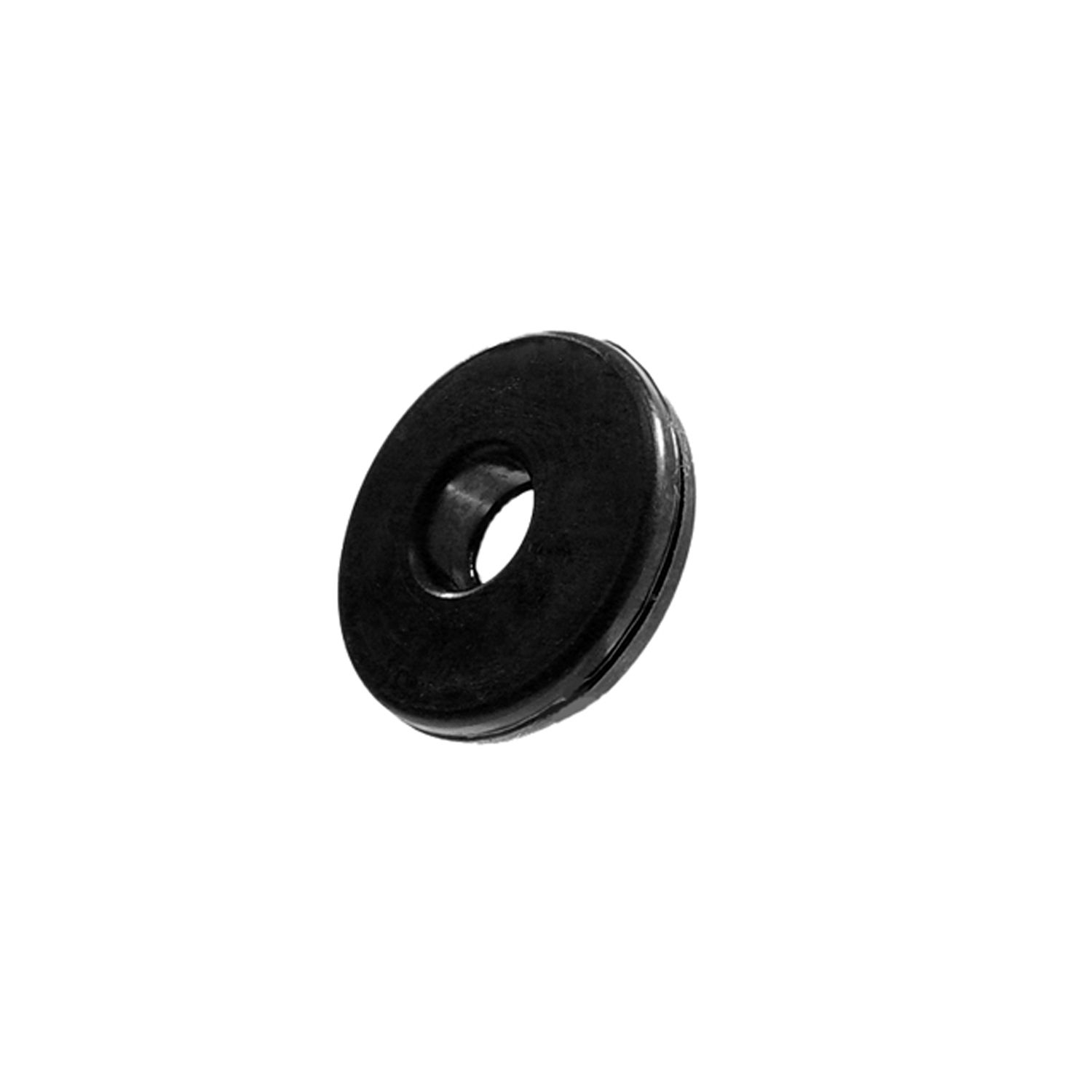 1936 Ford Model 68 Headlight Wires through Inner Splash Pan, Front Fenders-SM 96Headlight Wires through Inner Splash Pan, Front Fenders. Two used per car. 3/8" I.D., 1-5/16" O.D. Each
 1936 Ford Model 68 Swing-Out Windshield Seal. Each-VWS 3303Swing-Out Windshield Seal. Each 1936 Ford Model 68 Rear Vent Window Seals, for 4-Door Touring Sedans-WR 3307-RRear Vent Window Seals, for 4-Door Touring Sedans. Pair R&L
Why Choose Metro?
For over 100 years, Metro Moulded Parts has been the pinnacle of quality in classic car restoration parts. Our commitment to precision and authenticity in every component ensures a perfect fit and an OEM-level appearance.
- Expert Craftsmanship & Quality: Each part is a testament to our dedication to reliability and perfection, crafted from original designs and thoroughly tested.
- Advanced Technology: We use cutting-edge techniques to create flawless, long-lasting parts that surpass others in performance.
- SuperSoft Sponge – The Ultimate Door Seal: Not only are our door seals 30% softer than competitors', but they're also guaranteed to never leak. They effectively reduce wind and road noise, enhancing your classic car's comfort and driving experience.
- Proudly American: Our parts are a product of American craftsmanship, made in the USA with a spirit of excellence and heritage.
- Unrivaled Warranty: We back our products with a 30-year industry-leading warranty, a testament to our confidence in their quality.
Join us in preserving the legacy of classic cars with parts that are crafted for perfection, not just made.