

Image of 1937 Ford Model 78, Note: These illustrations use artistic license and may differ from actual historical models.
Performance Metrics
Fundamental Metrics
Emotional Appeal
MMP Rating
| Engine Specifications | |
|---|---|
| Engine: | Ford Flathead V8 |
| Displacement: | 221 cubic inches (3.6 liters) |
| Horsepower: | 85 hp |
| Torque: | 144 lb-ft |
| Compression Ratio: | 6.2:1 |
| Ignition System: | Distributor and coil |
| Cooling System: | Water-cooled |
| Performance Specifications | |
| 0-60 Time: | Estimated at around 20 seconds |
| 1/4 Mile Time: | Not available |
| Top Speed: | 75-80 mph |
| Transmission and Drive | |
| Drive Type: | Rear-wheel drive |
| Transmission Type: | 3-speed manual |
| Fuel and Efficiency | |
| Fuel System Type: | Carburetor |
| MPG: | Estimated at around 15-20 mpg |
| Dimensions and Brakes | |
| Brakes: | Mechanical drum brakes |
| Wheelbase: | 112 inches |
| Weight: | 2,570 lbs |
Note: Specifications for classic cars are given to the best of our ability, considering the limited and variant data available.
1937 Ford Model 78: The Flathead V8 Comes of Age
The 1937 Ford Model 78 paired one of America’s most influential engines with a new, sharply streamlined body, creating a car that looked modern, felt lively for its day, and helped make V8 performance accessible to ordinary buyers. Built by the Ford Motor Company in the United States, the Model 78 was the 85-horsepower V8 version of Ford’s 1937 passenger-car range. It arrived during a decade when affordable cars were becoming more comfortable and stylish, even as the Depression continued to shape what buyers could spend.
The Model 78’s defining feature was its 221-cubic-inch flathead V8. Ford had introduced its mass-produced V8 in 1932, but by 1937 the engine had become a familiar, proven selling point. A less powerful 60-horsepower V8 was also offered in the broader 1937 lineup, so the Model 78 represented the stronger choice. That combination of relatively low cost and eight-cylinder power helped distinguish Ford from many competitors still relying on six-cylinder engines.
There is an important naming detail for anyone researching one today: “Model 78” identifies the V8-powered series, not a single body style. A Model 78 could be found in several configurations, from practical sedans to sportier coupes and open cars. The exact body, equipment, and market could affect its desirability and value considerably.
Streamlined Styling and a More Modern Cabin
Ford gave its 1937 cars a striking new look. The front end was lower and more rounded than the upright designs of earlier years, with a prominent grille whose vertical bars formed a distinctive, tapered face. The headlights sat neatly in the front fenders rather than appearing as separate lamps perched beside the radiator. Sweeping fenders, a sloping hood, and flowing body lines made the car look faster even when parked.
The design was not just about appearance. Enclosing the headlights in the fenders and integrating the body panels into a more unified shape reflected a broader move toward streamlined, mass-produced styling. The 1937 Ford still had visible running boards, but its overall profile felt less boxy than that of many earlier cars. Its proportions were especially appealing in coupe form, where the long hood and compact cabin emphasized the car’s sporting character.
Inside, buyers found a straightforward cabin designed for durability and easy use. Depending on body style and trim, upholstery could include cloth or other period materials, with more upscale finishes available on better-equipped models. The dashboard placed the gauges and controls within the driver’s reach, while the broad front seat and generous glass area helped make the car feel open by late-1930s standards. This was not luxury-car craftsmanship, but it was practical, honest, and well suited to a car intended for everyday American roads.
Factory paint choices varied with body style and production details. Black remained a familiar and popular choice, while dark blues, greens, and other period colors gave buyers ways to personalize their Fords. Today, restored examples in deep blue, maroon, or rich green often show off the rounded fenders and bright trim particularly well. Original paint and trim specifications should be checked against the car’s body style and documentation, since not every color was necessarily available on every version.
Body Styles and the Model 78 Lineup
The Model 78 range included several closed and open body styles, with availability varying by market. Common configurations included Tudor and Fordor sedans, business and club coupes, and convertible models. Ford’s station wagon was another distinctive choice in the wider 1937 lineup, valued for utility as well as its wood-bodied appearance.
For many enthusiasts, the coupe is the most iconic Model 78. Its compact cabin and sweeping bodywork make it an especially recognizable prewar Ford, and it is a popular base for both faithful restorations and traditional hot rods. Sedans, meanwhile, deliver more passenger space and are often a more practical way to enjoy a vintage Ford. Open cars are less commonly encountered and can command a premium when they are complete and correctly restored.
Why the 1937 Ford Mattered
The 1937 Ford Model 78 helped bring together two ideas that would shape the American car: streamlined styling and affordable V8 power. Ford was not the only manufacturer pursuing either goal, but it had the scale to put them within reach of a very large audience. The result was a car that could serve as family transportation while still offering an engine with a strong performance reputation.
The flathead V8 was central to that appeal. Its compact design and broad availability made it popular with mechanics, racers, and performance-minded owners. In later years, Ford flatheads became the foundation of a major hot-rod culture. The Model 78 itself was not a modern sports car, but its engine helped establish the idea that an ordinary-looking Ford could be a lively and tunable machine.
Its engineering also shows the limits of the period. The Model 78 used a three-speed manual transmission and mechanical drum brakes, along with a conventional chassis and solid axles. Those systems were familiar and serviceable, but they required more driver attention and maintenance than modern equipment. Ford’s achievement was not to make a 1937 car behave like a modern one. It was to combine useful performance, sturdy construction, and appealing design at a price ordinary buyers could consider.
Flathead V8 Performance and Road Manners
The Model 78’s 221-cubic-inch flathead V8 produced about 85 horsepower when new. Power went through a three-speed manual transmission, typically operated with a column-mounted shift lever. Period factory performance figures are not as consistently documented as modern test results, and today’s cars vary widely in tune, gearing, and condition. As a broad guide, a healthy Model 78 might reach roughly 75 to 85 mph, while a 0-to-60-mph run could take around 18 to 22 seconds. These are estimates, not guaranteed figures for every car.
On the road, the V8’s character matters more than its numbers. It produces a steady, distinctive exhaust note and delivers its power in a relaxed, old-fashioned way. The three-speed gearbox asks the driver to plan shifts, and the brakes require more anticipation than modern drivers are used to. At lower speeds, the car feels substantial and mechanical, with the steering, clutch, and throttle all providing clear feedback.
The suspension was designed for the roads of its era, not for sharp modern cornering. On rough pavement, the solid axles and leaf springs can feel firm or busy, especially if the shocks, springs, or bushings are worn. On a winding road, a Model 78 rewards smooth inputs and sensible speeds rather than aggressive cornering. Crosswinds and road grooves can also demand more steering corrections than a contemporary car. A properly maintained example can be pleasant to drive, but it is best enjoyed at a measured pace with plenty of following distance.
Living With a 1937 Ford
Today, the Model 78 is most often used as a collector car, weekend cruiser, show vehicle, or hot-rod project. Some owners take their cars on touring events and local drives, where the Ford’s simple controls and familiar mechanical layout are part of the fun. A stock Model 78 can also be used regularly, but its age, safety equipment, braking performance, and speed should be considered before treating it like modern daily transportation.
Routine service is manageable for an owner with basic mechanical skills. The flathead V8 is well documented, and parts support remains strong thanks to the engine’s enduring popularity. Regular attention to ignition components, cooling-system condition, lubrication, brakes, and the charging system is essential. Overheating is a concern in any old flathead if the radiator, water pumps, or cooling passages are neglected. Original mechanical brakes need careful adjustment and inspection, and replacement parts should be selected with the car’s specification in mind.
Ease of repair is one of the Ford’s advantages, but a full restoration is still a serious undertaking. Rust in the body, frame, floor, and structural woodwork on applicable body styles can become expensive. Before buying, inspect the car carefully, verify its body and engine details, and check whether modifications have been made. A running car with incomplete or improvised repairs may cost more to put right than a well-documented example with a higher asking price.
Notable Details and Common Criticisms
The Model 78 belongs to the same broad family of Ford V8s that later became icons of American hot rodding. Its flathead’s simple, compact layout made it attractive to builders seeking more power, and the engine’s reputation outlived the original cars by decades. The 1937 Ford is also a useful snapshot of the period when automotive styling was moving away from upright, separate-looking components toward more integrated bodies and fenders.
There is no single, widely recognized speed or endurance record that defines the 1937 Model 78, and specific celebrity ownership claims should be treated cautiously unless supported by reliable documentation. Its significance is better understood through its broad popularity, the influence of the Ford V8, and the car’s long afterlife in restoration and hot-rod culture. The wider 1937 Ford passenger-car production was substantial, commonly estimated at roughly 900,000 to 950,000 cars across the range. That figure is not a Model 78-only production count, and exact totals for individual body and engine combinations can be difficult to establish.
Common criticisms are typical of prewar cars: modest braking by modern standards, a relatively slow three-speed transmission, limited crash protection, and maintenance demands that owners of newer cars may not expect. The ride and steering can also feel less composed than those of later vehicles. For enthusiasts, however, the same mechanical simplicity and direct driving feel are part of the appeal.
1937 Ford Model 78 Values and Collectibility
Values depend heavily on body style, originality, restoration quality, and mechanical condition. As a broad U.S. market estimate, a project or incomplete car might sell for around $8,000 to $20,000. A presentable driver could fall roughly between $20,000 and $40,000, while a high-quality restoration or especially desirable body style may reach $40,000 to $70,000 or more. Exceptional examples can exceed that range, but asking prices are not the same as confirmed sale prices.
The Model 78 is not rare in the same way as a low-production luxury car, but individual body styles and highly original examples can be much harder to find than the overall production figures suggest. Sedans are generally more available, while open cars, unusual configurations, and cars with strong provenance attract greater attention. A realistic production estimate should refer to the full 1937 Ford lineup, not to every Model 78 body and engine combination as if it were a single model.
Well-restored prewar Fords have generally retained strong enthusiast interest, though values can vary with the broader collector-car market and the cost of restoration. Exceptional, correctly restored cars tend to hold their appeal best. Modified hot rods also have a healthy audience, but they appeal to a different group of buyers and may not command the same premium as a rare, factory-correct example.
A Ford With Lasting V8 Appeal
The 1937 Ford Model 78 combined rounded, modern-looking styling with the character of Ford’s 85-horsepower flathead V8. Its range of body styles made it practical for different buyers, while its accessible engineering helped it become a favorite among restorers and hot-rod enthusiasts. It is not fast or comfortable by modern standards, but its sound, straightforward mechanicals, and unmistakable prewar presence make every drive feel like a connection to a different era.
More than a handsome old Ford, the Model 78 represents a turning point in the everyday car: streamlined enough to look forward-looking, powerful enough to feel special, and popular enough to leave a lasting mark on American automotive culture.
1937 Ford Model 78 Catalog of Parts
 1937 Ford Model 78 Hinge Side Seal for all closed models. 25-1/4" long-ALP 33Hinge Side Seal for all closed models. 25-1/4" long. Pair R&L
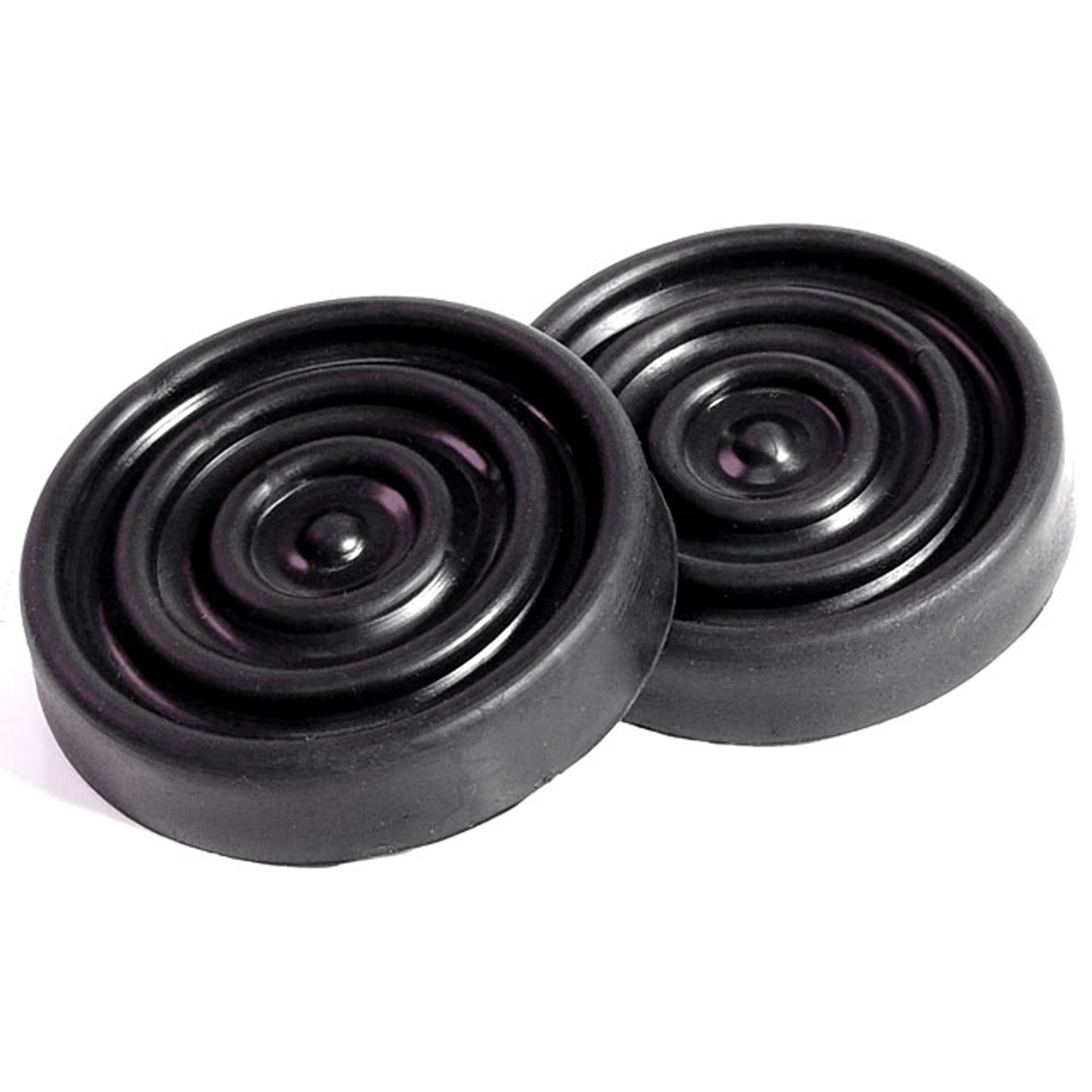 1937 Ford Model 78 Clutch and Brake Pedal Pads-CB 106Clutch and Brake Pedal Pads. Made with molded steel core and threaded stud. 3" diameter. Pair
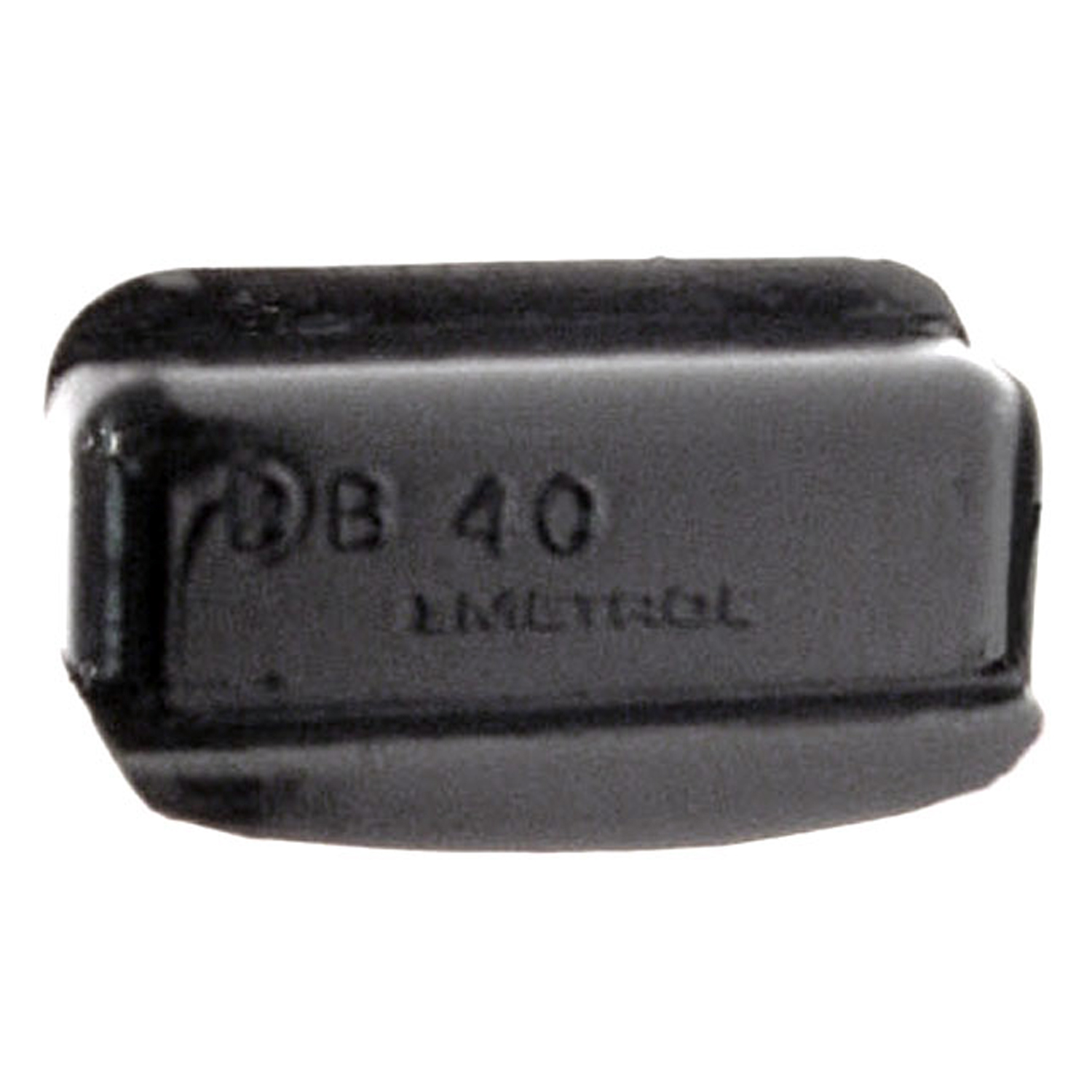 1937 Ford Model 78 Door Bumper. 3/4" high X 1-7/16" wide X 9/16" thick. Each-DB 40Door Bumper. 3/4" high X 1-7/16" wide X 9/16" thick. Each
 1937 Ford Model 78 Gas Filler Grommet. 2-3/8" I.D., 3-1/4" O.D. Each-GF 15Gas Filler Grommet. 2-3/8" I.D., 3-1/4" O.D. Each
 1937 Ford Model 78 Door bottom seal. Dense rubber extrusion. 1-1/2 in-LP 104-D/FTDoor bottom seal. Dense rubber extrusion. 1-1/2 in. L x 5/32 in. thk. with 5/32 in. lip. Per foot.
 1937 Ford Model 78 Door Bottom Seal, for 4-Door Sedans-LP 104-E/FTDoor Bottom Seal, for 4-Door Sedans. Contains all proper mounting holes. 1-1/2" Wide. Sold by the foot
 1937 Ford Model 78 Swing-Out Windshield Seal. Sold by the foot-LP 97-FSwing-Out Windshield Seal. Sold by the foot
 1937 Ford Model 78 Tail-light Pads. 2-1/4" wide X 4" long. Pair-MP 706Tail-light Pads. 2-1/4" wide X 4" long. Pair
 1937 Ford Model 78 Door Handle Pads. 1-3/8" wide X 2-5/8" long. Pair-MP 706-ADoor Handle Pads. 1-3/8" wide X 2-5/8" long. Pair
 1937 Ford Model 78 Trunk Hinge Pads. 1-5/8" wide X 8-3/8" long. Set-MP 706-CTrunk Hinge Pads. 1-5/8" wide X 8-3/8" long. Set
 1937 Ford Model 78 Hood Latch Pad. 1-5/8" wide X 6" long. Each-MP 712Hood Latch Pad. 1-5/8" wide X 6" long. Each
 1937 Ford Model 78 Antenna Pad. 2" wide X 3-1/2" long. Each-MP 713Antenna Pad. 2" wide X 3-1/2" long. Each
 1937 Ford Model 78 Tail-light Bracket Pads. 3" wide X 2-1/8" long. Pair-MP 720-ATail-light Bracket Pads. 3" wide X 2-1/8" long. Pair
 1937 Ford Model 78 Trunk Handle Pad. 1-7/8" O.D. Each-MP 722Trunk Handle Pad. 1-7/8" O.D. Each
 1937 Ford Model 78 Windshield Wiper Transmission Pad. 2" wide X 2-5/8" long-MP 760Windshield Wiper Transmission Pad. 2" wide X 2-5/8" long. Each
 1937 Ford Model 78 Cowl Vent Seal. Made of molded sponge. High quality-RP 100-SCowl Vent Seal. Made of molded sponge. High quality. 3-1/2" wide X 16-1/2" long. Each
 1937 Ford Model 78 Cowl Bumper. 3/4" O.D., 5/8" I.D. Each-SB 26Cowl Bumper. 3/4" O.D., 5/8" I.D. Each
 1937 Ford Model 78 Side Window Anti-Rattle Pad. 1/4" wide X 1" long. Each-SB 73-ASide Window Anti-Rattle Pad. 1/4" wide X 1" long. Each
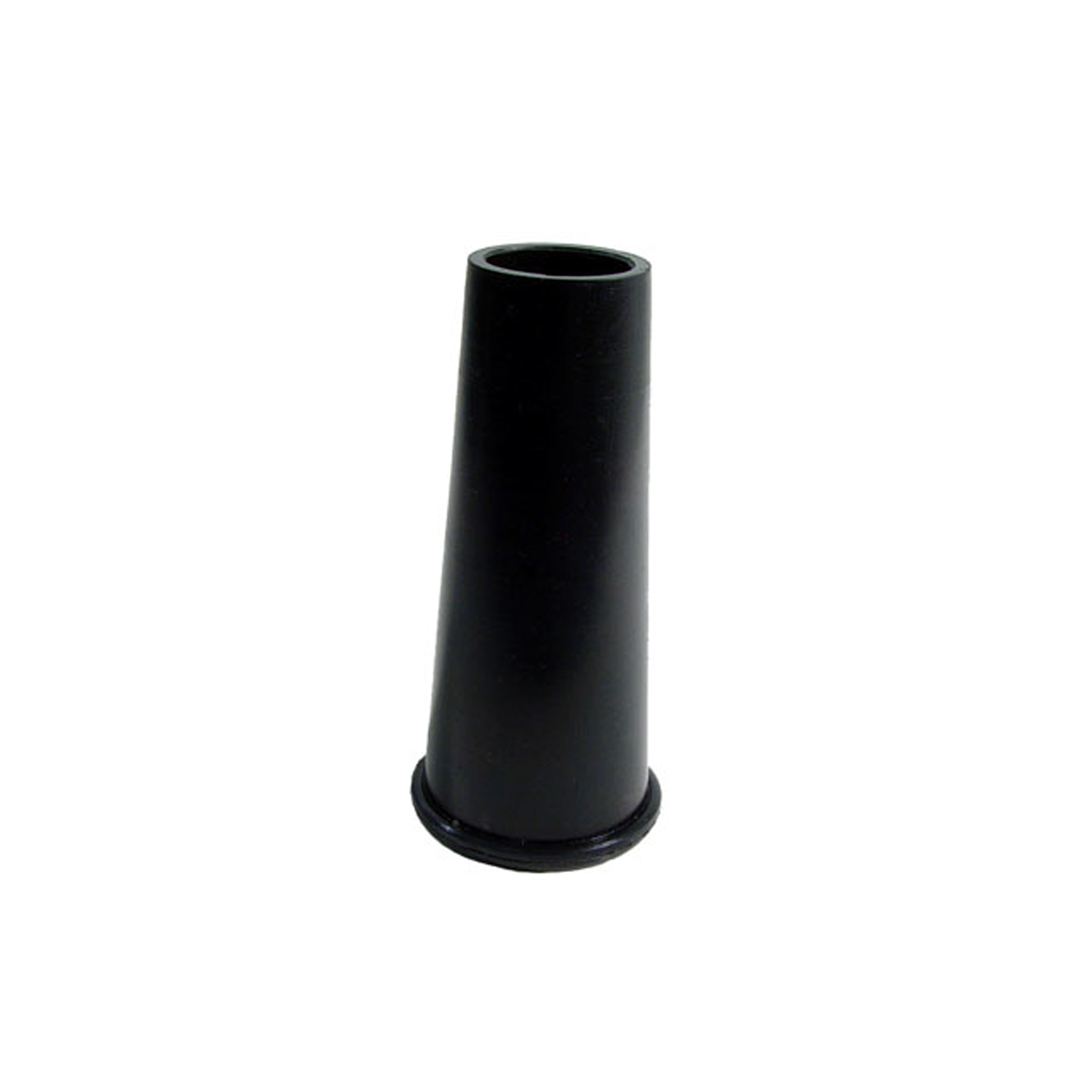 1937 Ford Model 78 Distributor Ignition Boot. 3-1/8", 1-1/4" O.D., 3/4" I.D-SM 65-DDistributor Ignition Boot. 3-1/8", 1-1/4" O.D., 3/4" I.D. Each
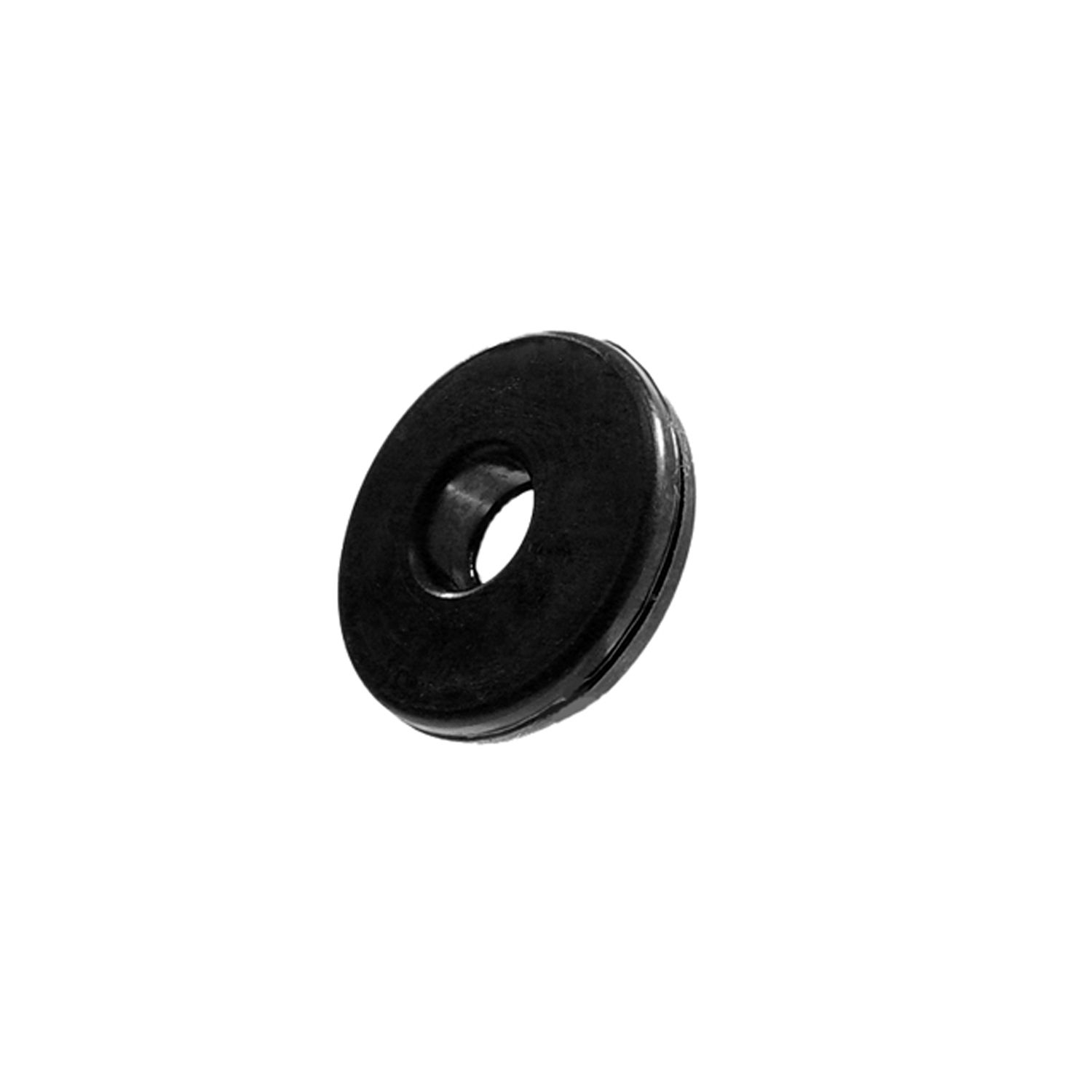 1937 Ford Model 78 Headlight Wires through Inner Splash Pan, Front Fenders-SM 96Headlight Wires through Inner Splash Pan, Front Fenders. Two used per car. 3/8" I.D., 1-5/16" O.D. Each
 1937 Ford Model 78 Swing-Out Windshield Seal-VWS 3306Swing-Out Windshield Seal. One-piece type, instructions included. Each
 1937 Ford Model 78 Rear Swing-Out Quarter Window Seals-WR 3316-RRear Swing-Out Quarter Window Seals. For 4-Door Touring & Sedan Humpbacks. 16" between pivot holes. Pair R&L 1937 Ford Model 78 Rear Vent Window Seals-WR 3317-RRear Vent Window Seals. For coupes with large, swing-out rear quarter windows. Overall length approximately 51". Pair R&L
Why Choose Metro?
For over 100 years, Metro Moulded Parts has been the pinnacle of quality in classic car restoration parts. Our commitment to precision and authenticity in every component ensures a perfect fit and an OEM-level appearance.
- Expert Craftsmanship & Quality: Each part is a testament to our dedication to reliability and perfection, crafted from original designs and thoroughly tested.
- Advanced Technology: We use cutting-edge techniques to create flawless, long-lasting parts that surpass others in performance.
- SuperSoft Sponge – The Ultimate Door Seal: Not only are our door seals 30% softer than competitors', but they're also guaranteed to never leak. They effectively reduce wind and road noise, enhancing your classic car's comfort and driving experience.
- Proudly American: Our parts are a product of American craftsmanship, made in the USA with a spirit of excellence and heritage.
- Unrivaled Warranty: We back our products with a 30-year industry-leading warranty, a testament to our confidence in their quality.
Join us in preserving the legacy of classic cars with parts that are crafted for perfection, not just made.