

Image of 1938 Ford Model 81 A, Note: These illustrations use artistic license and may differ from actual historical models.
Performance Metrics
Fundamental Metrics
Emotional Appeal
MMP Rating
| Engine Specifications | |
|---|---|
| Engine: | Flathead V8 |
| Displacement: | 221 cubic inches |
| Horsepower: | 85 hp |
| Torque: | 155 lb-ft |
| Compression Ratio: | 6.15:1 |
| Ignition System: | Distributor and coil |
| Cooling System: | Water-cooled |
| Performance Specifications | |
| 0-60 Time: | Estimated at around 20 seconds |
| 1/4 Mile Time: | Estimated at around 23 seconds |
| Top Speed: | 75 mph |
| Transmission and Drive | |
| Drive Type: | Rear-wheel drive |
| Transmission Type: | 3-speed manual |
| Fuel and Efficiency | |
| Fuel System Type: | Carburetor |
| MPG: | Estimated at around 15-20 mpg |
| Dimensions and Brakes | |
| Brakes: | Mechanical drum brakes |
| Wheelbase: | 112 inches |
| Weight: | 2,700 lbs |
Note: Specifications for classic cars are given to the best of our ability, considering the limited and variant data available.
1938 Ford Model 81A: A Flathead V8 Classic
The 1938 Ford Model 81A brings together the unmistakable character of Ford’s flathead V8 era and the handsome, streamlined styling that helped carry American cars toward the modern age. Built by the Ford Motor Company in the United States, the 81A is generally identified with the 1938 Ford passenger-car line powered by the 85-horsepower, 221-cubic-inch V8. It was a practical family car in its day, but its V8, distinctive profile, and connection to Ford’s early mass-market performance have made it a favorite among classic-car enthusiasts.
The car arrived during a difficult stretch for the American auto industry. The country was still recovering from the Great Depression, and the 1937–38 recession had put pressure on automakers to offer appealing cars at accessible prices. Ford answered with a broad range of body styles and a recognizable new look. One intriguing detail: Ford’s V8 reputation was already so strong that the engine itself could be a major selling point, even though the 1938 Model 81A was designed first and foremost as a usable, everyday automobile.
1938 Ford Styling and Interior
The 81A has the upright presence of a prewar Ford, softened by flowing fenders and a rounded roofline. Its long hood leads to a prominent front grille, while the headlamps sit neatly in the front fenders rather than appearing as separate, exposed lamps. A gently curved windshield, sweeping beltline, and rounded rear bodywork give the car a cohesive look from nose to tail. The result is formal without feeling stiff, and substantial without the imposing bulk of some luxury cars from the same period.
Inside, the cabin is straightforward and welcoming. A wide bench seat, large steering wheel, simple instrument panel, and clearly arranged controls reflect a time when driving required more direct attention from the person behind the wheel. Upholstery and trim depended on the body style and series. Cloth and mohair-type materials were common, with richer finishes available on better-equipped cars. The cabin is not lavish by modern standards, but its solid, familiar materials suit the car’s honest, practical character.
Ford offered a range of period paint colors, with availability varying by body style and trim. Buyers could choose from colors such as black, maroon, blue, green, gray, and tan shades. Black remains a classic choice for a formal-looking sedan, while deep maroon and dark green highlight the car’s curves particularly well. Original color combinations can vary, so anyone restoring an 81A should check the vehicle’s factory records and surviving paint traces rather than assume a color based only on a modern listing.
Body styles across the 1938 Ford passenger-car range included two-door and four-door sedans, coupes, convertibles, and station wagons. The Tudor sedan, Ford’s two-door sedan, is among the best-known and most commonly encountered configurations. The station wagon, with its wood body structure, is especially eye-catching and collectible, while convertibles offer the most open-air appeal. Not every body style or trim combination was equally common, and exact availability depended on the series.
Flathead V8 Technology and Historical Significance
The Model 81A’s headline feature is its 221-cubic-inch L-head, or flathead, V8. In this design, the valves sit beside the cylinders in the engine block rather than above them. The layout was compact and comparatively straightforward to manufacture, and Ford had made the V8 accessible to a much wider audience when it introduced its affordable V8-powered cars in 1932. By 1938, the flathead had become a familiar part of Ford’s identity.
Power was sent through a three-speed manual transmission, with the gear lever mounted on the floor. The chassis used a traditional body-on-frame construction and transverse leaf springs. This arrangement was durable and well suited to the roads of the period, although it delivered a firmer, more old-fashioned ride than later independent front suspensions. The car’s mechanical brakes are an important historical detail: Ford did not make hydraulic brakes standard on its passenger cars until the 1939 model year. A 1938 Ford therefore needs properly adjusted and maintained mechanical brakes, not assumptions based on later models.
What set the 81A apart was the way it combined a V8-powered driving experience with mass-market availability. It was not a luxury car or a specialized sports model. Instead, Ford brought the appeal of eight-cylinder power to a broad audience in a practical family automobile. That formula helped establish the V8 as an enduring feature of American car culture and gave the 1938 Ford a place in the story of affordable performance.
1938 Ford Performance and Road Manners
With the 85-horsepower V8, a well-tuned 81A could reach an estimated top speed in the neighborhood of 75 to 80 mph. A typical 0-to-60-mph run took roughly 18 to 22 seconds, depending on body style, mechanical condition, gearing, and test conditions. These figures are period-car estimates, not modern instrumented test results. The smaller V8-60 offered elsewhere in Ford’s 1938 range was less powerful, so it should not be confused with the standard 81A specification.
On a smooth road, the car feels steady and substantial. Its long wheelbase and traditional suspension help it settle into a relaxed highway rhythm, though it will not isolate passengers from bumps the way a modern car does. Rough pavement can bring a noticeable bounce or shudder, especially if the springs, shocks, tires, or bushings need attention. On winding roads, the steering is comparatively slow and requires more effort than power-assisted modern systems. The driver needs to plan ahead, make deliberate inputs, and allow the car’s weight to do its work.
The flathead V8 gives the 81A much of its personality. It produces a deep, even rumble at idle and a fuller growl under load, rather than the sharp, high-revving sound of a modern performance engine. The three-speed gearbox, heavy steering, and mechanical brakes keep the driver closely involved. This is a car to operate with care and awareness, not one to drive as if it were a contemporary sedan.
Owning and Maintaining a Model 81A
In the late 1930s, the 81A was an everyday car for commuting, family travel, and longer road trips. Today, most examples are used for weekend drives, club tours, local shows, and collection displays. A carefully maintained car can still be enjoyable on appropriate roads, but modern traffic speeds and braking expectations make route planning especially important.
Routine work is generally approachable for an owner with mechanical experience. The flathead V8 is well documented, and parts and specialist knowledge remain available through vintage Ford suppliers and enthusiast clubs. Regular attention should go to ignition, cooling, lubrication, fuel delivery, the clutch and gearbox, suspension, and brake adjustment. Mechanical brakes deserve particular care: worn or misadjusted components can compromise stopping performance, and replacement parts must match the system fitted to the car.
Reliability depends more on the condition and quality of the restoration than on the car’s age alone. Overheating, tired wiring, worn steering components, and neglected brakes are familiar issues on old cars. Before buying, look for evidence of a sound engine rebuild, inspect the frame and body for corrosion or poor repairs, and check that the brakes stop the car evenly. Originality can be valuable, but a safe, properly sorted driver is often a better choice for regular use than an attractive car with unknown mechanical work.
1938 Ford Trivia and Common Criticisms
The 81A belongs to the same broad Ford V8 tradition that had become closely associated with American speed and hot-rodding. After the Second World War, enthusiasts often modified flathead Fords for racing and performance use. That history adds a lively second chapter to the Model 81A’s story, even though a stock 1938 sedan was built as practical transportation rather than a competition car.
There is no widely recognized production speed record or major endurance record specific to the Model 81A. Its significance is less about a single headline-grabbing achievement and more about the popularity of Ford’s V8-powered cars. The 1938 Ford is also a familiar sight in period-themed films, television, and historical displays, where its rounded prewar shape quickly signals the era.
Common criticisms are part of the ownership picture. The car’s mechanical brakes need more maintenance and deliver a different feel from hydraulic systems. Steering is heavy at low speeds, acceleration is modest by modern standards, and the ride can be busy over uneven pavement. Parts availability is generally better than for many lesser-known prewar cars, but trim, body, and restoration components can still take time to source. These are not hidden flaws so much as reminders that the 81A belongs to a very different automotive age.
1938 Ford Model 81A Values and Rarity
There is no single reliable production figure for the Model 81A alone. Ford built roughly 400,000 or more cars across its 1938 model range, but published totals do not always separate the 81A cleanly by engine, body style, and series. As a broad estimate rather than a confirmed factory figure, the 81A passenger-car family likely accounted for a substantial share of that output, potentially numbering in the hundreds of thousands. The original cars were not rare, but surviving examples vary greatly in condition, originality, and body-style availability.
As of 2026, a rough U.S. collector-market guide for a standard 1938 Ford sedan is about $12,000 to $25,000 for a usable driver, $30,000 to $55,000 for a well-restored example, and roughly $60,000 to $85,000 or more for an exceptional car. Convertibles and desirable wood-bodied station wagons can command considerably higher prices, while incomplete projects may sell for much less. These are broad estimates, not appraisals: location, documentation, originality, restoration quality, and current demand all matter.
Values have generally strengthened over the long term for clean, well-presented prewar Fords, but nominal price increases do not guarantee that every car has appreciated after inflation and restoration costs. Standard sedans tend to be more attainable than rare or visually distinctive body styles. Buyers should compare recent sales of the same body style and condition rather than rely on asking prices alone.
Why the 1938 Ford Still Matters
The 1938 Ford Model 81A is a compelling snapshot of American motoring just before the Second World War. Its flathead V8, graceful fenders, practical cabin, and hands-on mechanical character capture Ford’s talent for making distinctive cars for ordinary buyers. It is not fast or effortless by modern standards, but its sound, shape, and direct driving feel make it deeply engaging.
For collectors, the 81A offers a welcoming entry into prewar Ford ownership, with a strong community and a history that reaches from family transportation to postwar hot-rodding. It is a reminder that automotive significance does not always come from a record-setting machine. Sometimes it comes from a car that made V8 motoring part of everyday American life.
1938 Ford Model 81 A Catalog of Parts
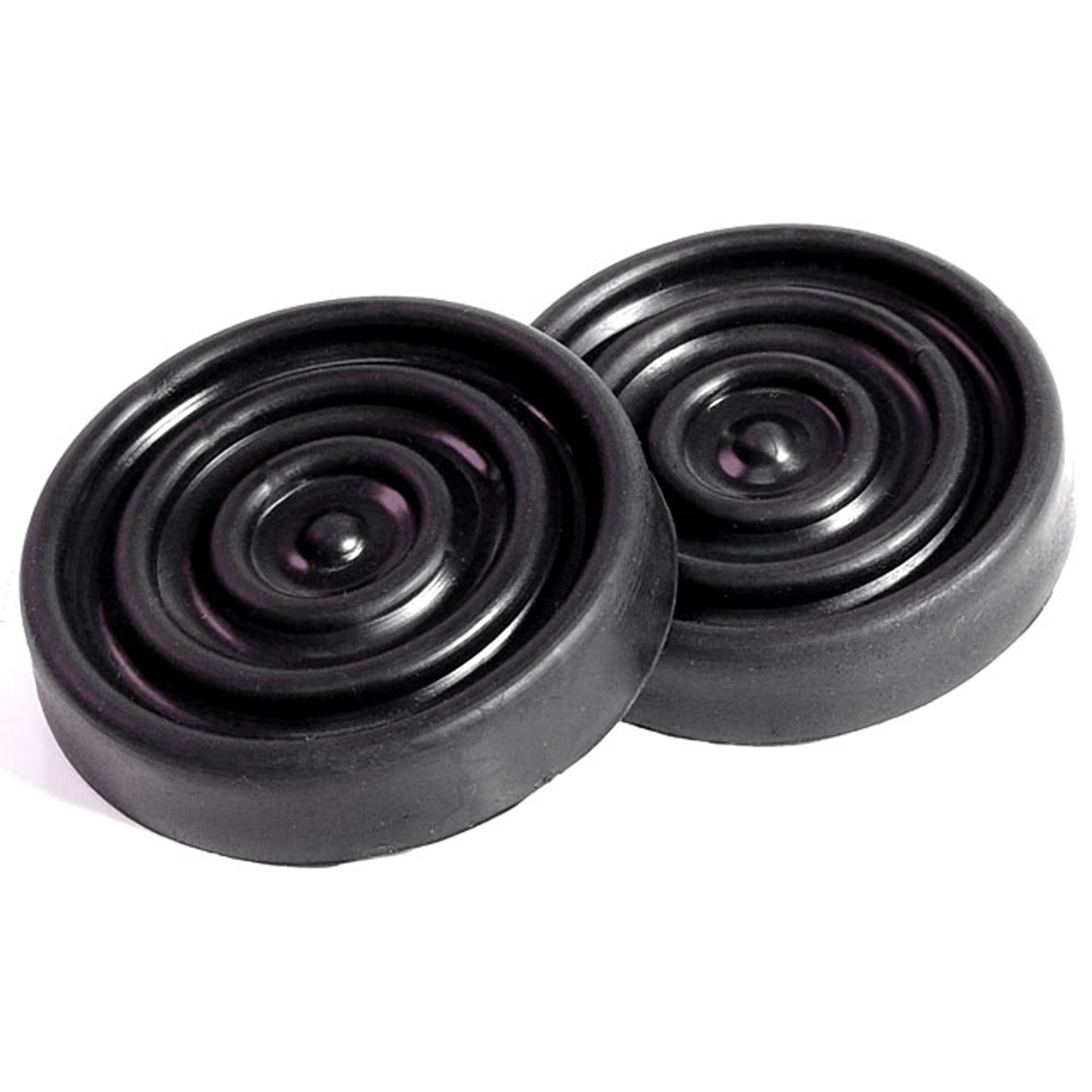 1938 Ford Model 81 A Clutch and Brake Pedal Pads-CB 106Clutch and Brake Pedal Pads. Made with molded steel core and threaded stud. 3" diameter. Pair
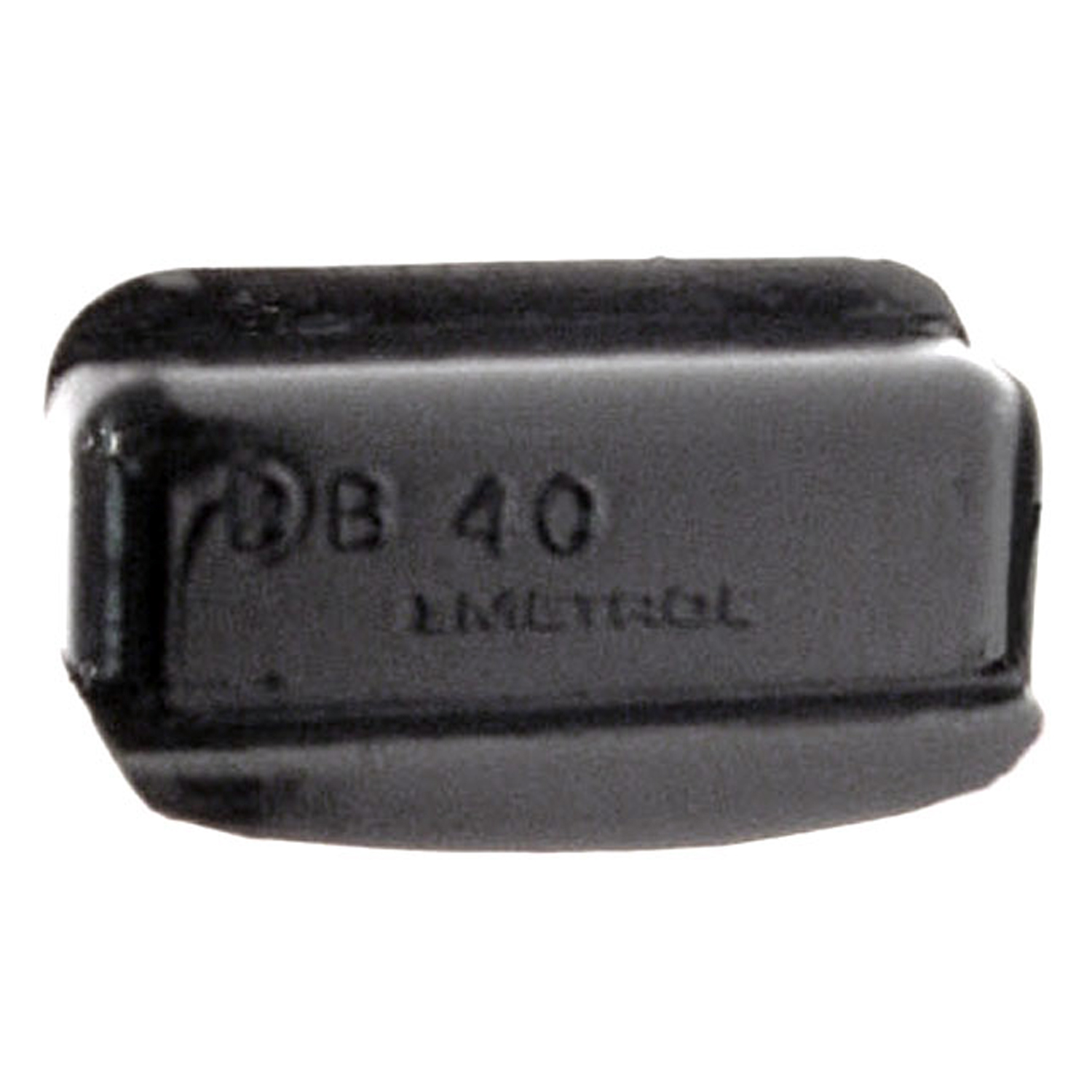 1938 Ford Model 81 A Door Bumper. 3/4" high X 1-7/16" wide X 9/16" thick. Each-DB 40Door Bumper. 3/4" high X 1-7/16" wide X 9/16" thick. Each
 1938 Ford Model 81 A Gas Filler Grommet. 2-3/8" I.D., 3-1/4" O.D. Each-GF 15Gas Filler Grommet. 2-3/8" I.D., 3-1/4" O.D. Each
 1938 Ford Model 81 A Door Bottom Seal-LP 104-F/FTDoor Bottom Seal. Fits Coupes, Tudor Sedans and other applications. Sold by the foot
 1938 Ford Model 81 A Door Bottom Seal, for 4-Door Sedans. Sold by the foot-LP 104-G/FTDoor Bottom Seal, for 4-Door Sedans. Sold by the foot
 1938 Ford Model 81 A Swing-Out Windshield Seal. Sold by the foot-LP 97-FSwing-Out Windshield Seal. Sold by the foot
 1938 Ford Model 81 A Trunk Handle Pad. 5-5/8" wide X 4-1/2" long. Each-MP 689-BTrunk Handle Pad. 5-5/8" wide X 4-1/2" long. Each
 1938 Ford Model 81 A Tail-light Pads. 3" wide X 5-7/8" long. Pair-MP 700-BTail-light Pads. 3" wide X 5-7/8" long. Pair
 1938 Ford Model 81 A Tail-light Bracket Pads. 3" wide X 2-1/8" long. Pair-MP 720-ATail-light Bracket Pads. 3" wide X 2-1/8" long. Pair
 1938 Ford Model 81 A Cowl Vent Seal. Made of molded sponge. High quality-RP 100-SCowl Vent Seal. Made of molded sponge. High quality. 3-1/2" wide X 16-1/2" long. Each
 1938 Ford Model 81 A Side Window Anti-Rattle Pad. 1/4" wide X 1" long. Each-SB 73-ASide Window Anti-Rattle Pad. 1/4" wide X 1" long. Each
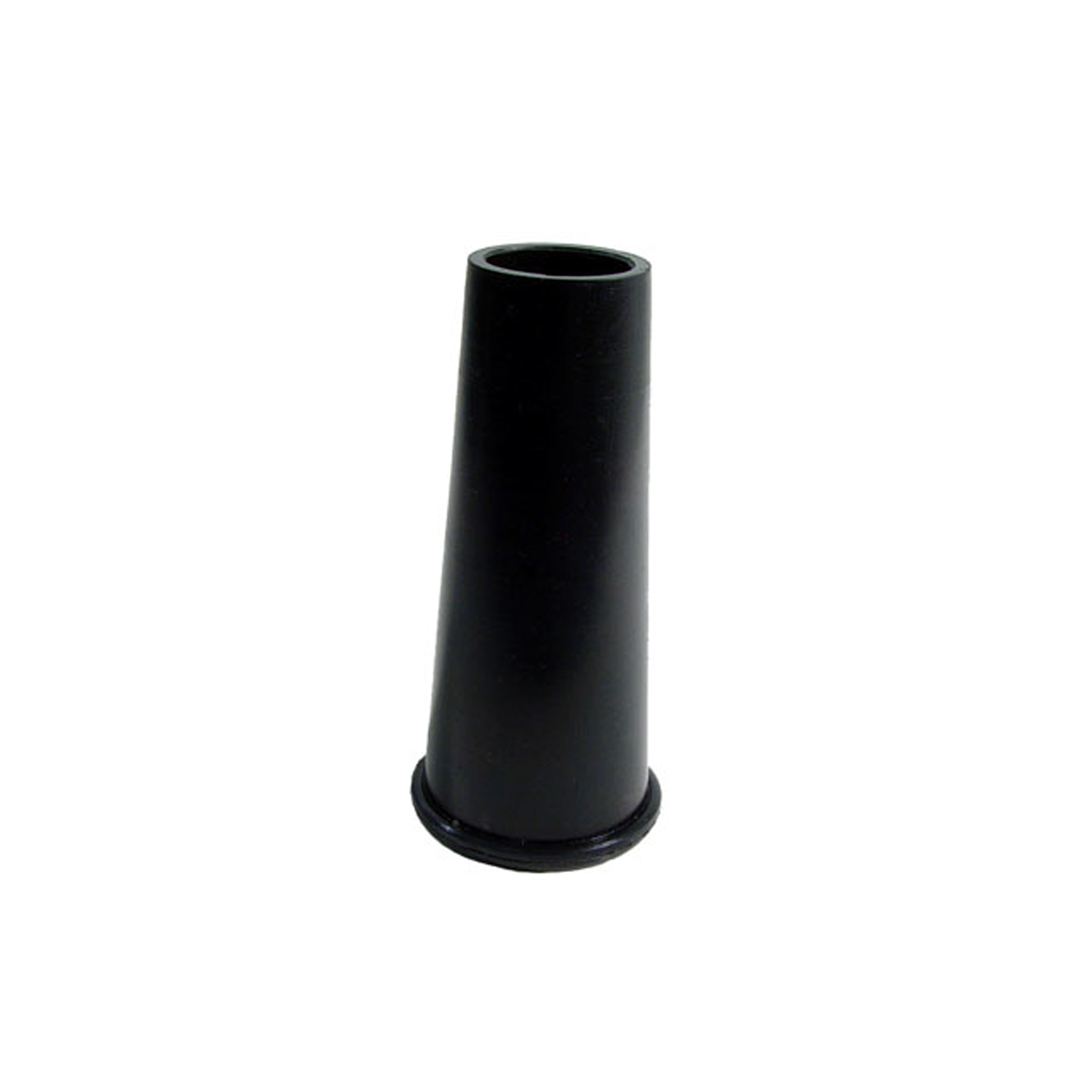 1938 Ford Model 81 A Distributor Ignition Boot. 3-1/8", 1-1/4" O.D., 3/4" I.D-SM 65-DDistributor Ignition Boot. 3-1/8", 1-1/4" O.D., 3/4" I.D. Each
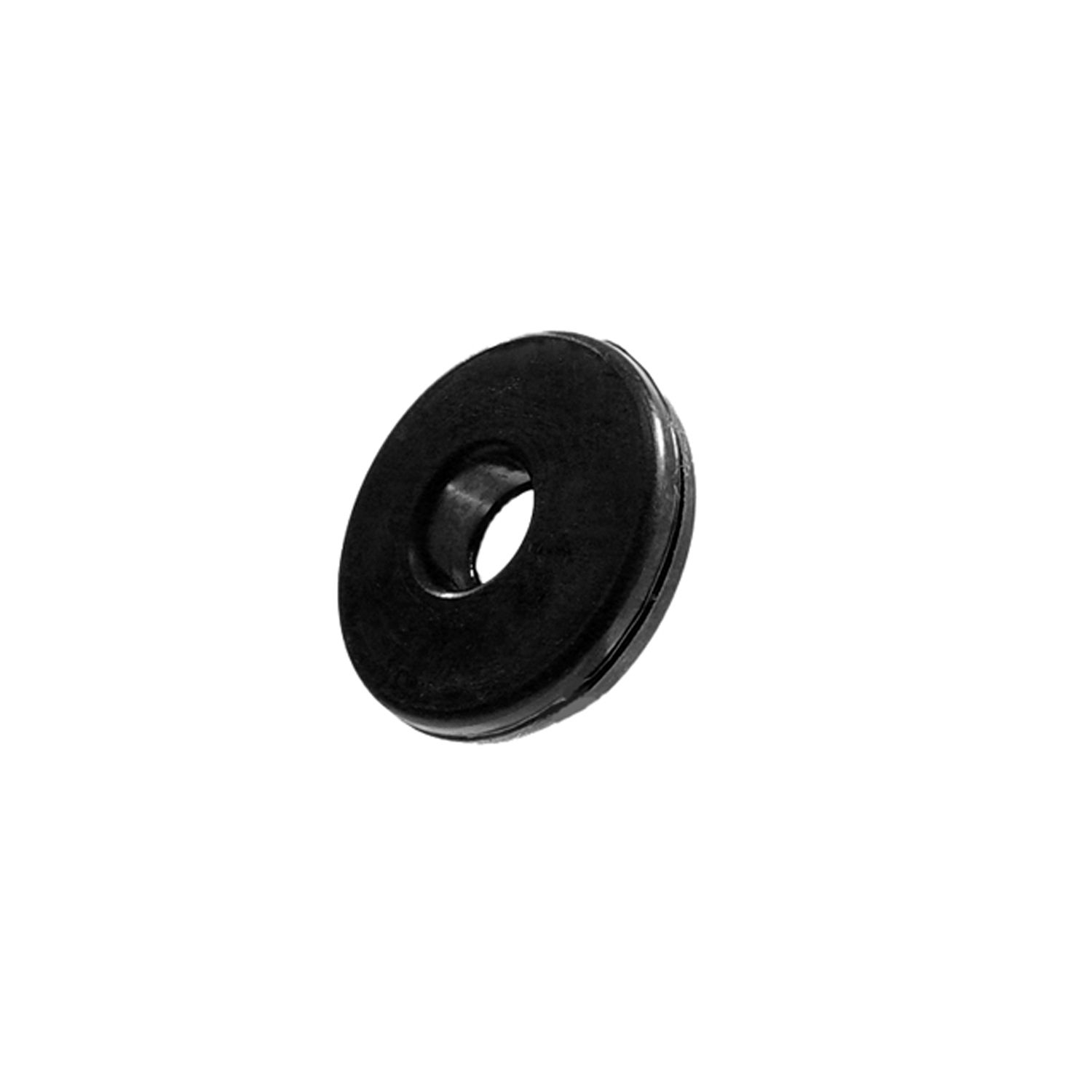 1938 Ford Model 81 A Headlight Wires through Inner Splash Pan, Front Fenders-SM 96Headlight Wires through Inner Splash Pan, Front Fenders. Two used per car. 3/8" I.D., 1-5/16" O.D. Each
 1938 Ford Model 81 A Swing-Out Windshield Seal-VWS 3306Swing-Out Windshield Seal. One-piece type, instructions included. Each
 1938 Ford Model 81 A Rear Vent Window Seals-WR 3317-RRear Vent Window Seals. For coupes with large, swing-out rear quarter windows. Overall length approximately 51". Pair R&L 1938 Ford Model 81 A Rear Vent Window Seals-WR 3320-RRear Vent Window Seals. For 4-door sedans with large, swing-out rear quarter windows. Pair R&L
Why Choose Metro?
For over 100 years, Metro Moulded Parts has been the pinnacle of quality in classic car restoration parts. Our commitment to precision and authenticity in every component ensures a perfect fit and an OEM-level appearance.
- Expert Craftsmanship & Quality: Each part is a testament to our dedication to reliability and perfection, crafted from original designs and thoroughly tested.
- Advanced Technology: We use cutting-edge techniques to create flawless, long-lasting parts that surpass others in performance.
- SuperSoft Sponge – The Ultimate Door Seal: Not only are our door seals 30% softer than competitors', but they're also guaranteed to never leak. They effectively reduce wind and road noise, enhancing your classic car's comfort and driving experience.
- Proudly American: Our parts are a product of American craftsmanship, made in the USA with a spirit of excellence and heritage.
- Unrivaled Warranty: We back our products with a 30-year industry-leading warranty, a testament to our confidence in their quality.
Join us in preserving the legacy of classic cars with parts that are crafted for perfection, not just made.