

Image of 1939 Ford Standard, Note: These illustrations use artistic license and may differ from actual historical models.
Performance Metrics
Fundamental Metrics
Emotional Appeal
MMP Rating
| Engine Specifications | |
|---|---|
| Engine: | Flathead V8 |
| Displacement: | 221 cubic inches |
| Horsepower: | Estimated 85-95 hp |
| Torque: | 155 lb-ft |
| Compression Ratio: | Estimated 6.15:1 |
| Ignition System: | Distributor and coil |
| Cooling System: | Water-cooled |
| Performance Specifications | |
| 0-60 Time: | Information not available |
| 1/4 Mile Time: | Information not available |
| Top Speed: | 75-85 mph |
| Transmission and Drive | |
| Drive Type: | Rear-wheel drive |
| Transmission Type: | 3-speed manual |
| Fuel and Efficiency | |
| Fuel System Type: | Carburetor |
| MPG: | Estimated 15-20 mpg |
| Dimensions and Brakes | |
| Brakes: | Hydraulic drum brakes |
| Wheelbase: | 112 inches |
| Weight: | 2,970 lbs |
Note: Specifications for classic cars are given to the best of our ability, considering the limited and variant data available.
The 1939 Ford Standard was built for drivers who wanted the confidence of Ford’s famous V8 without paying for the brighter trim of the Deluxe models. Practical, handsome, and newly equipped with hydraulic brakes, it arrived at a turning point in American motoring: the country was recovering from the Depression, while events overseas were beginning to reshape the world. More than eight decades later, the Standard remains a compelling example of Ford’s prewar formula for affordable performance.
1939 Ford Standard: A V8 for the Main Street Driver
Ford Motor Company introduced the 1939 Standard as the entry point in its passenger-car range, alongside the better-trimmed Ford Deluxe. The Standard offered the same basic engineering and familiar flathead V8 character in a more restrained package. That combination made it attractive to families, small-business owners, and motorists who valued useful performance over decorative extras.
The car belonged to a long-running Ford tradition established by Henry Ford: make a straightforward automobile available to a wide audience. By 1939, however, the market had grown more competitive. General Motors and Chrysler were offering increasingly sophisticated cars, and buyers expected improved comfort, styling, and safety. Ford responded with a fresh appearance and an important change beneath the body: hydraulic brakes.
A memorable detail of the 1939 model year is that Ford finally abandoned its long-used mechanical braking system in favor of hydraulic brakes. The change brought more even, dependable stopping and showed that even a company famous for sticking with proven designs could adapt when the market demanded it.
Subtle Styling, Strong Ford Identity
The Standard wore a cleaner, less ornate face than the Ford Deluxe. Its front end used a broad, horizontally arranged grille treatment, while the Deluxe featured a more elaborate upright grille. Rounded front fenders flowed back from the headlamps, and the hood carried the smooth, substantial proportions that made late-1930s Fords instantly recognizable. Chrome was used with restraint, giving the Standard a purposeful look rather than a showy one.
From the side, the car had a tall greenhouse, generous fenders, and a gently sloping rear profile. Its proportions feel unmistakably prewar: a long hood, upright cabin, and separate-looking fender forms. Details such as the bumpers, hubcaps, window trim, and grille finish varied with body style and equipment, but the Standard generally kept decoration simpler than its Deluxe sibling.
Ford offered the 1939 car in several body configurations, with availability depending on series and market. Sedan and coupe forms were central to the range. Two-door sedans appealed to families seeking a practical price, while coupes offered a sportier profile and business-oriented versions provided useful space for a traveling salesman’s samples or tools. More specialized body styles appeared across Ford’s broader 1939 lineup, though not every style was offered in every trim series.
Period paint choices included familiar solid colors such as black, dark blue, maroon, green, gray, and tan, with exact selections varying by body and production details. Black remains a classic choice among restorers, but deep blues and maroons suit the car’s flowing fenders particularly well. Original upholstery and trim could also vary. Standard interiors were generally more modest than Deluxe cabins, with durable cloth or broadcloth-style seating, painted metal surfaces, and practical rather than lavish appointments.
Cabin Comfort and Period Technology
The Standard’s interior was designed to be useful and easy to live with. The broad bench seats accommodated a driver and passengers without the cramped feel of many earlier cars. The dashboard arranged the instruments and controls in a straightforward layout, with painted metal, simple knobs, and period-style gauges. It was not a luxury-car cabin, but it offered the comfort and finish expected of a mainstream American automobile in the late 1930s.
Its biggest technological advance for 1939 was the switch to hydraulic brakes. The system used fluid pressure to operate the brakes at all four wheels, improving braking consistency compared with Ford’s previous mechanical setup. The car also had a three-speed manual transmission, typically operated by a floor-mounted shift lever, and synchromesh helped make shifts into the upper gears smoother. Ford’s familiar flathead V8 was another major selling point: by this time, V8 power was no longer reserved for expensive luxury cars.
Why the 1939 Standard Mattered
The 1939 Ford Standard was not a radical reinvention, but it marked an important step in Ford’s modernization. The adoption of hydraulic brakes was especially significant. Ford had held on to mechanical brakes longer than many rivals, so the change represented a meaningful move toward contemporary safety and driving expectations.
The Standard also helped make V8 performance accessible. Its 221-cubic-inch L-head, or “flathead,” V8 delivered power through a relatively simple drivetrain that was familiar to mechanics and owners. Ford’s mass-production expertise kept the formula affordable, while the engine’s sound and tuning potential made it influential far beyond the showroom. In later decades, the flathead V8 became a cornerstone of American hot-rodding culture.
What set the Standard apart from many contemporaries was its combination of straightforward engineering, recognizable styling, and V8 power at a mainstream price. It was not as plush as a Deluxe or as technologically advanced as some high-end competitors, but it delivered a convincing balance of cost, performance, and everyday usefulness. That formula helped establish the kind of affordable V8 family car Ford would continue to build after the war.
Flathead V8 Performance and Road Manners
The standard engine was Ford’s 221-cubic-inch flathead V8, rated at about 85 horsepower. Power went through a three-speed manual transmission to the rear wheels. Performance figures vary with body style, gearing, mechanical condition, and the accuracy of period testing, but a sound, stock example is generally estimated to reach roughly 75 to 80 mph. Acceleration from 0 to 60 mph is commonly estimated in the neighborhood of 20 to 25 seconds.
Those figures describe a car built for steady travel, not quick launches. The V8 provides useful low-speed pull, and the exhaust has the mellow, burbling character that makes a flathead Ford so appealing. The engine is not especially quiet by modern standards, but its relaxed rhythm is part of the experience. A healthy example feels composed when cruising at period road speeds, while hills and passing require planning and a willingness to use the gearbox.
The Standard used traditional suspension architecture, with solid axles and transverse leaf springs, along with hydraulic shock absorbers. On smooth roads, the ride feels soft and substantial. Over sharp bumps, the solid axles can transmit more movement than a modern independent suspension, and the body may bounce or lean. On winding roads, the car rewards smooth steering and measured cornering rather than abrupt inputs. Its steering is heavier and less precise than a modern car’s, especially at low speeds.
Behind the wheel, the driver sits high and looks out over the long hood. The controls are simple, the clutch requires a deliberate foot, and the manual transmission invites a patient driving style. It is a tactile experience: engine vibration, mechanical gear changes, and a broad, gently moving ride connect the driver directly to the road.
Living With a 1939 Ford
Today, most 1939 Standards are enjoyed as show cars, weekend cruisers, parade vehicles, or participants in vintage-car tours. A carefully maintained example can still be driven on local roads, but modern traffic speeds and braking expectations make it best suited to relaxed trips rather than daily commuting. Seat belts, lighting, tires, and other safety equipment may not match current standards, so owners should drive with appropriate caution.
Maintenance is one of the car’s strengths. The flathead V8 is mechanically straightforward, and many repairs can be handled by an experienced home mechanic with period-car knowledge. Parts support remains strong for common engine and chassis components, thanks in part to the engine’s popularity in hot rods and restorations. However, original trim, model-specific body parts, and correct restoration details can take more effort to locate.
Reliability depends heavily on upkeep. Cooling-system condition matters on a flathead, and old radiators, water pumps, or poorly maintained engines can lead to overheating. The cooling passages should be kept clean, the ignition and fuel systems need regular attention, and brake work is essential on any car this old. The 1939 hydraulic brakes are a major improvement over earlier Ford systems, but aged hoses, cylinders, and lines still need careful inspection.
1939 Ford Facts and Myths
The flathead V8’s later hot-rod reputation is one of the car’s most enduring connections to American car culture. The 1939 Standard was not sold as a racing machine, but its relatively light body, rear-wheel-drive layout, and V8 engine made the basic Ford platform attractive to enthusiasts who modified cars for speed in the years that followed.
There is no single widely recognized speed or endurance record that defines the stock 1939 Standard. Its significance lies more in the broad adoption of V8 power and hydraulic brakes than in competition results. Nor is there a famous celebrity ownership story that is essential to the model’s history. Its more interesting story is its everyday role: it was built for ordinary drivers at a moment when American cars were becoming faster, safer, and more comfortable.
A common criticism is that the Standard can feel basic beside a Deluxe, especially in its exterior trim and cabin finish. Some drivers also find the steering, braking feel, and ride dated by modern standards. Those are fair observations, but they reflect the car’s era and price point. Its appeal is not modern convenience. It is the honest, mechanical character of a prewar Ford.
Collector Values and Availability
The 1939 Ford Standard is a recognizable and collectible prewar car, but it is not as scarce as many luxury marques or unusual specialty models. Ford built cars in large numbers, and surviving examples appear periodically at classic-car dealers, auctions, and enthusiast listings. Exact production totals for the Standard series are difficult to pin down because published figures may group cars by series, body style, or model-year accounting.
As a practical estimate, total 1939 Ford production was in the hundreds of thousands, around the half-million mark depending on the source and counting method. A reasonable best guess for Standard-series production is roughly 150,000 to 200,000 cars. That is an estimate, not a definitive factory tally, and it should not be confused with the number of surviving cars.
In the current U.S. collector market, a project car or rough-running example may sell for about $8,000 to $15,000. A presentable driver-quality sedan commonly falls around $18,000 to $30,000, while a well-restored car may bring roughly $30,000 to $50,000 or more. Desirable body styles, exceptional originality, documented restoration quality, and rare factory details can push prices higher. Condition, rust, and mechanical soundness matter more than a seller’s description of a car as “rare.”
Values have generally been steady to moderately appreciative for clean, correctly restored prewar Fords, though the market is selective. The best examples retain interest, while project cars can be expensive to restore relative to their finished value. For buyers, a solid, complete car is often the wiser purchase than a cheap restoration candidate with missing trim or hidden structural rust.
A Prewar Ford With Lasting Appeal
The 1939 Ford Standard brought together restrained styling, a practical cabin, a proven flathead V8, and a major safety improvement in hydraulic brakes. It was neither the most luxurious car of its day nor the fastest, but it offered a persuasive blend of affordability and capability at a pivotal moment in Ford history.
For collectors, it delivers the unmistakable look and sound of a prewar V8 Ford without the extravagance of a luxury car. For everyone else, it stands as a reminder that automotive progress is not always a dramatic leap. Sometimes it is a familiar car made safer, smarter, and ready for the next generation of drivers.
1939 Ford Standard Catalog of Parts
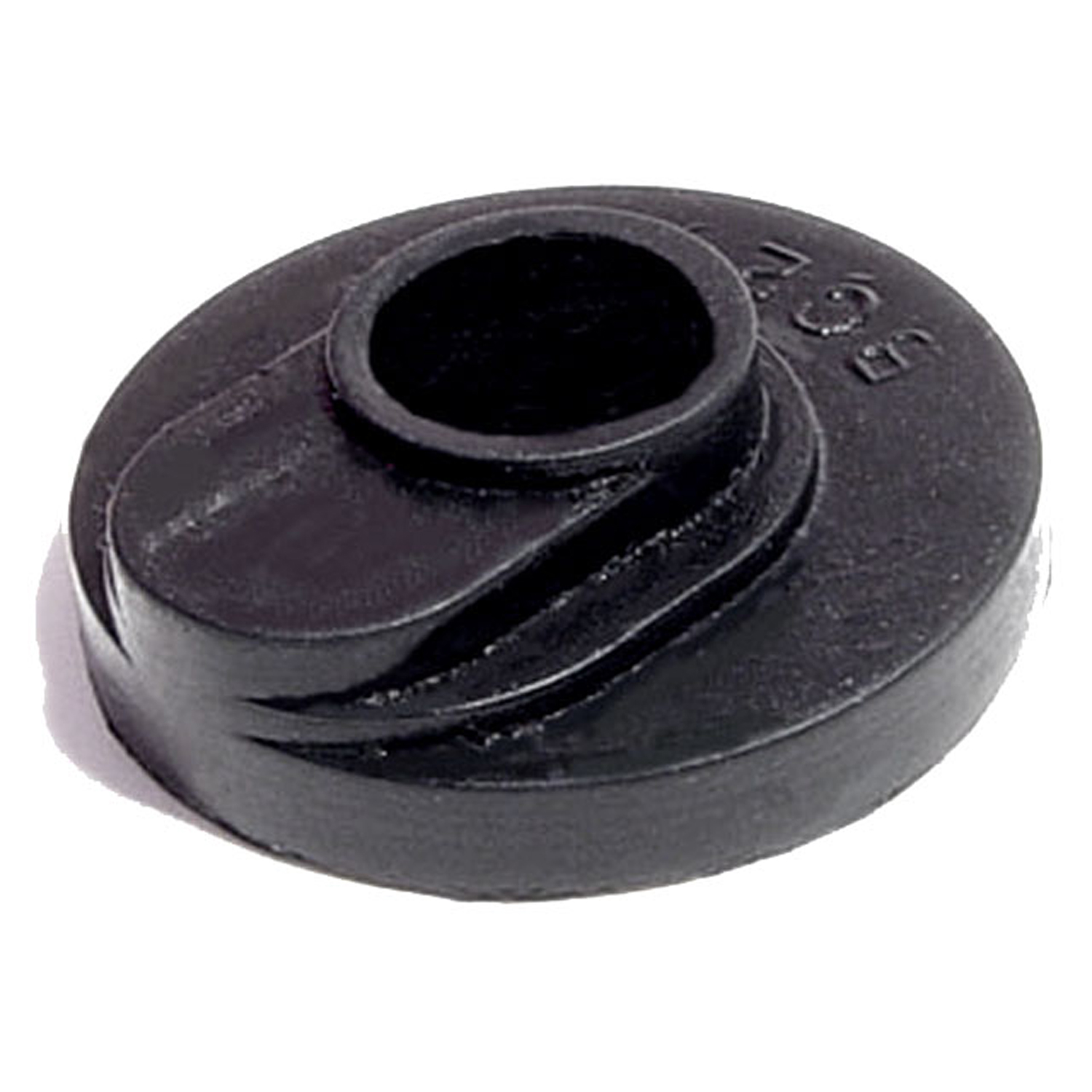 1939 Ford Standard Fender Grommet. 1-1/8" O.D., 3/8" I.D. Each-BC 28Fender Grommet. 1-1/8" O.D., 3/8" I.D. Each
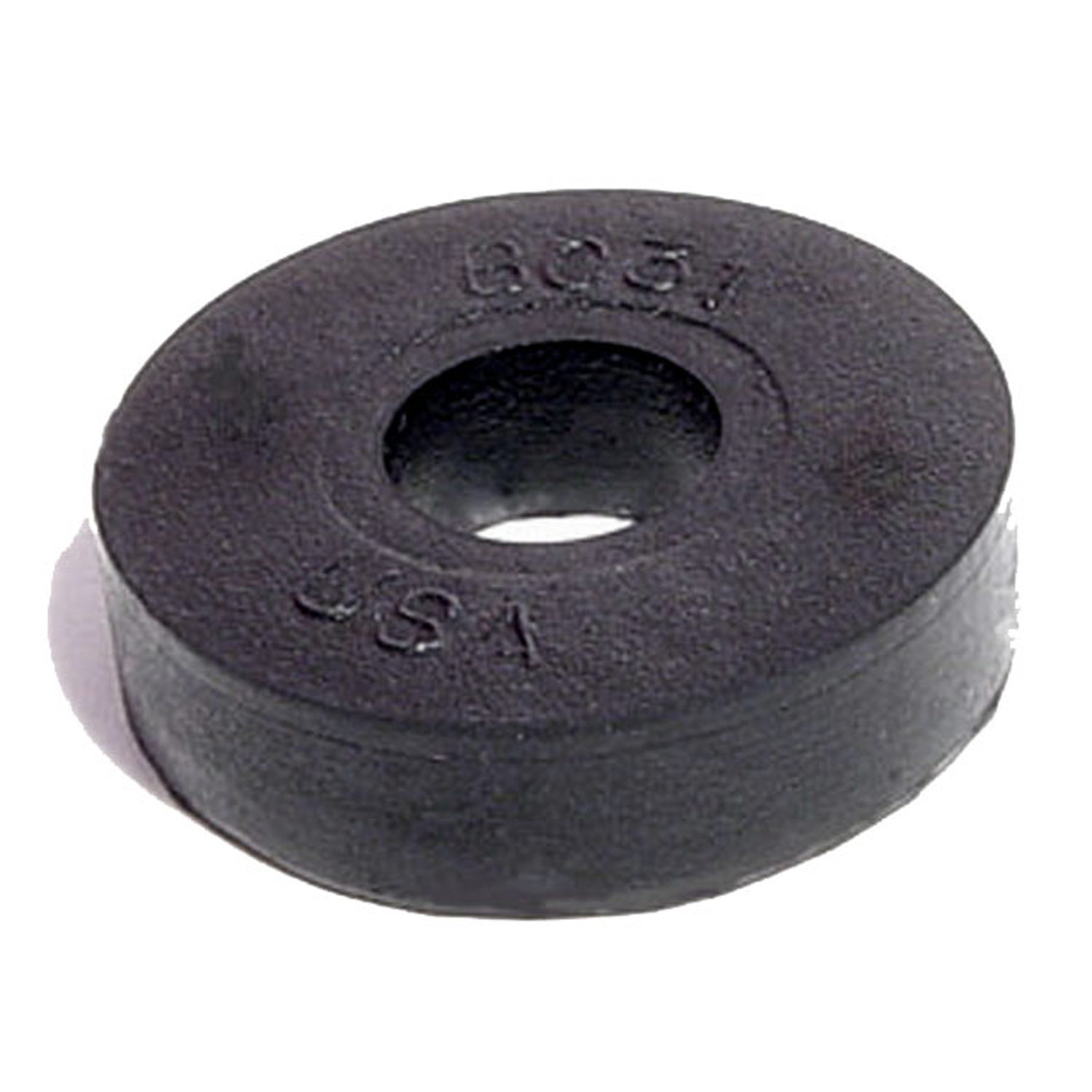 1939 Ford Standard Fender Washer Cushion. 1" O.D., 3/8" I.D. Each-BC 31Fender Washer Cushion. 1" O.D., 3/8" I.D. Each
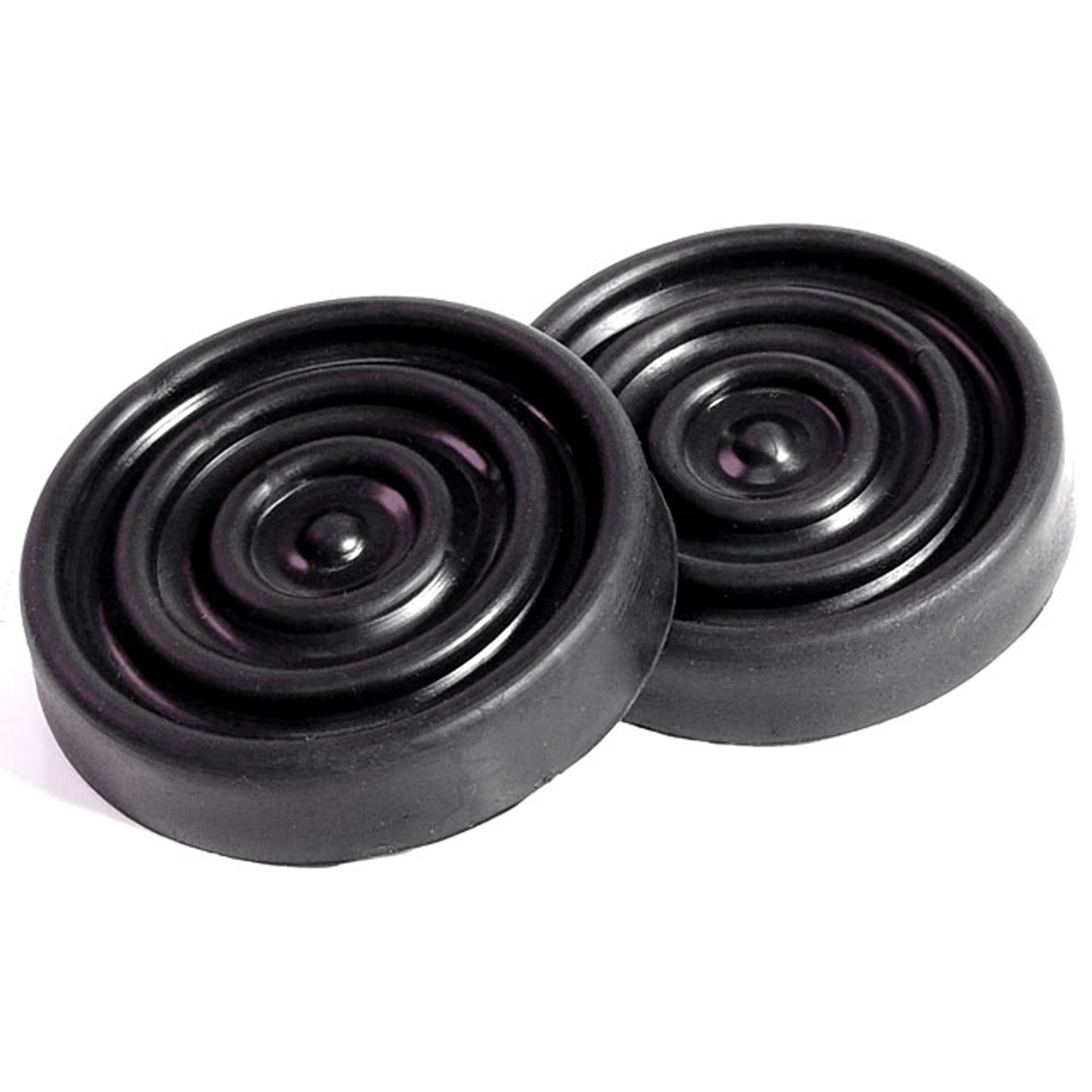 1939 Ford Standard Clutch and Brake Pedal Pads-CB 106Clutch and Brake Pedal Pads. Made with molded steel core and threaded stud. 3" diameter. Pair
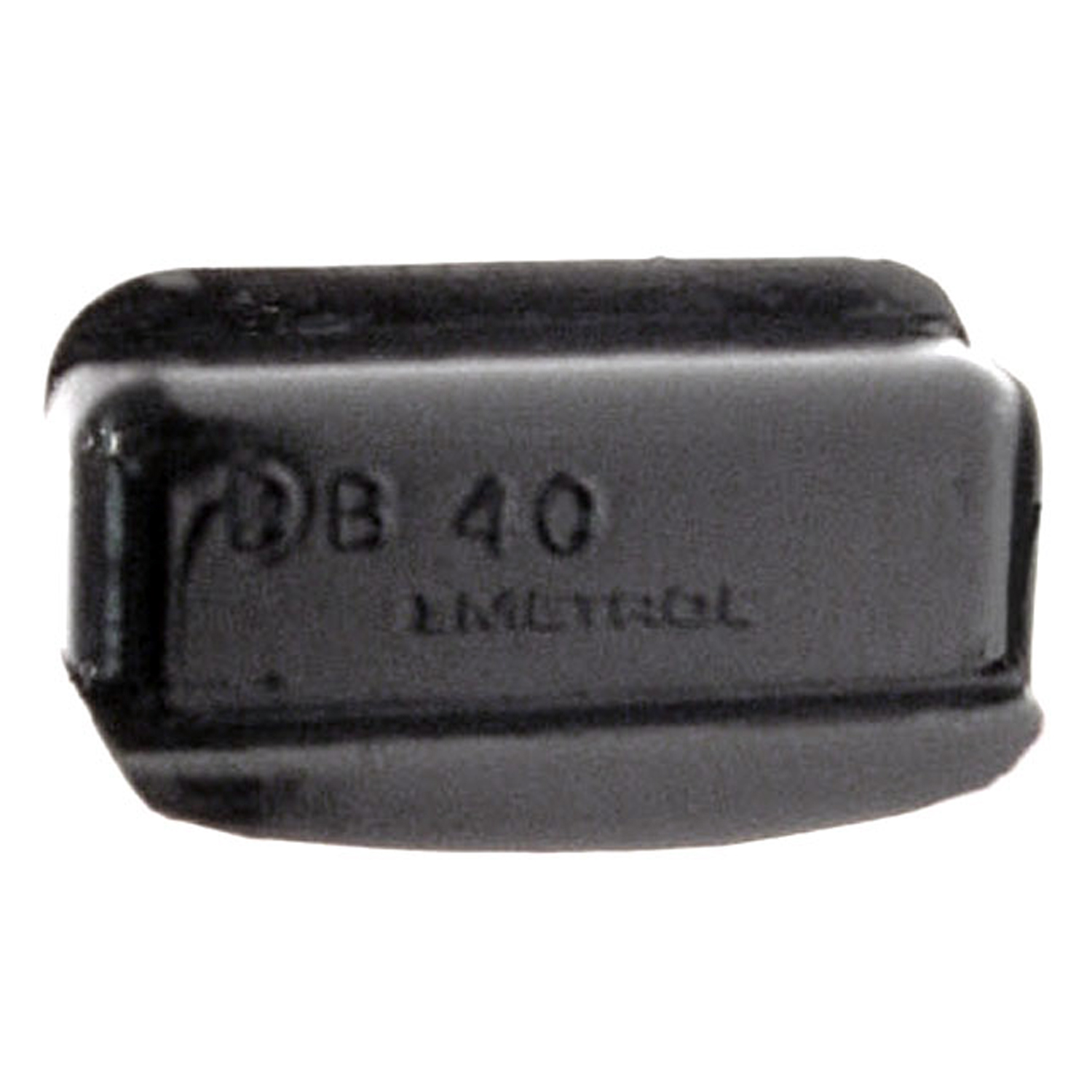 1939 Ford Standard Door Bumper. 3/4" high X 1-7/16" wide X 9/16" thick. Each-DB 40Door Bumper. 3/4" high X 1-7/16" wide X 9/16" thick. Each
 1939 Ford Standard Gas Filler Grommet. 2-3/8" I.D., 3-1/4" O.D. Each-GF 15Gas Filler Grommet. 2-3/8" I.D., 3-1/4" O.D. Each
 1939 Ford Standard Door Bottom Seal-LP 104-F/FTDoor Bottom Seal. Fits Coupes, Tudor Sedans and other applications. Sold by the foot
 1939 Ford Standard Door Bottom Seal, for 4-Door Sedans. Sold by the foot-LP 104-G/FTDoor Bottom Seal, for 4-Door Sedans. Sold by the foot
 1939 Ford Standard Swing-Out Windshield Seal. Sold by the foot-LP 97-FSwing-Out Windshield Seal. Sold by the foot
 1939 Ford Standard Trunk Handle Pad. 5-1/2" wide X 4-5/8" long. Each-MP 689Trunk Handle Pad. 5-1/2" wide X 4-5/8" long. Each
 1939 Ford Standard Rumble Seat Step-Plate Pad-MP 691-ABRumble Seat Step-Plate Pad. 2-1/4" wide X 2-7/8" long & 2-3/8" wide X 2-3/4" long. Pair
 1939 Ford Standard Mirror Pad. 1-5/8" wide X 5-5/8" long. Each-MP 692Mirror Pad. 1-5/8" wide X 5-5/8" long. Each
 1939 Ford Standard Tail-light Pads. 3" wide X 5-1/2" long. Pair-MP 709Tail-light Pads. 3" wide X 5-1/2" long. Pair
 1939 Ford Standard Door Handle Pads. 1-1/4" wide X 2-3/8" long. Pair-MP 709-BDoor Handle Pads. 1-1/4" wide X 2-3/8" long. Pair
 1939 Ford Standard Tail-light Bracket Pads. 3" wide X 2-1/8" long. Pair-MP 720-ATail-light Bracket Pads. 3" wide X 2-1/8" long. Pair
 1939 Ford Standard Cowl Vent Seal. Made of molded sponge. High quality-RP 100-SCowl Vent Seal. Made of molded sponge. High quality. 3-1/2" wide X 16-1/2" long. Each
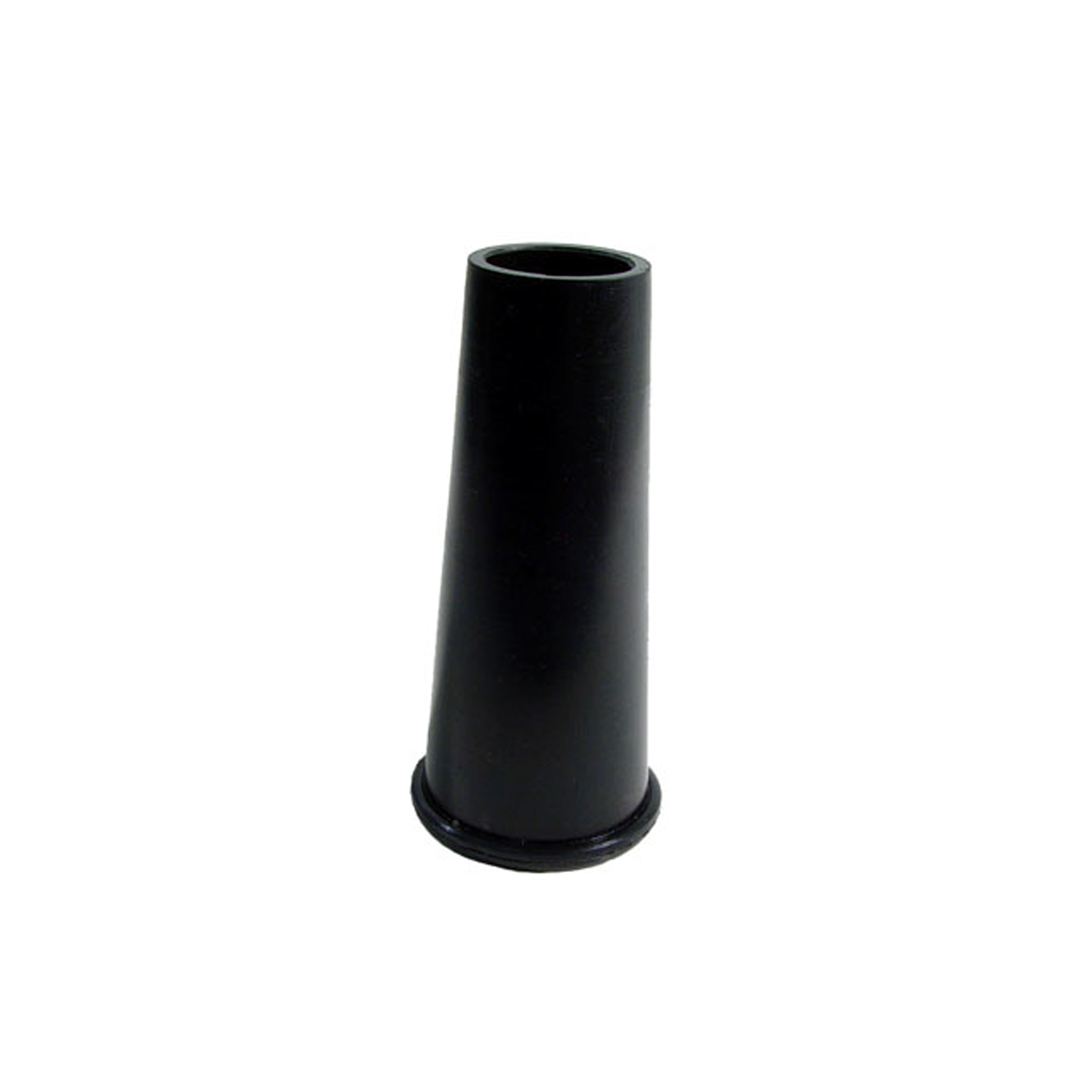 1939 Ford Standard Distributor Ignition Boot. 3-1/8", 1-1/4" O.D., 3/4" I.D-SM 65-DDistributor Ignition Boot. 3-1/8", 1-1/4" O.D., 3/4" I.D. Each
 1939 Ford Standard Choke and Throttle Cable Grommet. Fits a 9/16" hole-SM 83Choke and Throttle Cable Grommet. Fits a 9/16" hole. Angled hole in part. Each
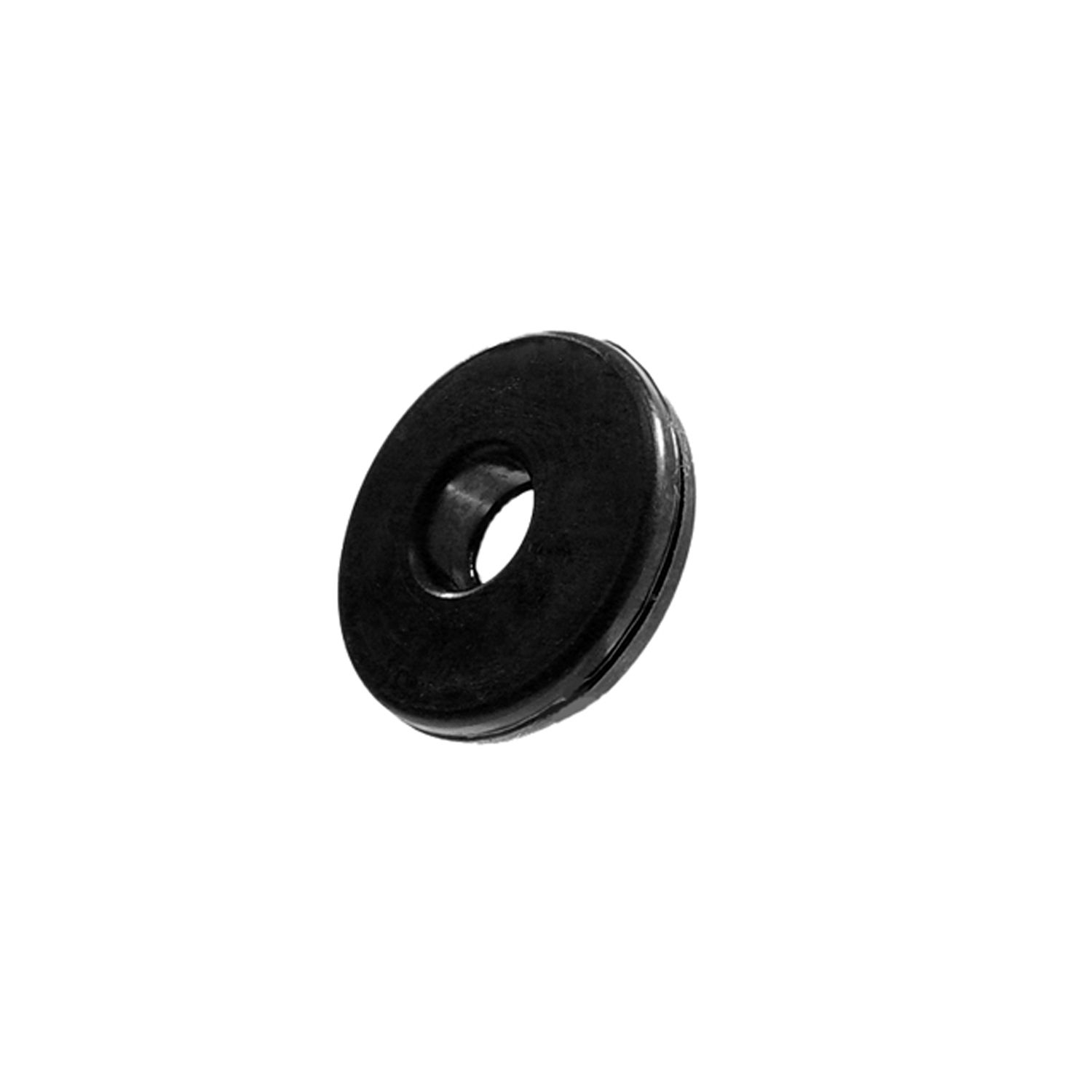 1939 Ford Standard Headlight Wires through Inner Splash Pan, Front Fenders-SM 96Headlight Wires through Inner Splash Pan, Front Fenders. Two used per car. 3/8" I.D., 1-5/16" O.D. Each
 1939 Ford Standard Swing-Out Windshield Seal-VWS 3306Swing-Out Windshield Seal. One-piece type, instructions included. Each
 1939 Ford Standard Rear Vent Window Seals-WR 3320-RRear Vent Window Seals. For 4-door sedans with large, swing-out rear quarter windows. Pair R&L
Why Choose Metro?
For over 100 years, Metro Moulded Parts has been the pinnacle of quality in classic car restoration parts. Our commitment to precision and authenticity in every component ensures a perfect fit and an OEM-level appearance.
- Expert Craftsmanship & Quality: Each part is a testament to our dedication to reliability and perfection, crafted from original designs and thoroughly tested.
- Advanced Technology: We use cutting-edge techniques to create flawless, long-lasting parts that surpass others in performance.
- SuperSoft Sponge – The Ultimate Door Seal: Not only are our door seals 30% softer than competitors', but they're also guaranteed to never leak. They effectively reduce wind and road noise, enhancing your classic car's comfort and driving experience.
- Proudly American: Our parts are a product of American craftsmanship, made in the USA with a spirit of excellence and heritage.
- Unrivaled Warranty: We back our products with a 30-year industry-leading warranty, a testament to our confidence in their quality.
Join us in preserving the legacy of classic cars with parts that are crafted for perfection, not just made.