

Image of 1940 Ford Standard, Note: These illustrations use artistic license and may differ from actual historical models.
Performance Metrics
Fundamental Metrics
Emotional Appeal
MMP Rating
| Engine Specifications | |
|---|---|
| Engine: | Flathead V8 |
| Displacement: | 221 cubic inches |
| Horsepower: | Estimated 85-100 hp |
| Torque: | 155 lb-ft |
| Compression Ratio: | Estimated 6.15:1 |
| Ignition System: | Distributor and coil |
| Cooling System: | Water-cooled |
| Performance Specifications | |
| 0-60 Time: | Estimated 15-20 seconds |
| 1/4 Mile Time: | Not available |
| Top Speed: | 75-80 mph |
| Transmission and Drive | |
| Drive Type: | Rear-wheel drive |
| Transmission Type: | 3-speed manual |
| Fuel and Efficiency | |
| Fuel System Type: | Carburetor |
| MPG: | Estimated 15-20 mpg |
| Dimensions and Brakes | |
| Brakes: | Hydraulic drum brakes |
| Wheelbase: | 112 inches |
| Weight: | Estimated 2,700-3,000 lbs |
Note: Specifications for classic cars are given to the best of our ability, considering the limited and variant data available.
1940 Ford Standard: A Prewar Classic with a Flathead V8
The 1940 Ford Standard brought streamlined prewar styling and an affordable V8 to American roads just as the world was entering a period of profound change. Built by the Ford Motor Company in the United States, it sat below the better-trimmed Ford Deluxe but shared the practical engineering that made Ford a household name. Today, it is admired as a handsome, usable classic from the final years before wartime production reshaped the American auto industry.
One detail makes the 1940 model especially memorable: it was among the last civilian Fords built before the company shifted its factories to wartime work. Ford stopped producing civilian cars in 1942, and the 1940 Standard captures the look and feel of a world on the edge of that transition.
Streamlined Styling and a Practical Cabin
The Standard’s design is rounded and confident rather than fussy. Its curved front fenders flow back from the grille, while the headlamps sit neatly within the fenders, giving the nose a unified appearance. The hood is long, the roofline gently arched, and the rear bodywork has the smooth, enclosed look that was becoming popular as designers moved away from the upright shapes of earlier decades. Compared with the more elaborately trimmed Ford Deluxe, the Standard used simpler exterior details, but it retained the same appealing proportions.
Inside, the cabin was designed for everyday use. The bench seats were typically upholstered in durable cloth, with trim and finish appropriate to the Standard’s more economical position in the range. A broad steering wheel, clear instrument panel, and generous glass area made the driving position feel open by period standards. Materials were not luxurious, but they were sturdy and serviceable, an important part of the car’s appeal to families and working drivers.
Ford offered the Standard in several period colors, with choices varying by body style and production details. Black remained a familiar, practical choice, while dark blue, green, maroon, and gray tones gave buyers alternatives. Today, deep, period-correct colors tend to complement the car’s flowing fenders particularly well, though original paint records and factory documentation are useful when authenticity matters.
Body styles included popular enclosed cars such as the two-door Tudor sedan, four-door Fordor sedan, and coupe variations. Availability differed across the Ford range, and some of the more distinctive open or specialty bodies were associated with the better-equipped Deluxe series. The Tudor sedan is one of the most recognizable Standard configurations: its compact two-door layout suits the car’s proportions and was a practical choice for families and individual owners alike.
Flathead Engineering and Ford’s Last Prewar Years
The 1940 Standard’s defining mechanical feature was Ford’s flathead V8. The familiar 221-cubic-inch V8 produced about 85 horsepower in its common configuration, while a smaller 60-horsepower V8 was also available in some versions and markets. A three-speed manual transmission sent power to the rear wheels. The gearshift was mounted on the steering column, a layout that helped clear the floor and made the front bench seat more usable.
Hydraulic brakes were another important piece of modern equipment. Ford had moved from mechanical brakes to hydraulic operation before 1940, giving the Standard more consistent braking than older systems when properly maintained. The car also used a conventional chassis with transverse leaf springs, a layout that was familiar to Ford mechanics and straightforward to service.
The Standard was not a technological revolution on its own. Its significance lies in how it brought established features, especially the V8, to a broad market. Ford’s mass-produced V8 had helped popularize eight-cylinder power years earlier, and by 1940 the company had refined the formula into a dependable, widely supported package. The Standard gave buyers much of that engineering without the extra trim and cost of a Deluxe.
Road Manners: A Relaxed V8, Not a Modern Sprinter
With the 85-horsepower V8, a 1940 Ford Standard could reach roughly 70 to 75 mph in favorable conditions. A zero-to-60-mph run generally took around 18 to 22 seconds, depending on engine, body style, condition, gearing, and test method. These are period-car estimates rather than modern laboratory figures. The smaller V8 was less powerful, and either engine feels modest by contemporary standards.
On the road, the flathead delivers its character through a steady, low-pitched rumble rather than high-revving urgency. The three-speed manual asks the driver to plan overtakes and use the gears thoughtfully. Steering is unassisted and relatively slow, while the suspension is soft by modern standards. It absorbs ordinary road imperfections with a gentle, rolling motion, but large bumps can unsettle the body and rough roads call for reduced speed.
On winding roads, the Ford feels substantial and predictable when driven at a measured pace. Its steering, drum brakes, narrow tires, and high ride height are reminders that it predates modern handling and stopping standards. The driving experience is best enjoyed as a deliberate one: listen to the V8, work the column shift, and leave plenty of room for braking.
Owning and Maintaining a 1940 Ford Standard
Today, most Standards are used as weekend drivers, parade cars, show vehicles, and touring classics. A well-sorted example can handle local roads and moderate trips, but regular highway use demands careful attention to cooling, brakes, tires, and electrical components. Many owners also choose upgrades such as modern seat belts, improved lighting, or discreet cooling improvements. These changes can make the car more usable, though they may affect originality and judging points.
Mechanical repairs are often manageable for a hands-on owner. The flathead V8 has a deep support network, and replacement parts, technical advice, and specialist services remain available. Its straightforward construction helps, but age is the real challenge: wiring insulation, fuel lines, cooling passages, brake cylinders, and rubber components may all need attention. A car that starts easily is not necessarily roadworthy, so a thorough inspection of the braking system, tires, steering, and engine condition should come before regular driving.
Common criticisms are familiar to anyone who has driven a prewar car: modest acceleration, heavy steering at low speeds, drum brakes, limited crash protection, and a cabin that can be noisy by modern standards. Those drawbacks are part of the ownership bargain. The Standard rewards patience and maintenance, not hurried driving or neglect.
Ford Standard Facts and Collector Appeal
The 1940 Ford Standard has no single celebrated speed or endurance record that defines it. Its larger claim to fame is being part of Ford’s enormous prewar production story and representing a period when V8 power was becoming an everyday proposition. The 1940 model also belongs to the last generation of civilian Fords before wartime manufacturing priorities took over.
Exact production figures for individual Standard body styles can be difficult to pin down in commonly available summaries. Ford’s total 1940 car production is generally reported at roughly half a million vehicles. As a best-guess estimate, Standard-series production may have been in the broad range of 150,000 to 200,000 cars, though the number varies according to what is counted as Standard and how surviving records are grouped. That makes the model collectible, but not exceptionally scarce compared with limited-production classics.
Collector values depend heavily on condition, originality, body style, and documentation. As a broad current-market estimate, a project car might sell for about $8,000 to $18,000. A sound driver commonly falls around $18,000 to $35,000, while a high-quality restoration may bring roughly $35,000 to $65,000 or more. Exceptional examples can exceed that range, while hot rods and modified cars follow a separate market. These are general estimates, not appraisals, and location and sale venue can make a substantial difference.
Values for attractive, well-maintained prewar Fords have generally held up better than those for tired projects, but the market is selective. Originality, documented restoration work, and good mechanical condition matter more than simply having fresh paint. The Standard’s broad parts support and recognizable styling help keep it accessible, while its less lavish trim can make it more affordable than a comparable Deluxe.
Why the 1940 Ford Standard Still Matters
The 1940 Ford Standard combines flowing prewar design, practical construction, and the unmistakable character of a flathead V8. It was not the most luxurious or fastest Ford of its year, but it delivered the essentials of the company’s formula in a simple, appealing package. As a surviving example of the last civilian years before wartime production, it carries a special place in American automotive history.
For collectors and drivers, its appeal is straightforward: a handsome body, approachable mechanicals, and a genuine connection to an era when a Ford V8 could put a little extra music in an ordinary drive.
1940 Ford Standard Catalog of Parts
 1940 Ford Standard Frame to Running Board Bracket Cushion-BC 27Frame to Running Board Bracket Cushion. 3-3/16" Long, 2" Wide, 3/8" Hole. Each
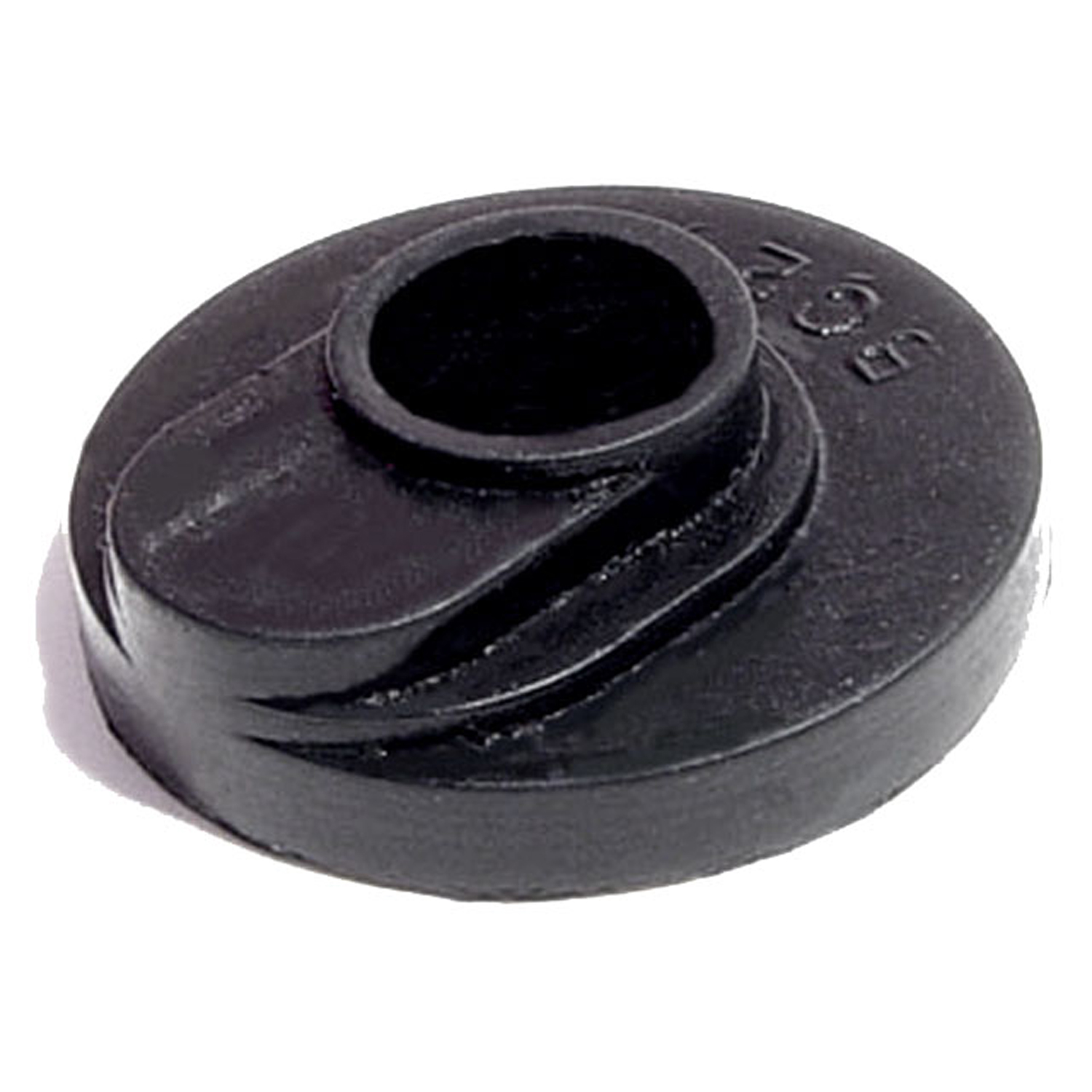 1940 Ford Standard Fender Grommet. 1-1/8" O.D., 3/8" I.D. Each-BC 28Fender Grommet. 1-1/8" O.D., 3/8" I.D. Each
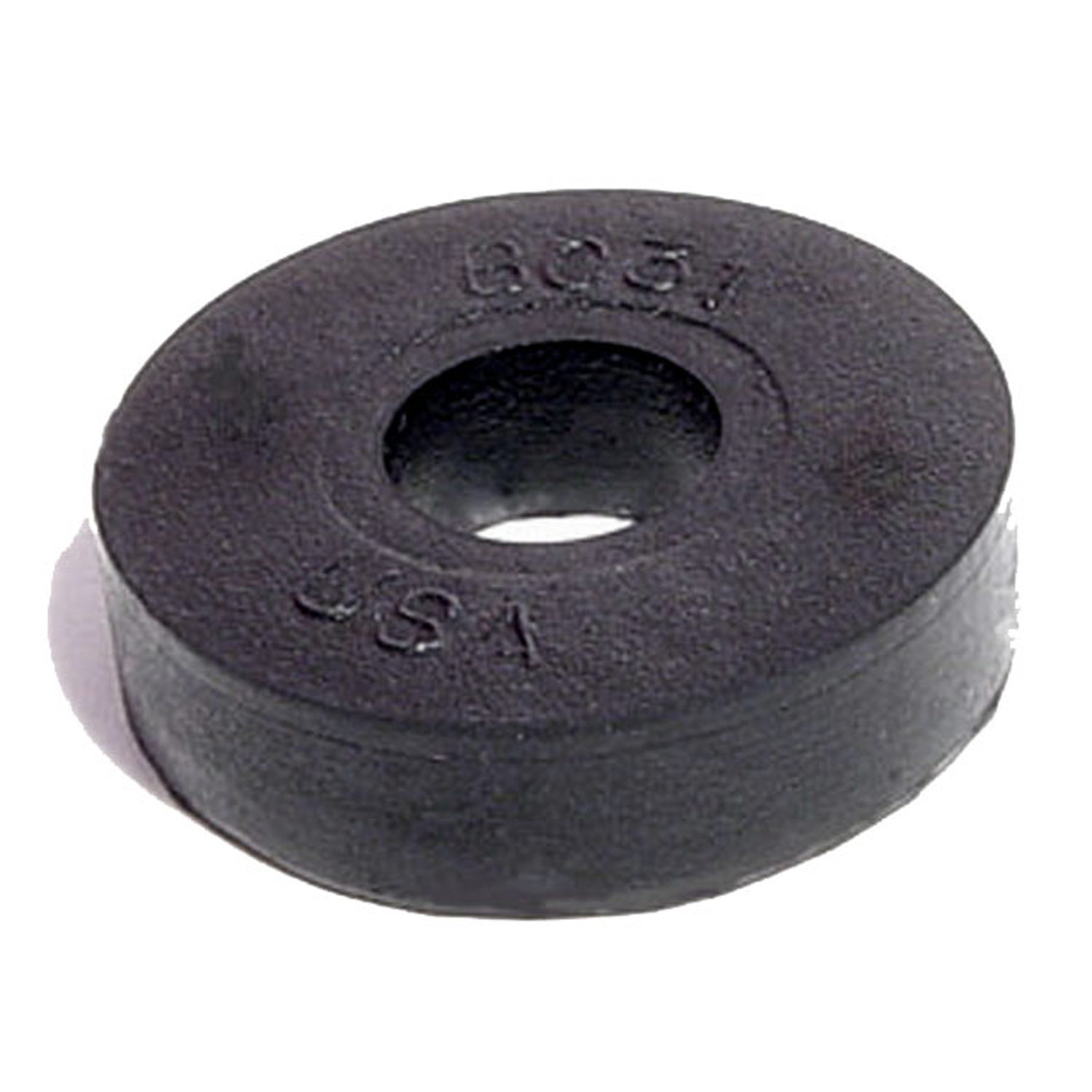 1940 Ford Standard Fender Washer Cushion. 1" O.D., 3/8" I.D. Each-BC 31Fender Washer Cushion. 1" O.D., 3/8" I.D. Each
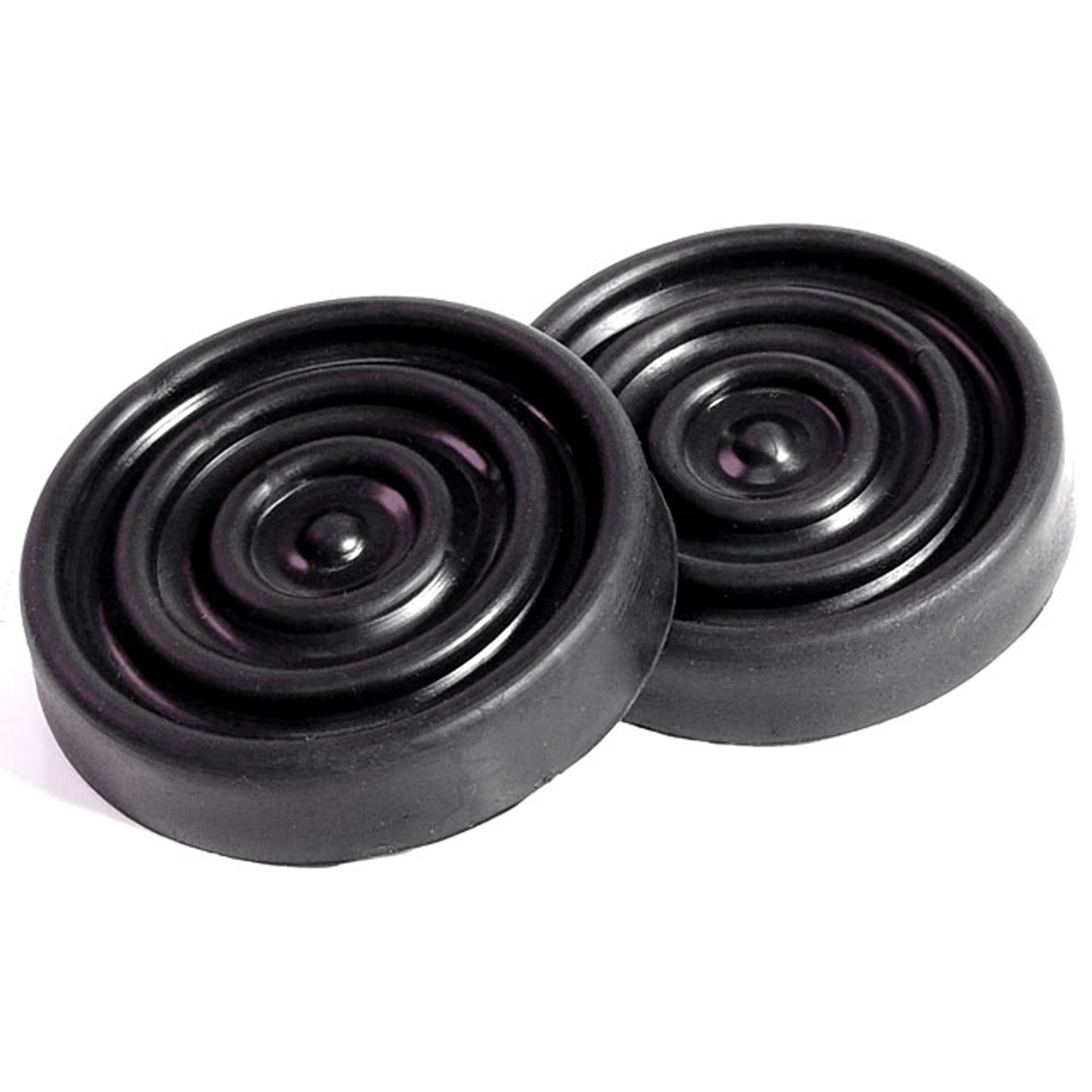 1940 Ford Standard Clutch and Brake Pedal Pads-CB 106Clutch and Brake Pedal Pads. Made with molded steel core and threaded stud. 3" diameter. Pair
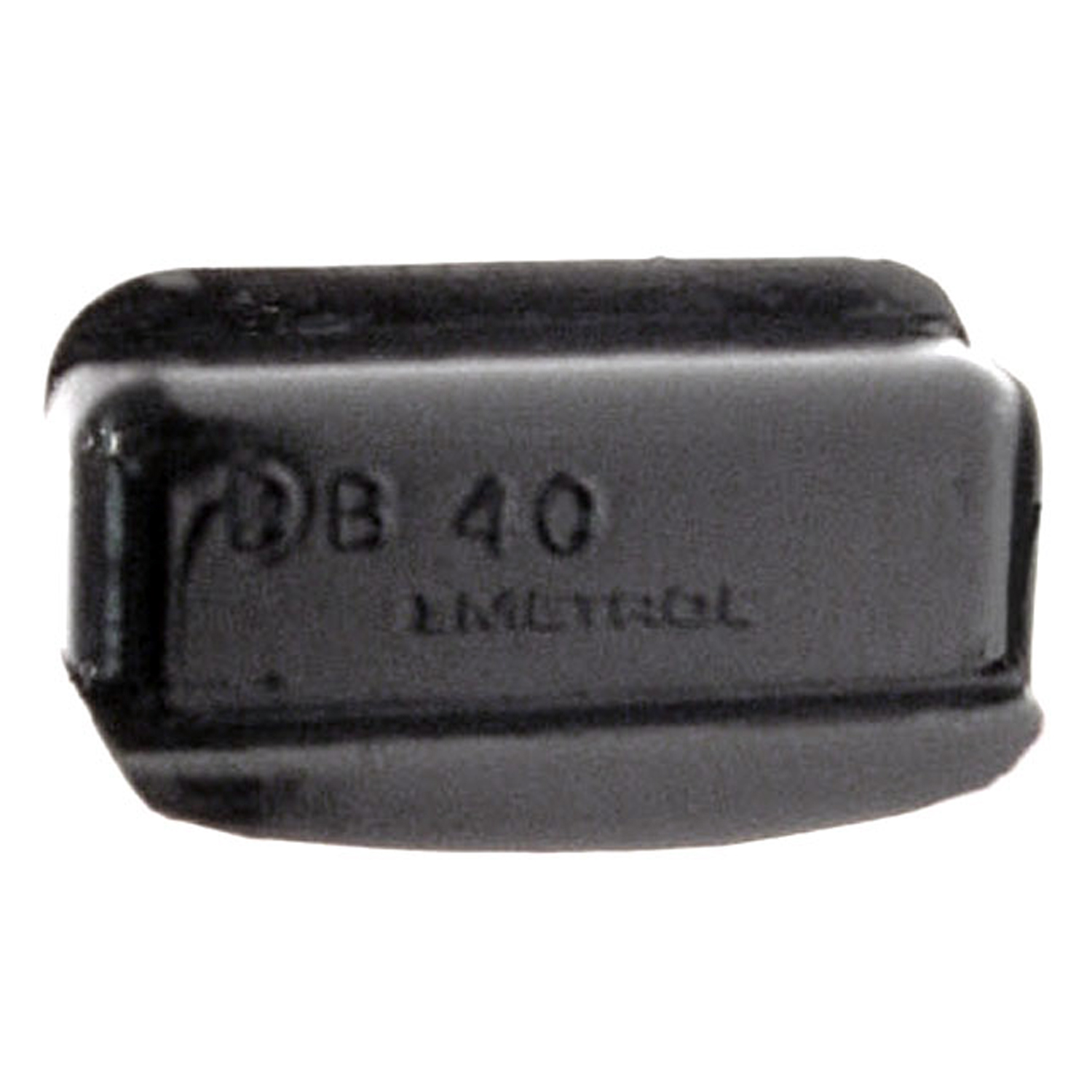 1940 Ford Standard Door Bumper. 3/4" high X 1-7/16" wide X 9/16" thick. Each-DB 40Door Bumper. 3/4" high X 1-7/16" wide X 9/16" thick. Each
 1940 Ford Standard Gas Filler Grommet. 2-3/8" I.D., 3-1/4" O.D. Each-GF 15Gas Filler Grommet. 2-3/8" I.D., 3-1/4" O.D. Each
 1940 Ford Standard Windshield Wiper Transmission Pad. 2" wide X 2" long-MP 688Windshield Wiper Transmission Pad. 2" wide X 2" long. Each
 1940 Ford Standard Trunk Lock Pad. 1-3/8" O.D. Each-MP 693Trunk Lock Pad. 1-3/8" O.D. Each
 1940 Ford Standard Antenna Pad. 1-1/2" wide X 2-5/8" long. Each-MP 694Antenna Pad. 1-1/2" wide X 2-5/8" long. Each
 1940 Ford Standard Door Handle Pads. 1-3/8" wide X 2-1/2" long. Pair-MP 694-BDoor Handle Pads. 1-3/8" wide X 2-1/2" long. Pair
 1940 Ford Standard Tail-light Pads. 5-1/8" wide X 5-1/8" long. Pair-MP 711Tail-light Pads. 5-1/8" wide X 5-1/8" long. Pair
 1940 Ford Standard Tail-light Bracket Pads. 3" wide X 2-1/8" long. Pair-MP 720-ATail-light Bracket Pads. 3" wide X 2-1/8" long. Pair
 1940 Ford Standard License Light Pad. 2-7/8" wide X 4-1/2" long. Each-MP 770License Light Pad. 2-7/8" wide X 4-1/2" long. Each
 1940 Ford Standard Cowl Vent Seal. Made of molded sponge. High quality-RP 100-SCowl Vent Seal. Made of molded sponge. High quality. 3-1/2" wide X 16-1/2" long. Each
 1940 Ford Standard Door Check Rubber Cushion. 1-1/16" O.D., 1/2" Slot. Each-RP 40-EDoor Check Rubber Cushion. 1-1/16" O.D., 1/2" Slot. Each
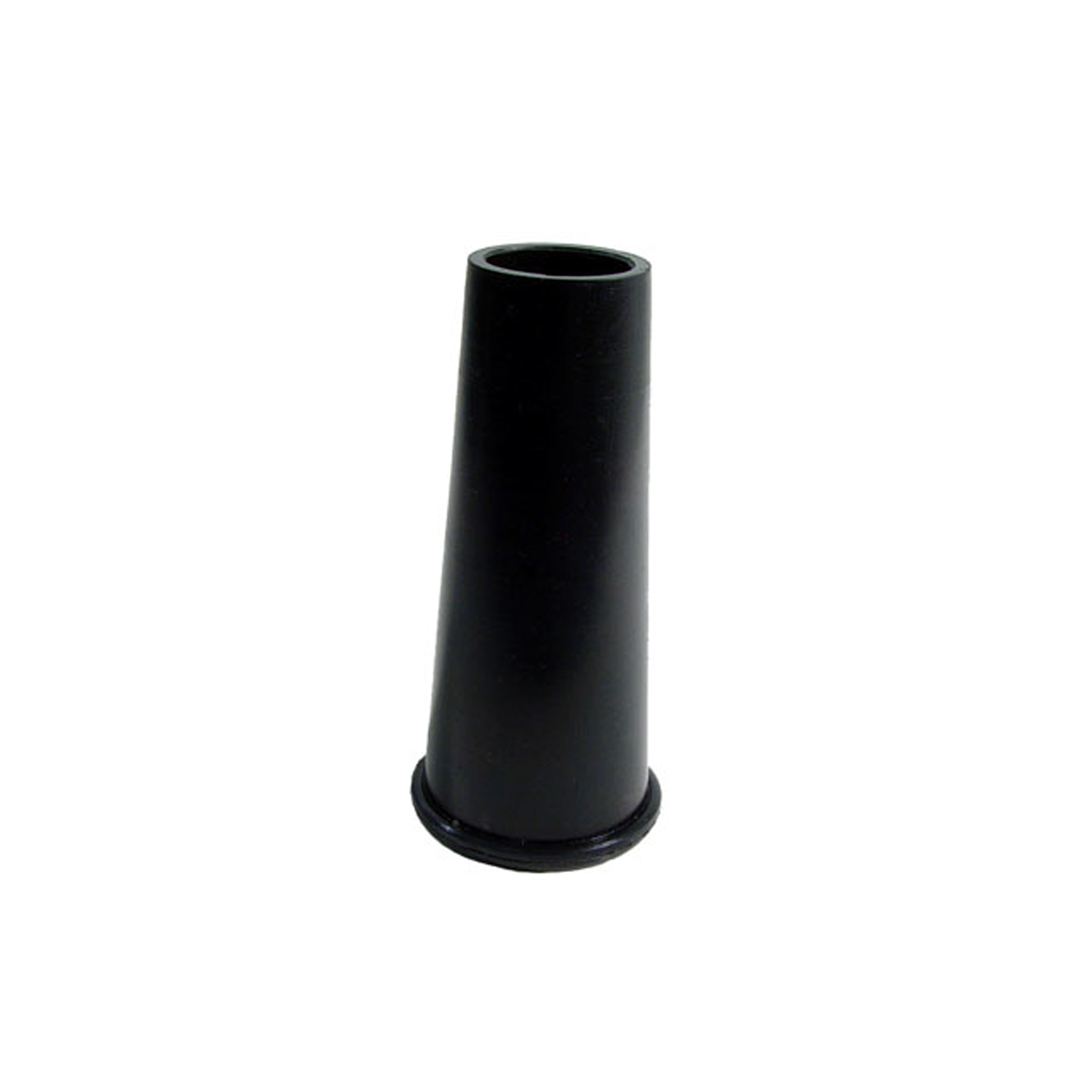 1940 Ford Standard Distributor Ignition Boot. 3-1/8", 1-1/4" O.D., 3/4" I.D-SM 65-DDistributor Ignition Boot. 3-1/8", 1-1/4" O.D., 3/4" I.D. Each
 1940 Ford Standard Choke and Throttle Cable Grommet. Fits a 9/16" hole-SM 83Choke and Throttle Cable Grommet. Fits a 9/16" hole. Angled hole in part. Each
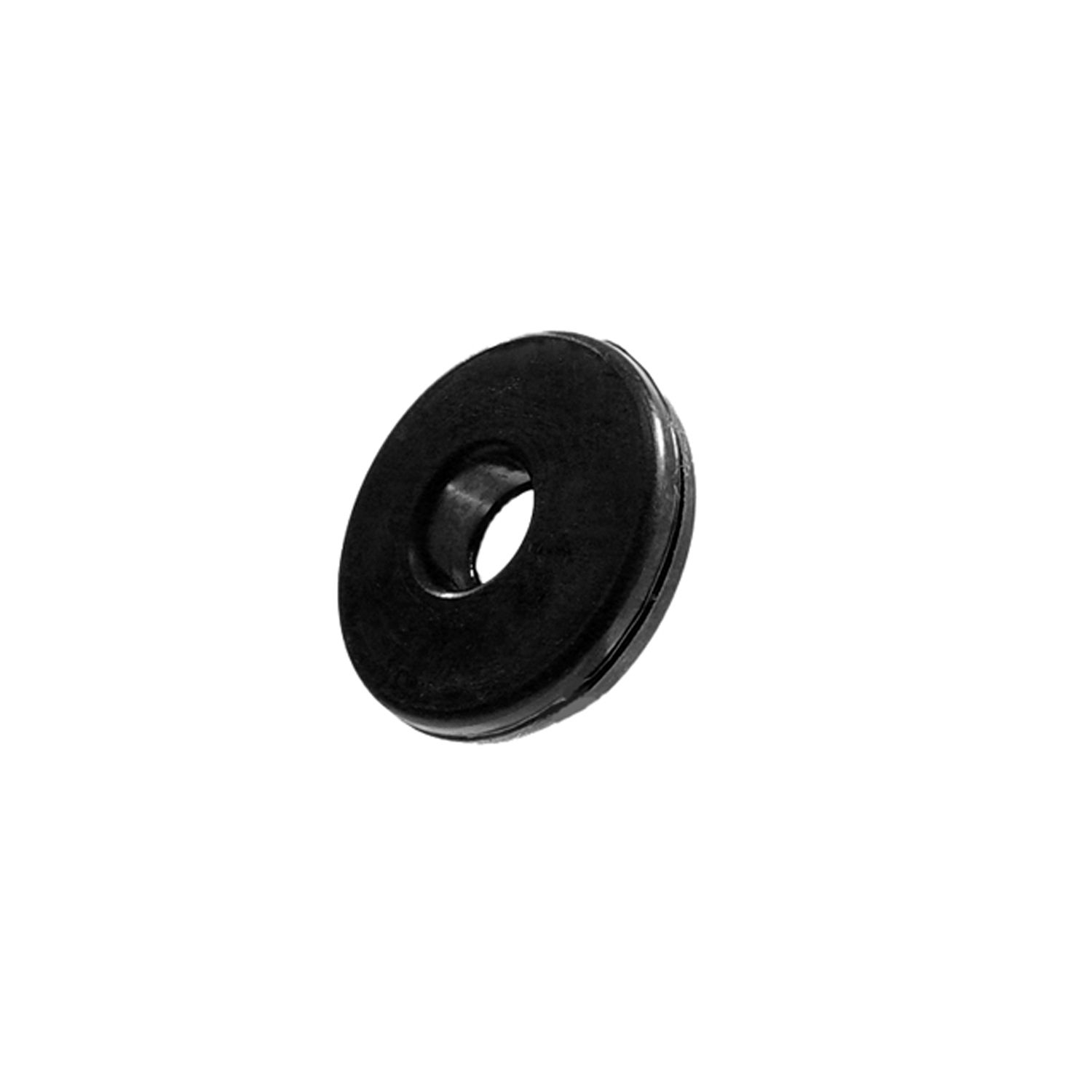 1940 Ford Standard Headlight Wires through Inner Splash Pan, Front Fenders-SM 96Headlight Wires through Inner Splash Pan, Front Fenders. Two used per car. 3/8" I.D., 1-5/16" O.D. Each
 1940 Ford Standard Rear Vent Window Seals-WR 3320-RRear Vent Window Seals. For 4-door sedans with large, swing-out rear quarter windows. Pair R&L
Why Choose Metro?
For over 100 years, Metro Moulded Parts has been the pinnacle of quality in classic car restoration parts. Our commitment to precision and authenticity in every component ensures a perfect fit and an OEM-level appearance.
- Expert Craftsmanship & Quality: Each part is a testament to our dedication to reliability and perfection, crafted from original designs and thoroughly tested.
- Advanced Technology: We use cutting-edge techniques to create flawless, long-lasting parts that surpass others in performance.
- SuperSoft Sponge – The Ultimate Door Seal: Not only are our door seals 30% softer than competitors', but they're also guaranteed to never leak. They effectively reduce wind and road noise, enhancing your classic car's comfort and driving experience.
- Proudly American: Our parts are a product of American craftsmanship, made in the USA with a spirit of excellence and heritage.
- Unrivaled Warranty: We back our products with a 30-year industry-leading warranty, a testament to our confidence in their quality.
Join us in preserving the legacy of classic cars with parts that are crafted for perfection, not just made.