

Image of 1942 Ford Model 2 Ga Special, Note: These illustrations use artistic license and may differ from actual historical models.
Performance Metrics
Fundamental Metrics
Emotional Appeal
MMP Rating
| Engine Specifications | |
|---|---|
| Engine: | Ford Flathead V8 |
| Displacement: | 221 cubic inches (3.6 liters) |
| Horsepower: | Estimated 90 horsepower |
| Torque: | 180 lb-ft |
| Compression Ratio: | Estimated 6.15:1 |
| Ignition System: | Distributor and coil |
| Cooling System: | Water-cooled |
| Performance Specifications | |
| 0-60 Time: | Information not available |
| 1/4 Mile Time: | Information not available |
| Top Speed: | 75 mph |
| Transmission and Drive | |
| Drive Type: | Rear-wheel drive |
| Transmission Type: | 3-speed manual |
| Fuel and Efficiency | |
| Fuel System Type: | Carburetor |
| MPG: | Information not available |
| Dimensions and Brakes | |
| Brakes: | Hydraulic drum brakes |
| Wheelbase: | 114 inches |
| Weight: | 3,000 lbs |
Note: Specifications for classic cars are given to the best of our ability, considering the limited and variant data available.
1942 Ford Model 2GA Special: A Civilian Ford Caught in Wartime
The 1942 Ford Model 2GA Special belongs to one of the shortest and most unusual chapters in Ford history: the final months of American civilian car production before World War II redirected the industry toward military work. Built by the Ford Motor Company, the 2GA was part of Ford’s 1942 passenger-car range, commonly associated with the Super Deluxe series. Its smooth flathead V8, broad new-looking front end, and comfortable cabin represented prewar Ford at its most polished, just as ordinary car production was about to stop.
One important note for anyone researching or shopping for one: “2GA Special” is not a name used consistently in standard Ford model references. The 2GA designation identifies a 1942 Ford model family, while “Special” may reflect a particular body, market description, or the wording on a registration or vehicle record. Confirming the exact series and body style requires checking the car’s data plate, serial number, and original documentation.
The most compelling fact about this Ford is its timing. The United States entered World War II in December 1941, and civilian automobile production was halted in early 1942. A 1942 Ford was therefore not simply an old car from a bygone model year. It was one of the last new Fords built before the company turned its immense manufacturing capacity to wartime production.
Streamlined Styling and a Comfortable Cabin
Ford’s 1942 cars carried forward the rounded, integrated look established before the war, with flowing fenders and a substantial body that looked modern without abandoning familiar Ford proportions. The front end received a distinctive grille treatment, with horizontal bars and a broad, confident face. Headlamps were neatly set into the front fenders, while bright trim, bumpers, and carefully shaped body panels gave higher-trim cars a more finished appearance. The result was handsome rather than flashy, with the solid stance that many collectors associate with prewar American cars.
Inside, the cabin was designed for comfort and ease of use. Depending on series and equipment, buyers could find cloth upholstery, a broad bench seat, a painted or metal dashboard with bright accents, and clear, straightforward gauges. Materials and trim varied by body style and trim level, but the Super Deluxe models generally offered a more upscale presentation than basic Ford versions. These were still practical family cars, not luxury machines, yet their roomy seating and tidy interior details made them feel well equipped for the time.
Ford offered a range of body styles across its 1942 passenger-car line, including two-door and four-door sedans, coupes, convertibles, and station wagons. Availability depended on the series and market. The two-door sedan and coupe suited buyers seeking a more compact, personal car, while the four-door sedan was a popular family choice. Convertibles and wood-bodied station wagons are especially eye-catching today, but they were less common than closed sedans.
Paint colors varied by series and production availability. Period Ford colors included muted and deeper shades such as dark blue, green, gray, and maroon, alongside more restrained choices. Because production was cut short and surviving cars have often been repainted, a car’s current color should not be assumed to be original. Original paint codes or factory records are the best way to verify its color history.
Prewar Engineering with a Flathead V8
The best-known engine associated with the 1942 Ford is the 221-cubic-inch L-head, or flathead, V8. In typical Ford form it produced about 90 horsepower and sent power to the rear wheels through a three-speed manual transmission. Ford also offered an inline-six in parts of its passenger-car range, so the engine in a particular 2GA should be verified rather than assumed. A surviving car may also have received a replacement engine during its long life.
For its era, the flathead V8 was a major part of Ford’s appeal. Its compact design helped keep the hood line low, and its smooth, even power delivery suited relaxed road travel. The engine’s valves sat in the block rather than in the cylinder head, giving it the name “flathead.” It was not the most efficient or advanced engine by modern standards, but it was straightforward, durable, and familiar to generations of mechanics.
Other features were conventional but useful: rear-wheel drive, a manual gearbox, mechanical controls, and suspension tuned for comfort on the roads of the day. The 1942 Ford was not a showcase for radical new technology. Its appeal came from the way established engineering, a proven V8, and practical body styles came together in a refined, easy-to-live-with package.
Why the 1942 Ford Matters
The 2GA’s significance lies less in a single revolutionary feature than in its place at the end of an era. Ford had spent years refining the mass-produced V8 formula, pairing dependable power with affordable family transportation. The 1942 cars show how far that formula had matured before wartime restrictions interrupted normal production.
They also provide a useful snapshot of American automotive design just before the postwar boom. The rounded bodies and separate visual forms of fenders and hood were giving way to more integrated styling, but the 1942 Ford still retained the proportions and mechanical simplicity of a prewar car. Later postwar Fords would bring fresh styling and new engineering, yet the flathead V8 tradition continued to influence hot rodders and custom builders for decades.
What set the 2GA apart from many contemporaries today is its scarcity and historical timing. It was built in a model year that ended abruptly, and the surviving examples bridge two very different worlds: peacetime motoring and the vast industrial mobilization of World War II.
Road Manners, Speed, and the Flathead Sound
A well-maintained V8 1942 Ford is generally estimated to reach roughly 80 to 85 mph, with a 0-to-60-mph time in the neighborhood of 18 to 20 seconds. Those figures are approximate, not guaranteed factory test results. Actual performance depends on engine condition, gearing, body style, tire size, and whether the car remains mechanically stock. The six-cylinder versions will have a different performance character.
On the road, the Ford feels substantial and relaxed. Its suspension was designed for comfort on uneven surfaces, so it can absorb ordinary bumps better than a modern car with a firm sporting setup. At the same time, its tall profile, older tires, and period suspension mean it leans more in corners and responds less precisely than a contemporary vehicle. On winding roads, a measured pace is the right approach. Steering effort and feel can also vary considerably depending on the car’s condition and equipment.
The flathead V8 is part of the experience. Rather than a sharp, high-revving note, it produces a deep, even rumble that becomes more pronounced under acceleration. The three-speed manual asks the driver to work the gear lever and coordinate a clutch, while the wide bench seat and broad view over the hood encourage an unhurried driving style. This is a car to enjoy at a steady pace, not to drive like a modern sports sedan.
Living with a 1942 Ford
Today, most 2GA Fords serve as show cars, touring cars, museum pieces, or carefully maintained weekend drivers. A sound example can be enjoyable on local drives and vintage-car tours, but it is not usually the best choice for modern daily commuting. It lacks contemporary safety equipment, and traffic speeds, braking distances, and visibility all require thoughtful driving.
Mechanical repairs are often approachable for an experienced home mechanic. The flathead V8 is well documented, and parts support remains strong through specialist suppliers and the classic Ford community. Routine work includes attention to the cooling system, ignition, brakes, fuel delivery, and lubrication. The car’s age makes condition more important than reputation: worn steering or suspension, neglected brakes, overheating, and poor electrical repairs can turn an otherwise simple car into a demanding project.
Body and trim restoration can be more challenging than basic mechanical work. Rust in structural areas, incomplete interior pieces, hard-to-find body panels, and incorrect replacement parts can add substantial cost. Before buying, inspect the frame and floor, verify that the engine and transmission are appropriate for the car, and look for evidence of quality restoration work. A tidy driver with documented repairs is often a better buy than a shiny car with hidden structural problems.
Wartime Rarity and Collector Values
Production figures should be treated carefully. Roughly 160,000 Ford passenger cars are commonly cited for the 1942 model year, but that figure covers a broad range and does not establish how many Model 2GA cars, or “Special” versions, were built. A reliable production total for the specific description “2GA Special” is difficult to confirm. The number surviving today is smaller still, but no precise, authoritative survivor count is generally available.
As a broad U.S. market estimate for 2026, a project car may sell for about $5,000 to $15,000, while a usable driver or older restoration might fall around $15,000 to $35,000. A high-quality restoration can bring roughly $35,000 to $60,000 or more. Rare body styles, especially well-restored convertibles and station wagons, can command higher prices, sometimes reaching $50,000 to $90,000 or beyond depending on originality, condition, and buyer demand. These are general ranges, not appraisals, and the exact body style has a major effect on value.
Values for good prewar Fords have generally been supported by their historic appeal, recognizable flathead V8, and established parts network. However, classic-car prices vary with the economy and collector tastes. Ordinary sedans can be less expensive than rare open or wagon models, and restoration costs do not always translate into a higher resale price. Originality, documented history, sound structure, and a correct drivetrain usually matter more than fresh paint alone.
Notable Details and Common Criticisms
The 1942 Ford’s most memorable “record” is its place in the last wave of civilian production before wartime manufacturing took over. It was not a special speed-record car or a celebrated competition model. Nor is there a widely established celebrity-owner story tied specifically to the 2GA designation. Its historical interest comes from the model year itself and the abrupt production stop.
Collectors sometimes criticize prewar Fords for their modest acceleration, dated braking and steering, and the care required to keep an old cooling system healthy. Those are fair considerations, especially for drivers accustomed to modern cars. On the other hand, the Ford’s straightforward mechanics, characterful V8, and period-correct road manners are exactly what many enthusiasts value. The best example is not necessarily the fastest or most polished one, but the car that has been maintained honestly and can be enjoyed safely.
A Ford from the Last Days of Peacetime Production
The 1942 Ford Model 2GA Special combines familiar Ford practicality with the unmistakable character of a prewar flathead V8. Its rounded styling, comfortable cabin, traditional mechanical layout, and brief production window make it more than just another old sedan. Exact details depend on what “Special” means in a particular car’s paperwork, so careful identification is essential, especially for collectors.
As a restored classic, it offers an engaging look at how Americans traveled just before the country’s factories shifted to wartime work. The 1942 Ford may not deliver modern speed or precision, but its sound, simplicity, and historical timing give it a presence that is hard to reproduce. It is a rolling reminder of the moment the American automobile industry paused its peacetime rhythm and changed course.
1942 Ford Model 2 Ga Special Catalog of Parts
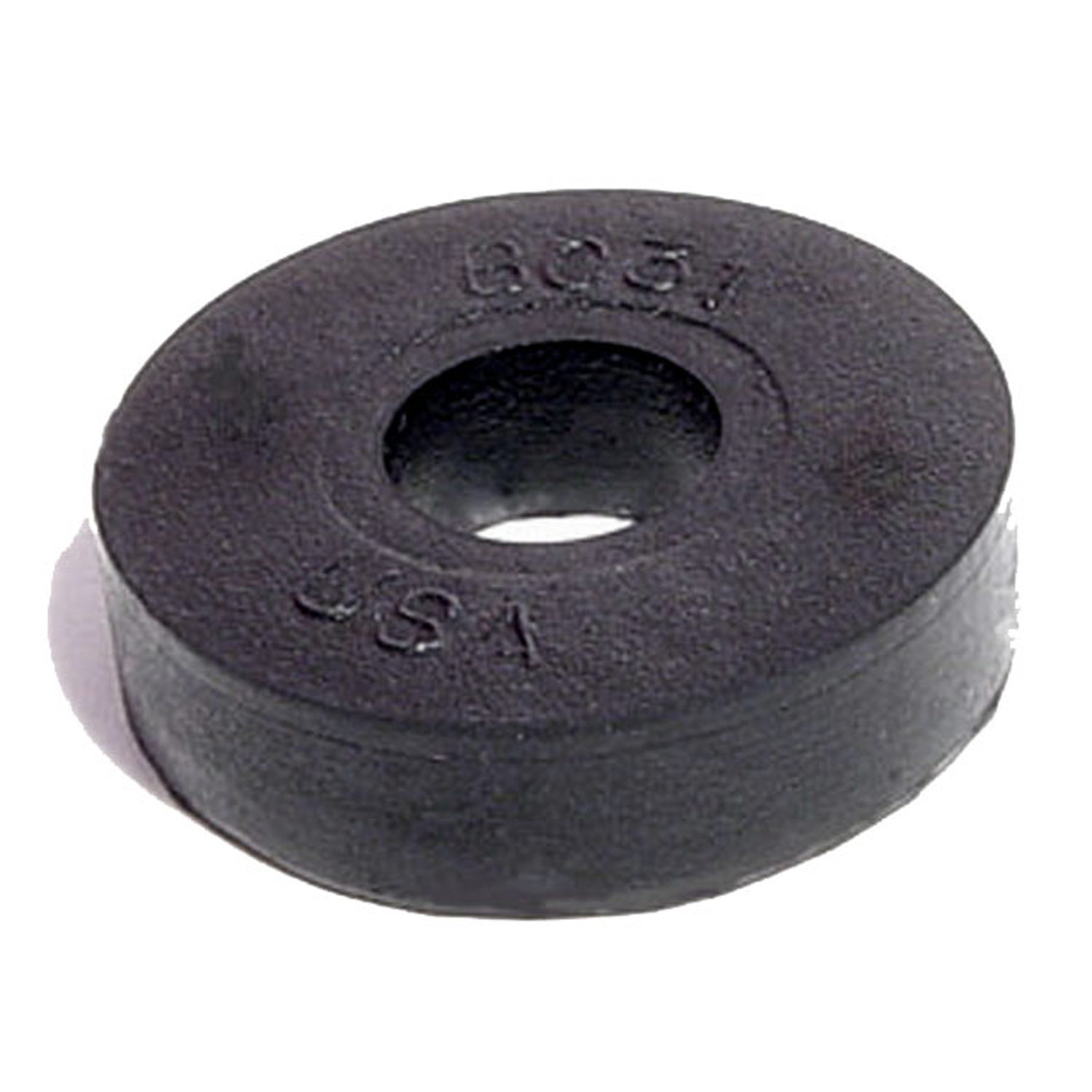 1942 Ford Model 2 GA Special Fender Washer Cushion. 1" O.D., 3/8" I.D. Each-BC 31Fender Washer Cushion. 1" O.D., 3/8" I.D. Each
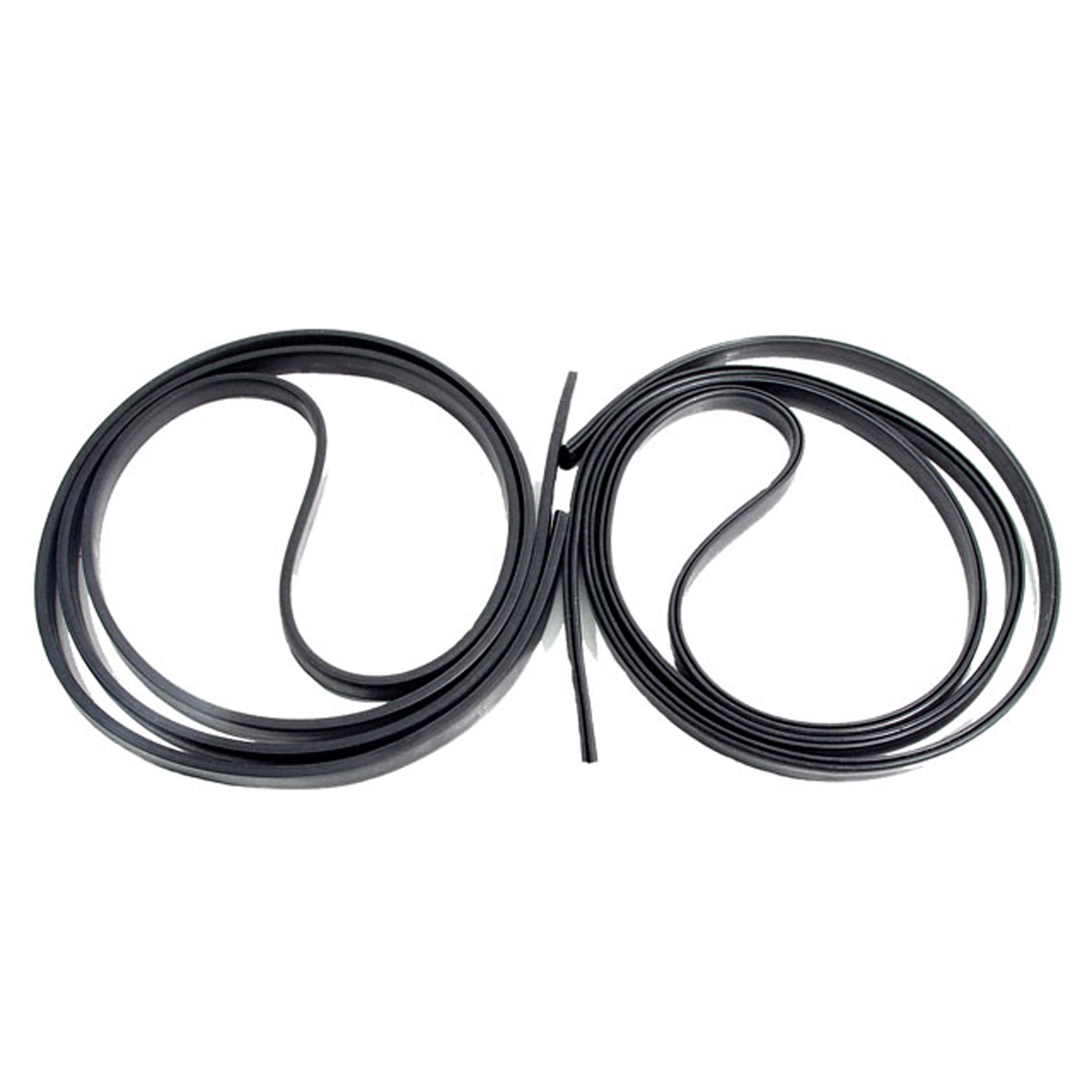 1942 Ford Model 2 GA Special Fender Skirt Seals. Each Piece 5' long. Pair-BG 111-PFender Skirt Seals. Each Piece 5' long. Pair
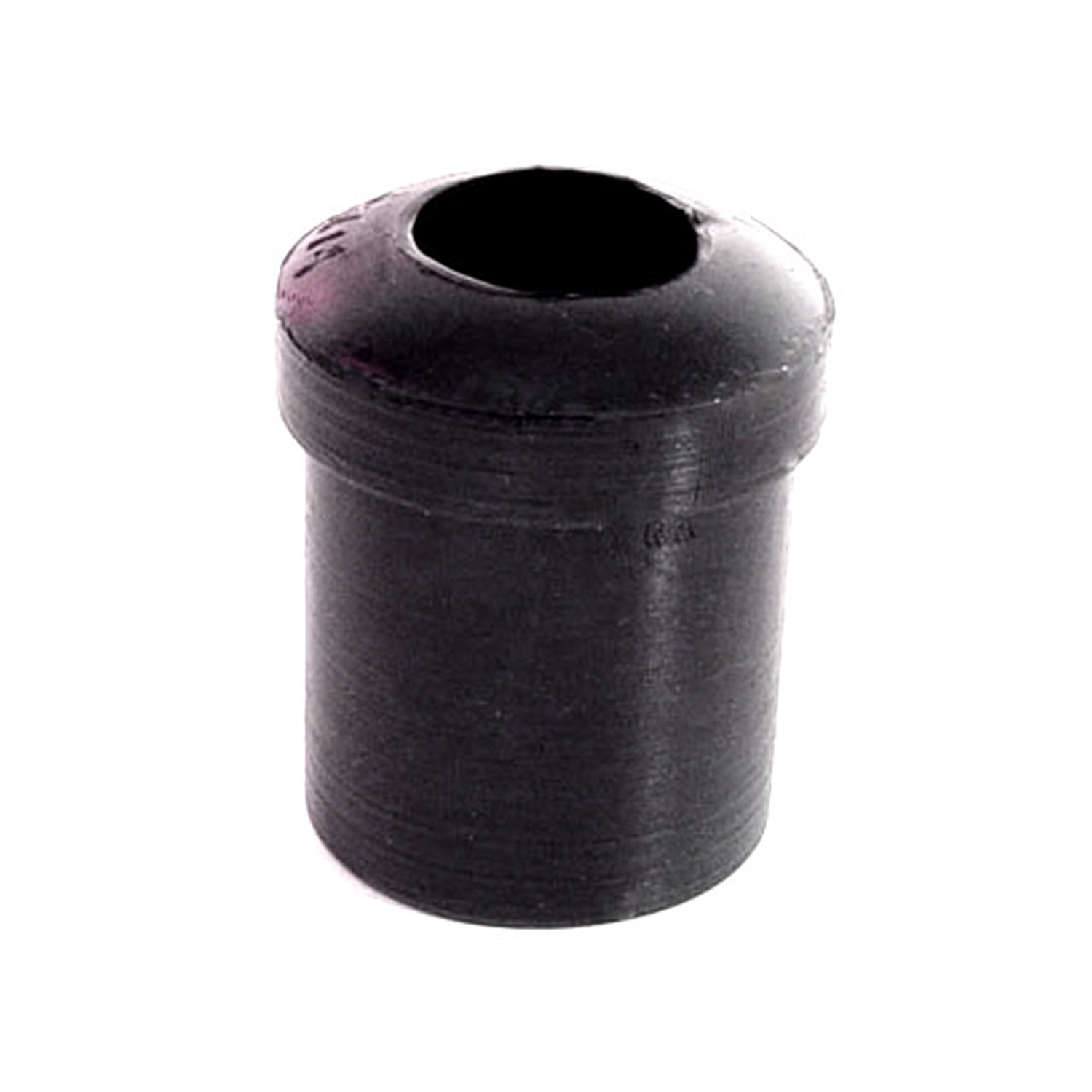 1942 Ford Model 2 GA Special Spring and Shackle Bushing. 1-1/16" bottom O.D-BN 14Spring and Shackle Bushing. 1-1/16" bottom O.D. X 1-1/2" high, with 5/8" I.D. Each
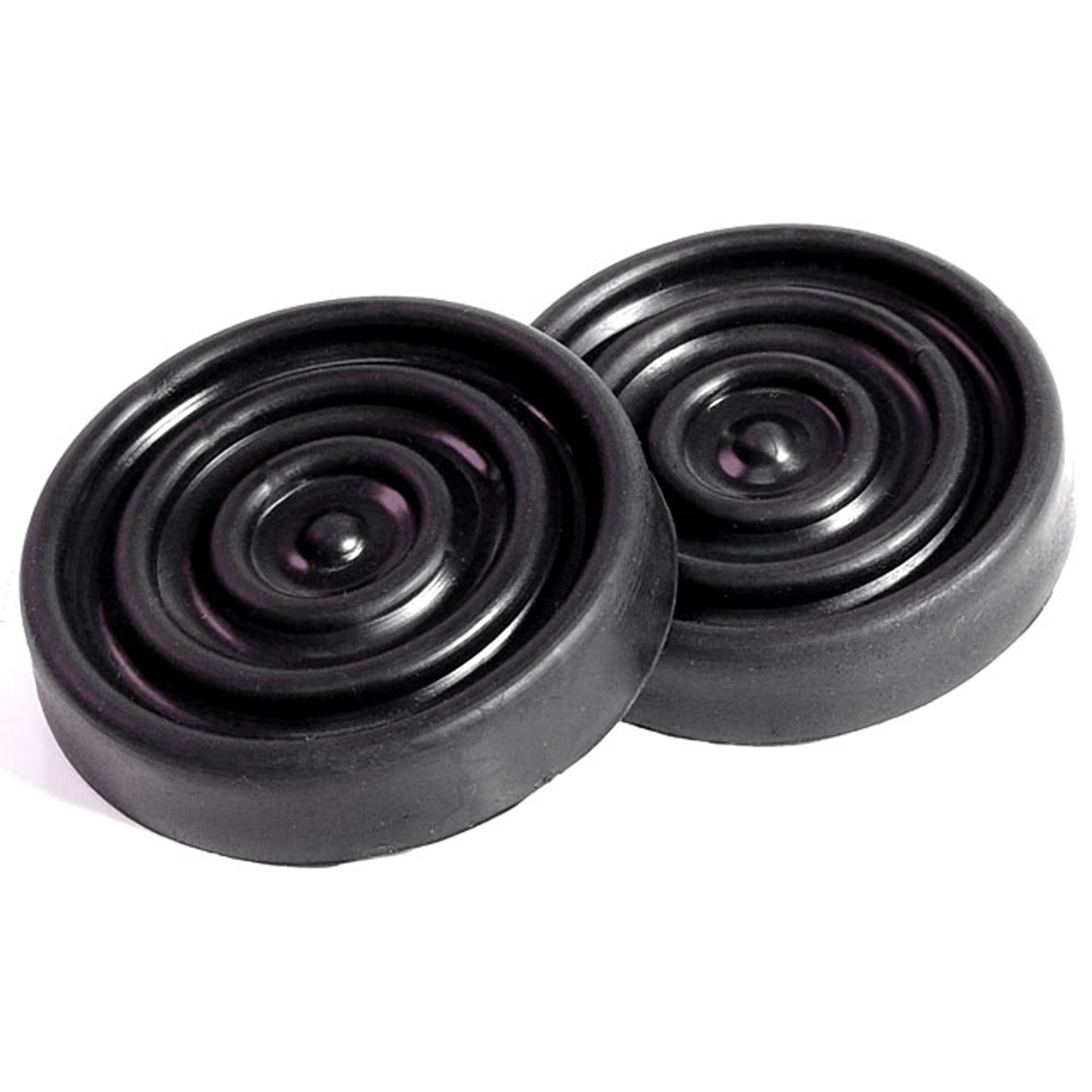 1942 Ford Model 2 GA Special Clutch and Brake Pedal Pads-CB 106Clutch and Brake Pedal Pads. Made with molded steel core and threaded stud. 3" diameter. Pair
 1942 Ford Model 2 GA Special Radiator to Hood Seal. 1-5/16" wide X 26" long. Each-CS 14-MRadiator to Hood Seal. 1-5/16" wide X 26" long. Each
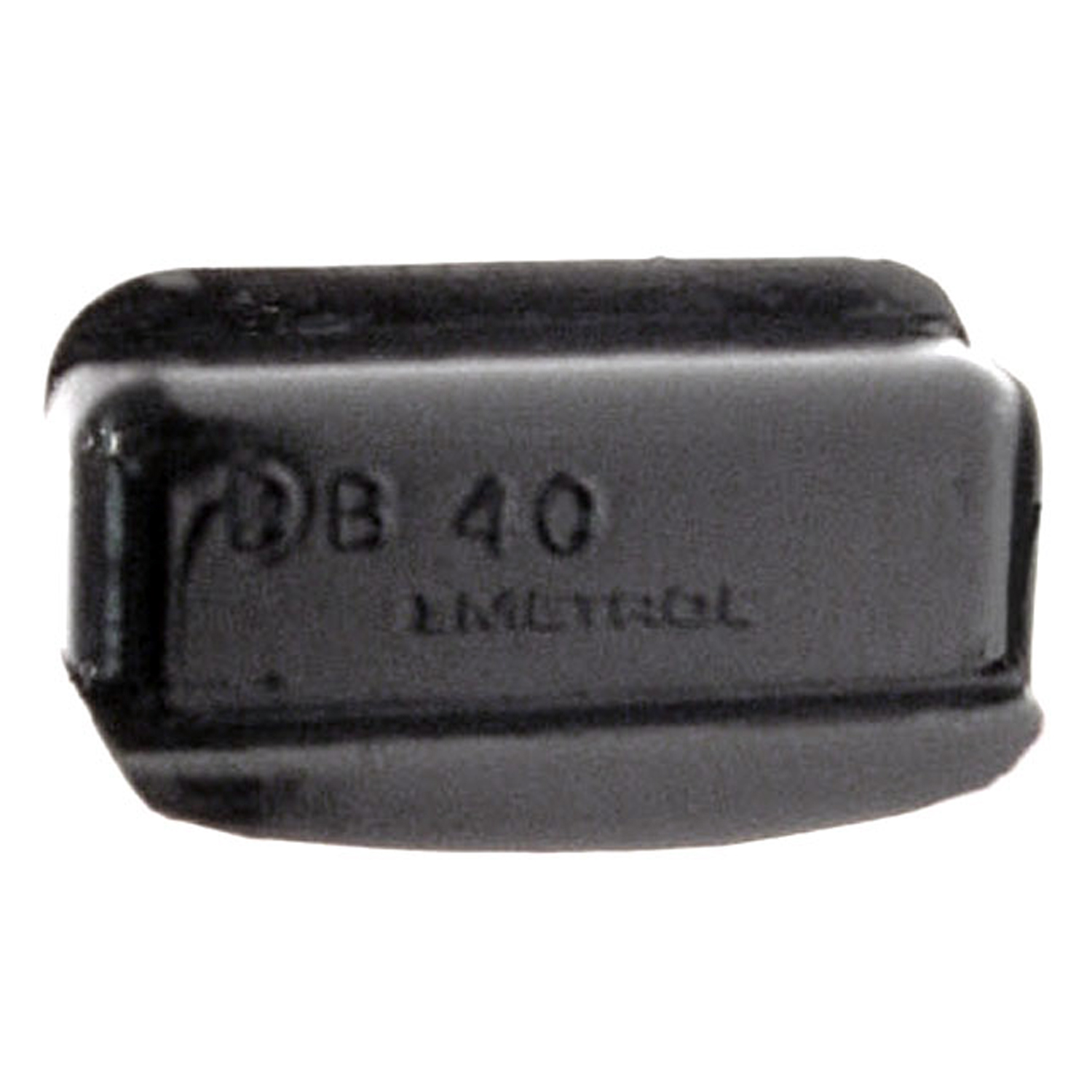 1942 Ford Model 2 GA Special Door Bumper. 3/4" high X 1-7/16" wide X 9/16" thick. Each-DB 40Door Bumper. 3/4" high X 1-7/16" wide X 9/16" thick. Each
 1942 Ford Model 2 GA Special Center Division Bar Seal. 16-1/4" long. Each-DP 21Center Division Bar Seal. 16-1/4" long. Each
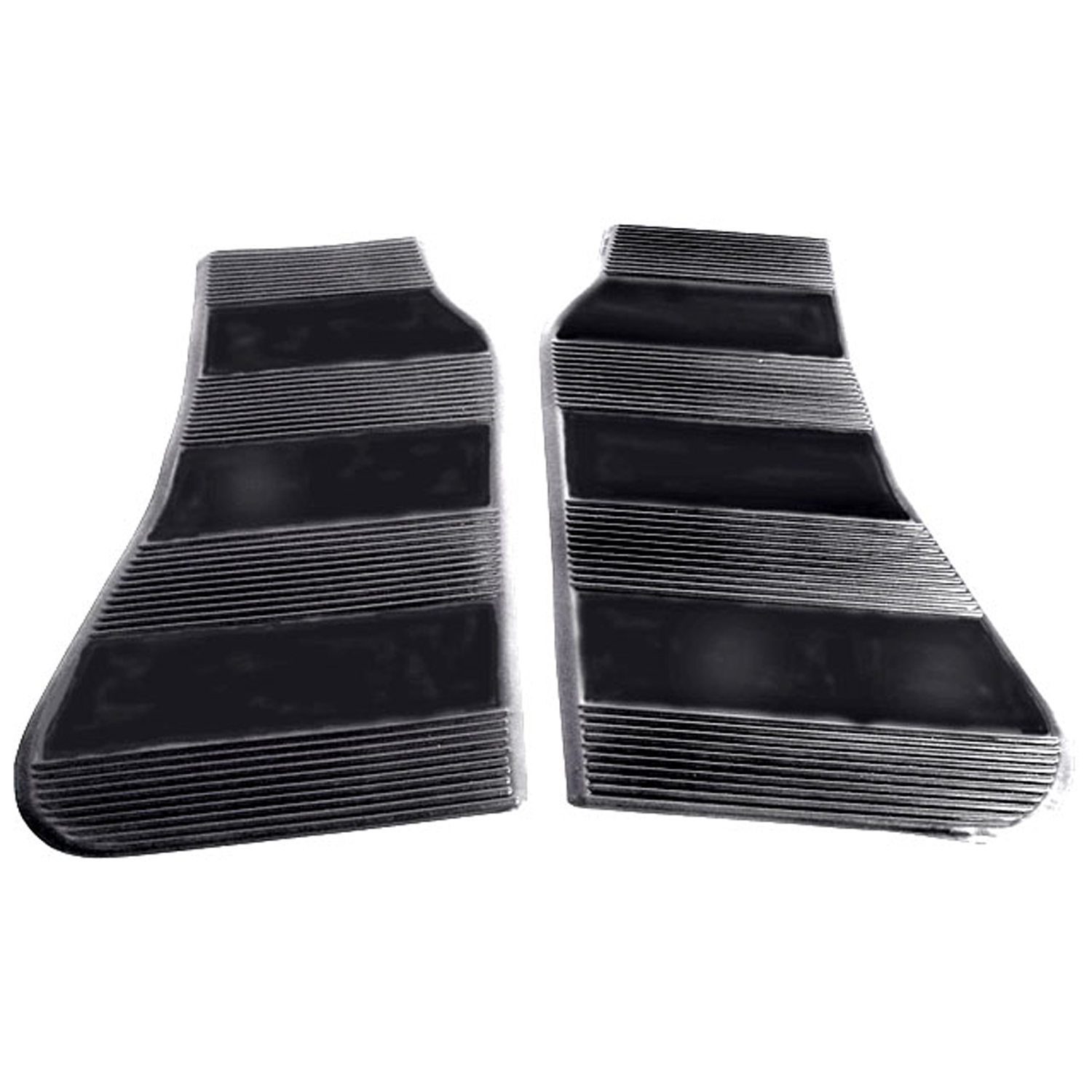 1942 Ford Model 2 GA Special Gravel Shields. Will conform to all curves perfectly-FS 61Gravel Shields. Will conform to all curves perfectly. 17" long X 7-3/4" wide at top X 5-1/4" wide at bottom. Pair R&L
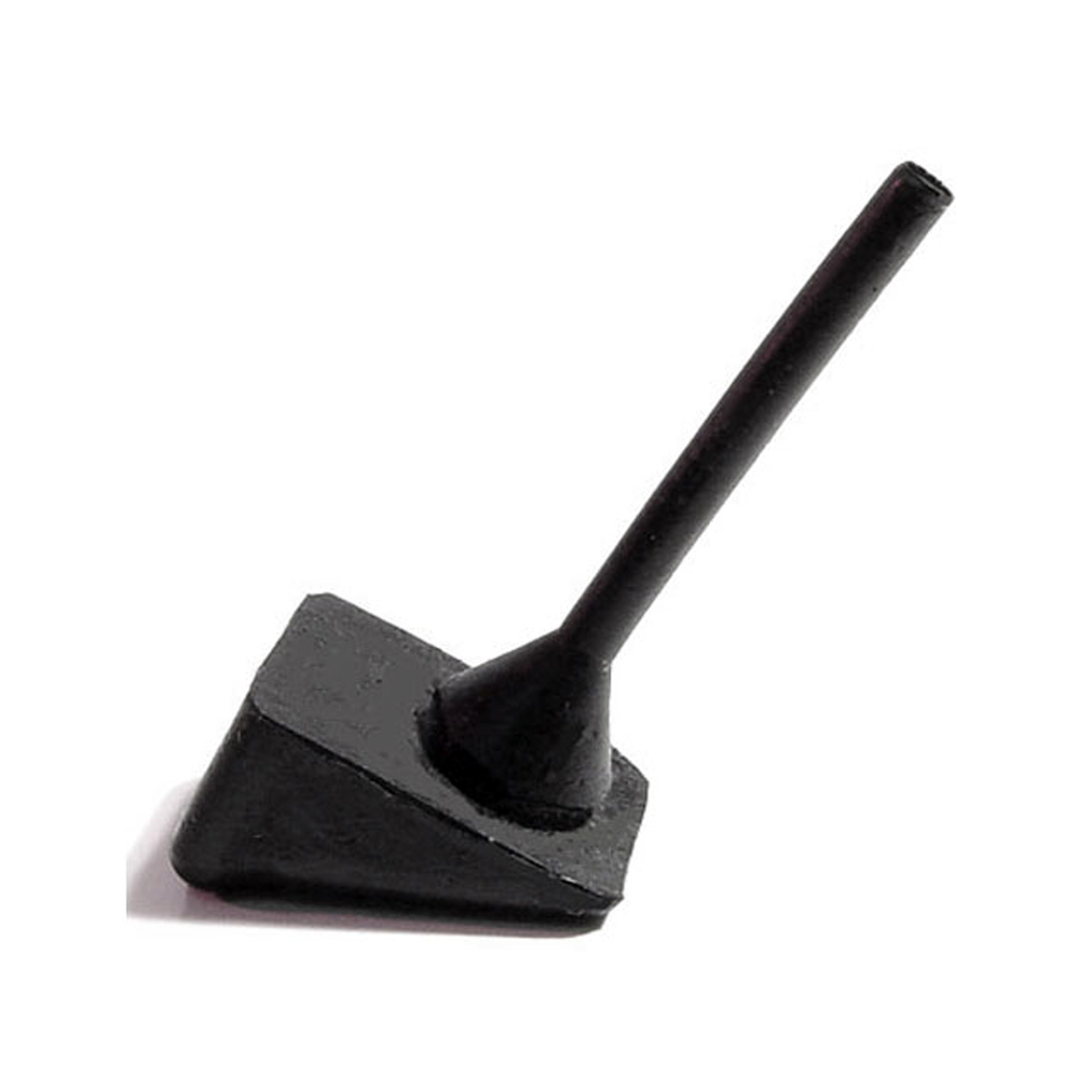 1942 Ford Model 2 GA Special Hood Bumper. Each-HF 8Hood Bumper. Each
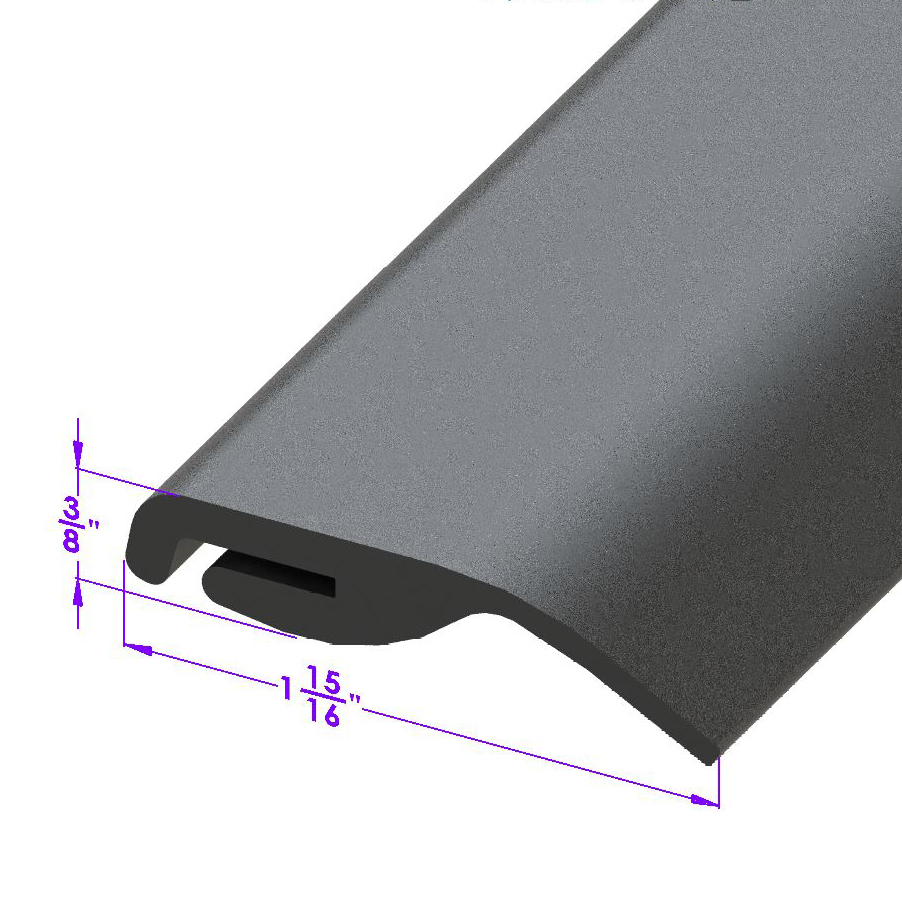 1942 Ford Model 2 GA Special Bumper to Body Seal. 2" Wide. Sold by the foot-LP 109-KBumper to Body Seal. 2" Wide. Sold by the foot
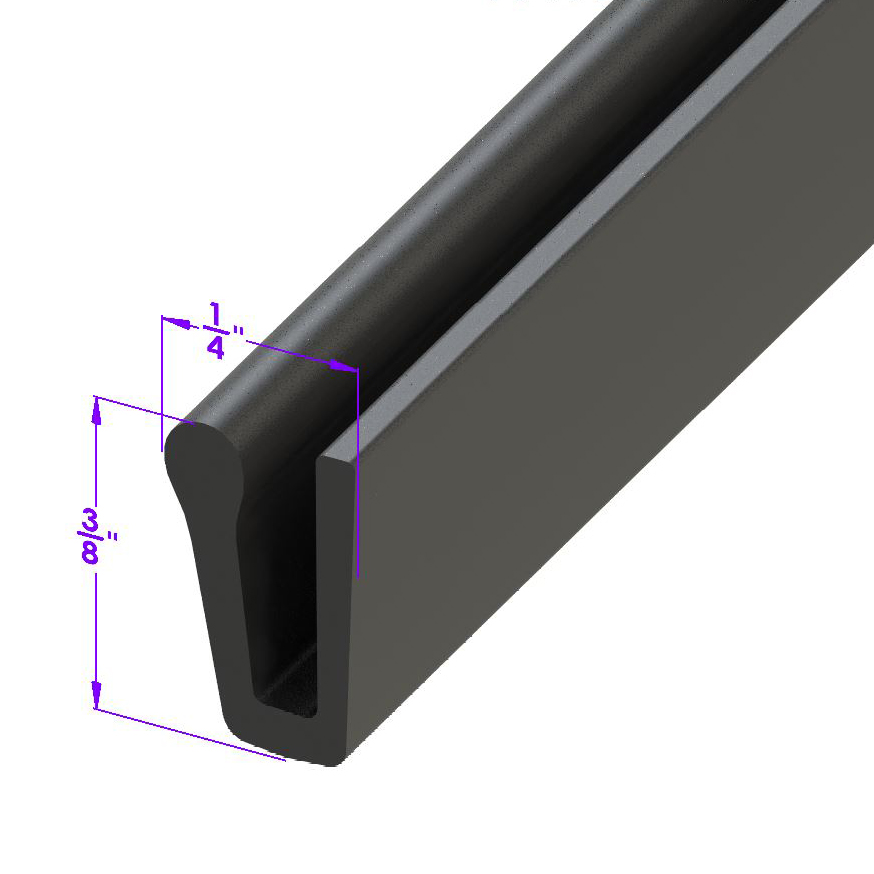 1942 Ford Model 2 GA Special Fender Skirt Seal. Sold by the foot-LP 111-P/FTFender Skirt Seal. Sold by the foot
 1942 Ford Model 2 GA Special Tail-light Pads. 4-3/8" wide X 7-1/8" long. Pair R&L-MP 698Tail-light Pads. 4-3/8" wide X 7-1/8" long. Pair R&L
 1942 Ford Model 2 GA Special Door handle pads. 1-1/2 in. W x 3-1/8 in. L. Pair.-MP 698-BDoor handle pads. 1-1/2 in. W x 3-1/8 in. L. Pair.
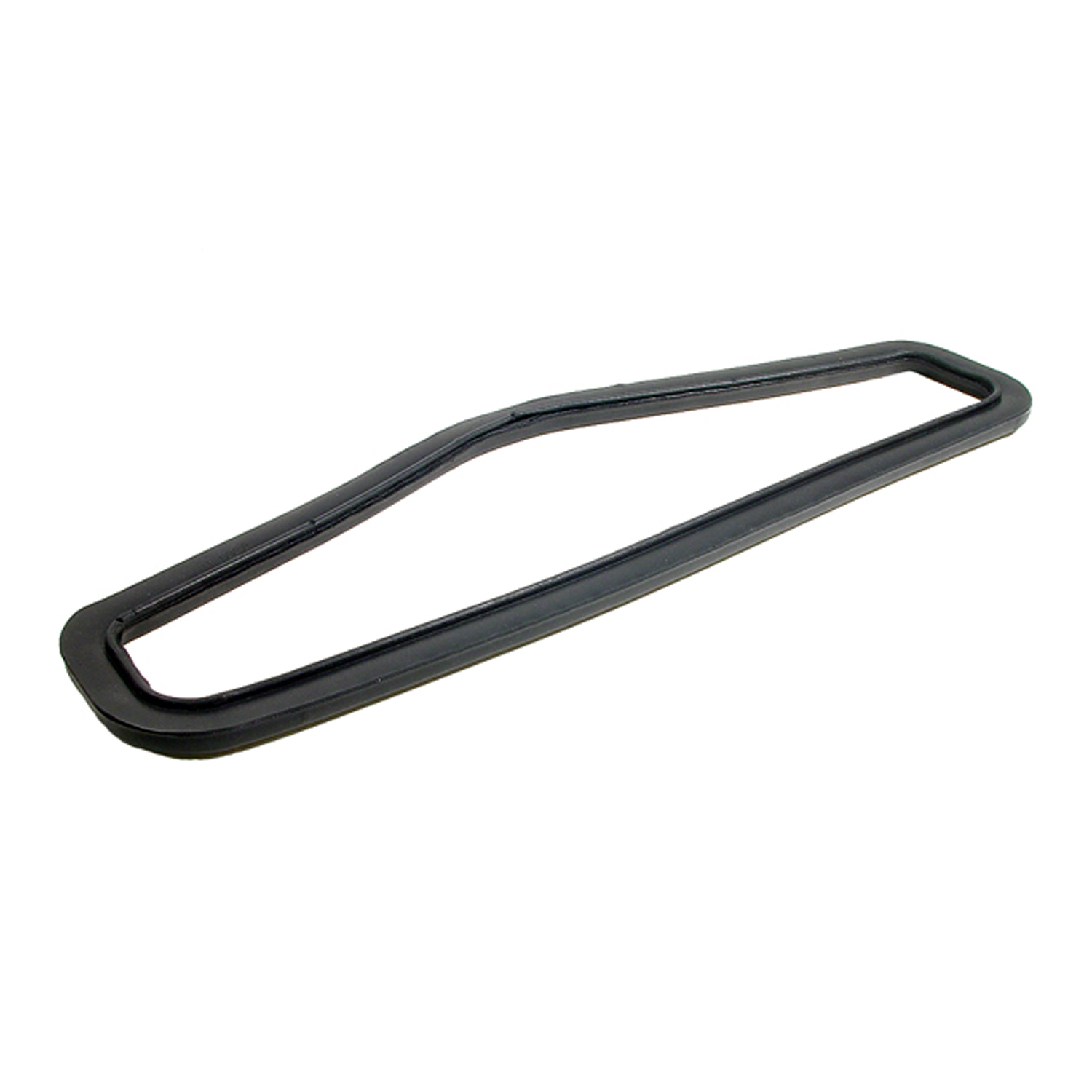 1942 Ford Model 2 GA Special Cowl Vent Seal. Made of skin-covered, molded sponge-RP 100-ICowl Vent Seal. Made of skin-covered, molded sponge. 3-1/8" wide at side X 17" long. Each
 1942 Ford Model 2 GA Special Cowl Vent Seal. Made of molded sponge. High quality-RP 100-SCowl Vent Seal. Made of molded sponge. High quality. 3-1/2" wide X 16-1/2" long. Each
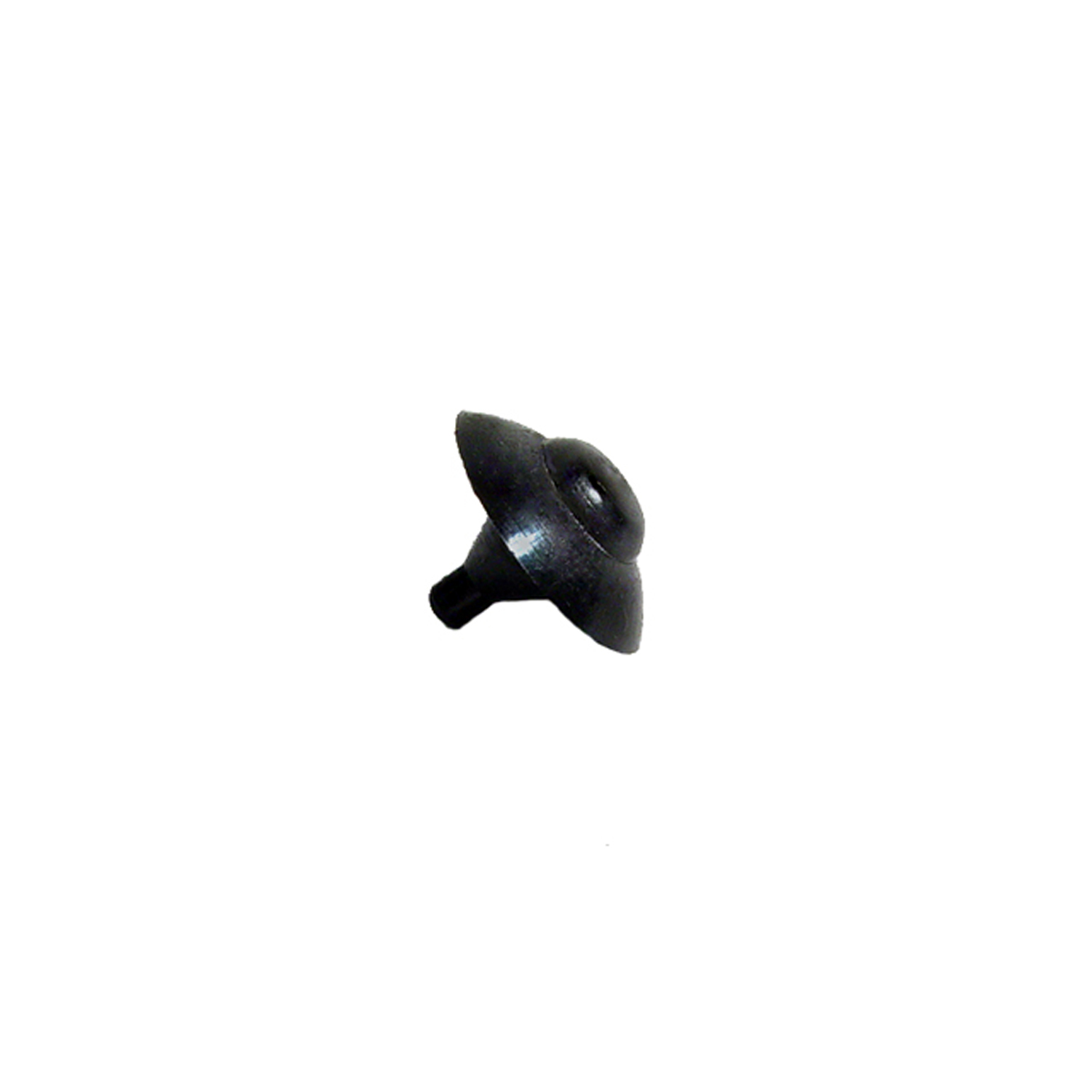 1942 Ford Model 2 GA Special Engine Compartment Gravel Shield Bumper-SB 57-AEngine Compartment Gravel Shield Bumper. Twelve used per car. Each
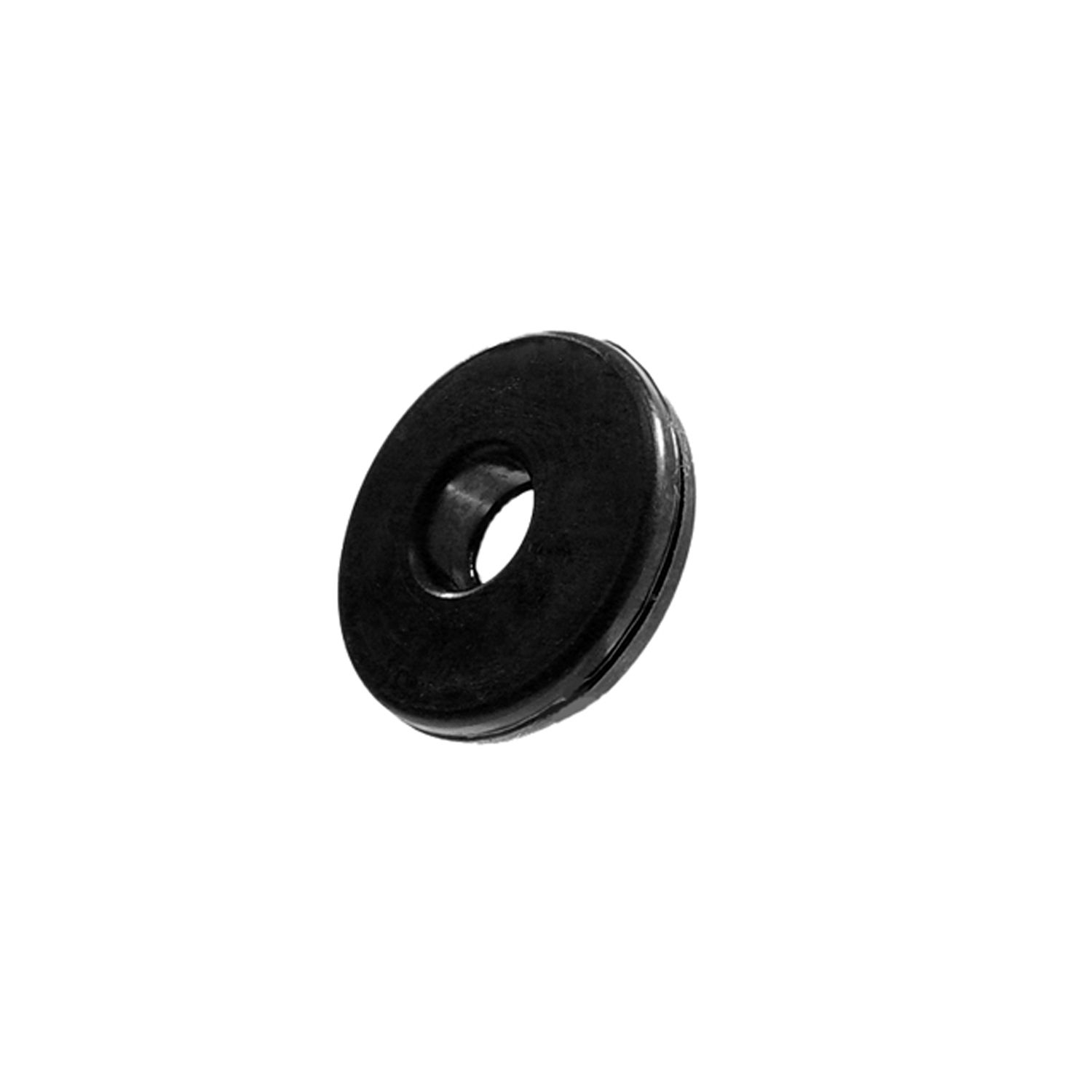 1942 Ford Model 2 GA Special Headlight Wires through Inner Splash Pan, Front Fenders-SM 96Headlight Wires through Inner Splash Pan, Front Fenders. Two used per car. 3/8" I.D., 1-5/16" O.D. Each
 1942 Ford Model 2 GA Special Wiper Motor Control Wire Grommet. Fits a 3/16" to 1/4" hole-SM 97Wiper Motor Control Wire Grommet. Fits a 3/16" to 1/4" hole. 3/32" center hole. Each
 1942 Ford Model 2 GA Special Front Vent Window Seals, for Convertibles. Pair R&L-WR 3304Front Vent Window Seals, for Convertibles. Pair R&L
Why Choose Metro?
For over 100 years, Metro Moulded Parts has been the pinnacle of quality in classic car restoration parts. Our commitment to precision and authenticity in every component ensures a perfect fit and an OEM-level appearance.
- Expert Craftsmanship & Quality: Each part is a testament to our dedication to reliability and perfection, crafted from original designs and thoroughly tested.
- Advanced Technology: We use cutting-edge techniques to create flawless, long-lasting parts that surpass others in performance.
- SuperSoft Sponge – The Ultimate Door Seal: Not only are our door seals 30% softer than competitors', but they're also guaranteed to never leak. They effectively reduce wind and road noise, enhancing your classic car's comfort and driving experience.
- Proudly American: Our parts are a product of American craftsmanship, made in the USA with a spirit of excellence and heritage.
- Unrivaled Warranty: We back our products with a 30-year industry-leading warranty, a testament to our confidence in their quality.
Join us in preserving the legacy of classic cars with parts that are crafted for perfection, not just made.