

Image of 1946 Ford 1 Ton Pickup, Note: These illustrations use artistic license and may differ from actual historical models.
Performance Metrics
Fundamental Metrics
Emotional Appeal
MMP Rating
| Engine Specifications | |
|---|---|
| Engine: | Flathead V8 |
| Displacement: | 239 cubic inches |
| Horsepower: | Estimated 100 horsepower |
| Torque: | 180 lb-ft |
| Compression Ratio: | Estimated 6.15:1 |
| Ignition System: | Distributor and coil |
| Cooling System: | Water-cooled |
| Performance Specifications | |
| 0-60 Time: | Not available due to the age and type of vehicle |
| 1/4 Mile Time: | Not available due to the age and type of vehicle |
| Top Speed: | 70 mph |
| Transmission and Drive | |
| Drive Type: | Rear-wheel drive |
| Transmission Type: | 3-speed manual |
| Fuel and Efficiency | |
| Fuel System Type: | Carburetor |
| MPG: | Estimated 10-15 mpg |
| Dimensions and Brakes | |
| Brakes: | Drum brakes |
| Wheelbase: | 134 inches |
| Weight: | 3,400 lbs |
Note: Specifications for classic cars are given to the best of our ability, considering the limited and variant data available.
1946 Ford 1-Ton Pickup: A Postwar Workhorse
The 1946 Ford 1-ton Pickup brought American farms, shops, and small businesses back to work with a familiar face and a fresh postwar purpose. Built by the Ford Motor Company in the United States, it belonged to a line of rugged prewar-designed trucks that returned to production after civilian manufacturing resumed at the end of World War II.
Ford’s 1946 trucks were closely related to the models introduced before the war, when factories had shifted much of their attention to military production. After years of limited access to new civilian vehicles, buyers were ready for dependable trucks, and Ford’s established design was well suited to the job. The 1-ton version offered greater carrying capacity than a light-duty pickup, making it useful for heavier farm work, local delivery, and commercial hauling.
One detail that makes the truck especially interesting is its place at the end of an era. The 1946 model carried forward Ford’s prewar truck design, while the all-new F-Series arrived for 1948. In other words, this pickup represents a practical bridge between Ford’s prewar work trucks and the modern model-naming system that followed.
Distinctive Ford Truck Styling
The 1946 Ford’s appearance is all business, but it has the rounded, substantial character that gives vintage trucks so much appeal. Its upright cab sits behind separate, bulbous front fenders, while broad running boards connect the front and rear fenders along the sides. The long hood, simple stamped-steel body panels, and tall stance make the truck look ready for a full day’s work.
At the front, horizontal grille bars give the truck a wide, confident expression. The headlights sit in the front fenders, and the rounded hood and fender contours soften what is otherwise a sturdy, utilitarian design. A long-bed configuration is a particularly recognizable look on a 1-ton pickup, though exact body and chassis combinations varied with the truck’s intended use.
Inside, the priorities are durability and visibility rather than luxury. The driver faces a large steering wheel, straightforward gauges, and simple metal controls. A broad bench seat provides room for a driver and passenger, with upholstery materials and finishes varying by specification, market, and later restoration work. Compared with a modern pickup, the cabin feels airy but basic, with little insulation and few convenience features.
Factory paint choices varied, and exact colors should be checked against period paint records or surviving factory documentation when accuracy matters. Black, dark green, blue, red, and gray are among the traditional colors often associated with period Ford trucks. Today, restored examples appear in everything from historically inspired shades to bright custom colors. Commercial buyers commonly favored practical, easy-to-maintain finishes, while the most striking show trucks tend to wear vivid paint.
One-Ton Body and Equipment Choices
Ford’s pre-1948 truck range included multiple chassis capacities and body configurations. A 1-ton pickup combined a pickup bed with a heavier-duty chassis, but trucks could also be ordered or adapted for commercial bodies such as flatbeds, service bodies, and delivery setups. Wheelbase, axle, and equipment details depended on the specific chassis and order.
The pickup-bed version is now the best-known and most sought-after configuration because it shows the truck’s original versatility so clearly. Still, a period flatbed or work body can be just as historically compelling, particularly when it retains evidence of a truck’s working life. Buyers should check the vehicle identification and chassis details carefully: old commercial trucks were frequently modified, rebodied, or assembled from parts over decades of service.
Engineering for Work, Not Show
The 1946 Ford 1-ton was designed around a conventional body-on-frame layout, a solid foundation for carrying loads and adapting the truck to different jobs. Depending on configuration and market, buyers could find Ford flathead power, including a 226-cubic-inch inline six or a 239-cubic-inch flathead V8. Engine availability and ratings should be verified for an individual truck, since specifications could vary and replacement engines are common.
A manual transmission, a heavy-duty rear axle, and leaf-spring suspension suited the truck’s working role. Its braking and electrical systems reflect the standards of the period, not modern expectations. There is no power steering, electronic engine management, or contemporary safety equipment. The truck’s technology is straightforward by design, which is one reason experienced owners and vintage-truck mechanics can often keep them running with basic tools and mechanical knowledge.
Ford’s contribution was less about introducing a single groundbreaking feature than about delivering a robust, serviceable package at a moment when businesses urgently needed vehicles. The truck’s simple construction, broad utility, and familiar mechanical layout helped establish the dependable character associated with Ford’s commercial vehicles. Its successor, the 1948 F-Series, would make a major styling and product-line step forward, but the 1946 pickup remained an important part of the transition.
Performance and Road Manners
Period trucks were built to move loads rather than accelerate like passenger cars. A 1946 1-ton with a flathead V8 might manage an estimated top speed in the neighborhood of 55 to 65 mph when lightly loaded and in good condition. A six-cylinder truck, a heavily loaded example, or one with low gearing may be slower. These are practical estimates rather than guaranteed factory performance figures, and a truck’s engine, axle ratio, tire size, and mechanical condition make a substantial difference.
Zero-to-60-mph acceleration was not generally a meaningful selling point for a truck of this kind. Depending on its engine and gearing, an unloaded example might take roughly 30 to 45 seconds or more to reach 60 mph, and some may struggle to do so at all. It is more useful to think of the Ford as a vehicle for steady, deliberate progress than as one intended for modern highway pace.
On the road, the solid axles and leaf springs deliver a firm, sometimes bouncy ride when the bed is empty. A proper load can settle the suspension, though it also increases the work required of the engine and brakes. Steering is heavy at low speed, especially when maneuvering in a tight yard, and the tall body can catch crosswinds. On a winding road, the driver needs to plan ahead, keep speeds sensible, and allow for body movement and period-correct tire grip.
The driving experience is part of the truck’s charm. The flathead V8 produces a distinctive low, even burble, while the six-cylinder offers a quieter, workmanlike rhythm. The driver shifts manually, listens closely to the engine, and feels bumps and road texture through the large steering wheel. It is engaging in a way that modern pickups are not, but it rewards patience and attentive driving.
Living With a 1946 Ford Pickup
Today, these Fords are most often used as show vehicles, weekend cruisers, parade trucks, and occasional light-duty haulers. Some owners keep them in regular service, but daily driving in modern traffic requires realistic expectations. Their modest speed, lack of modern safety features, and limited comfort make them better suited to local roads than busy high-speed commuting.
Maintenance is manageable for an owner comfortable with traditional mechanical systems. The engine, clutch, brakes, steering, and electrical system are accessible compared with those of a modern vehicle, and many common service parts are available through vintage Ford suppliers. However, straightforward does not mean maintenance-free. Age-related problems such as worn steering components, deteriorated wiring, leaking seals, cracked hoses, and tired brake parts deserve careful attention.
Reliability depends heavily on the quality of restoration and ongoing upkeep. A well-maintained flathead can be dependable, but overheating, neglected lubrication, poor fuel delivery, and improvised repairs can quickly turn a pleasant drive into a roadside repair. Before regular use, owners should inspect the entire braking system, tires, steering, wheel bearings, cooling system, and charging circuit. A one-ton truck also needs to be evaluated by its actual chassis and component condition, not just by its badge or appearance.
1946 Ford Truck Facts and Myths
The 1946 1-ton pickup was not a special-edition performance model, and no widely recognized speed or endurance record is associated with it. Its significance comes from its everyday role: trucks like this helped farms and local businesses restore their operations during the postwar recovery. They were working vehicles first, and many were used hard enough that surviving examples have been repaired, altered, or rebuilt several times.
There is no single dependable production figure that neatly identifies every 1946 Ford 1-ton pickup. Ford produced trucks in multiple capacities and body styles, and surviving production records are not always broken down in a way that isolates this exact configuration. A reasonable broad estimate is that production of 1-ton pickups likely reached the tens of thousands across the model year, but that should be treated as an informed estimate, not a verified factory total. The number of original, unmodified survivors is much smaller.
A common criticism is that the truck is slow and uncomfortable by modern standards. That is fair, especially when it is asked to keep up with fast traffic or carry heavy loads over long distances. Some examples also suffer from parts substitutions and incomplete restorations. On the other hand, the same simple construction that limits comfort makes the truck approachable for owners who enjoy hands-on maintenance.
1946 Ford 1-Ton Value and Collectibility
Values depend on condition, originality, body style, mechanical health, and the quality of any restoration. As a general North American guide, a project truck may sell for roughly $5,000 to $12,000, while a solid driver can fall around $12,000 to $25,000. Well-restored examples often bring approximately $25,000 to $45,000, with exceptional restorations or particularly desirable configurations sometimes reaching higher prices.
These ranges are estimates rather than appraisals. Local demand, documentation, a correct engine and chassis, rust, and the quality of the cab and bed can shift a sale substantially. A restored truck with attractive paint may look valuable in photographs, but buyers should inspect the frame, cab corners, floor, suspension mounts, and previous repair work closely.
Good examples are available, but original 1-ton pickups are less common than more ordinary light-duty vintage pickups. Restored trucks tend to attract collectors, while unfinished examples appeal to enthusiasts willing to take on a long project. Over the long term, desirable, well-documented trucks have generally held collector interest, though prices can move with broader classic-car trends and the cost of restoration. Condition and authenticity matter more than speculation.
A Ford Built for the Work Ahead
The 1946 Ford 1-ton Pickup is a sturdy reminder of how American industry returned to civilian life after the war. Its rounded fenders, simple cabin, flathead power, and adaptable chassis tell a story of practical engineering at a pivotal moment in Ford’s history. It is not fast, quiet, or effortless to drive, but it is honest about what it was built to do.
For collectors, the appeal lies in that combination of working-truck character and historical timing. The 1946 Ford stands at the end of Ford’s prewar truck era and just before the F-Series transformed the lineup. Kept in good mechanical order, it remains more than a handsome relic: it is a rolling example of the resourcefulness that helped get postwar America moving again.
1946 Ford 1 Ton Pickup Catalog of Parts
 1946 Ford 1 Ton Pickup Headlight Assembly Housing Gasket. 8-5/8" O.D., 8" I.D-HR 11Headlight Assembly Housing Gasket. 8-5/8" O.D., 8" I.D. Pair
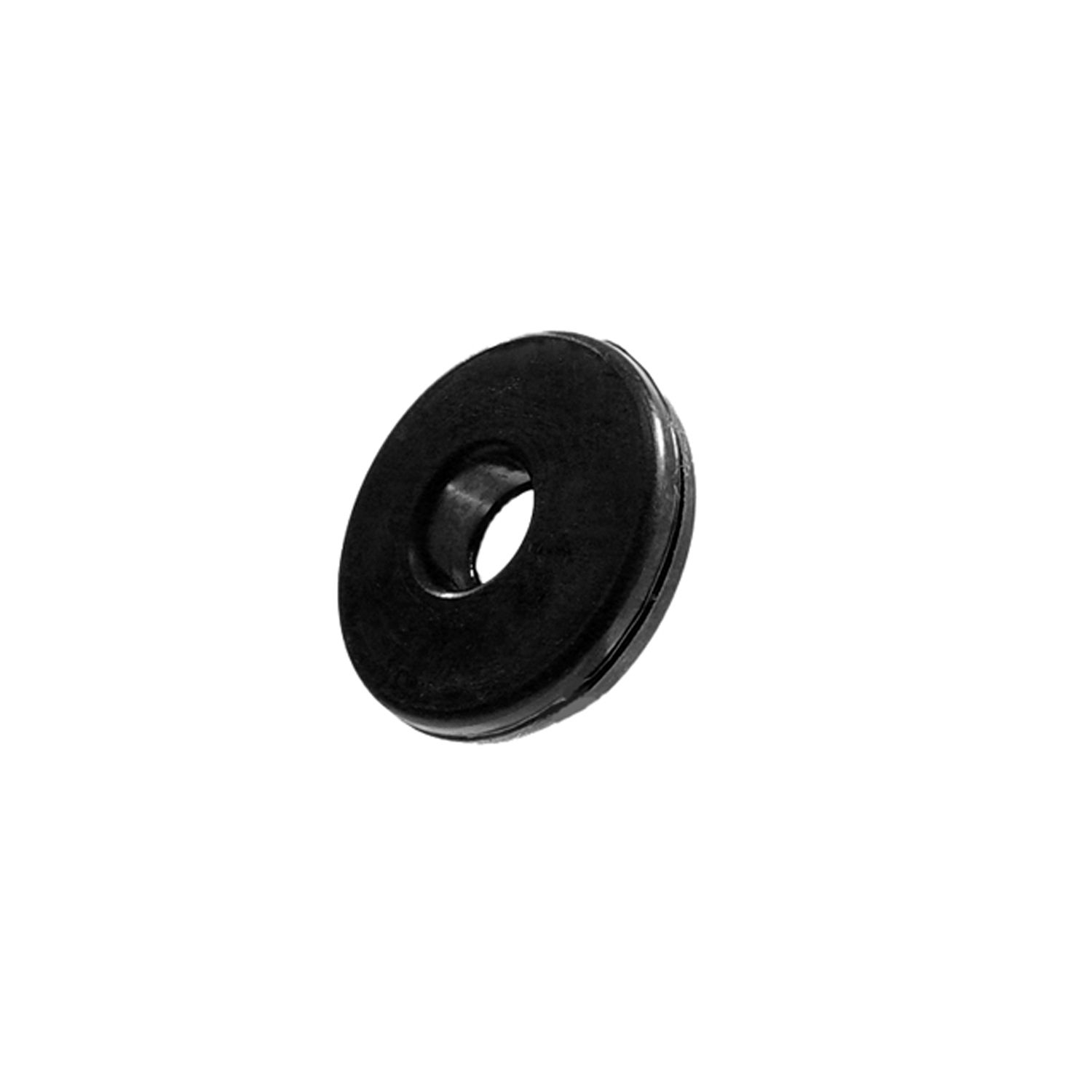 1946 Ford 1 Ton Pickup Headlight Wires through Inner Splash Pan, Front Fenders-SM 96Headlight Wires through Inner Splash Pan, Front Fenders. Two used per car. 3/8" I.D., 1-5/16" O.D. Each
 1946 Ford 1 Ton Pickup Wiper Motor Control Wire Grommet. Fits a 3/16" to 1/4" hole-SM 97Wiper Motor Control Wire Grommet. Fits a 3/16" to 1/4" hole. 3/32" center hole. Each
Why Choose Metro?
For over 100 years, Metro Moulded Parts has been the pinnacle of quality in classic car restoration parts. Our commitment to precision and authenticity in every component ensures a perfect fit and an OEM-level appearance.
- Expert Craftsmanship & Quality: Each part is a testament to our dedication to reliability and perfection, crafted from original designs and thoroughly tested.
- Advanced Technology: We use cutting-edge techniques to create flawless, long-lasting parts that surpass others in performance.
- SuperSoft Sponge – The Ultimate Door Seal: Not only are our door seals 30% softer than competitors', but they're also guaranteed to never leak. They effectively reduce wind and road noise, enhancing your classic car's comfort and driving experience.
- Proudly American: Our parts are a product of American craftsmanship, made in the USA with a spirit of excellence and heritage.
- Unrivaled Warranty: We back our products with a 30-year industry-leading warranty, a testament to our confidence in their quality.
Join us in preserving the legacy of classic cars with parts that are crafted for perfection, not just made.