

Image of 1948 Ford Super Deluxe, Note: These illustrations use artistic license and may differ from actual historical models.
Performance Metrics
Fundamental Metrics
Emotional Appeal
MMP Rating
| Engine Specifications | |
|---|---|
| Engine: | 239 CID Flathead V8 |
| Displacement: | 239 cubic inches (3.9 liters) |
| Horsepower: | 100 hp |
| Torque: | 180 lb-ft |
| Compression Ratio: | 6.8:1 |
| Ignition System: | Distributor and coil |
| Cooling System: | Water-cooled |
| Performance Specifications | |
| 0-60 Time: | Estimated 15-20 seconds |
| 1/4 Mile Time: | Not available |
| Top Speed: | 80 mph |
| Transmission and Drive | |
| Drive Type: | Rear-wheel drive |
| Transmission Type: | 3-speed manual |
| Fuel and Efficiency | |
| Fuel System Type: | Carburetor |
| MPG: | Estimated 15-20 mpg |
| Dimensions and Brakes | |
| Brakes: | Drum brakes |
| Wheelbase: | 114 inches |
| Weight: | 3,100 lbs |
Note: Specifications for classic cars are given to the best of our ability, considering the limited and variant data available.
1948 Ford Super Deluxe: A Postwar American Classic
The 1948 Ford Super Deluxe brought a little polish to a country ready to get moving again. Built by the Ford Motor Company in the final year of its prewar-based design, it paired rounded, unmistakably late-1940s styling with the familiar rumble of Ford’s flathead V8. It was not an all-new car, but that was part of its appeal: buyers could get a proven, comfortable automobile at a moment when new cars were in high demand and manufacturers were still catching up after wartime production.
Ford had stopped building civilian cars during World War II, then returned to passenger-car production with updated versions of its 1942 designs. The Super Deluxe sat near the top of Ford’s range, above the more modest Deluxe, and offered extra trim and equipment. Its timing also gives it a special place in Ford history. The 1949 models brought a much more modern, clean-sheet body, making the 1948 Super Deluxe the end of an era.
One especially intriguing version was the Super Deluxe Sportsman, a convertible accented with real wood. Its mahogany panels and ash framing turned a practical Ford into a striking postwar luxury statement. The Sportsman was expensive to build and sell, and its low production made it one of the most distinctive Fords of the period.
Fat-Fender Styling and Super Deluxe Details
The 1948 Super Deluxe wears the rounded “fat-fender” profile that defines many American cars of the late 1940s. Its broad hood flows into bulbous front fenders, while the rear fenders sweep smoothly toward the tail. A wide, bright-finished grille gives the nose visual weight, and chrome accents, bumper guards, and carefully placed trim help distinguish the Super Deluxe from plainer Fords. The look is substantial without being as elaborate as the chrome-heavy cars that would follow in the 1950s.
Inside, the cabin is built around a wide front bench seat and a simple, easy-to-read dashboard. Upholstery materials and patterns varied by body style and trim, with cloth commonly used in closed cars and more upscale materials available in certain versions. The Super Deluxe’s interior details, including bright trim and a dressed-up instrument panel, made it feel more finished than a basic family sedan. The large steering wheel, thin pillars by modern standards, and upright seating position give the driver a clear view over the long hood.
Equipment reflected the period. The car used a column-mounted three-speed manual transmission, often called a “three-on-the-tree,” and hydraulic brakes at all four wheels. A radio, heater, and other comfort items were available, though equipment could differ between cars. The electrical system was six-volt, and original cars used positive ground. These systems are straightforward by classic-car standards, but they feel very different from the 12-volt, fully synchronized, power-assisted equipment found in modern vehicles.
Ford offered a range of factory paint colors, with availability varying by year and body style. Black, dark blue, maroon, gray, and green shades suit the car’s formal lines particularly well, and black remains a familiar sight at shows. Buyers could choose from several body styles, including two- and four-door sedans, coupes, a convertible, and a station wagon. The two-door Club Coupe is a popular classic-car choice, while the convertible and wood-trimmed Sportsman are among the most attention-grabbing versions.
Why the 1948 Ford Still Matters
The Super Deluxe was not a technological revolution, but it is an important marker in the evolution of American family cars. It carried forward a formula that had helped make Ford a major force: a durable chassis, accessible engineering, practical body styles, and the option of a V8. Its rounded fenders and integrated-looking bodywork represented a shift away from the more upright, separate-fender designs of earlier decades, even though the underlying architecture was familiar.
What set the Super Deluxe apart was its combination of everyday usefulness and upscale touches. A buyer could choose a basic sedan for family transport or step up to a convertible or wood-bodied Sportsman without leaving the Ford showroom. That range helped make the model part of ordinary postwar life as well as a symbol of American optimism and consumer demand. Its influence is best understood as a bridge: a well-developed prewar design that carried Ford through the transition to the more modern 1949 generation.
Flathead V8 Performance and Road Manners
The V8-powered Super Deluxe used Ford’s 239-cubic-inch flathead V8, rated at about 100 horsepower. A three-speed manual gearbox sent power to the rear wheels. Some Ford models and configurations of the era used a six-cylinder engine, so buyers today should verify the engine and trim on any individual car rather than assume every 1948 Ford has the same specification.
Period performance figures vary with body style, gearing, vehicle condition, and testing method. As a useful real-world guide, a healthy V8 Super Deluxe may reach roughly 75 to 85 mph, with 0-to-60 mph acceleration taking around 18 to 22 seconds. Those numbers make it a relaxed cruiser, not a quick modern traffic car. The flathead delivers its power smoothly at low speeds, and its exhaust has a deep, unmistakably vintage burble.
On the road, the Ford feels large, soft-sprung, and mechanical. Its suspension cushions ordinary bumps well, but the body can lean noticeably through a winding road, and crosswinds remind the driver that this is a substantial car with a relatively upright profile. Steering is unassisted, so parking requires more effort than in a modern vehicle. The brakes are also unassisted, and stopping distances demand more anticipation. A good example can be comfortable and enjoyable on country roads, but it rewards a measured pace and a driver who looks well ahead.
Living with a 1948 Super Deluxe
Today, most Super Deluxes are used as weekend cruisers, show cars, parade vehicles, or the centerpiece of a collection. They can be driven regularly, but they are better suited to scenic trips than to modern commuting. Their speed, braking, lighting, and crash protection are all products of another era.
Maintenance is manageable for an owner with basic mechanical experience. The flathead V8 is well known to vintage Ford specialists, and many routine parts and reproduction components remain available. Regular attention to cooling-system condition is important, since an aging radiator, clogged passages, or worn water pumps can lead to overheating. Owners should also keep the ignition, carburetor, charging system, and brakes properly adjusted. Six-volt systems can work reliably when maintained, but poor grounds, tired wiring, or mismatched components can make starting and lighting troublesome.
Repairs are often more approachable than on a modern car, but age and previous restoration work matter. Rust in the floors, frame, body mounts, and lower panels can be more expensive to address than a routine engine tune-up. Before buying, inspect the chassis carefully, confirm that the brakes and steering are safe, and check whether the engine, transmission, and body are original or have been modified.
1948 Ford Facts and Myths
The Sportsman is the standout rarity in the range. It combined convertible practicality with real wood exterior trim, but the materials required skilled maintenance and the model cost far more than an ordinary Ford. Production figures vary among references, but only a few thousand Sportsman convertibles were built across the 1946-to-1948 run. The 1948 examples are especially uncommon, making authenticity and condition central to their value.
Ford’s 1948 passenger-car range was part of a remarkable postwar sales surge. The company built roughly 1.1 million cars across its passenger-car lines that model year. Ford did not publish a simple, consistently cited total for every Super Deluxe body and trim combination. A reasonable broad estimate is that several hundred thousand Super Deluxes were produced, perhaps in the 700,000-to-850,000 range, but that should be treated as an informed estimate rather than a verified factory total.
The car is sometimes criticized for being a carryover design, its modest performance, and its lack of modern conveniences. Those are fair observations, but they also explain its character: the Super Deluxe is a comfortable, repairable postwar Ford, not a high-speed touring machine. Its lasting appeal comes from its styling, its flathead V8, and its connection to the moment when civilian car production returned to full swing.
Collector Values and Availability
Values depend heavily on body style, rust, restoration quality, and mechanical condition. As a broad 2026 U.S. market guide, a project car might sell for around $8,000 to $18,000, while a presentable driver could fall in the $20,000 to $35,000 range. Well-restored sedans and coupes commonly bring roughly $35,000 to $60,000, with exceptional examples sometimes exceeding that. Convertibles can command substantially more, and genuine Sportsman models may reach six figures, with top-quality examples potentially selling for $150,000 or more.
Ordinary sedans and coupes are findable, though clean, unmodified cars are less common than project vehicles and heavily customized examples. Convertibles are scarcer, and the Sportsman is genuinely rare. Values have generally been strongest for authentic, high-quality convertibles and Sportsmans. More ordinary cars have seen a steadier, condition-driven market, with prices varying by region and broader collector demand. Well-documented restorations and sound bodywork tend to matter more than a long list of shiny accessories.
A Lasting Ford from the End of an Era
The 1948 Ford Super Deluxe combines handsome late-1940s styling, a proven flathead V8, and the practical variety of a full model range. It may lack the speed and convenience of a modern car, but it offers something different: an engaging, tangible connection to postwar America and to the final chapter of Ford’s prewar-based design.
From a well-kept Club Coupe to the rare wood-trimmed Sportsman, the Super Deluxe remains a reminder that a classic Ford can be more than transportation. It can be a rolling piece of history, best appreciated at an unhurried pace with the flathead’s familiar rumble in the background.
1948 Ford Super Deluxe Catalog of Parts
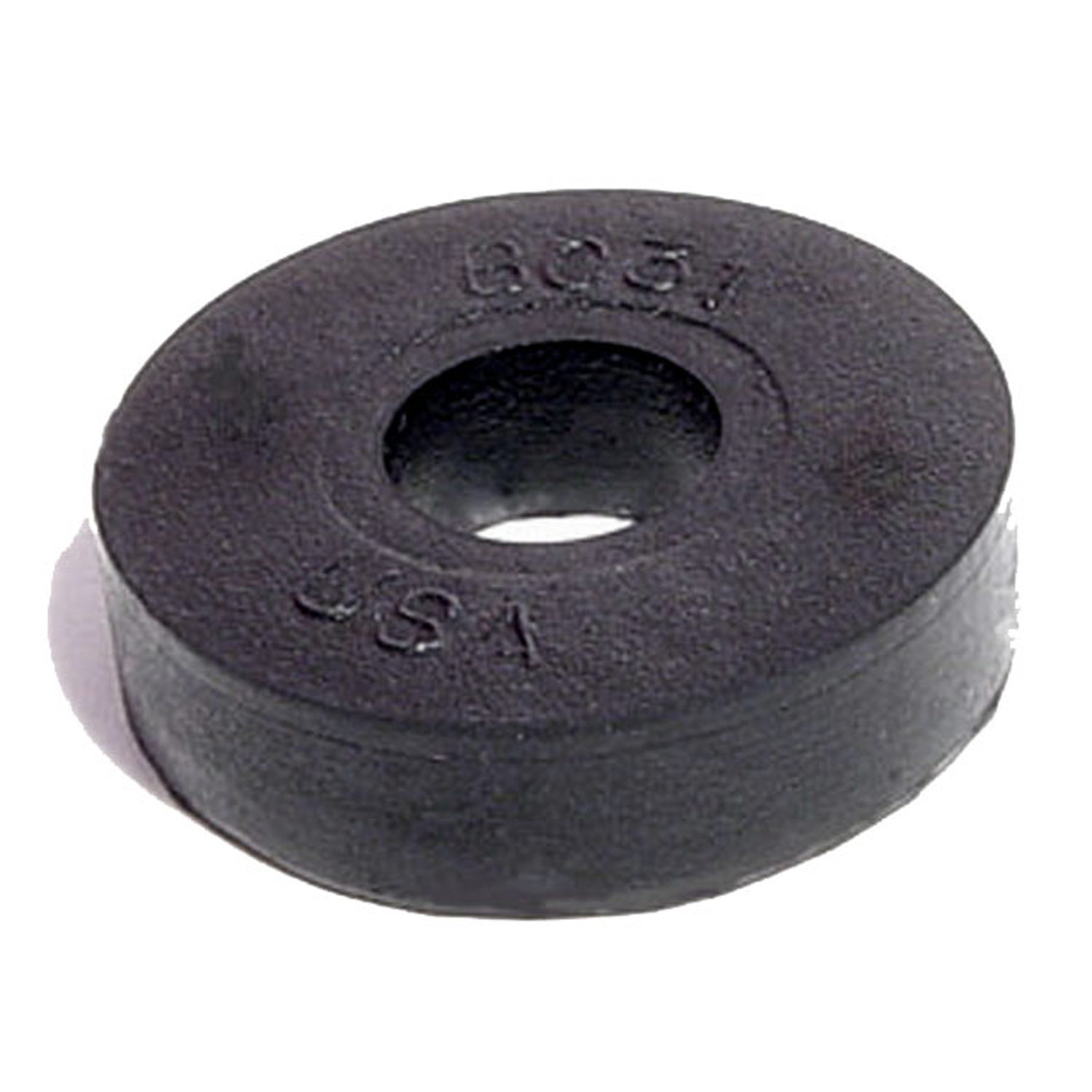 1948 Ford Super Deluxe Fender Washer Cushion. 1" O.D., 3/8" I.D. Each-BC 31Fender Washer Cushion. 1" O.D., 3/8" I.D. Each
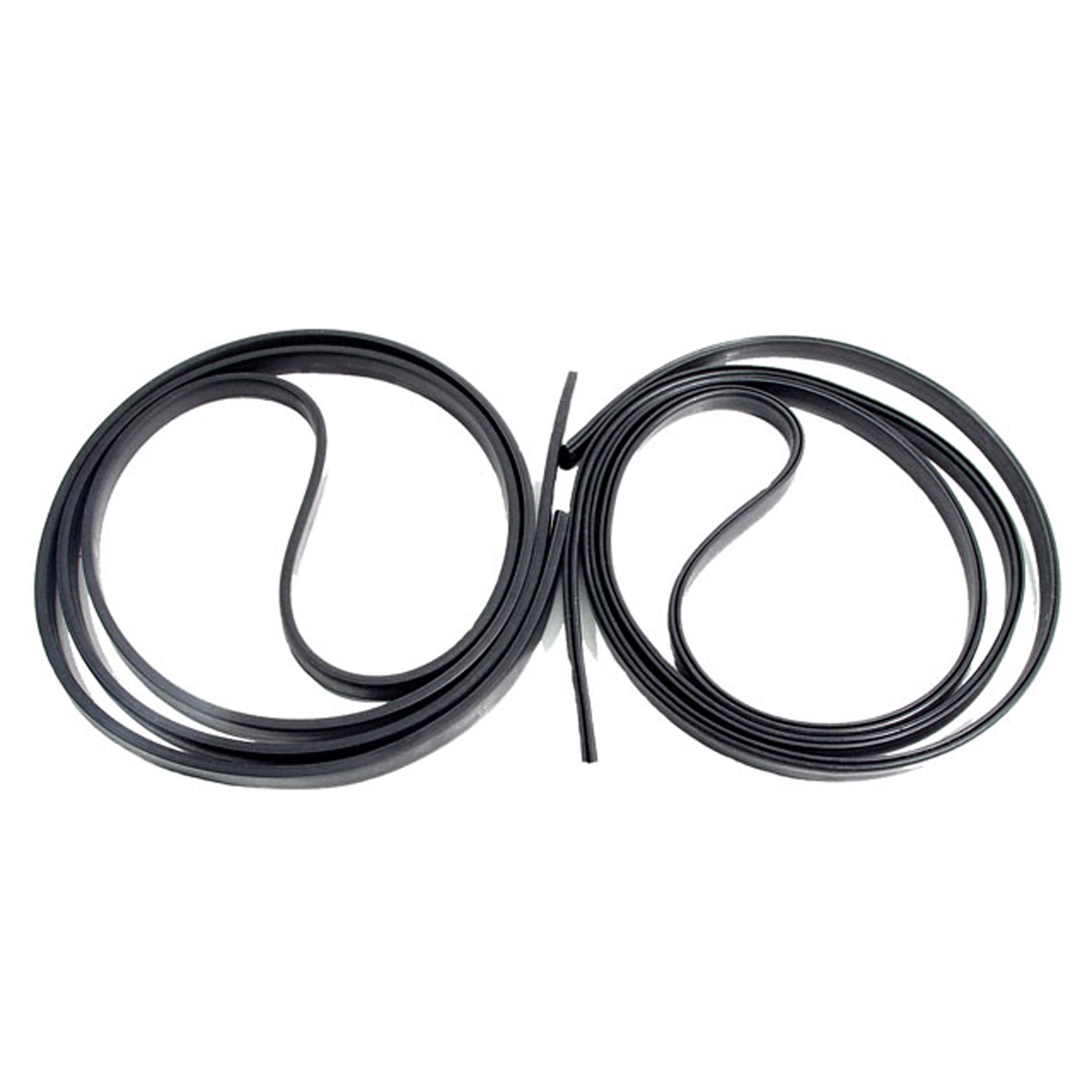 1948 Ford Super Deluxe Fender Skirt Seals. Each Piece 5' long. Pair-BG 111-PFender Skirt Seals. Each Piece 5' long. Pair
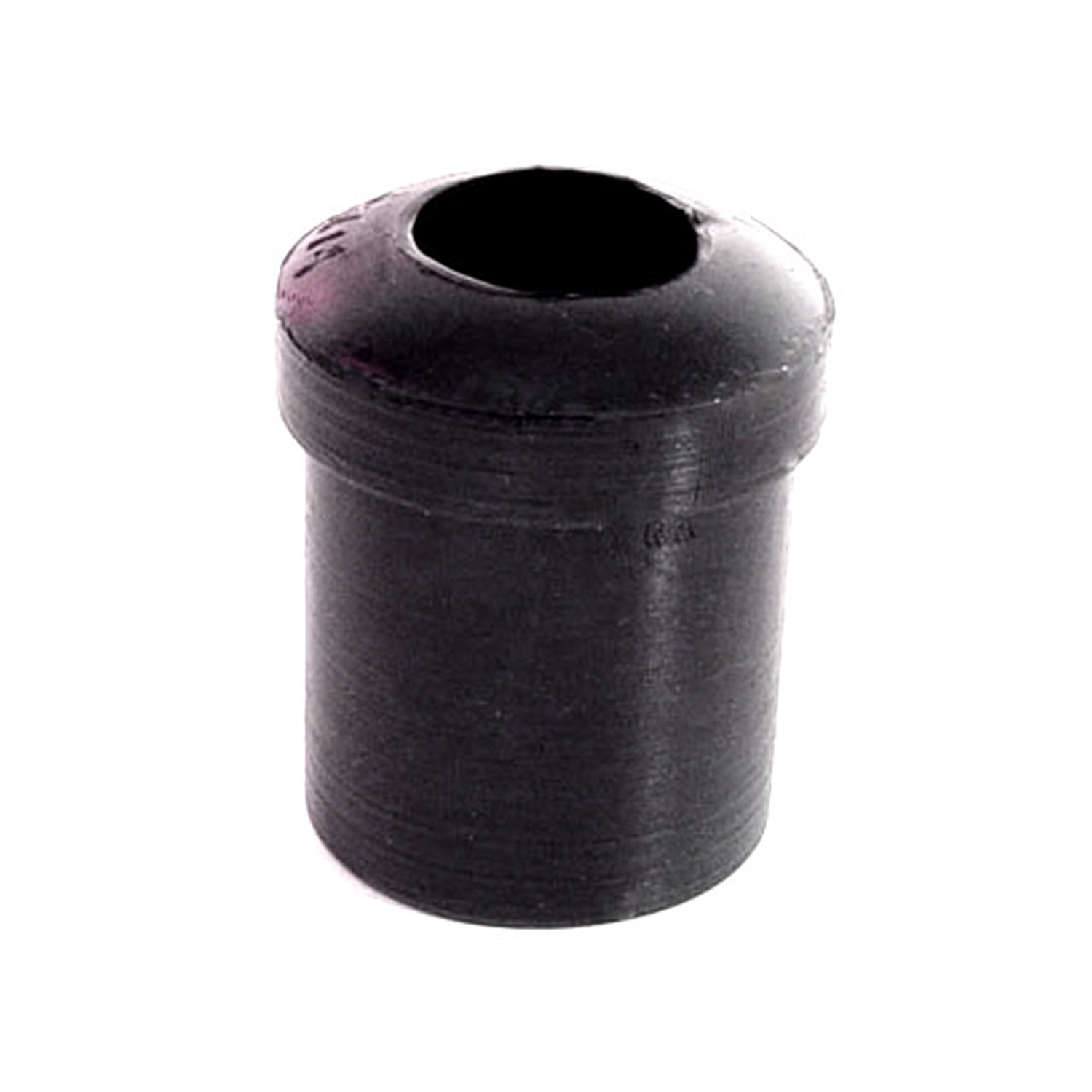 1948 Ford Super Deluxe Spring and Shackle Bushing. 1-1/16" bottom O.D-BN 14Spring and Shackle Bushing. 1-1/16" bottom O.D. X 1-1/2" high, with 5/8" I.D. Each
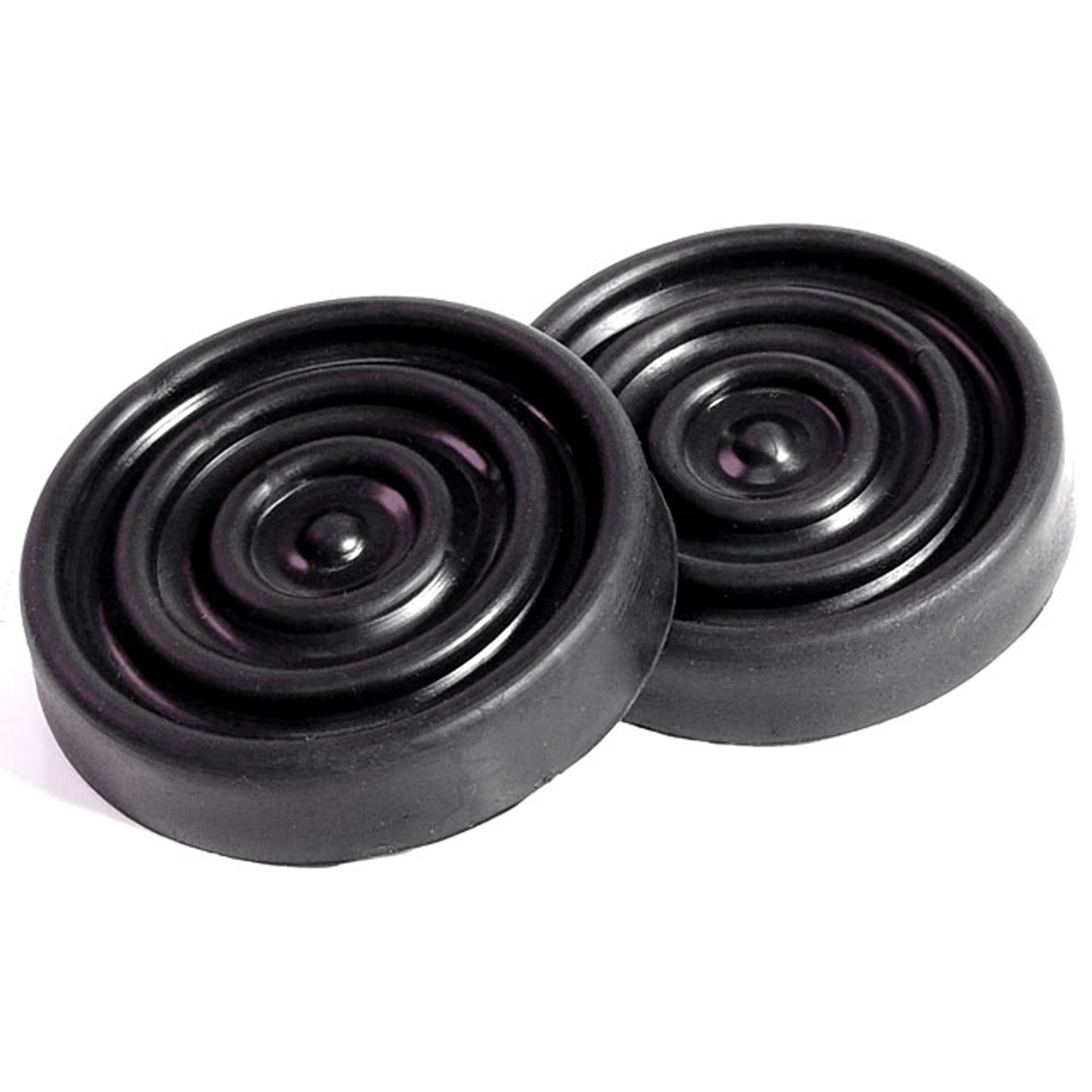 1948 Ford Super Deluxe Clutch and Brake Pedal Pads-CB 106Clutch and Brake Pedal Pads. Made with molded steel core and threaded stud. 3" diameter. Pair
 1948 Ford Super Deluxe Radiator to Hood Seal. 1-5/16" wide X 26" long. Each-CS 14-MRadiator to Hood Seal. 1-5/16" wide X 26" long. Each
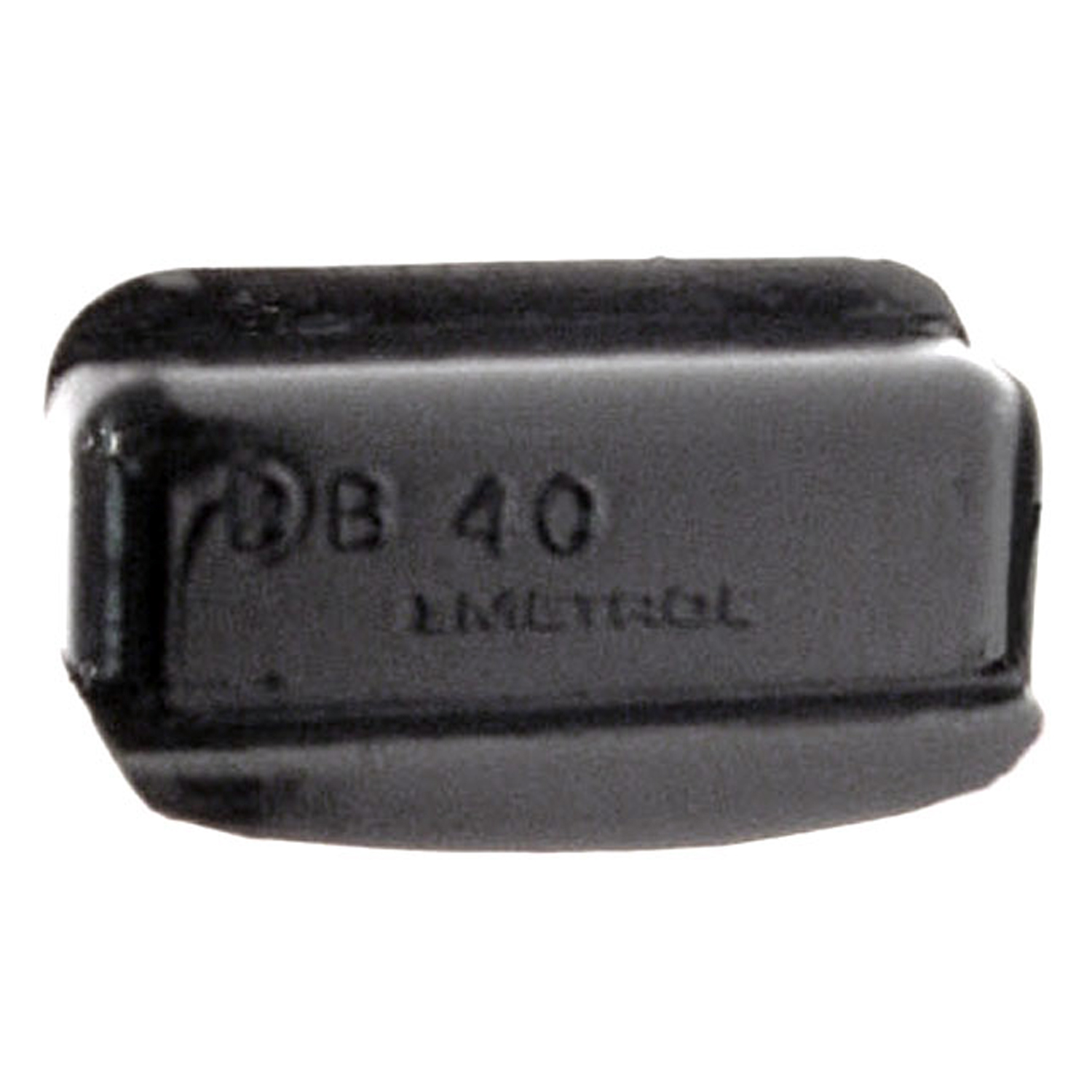 1948 Ford Super Deluxe Door Bumper. 3/4" high X 1-7/16" wide X 9/16" thick. Each-DB 40Door Bumper. 3/4" high X 1-7/16" wide X 9/16" thick. Each
 1948 Ford Super Deluxe Center Division Bar Seal. 16-1/4" long. Each-DP 21Center Division Bar Seal. 16-1/4" long. Each
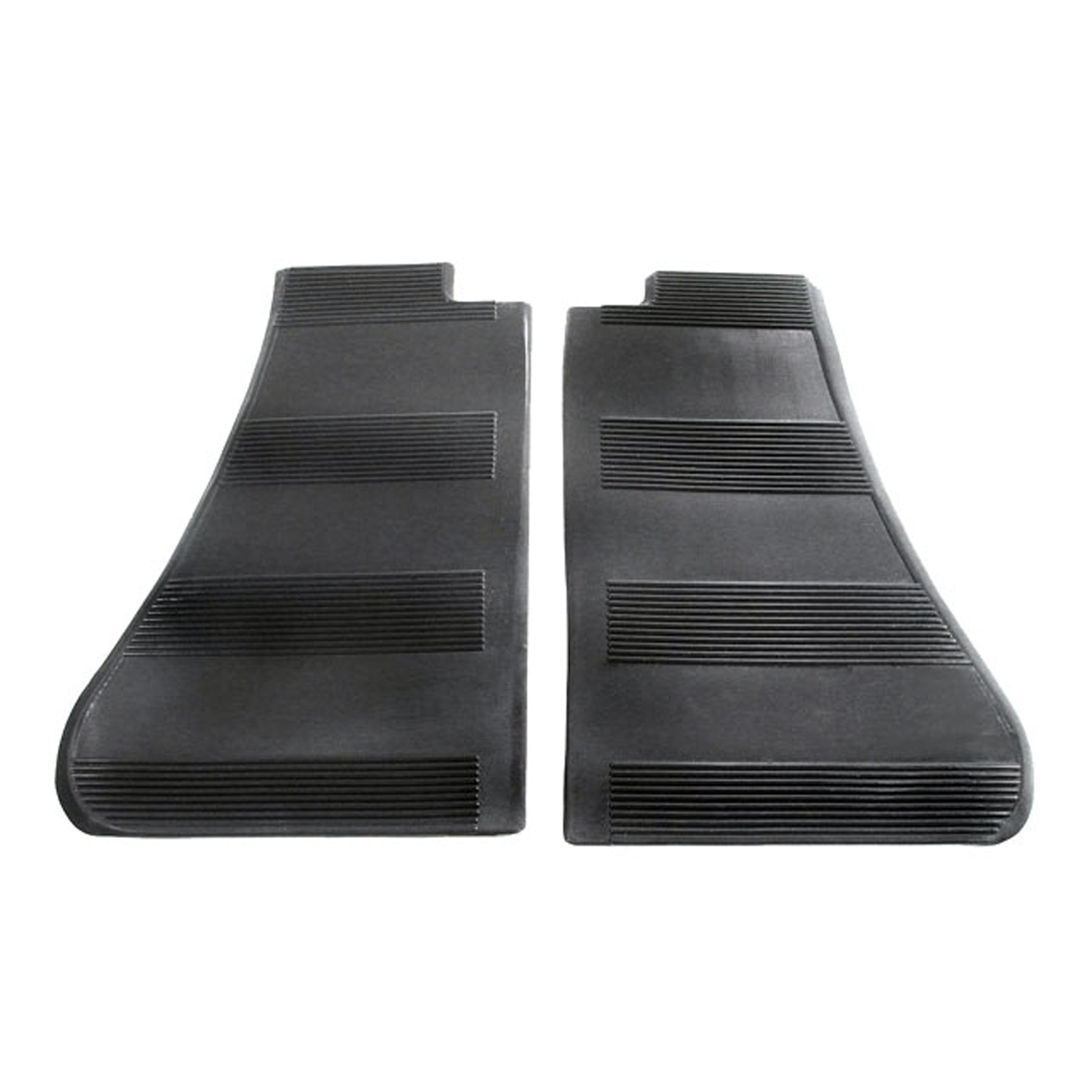 1948 Ford Super Deluxe Gravel Shields (for station wagon only)-FS 60Gravel Shields (for station wagon only). 16-3/4" long X 10-1/4" wide at top and 5" wide at bottom. Will conform to all curves perfectly. Pair R&L
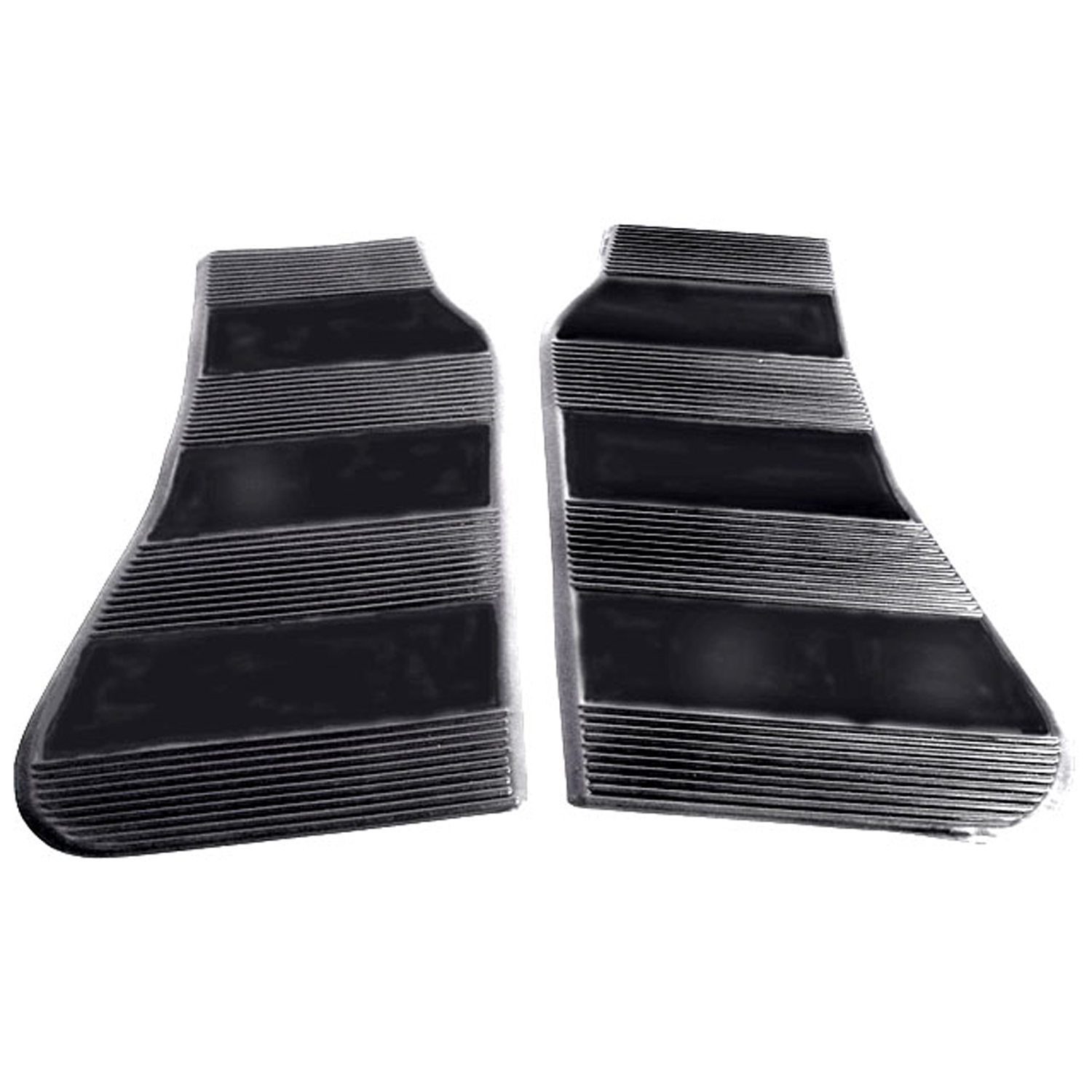 1948 Ford Super Deluxe Gravel Shields. Will conform to all curves perfectly-FS 61Gravel Shields. Will conform to all curves perfectly. 17" long X 7-3/4" wide at top X 5-1/4" wide at bottom. Pair R&L
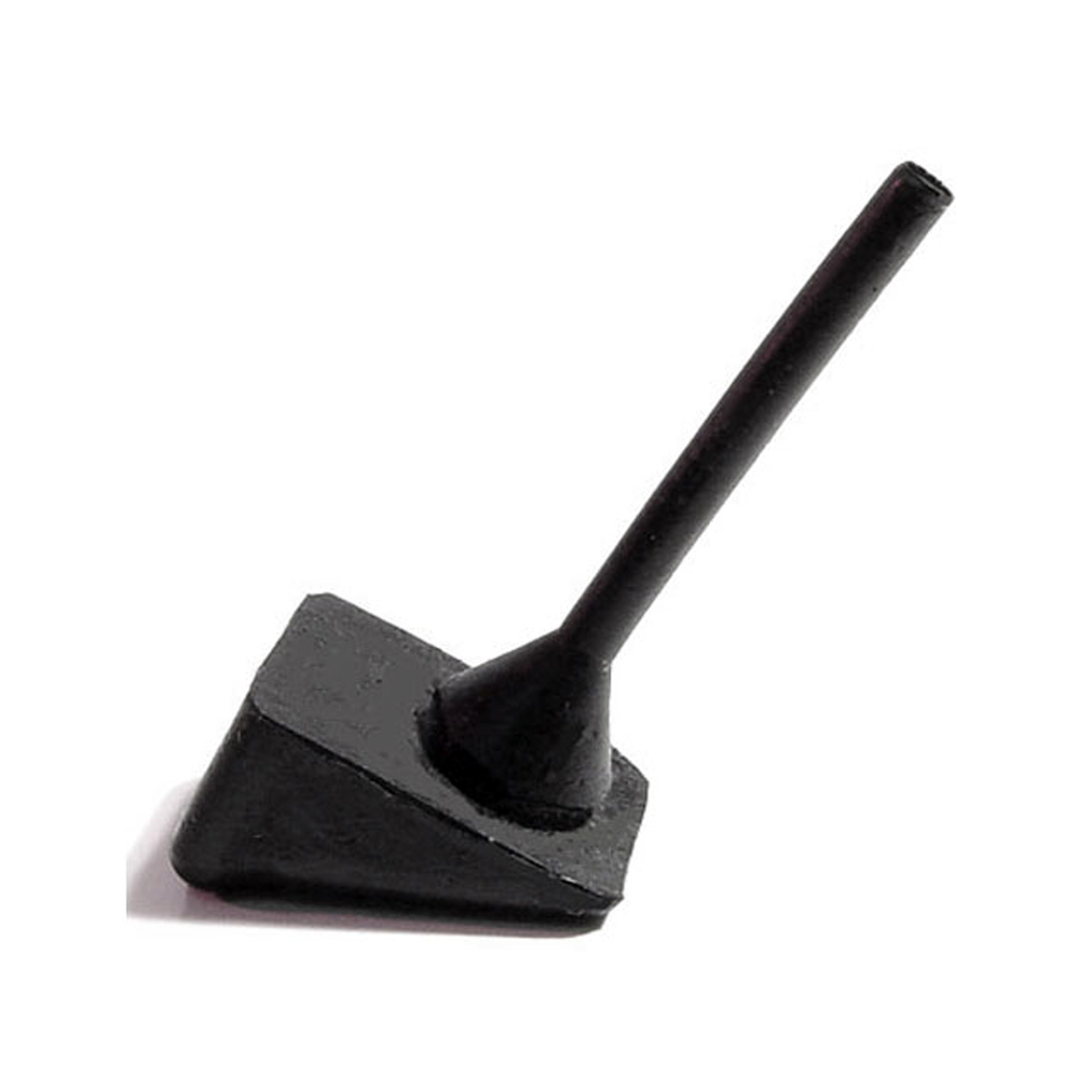 1948 Ford Super Deluxe Hood Bumper. Each-HF 8Hood Bumper. Each
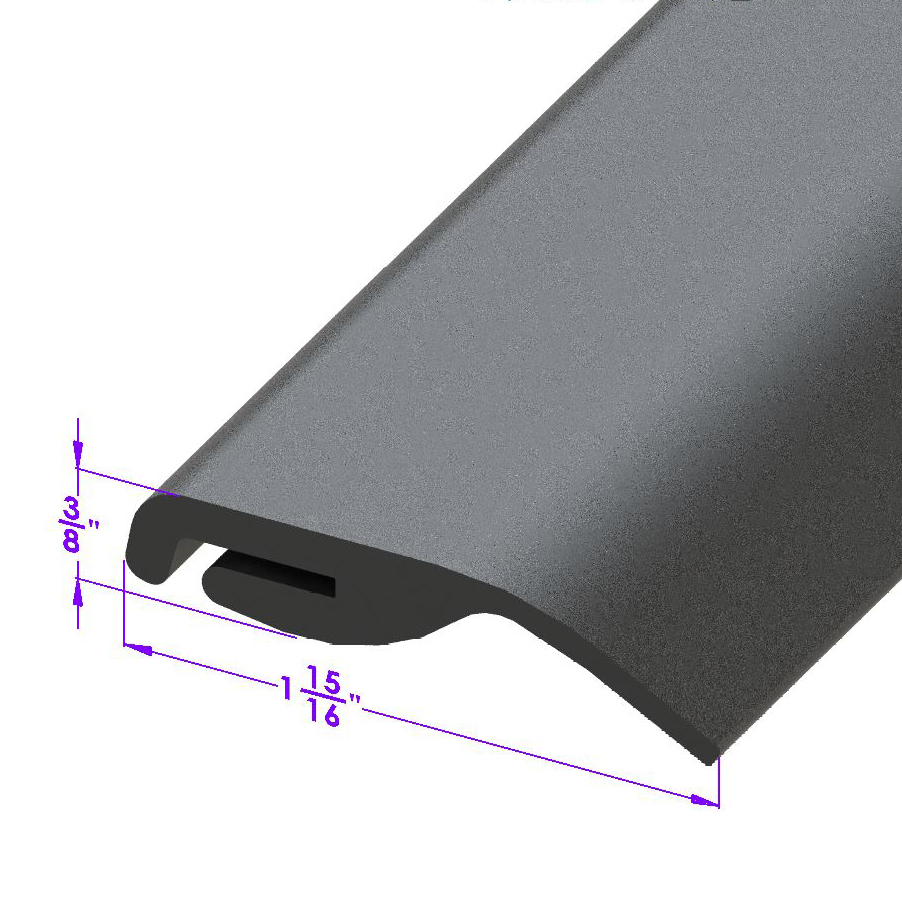 1948 Ford Super Deluxe Bumper to Body Seal. 2" Wide. Sold by the foot-LP 109-KBumper to Body Seal. 2" Wide. Sold by the foot
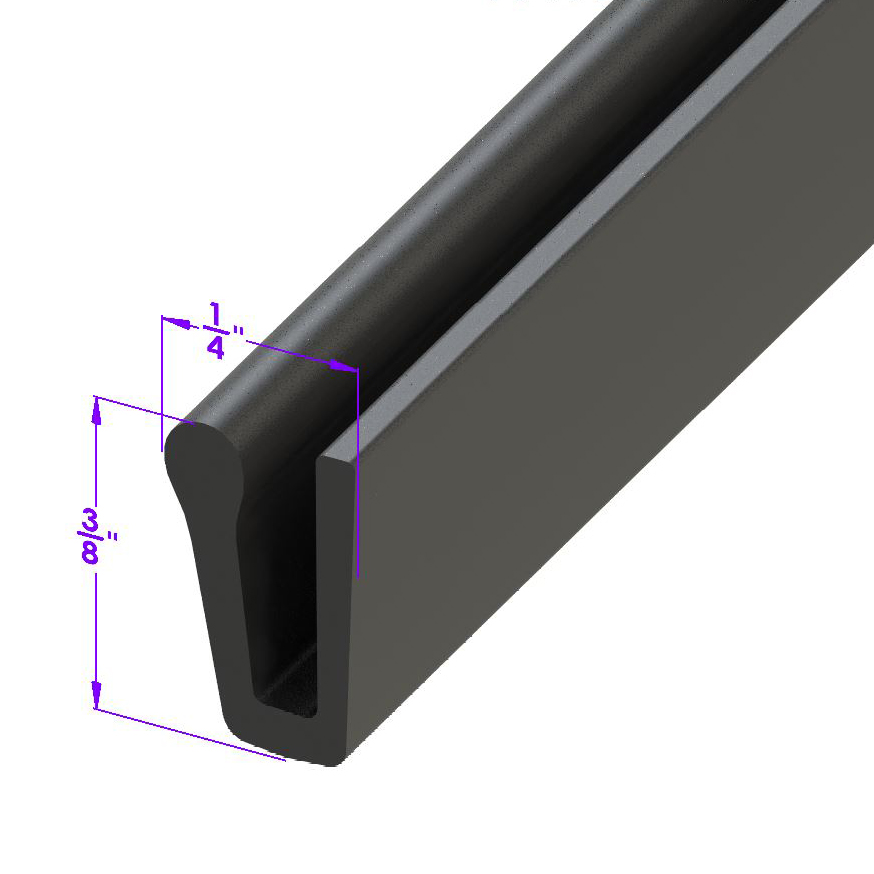 1948 Ford Super Deluxe Fender Skirt Seal. Sold by the foot-LP 111-P/FTFender Skirt Seal. Sold by the foot
 1948 Ford Super Deluxe Tail-light Pads. 4-3/8" wide X 7-1/8" long. Pair R&L-MP 698Tail-light Pads. 4-3/8" wide X 7-1/8" long. Pair R&L
 1948 Ford Super Deluxe Door handle pads. 1-1/2 in. W x 3-1/8 in. L. Pair.-MP 698-BDoor handle pads. 1-1/2 in. W x 3-1/8 in. L. Pair.
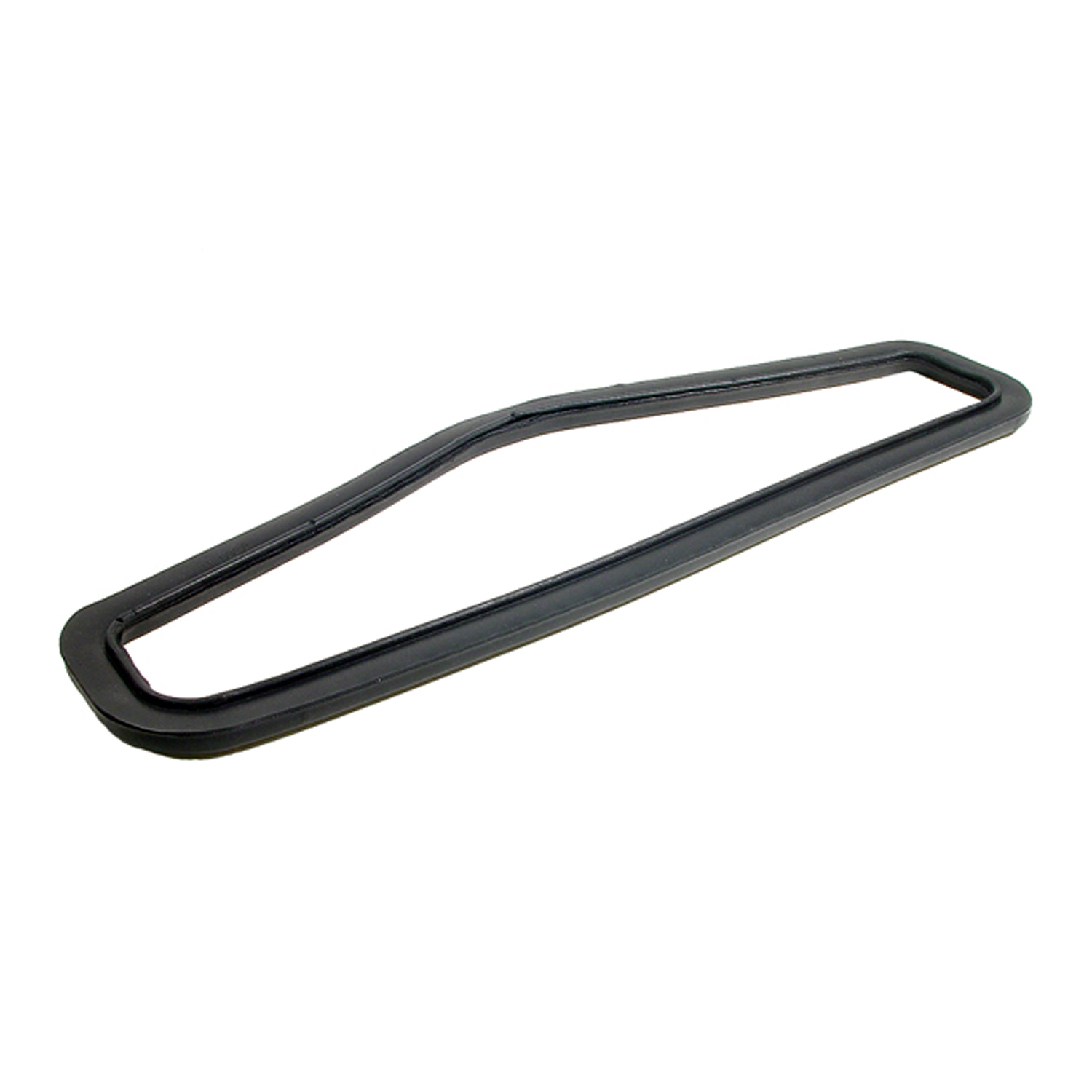 1948 Ford Super Deluxe Cowl Vent Seal. Made of skin-covered, molded sponge-RP 100-ICowl Vent Seal. Made of skin-covered, molded sponge. 3-1/8" wide at side X 17" long. Each
 1948 Ford Super Deluxe Cowl Vent Seal. Made of molded sponge. High quality-RP 100-SCowl Vent Seal. Made of molded sponge. High quality. 3-1/2" wide X 16-1/2" long. Each
 1948 Ford Super Deluxe Clutch and Brake Arm Bumpers. Top quality reproduction-RP 31-KClutch and Brake Arm Bumpers. Top quality reproduction. Pair
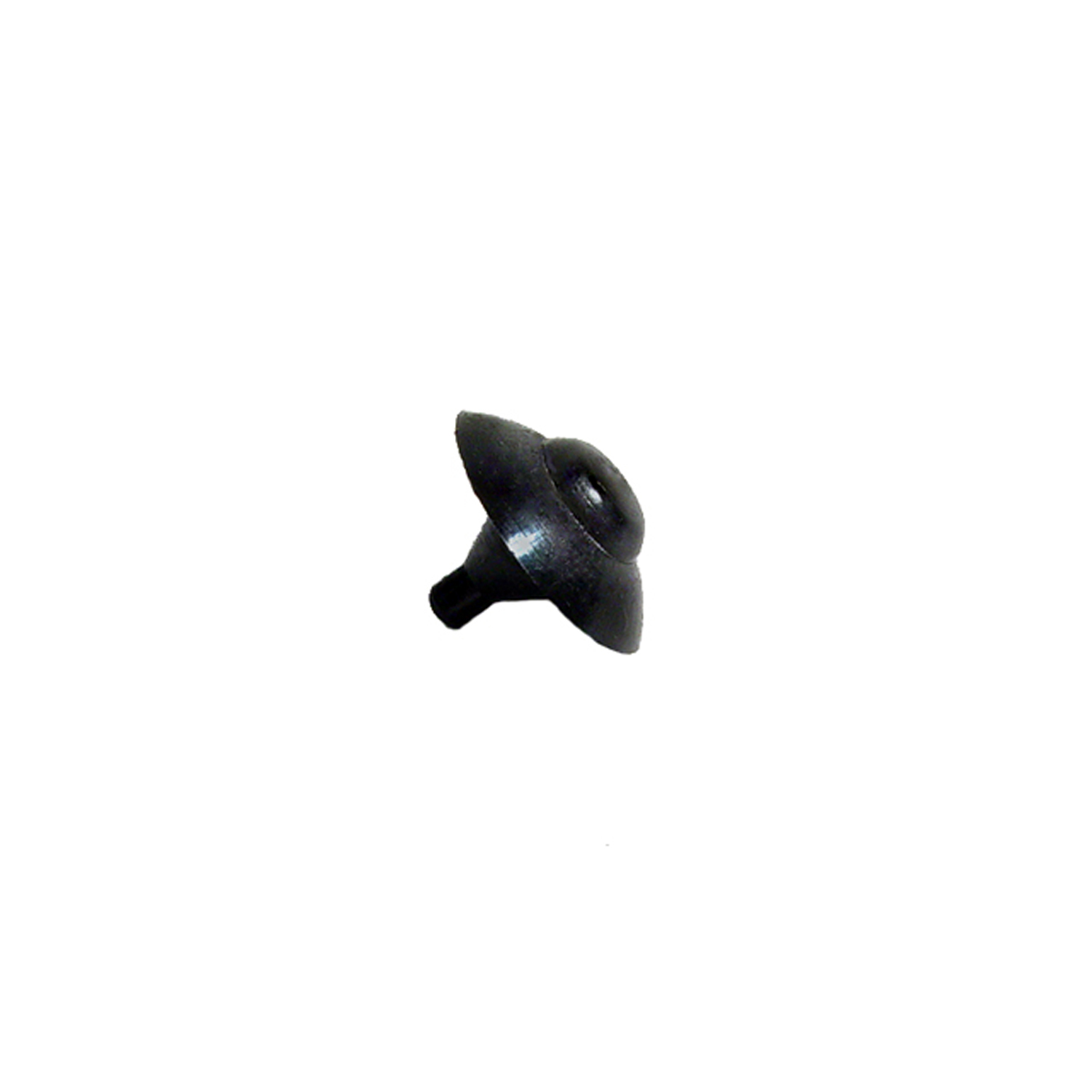 1948 Ford Super Deluxe Engine Compartment Gravel Shield Bumper-SB 57-AEngine Compartment Gravel Shield Bumper. Twelve used per car. Each
 1948 Ford Super Deluxe Hood Bumpers. 3/8" O.D., 3/4" Long. Set of four-SB 900Hood Bumpers. 3/8" O.D., 3/4" Long. Set of four
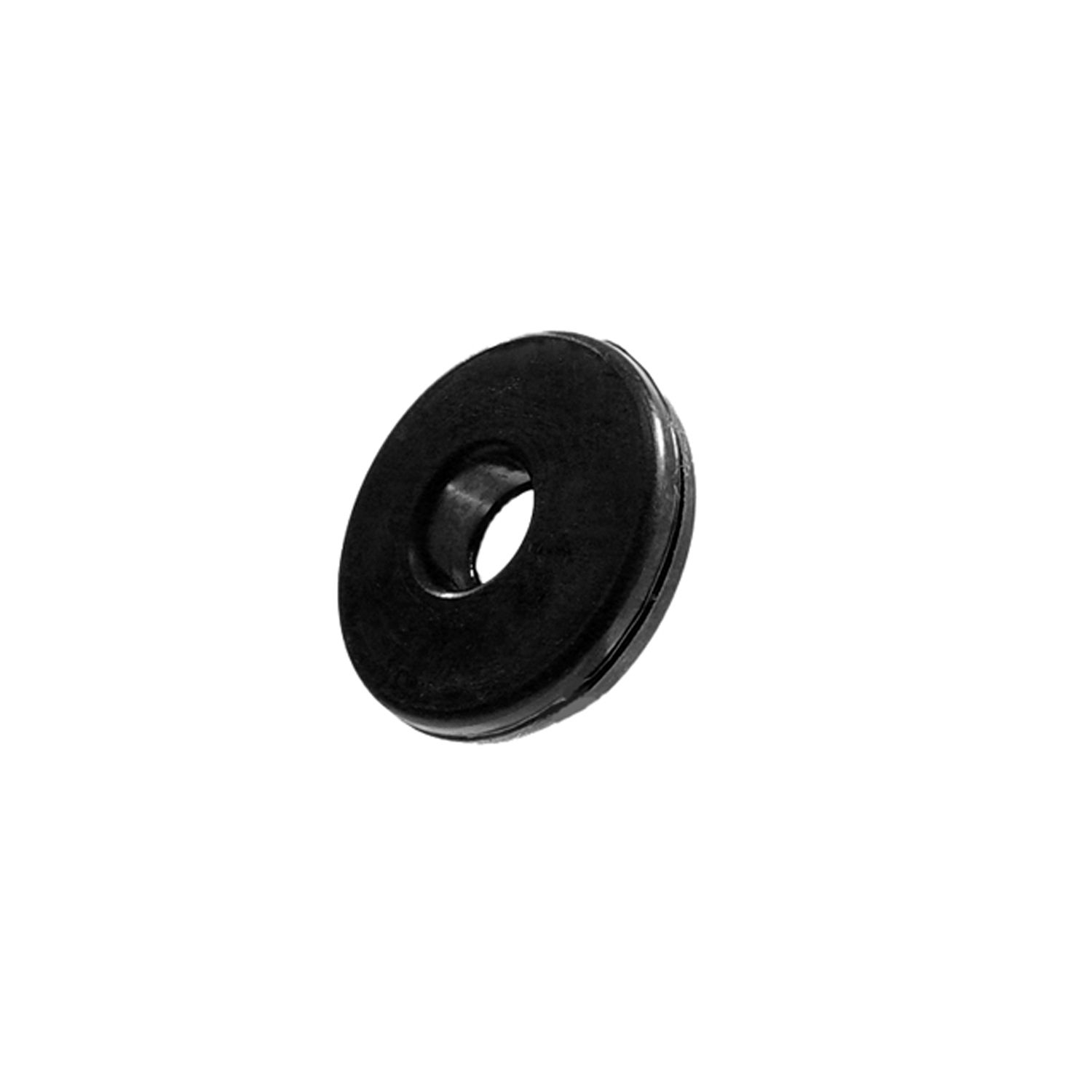 1948 Ford Super Deluxe Headlight Wires through Inner Splash Pan, Front Fenders-SM 96Headlight Wires through Inner Splash Pan, Front Fenders. Two used per car. 3/8" I.D., 1-5/16" O.D. Each
 1948 Ford Super Deluxe Wiper Motor Control Wire Grommet. Fits a 3/16" to 1/4" hole-SM 97Wiper Motor Control Wire Grommet. Fits a 3/16" to 1/4" hole. 3/32" center hole. Each
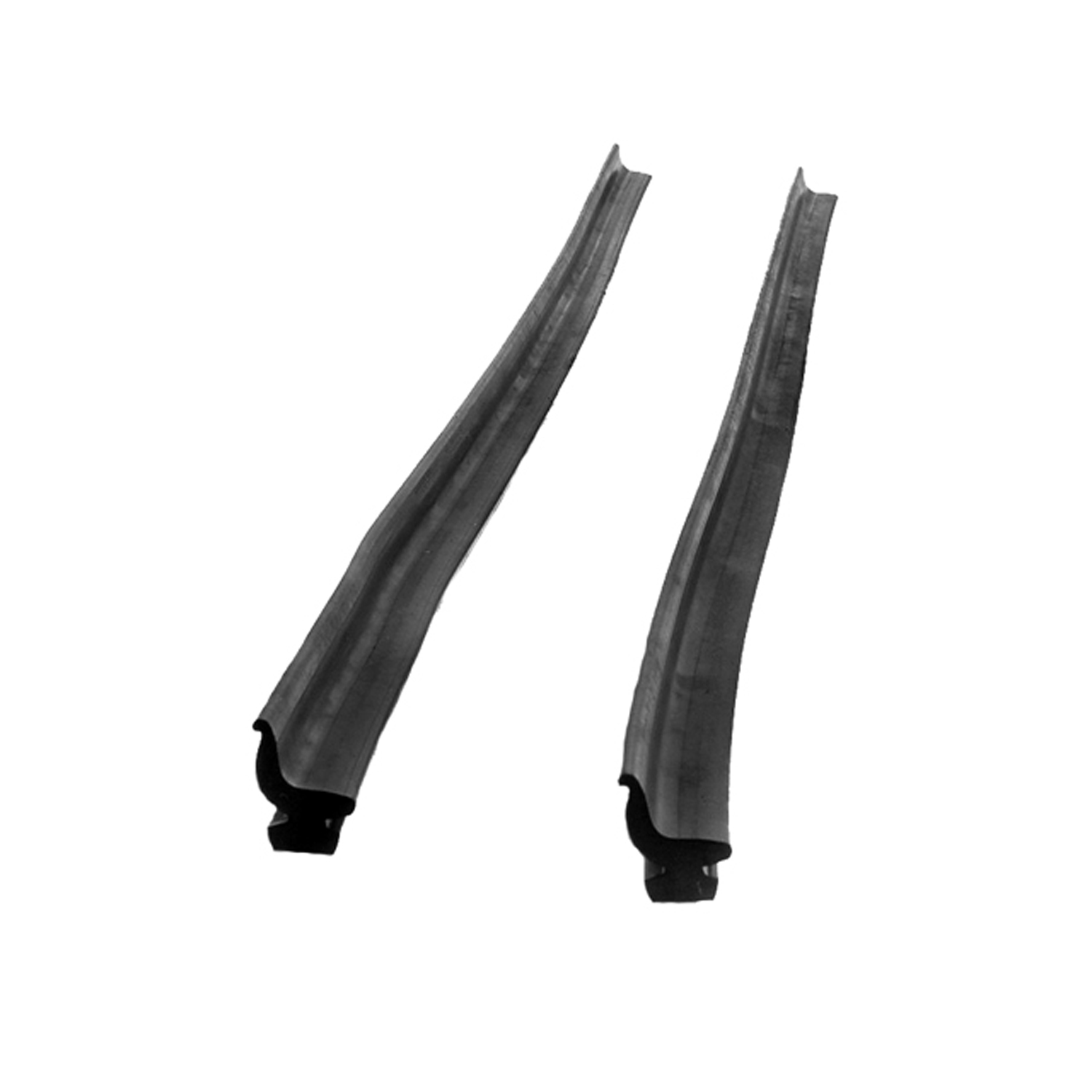 1948 Ford Super Deluxe Rear roll-up Seal. Two 18" sections sliced into metal track-VS 4Rear roll-up Seal. Two 18" sections sliced into metal track. this foot with no steel insert. Pair
 1948 Ford Super Deluxe Vulcanized Windshield Seal-VWS 3305Vulcanized Windshield Seal. For all closed cars with reveal molding. Includes molded-in division bar. Each
Why Choose Metro?
For over 100 years, Metro Moulded Parts has been the pinnacle of quality in classic car restoration parts. Our commitment to precision and authenticity in every component ensures a perfect fit and an OEM-level appearance.
- Expert Craftsmanship & Quality: Each part is a testament to our dedication to reliability and perfection, crafted from original designs and thoroughly tested.
- Advanced Technology: We use cutting-edge techniques to create flawless, long-lasting parts that surpass others in performance.
- SuperSoft Sponge – The Ultimate Door Seal: Not only are our door seals 30% softer than competitors', but they're also guaranteed to never leak. They effectively reduce wind and road noise, enhancing your classic car's comfort and driving experience.
- Proudly American: Our parts are a product of American craftsmanship, made in the USA with a spirit of excellence and heritage.
- Unrivaled Warranty: We back our products with a 30-year industry-leading warranty, a testament to our confidence in their quality.
Join us in preserving the legacy of classic cars with parts that are crafted for perfection, not just made.