

Image of 1949 Ford Ford, Note: These illustrations use artistic license and may differ from actual historical models.
Performance Metrics
Fundamental Metrics
Emotional Appeal
MMP Rating
| Engine Specifications | |
|---|---|
| Engine Options: | 226 CID Inline 6, 239 CID Flathead V8 |
| Displacement Range: | 226-239 CID |
| Horsepower Range: | 90-100 hp |
| Torque: | 180 lb-ft |
| Compression Ratio: | 6.8:1 |
| Ignition System: | Distributor and coil |
| Cooling System: | Water-cooled |
| Performance Specifications | |
| 0-60 Time: | Estimated 20 seconds |
| 1/4 Mile Time: | Not available |
| Top Speed: | 75 mph |
| Transmission and Drive | |
| Drive Type: | Rear-wheel drive |
| Transmission Type: | 3-speed manual |
| Fuel and Efficiency | |
| Fuel System Type: | Carburetor |
| MPG: | Estimated 15-20 mpg |
| Dimensions and Brakes | |
| Brakes: | Drum brakes |
| Wheelbase: | 114 inches |
| Weight: | 3100 lbs |
Note: Specifications for classic cars are given to the best of our ability, considering the limited and variant data available.
1949 Ford: The Shoebox That Put Ford Back in the Fast Lane
The 1949 Ford traded its prewar silhouette for a low, smooth shape that looked ready for a new decade. Known today as the “Shoebox Ford,” it was Ford’s first fully redesigned postwar car and a turning point for a company that needed a modern hit. Its rounded fenders, broad body, and fresh chassis helped make it one of the most important American cars of its era.
Built by the Ford Motor Company, the 1949 model arrived as Americans were buying cars again after years of wartime restrictions. Ford had continued producing cars based largely on prewar designs after civilian production resumed, while rivals were also working to refresh their lineups. The new Ford was a clean break: lower, wider-looking, and more integrated in appearance. The redesign proved popular, with roughly 1.1 million Ford passenger cars produced for the model year, according to commonly cited production figures.
One of its most intriguing details is that the “Shoebox” nickname was not an official Ford name. It came from the car’s broad, squared-off cabin and smooth, slab-sided body. The informal label stuck, and today it is one of the best-known nicknames in classic Ford history.
1949 Ford Styling and Interior
The 1949 Ford’s design was modern without being fussy. Its front fenders flowed into the body rather than standing apart as separate shapes, while a wide, low grille gave the nose a confident expression. The hood sat lower than on the old-style Fords, and the rounded roof and gently curved rear quarters made the car appear streamlined from almost every angle. A one-piece windshield added to the clean, contemporary look.
Inside, the cabin was roomy by the standards of the day, with a broad bench seat and a dashboard arranged around simple, easy-to-read instruments. Upholstery and trim depended on body style and equipment level. Cloth was common, with vinyl and other trim materials used in different combinations. The finishes were practical rather than lavish, but well-kept examples can still feel inviting, especially when their original upholstery and interior details survive.
Ford offered a range of factory paint colors, including subdued grays, greens, blues, maroons, and black, with availability varying by trim and production period. Dark shades such as black, deep green, and maroon suit the car’s rounded shape particularly well. A carefully researched original color can be a strong point for a restoration, since factory palettes and trim combinations were not identical across every model.
Body styles included two-door and four-door sedans, business and club coupes, a convertible, and a station wagon. The coupe and Tudor two-door sedan are especially recognizable today, while the convertible has strong collector appeal. The Country Squire station wagon is the standout for woodwork fans: its exterior combined painted body panels with genuine wood framing and trim, making it a classic example of the American “woodie.”
Engineering That Changed the Ford Formula
The biggest change was underneath. The 1949 Ford received a new chassis and independent front suspension with coil springs, replacing the older front-end layout. That gave the car a more modern ride and helped it feel less like a carryover from the prewar era. Hydraulic brakes and a conventional three-speed manual transmission were part of the straightforward package. An overdrive option was available on some models, while Fordomatic automatic transmission did not arrive until later.
Buyers could choose a 226-cubic-inch flathead six-cylinder engine or Ford’s familiar 239-cubic-inch flathead V8. Output figures varied by specification, but the six was generally rated around 95 horsepower and the V8 around 100 horsepower. Those numbers may seem modest now, yet the V8’s smooth delivery and the car’s practical gearing made it a capable choice for family travel and highway cruising.
In design terms, the 1949 Ford helped establish the integrated, low-slung look that became central to postwar American car styling. Its fenders and body read as one continuous form rather than a collection of separate pieces. It was not the only carmaker moving in this direction, but Ford’s scale and sales success helped make the style familiar to millions of buyers. The model also demonstrated how much a complete redesign could matter in a fiercely competitive market.
Flathead Performance and Road Manners
Period performance figures vary by engine, body style, gearing, and test conditions. A V8 Ford may reach 60 mph in roughly 16 to 18 seconds, with a top speed in the neighborhood of 85 to 90 mph when it is in good mechanical condition. The six-cylinder is generally slower, with a 0-to-60 time closer to the low 20-second range and a lower top speed. Treat these as broad estimates, not guarantees for an individual surviving car.
The flathead V8 is known for its relaxed, even pull and distinctive burble. It does not deliver modern acceleration, but it suits the Ford’s character: steady, simple, and pleasant at a cruising pace. The three-speed manual asks the driver to work the shift lever and clutch, giving the car a more hands-on feel than a modern automatic. Steering and braking also require more attention than in a contemporary vehicle, particularly in traffic.
Coil-spring front suspension helped the 1949 Ford ride more comfortably over ordinary road bumps than its predecessors. On winding roads, however, it is still a heavy mid-century sedan with period tires, brakes, and steering geometry. Expect body lean and a slower response through corners. Strong crosswinds can be felt, and rough roads are best handled at a sensible pace. A properly maintained car feels composed for its age, but it should not be driven as though it has modern handling or stopping distances.
Living With a 1949 Ford
Today, most 1949 Fords are used as weekend drivers, show cars, parade vehicles, or restoration projects. A sound sedan can be enjoyable on local roads and relaxed tours. The convertible, Country Squire, and highly customized examples are more likely to be treated as show or collector cars. While some owners modify them with modern brakes, suspension, or engine components, original-style restorations remain popular.
Routine work is approachable for owners with basic mechanical skills. The flathead engines have a long history, and many parts, service references, and knowledgeable specialists are available. The simple mechanical layout can make common repairs less intimidating than on a modern car. That said, age introduces its own challenges. Cooling-system condition, electrical connections, fuel delivery, brakes, steering components, and rust all deserve careful inspection. Replacement parts are available for many common needs, but trim, wood, and other model-specific details can be harder to find.
For regular road use, pay special attention to the cooling system and brakes. Flatheads are sensitive to overheating when neglected, and old brake components should never be trusted simply because the car still stops. A pre-purchase inspection by someone familiar with vintage Fords can uncover costly issues, especially hidden rust in the body, floor, frame, and wagon woodwork.
1949 Ford Facts and Folklore
The 1949 redesign helped Ford regain momentum in the postwar market. Its strong sales made it a defining success for the company and cemented the model’s place as a landmark American family car. The Country Squire also offers a memorable snapshot of an era when real wood remained part of a production station wagon’s identity.
There is no single famous speed or endurance record that defines the standard 1949 Ford. Its more meaningful achievement was commercial: Ford sold more than a million passenger cars during the model year, a remarkable result for a newly redesigned lineup. The flathead V8’s broader racing reputation belongs to a longer history across many Ford models, rather than to one special 1949 production edition.
Common criticisms are easy to understand from a modern perspective. The car is slow by current standards, its brakes require more distance, and its cabin lacks modern safety equipment and conveniences. Owners may also find that age-related rust and worn components take more time and money to address than the car’s simple design initially suggests. Those limitations are part of the ownership decision, not a reason to overlook what the Ford accomplished in its own time.
Collector Values and Availability
Ford built the 1949 in large numbers, so ordinary sedans and coupes are not exceptionally rare. A rough estimate of around 1.1 million Ford passenger cars for the model year gives a sense of the original scale, though individual body-style totals differ and production figures can vary by source. Survivors are much less common than new-car production suggests, particularly in original, rust-free condition.
Values depend heavily on body style, originality, workmanship, and condition. As a broad current-market guide, a project car may sell for roughly $5,000 to $12,000, while a usable driver often falls around $15,000 to $30,000. A well-restored sedan or coupe may bring approximately $30,000 to $55,000. Excellent convertibles and desirable Country Squire wagons can command $60,000 to $100,000 or more, especially when restoration quality and provenance are strong. These are general estimates, and local markets can differ substantially.
Over time, the 1949 Ford has tended to hold interest as a recognizable postwar classic rather than surge in value across every body style. Exceptional convertibles, wagons, and high-quality restorations usually attract the strongest attention. Common sedans can be more affordable, but restoration costs may exceed the finished car’s market value. Buyers should compare the cost of a sound, complete example with the expense of rebuilding one from a rough project.
Why the Shoebox Ford Still Matters
The 1949 Ford combined a fresh, integrated design with a new chassis, familiar flathead power, and a broad choice of practical body styles. It helped Ford meet the postwar moment, returned the company to the front of the sales conversation, and introduced a shape that remains instantly recognizable.
More than a stylish old sedan, the Shoebox Ford represents a shift in what American buyers expected from a modern car. Its charm is in the balance: accessible engineering, confident design, and the unmistakable sound of a flathead V8. Nearly eight decades later, it still looks like Ford making a clean start.
1949 Ford Ford Catalog of Parts
 1949 Ford Ford Shock Absorber Grommet. 1" bottom O.D-BN 11Shock Absorber Grommet. 1" bottom O.D., 3/4" high, with 5/8" I.D. Each
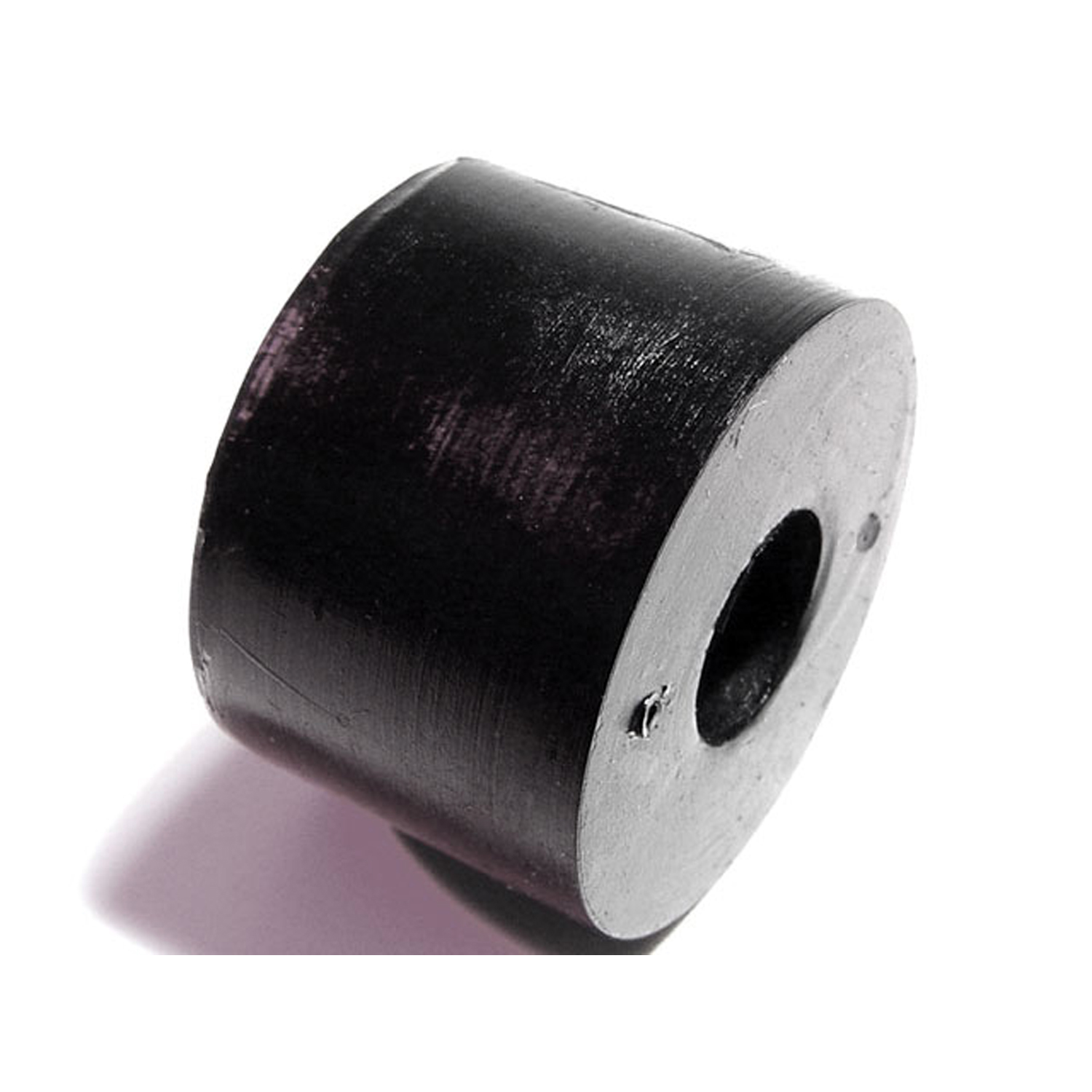 1949 Ford Ford Shock Absorber Grommet. 1" bottom O.D., 5/8" high-BN 13Shock Absorber Grommet. 1" bottom O.D., 5/8" high., with 3/8" I.D. Each
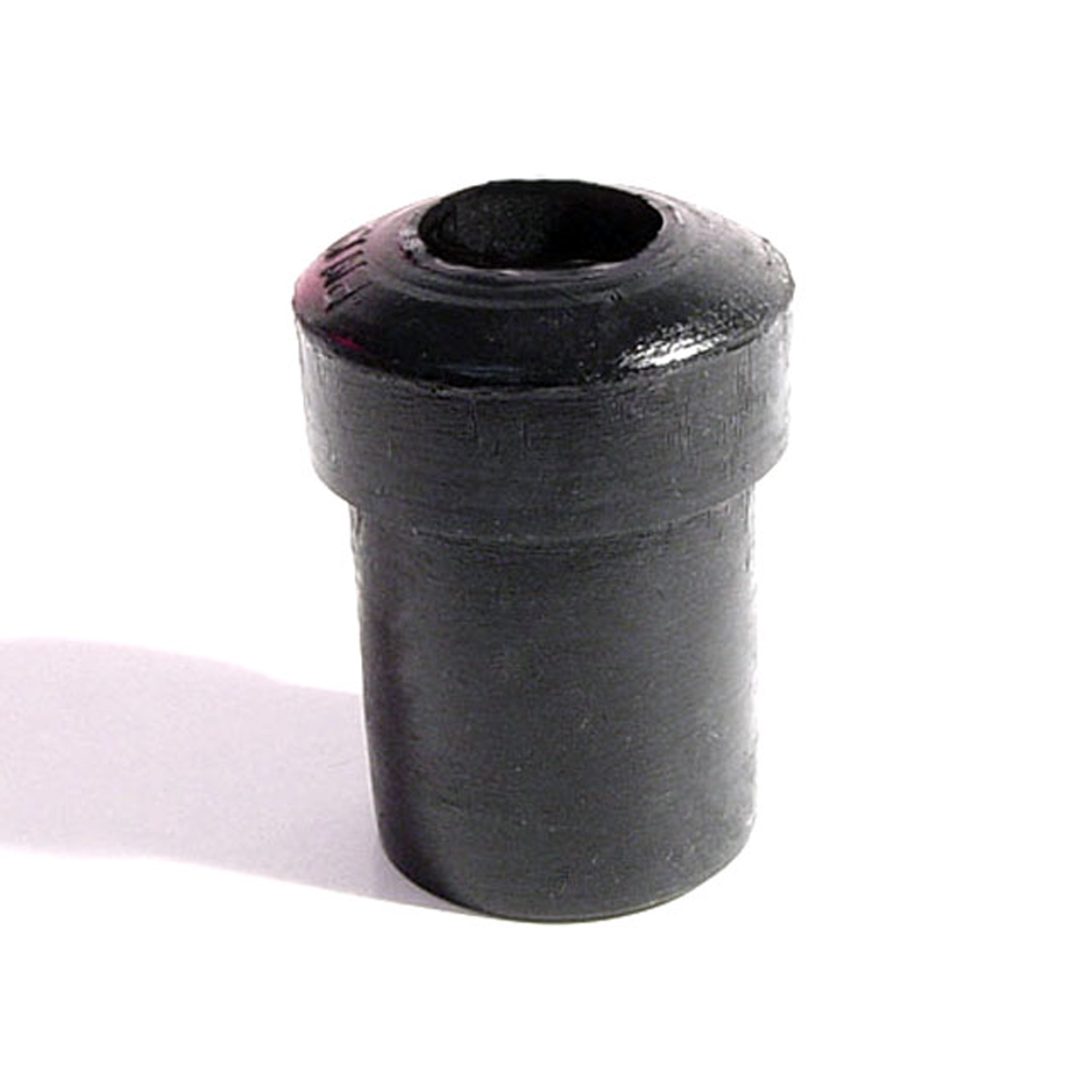 1949 Ford Ford Spring and Shackle Bushing. 7/8" bottom O.D-BN 19Spring and Shackle Bushing. 7/8" bottom O.D. X 1-1/4" high, with 1/2" I.D. Each
 1949 Ford Ford Auto Brake Pedal Pad. 2-3/4" wide X 5-3/8" long. Each-CB 90-AAuto Brake Pedal Pad. 2-3/4" wide X 5-3/8" long. Each
 1949 Ford Ford Hood Bumper. Four used per vehicle. Each-HF 48Hood Bumper. Four used per vehicle. Each
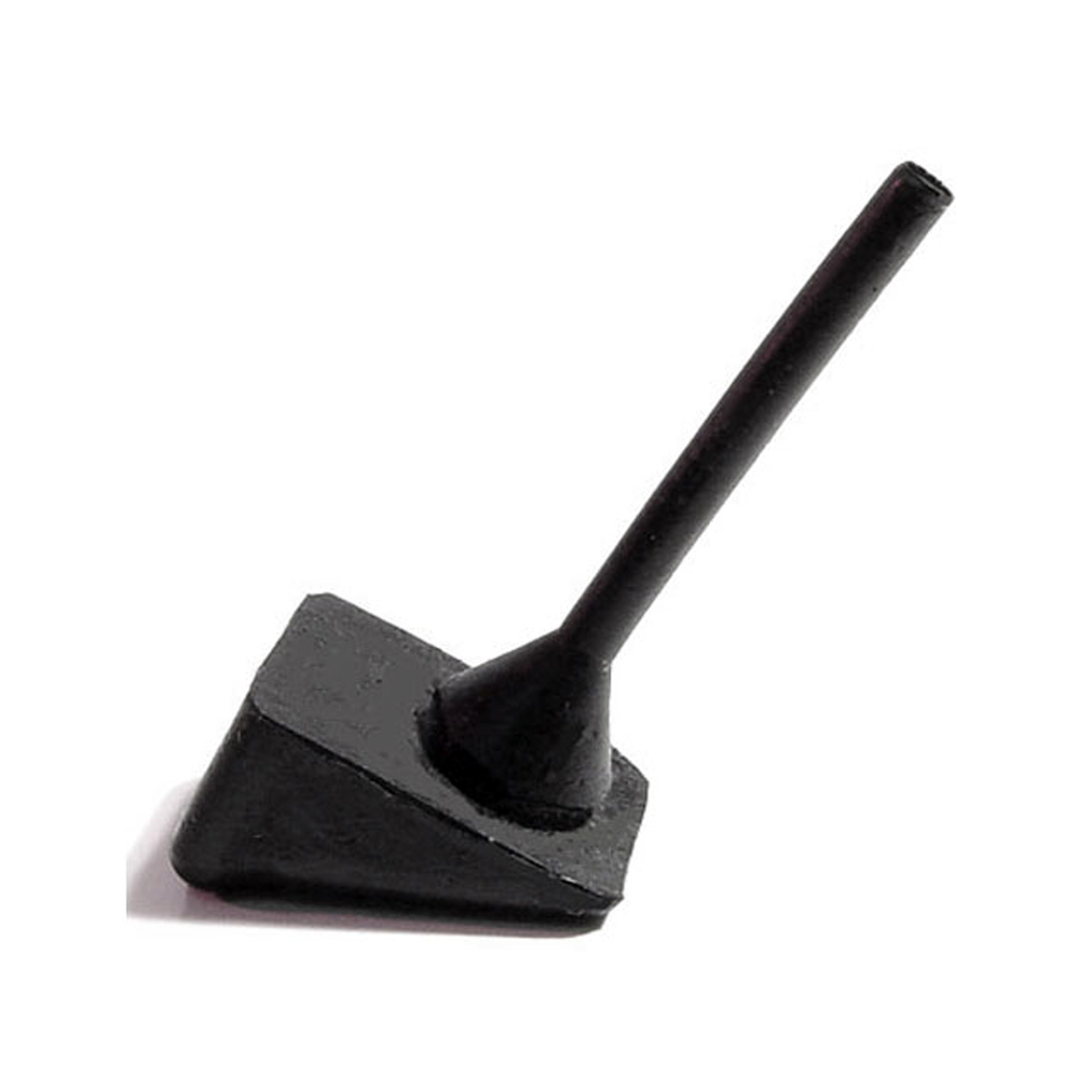 1949 Ford Ford Hood Bumper. Each-HF 8Hood Bumper. Each
 1949 Ford Ford Tail-light Pads. 3-1/8" wide X 7-1/2" long. Pair-MP 780Tail-light Pads. 3-1/8" wide X 7-1/2" long. Pair
 1949 Ford Ford Door Handle Pads. 3-1/8" long & 1-1/4" long. Set R&L-MP 780-ADoor Handle Pads. 3-1/8" long & 1-1/4" long. Set R&L
 1949 Ford Ford Door Lock Pads. 1-1/4" wide X 2" long. Pair-MP 780-BDoor Lock Pads. 1-1/4" wide X 2" long. Pair
 1949 Ford Ford Park Light Pads. 3" wide X 5-1/8" long. Pair R&L-MP 790Park Light Pads. 3" wide X 5-1/8" long. Pair R&L
 1949 Ford Ford Trunk Latch Pads. Set-MP 800Trunk Latch Pads. Set
 1949 Ford Ford Clutch and Brake Arm Bumpers. Top quality reproduction-RP 31-KClutch and Brake Arm Bumpers. Top quality reproduction. Pair
 1949 Ford Ford Hood Bumpers. 3/8" O.D., 3/4" Long. Set of four-SB 900Hood Bumpers. 3/8" O.D., 3/4" Long. Set of four
 1949 Ford Ford Rubber Conduit (hose). Double tube-VH 300Rubber Conduit (hose). Double tube. Used from body to door for electrical and hydraulic lines for power windows. Two pieces, 15" long. Pair
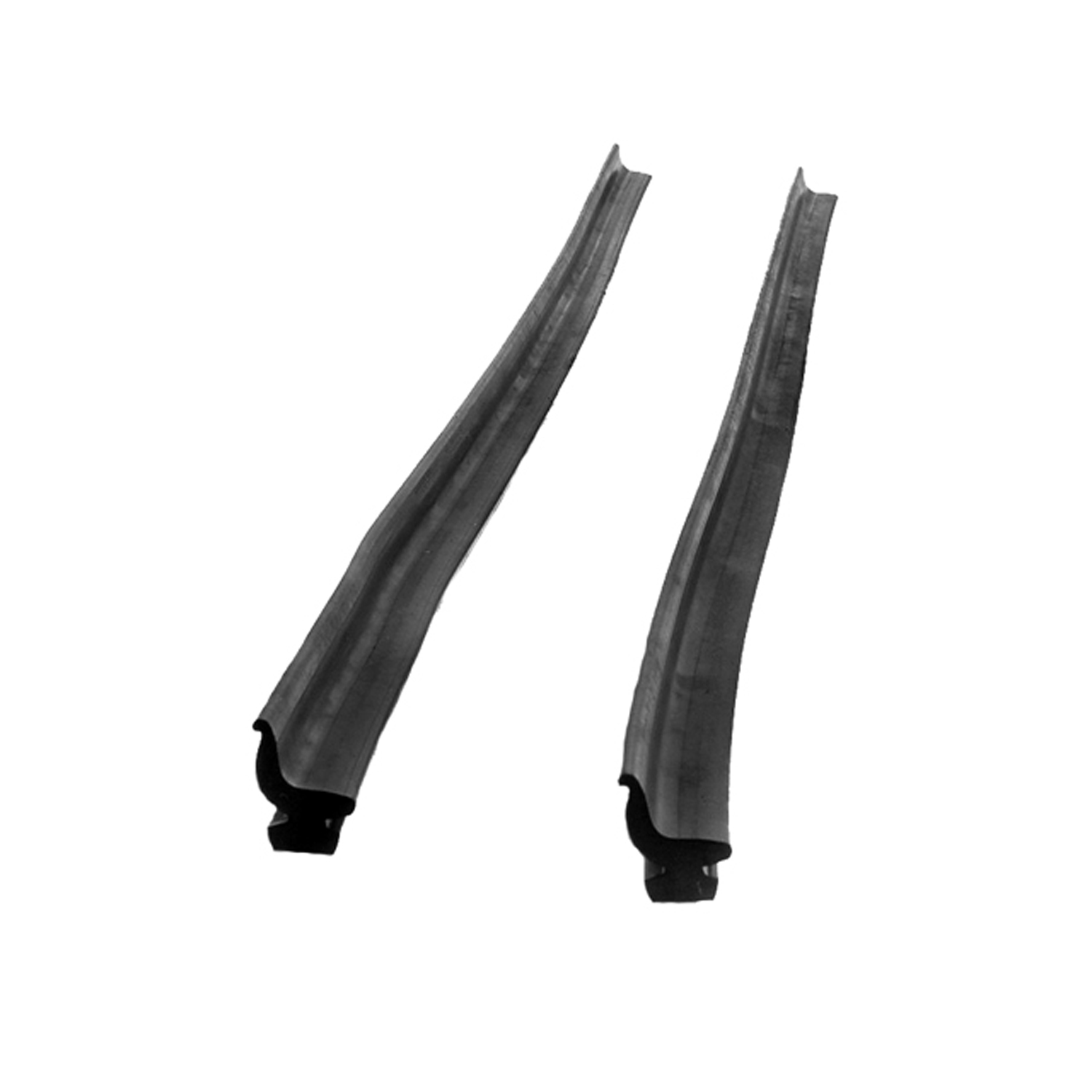 1949 Ford Ford Rear roll-up Seal. Two 18" sections sliced into metal track-VS 4Rear roll-up Seal. Two 18" sections sliced into metal track. this foot with no steel insert. Pair
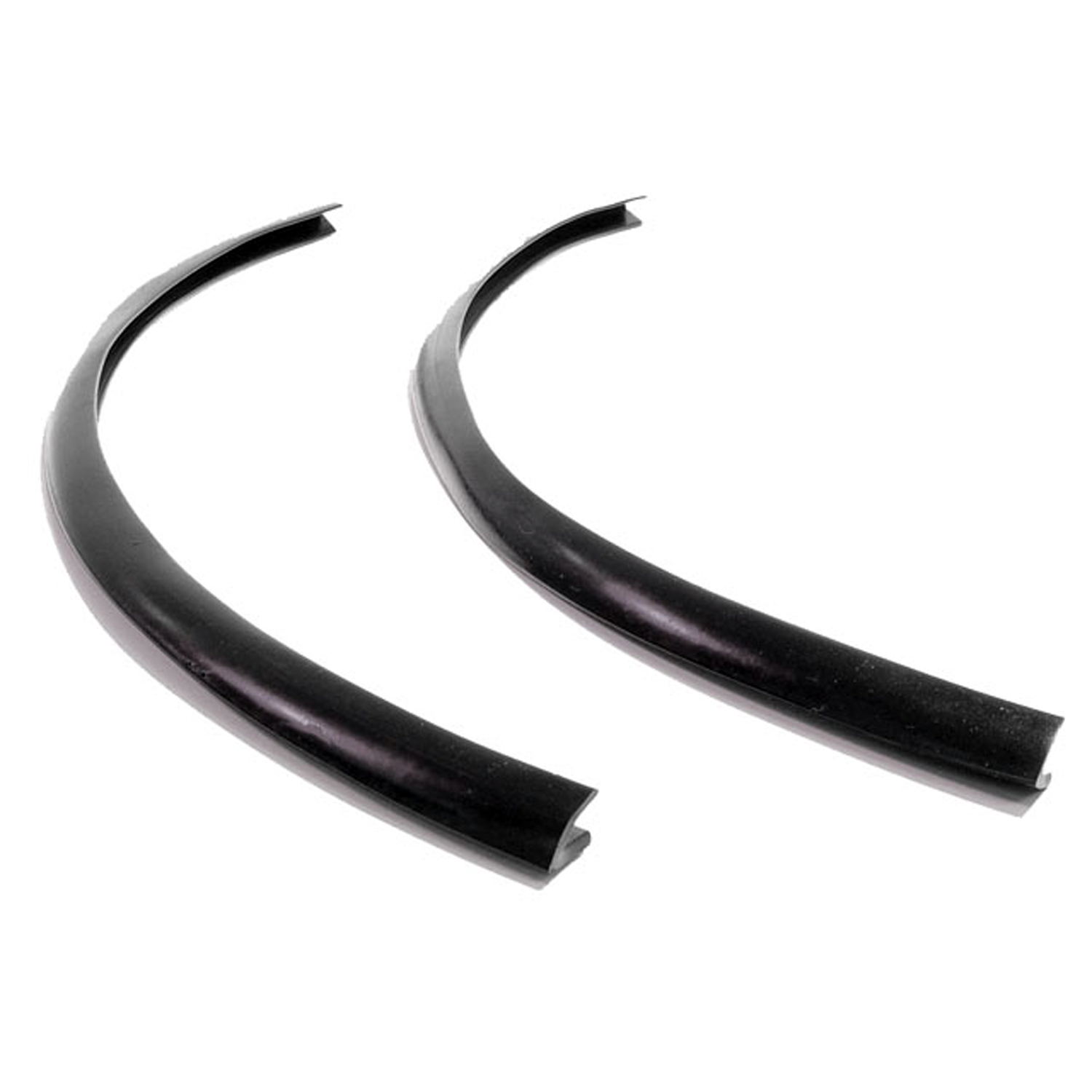 1949 Ford Ford Vertical Seals for Vent Window. Each piece is 17" long-VS 6Vertical Seals for Vent Window. Each piece is 17" long. Pair
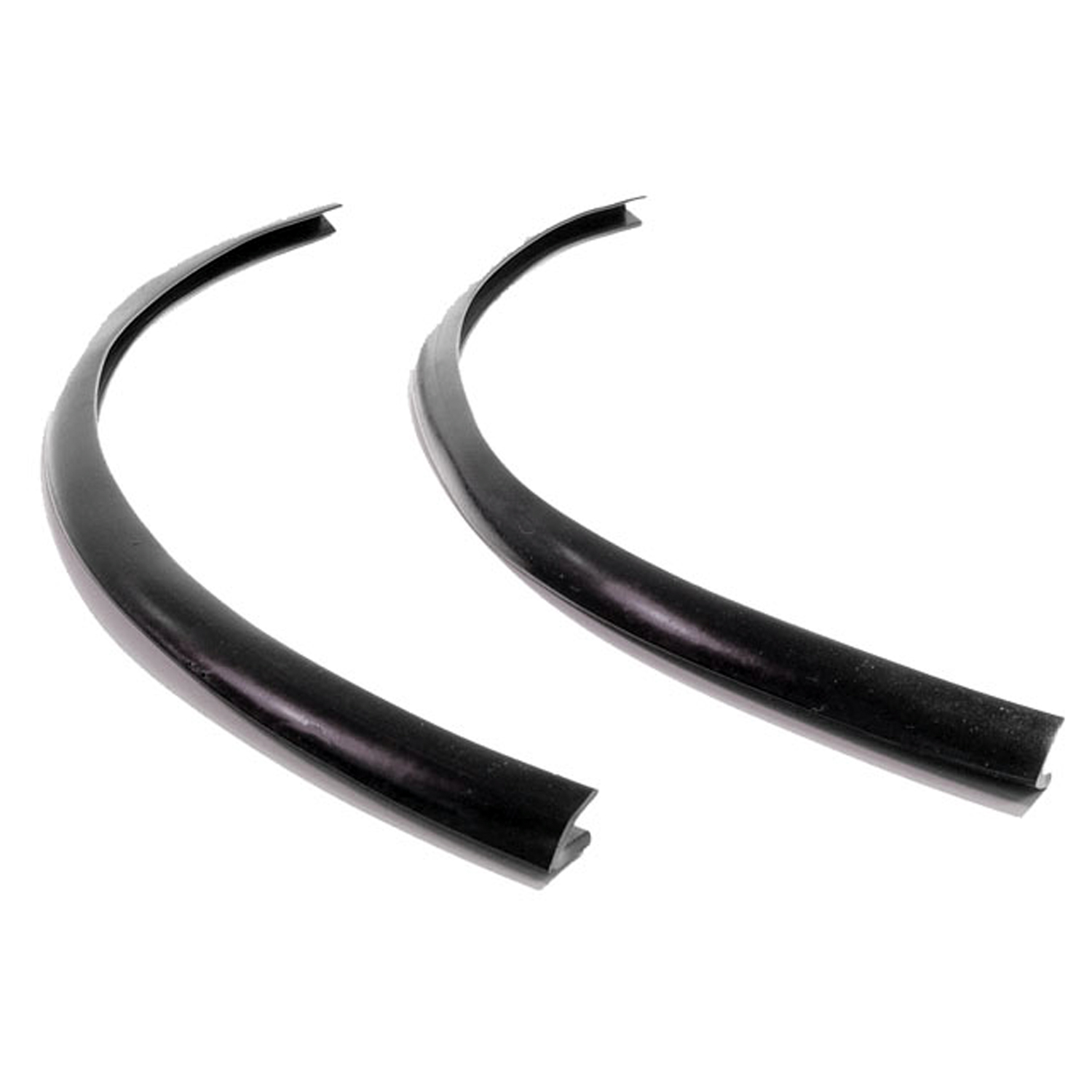 1949 Ford Ford Vertical Seal for Vent Window. Sold by the foot.-VS 6/FTVertical Seal for Vent Window. Sold by the foot.
 1949 Ford Ford Front Vent Window Seals. For 2-door & 4-door sedans-WR 3300Front Vent Window Seals. For 2-door & 4-door sedans. Pair R&L
 1949 Ford Ford Rear Vent Window Seals. For 2-door & 4-door sedans-WR 3300-RRear Vent Window Seals. For 2-door & 4-door sedans. Pair R&L
 1949 Ford Ford Rear Vent Window Seals, for 2-Door Coupes. Made in 2-pieces-WR 3306-RRear Vent Window Seals, for 2-Door Coupes. Made in 2-pieces. Pair R&L
 1949 Ford Ford Front vent window seals. Convertible-WR 3314Front vent window seals. Convertible. Replaces OEM# 8A7621448. Pair. R&L.
 1949 Ford Ford Front Suspension Bumper. For lower arm. 2" O.D-XB 22Front Suspension Bumper. For lower arm. 2" O.D., 2-1/8" high. Each
Why Choose Metro?
For over 100 years, Metro Moulded Parts has been the pinnacle of quality in classic car restoration parts. Our commitment to precision and authenticity in every component ensures a perfect fit and an OEM-level appearance.
- Expert Craftsmanship & Quality: Each part is a testament to our dedication to reliability and perfection, crafted from original designs and thoroughly tested.
- Advanced Technology: We use cutting-edge techniques to create flawless, long-lasting parts that surpass others in performance.
- SuperSoft Sponge – The Ultimate Door Seal: Not only are our door seals 30% softer than competitors', but they're also guaranteed to never leak. They effectively reduce wind and road noise, enhancing your classic car's comfort and driving experience.
- Proudly American: Our parts are a product of American craftsmanship, made in the USA with a spirit of excellence and heritage.
- Unrivaled Warranty: We back our products with a 30-year industry-leading warranty, a testament to our confidence in their quality.
Join us in preserving the legacy of classic cars with parts that are crafted for perfection, not just made.