

Image of 1951 Ford Country Squire, Note: These illustrations use artistic license and may differ from actual historical models.
Performance Metrics
Fundamental Metrics
Emotional Appeal
MMP Rating
| Engine Specifications | |
|---|---|
| Engine: | Flathead V8 |
| Displacement: | 239 cubic inches |
| Horsepower: | Estimated 100 hp |
| Torque: | 180 lb-ft |
| Compression Ratio: | Estimated 6.8:1 |
| Ignition System: | Distributor and coil |
| Cooling System: | Water-cooled |
| Performance Specifications | |
| 0-60 Time: | Estimated 20 seconds |
| 1/4 Mile Time: | Not available |
| Top Speed: | 80 mph |
| Transmission and Drive | |
| Drive Type: | Rear-wheel drive |
| Transmission Type: | 3-speed manual |
| Fuel and Efficiency | |
| Fuel System Type: | Carburetor |
| MPG: | Estimated 15 mpg |
| Dimensions and Brakes | |
| Brakes: | Drum brakes |
| Wheelbase: | 114 inches |
| Weight: | Estimated 3,200 lbs |
Note: Specifications for classic cars are given to the best of our ability, considering the limited and variant data available.
1951 Ford Country Squire: The Last Real-Wood Ford Wagon
The 1951 Ford Country Squire brought the warmth of a handcrafted wood-bodied wagon to a country changing fast: postwar families wanted room for children, luggage, and the weekend getaway, while American carmakers were moving toward all-steel construction. Built by Ford Motor Company as the most upscale wagon in its lineup, the Country Squire paired practical family-car engineering with genuine wood exterior trim. Its 1951 model year is especially notable as the last Country Squire to use real wood in its bodywork.
That combination makes the car more than a handsome old wagon. It marks a turning point in the history of the American “woodie,” just before simulated woodgrain became the practical alternative. Ford continued the Country Squire name for decades, but the 1951 model stands apart as the final chapter in its real-wood era.
Wood, Chrome, and 1951 Ford Styling
The Country Squire was based on Ford’s postwar “Shoebox” design, with rounded, integrated fenders rather than the separate fenders of prewar cars. For 1951, Ford refreshed the front end with a broad chrome grille, horizontal detailing, and a central feature that gave the nose a distinctive face. Headlamps sat neatly in the front fenders, while the long roof and broad side panels emphasized the wagon’s generous proportions.
Its signature look came from the wood framing and panels along the sides and rear. Unlike the printed woodgrain finish used on later Country Squires, the 1951 wagon had real wood components. The contrast between polished timber, bright trim, and painted bodywork gave it a handcrafted appearance that was unusual even among high-end family cars. That woodwork also needs careful attention today: exposure to moisture and sun can lead to fading, cracking, or deterioration, and a proper restoration can be costly.
Ford offered the Country Squire in a range of period paint colors, with shades of black, gray, blue, green, and other colors appearing across the lineup. Exact availability depended on the model and production details. Darker paint could make the light-catching wood and chrome stand out, while lighter colors gave the wagon a more relaxed, summery look.
The Country Squire was a four-door station wagon, offered in six-passenger form with an optional rear-facing seat that could increase capacity to eight. It sat above the plainer Country Sedan and Ranch Wagon in Ford’s wagon family. The Country Squire’s upscale trim and real wood made it the most recognizable, and often the most desirable, of the three.
A Family Wagon with Modern-for-Its-Time Engineering
Ford’s 1951 cars combined familiar body-on-frame construction with engineering that helped make the postwar lineup comfortable and usable. The Country Squire used independent front suspension with coil springs and a rear suspension with leaf springs. Hydraulic drum brakes handled stopping, while a three-speed manual transmission was standard. Overdrive and Ford’s new Fordomatic automatic transmission were available, depending on equipment and buyer preference.
Engine choices included Ford’s 226-cubic-inch L-head inline-six and 239-cubic-inch flathead V8. The V8 is the engine most people picture in a Country Squire, but the six-cylinder offered a more economical alternative. Exact output figures can vary by source and rating method; period references generally put the six in the mid-90-horsepower range and the V8 near 100 horsepower.
There was no modern air conditioning, power steering, or electronic driver assistance. Instead, the Squire offered a straightforward, serviceable layout and the comfort features of its day. The available automatic transmission was a particularly useful option for stop-and-go traffic, while the optional overdrive helped reduce engine speed on longer highway runs.
How the Country Squire Drives
The 239-cubic-inch flathead V8 delivers its power with a smooth, low-pitched rumble rather than a sharp, modern exhaust note. It is a relaxed engine suited to cruising, not a high-revving performer. A healthy V8 Country Squire might reach roughly 80 to 85 mph, while a 0-to-60-mph run could take around 18 to 22 seconds. These are broad estimates, not guaranteed figures: engine condition, gearing, transmission, tires, and vehicle load all make a difference.
On a smooth road, the Ford feels substantial and comfortable, with a soft ride that suits family travel. Coil springs up front help it absorb ordinary bumps, while the long wagon body and rear leaf springs can feel busy over rough pavement, especially when lightly loaded. On winding roads, expect slow steering response and noticeable body lean compared with a modern car. The drum brakes also need more planning and pedal effort than contemporary disc brakes.
Behind the wheel, the experience is as much about pace as speed. The flathead’s steady burble, the broad view over the hood, and the simple controls make an ordinary drive feel like a small event. It is a car to enjoy at a measured cruise, with enough room in the back for luggage, picnic supplies, or a crowd of kids.
Why the 1951 Model Matters
Station wagons became essential family transportation during the postwar boom. Returning servicemen, expanding suburbs, and a growing appetite for road trips all helped create demand for cars that could carry people and cargo in one package. The Country Squire answered that demand with more polish than a basic utility wagon, combining passenger-car comfort with the practicality of a large rear cargo area.
Its deeper historical importance lies in the changing role of wood in car construction. Real wood had once been a structural necessity on many wagons, but by the early 1950s it was increasingly an expensive styling choice. Ford’s 1952 move to an all-steel Country Squire body with simulated woodgrain reflected the industry’s shift toward easier-to-build, lower-maintenance construction. The 1951 Squire therefore preserves a look that was already becoming a thing of the past.
Ford’s later use of the Country Squire name helped keep the wood-trimmed family wagon in the public imagination for decades. The appearance changed, and the wood became imitation, but the association between the name and a well-equipped Ford wagon endured through 1991.
Ownership, Maintenance, and Common Criticisms
Today, a Country Squire is most often a show car, weekend cruiser, or carefully maintained family heirloom rather than an everyday commuter. Its spacious cabin and generous cargo area still make sense for relaxed trips, but its age, fuel consumption, drum brakes, and lack of modern safety equipment require realistic expectations.
The mechanical package is relatively straightforward by classic-car standards. The flathead V8 and six-cylinder engines are familiar to vintage Ford specialists, and many routine jobs can be handled by an experienced home mechanic with proper tools and service information. Parts support remains available through classic Ford suppliers, though some original trim and body pieces can be difficult or expensive to source.
The wood is the major ownership challenge. Restoring it involves more than applying fresh varnish: the underlying pieces must be sound, correctly fitted, and protected from water. A car with attractive, intact wood can be far more appealing than one with a tired body, but replacing damaged sections demands specialized skill. Common criticisms include sluggish acceleration, substantial fuel use, heavy steering at low speeds, and the labor and expense required to preserve the woodwork.
Production, Trivia, and Collector Value
Production figures for individual model years can vary between reference sources. A reasonable working estimate is that roughly 10,000 to 12,000 Country Squires were built for 1951. That is a small number compared with the production of Ford’s mainstream sedans, and surviving examples are scarcer still because wood deterioration and decades of family use took their toll.
The most memorable piece of trivia is also the model’s defining distinction: 1951 was the Country Squire’s final real-wood year. The following model used an all-steel body with simulated woodgrain. The 1951 Squire is not known for a major speed record or a racing achievement; its place in history comes from its design, its family-wagon role, and its position at the end of Ford’s traditional woodie era.
Collector values depend heavily on the condition of the wood, completeness of the trim, mechanical health, and quality of restoration. As a broad 2026 estimate, a project car might fall around $10,000 to $25,000, while a usable driver could bring roughly $25,000 to $45,000. A strong, professionally restored example may reach $55,000 to $100,000 or more, with exceptional cars potentially exceeding that range. These are general market estimates, not guaranteed sale prices.
Over the long term, the Country Squire has benefited from the appeal of genuine-wood wagons, but the market is selective. Well-restored cars with documented work and sound wood tend to attract the strongest interest. Lesser examples can be difficult to sell at ambitious prices because restoration costs rise quickly. Overall, the model is best viewed as a desirable, potentially appreciating classic with values that depend more on condition and quality than on age alone.
The Country Squire’s Lasting Appeal
The 1951 Ford Country Squire combines a comfortable postwar Ford chassis, practical wagon space, and genuine wood craftsmanship in one unmistakable package. Its performance is modest by modern standards, but that is not the point. The appeal is in the flathead V8’s easygoing sound, the wagon’s useful proportions, and the polished wood sides that recall an era when family transportation could also feel handcrafted.
As the last real-wood Country Squire, the 1951 model captures a turning point in American automotive history. It is both a capable old family wagon and a rolling reminder of a vanishing craft, which is exactly why it remains so compelling to collectors today.
1951 Ford Country Squire Catalog of Parts
 1951 Ford Country Squire Shock Absorber Grommet. 1" bottom O.D-BN 11Shock Absorber Grommet. 1" bottom O.D., 3/4" high, with 5/8" I.D. Each
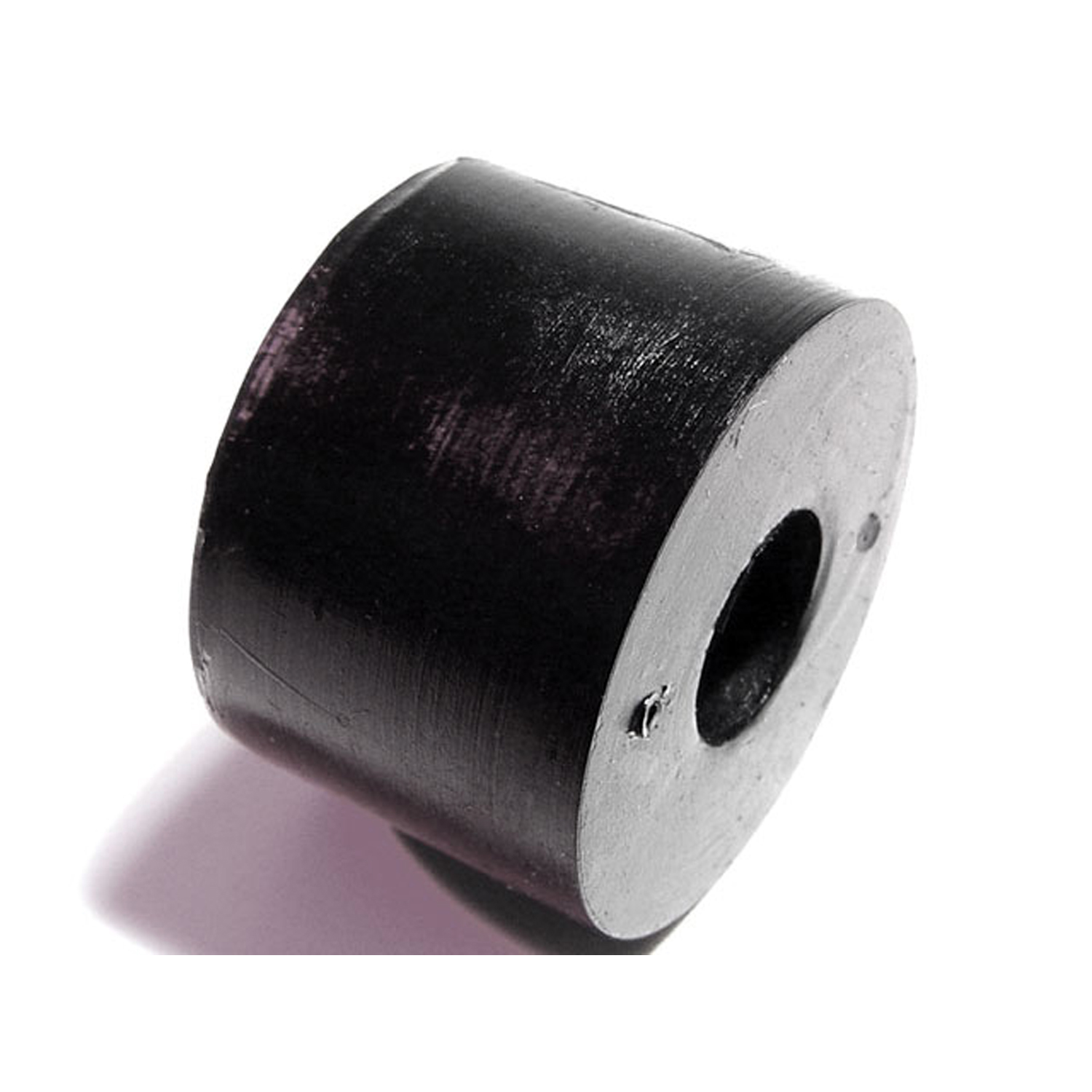 1951 Ford Country Squire Shock Absorber Grommet. 1" bottom O.D., 5/8" high-BN 13Shock Absorber Grommet. 1" bottom O.D., 5/8" high., with 3/8" I.D. Each
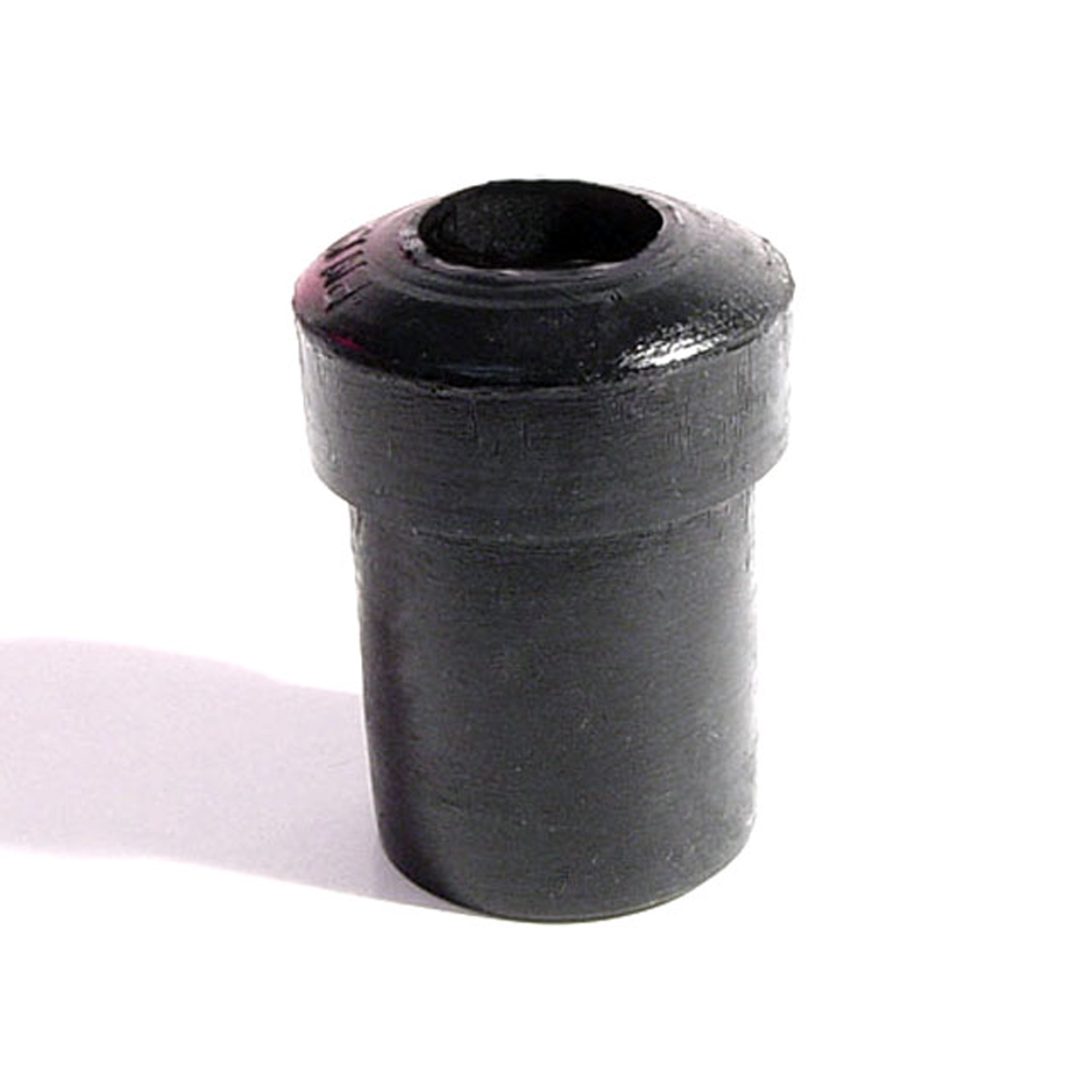 1951 Ford Country Squire Spring and Shackle Bushing. 7/8" bottom O.D-BN 19Spring and Shackle Bushing. 7/8" bottom O.D. X 1-1/4" high, with 1/2" I.D. Each
 1951 Ford Country Squire Auto Brake Pedal Pad. 2-3/4" wide X 5-3/8" long. Each-CB 90-AAuto Brake Pedal Pad. 2-3/4" wide X 5-3/8" long. Each
 1951 Ford Country Squire Hood Bumper. Four used per vehicle. Each-HF 48Hood Bumper. Four used per vehicle. Each
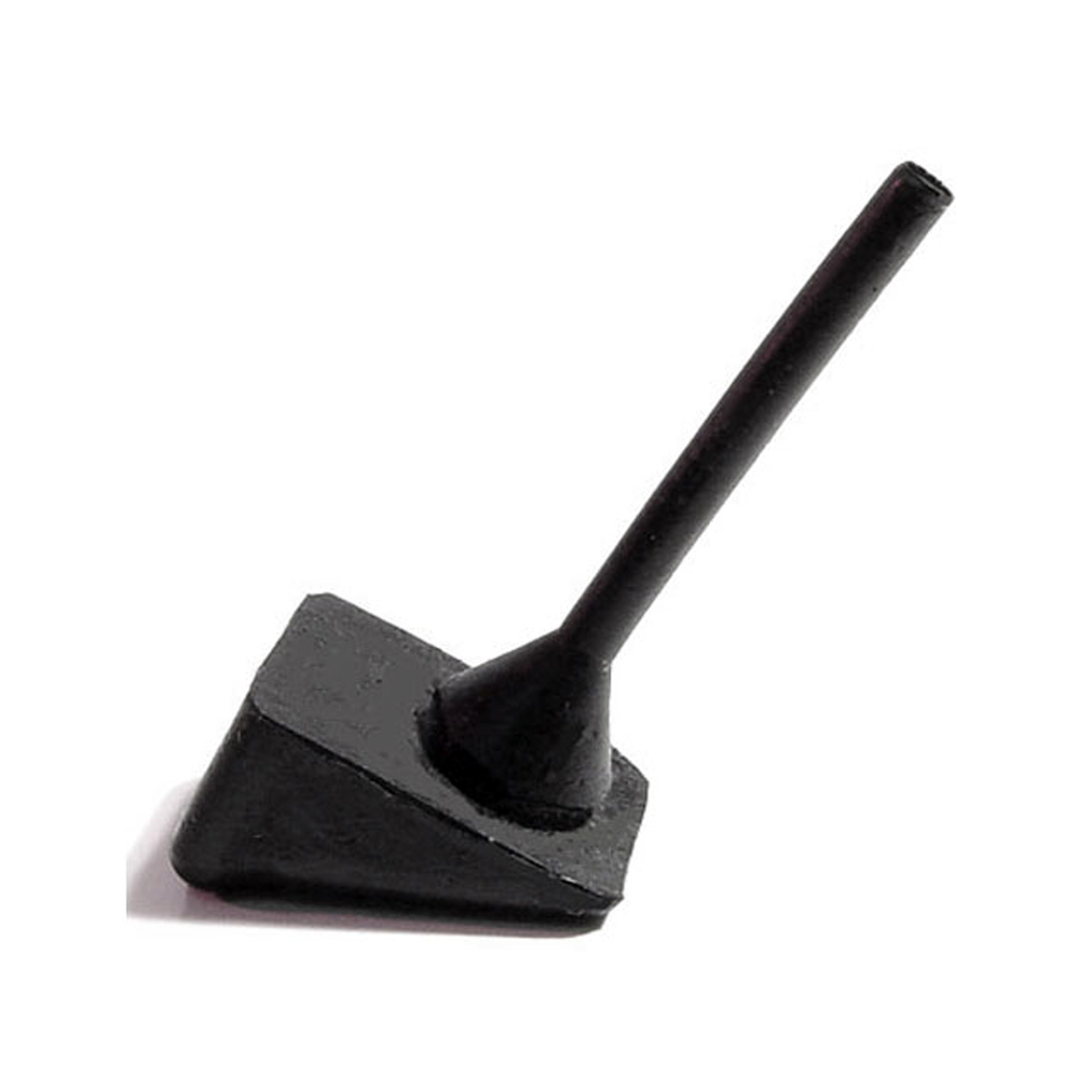 1951 Ford Country Squire Hood Bumper. Each-HF 8Hood Bumper. Each
 1951 Ford Country Squire Door Handle Pads. 2-3/4" long & 1-5/8" long. Set-MP 739-BDoor Handle Pads. 2-3/4" long & 1-5/8" long. Set
 1951 Ford Country Squire Door Handle Pads. 3-1/8" long & 1-1/4" long. Set R&L-MP 780-ADoor Handle Pads. 3-1/8" long & 1-1/4" long. Set R&L
 1951 Ford Country Squire Door Lock Pads. 1-1/4" wide X 2" long. Pair-MP 780-BDoor Lock Pads. 1-1/4" wide X 2" long. Pair
 1951 Ford Country Squire Trunk Emblem Pads. 2-3/4" wide X 11-3/8" long. 2-Pieces-MP 780-CTrunk Emblem Pads. 2-3/4" wide X 11-3/8" long. 2-Pieces. Pair
 1951 Ford Country Squire Hood Bumpers. 3/8" O.D., 3/4" Long. Set of four-SB 900Hood Bumpers. 3/8" O.D., 3/4" Long. Set of four
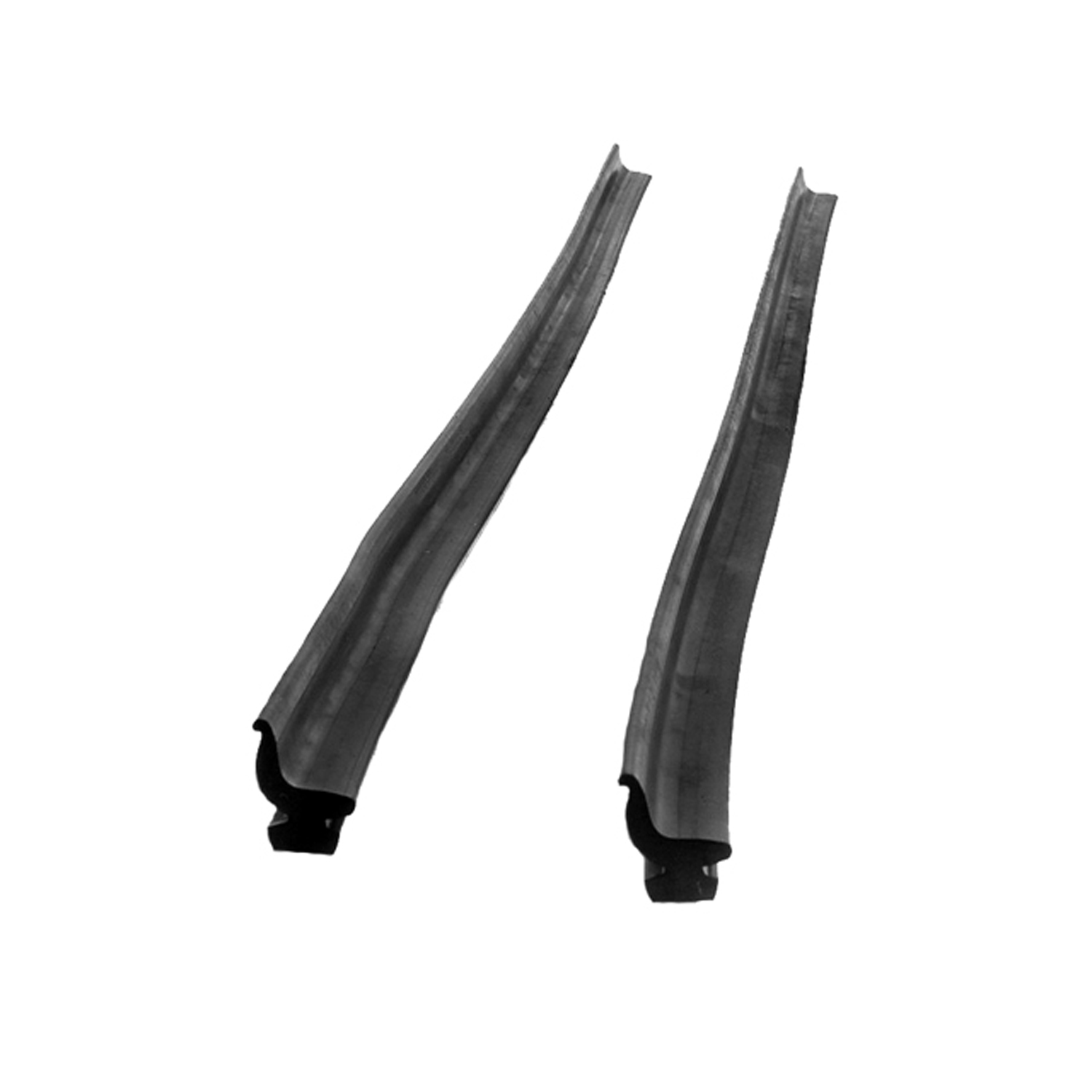 1951 Ford Country Squire Rear roll-up Seal. Two 18" sections sliced into metal track-VS 4Rear roll-up Seal. Two 18" sections sliced into metal track. this foot with no steel insert. Pair
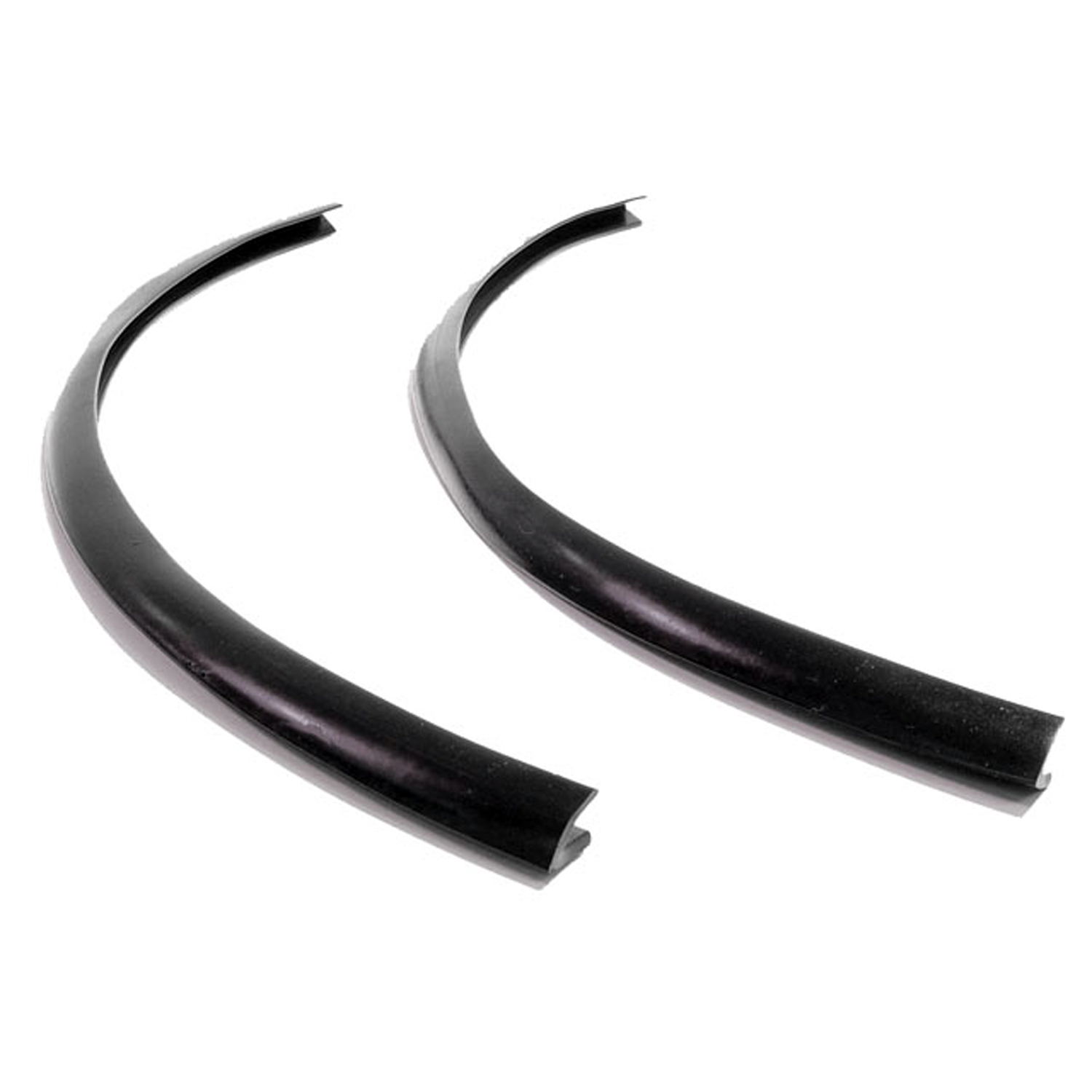 1951 Ford Country Squire Vertical Seals for Vent Window. Each piece is 17" long-VS 6Vertical Seals for Vent Window. Each piece is 17" long. Pair
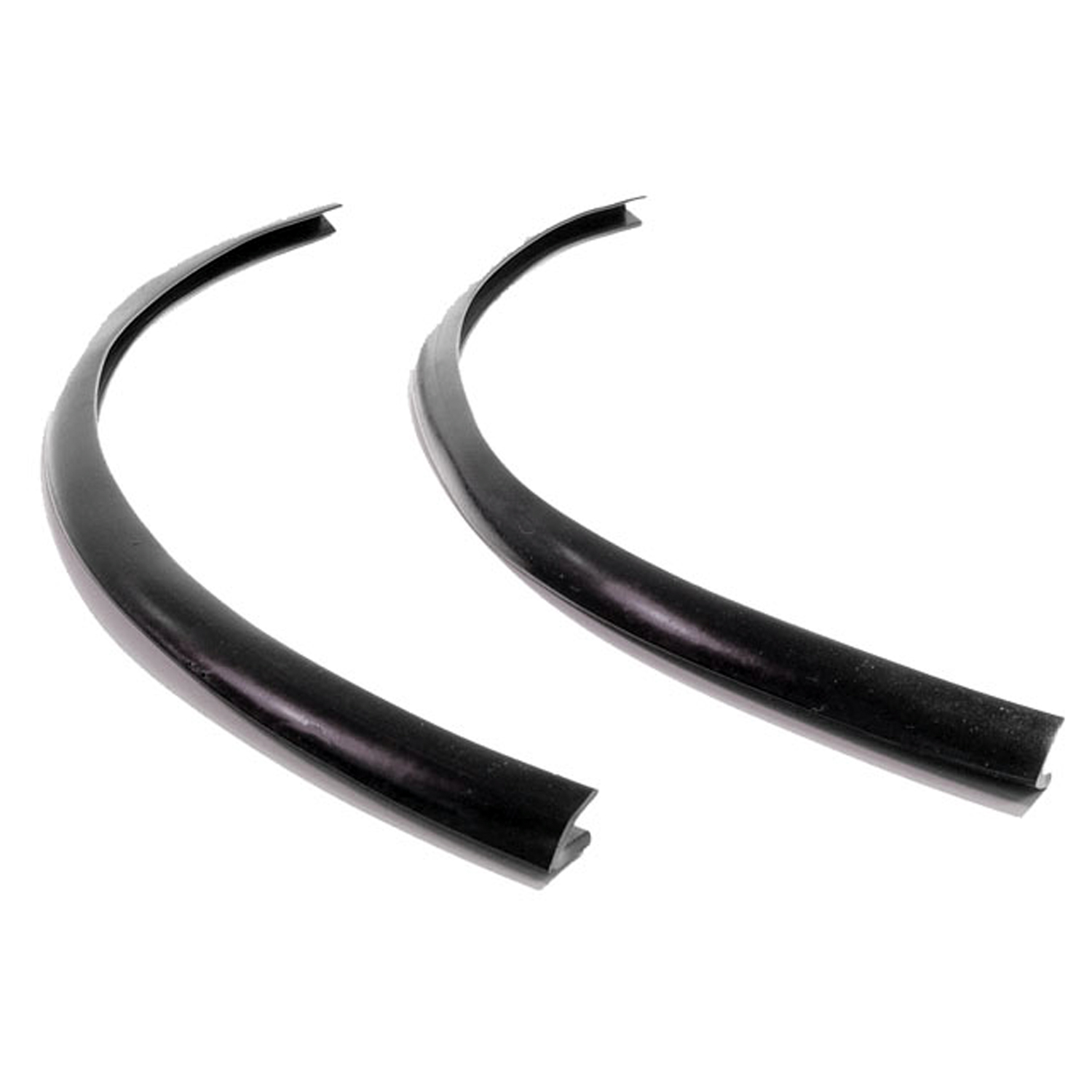 1951 Ford Country Squire Vertical Seal for Vent Window. Sold by the foot.-VS 6/FTVertical Seal for Vent Window. Sold by the foot.
 1951 Ford Country Squire Front Suspension Bumper. For lower arm. 2" O.D-XB 22Front Suspension Bumper. For lower arm. 2" O.D., 2-1/8" high. Each
Why Choose Metro?
For over 100 years, Metro Moulded Parts has been the pinnacle of quality in classic car restoration parts. Our commitment to precision and authenticity in every component ensures a perfect fit and an OEM-level appearance.
- Expert Craftsmanship & Quality: Each part is a testament to our dedication to reliability and perfection, crafted from original designs and thoroughly tested.
- Advanced Technology: We use cutting-edge techniques to create flawless, long-lasting parts that surpass others in performance.
- SuperSoft Sponge – The Ultimate Door Seal: Not only are our door seals 30% softer than competitors', but they're also guaranteed to never leak. They effectively reduce wind and road noise, enhancing your classic car's comfort and driving experience.
- Proudly American: Our parts are a product of American craftsmanship, made in the USA with a spirit of excellence and heritage.
- Unrivaled Warranty: We back our products with a 30-year industry-leading warranty, a testament to our confidence in their quality.
Join us in preserving the legacy of classic cars with parts that are crafted for perfection, not just made.