

Image of 1951 Ford Deluxe, Note: These illustrations use artistic license and may differ from actual historical models.
Performance Metrics
Fundamental Metrics
Emotional Appeal
MMP Rating
| Engine Specifications | |
|---|---|
| Engine: | Flathead V8 |
| Displacement: | 239 cubic inches |
| Horsepower: | Estimated 100 hp |
| Torque: | 180 lb-ft |
| Compression Ratio: | Estimated 6.8:1 |
| Ignition System: | Distributor and coil |
| Cooling System: | Water-cooled |
| Performance Specifications | |
| 0-60 Time: | Estimated 15 seconds |
| 1/4 Mile Time: | Not available |
| Top Speed: | 80 mph |
| Transmission and Drive | |
| Drive Type: | Rear-wheel drive |
| Transmission Type: | 3-speed manual |
| Fuel and Efficiency | |
| Fuel System Type: | Carburetor |
| MPG: | Estimated 15-20 mpg |
| Dimensions and Brakes | |
| Brakes: | Drum brakes |
| Wheelbase: | 114 inches |
| Weight: | Estimated 3,200 lbs |
Note: Specifications for classic cars are given to the best of our ability, considering the limited and variant data available.
1951 Ford Deluxe: A Postwar Classic with Lasting Appeal
The 1951 Ford Deluxe turned everyday transportation into something with real postwar swagger. Built by the Ford Motor Company in the United States, it belonged to the generation of Fords that helped the company regain its footing after World War II. Its combination of fresh styling, practical engineering, and attainable pricing made it a familiar sight on American roads at a time when families were buying cars and looking ahead to a more prosperous decade.
The Deluxe name appeared within a Ford range whose trim labels and body-style groupings could vary across catalogs and markets. The 1951 model was part of Ford’s second postwar design generation, introduced for 1949 and updated for 1951. A notable milestone arrived that year: Ford offered its first fully automatic transmission, the two-speed Fordomatic, giving buyers a new alternative to the standard manual gearbox.
1951 Ford Styling and Interior
The 1951 Ford wore a rounded, confident shape rather than the upright look of prewar cars. Its front end was the visual centerpiece: a broad horizontal grille, bright chrome trim, and a prominent central detail gave the car a distinctive face. A sculpted hood, smooth fenders, and a low roofline helped the body look modern without sacrificing the generous proportions expected of a full-size American car. At the rear, integrated-looking fenders and restrained trim kept the design handsome rather than fussy.
Inside, the Ford was designed to be comfortable and usable, not luxurious in the modern sense. Depending on body style and trim, the cabin featured patterned cloth upholstery, vinyl or leatherette accents, a broad bench seat, and a painted metal dashboard with chrome details. The large steering wheel and simple, legible instruments were typical of the era. These materials were durable and serviceable, though age, sunlight, and decades of use can leave original upholstery and interior trim brittle or worn.
Factory paint choices varied by body style, trim, and availability, but period Fords could be ordered in colors ranging from dark greens and blues to maroons, grays, and lighter pastel shades. Two-tone treatments were especially eye-catching on select models. Today, deep blue, dark green, and classic black are popular restoration choices, while brighter period colors make a car stand out at shows.
Ford’s 1951 range included two-door and four-door sedans, coupes, and convertibles, with station wagons sold under their own model names and trim arrangements. The two-door club coupe has a particularly strong hot-rod and custom-car following, while the convertible is the most glamorous choice for collectors. The Crestliner, a specially trimmed two-door sedan, is another memorable member of the broader 1951 Ford family, noted for its two-tone appearance and upscale touches.
Engineering and Historical Significance
The 1951 Ford was not a clean-sheet design, but it carried forward the important changes Ford had made with its 1949 models. Those cars replaced the company’s older, more upright body design with a modern integrated shape and a more contemporary chassis. Independent front suspension with coil springs helped improve ride comfort and steering response compared with many older prewar cars. The 1951 update refined the styling and gave buyers the option of Fordomatic, an important step as automatic transmissions became increasingly desirable.
Ford’s significance was its ability to bring modern styling and useful engineering to a broad market. It competed directly with Chevrolet and other high-volume brands, offering buyers a choice of six-cylinder or V8 power and a range of practical body styles. The 1951 Ford did not invent the postwar American car, but it helped establish the formula: a comfortable full-size body, a strong visual identity, accessible service, and options that let customers choose between economy and performance.
Flathead Power and Road Manners
Most 1951 Fords were available with either a 226-cubic-inch flathead inline-six or a 239-cubic-inch flathead V8. Exact output figures vary by specification and source, but the six was rated at about 95 horsepower, while the V8 produced roughly 100 horsepower. A three-speed manual transmission was standard in many configurations. Fordomatic, the new two-speed automatic, was available as an option, and some cars were equipped with overdrive.
Original factory performance figures are not consistently reported, so modern estimates are more useful than a single definitive number. A healthy V8 car might reach roughly 80 to 90 mph, with a 0-to-60-mph time in the high teens. The six-cylinder version was generally slower, particularly with an automatic transmission or a heavy load. These are period-car estimates, not guaranteed results: engine condition, gearing, tire size, and tuning all make a difference.
On the road, the Ford feels substantial and relaxed. Its coil-sprung front suspension takes the edge off ordinary bumps, while the long wheelbase helps it settle into a steady highway rhythm. On winding roads, the car’s size, soft suspension, and period bias-ply tires encourage smooth, deliberate driving rather than sharp cornering. Crosswinds can ask more of the driver than they would in a modern car, and original drum brakes require more planning and pedal pressure than contemporary disc systems.
The flathead V8 delivers a mellow, low-pitched exhaust note rather than a high-revving performance-car sound. The steering is typically unassisted, so parking calls for arm strength, but it becomes easier once the car is moving. Driving a 1951 Ford is an engaging, hands-on experience: you feel the road, listen to the engine, and operate controls that demand more attention than a modern car.
Owning and Maintaining a 1951 Ford
Today, a 1951 Ford may serve as a weekend cruiser, a show car, a family heirloom, or the basis for a traditional hot rod. Stock restorations appeal to enthusiasts who value period-correct details, while modified examples often receive updated brakes, modern ignition components, improved cooling, or a later engine. A well-preserved car can handle local drives and occasional longer trips, but regular use calls for careful maintenance and realistic expectations about safety and comfort.
Mechanical work is generally approachable for an owner with basic tools and patience. The flathead V8 and six-cylinder engines have a long enthusiast history, and replacement and reproduction parts remain available through specialist suppliers. Common areas to inspect include the cooling system, electrical wiring, fuel system, brakes, steering components, and rust-prone body and floor sections. Original 6-volt electrical systems can work reliably when maintained, though many modified cars have been converted to 12 volts.
Reliability depends less on the Ford name than on the individual car’s condition and the quality of its repairs. Before buying, check for rust beneath the car, signs of poor bodywork, overheating, worn steering, and weak brakes. A tidy driver with documented maintenance is often a better buy than a shiny car hiding structural corrosion or improvised mechanical work.
1951 Ford Facts and Common Criticisms
The year’s biggest technical talking point was Fordomatic, the first automatic transmission offered by Ford. Its arrival reflected a major shift in American driving habits as more buyers sought the convenience of automatic gear changes. The Crestliner also stands out as a distinctive, specially styled member of the 1951 Ford family, particularly appealing to fans of two-tone postwar design.
There is no widely recognized speed or endurance record associated specifically with the 1951 Ford Deluxe. Its achievement was more practical: Ford produced more than a million cars across its 1951 line, placing the company among the era’s major volume manufacturers. Exact production figures for individual trim names and body styles can be difficult to pin down because period records often group cars differently.
Common criticisms are familiar to anyone who drives a car from the early 1950s. The brakes, lighting, and crash protection fall well short of modern standards, and the suspension can feel soft by today’s expectations. Fuel economy is modest, especially with the V8, and the cabin can be noisy at highway speeds. For many owners, though, these are accepted trade-offs for the car’s character and straightforward mechanical design.
1951 Ford Deluxe Collector Values
Values vary widely with body style, originality, condition, and restoration quality. As a broad U.S. market estimate, a project or rough driver may sell for about $5,000 to $12,000. A usable, presentable car often falls around $15,000 to $30,000, while a high-quality restoration can reach roughly $30,000 to $50,000 or more. Convertibles, exceptional original examples, and carefully documented cars can command a premium. Modified cars are judged especially individually, since the quality and appeal of the build matter as much as the base model.
Ford produced roughly 1.0 million cars across its 1951 lineup, but a precise total for Deluxe-badged cars is harder to establish because model and trim classifications vary among records. A reasonable broad estimate is that several hundred thousand cars were built in the related Deluxe and Custom Deluxe groupings. That makes the model far from a rare production car, but surviving examples are much less common than the original output suggests, especially in sound, unmodified condition.
Prices have generally favored clean, well-restored cars over rough projects, though the market is sensitive to restoration costs and changing collector tastes. The Ford’s broad parts support and recognizable postwar styling help maintain interest. Buyers should focus on condition and documentation rather than assuming every example will appreciate; a costly restoration does not always return its full price at resale.
Why the 1951 Ford Still Matters
The 1951 Ford Deluxe combines postwar American style with approachable engineering and the unmistakable character of a flathead-era car. Its rounded body, comfortable interior, available V8, and pioneering Fordomatic option capture a moment when automakers were reshaping everyday transportation for a growing generation of drivers. It may not be rare, fast, or modern, but that is part of its charm: the 1951 Ford remains a vivid, driveable link to an era when the road ahead looked wide open.
1951 Ford Deluxe Catalog of Parts
 1951 Ford Deluxe Shock Absorber Grommet. 1" bottom O.D-BN 11Shock Absorber Grommet. 1" bottom O.D., 3/4" high, with 5/8" I.D. Each
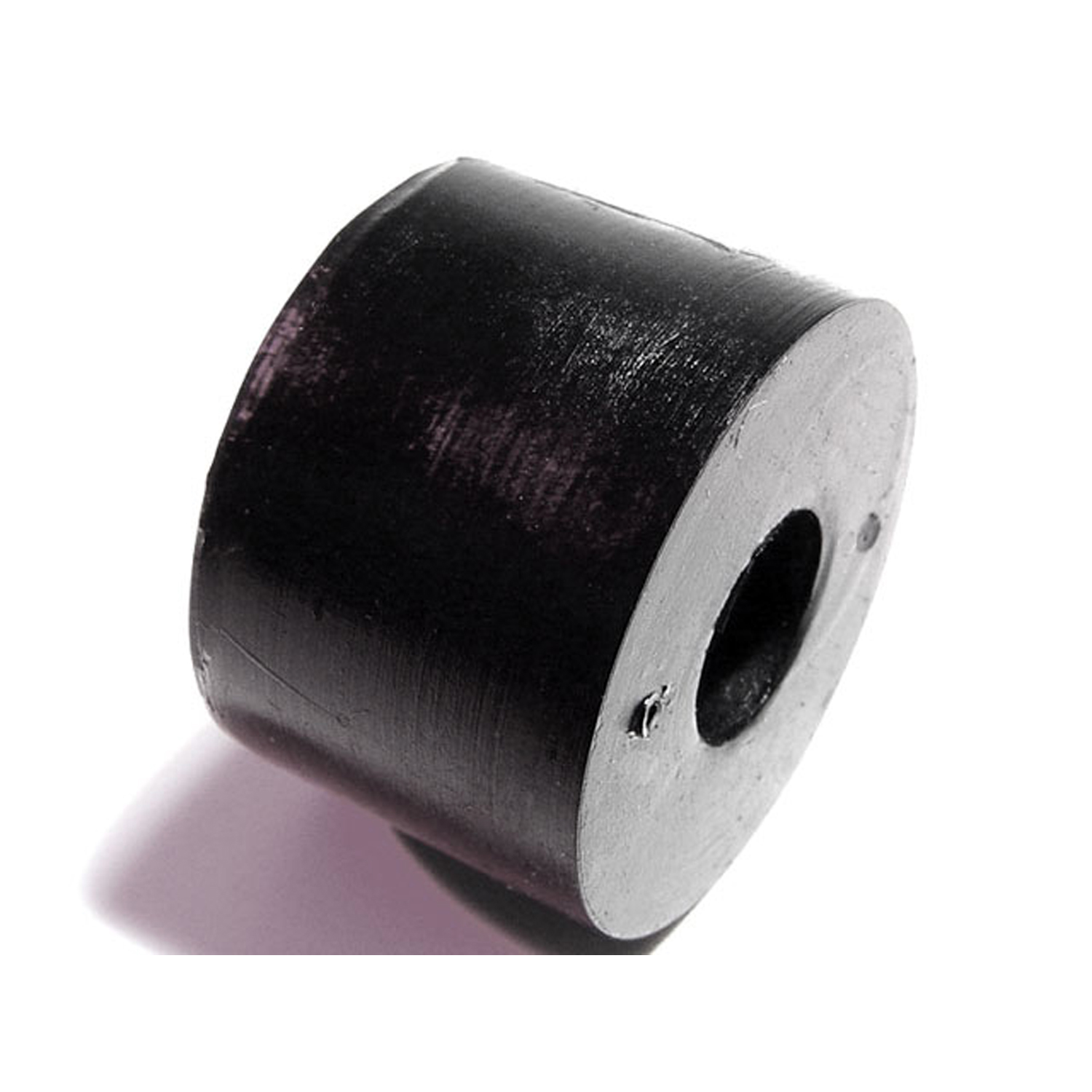 1951 Ford Deluxe Shock Absorber Grommet. 1" bottom O.D., 5/8" high-BN 13Shock Absorber Grommet. 1" bottom O.D., 5/8" high., with 3/8" I.D. Each
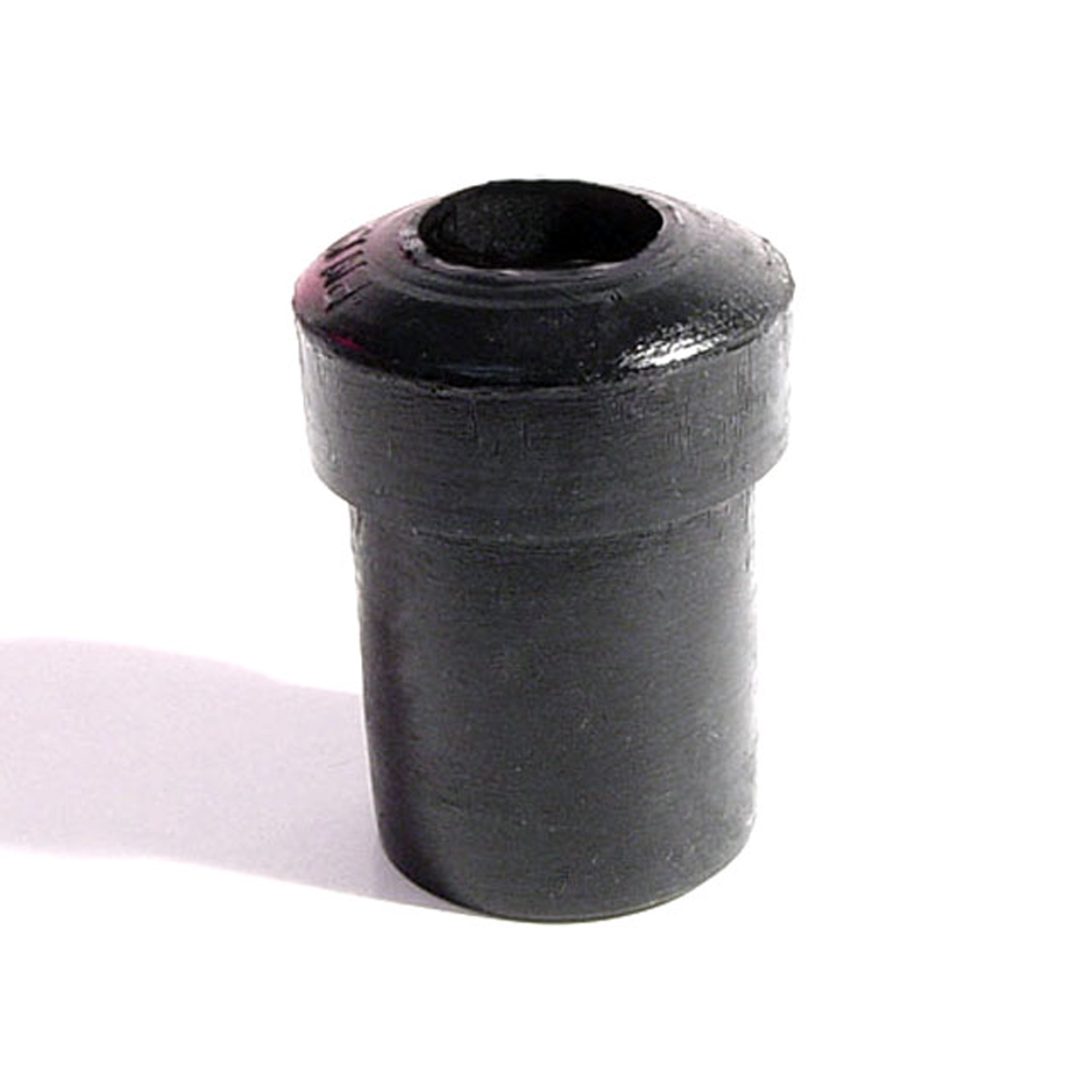 1951 Ford Deluxe Spring and Shackle Bushing. 7/8" bottom O.D-BN 19Spring and Shackle Bushing. 7/8" bottom O.D. X 1-1/4" high, with 1/2" I.D. Each
 1951 Ford Deluxe Auto Brake Pedal Pad. 2-3/4" wide X 5-3/8" long. Each-CB 90-AAuto Brake Pedal Pad. 2-3/4" wide X 5-3/8" long. Each
 1951 Ford Deluxe Hood Bumper. Four used per vehicle. Each-HF 48Hood Bumper. Four used per vehicle. Each
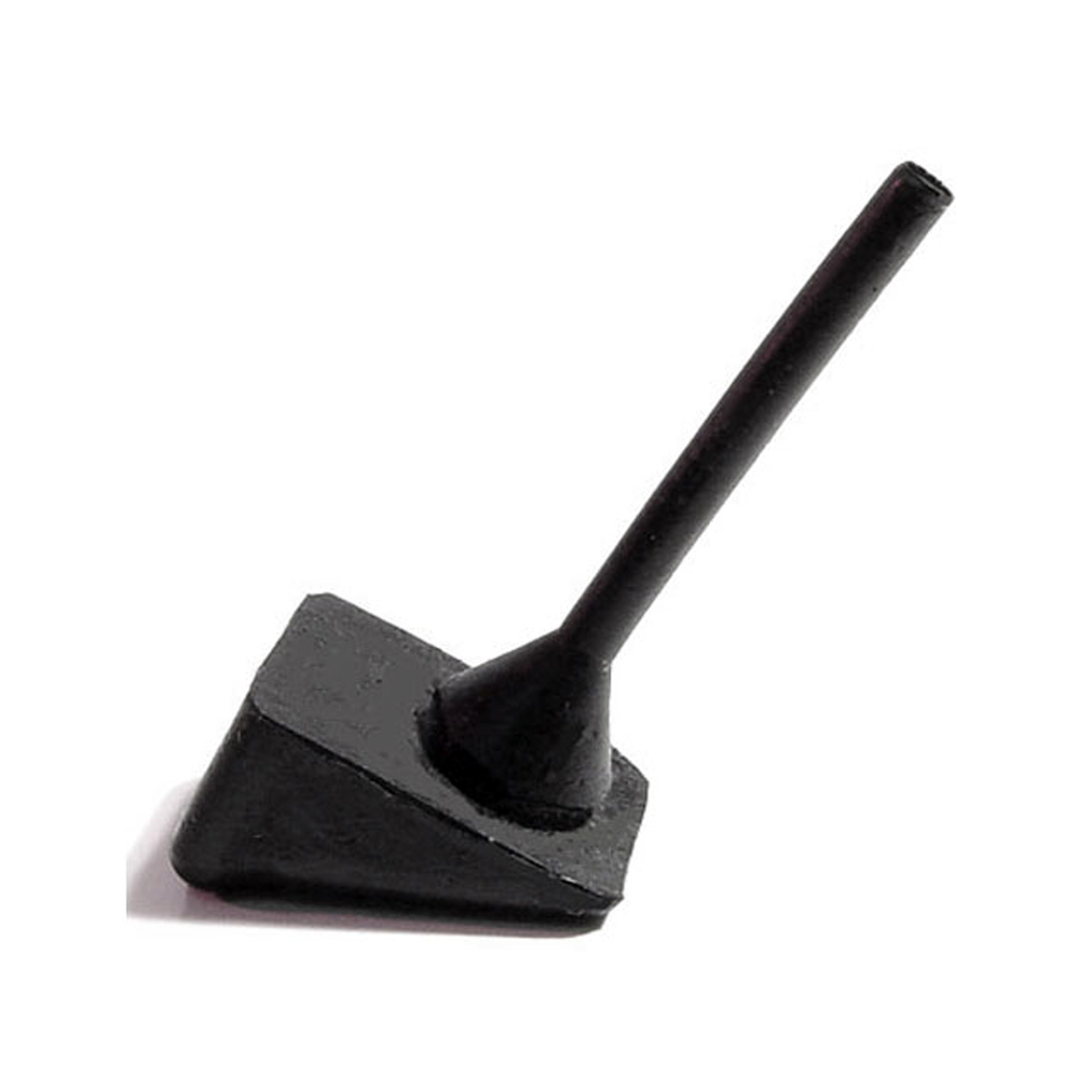 1951 Ford Deluxe Hood Bumper. Each-HF 8Hood Bumper. Each
 1951 Ford Deluxe Door Handle Pads. 2-3/4" long & 1-5/8" long. Set-MP 739-BDoor Handle Pads. 2-3/4" long & 1-5/8" long. Set
 1951 Ford Deluxe Door Handle Pads. 3-1/8" long & 1-1/4" long. Set R&L-MP 780-ADoor Handle Pads. 3-1/8" long & 1-1/4" long. Set R&L
 1951 Ford Deluxe Door Lock Pads. 1-1/4" wide X 2" long. Pair-MP 780-BDoor Lock Pads. 1-1/4" wide X 2" long. Pair
 1951 Ford Deluxe Trunk Emblem Pads. 2-3/4" wide X 11-3/8" long. 2-Pieces-MP 780-CTrunk Emblem Pads. 2-3/4" wide X 11-3/8" long. 2-Pieces. Pair
 1951 Ford Deluxe Convertible Top Bumpers. 1/2" I.D., 1-1/4" O.D. Pair-RP 1005Convertible Top Bumpers. 1/2" I.D., 1-1/4" O.D. Pair
 1951 Ford Deluxe Clutch and Brake Arm Bumpers. Top quality reproduction-RP 31-KClutch and Brake Arm Bumpers. Top quality reproduction. Pair
 1951 Ford Deluxe Hood Bumpers. 3/8" O.D., 3/4" Long. Set of four-SB 900Hood Bumpers. 3/8" O.D., 3/4" Long. Set of four
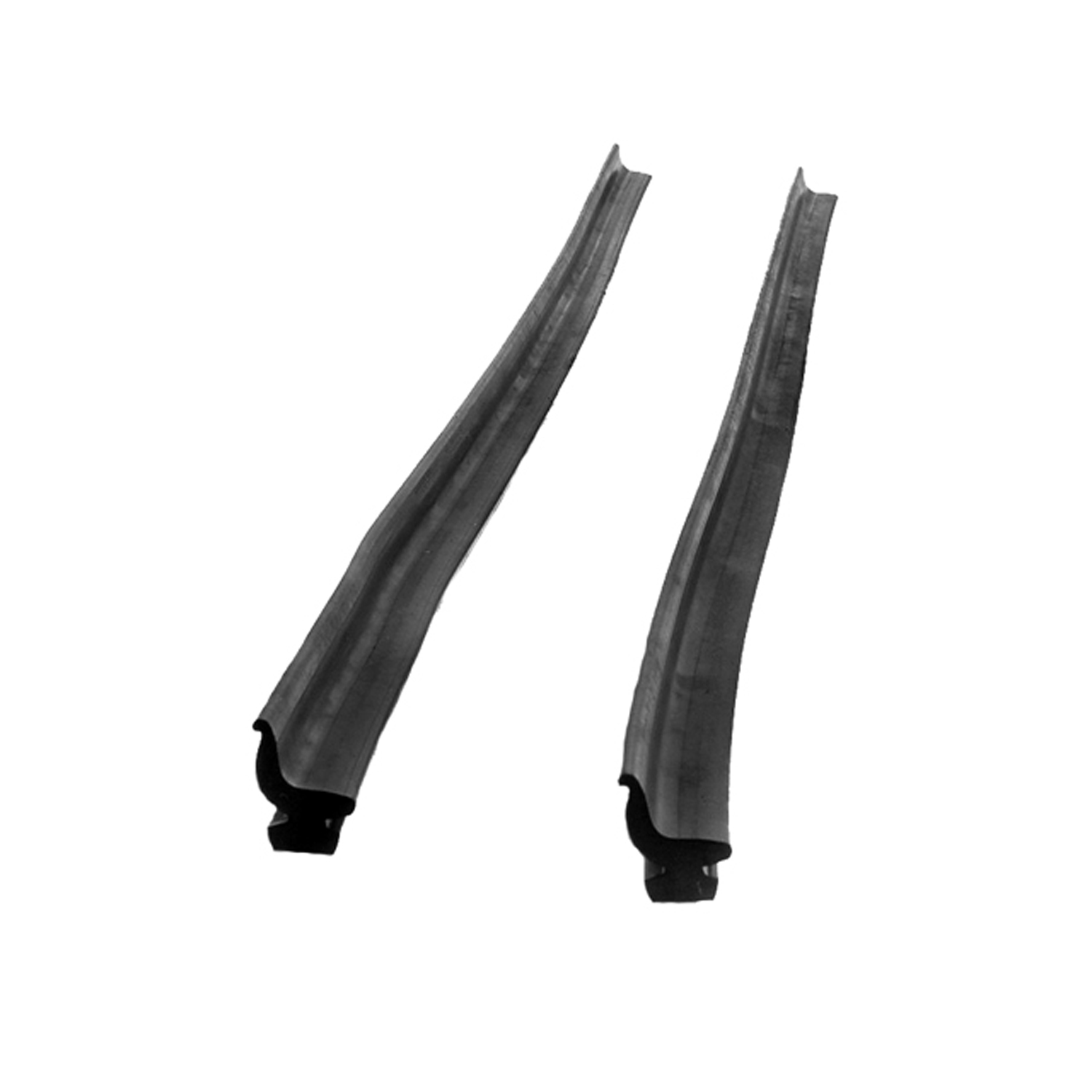 1951 Ford Deluxe Rear roll-up Seal. Two 18" sections sliced into metal track-VS 4Rear roll-up Seal. Two 18" sections sliced into metal track. this foot with no steel insert. Pair
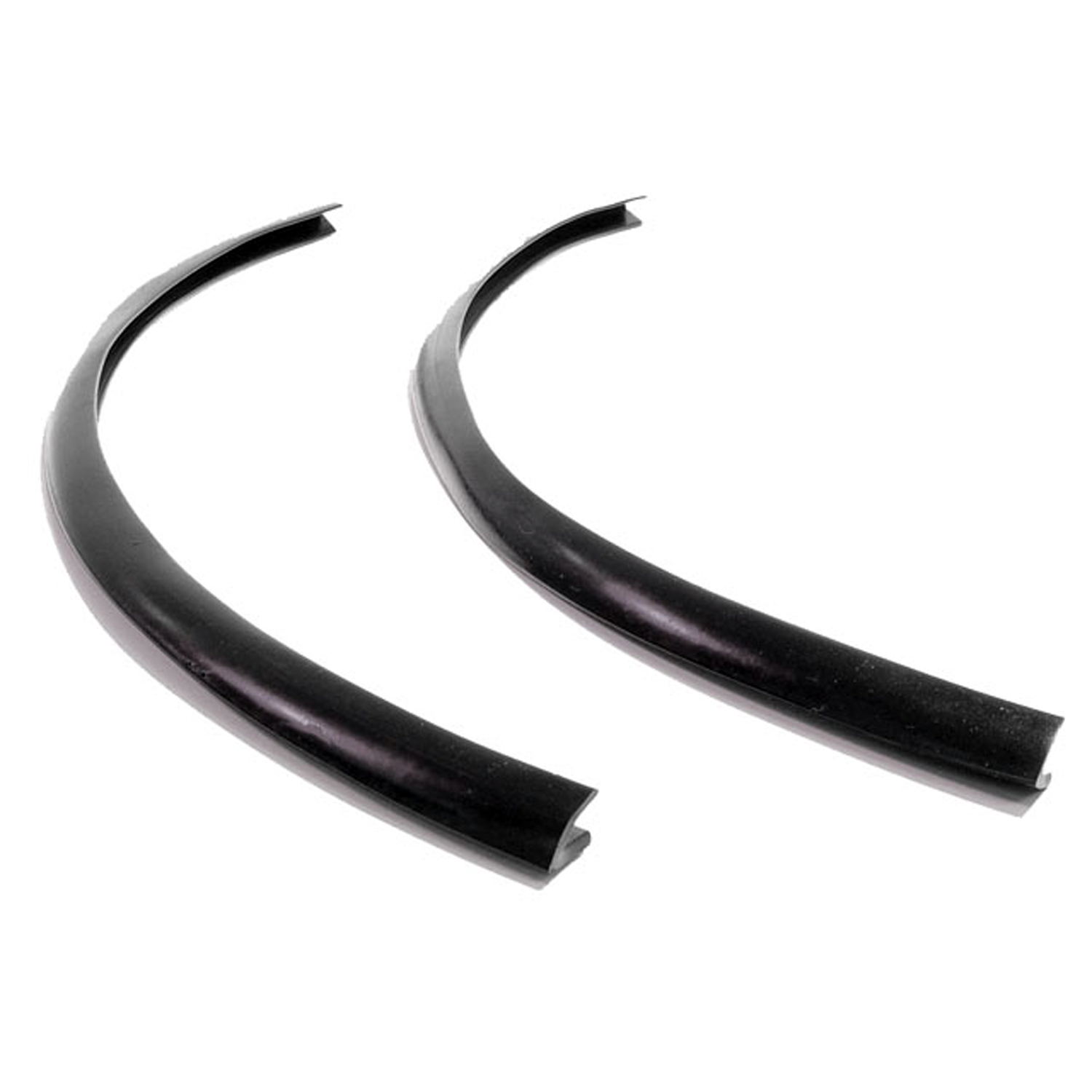 1951 Ford Deluxe Vertical Seals for Vent Window. Each piece is 17" long-VS 6Vertical Seals for Vent Window. Each piece is 17" long. Pair
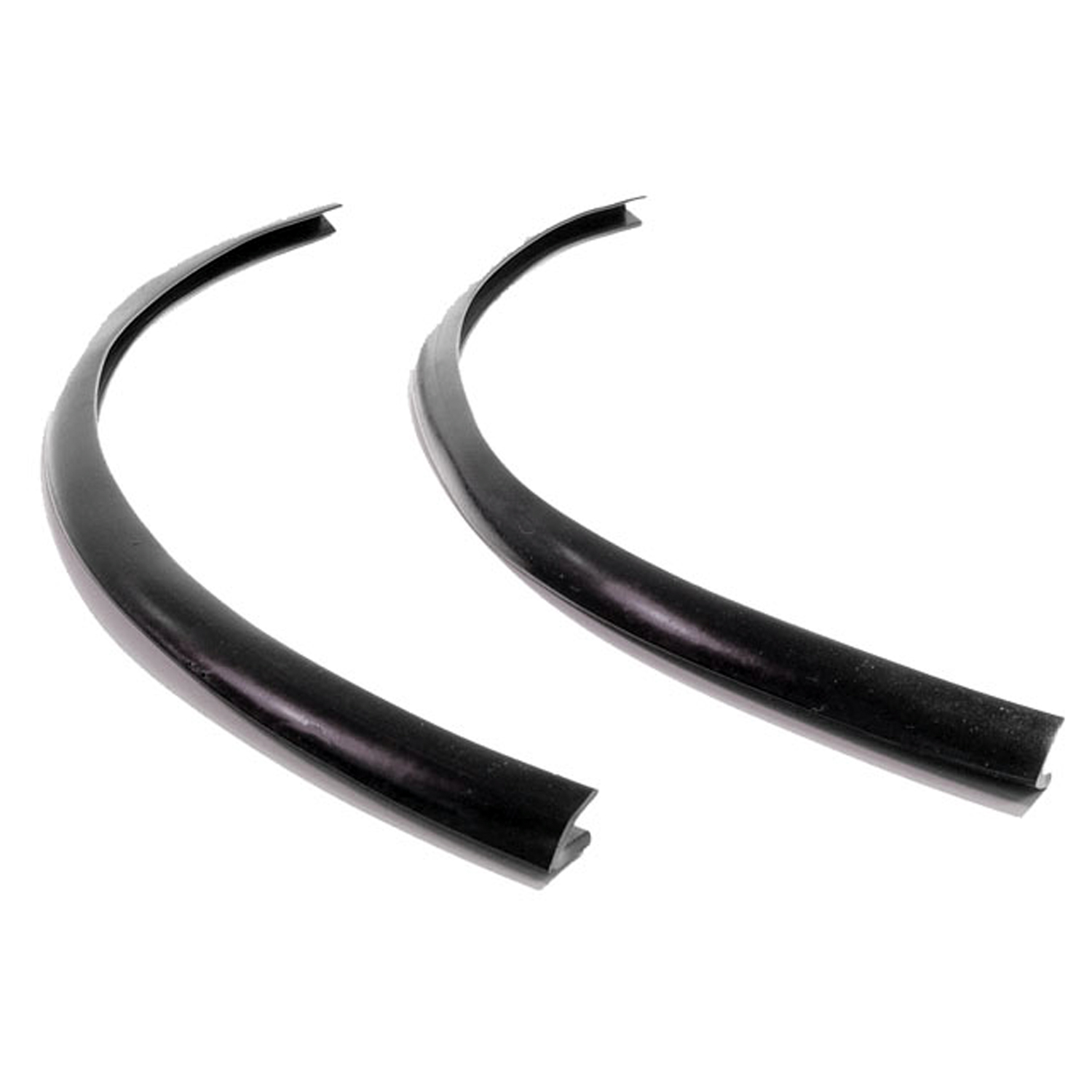 1951 Ford Deluxe Vertical Seal for Vent Window. Sold by the foot.-VS 6/FTVertical Seal for Vent Window. Sold by the foot.
 1951 Ford Deluxe Front Vent Window Seals. For 2-door & 4-door sedans-WR 3300Front Vent Window Seals. For 2-door & 4-door sedans. Pair R&L
 1951 Ford Deluxe Rear Vent Window Seals. For 2-door & 4-door sedans-WR 3300-RRear Vent Window Seals. For 2-door & 4-door sedans. Pair R&L
 1951 Ford Deluxe Front vent window seals-WR 3302Front vent window seals. Fits all '49-'51 Ford 4-door sedans and all '49 Mercury 2-door & 4-door sedans. Pair. R&L.
 1951 Ford Deluxe Rear Vent Window Seals, for 2-Door Coupes. Made in 2-pieces-WR 3306-RRear Vent Window Seals, for 2-Door Coupes. Made in 2-pieces. Pair R&L
 1951 Ford Deluxe Front Vent Window Seals, for 2-Doors-WR 3320Front Vent Window Seals, for 2-Doors. Replaces OEM #8A7021449-A-L11-B4-533ZM10173. Pair R&L
 1951 Ford Deluxe Front Suspension Bumper. For lower arm. 2" O.D-XB 22Front Suspension Bumper. For lower arm. 2" O.D., 2-1/8" high. Each
Why Choose Metro?
For over 100 years, Metro Moulded Parts has been the pinnacle of quality in classic car restoration parts. Our commitment to precision and authenticity in every component ensures a perfect fit and an OEM-level appearance.
- Expert Craftsmanship & Quality: Each part is a testament to our dedication to reliability and perfection, crafted from original designs and thoroughly tested.
- Advanced Technology: We use cutting-edge techniques to create flawless, long-lasting parts that surpass others in performance.
- SuperSoft Sponge – The Ultimate Door Seal: Not only are our door seals 30% softer than competitors', but they're also guaranteed to never leak. They effectively reduce wind and road noise, enhancing your classic car's comfort and driving experience.
- Proudly American: Our parts are a product of American craftsmanship, made in the USA with a spirit of excellence and heritage.
- Unrivaled Warranty: We back our products with a 30-year industry-leading warranty, a testament to our confidence in their quality.
Join us in preserving the legacy of classic cars with parts that are crafted for perfection, not just made.