

Image of 1951 Ford F1, Note: These illustrations use artistic license and may differ from actual historical models.
Performance Metrics
Fundamental Metrics
Emotional Appeal
MMP Rating
| Engine Specifications | |
|---|---|
| Engine: | 226 CID Inline 6, 239 CID Flathead V8 |
| Displacement: | 226-239 cubic inches |
| Horsepower: | 95-100 hp |
| Torque: | 180 lb-ft |
| Compression Ratio: | 6.8:1 |
| Ignition System: | Distributor and coil |
| Cooling System: | Water-cooled |
| Performance Specifications | |
| 0-60 Time: | Estimated 20-25 seconds |
| 1/4 Mile Time: | Not available |
| Top Speed: | 70-75 mph |
| Transmission and Drive | |
| Drive Type: | Rear-wheel drive |
| Transmission Type: | 3-speed manual |
| Fuel and Efficiency | |
| Fuel System Type: | Carburetor |
| MPG: | Estimated 10-15 mpg |
| Dimensions and Brakes | |
| Brakes: | Drum brakes |
| Wheelbase: | 114 inches |
| Weight: | 3,200 lbs |
Note: Specifications for classic cars are given to the best of our ability, considering the limited and variant data available.
1951 Ford F-1: The Truck That Helped Build the F-Series
The 1951 Ford F-1 looks ready for work even when it is parked: rounded front fenders, a broad hood, upright cab, and a simple horizontal-bar grille give it the unmistakable presence of a postwar American pickup. It belongs to Ford’s first-generation F-Series, introduced in 1948 under the “Bonus Built” name. The F-1 was the half-ton model, positioned as a practical truck for farmers, tradespeople, small businesses, and families who needed a vehicle that could earn its keep.
By 1951, the F-Series had become an important part of Ford’s truck lineup. The postwar economy was expanding, construction and consumer demand were rising, and pickups were evolving from basic work equipment into more comfortable everyday vehicles. One detail that makes the 1951 model especially interesting is its one-piece windshield, which replaced the earlier split windshield on first-generation trucks. It gave the cab a cleaner, more modern look and improved the driver’s forward view.
Rounded Fenders and a More Comfortable Cab
The F-1’s styling is a classic example of early postwar truck design. Its front fenders flow out from the body like broad shoulders, framing large round headlamps. The hood sits high above the grille, while the cab’s rounded roof and upright glass create a purposeful silhouette. Ford kept the overall shape straightforward, but the truck feels more substantial and carefully styled than many prewar work vehicles.
The 1951 grille uses bold horizontal bars, with small trim and badging giving the front end its period character. The bed is a separate, practical-looking form behind the cab, and the full-width running boards make climbing in and out easier. Original details vary with equipment and production, but the basic design is instantly recognizable to classic-truck fans.
Inside, the F-1 is honest and functional rather than luxurious. The dashboard is metal, the controls are simple, and the broad bench seat is covered in durable upholstery intended to handle daily use. Ford also offered its Five-Star Cab equipment, which added comfort and convenience features such as improved interior trim and additional cab appointments. It was an early sign that pickup buyers wanted more than a bare metal box on wheels.
Factory paint choices varied by year and equipment, with solid work-truck colors such as red, blue, green, black, and light neutral shades among the possibilities. The exact palette depended on the body and trim combination. Today, bright red, dark green, black, and cream-colored trucks are especially popular at shows, though many owners choose a period-correct shade or a color that reflects the truck’s working roots.
F-1 Body Styles and Options
The F-1 is best known as a conventional pickup with a steel cargo bed, the version most collectors picture when they hear “1951 Ford truck.” Ford’s broader truck range also included commercial body configurations such as panel delivery, platform, stake, and chassis-cab models. These variations let businesses fit the truck to a specific job, from hauling tools and supplies to carrying a specialized body.
For most enthusiasts, the standard pickup is the most iconic choice. Its proportions are balanced, its bed makes it immediately useful, and it captures the look that helped make the F-Series a lasting nameplate. Buyers could also choose equipment and trim that changed the level of comfort or utility, so not every F-1 left the factory identically equipped.
Why the 1951 Ford F-1 Matters
The first-generation F-Series helped establish the formula for Ford’s long-running truck family: a range of models built around different payload needs, with a cab designed specifically for truck use. Before this approach, many manufacturers relied more heavily on adapting passenger-car components and designs. Ford’s dedicated truck platform made the F-Series feel purpose-built, while still offering comfort and styling that appealed beyond commercial fleets.
The F-1 also reflects a shift in what a pickup could be. It remained a working vehicle, but features such as the improved cab, wider visibility, and more considered interior helped make it viable as personal transportation. That balance of utility and everyday usability remains central to the modern pickup. The 1951 model did not invent the pickup, but it helped shape the kind of versatile, owner-driven truck that would become a staple of American life.
Flathead Power and Road Manners
Two engines were commonly available in the F-1: a 226-cubic-inch flathead inline-six rated at about 95 horsepower, and a 239-cubic-inch flathead V8 rated at roughly 100 horsepower. Exact specifications can vary with the source and configuration. Both engines were paired with a manual transmission, most commonly a three-speed. The V8 is the more famous choice, but the six-cylinder was a sensible, dependable option for owners who valued straightforward operation.
These trucks were built for useful low-speed pulling, not rapid acceleration. A healthy example with the V8 might reach approximately 60 to 70 mph, depending on gearing, tires, engine condition, and load. A 0-to-60-mph run could take roughly 25 to 30 seconds or longer. These are practical estimates, not modern instrumented test figures, and many surviving trucks have been modified over the decades.
Behind the wheel, the F-1 feels substantial and mechanical. The flathead V8 makes a mellow, low-pitched rumble, while the manual gearbox asks the driver to work deliberately through its gears. Steering is heavier than in a modern pickup, particularly at low speeds, and the solid-axle, leaf-spring setup can feel bouncy over rough pavement when the truck is unloaded. Add cargo and the ride settles down, as a work truck’s suspension was intended to do.
On winding roads, the F-1 rewards a measured pace. Its tall stance, period tires, and truck-oriented steering do not encourage quick cornering, and crosswinds can make themselves known. On smoother roads, however, it is relaxed and enjoyable, with a clear view over the hood and a direct connection between driver and machine. The experience is less about speed than about the sounds, shifting, and physical feel of driving an early-1950s pickup.
Living With a 1951 F-1
Owners use the F-1 as a weekend cruiser, show truck, vintage work vehicle, or occasional daily driver. Stock examples are often preserved for their original character, while modified trucks may receive updated brakes, steering, suspension, or a more modern engine. A carefully maintained original can handle local errands and relaxed drives, but it is not as comfortable, quiet, or safe in modern traffic as a contemporary pickup.
Mechanical simplicity is one of the truck’s strongest ownership advantages. The flathead engines are well understood, and many routine repairs can be handled by an experienced home mechanic with a workshop manual and the right tools. Parts availability is generally good through specialist suppliers, though some original trim, body pieces, and correct hardware can take more searching. As with any old vehicle, inspect the frame, cab corners, floor, bed, and lower fenders for rust, and check that the cooling system, brakes, and electrical components are in sound condition.
Reliability depends heavily on maintenance and restoration quality. A neglected truck may need attention to its fuel system, wiring, brakes, steering, or cooling before it is road-ready. Buyers should also verify whether an engine or transmission is original, since swaps and repairs are common in vehicles more than 70 years old.
Fast Facts and Common Criticisms
The 1951 F-1 is part of Ford’s “Bonus Built” first-generation F-Series, and its one-piece windshield distinguishes it from earlier split-windshield versions. The Five-Star Cab option is another notable feature, reflecting Ford’s effort to make truck interiors more comfortable. Ford produced the F-Series in substantial numbers, but a dependable, model-specific production total for 1951 F-1 pickups is not consistently available. A reasonable broad estimate is that production was in the tens of thousands, within a much larger annual F-Series output; surviving examples are far fewer than the original production would suggest.
The F-1 is not especially known for a single speed record or celebrity ownership story. Its legacy is more everyday than headline-grabbing: it became a familiar sight on farms, job sites, and local roads across the United States. That ordinary usefulness is part of its appeal today. Collectors value the truck not because it dominated racing, but because it represents the moment when the American pickup began to become a vehicle for both work and personal life.
Common criticisms are predictable for a truck of its age. Braking distances are long compared with modern vehicles, steering can feel slow, and the ride is firm or unsettled when the bed is empty. The cabin is noisy, and original lighting and safety equipment are modest by current standards. These drawbacks are part of the experience, but they matter when deciding whether to drive a truck regularly or keep it primarily for shows and occasional outings.
1951 Ford F-1 Values and Availability
In the U.S. collector market, approximate prices for a 1951 Ford F-1 can range from about $5,000 to $15,000 for a project or incomplete truck, and roughly $15,000 to $30,000 for a usable driver. A solid, well-restored example commonly falls in the $30,000 to $55,000 range. Exceptional restorations, desirable original examples, or high-quality custom builds can reach $60,000 to $90,000 or more. These are broad estimates, not fixed valuations; originality, rust, mechanical condition, documentation, and workmanship can move the price substantially.
F-1s remain findable, but clean, unmodified trucks are less common than project vehicles and customized examples. The market has generally rewarded high-quality restorations and well-presented drivers, while rough projects can be expensive once body and mechanical work are included. Values have shown long-term strength, especially for trucks with authentic details and documented restoration, though prices vary with broader collector demand. A careful inspection is more useful than relying on a headline asking price.
A Working Classic With Lasting Appeal
The 1951 Ford F-1 combines a distinctive postwar shape, simple flathead power, and a cab that was becoming more comfortable without losing its work-first character. It helped establish the F-Series as a durable part of Ford’s identity and remains appealing to collectors who want a truck they can understand, restore, and enjoy on the road.
More than a handsome old pickup, the F-1 is a snapshot of a changing America, when the truck was becoming both a tool and a personal vehicle. Its best feature may be that it still feels ready to get to work, even after all these years.
1951 Ford F1 Catalog of Parts
 1951 Ford F1 Shock Absorber Grommet. 1" bottom O.D-BN 11Shock Absorber Grommet. 1" bottom O.D., 3/4" high, with 5/8" I.D. Each
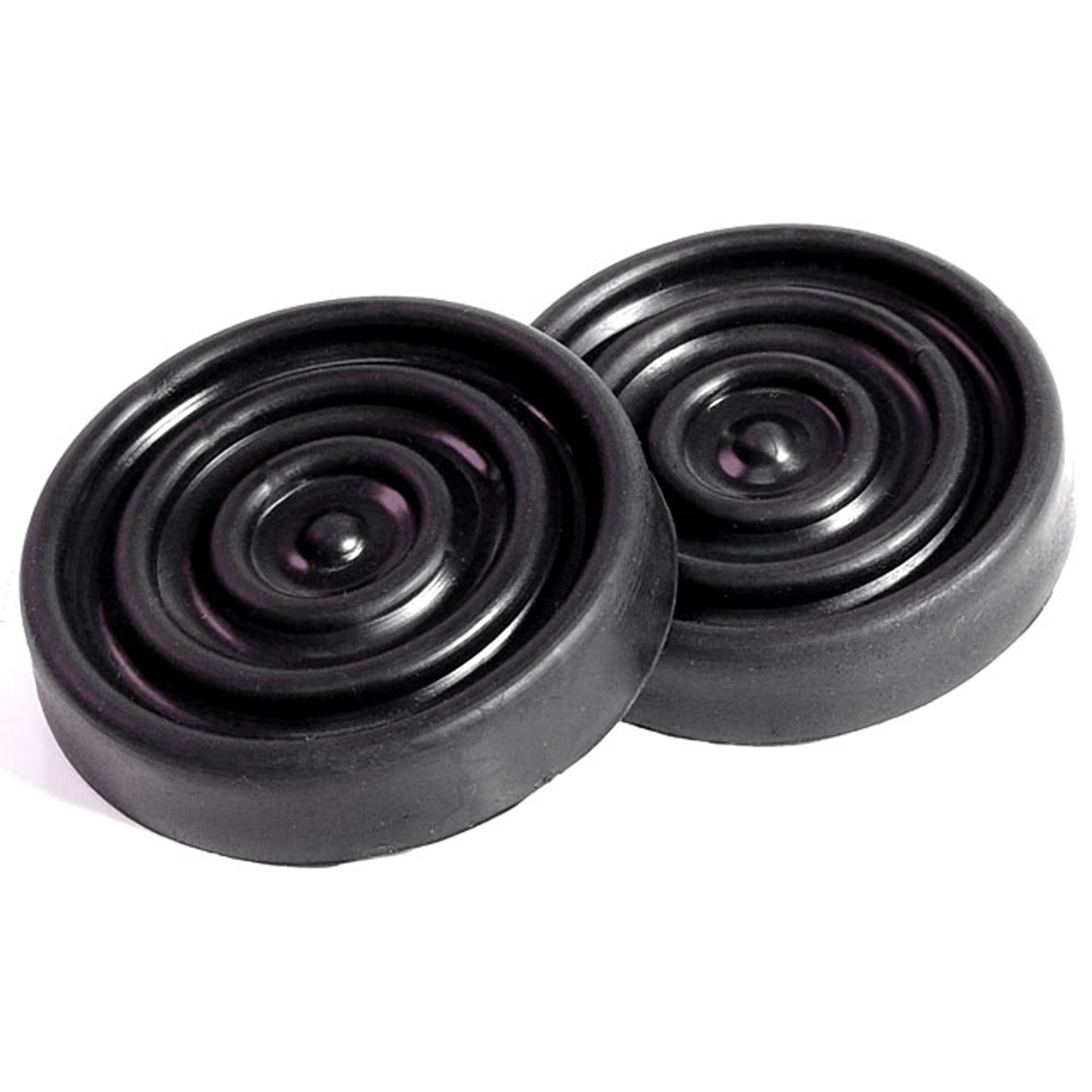 1951 Ford F1 Clutch and Brake Pedal Pads-CB 106Clutch and Brake Pedal Pads. Made with molded steel core and threaded stud. 3" diameter. Pair
 1951 Ford F1 Headlight Assembly Housing Gasket. 8-5/8" O.D., 8" I.D-HR 11Headlight Assembly Housing Gasket. 8-5/8" O.D., 8" I.D. Pair
 1951 Ford F1 Door Weatherstrip Set Fits 48-52 Ford Trucks-LM 48This Door Weatherstrip Set is designed from the original parts for superior fitment and seal. These primary door weatherstrips mount (glue-on) directly to the left and right doors sealing the full perimeter of the doors against the vehicle body when the door is closed. Made of high quality EPDM sponge rubber to ensure a durable positive seal. Fitment Note Note: This set does both doors - Front, Top and Back. The lower door weatherstrip is included.
 1951 Ford F1 Clutch and Brake Arm Bumpers. Top quality reproduction-RP 31-KClutch and Brake Arm Bumpers. Top quality reproduction. Pair
 1951 Ford F1 Wiper Motor Control Wire Grommet. Each-SB 107Wiper Motor Control Wire Grommet. Each
 1951 Ford F1 Hood Bumpers. 3/8" O.D., 3/4" Long. Set of four-SB 900Hood Bumpers. 3/8" O.D., 3/4" Long. Set of four
 1951 Ford F1 Special Purpose Grommet. Main wiring loom. 1-9/16" O.D-SM 78Special Purpose Grommet. Main wiring loom. 1-9/16" O.D., 1/2" hole. Each
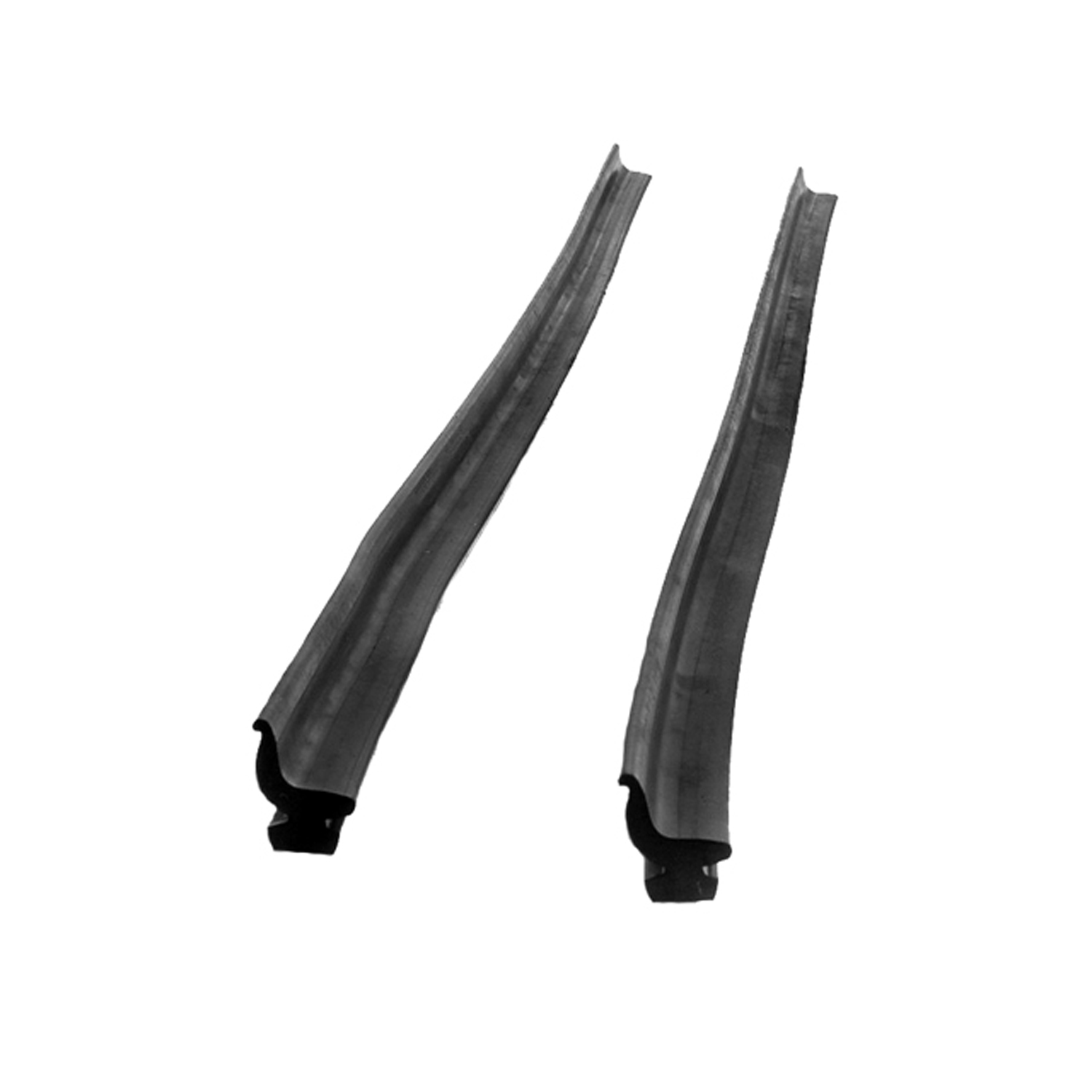 1951 Ford F1 Rear roll-up Seal. Two 18" sections sliced into metal track-VS 4Rear roll-up Seal. Two 18" sections sliced into metal track. this foot with no steel insert. Pair
Why Choose Metro?
For over 100 years, Metro Moulded Parts has been the pinnacle of quality in classic car restoration parts. Our commitment to precision and authenticity in every component ensures a perfect fit and an OEM-level appearance.
- Expert Craftsmanship & Quality: Each part is a testament to our dedication to reliability and perfection, crafted from original designs and thoroughly tested.
- Advanced Technology: We use cutting-edge techniques to create flawless, long-lasting parts that surpass others in performance.
- SuperSoft Sponge – The Ultimate Door Seal: Not only are our door seals 30% softer than competitors', but they're also guaranteed to never leak. They effectively reduce wind and road noise, enhancing your classic car's comfort and driving experience.
- Proudly American: Our parts are a product of American craftsmanship, made in the USA with a spirit of excellence and heritage.
- Unrivaled Warranty: We back our products with a 30-year industry-leading warranty, a testament to our confidence in their quality.
Join us in preserving the legacy of classic cars with parts that are crafted for perfection, not just made.