

Image of 1952 Ford Country Sedan, Note: These illustrations use artistic license and may differ from actual historical models.
Performance Metrics
Fundamental Metrics
Emotional Appeal
MMP Rating
| Engine Specifications | |
|---|---|
| Engine: | Ford Flathead V8 |
| Displacement: | 239 cubic inches |
| Horsepower: | Estimated 100-110 hp |
| Torque: | 193 lb-ft |
| Compression Ratio: | 6.8:1 |
| Ignition System: | Distributor and coil |
| Cooling System: | Water-cooled |
| Performance Specifications | |
| 0-60 Time: | Estimated 20 seconds |
| 1/4 Mile Time: | Not available |
| Top Speed: | 80 mph |
| Transmission and Drive | |
| Drive Type: | Rear-wheel drive |
| Transmission Type: | 3-speed manual |
| Fuel and Efficiency | |
| Fuel System Type: | Carburetor |
| MPG: | Estimated 15-20 mpg |
| Dimensions and Brakes | |
| Brakes: | Drum brakes |
| Wheelbase: | 115 inches |
| Weight: | 3,200 lbs |
Note: Specifications for classic cars are given to the best of our ability, considering the limited and variant data available.
1952 Ford Country Sedan: The Practical Postwar Classic
The 1952 Ford Country Sedan turned the family station wagon into a confident, modern-looking member of the Ford lineup, pairing useful room for passengers and luggage with the fresh styling of Ford’s redesigned postwar cars. Built by the Ford Motor Company in the United States, it sat between the plain, two-door Ranch Wagon and the wood-trimmed Country Squire. Its all-steel body gave buyers wagon utility without the upkeep associated with traditional wood-bodied wagons.
The Country Sedan arrived as American families were embracing road trips, suburban life, and the freedom of owning a car that could do more than commute. Ford’s 1952 range brought a major styling update, and the wagon carried that new look into a fast-growing market. One appealing bit of context: the Country Sedan’s restrained appearance was part of its appeal. It offered four-door access and a full-size cargo area without the decorative wood exterior that made the Country Squire such an unmistakable status wagon.
Steel-Wagon Styling and Cabin Details
Ford’s 1952 design looked lower, longer, and broader than the cars it replaced. The Country Sedan wore a wide, horizontal grille, rounded front fenders, a sculpted hood, and clean side panels. Its long roof and upright rear section made the wagon’s purpose obvious, while bright trim added polish without overwhelming the practical shape. The all-steel body sides were a key visual distinction from the Country Squire’s simulated wood treatment.
Inside, the Country Sedan was designed for family use rather than luxury-car drama. The cabin used durable upholstery, painted metal surfaces, and straightforward controls. Materials and trim varied with equipment and finish, but the overall character was sturdy and serviceable. Its four-door layout made it easier for passengers to climb into the rear seat than in the two-door Ranch Wagon, and the folding or removable rear-seat arrangement provided flexibility for carrying bulky loads. Seating capacity depended on configuration; buyers could choose a standard passenger layout or, where offered, an additional rear-facing seat.
Ford’s 1952 palette included a range of solid colors and two-tone combinations, with availability depending on trim and production choices. Dark blue, green, black, and lighter neutral shades all suited the wagon’s clean lines. A two-tone car can be especially striking today, though original paint charts and trim codes are the best way to confirm whether a particular combination is correct for a car.
The Country Sedan was part of a three-wagon family. The Ranch Wagon was the simpler two-door choice, the Country Sedan brought four-door convenience and an all-steel exterior, and the Country Squire added wood-style trim for a more upscale look. For many families, the Country Sedan was the sweet spot: practical, roomy, and more accessible than the top-trim wagon.
What Made the 1952 Ford Different
The Country Sedan’s importance is less about a single breakthrough than what it represented. Ford was refining the station wagon into a mass-market, all-steel family vehicle at a time when buyers wanted more comfort and versatility. Earlier wood-bodied wagons required specialized care, while steel-bodied models could be produced and maintained more like ordinary passenger cars. The Country Sedan helped make that practical format feel stylish rather than purely utilitarian.
It also reflected a new approach to the wagon lineup. Ford offered shoppers clear choices in price and appearance, from a basic two-door model to a more richly dressed four-door. That formula helped establish the station wagon as a normal part of the American family-car range. The Country Sedan did not invent the modern wagon, but it was a strong example of how Detroit made the body style more accessible and appealing.
Flathead Power and Road Manners
Two engines were commonly available. The standard Mileage Maker inline-six displaced 215.3 cubic inches and was rated at about 101 horsepower. The optional 239.4-cubic-inch flathead V8 produced roughly 110 horsepower. A three-speed manual transmission was standard, while Ford’s two-speed Fordomatic automatic was available. Exact equipment can vary by car, so engine and transmission details should be checked against the vehicle’s identification and documentation.
Ford did not publish a single universally applicable 0-to-60-mph figure for every Country Sedan combination. Period performance and modern estimates suggest that a V8 example typically needs roughly 17 to 20 seconds to reach 60 mph, while a six-cylinder car is generally slower. A sound, properly tuned V8 wagon may reach an estimated top speed in the neighborhood of 85 to 90 mph, but gearing, condition, load, and tires make a substantial difference. These are relaxed highway-era family cars, not modern fast movers.
On the road, the Country Sedan feels substantial and unhurried. Its long wheelbase helps it settle over ordinary bumps, though worn shocks, tired springs, and old bias-ply tires can make a surviving example float or wander. The steering is not quick by modern standards, and a tall wagon body leans noticeably through tight corners. On winding roads, smooth inputs suit the car best. In crosswinds, the broad sides and high roof can demand steady corrections from the driver.
The flathead V8 gives the car its classic soundtrack: a mellow, even burble that grows more pronounced under acceleration. The six is quieter and economical in character, but has less reserve when the wagon is loaded. The driving experience is tactile and direct, with a large steering wheel, simple instruments, and a sense of mechanical connection that modern cars largely filter out. It is happiest cruising at a measured pace with the family or a load of weekend gear aboard.
Living with a Country Sedan
Today, a 1952 Country Sedan is most often enjoyed as a weekend driver, a show-and-shine classic, or a nostalgic road-trip car. It is not typically a racing platform, and its age makes regular high-speed commuting a demanding proposition. A well-sorted example can still handle local driving and leisurely tours, provided its brakes, cooling system, tires, and steering components are in sound condition.
Routine mechanical work is approachable for an owner with basic skills. The flathead V8 and six-cylinder engines are familiar to vintage Ford specialists, and many service parts remain available through classic-car suppliers. The bigger challenges are often body and trim related. Rust can hide in floors, rocker panels, wheel openings, and lower body sections, while wagon-specific glass, tailgate hardware, interior pieces, and brightwork may take patience to find. A complete, solid car is usually a better starting point than a cheap project missing unique parts.
Reliability depends more on condition and maintenance than on the model name. A rebuilt engine does not guarantee a dependable car if the electrical system, fuel delivery, brakes, or cooling system have been neglected. Before a long trip, inspect the charging system, hoses, belts, wheel bearings, and brake hydraulics. For regular modern-road use, an owner may also consider discreet upgrades such as improved seat belts or a carefully planned electrical conversion, while keeping original components if authenticity matters.
Country Sedan Facts and Common Complaints
The Country Sedan was not a special high-performance edition, and there is no famous speed or endurance record attached to the model. Its claim to fame is more everyday: it represents the era when the American station wagon became a mainstream family vehicle. No reliable production total is consistently cited across all sources, but a reasonable estimate for 1952 Country Sedan production is roughly 40,000 to 50,000 cars. That makes it uncommon today, especially as a complete, well-preserved wagon, but not a one-off rarity.
There is no widely documented celebrity ownership story that defines the 1952 model. Its broader cultural significance comes from the role cars like it played in postwar family life: carrying children, luggage, camping equipment, and the occasional oversized purchase. The Country Sedan’s straightforward steel body also made it a practical alternative to the wood-trimmed Country Squire for buyers who valued utility over showy trim.
Common criticisms are familiar to anyone who drives a car from the early 1950s. Acceleration is modest, fuel economy is poor by modern standards, braking distances are long, and the handling feels soft compared with a contemporary sedan. The cabin is also short on modern conveniences, and wagon-specific restoration parts can be difficult to source. Those drawbacks are part of the bargain: this is a classic to enjoy at its own pace, not a substitute for a new family SUV.
1952 Ford Country Sedan Values
Prices vary widely with rust, completeness, originality, mechanical condition, and the quality of any restoration. As a broad U.S. market estimate for 2026, a rough project might sell for about $4,000 to $10,000. A usable driver in fair-to-good condition may fall around $12,000 to $25,000, while a very good restored or exceptionally well-preserved example can bring roughly $25,000 to $45,000. Outstanding restorations or unusually original cars may exceed that range, but they need strong condition and documentation to justify a premium.
The Country Sedan is generally a niche collector car rather than a blue-chip investment. Values have tended to reward solid, complete wagons, but prices can fluctuate with broader classic-car demand and the cost of restoration. Interest in vintage wagons supports the model, while the expense of bodywork and hard-to-find trim can limit the value of rough projects. A buyer should prioritize condition and provenance over predictions of rapid appreciation.
Survivors are less common than production numbers alone suggest. Wagons often worked hard, spent years outdoors, or were modified for utility, so finding a rust-free example with intact interior and correct trim takes effort. Still, the Country Sedan is usually more attainable than the most celebrated wood-trimmed wagons, and patient shoppers can find cars in a range of conditions.
A Classic Ford Built for Real Life
The 1952 Ford Country Sedan combined fresh postwar styling, all-steel practicality, a choice of six-cylinder or flathead V8 power, and the flexibility families wanted from a full-size wagon. It was not the fastest or most luxurious Ford of its day, but it offered an appealing balance between everyday usefulness and unmistakable early-1950s character. More than seven decades later, its long roof and honest, work-ready design still tell the story of an American classic built to carry people and their lives along for the ride.
1952 Ford Country Sedan Catalog of Parts
 1952 Ford Country Sedan Shock Absorber Grommet. 1" bottom O.D-BN 11Shock Absorber Grommet. 1" bottom O.D., 3/4" high, with 5/8" I.D. Each
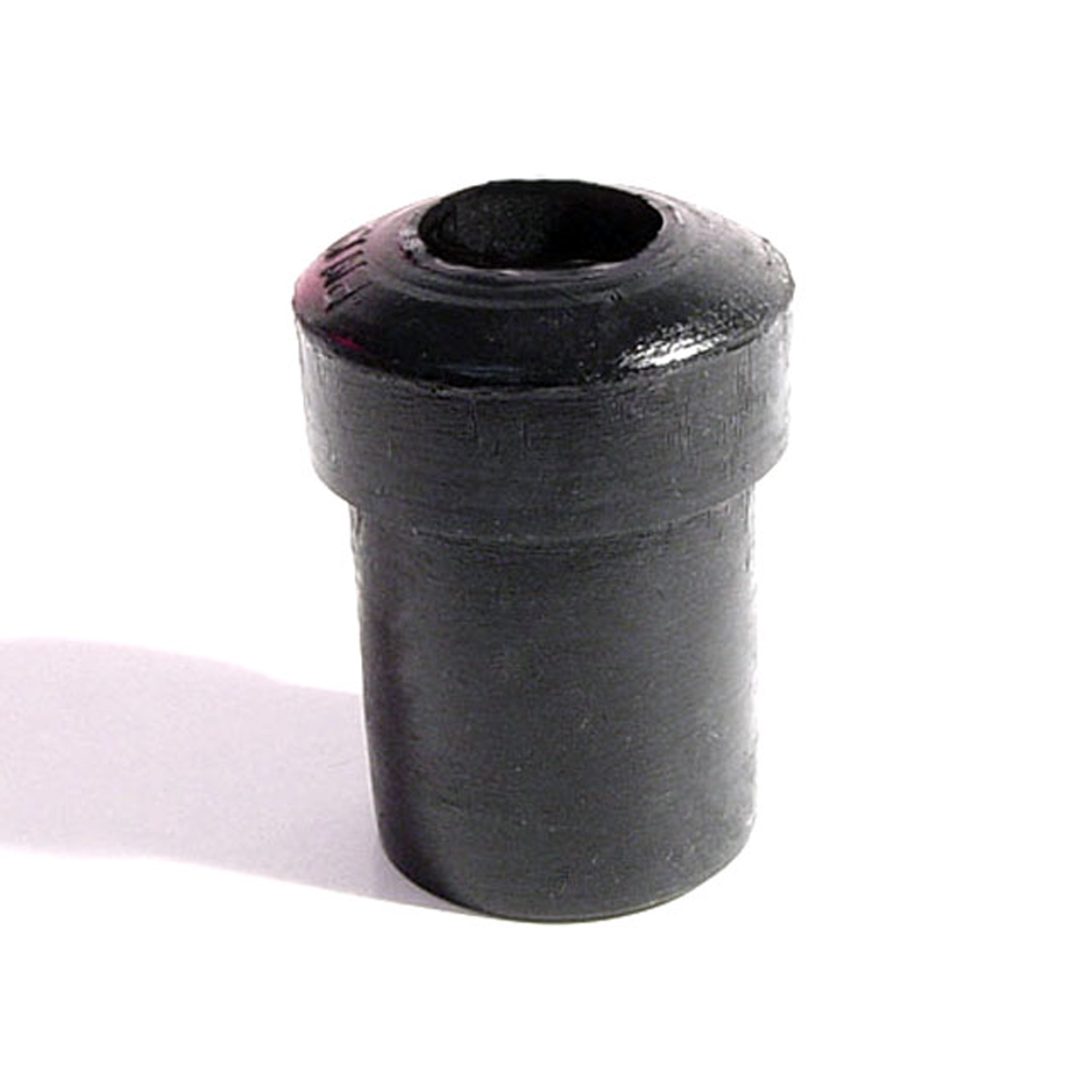 1952 Ford Country Sedan Spring and Shackle Bushing. 7/8" bottom O.D-BN 19Spring and Shackle Bushing. 7/8" bottom O.D. X 1-1/4" high, with 1/2" I.D. Each
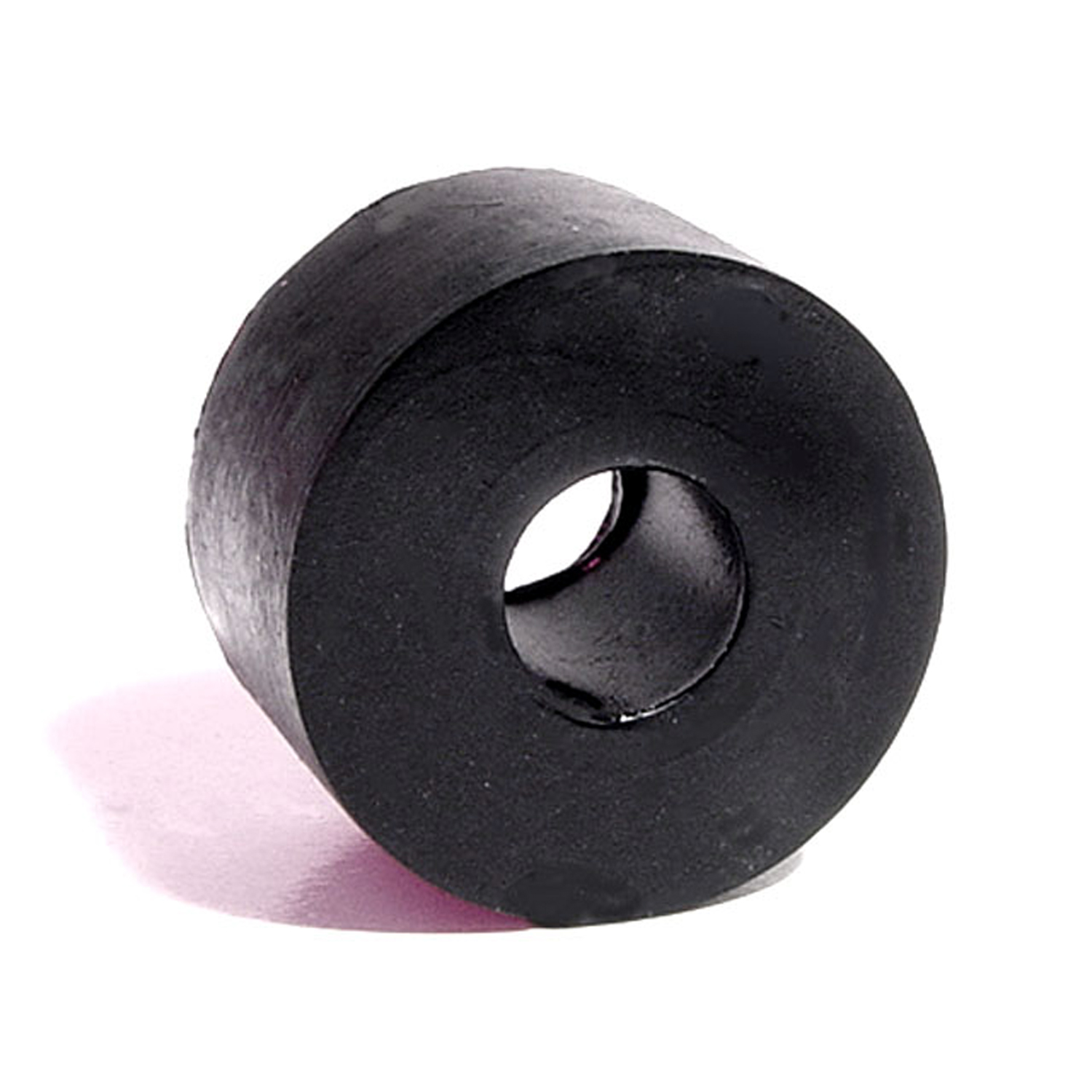 1952 Ford Country Sedan Shock Absorber Grommet. 1" bottom O.D-BN 6Shock Absorber Grommet. 1" bottom O.D. X 1/2" high, with 3/8" I.D. Each
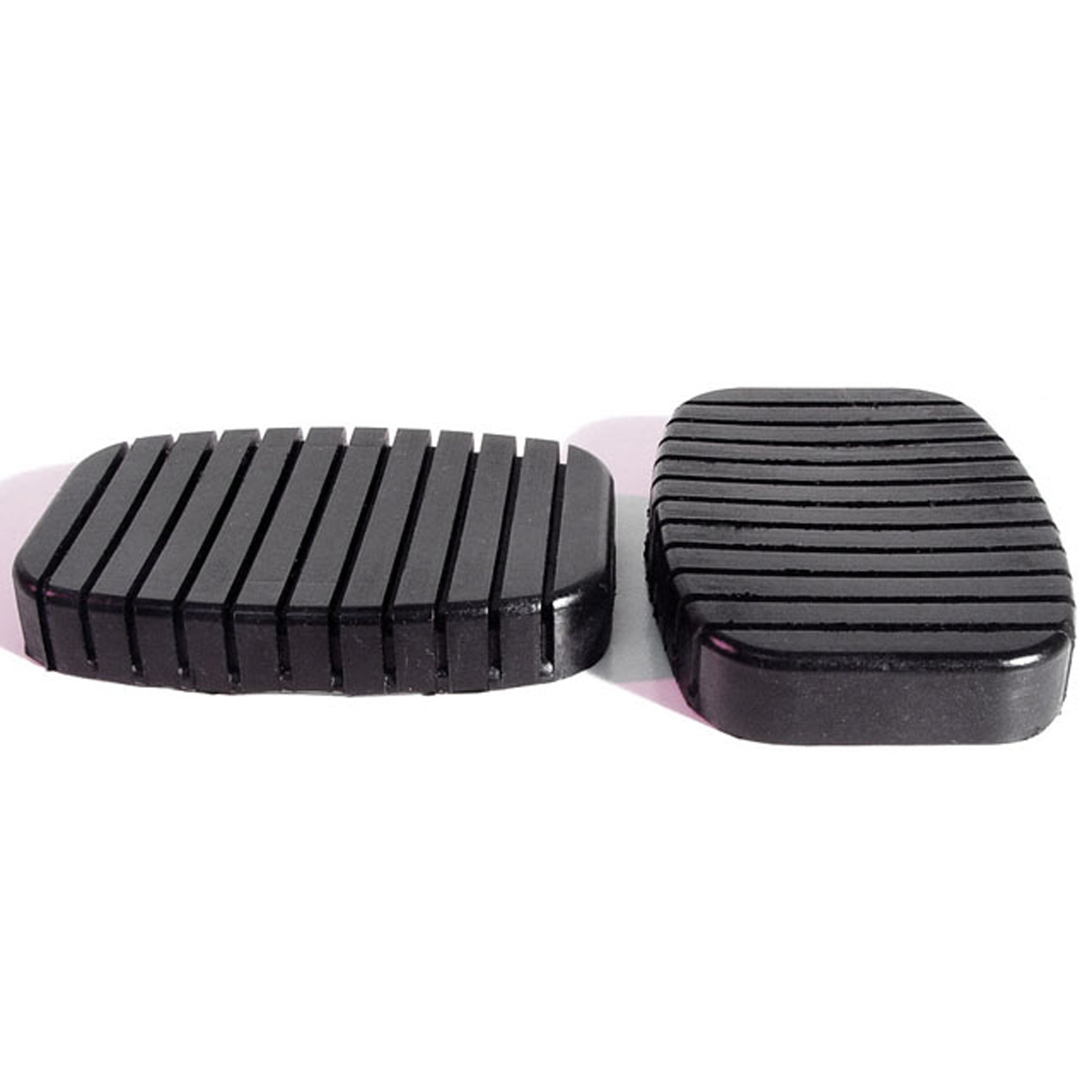 1952 Ford Country Sedan Clutch and Brake Pedal Pads-CB 90-BClutch and Brake Pedal Pads. For models with standard transmission. 2-1/4" wide X 3-1/4" long. Pair
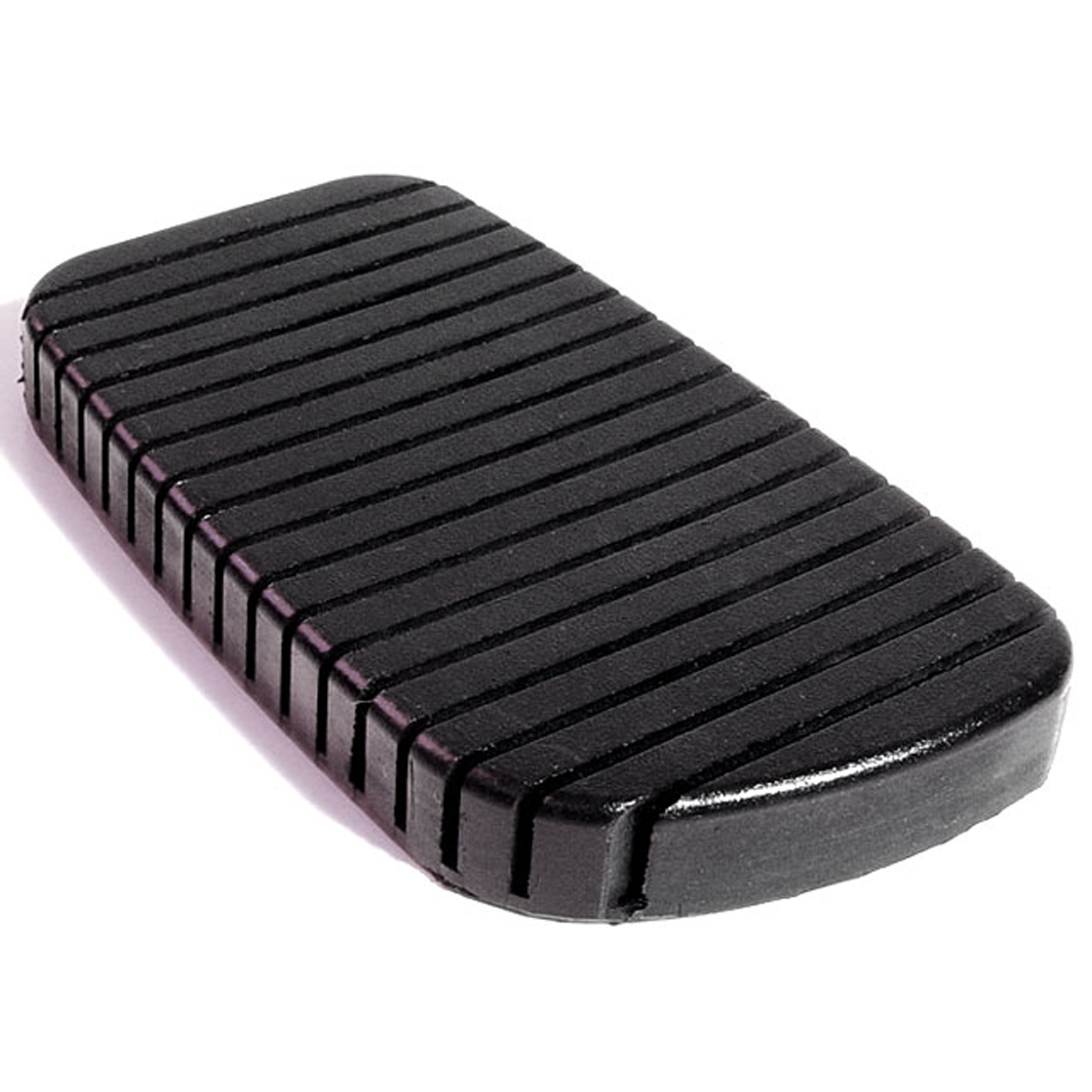 1952 Ford Country Sedan Brake Pedal Pad. Correct reproduction of a difficult part-CB 90-CBrake Pedal Pad. Correct reproduction of a difficult part. 2-1/2" wide X 4-1/2" long. Each
 1952 Ford Country Sedan Hood Bumper. Each-HF 8Hood Bumper. Each
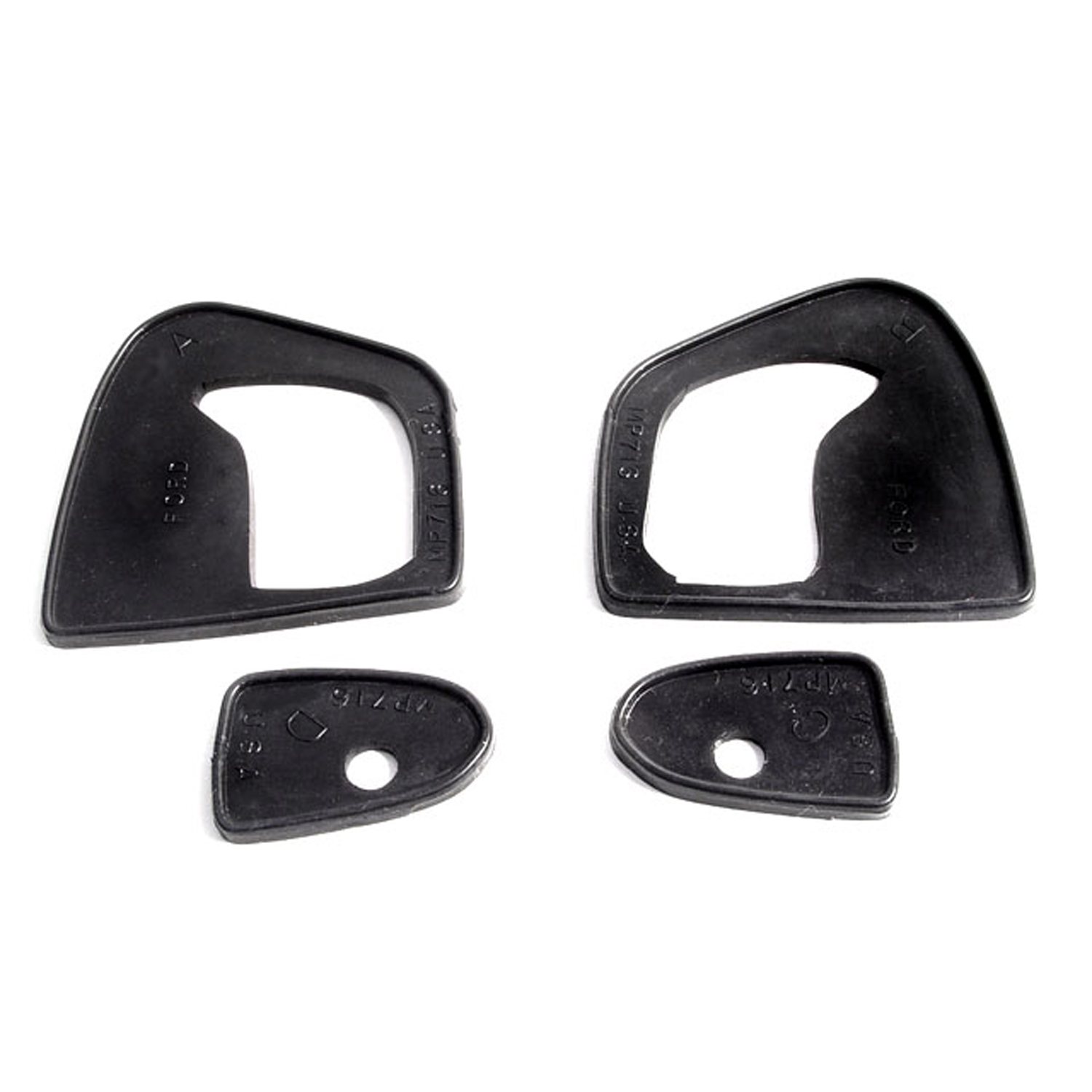 1952 Ford Country Sedan Door Handle Pads. 2-1/2" long & 1-1/2" long. Set R&L-MP 716Door Handle Pads. 2-1/2" long & 1-1/2" long. Set R&L
 1952 Ford Country Sedan Tail-light Pads. 6-1/2" O.D. Pair-MP 785Tail-light Pads. 6-1/2" O.D. Pair
 1952 Ford Country Sedan Clutch and Brake Arm Bumpers. Top quality reproduction-RP 31-KClutch and Brake Arm Bumpers. Top quality reproduction. Pair
 1952 Ford Country Sedan Hood Bumpers. 3/8" O.D., 3/4" Long. Set of four-SB 900Hood Bumpers. 3/8" O.D., 3/4" Long. Set of four
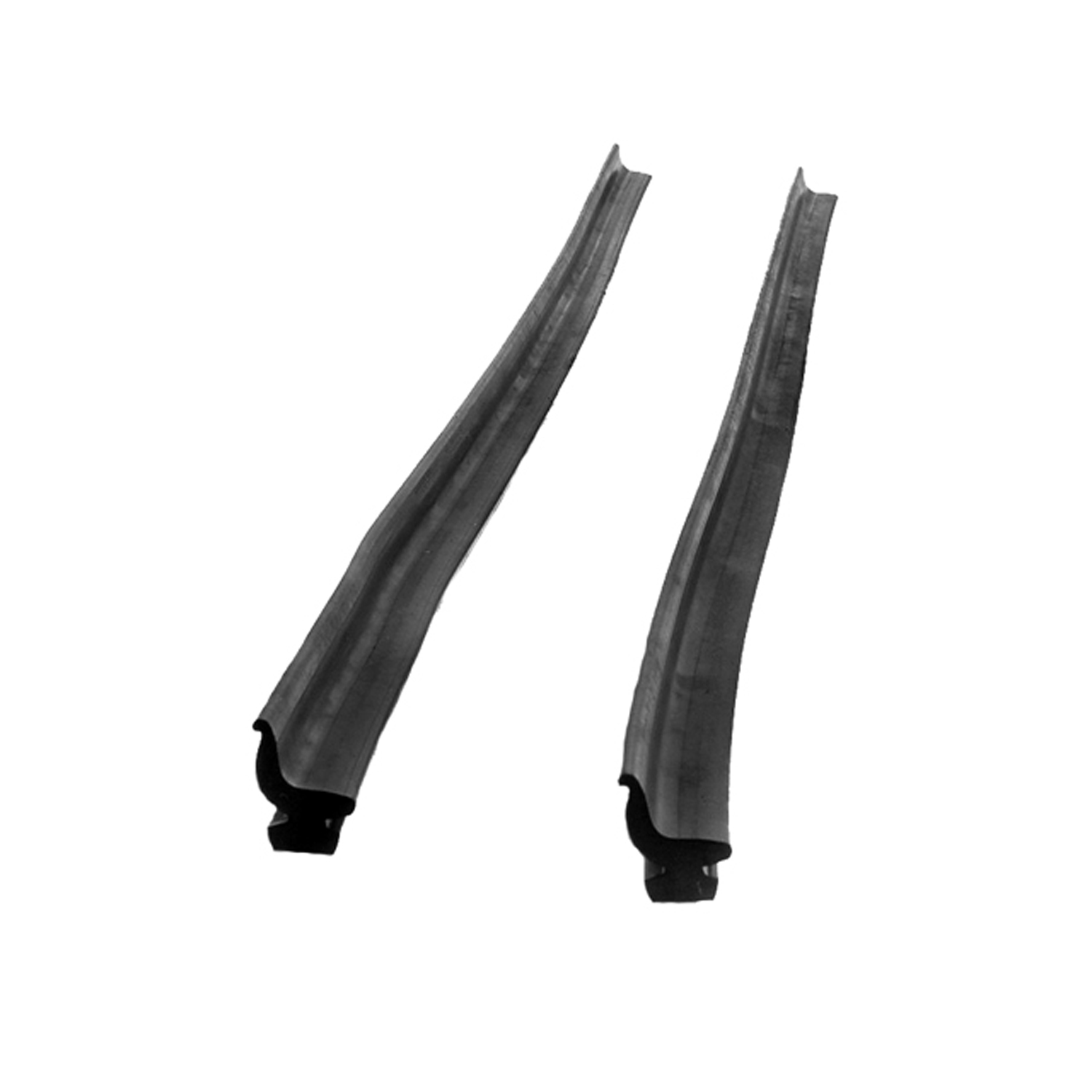 1952 Ford Country Sedan Rear roll-up Seal. Two 18" sections sliced into metal track-VS 4Rear roll-up Seal. Two 18" sections sliced into metal track. this foot with no steel insert. Pair
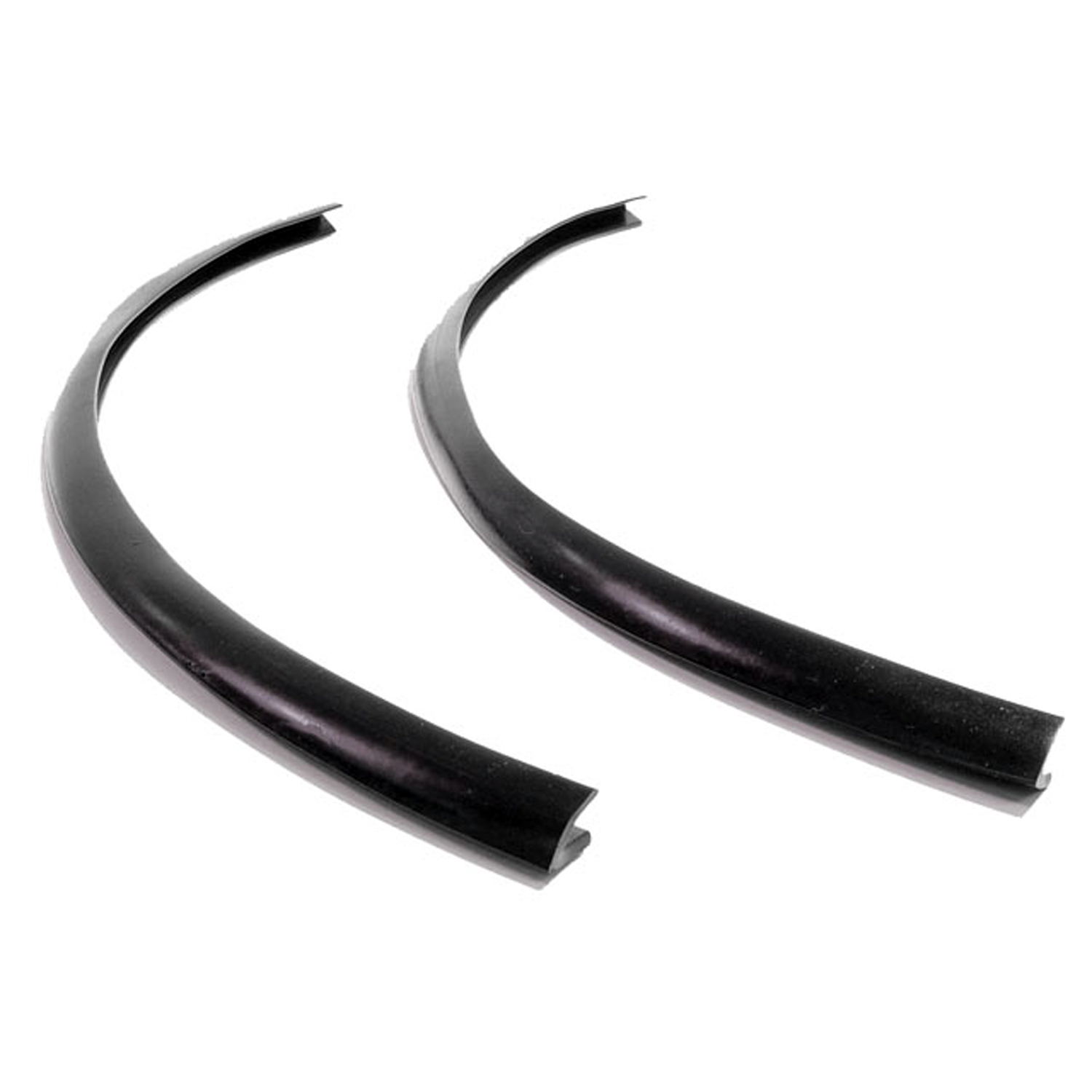 1952 Ford Country Sedan Vertical Seals for Vent Window. Each piece is 17" long-VS 6Vertical Seals for Vent Window. Each piece is 17" long. Pair
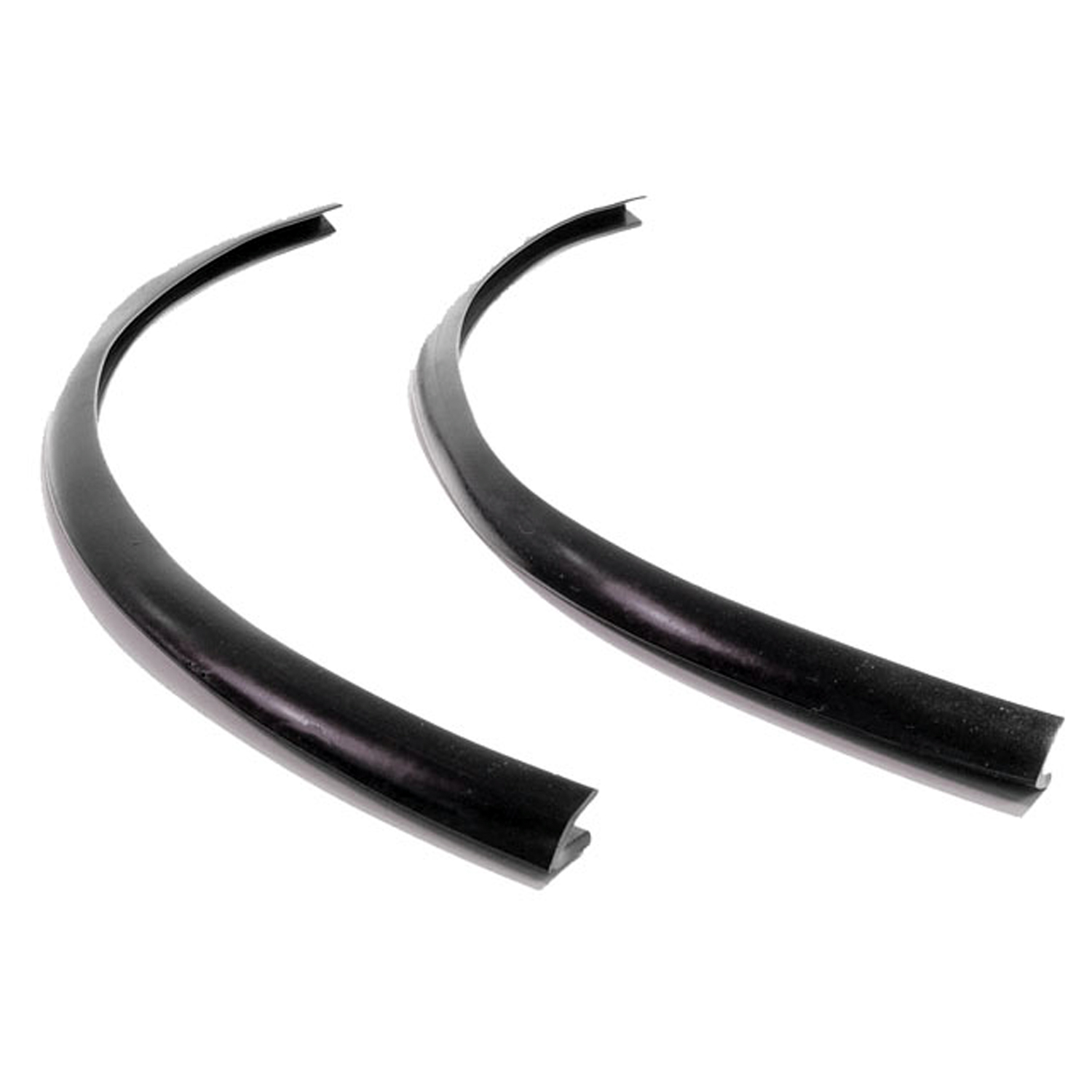 1952 Ford Country Sedan Vertical Seal for Vent Window. Sold by the foot.-VS 6/FTVertical Seal for Vent Window. Sold by the foot.
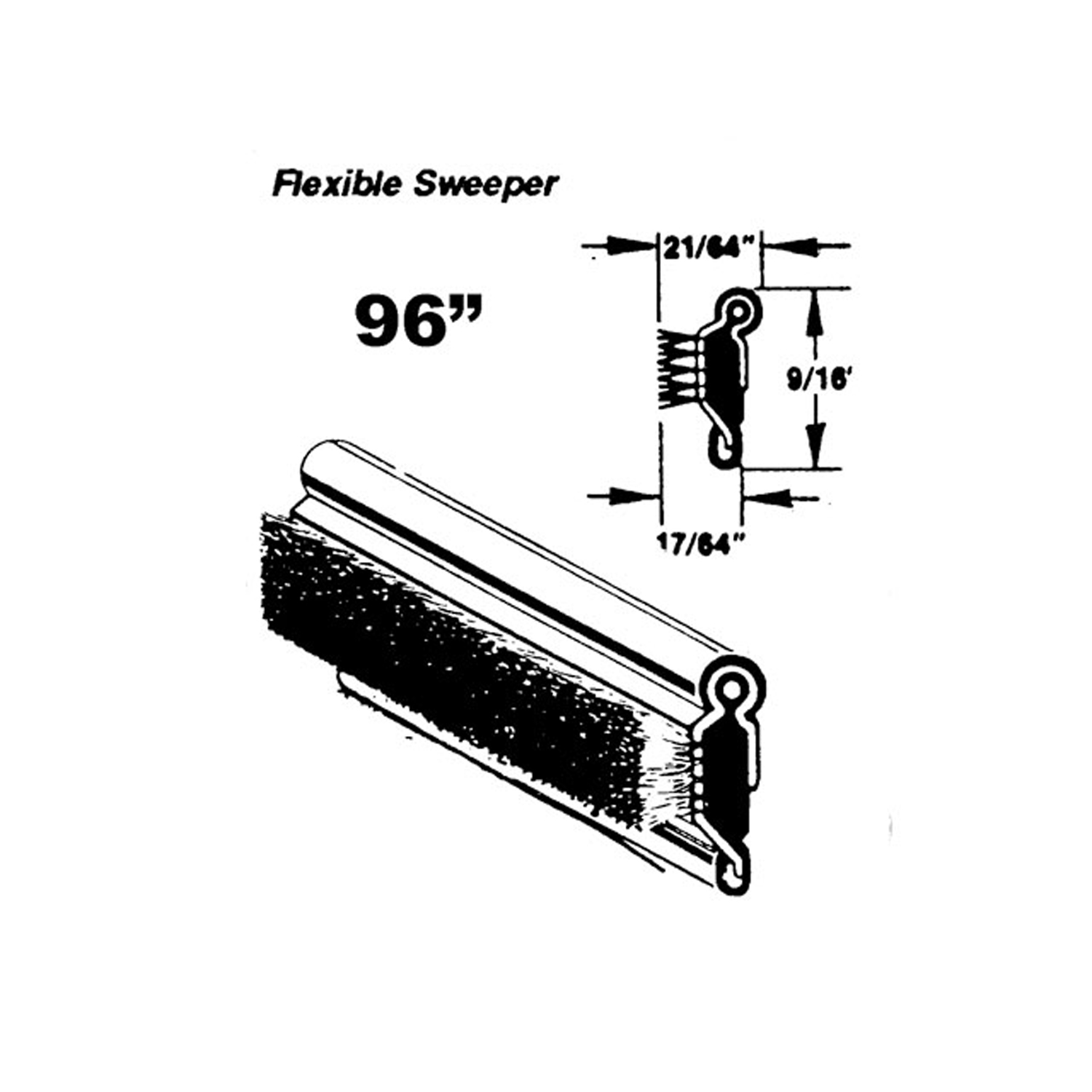 1952 Ford Country Sedan Flexible window sweeper. Made with stainless steel bead-WC 7-96Flexible window sweeper. Made with stainless steel bead. 96 in. long. Each. NOTE: $20 special shipping charge applies for domestic orders. Call or email for overseas shipping costs. Part can be sectioned in two or three equal lengths to reduce overseas shipping costs.
 1952 Ford Country Sedan Front Suspension Bumper. For lower arm. 2" O.D-XB 22Front Suspension Bumper. For lower arm. 2" O.D., 2-1/8" high. Each
Why Choose Metro?
For over 100 years, Metro Moulded Parts has been the pinnacle of quality in classic car restoration parts. Our commitment to precision and authenticity in every component ensures a perfect fit and an OEM-level appearance.
- Expert Craftsmanship & Quality: Each part is a testament to our dedication to reliability and perfection, crafted from original designs and thoroughly tested.
- Advanced Technology: We use cutting-edge techniques to create flawless, long-lasting parts that surpass others in performance.
- SuperSoft Sponge – The Ultimate Door Seal: Not only are our door seals 30% softer than competitors', but they're also guaranteed to never leak. They effectively reduce wind and road noise, enhancing your classic car's comfort and driving experience.
- Proudly American: Our parts are a product of American craftsmanship, made in the USA with a spirit of excellence and heritage.
- Unrivaled Warranty: We back our products with a 30-year industry-leading warranty, a testament to our confidence in their quality.
Join us in preserving the legacy of classic cars with parts that are crafted for perfection, not just made.