

Image of 1952 Ford Ranch Wagon, Note: These illustrations use artistic license and may differ from actual historical models.
Performance Metrics
Fundamental Metrics
Emotional Appeal
MMP Rating
| Engine Specifications | |
|---|---|
| Engine: | Inline 6, V8 |
| Displacement: | 215-239 cu in |
| Horsepower: | 101-110 hp |
| Torque: | 180-190 lb-ft |
| Compression Ratio: | 6.8:1 (for the V8) |
| Ignition System: | Distributor and coil |
| Cooling System: | Liquid-cooled |
| Performance Specifications | |
| 0-60 Time: | Estimated 20 seconds |
| 1/4 Mile Time: | Estimated 23 seconds |
| Top Speed: | 75-80 mph |
| Transmission and Drive | |
| Drive Type: | Rear-wheel drive |
| Transmission Type: | 3-speed manual |
| Fuel and Efficiency | |
| Fuel System Type: | Carburetor |
| MPG: | Estimated 15-20 mpg |
| Dimensions and Brakes | |
| Brakes: | Drum brakes |
| Wheelbase: | 114 inches |
| Weight: | 3,200 lbs |
Note: Specifications for classic cars are given to the best of our ability, considering the limited and variant data available.
1952 Ford Ranch Wagon: The Practical Classic That Made Wagons Cool
The 1952 Ford Ranch Wagon turned the family station wagon into something simpler, sturdier, and more stylish: an all-steel Ford with room for people and cargo, but without the premium trim and price of a luxury wagon. It arrived as part of Ford’s completely redesigned 1952 lineup and became the entry point to the company’s new station-wagon range.
Built by the Ford Motor Company in the United States, the Ranch Wagon was a two-door, full-size wagon related to Ford’s Mainline passenger cars. Its timing was significant. American families were buying more cars, suburbs were expanding, and station wagons were becoming essential for school runs, vacations, and work. Ford gave buyers a practical alternative to the costlier, wood-trimmed Country Squire and the four-door Country Sedan.
One detail that makes the Ranch Wagon especially interesting is its place in Ford history: the 1952 model was the first Ranch Wagon. It also debuted in the same model year that Ford introduced ball-joint front suspension across its passenger-car line, a major engineering change that helped modernize the way the car rode and steered.
1952 Ranch Wagon Design and Styling
The Ranch Wagon wore Ford’s new-for-1952 styling, with rounded front fenders, a broad horizontal grille, a prominent hood, and a clean, purposeful profile. Its proportions were unmistakably early-1950s American: generous in length, upright in the cabin, and shaped around a full-size chassis. The wagon body added a long roof and an expansive rear cargo area without making the car look like a delivery vehicle.
Unlike the wood-bodied wagons that had helped establish the body style’s image, the Ranch Wagon used an all-steel body. That meant a more uniform appearance and less concern about maintaining exposed structural wood. The rear opening made it useful for bulky loads, while the wagon’s relatively straightforward trim kept its look workmanlike rather than ornate.
Ford offered the 1952 Ranch Wagon in a range of factory paint colors, with availability depending on the production period and equipment. Buyers could choose from solid colors and, where offered, two-tone combinations. Black, dark blue, green, red, and light cream or gray tones suit the car’s period character particularly well. A buyer seeking an authentic restoration should check the vehicle’s paint code and original build records rather than assume a color based on a surviving example.
Cabin, Materials, and Practical Features
The interior was designed for regular use, not luxury-car ceremony. Durable cloth and vinyl-type upholstery, painted metal surfaces, a broad bench seat, and a simple instrument panel gave the cabin a practical, easy-to-clean feel. Ford’s materials were appropriate to an affordable wagon, though surviving cars vary widely after decades of repairs and retrimming.
The dashboard kept the essential controls close to the driver, with a straightforward arrangement of gauges, switches, and a large steering wheel. The Ranch Wagon’s two-door layout meant rear-seat passengers entered through the front doors and folded or moved the front seat forward. That arrangement was less convenient than a four-door wagon, but it helped keep the model affordable and gave it a distinctive profile.
Its most important feature was space. The rear seat and cargo area could handle luggage, groceries, camping supplies, tools, or a combination of passengers and gear. The wagon’s steel construction also made it a sensible choice for owners who wanted utility without the upkeep associated with traditional wood-bodied designs.
Engines, Options, and Model Choices
The Ranch Wagon was offered with Ford’s 215-cubic-inch L-head inline-six, rated at about 101 horsepower, or the 239-cubic-inch flathead V8, rated at roughly 110 horsepower. Exact specifications can vary by source and configuration, but both engines were built for steady everyday service rather than high-revving performance.
A three-speed manual transmission was the conventional choice. Ford’s optional Fordomatic automatic transmission made the wagon easier to drive in traffic, and other equipment could vary by car and market. As with many early-1950s Fords, surviving examples may have been modified over the years, so engine, transmission, and trim should be confirmed rather than assumed from badges alone.
The Ranch Wagon itself was a two-door body style. Ford’s broader 1952 wagon lineup also included the four-door Country Sedan and the more upscale, wood-trimmed Country Squire. The Ranch Wagon is often the most appealing choice for buyers who like a clean, uncluttered wagon with a slightly sportier look, while the Country Squire is the most recognizable Ford wagon of the era.
Engineering and Historical Significance
Ford’s 1952 redesign was more than a styling refresh. The company introduced ball-joint front suspension on its passenger cars, replacing older front-suspension arrangements with a design that improved steering geometry and helped the car respond more predictably. Ball joints would become a standard feature of modern suspension systems, making this engineering change an important part of the Ranch Wagon’s story.
The Ranch Wagon also reflected the gradual transformation of the American station wagon. The body style was moving beyond its earlier association with wood-bodied, specialized vehicles and becoming a more regular part of the family-car market. Ford’s all-steel, relatively affordable Ranch Wagon helped make wagon practicality accessible to a wider group of buyers.
What set it apart from many contemporaries was the combination of full-size comfort, useful cargo capacity, and lower-key trim. It was not as luxurious as a top-tier wagon, nor as easy to access as a four-door model. Instead, it occupied a useful middle ground: spacious, sturdy, and comparatively straightforward. That formula helped establish the Ranch Wagon name, which Ford would continue to use in later model years.
Performance and Driving Feel
Period performance figures vary with engine, transmission, axle ratio, vehicle condition, and test method. As a reasonable real-world estimate, a healthy V8 Ranch Wagon might reach 60 mph in roughly 15 to 18 seconds, while the six-cylinder version could take around 19 to 23 seconds. Top speed is generally best thought of as approximately 80 to 90 mph for a sound car, though cruising comfortably at those speeds is a different matter.
The flathead V8 delivers a low, even rumble and a relaxed pull at ordinary road speeds. The six-cylinder is quieter and more modest, but well suited to steady driving and light-duty use. Neither engine makes the Ranch Wagon a quick car by modern standards. The experience is about smooth, unhurried progress, not rapid acceleration.
On smooth roads, the Ranch Wagon feels substantial and comfortable. Its long wheelbase and period suspension help it absorb ordinary bumps, though worn springs, tired shocks, loose steering components, or old tires can make a survivor feel less composed. On winding roads, the car’s size, body roll, and period steering remind the driver to take a measured pace. Crosswinds and rough pavement call for a firm but relaxed grip on the large steering wheel.
The overall experience is wonderfully mechanical. The driver feels the road through the steering and suspension, hears the engine working, and operates controls that require more physical input than those in a modern car. A properly maintained example can be enjoyable on local roads and scenic drives, but it is not designed to match contemporary cars for braking, crash protection, or high-speed stability.
Ownership, Reliability, and Maintenance
Most Ranch Wagons today are used as weekend drivers, show cars, and vintage touring vehicles. Some also serve as practical classics for owners who enjoy taking an old wagon to local events or using it for light hauling. It is not a natural racing platform, although the flathead V8 has a long history in American hot-rodding.
The mechanical layout is relatively accessible compared with that of many later vehicles. The flathead V8 and side-valve six-cylinder engines are well understood by classic Ford specialists, and replacement parts and restoration knowledge remain available. Routine work such as ignition service, carburetor tuning, brake maintenance, and suspension repairs is manageable for an experienced home mechanic with the right tools and a workshop manual.
Age is the bigger challenge than inherent complexity. Buyers should inspect the frame, floor pans, rocker panels, body mounts, and lower sections of the doors for corrosion. They should also check the cooling system, electrical wiring, brakes, steering, and transmission. A car that starts easily may still need substantial work to become safe and dependable on the road.
Original parts and trim can be harder to source than common mechanical components, and wagon-specific body pieces may require patience. Before buying a project, compare the cost of bodywork, upholstery, glass, chrome restoration, and missing trim with the price of a more complete example. A low purchase price does not necessarily mean a low-cost restoration.
Ranch Wagon Trivia and Common Criticisms
The 1952 Ranch Wagon was the beginning of a long-running Ford nameplate, not a one-year experiment. Its two-door layout gives it a different character from the four-door wagons that many families preferred, and that same feature now makes it especially appealing to enthusiasts looking for a less common, more distinctive classic.
No widely recognized speed, endurance, or production record defines the 1952 Ranch Wagon. Its importance is more everyday than headline-grabbing: it helped bring practical all-steel wagon design to buyers who wanted utility without paying for Ford’s most elaborate wagon. Individual cars have appeared at classic-car shows, in period-inspired hot-rod builds, and in vintage advertising, but there is no single celebrity-owned example that defines the model’s reputation.
Common criticisms are easy to understand. The two-door body makes rear-seat access awkward, the cabin is basic compared with a Country Squire, and performance is modest by modern standards. The car also lacks modern safety equipment, including contemporary seat belts and crash structures. For many owners, though, those compromises are part of its honest, utilitarian character.
Collector Value and Availability
Exact production totals for individual 1952 Ranch Wagon configurations are not consistently reported in commonly available references. A reasonable working estimate is roughly 40,000 to 50,000 examples built, but that should be treated as an estimate rather than a confirmed factory figure. The model is not impossibly rare, yet clean, original cars are far less common than rough projects or modified examples.
In the U.S. market, a rusty or incomplete project might sell for approximately $8,000 to $15,000. A running driver in fair-to-good condition may fall around $18,000 to $35,000. A well-restored, attractive example can reach roughly $35,000 to $60,000, with exceptional cars potentially exceeding that range depending on originality, restoration quality, and buyer interest. These are broad estimates, not guaranteed sale prices, and regional condition and specification matter greatly.
Values have generally benefited from steady interest in postwar Fords, vintage wagons, and usable classics. The Ranch Wagon is not as universally sought after as a wood-trimmed Country Squire or a high-profile 1950s performance car, so price growth can be uneven. Strong, documented examples tend to hold attention better than incomplete projects, while costly restorations do not always return every dollar invested.
Why the 1952 Ford Ranch Wagon Still Matters
The 1952 Ford Ranch Wagon combined a full-size Ford platform, useful all-steel wagon bodywork, straightforward powertrains, and one of the era’s most important suspension updates. It gave families and tradespeople a practical way to carry passengers and cargo, while its cleaner trim and two-door shape kept it distinct from Ford’s more expensive wagons.
Today, the Ranch Wagon is a rewarding classic for someone who values character and utility over speed and modern convenience. It is a reminder that the family wagon was once a bold expression of postwar American life: roomy enough for a road trip, tough enough for daily chores, and stylish enough to become a classic in its own right.
1952 Ford Ranch Wagon Catalog of Parts
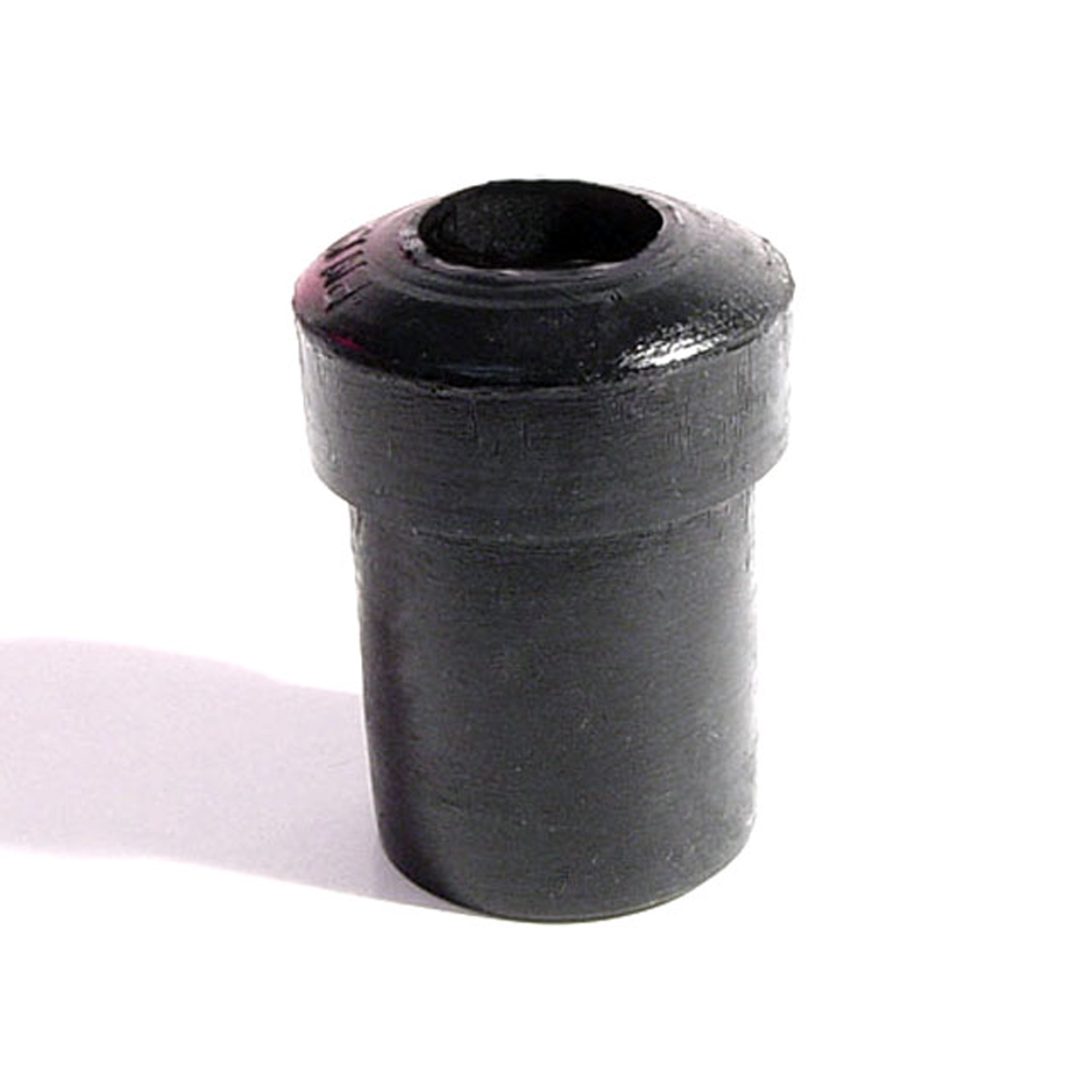 1952 Ford Ranch Wagon Spring and Shackle Bushing. 7/8" bottom O.D-BN 19Spring and Shackle Bushing. 7/8" bottom O.D. X 1-1/4" high, with 1/2" I.D. Each
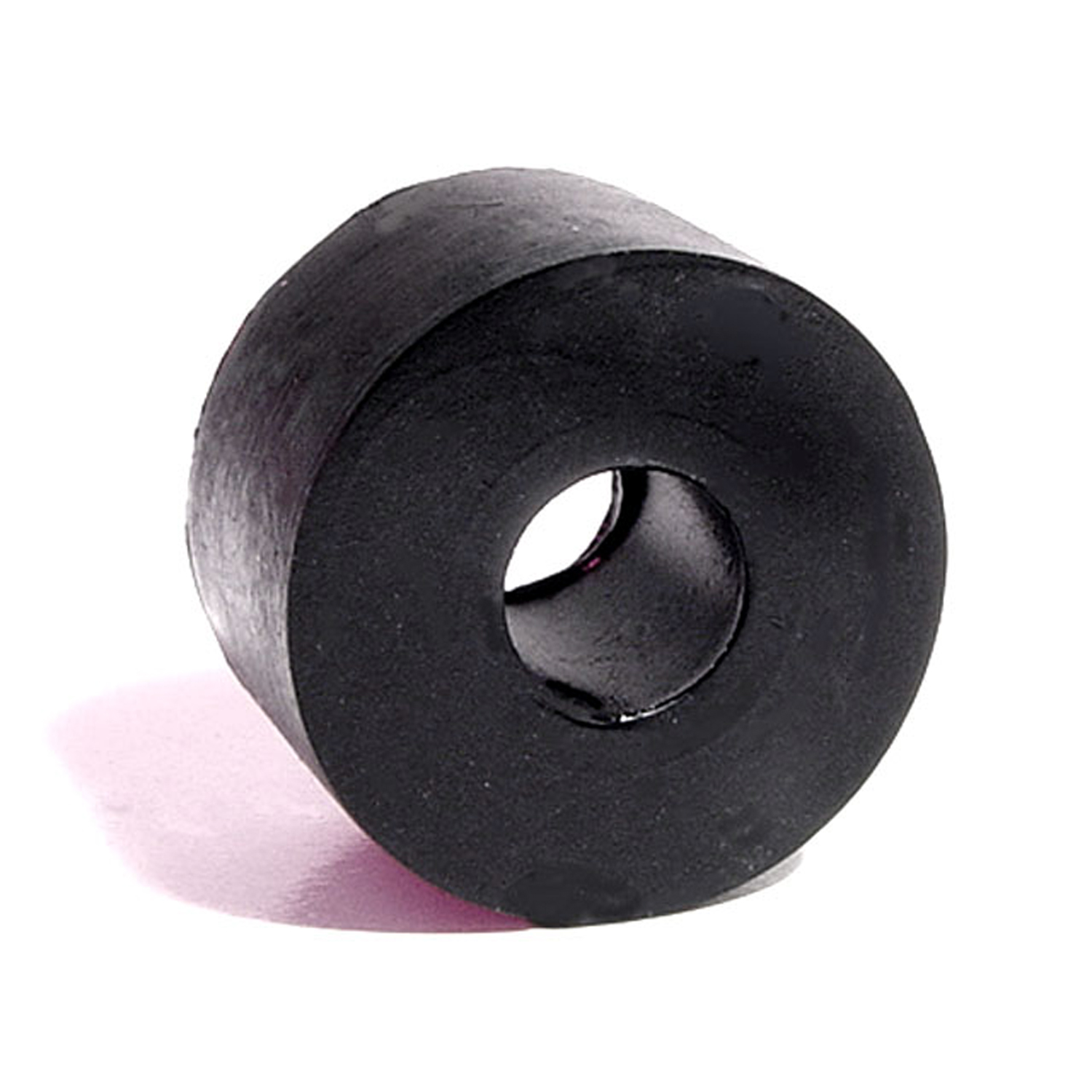 1952 Ford Ranch Wagon Shock Absorber Grommet. 1" bottom O.D-BN 6Shock Absorber Grommet. 1" bottom O.D. X 1/2" high, with 3/8" I.D. Each
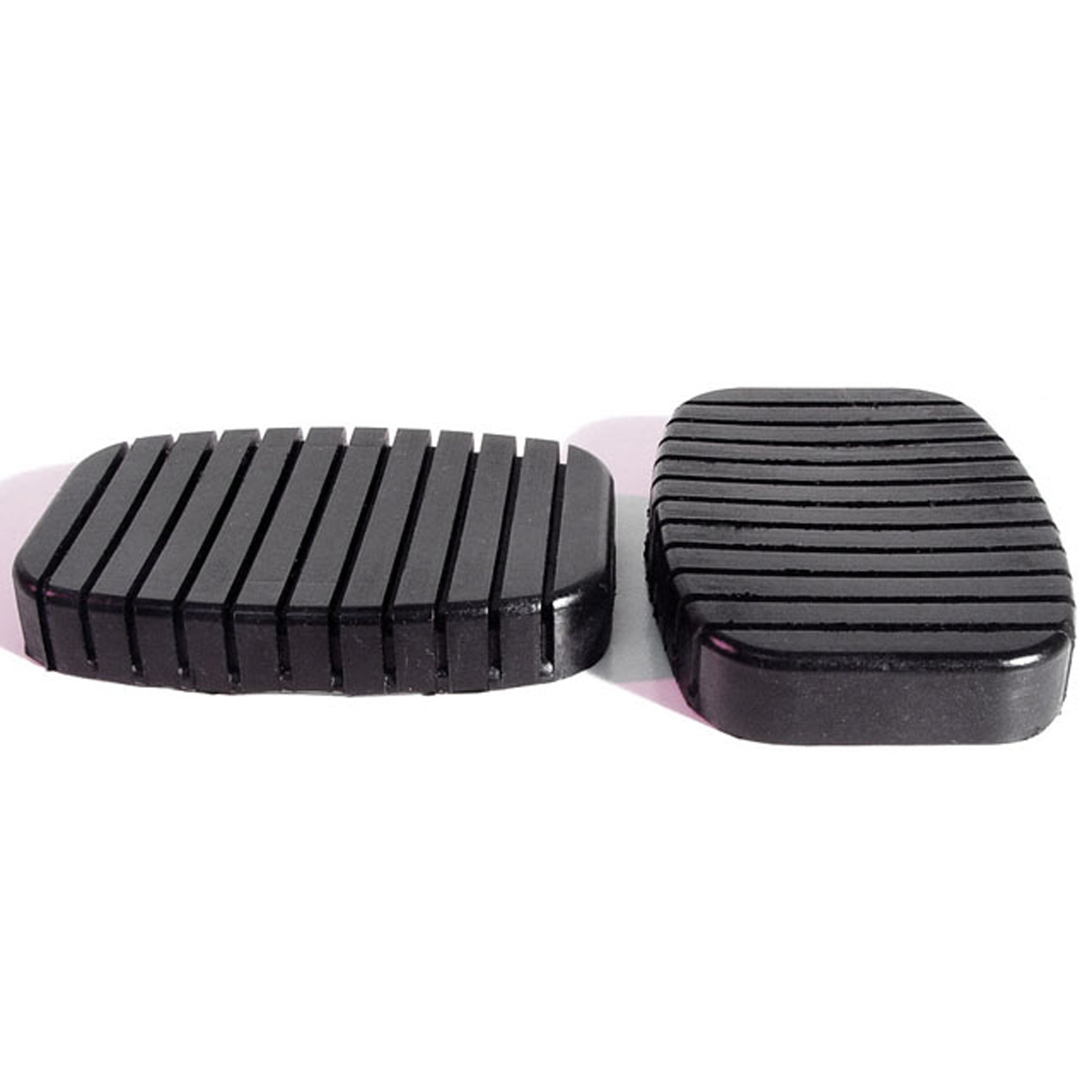 1952 Ford Ranch Wagon Clutch and Brake Pedal Pads-CB 90-BClutch and Brake Pedal Pads. For models with standard transmission. 2-1/4" wide X 3-1/4" long. Pair
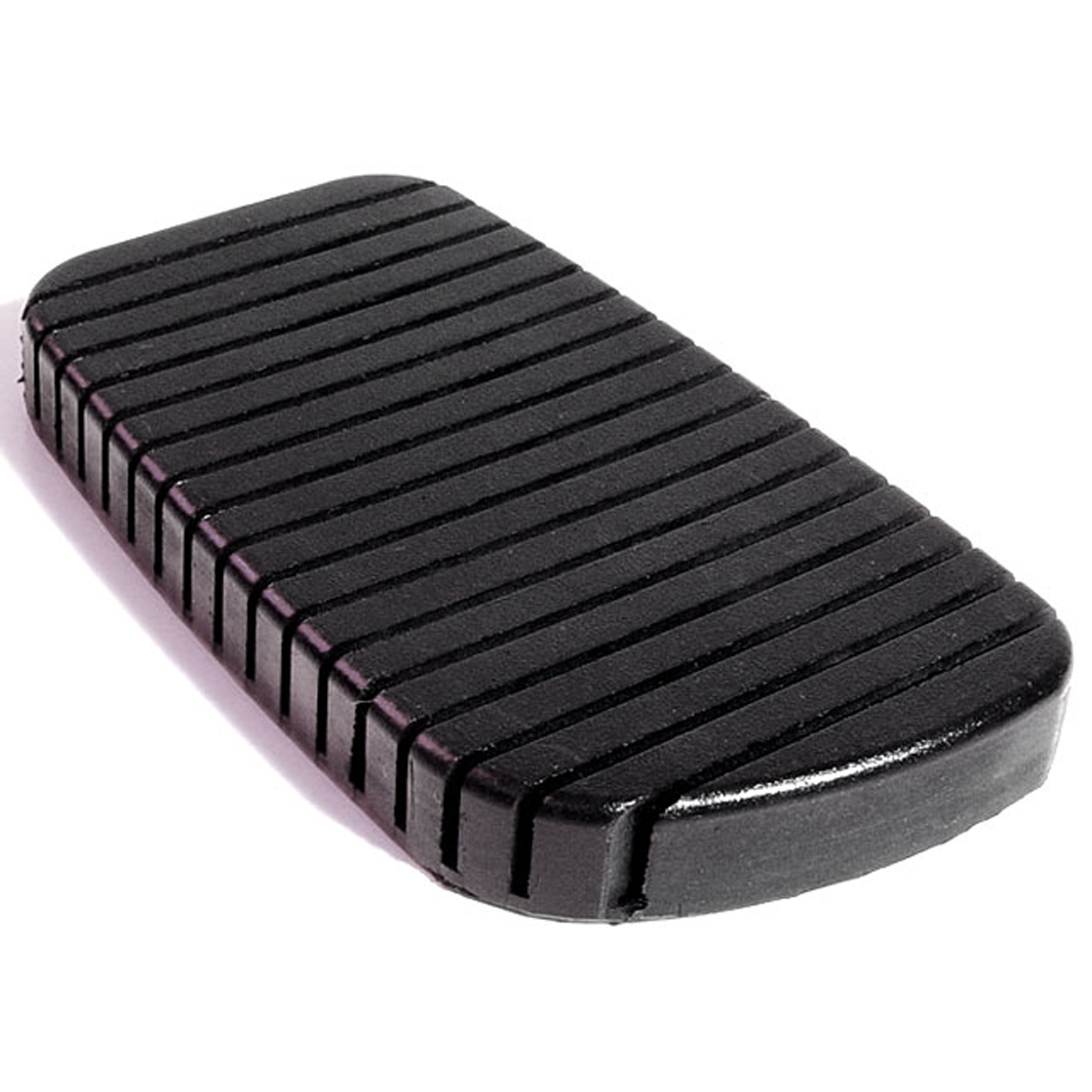 1952 Ford Ranch Wagon Brake Pedal Pad. Correct reproduction of a difficult part-CB 90-CBrake Pedal Pad. Correct reproduction of a difficult part. 2-1/2" wide X 4-1/2" long. Each
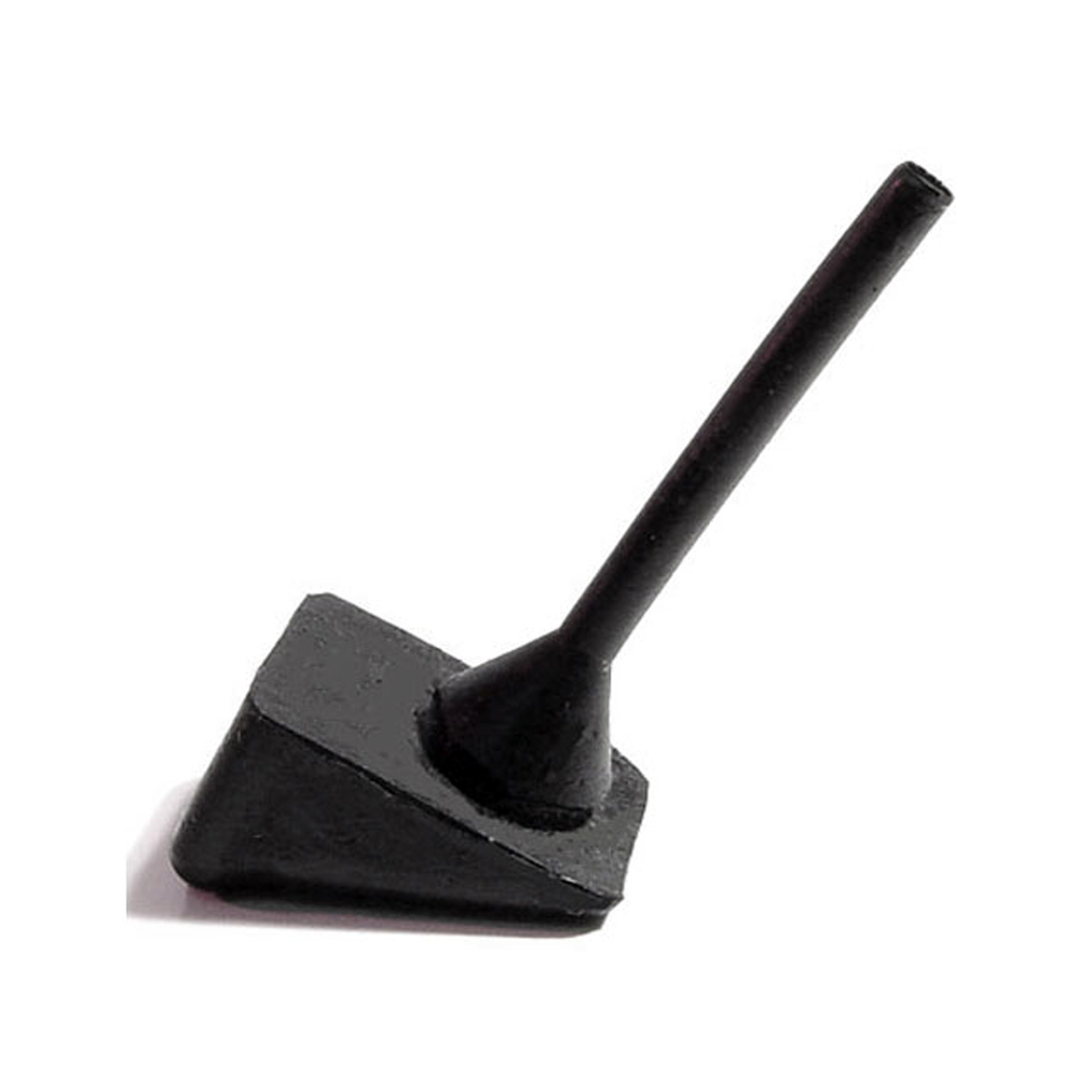 1952 Ford Ranch Wagon Hood Bumper. Each-HF 8Hood Bumper. Each
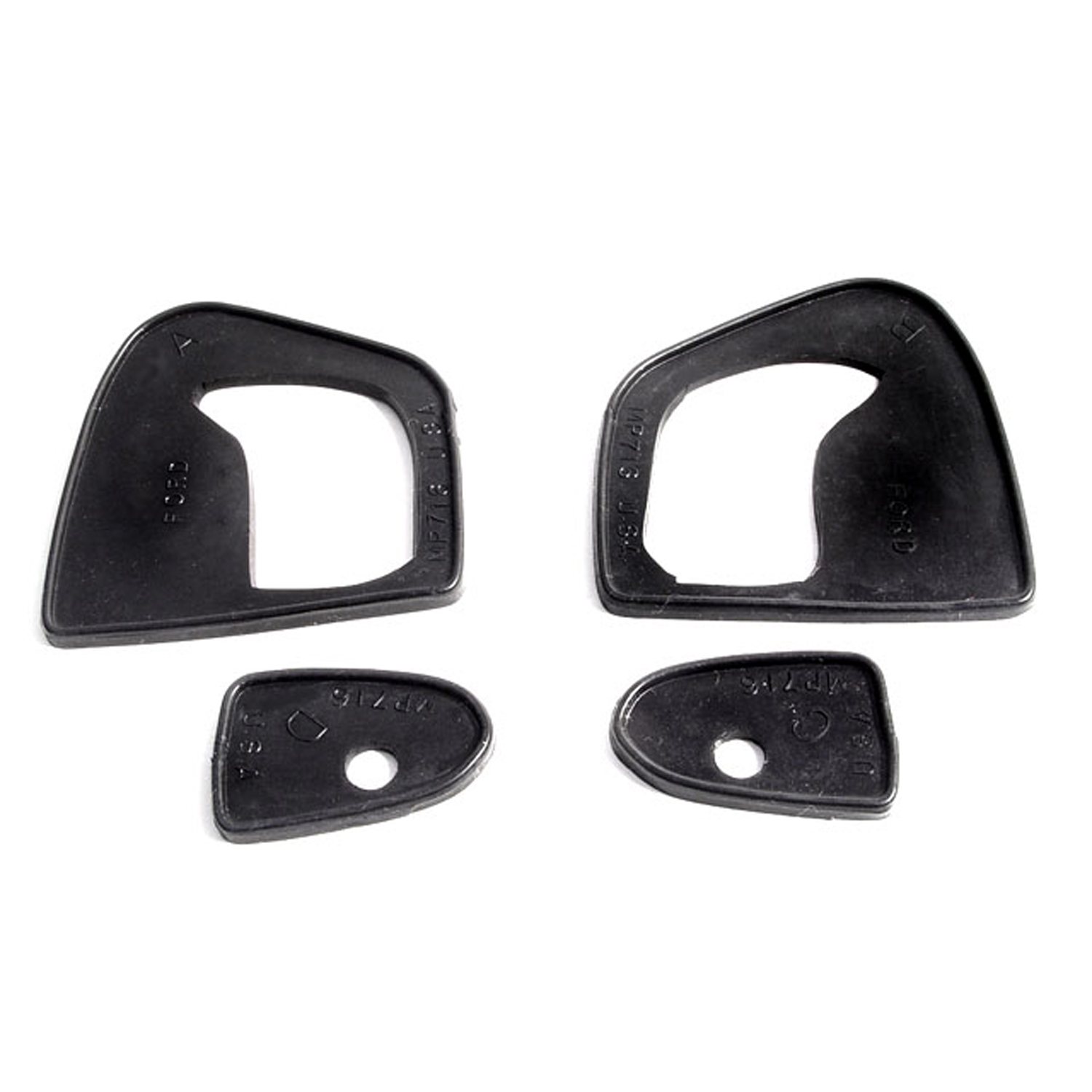 1952 Ford Ranch Wagon Door Handle Pads. 2-1/2" long & 1-1/2" long. Set R&L-MP 716Door Handle Pads. 2-1/2" long & 1-1/2" long. Set R&L
 1952 Ford Ranch Wagon Tail-light Pads. 6-1/2" O.D. Pair-MP 785Tail-light Pads. 6-1/2" O.D. Pair
 1952 Ford Ranch Wagon Hood Bumpers. 3/8" O.D., 3/4" Long. Set of four-SB 900Hood Bumpers. 3/8" O.D., 3/4" Long. Set of four
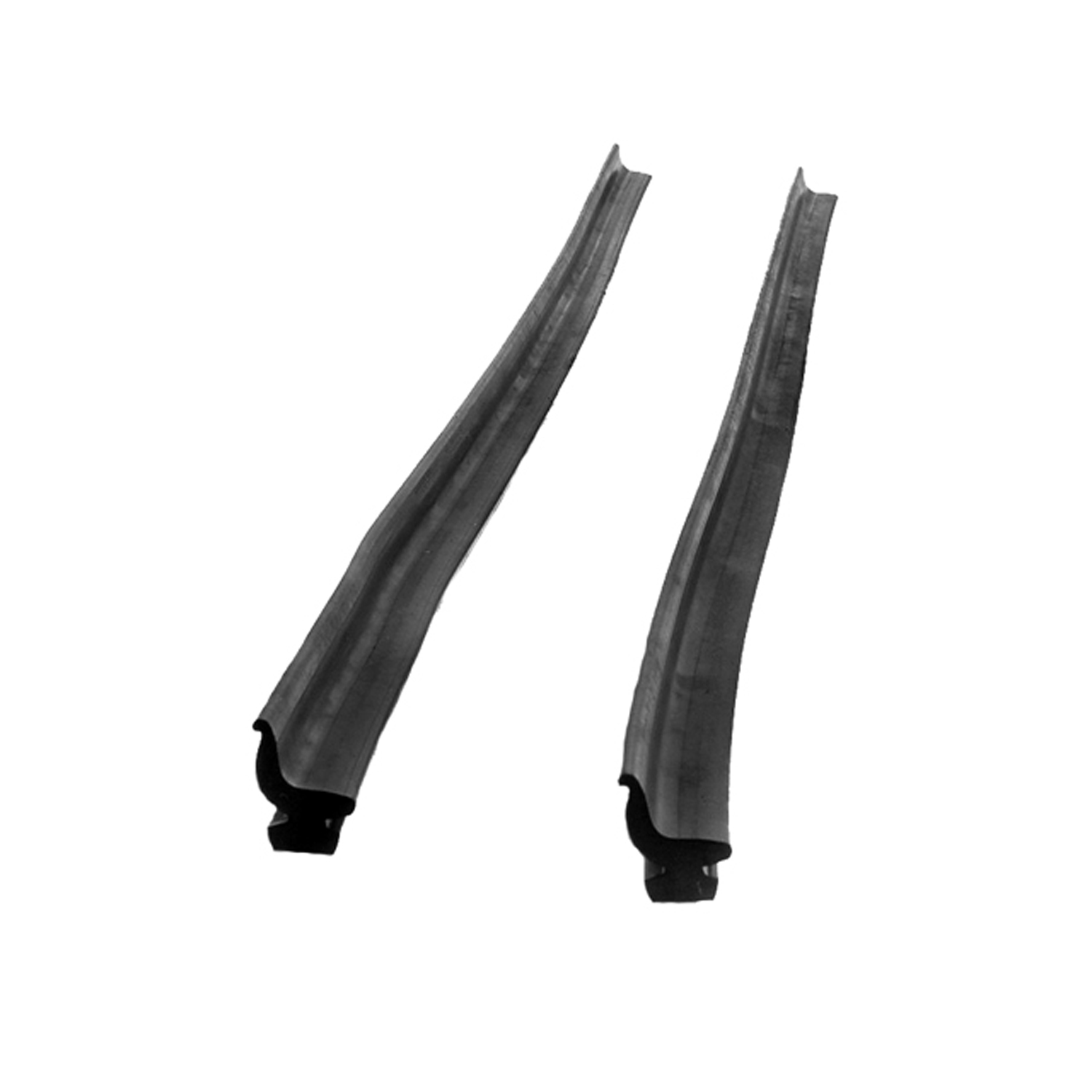 1952 Ford Ranch Wagon Rear roll-up Seal. Two 18" sections sliced into metal track-VS 4Rear roll-up Seal. Two 18" sections sliced into metal track. this foot with no steel insert. Pair
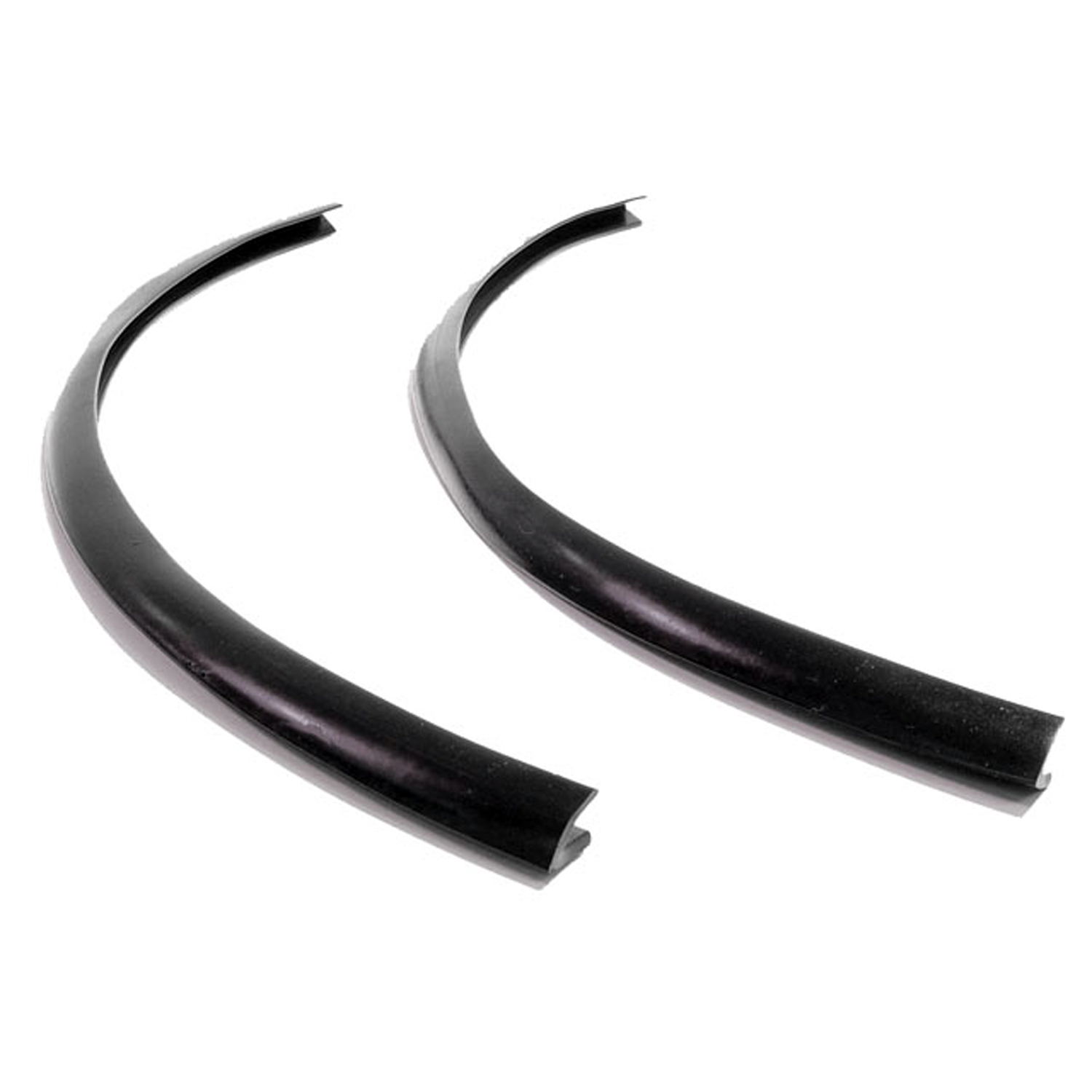 1952 Ford Ranch Wagon Vertical Seals for Vent Window. Each piece is 17" long-VS 6Vertical Seals for Vent Window. Each piece is 17" long. Pair
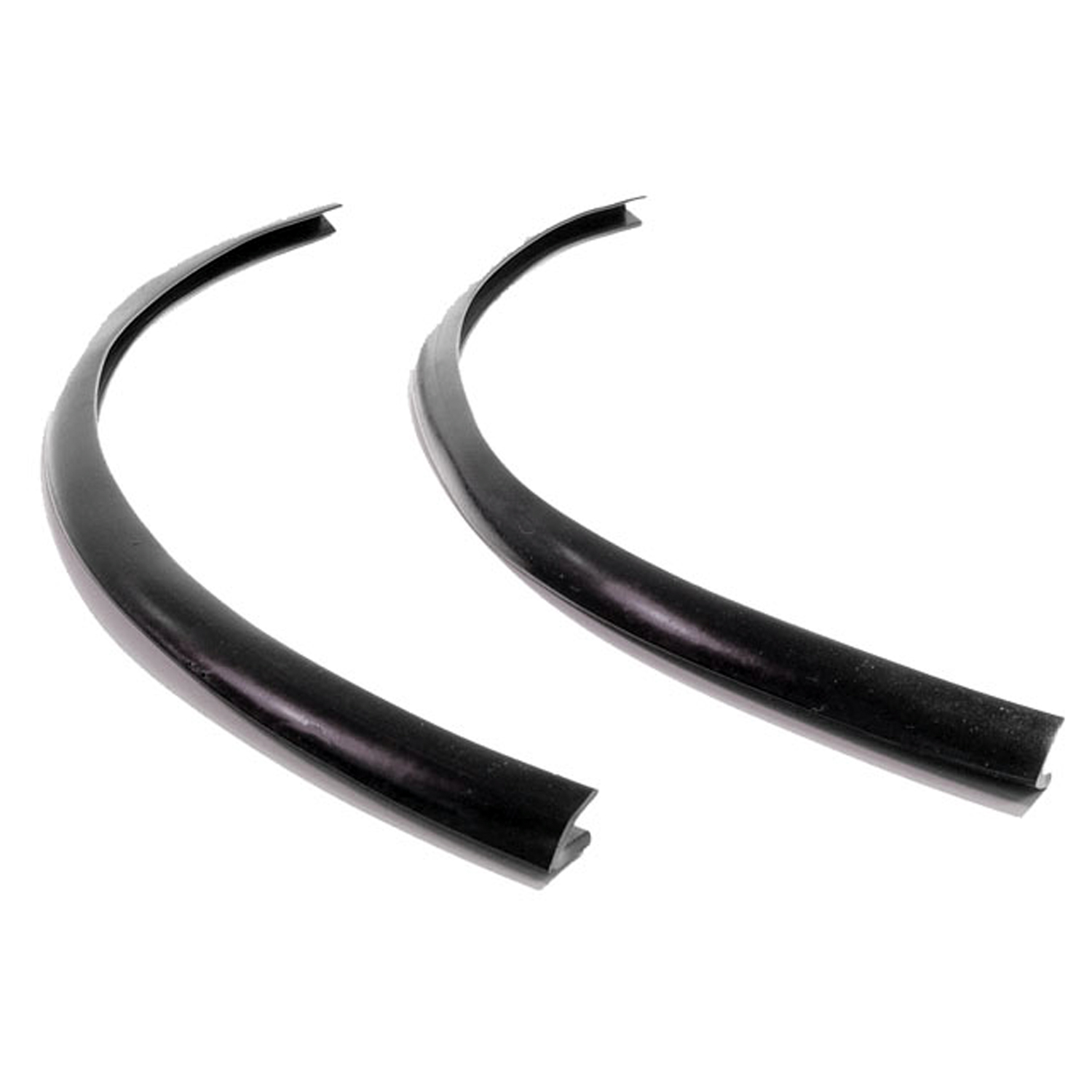 1952 Ford Ranch Wagon Vertical Seal for Vent Window. Sold by the foot.-VS 6/FTVertical Seal for Vent Window. Sold by the foot.
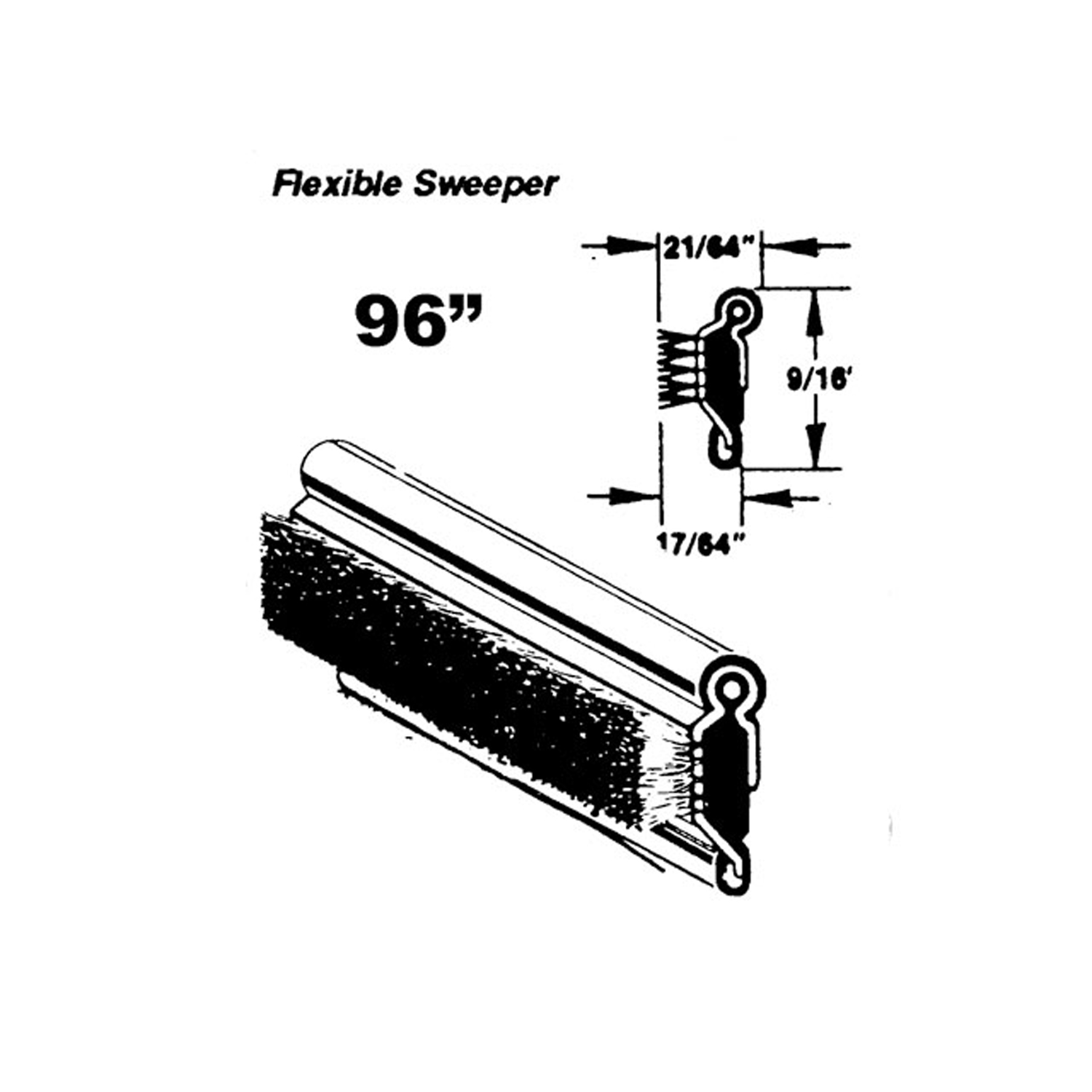 1952 Ford Ranch Wagon Flexible window sweeper. Made with stainless steel bead-WC 7-96Flexible window sweeper. Made with stainless steel bead. 96 in. long. Each. NOTE: $20 special shipping charge applies for domestic orders. Call or email for overseas shipping costs. Part can be sectioned in two or three equal lengths to reduce overseas shipping costs.
 1952 Ford Ranch Wagon Front Suspension Bumper. For lower arm. 2" O.D-XB 22Front Suspension Bumper. For lower arm. 2" O.D., 2-1/8" high. Each
Why Choose Metro?
For over 100 years, Metro Moulded Parts has been the pinnacle of quality in classic car restoration parts. Our commitment to precision and authenticity in every component ensures a perfect fit and an OEM-level appearance.
- Expert Craftsmanship & Quality: Each part is a testament to our dedication to reliability and perfection, crafted from original designs and thoroughly tested.
- Advanced Technology: We use cutting-edge techniques to create flawless, long-lasting parts that surpass others in performance.
- SuperSoft Sponge – The Ultimate Door Seal: Not only are our door seals 30% softer than competitors', but they're also guaranteed to never leak. They effectively reduce wind and road noise, enhancing your classic car's comfort and driving experience.
- Proudly American: Our parts are a product of American craftsmanship, made in the USA with a spirit of excellence and heritage.
- Unrivaled Warranty: We back our products with a 30-year industry-leading warranty, a testament to our confidence in their quality.
Join us in preserving the legacy of classic cars with parts that are crafted for perfection, not just made.