

Image of 1953 Ford Mainline, Note: These illustrations use artistic license and may differ from actual historical models.
Performance Metrics
Fundamental Metrics
Emotional Appeal
MMP Rating
| Engine Specifications | |
|---|---|
| Engine: | 215 CID (3.5 L) OHV I6, 239 CID (3.9 L) Flathead V8 |
| Displacement: | 215-239 cubic inches |
| Horsepower: | 101-110 hp |
| Torque: | 181-195 lb-ft |
| Compression Ratio: | 6.8:1 - 7.2:1 |
| Ignition System: | Distributor and coil |
| Cooling System: | Water-cooled |
| Performance Specifications | |
| 0-60 Time: | Estimated 15-20 seconds |
| 1/4 Mile Time: | Estimated 20-25 seconds |
| Top Speed: | 80-85 mph |
| Transmission and Drive | |
| Drive Type: | Rear-wheel drive |
| Transmission Type: | 3-speed manual, 2-speed Ford-O-Matic automatic |
| Fuel and Efficiency | |
| Fuel System Type: | Carburetor |
| MPG: | Estimated 15-20 mpg |
| Dimensions and Brakes | |
| Brakes: | Drum brakes |
| Wheelbase: | 115.5 inches |
| Weight: | 3100-3300 lbs |
Note: Specifications for classic cars are given to the best of our ability, considering the limited and variant data available.
1953 Ford Mainline: A Practical Classic with Flathead V8 Character
The 1953 Ford Mainline was built for drivers who wanted honest, useful transportation, but it carried the fresh styling and famous V8 heritage that made Ford a household name. As the entry-level series in Ford’s lineup, the Mainline was simpler than the Customline and Crestline, yet it shared their basic engineering and unmistakable early-1950s Ford looks.
Ford Motor Company introduced the Mainline name for the 1952 model year, when it reorganized its passenger-car range into three series: Mainline, Customline, and Crestline. The 1953 model continued that recently redesigned generation. It also arrived in a special year for Ford: 1953 marked the company’s 50th anniversary, celebrating its founding in 1903.
One appealing detail is that the Mainline was not merely a stripped-down two-door sedan. The range included practical family cars and wagons, giving buyers a choice of straightforward transportation or a useful hauler, all with the same solid Ford foundations.
1953 Ford Mainline Styling and Body Styles
The Mainline had the confident, rounded proportions typical of early-1950s American cars, but it looked cleaner and more modern than the pre-1952 Fords it replaced. Its broad hood flowed into a rounded front fender line, while the gently curved roof and full-length body sides gave the car a substantial, low-slung appearance. A wide horizontal grille sat between rounded front-end details, and the one-piece windshield helped create a more open, contemporary look.
Ford kept the Mainline’s exterior trim restrained. Compared with the more decorative Customline and Crestline, it wore fewer bright moldings and less elaborate badging. That simpler appearance is part of its appeal today: the design feels classic without being overwhelmed by chrome.
Body styles included two-door and four-door sedans, a Business Coupe, and the two-door Ranch Wagon. The Business Coupe offered a simpler passenger compartment and was aimed at buyers who valued practical, work-oriented transport. The Ranch Wagon added enclosed cargo space and the versatility of a station wagon. For many enthusiasts, the Ranch Wagon is the most distinctive Mainline body style, while the two-door sedan remains the most familiar image of the series.
Ford offered the Mainline in a range of solid colors, with the precise palette varying by production details and market. Dark shades such as black and deep blue suited the car’s understated character, while red, green, and lighter tones gave it a brighter period look. Two-tone paint was more strongly associated with higher-trim Fords, though color and trim combinations varied. Original paint codes and surviving factory records are the best way to confirm how a particular car left the assembly line.
Cabin, Comfort, and Period Technology
Inside, the Mainline favored durability over luxury. The cabin typically featured broad, bench-style seating, a simple dashboard, and practical controls. Upholstery and trim materials varied by body style and equipment, but cloth and vinyl combinations were common. The overall finish was functional rather than lavish, with less decorative trim than Ford’s upper series.
That straightforward interior is easy to understand and generally easy to restore. The large steering wheel, simple instrument layout, and uncomplicated controls make the Mainline feel approachable, though it lacks the ergonomic refinements and safety equipment expected in a modern car. Seat belts were not standard equipment in the way they are today, and the car’s safety design reflects its era.
For 1953, available equipment could include Fordomatic automatic transmission, overdrive with the manual transmission, a radio, heater, and power steering. Power steering was a notable option for the period, but it was not standard on every Mainline. The car used a six-volt electrical system, also typical of the time. These features made the Ford relatively well equipped for its class without changing its basic, no-nonsense character.
Engines and Performance
Buyers could choose between a 215-cubic-inch inline-six and Ford’s 239-cubic-inch flathead V8. The six-cylinder produced about 101 horsepower, while the flathead V8 was rated at roughly 110 horsepower. Exact output and performance could vary with equipment, transmission, condition, and testing method. A three-speed manual was the standard-style transmission, with Fordomatic and overdrive available depending on configuration.
By modern standards, neither engine is quick. A V8 Mainline in good condition generally needs around 16 to 19 seconds to reach 60 mph, while a six-cylinder car is slower. Top speed is approximately 80 to 90 mph for a healthy V8 model, with the six usually toward the lower end. These are realistic estimates rather than guaranteed factory figures, and old gearing, tires, and mechanical condition make a significant difference.
The flathead V8 delivers its appeal through character more than outright speed. It produces a subdued, deep exhaust note and a steady pull that suits relaxed cruising. The inline-six is quieter and more economical by period standards, though it feels less energetic when accelerating or climbing hills. Neither engine was designed for high-revving performance.
Road Manners and Driving Experience
The Mainline’s traditional body-on-frame construction and suspension give it the substantial feel associated with early-1950s American sedans. On ordinary roads, it rides comfortably and absorbs smaller bumps with a soft, deliberate motion. Larger potholes and broken pavement can bring out body movement, and the car’s steering and suspension are less precise than those of a modern vehicle.
On winding roads, expect measured steering response and noticeable body lean rather than sports-car agility. The steering can feel heavy, especially at low speed on cars without power assistance. Crosswinds and uneven pavement require a little more attention than they would in a contemporary car, and period bias-ply tires can make the car feel less settled than modern radial tires.
The most enjoyable way to drive a 1953 Mainline is to keep a relaxed pace. The engine’s low-speed character, wide bench seat, and gently floating ride create a calm cruising experience. It is a car to enjoy on back roads, at local shows, and on slower scenic trips, not one to push hard through corners or treat like a modern highway commuter.
Historical Significance and Ford’s Place in the Market
The Mainline’s importance lies partly in what it represented: a modern, attainable Ford at the center of the company’s postwar lineup. Its 1952-generation design brought more integrated styling and a more contemporary cabin than the older Fords that came before it. The model also gave buyers access to Ford’s well-known flathead V8 without requiring them to move up to the more richly trimmed series.
The 239-cubic-inch flathead was not new technology in 1953, but it was a major part of Ford’s identity. Ford had helped popularize affordable V8 power starting in 1932, and the Mainline carried that tradition into the postwar era. By the early 1950s, the flathead was nearing the end of its production life. Ford replaced it in 1954 with the overhead-valve Y-block V8, making 1953 one of the final model years for the classic flathead in Ford passenger cars.
Against rivals such as Chevrolet and Plymouth, the Mainline competed as a straightforward, full-size family car with a choice of six-cylinder economy or V8 smoothness. It was not an industry-changing technological landmark, but it helped establish the formula that kept Ford competitive: familiar mechanicals, a broad model range, and styling that felt current without making the car difficult to own.
Ownership, Maintenance, and Reliability
Today, Mainlines appear as weekend drivers, restoration projects, show cars, and occasional vintage-road-trip vehicles. The sedan is a sensible entry point for someone seeking an early-1950s Ford, while the Ranch Wagon often attracts buyers who want a more distinctive body style and added utility. The flathead V8 also appeals to traditional hot-rodding enthusiasts, although modified cars should be evaluated carefully for the quality and safety of their work.
Mechanical maintenance is generally approachable for an owner with basic skills. The engines are from a well-known family, and many routine jobs can be performed with ordinary tools. Parts support remains available through specialist suppliers, though trim, glass, upholstery, and model-specific body parts can take more effort to locate. Originality and condition matter: a complete, unmodified car can be easier to restore than one with missing parts or poorly executed alterations.
Reliability depends heavily on maintenance and careful recommissioning. Before regular use, inspect the cooling system, brakes, fuel lines, wiring, tires, steering, and suspension. A six-volt system needs sound cables and connections to perform properly. Cars that have been sitting for years should not be assumed roadworthy just because the engine starts. The original braking and lighting systems also deserve particular attention before the car is driven in modern traffic.
1953 Ford Mainline Facts and Trivia
The 1953 model year marked Ford’s 50th anniversary. The milestone made the year memorable for the company, even though the Mainline itself was positioned as a practical, everyday car rather than a special anniversary performance model.
The Mainline’s flathead V8 connects it to one of the most influential engine families in American motoring. Flathead-powered Fords became favorites among hot rodders, and the engine’s simple layout remains a major part of its appeal. The 1953 Mainline, however, was built primarily for ordinary road use, not to set speed or endurance records.
Its common criticisms are familiar to anyone who drives a car from the period: modest acceleration, drum brakes, a six-volt electrical system, limited safety features, and steering and handling that feel dated beside modern cars. The Mainline also lacks some of the bright trim and upscale cabin details that make Customline and Crestline models more immediately glamorous. In exchange, it offers a simpler, more understated version of the same Ford character.
Collector Value and Availability
Exact production totals can be difficult to pin down by series and body style, but a reasonable estimate is that Ford built several hundred thousand Mainlines for the 1953 model year, perhaps around 500,000 across the range. That is a broad estimate, not a precise body-style production figure. The Mainline is not exceptionally rare as a model, though surviving cars in original condition, unusual colors, or wagon form are less common than ordinary sedans.
As a general 2026 market guide in the United States, a project or rough driver may sell for about $5,000 to $12,000. A usable, presentable car commonly falls around $12,000 to $25,000, while a well-restored example may bring roughly $25,000 to $45,000. Exceptional restorations, desirable Ranch Wagons, or unusually original cars can exceed that range, sometimes reaching $50,000 or more. These are broad estimates: local markets, documentation, originality, and mechanical condition can shift prices considerably.
The Mainline is generally more affordable than comparable top-trim Fords, but its value has gained support from growing interest in practical postwar classics and traditional flathead cars. Prices are best described as condition-sensitive rather than guaranteed to rise. A well-preserved example with solid bodywork is usually a safer purchase than a cheap car requiring extensive rust repair, hard-to-find trim, and a full mechanical rebuild.
Why the 1953 Ford Mainline Still Matters
The 1953 Ford Mainline combines a clean early-1950s design, durable construction, and the unmistakable character of Ford’s flathead era. It was not the fastest or most luxurious car of its day, and it did not introduce a dramatic new technology. Its strengths were more enduring: approachable engineering, useful body styles, and a direct connection to Ford’s long history of making V8 power accessible.
For collectors, the Mainline offers a less obvious route into classic Ford ownership. It is practical, distinctive, and rewarding to drive at an easy pace. More than seven decades on, it remains a reminder that a great classic does not need to be rare or flashy to have a story worth taking out for a drive.
1953 Ford Mainline Catalog of Parts
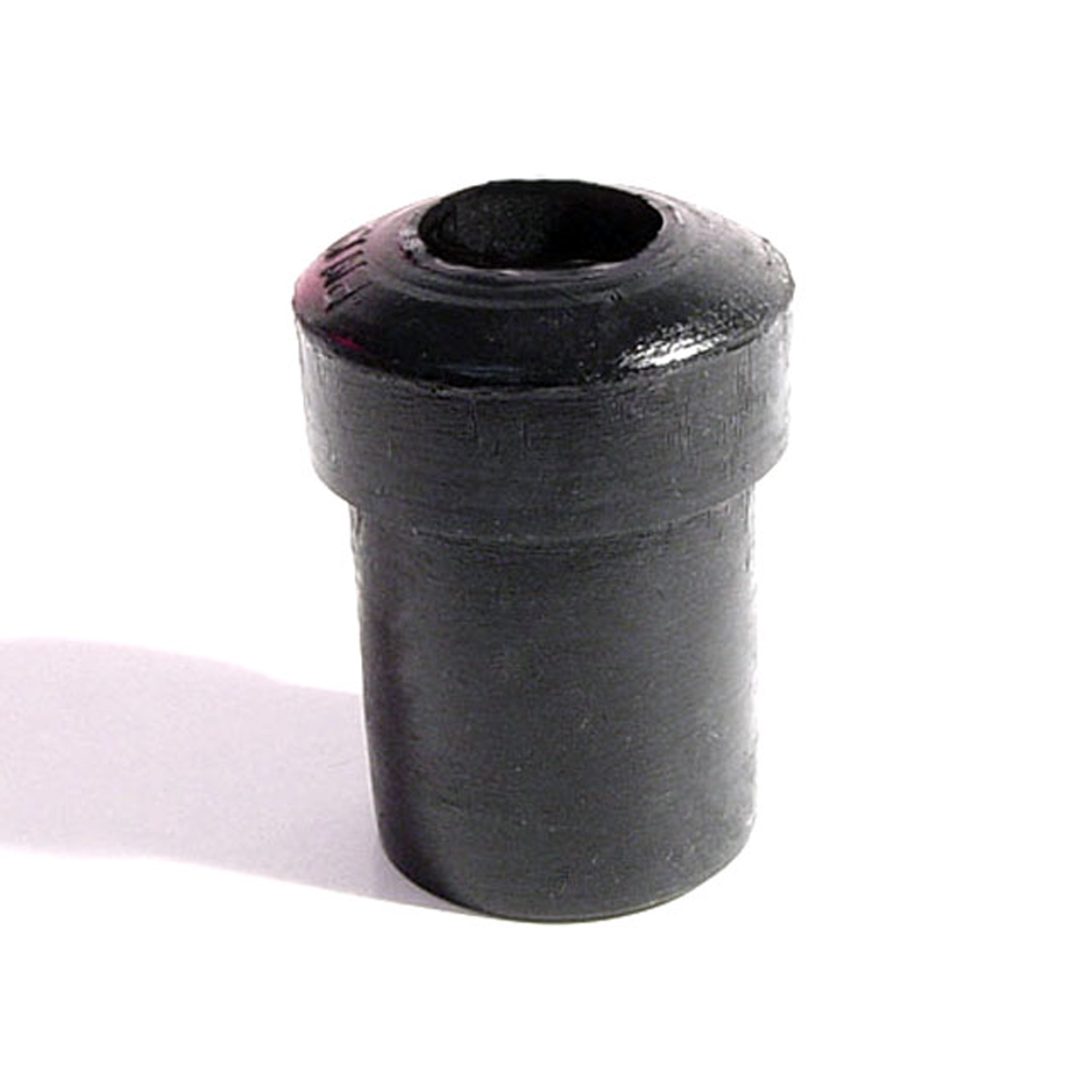 1953 Ford Mainline Spring and Shackle Bushing. 7/8" bottom O.D-BN 19Spring and Shackle Bushing. 7/8" bottom O.D. X 1-1/4" high, with 1/2" I.D. Each
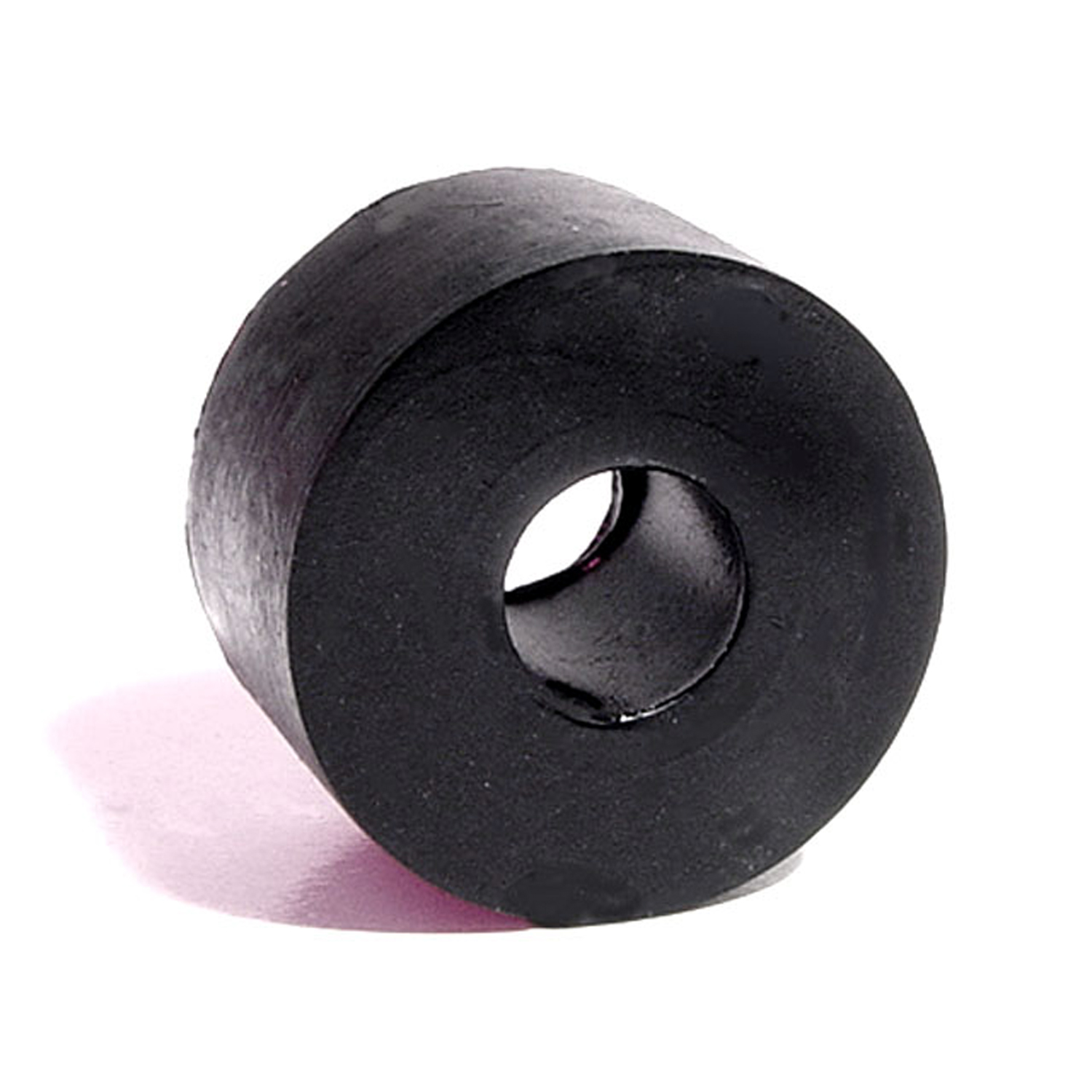 1953 Ford Mainline Shock Absorber Grommet. 1" bottom O.D-BN 6Shock Absorber Grommet. 1" bottom O.D. X 1/2" high, with 3/8" I.D. Each
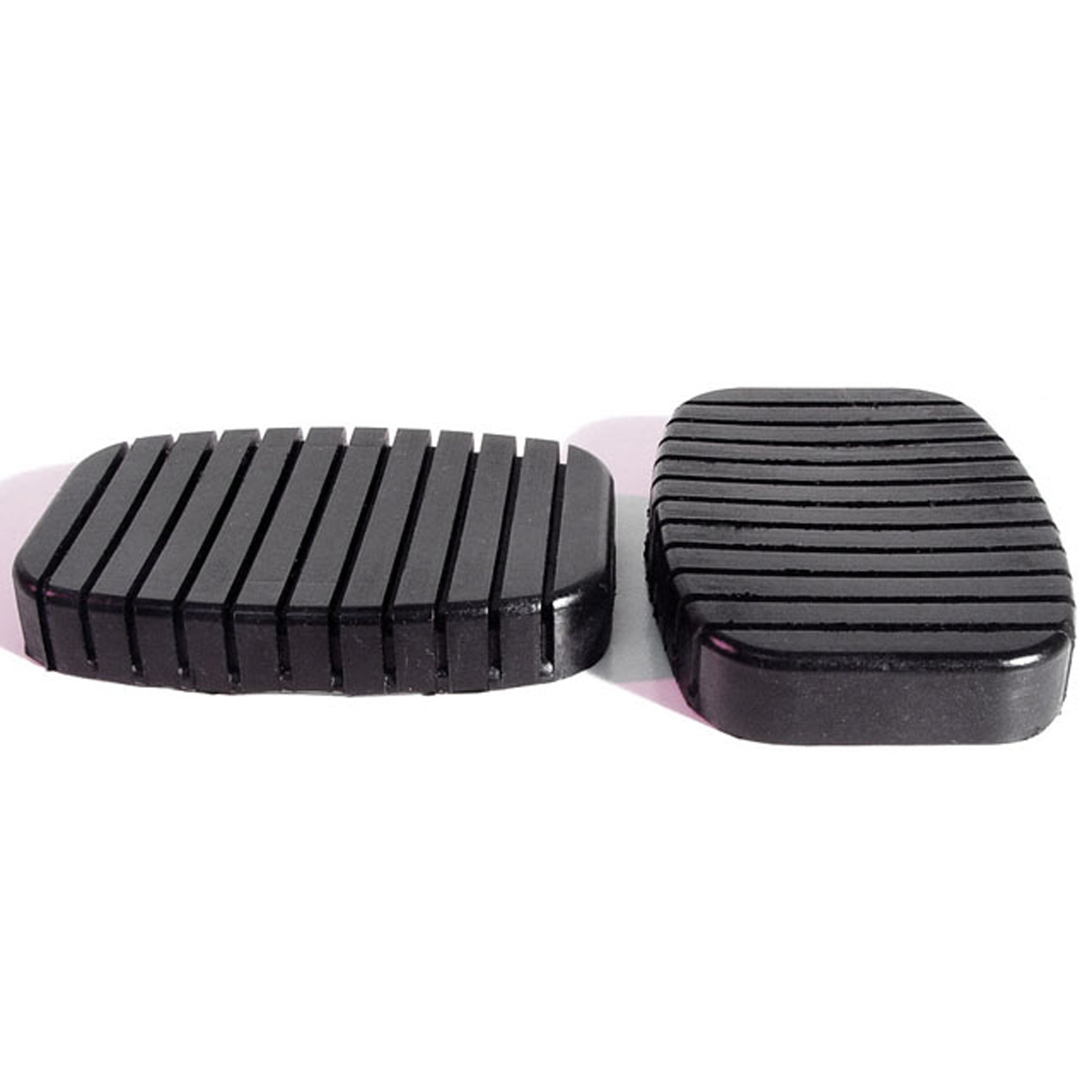 1953 Ford Mainline Clutch and Brake Pedal Pads-CB 90-BClutch and Brake Pedal Pads. For models with standard transmission. 2-1/4" wide X 3-1/4" long. Pair
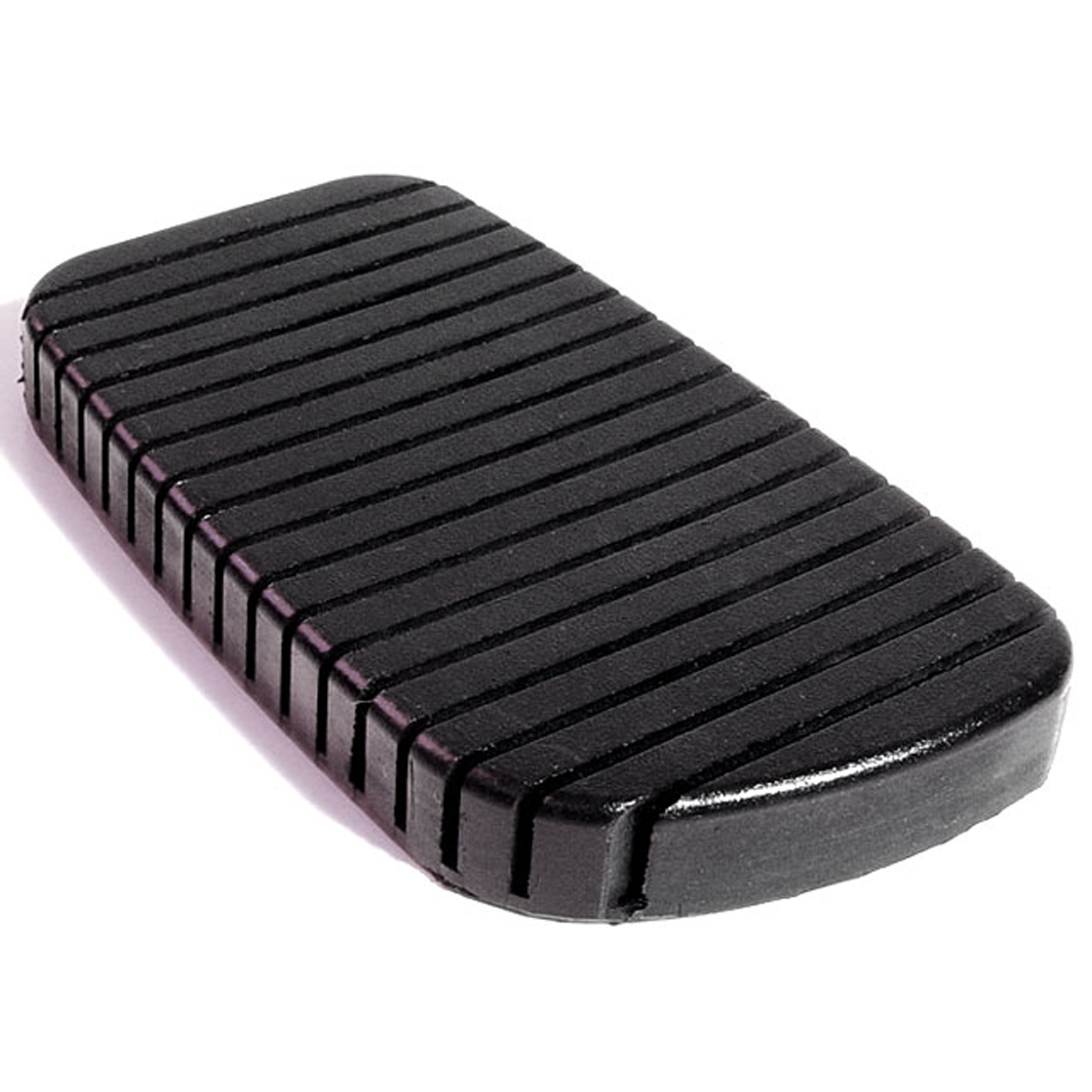 1953 Ford Mainline Brake Pedal Pad. Correct reproduction of a difficult part-CB 90-CBrake Pedal Pad. Correct reproduction of a difficult part. 2-1/2" wide X 4-1/2" long. Each
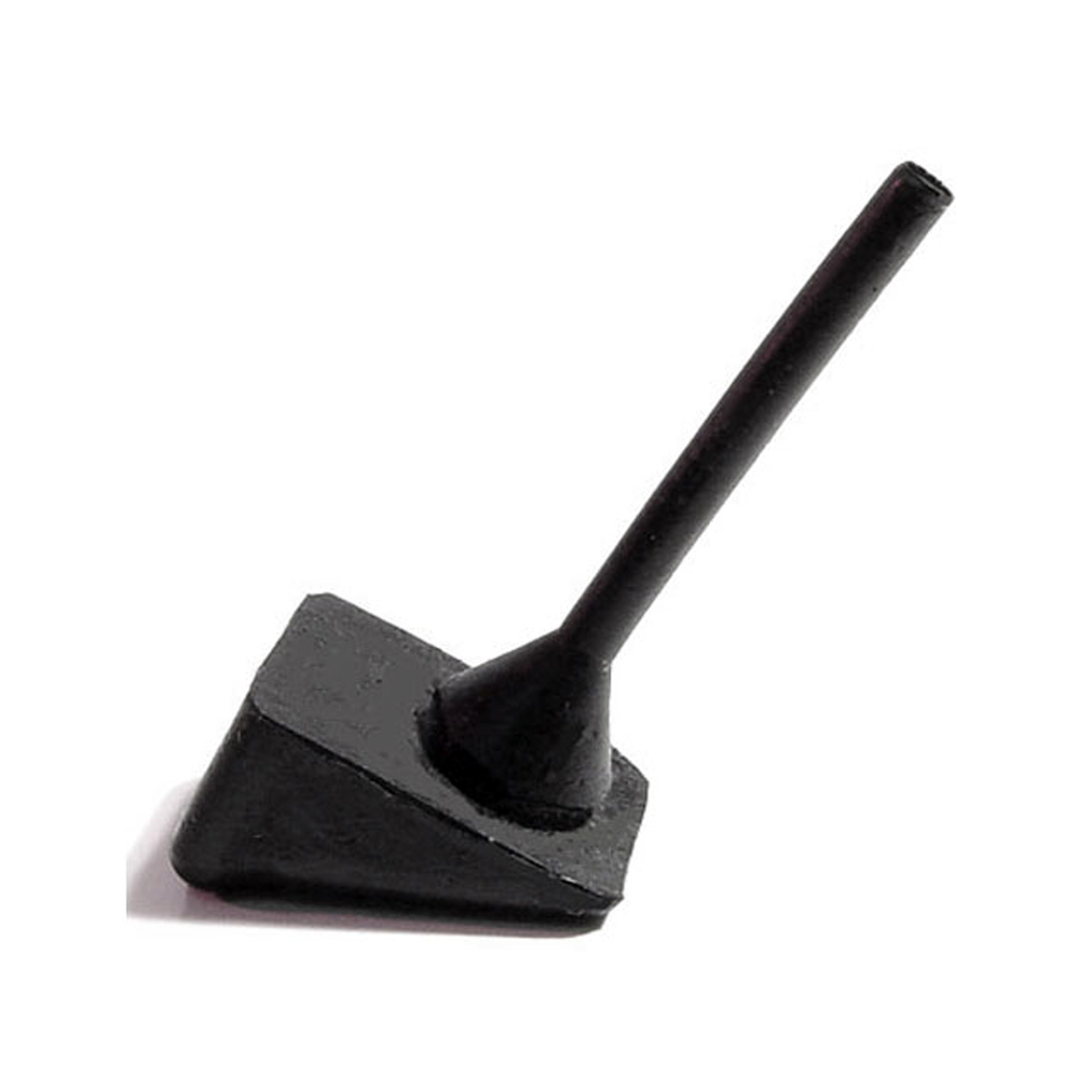 1953 Ford Mainline Hood Bumper. Each-HF 8Hood Bumper. Each
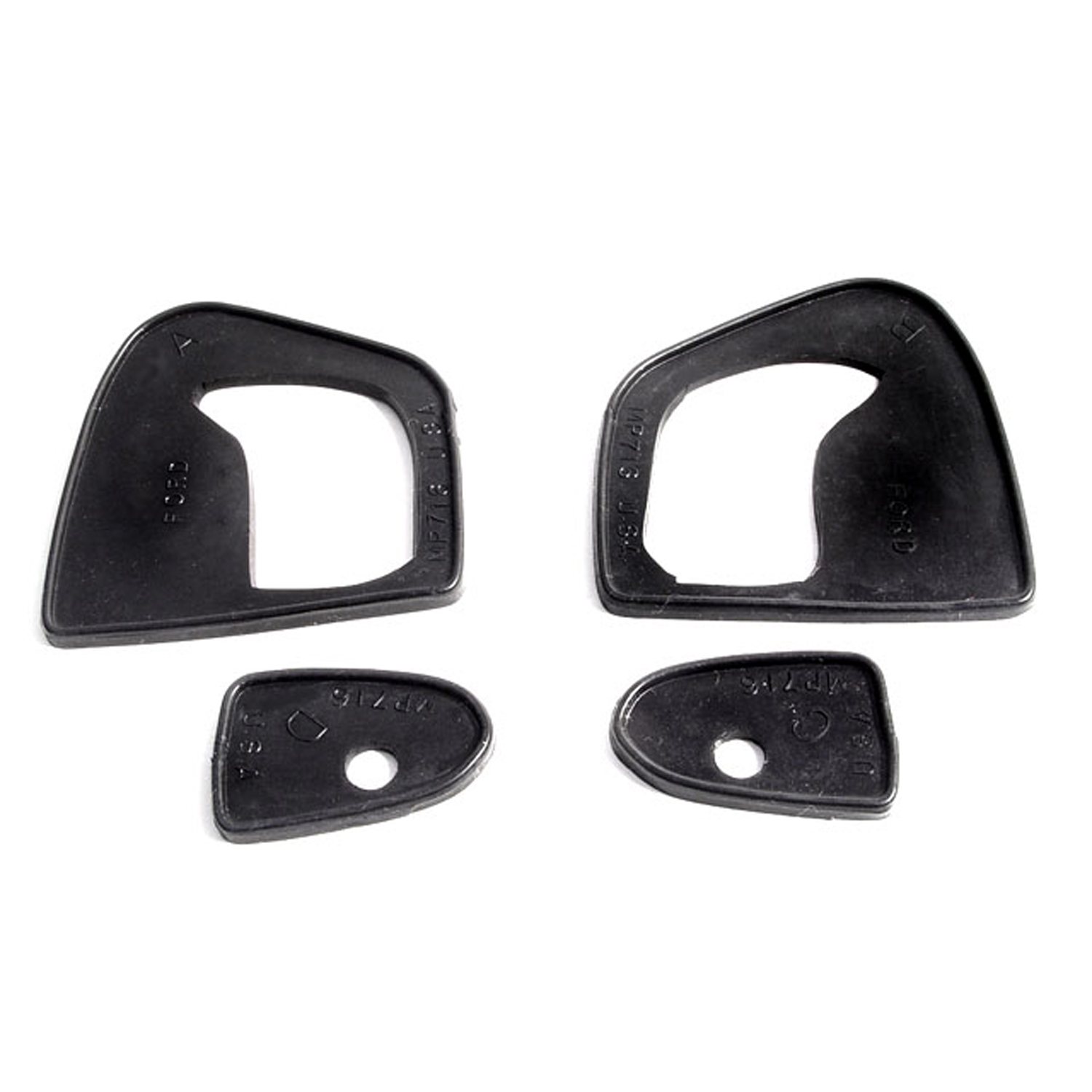 1953 Ford Mainline Door Handle Pads. 2-1/2" long & 1-1/2" long. Set R&L-MP 716Door Handle Pads. 2-1/2" long & 1-1/2" long. Set R&L
 1953 Ford Mainline Mirror Pad. 1-3/8" wide X 5-1/2" long. Each-MP 780-GMirror Pad. 1-3/8" wide X 5-1/2" long. Each
 1953 Ford Mainline Trunk Lock Pad. 13" wide X 2-1/8" long. Each-MP 781Trunk Lock Pad. 13" wide X 2-1/8" long. Each
 1953 Ford Mainline Tail-light Pads. 6-1/2" O.D. Pair-MP 785Tail-light Pads. 6-1/2" O.D. Pair
 1953 Ford Mainline Clutch and Brake Arm Bumpers. Top quality reproduction-RP 31-KClutch and Brake Arm Bumpers. Top quality reproduction. Pair
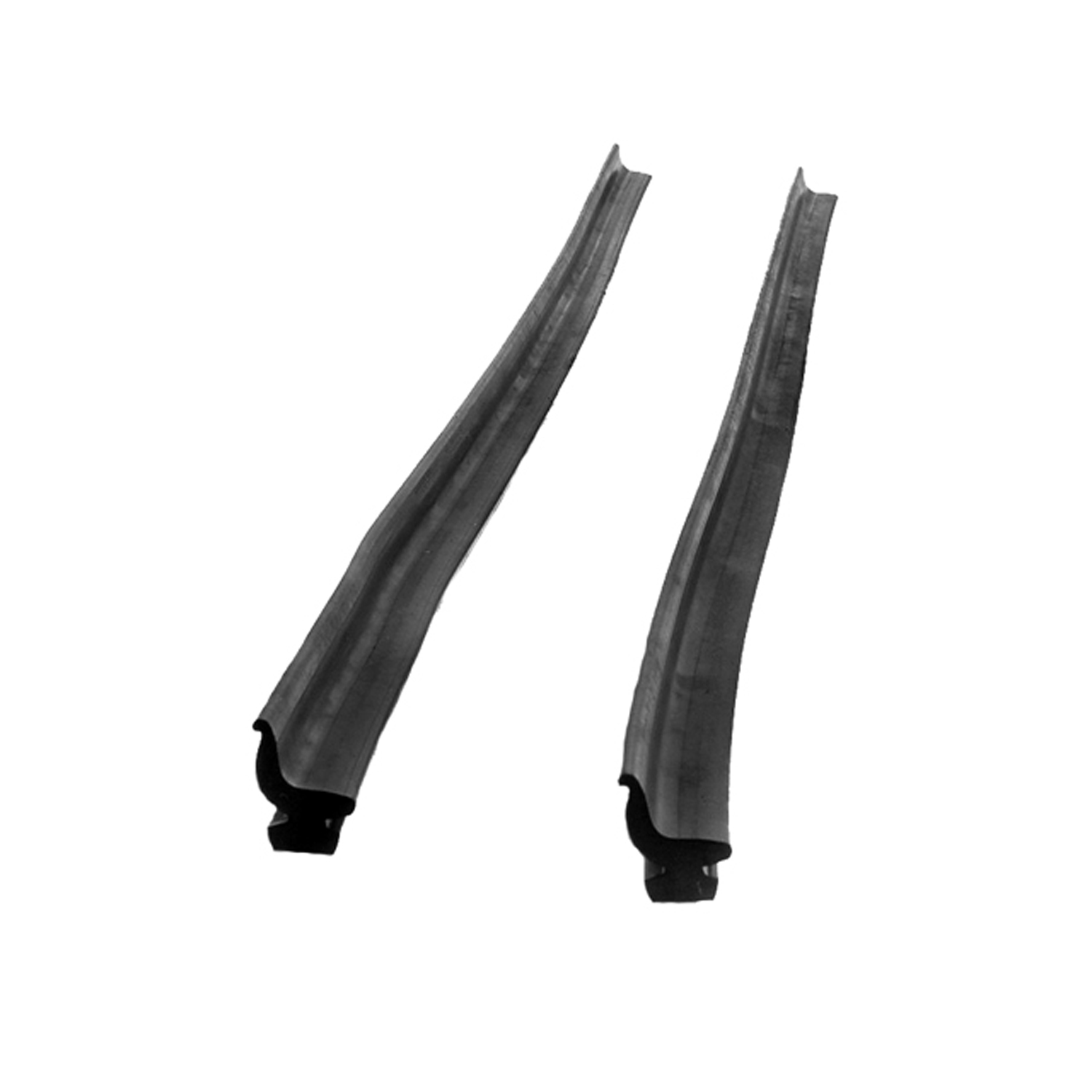 1953 Ford Mainline Rear roll-up Seal. Two 18" sections sliced into metal track-VS 4Rear roll-up Seal. Two 18" sections sliced into metal track. this foot with no steel insert. Pair
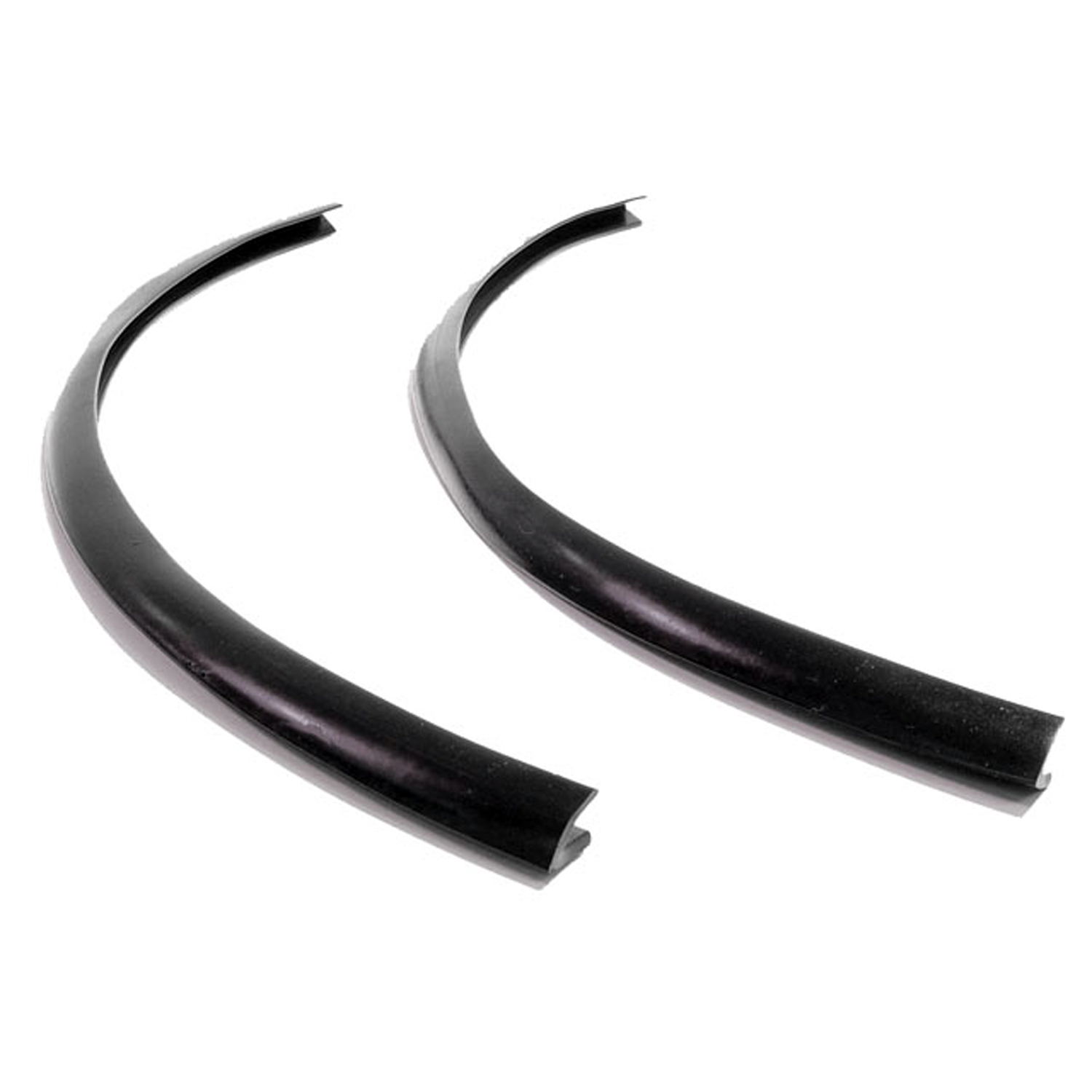 1953 Ford Mainline Vertical Seals for Vent Window. Each piece is 17" long-VS 6Vertical Seals for Vent Window. Each piece is 17" long. Pair
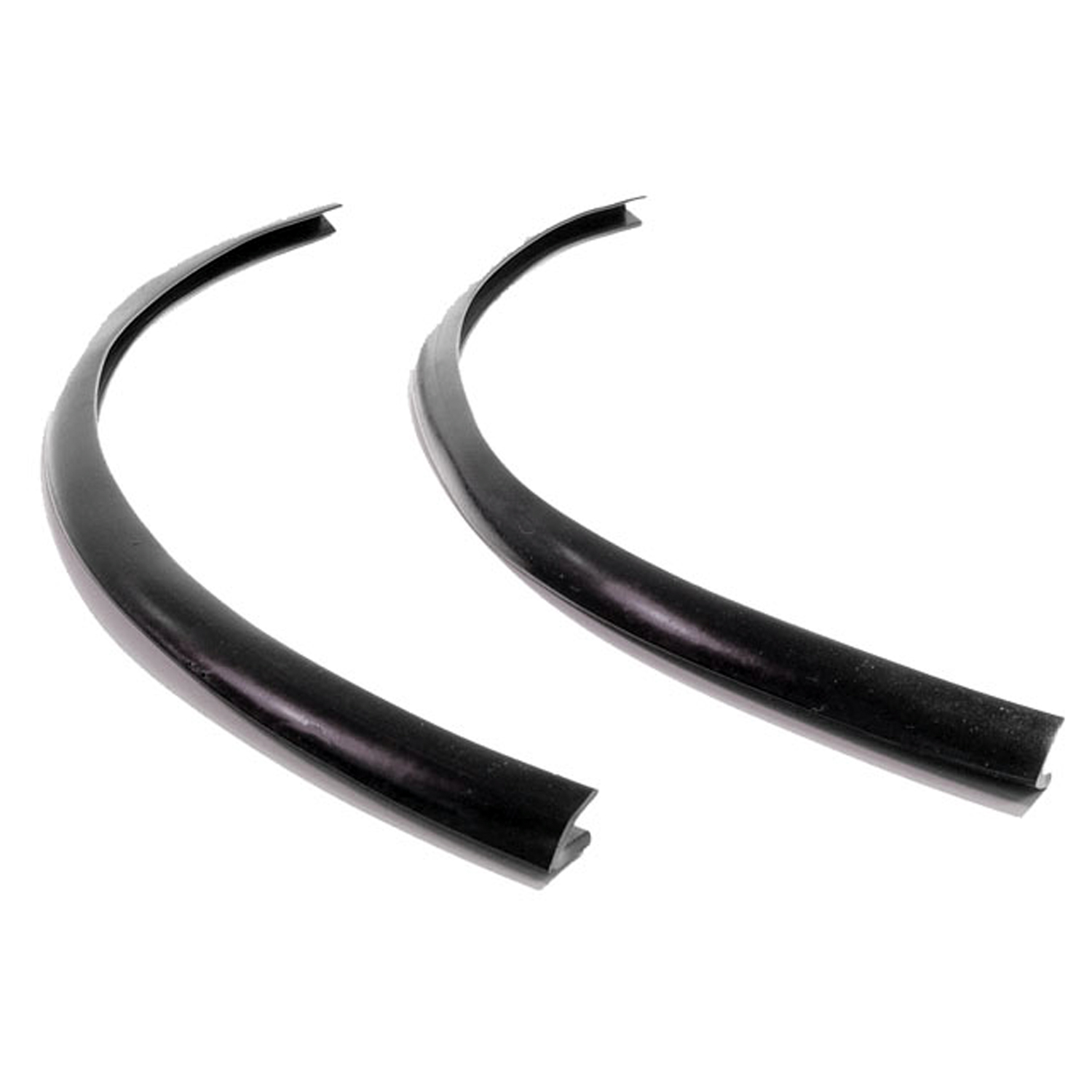 1953 Ford Mainline Vertical Seal for Vent Window. Sold by the foot.-VS 6/FTVertical Seal for Vent Window. Sold by the foot.
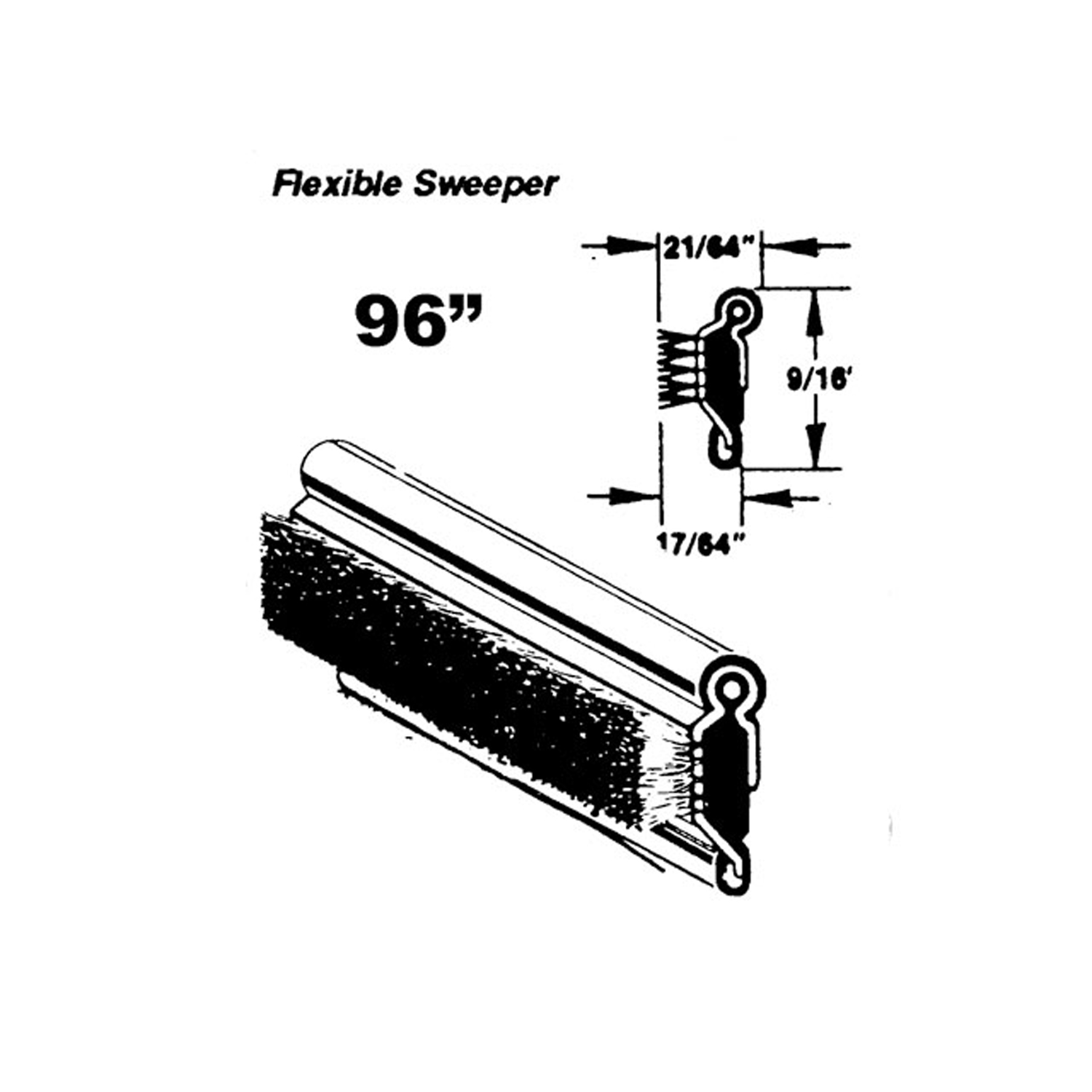 1953 Ford Mainline Flexible window sweeper. Made with stainless steel bead-WC 7-96Flexible window sweeper. Made with stainless steel bead. 96 in. long. Each. NOTE: $20 special shipping charge applies for domestic orders. Call or email for overseas shipping costs. Part can be sectioned in two or three equal lengths to reduce overseas shipping costs.
Why Choose Metro?
For over 100 years, Metro Moulded Parts has been the pinnacle of quality in classic car restoration parts. Our commitment to precision and authenticity in every component ensures a perfect fit and an OEM-level appearance.
- Expert Craftsmanship & Quality: Each part is a testament to our dedication to reliability and perfection, crafted from original designs and thoroughly tested.
- Advanced Technology: We use cutting-edge techniques to create flawless, long-lasting parts that surpass others in performance.
- SuperSoft Sponge – The Ultimate Door Seal: Not only are our door seals 30% softer than competitors', but they're also guaranteed to never leak. They effectively reduce wind and road noise, enhancing your classic car's comfort and driving experience.
- Proudly American: Our parts are a product of American craftsmanship, made in the USA with a spirit of excellence and heritage.
- Unrivaled Warranty: We back our products with a 30-year industry-leading warranty, a testament to our confidence in their quality.
Join us in preserving the legacy of classic cars with parts that are crafted for perfection, not just made.