

Image of 1953 Ford Victoria, Note: These illustrations use artistic license and may differ from actual historical models.
Performance Metrics
Fundamental Metrics
Emotional Appeal
MMP Rating
| Engine Specifications | |
|---|---|
| Engine Options: | 215 CID I6, 239 CID V8 |
| Displacement Range: | 215-239 CID |
| Horsepower Range: | 101-110 hp |
| Torque: | 190 lb-ft for the V8 |
| Compression Ratio: | 7.2:1 for the V8 |
| Ignition System: | Distributor and coil |
| Cooling System: | Liquid-cooled |
| Performance Specifications | |
| 0-60 Time: | 14-16 seconds |
| 1/4 Mile Time: | Estimated at 19-21 seconds |
| Top Speed: | 85-90 mph |
| Transmission and Drive | |
| Drive Type: | Rear-wheel drive |
| Transmission Type: | 3-speed manual, 2-speed Ford-O-Matic automatic |
| Fuel and Efficiency | |
| Fuel System Type: | Carburetor |
| MPG: | 15-20 mpg |
| Dimensions and Brakes | |
| Brakes: | Drum brakes |
| Wheelbase: | 115.5 inches |
| Weight: | 3,200 lbs |
Note: Specifications for classic cars are given to the best of our ability, considering the limited and variant data available.
1953 Ford Victoria: The Hardtop That Celebrated Ford’s 50th Year
With its pillarless roofline, bright chrome and confident postwar styling, the 1953 Ford Victoria brought the look of a convertible to a hardtop you could drive in any weather. Built by the Ford Motor Company in the year of its 50th anniversary, the Victoria sat near the top of Ford’s passenger-car range as a Crestline model. It blended the glamour of a personal luxury car with the practicality of a full-size family automobile.
The Victoria was not an entirely new name in 1953. Ford had already used it for hardtops in the early 1950s, and the 1953 model continued that idea with updated anniversary-year details. One appealing piece of context is that Ford was marking half a century since its founding while competing fiercely with Chevrolet for American buyers. The Victoria gave the company a stylish flagship for that milestone, without asking buyers to pay convertible prices.
Chrome, Color and Crestline Comfort
The 1953 Victoria’s long hood, broad fenders and rounded bodywork give it the unmistakable proportions of an early-1950s American car. Its chrome grille and bumpers add sparkle without overwhelming the design, while the roof is the defining feature: the side windows flow together without a fixed center pillar. With the windows lowered, the open side profile feels almost convertible-like. Small Crestline and Ford anniversary details help distinguish the better-equipped model from less costly Fords.
Inside, the Victoria offered a wide bench seat, a generous dashboard and an airy cabin. Upholstery combinations varied by trim and factory order, commonly pairing durable cloth with vinyl accents. The materials were designed for everyday use rather than modern luxury, but bright trim, coordinated colors and a well-finished dashboard gave the Crestline a more polished feel than a basic Mainline Ford. Buyers could add conveniences such as a radio, heater and power accessories, depending on equipment and order.
Ford offered the car in a range of solid and two-tone finishes. Period color names and exact combinations varied, but popular-looking choices included dark blues, greens, reds, black and light cream or ivory shades. Two-tone paint suited the Victoria especially well, emphasizing the roof and body contours. As with any vintage Ford, colors seen on restored cars today may reflect later repainting rather than the original factory palette.
The Victoria was the Crestline’s two-door hardtop. The broader 1953 Ford range also included the Mainline and Customline series, with body styles such as two- and four-door sedans, station wagons and, in the Crestline range, the Sunliner convertible. The Victoria’s pillarless hardtop body is the most recognizable choice for buyers drawn to the model’s distinctive blend of style and practicality.
Ford’s 50th-Anniversary Year
The 1953 Ford Victoria was part of a period when Detroit automakers were turning the hardtop into a mainstream style. A hardtop could offer a clean, open look without the fabric roof, weather exposure and extra cost of a convertible. Ford’s Victoria made that formula accessible to buyers who wanted something more special than a conventional sedan.
Its importance is less about a single revolutionary mechanical feature than about how well it captured the direction of the market. The car paired fashionable styling with familiar, mass-produced components and a broad dealer network. That combination helped make the hardtop a lasting American body style. Ford’s 1953 lineup also carried a strong anniversary identity, making the Victoria a particularly handsome representative of the company’s 50th year.
Under the hood, the Victoria used Ford’s established engine choices rather than the later Y-block V8. The available engines included a 215-cubic-inch inline-six and a 239-cubic-inch flathead V8. The overhead-valve Y-block V8 arrived in Ford passenger cars for 1954, so a 1953 Victoria remains part of the final chapter of Ford’s flathead era.
Flathead Power and Easygoing Road Manners
Exact performance depends on engine, transmission, condition and gearing. The flathead V8 was generally rated at about 110 horsepower, while the six-cylinder made roughly 101 horsepower. A healthy V8 Victoria can typically reach around 90 mph, with a 0-to-60-mph time in the neighborhood of 15 to 18 seconds. Those figures are estimates for a car in good mechanical condition, not modern-style performance tests. The six-cylinder is more relaxed still, especially when carrying passengers.
Buyers could choose a manual transmission, with overdrive available on some configurations, or Ford’s optional Ford-O-Matic automatic. The automatic helped make the car a comfortable choice for city traffic, while the manual and overdrive combination suited drivers who wanted more control on the open road.
On the road, the Victoria feels substantial. Its bench seat, long wheelbase and soft suspension take the sting out of ordinary pavement seams and bumps. It is not a sports car: the steering is slower and heavier than a modern car’s, and the body leans through corners. On a winding road, smooth inputs are rewarded; quick direction changes are not its natural habitat. Crosswinds and rough pavement call for attention, particularly with older tires or worn suspension components.
The flathead V8 delivers its character through a mellow, steady exhaust note rather than a sharp modern engine sound. Acceleration is measured, and the driver works with the car’s weight rather than trying to hustle it. A properly maintained example can be pleasant on back roads and at moderate highway speeds, though its braking, handling and crash protection are from a very different era.
Living With a 1953 Victoria
Today, most Victorias are weekend cruisers, show cars or occasional-use classics. Some owners drive them regularly, but using one as a daily driver means accepting older braking and safety equipment, limited modern conveniences and the possibility of age-related repairs. Upgrades such as radial tires, improved brakes or discreet electrical-system improvements can make a car easier to use, but originality-minded owners may prefer to preserve its factory specification.
Routine maintenance is relatively approachable for a mechanically confident owner. The flathead V8 is a straightforward, well-known design, and many service parts remain available through classic-Ford suppliers. Regular attention to cooling, ignition, lubrication, brakes and steering is essential, especially before long trips. The main challenge is often not the basic mechanics but finding sound trim, glass, upholstery and body-specific pieces in good condition.
Rust deserves a careful inspection. Check the floors, lower body panels, rocker areas, trunk, wheel openings and frame for corrosion or old repairs. Also examine the hardtop’s window seals and alignment, since leaks and poorly fitting glass can become expensive restoration headaches. A shiny paint job is not a substitute for a thorough look underneath.
Victoria Facts and Period Context
The most memorable fact about the 1953 Victoria is its timing: it wore Ford’s 50th-anniversary identity during a year when the company was celebrating its history while building cars for a fast-changing postwar market. It was not a dedicated racing model and is not known for a major speed, endurance or sales record of its own. Its appeal came from its stylish hardtop body and everyday usability.
There is no single celebrity owner or famous event that defines the model’s story. Instead, the Victoria represents the kind of car that became part of ordinary American life in the early 1950s. Its relative lack of celebrity mythology can be a plus for collectors who want a distinctive classic without paying a premium for a famous screen appearance.
Common criticisms are familiar to anyone who drives a car from this period: modest acceleration, soft cornering, heavy controls and safety equipment that falls short of modern expectations. Some owners also find that restoring a hardtop’s glass, seals and brightwork takes more patience than repairing its basic engine or suspension. Those drawbacks are balanced by its period charm, approachable mechanical design and unmistakable roofline.
Collector Value and Availability
Production figures vary across reference sources, but a reasonable estimate for 1953 Crestline Victorias is roughly 120,000 to 130,000 cars when new. That makes the model far from an ultra-rare special edition. However, surviving cars differ widely in condition, and a solid, complete Victoria is more desirable than a neglected project with missing trim and extensive rust.
As a broad U.S. market estimate for 2026, a project car may sell for around $5,000 to $15,000. A running driver in presentable condition might fall in the $15,000 to $30,000 range, while a well-restored example could bring approximately $30,000 to $55,000. Exceptional restorations, especially cars with strong originality, excellent workmanship and desirable options, may exceed that range. These are general estimates, not a formal appraisal; location, documentation, originality and the quality of the restoration all matter.
Values have tended to reward condition and presentation more than rarity alone. The Victoria remains collectible, but it is not generally in the same high-price category as a rare performance car or a celebrated convertible. Over time, good examples may appreciate gradually, while rough cars can be expensive to restore relative to their finished value. Buyers should compare recent sales and budget for hidden repairs before making an offer.
Why the 1953 Ford Victoria Still Stands Out
The 1953 Ford Victoria combines the look of an open-top cruiser with the comfort of a hardtop, wraps that package in crisp anniversary-year styling and delivers it with familiar flathead power. It is not fast by modern standards, nor was it built to set records. Its lasting appeal is more personal: a roomy cabin, easygoing road manners and a roofline that still turns heads.
For collectors and enthusiasts, the Victoria is a reminder that a classic car’s significance does not have to come from racing victories or extreme rarity. Sometimes it comes from getting the balance right. The 1953 Ford Victoria did exactly that, making Ford’s golden-anniversary year look stylish from every angle.
1953 Ford Victoria Catalog of Parts
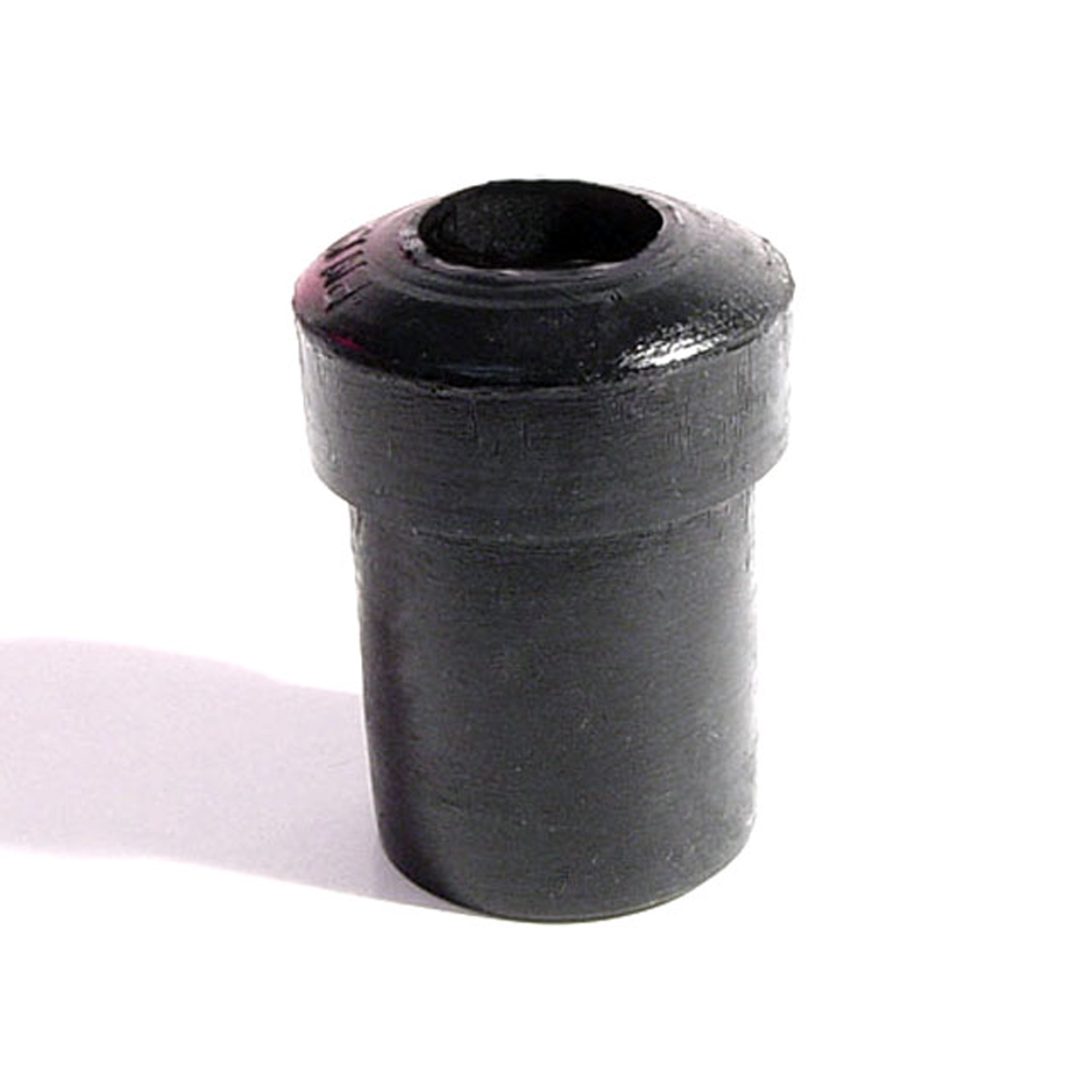 1953 Ford Victoria Spring and Shackle Bushing. 7/8" bottom O.D-BN 19Spring and Shackle Bushing. 7/8" bottom O.D. X 1-1/4" high, with 1/2" I.D. Each
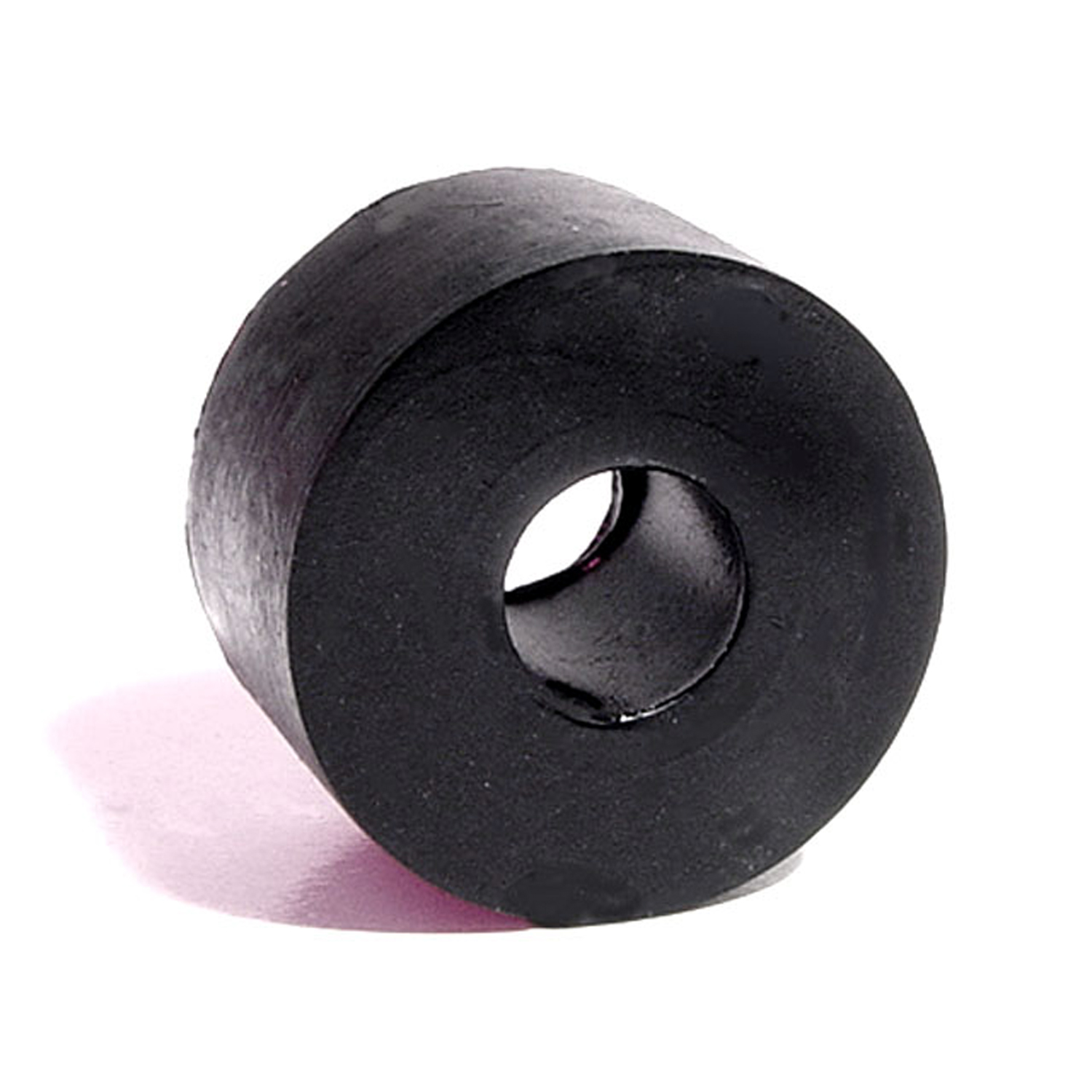 1953 Ford Victoria Shock Absorber Grommet. 1" bottom O.D-BN 6Shock Absorber Grommet. 1" bottom O.D. X 1/2" high, with 3/8" I.D. Each
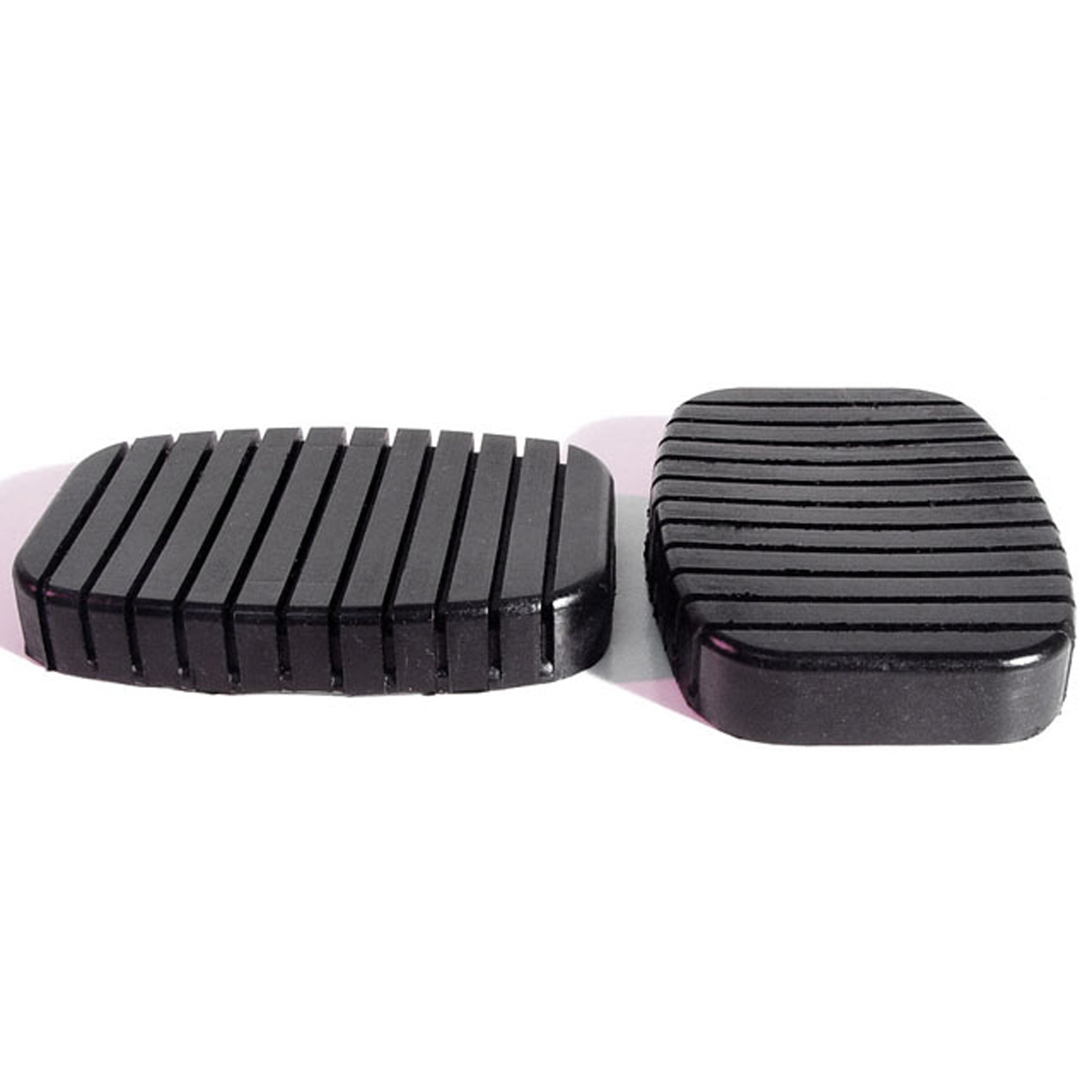 1953 Ford Victoria Clutch and Brake Pedal Pads-CB 90-BClutch and Brake Pedal Pads. For models with standard transmission. 2-1/4" wide X 3-1/4" long. Pair
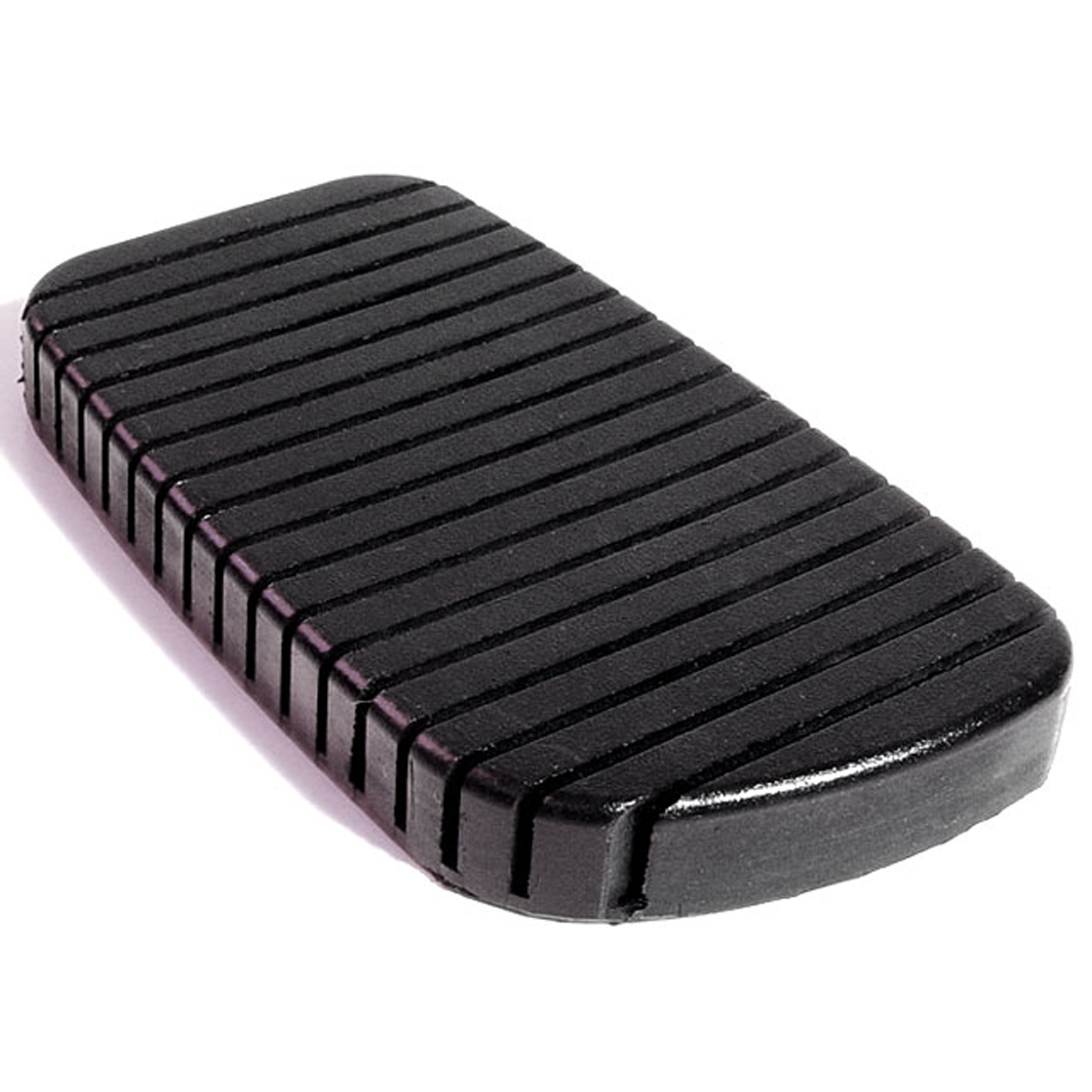 1953 Ford Victoria Brake Pedal Pad. Correct reproduction of a difficult part-CB 90-CBrake Pedal Pad. Correct reproduction of a difficult part. 2-1/2" wide X 4-1/2" long. Each
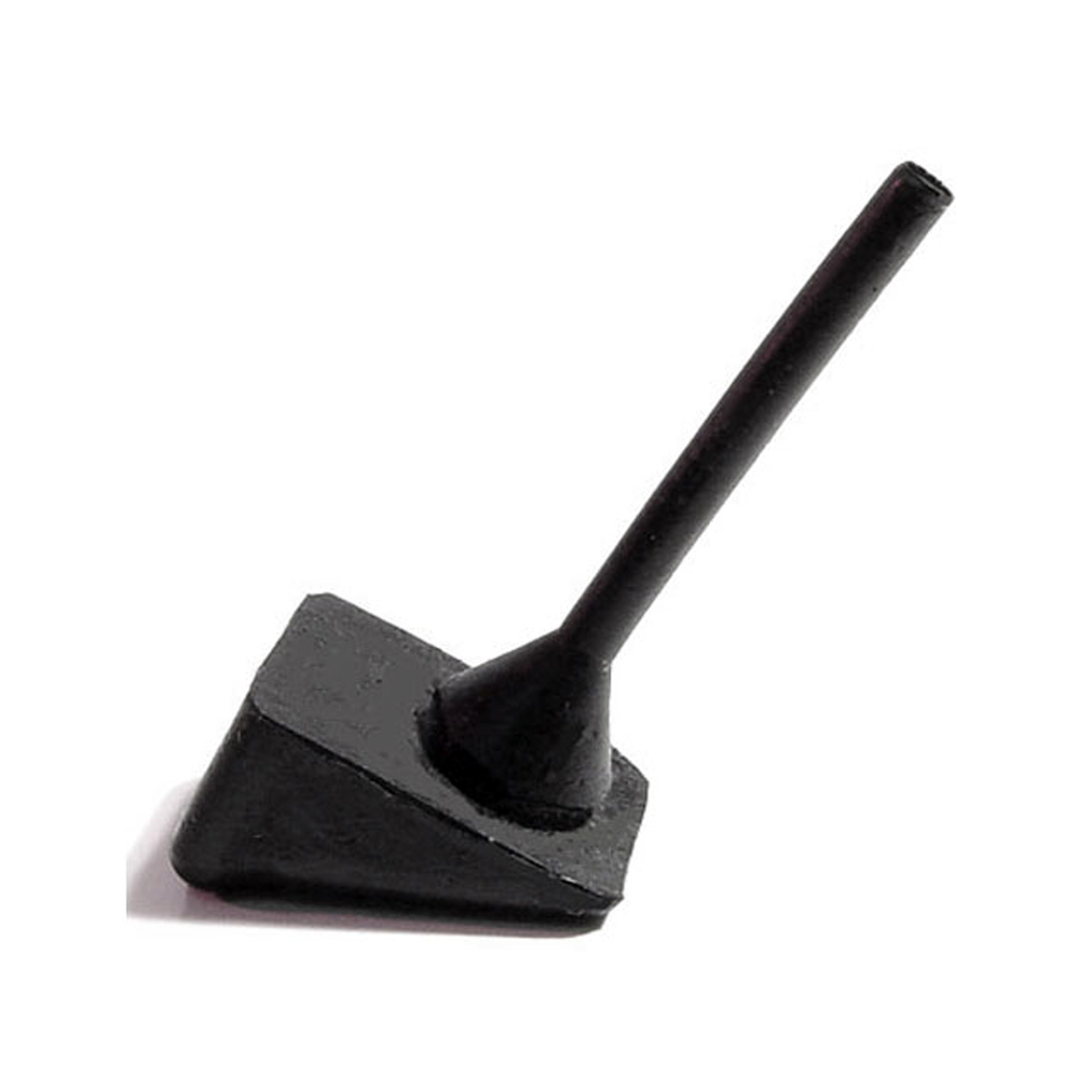 1953 Ford Victoria Hood Bumper. Each-HF 8Hood Bumper. Each
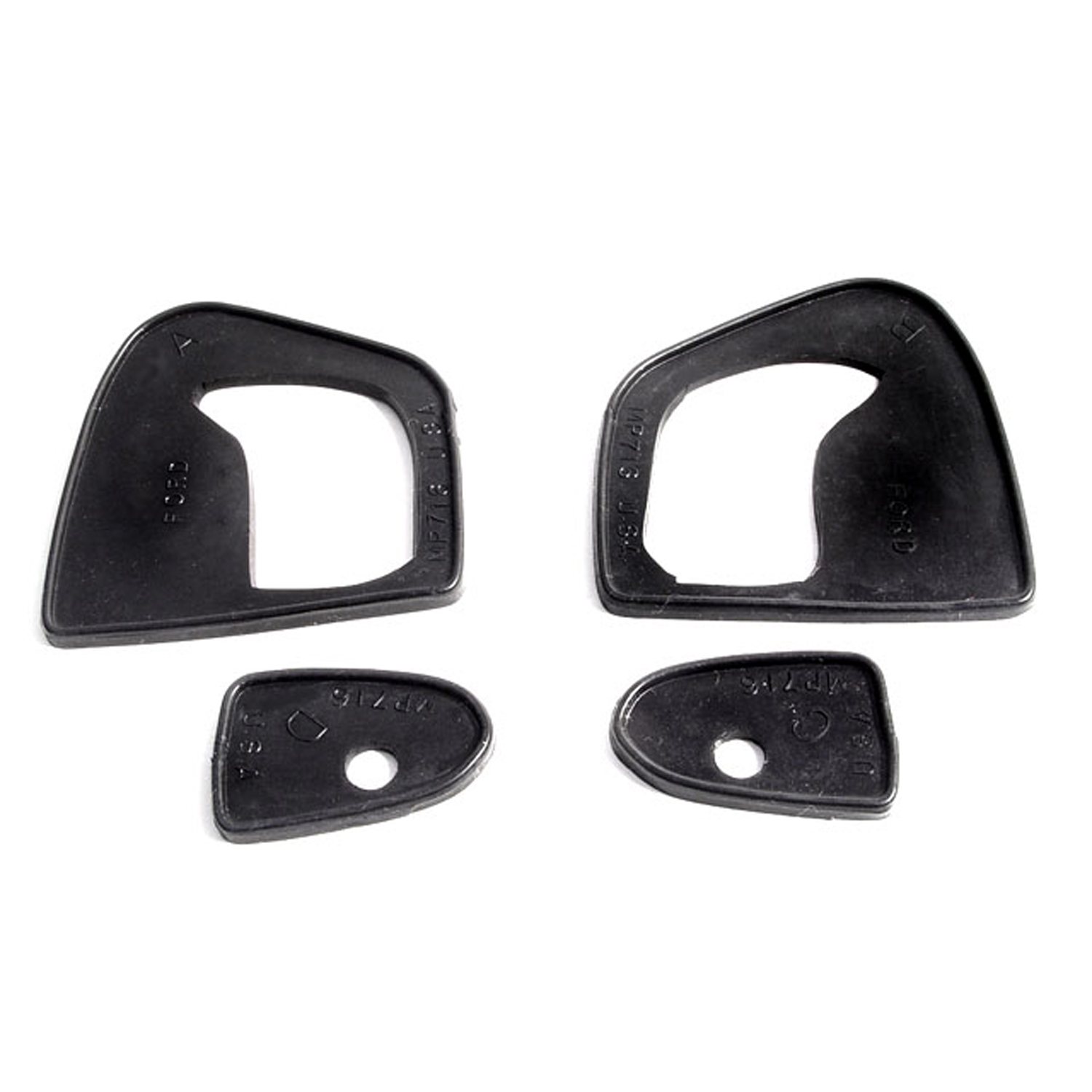 1953 Ford Victoria Door Handle Pads. 2-1/2" long & 1-1/2" long. Set R&L-MP 716Door Handle Pads. 2-1/2" long & 1-1/2" long. Set R&L
 1953 Ford Victoria Mirror Pad. 1-3/8" wide X 5-1/2" long. Each-MP 780-GMirror Pad. 1-3/8" wide X 5-1/2" long. Each
 1953 Ford Victoria Trunk Lock Pad. 13" wide X 2-1/8" long. Each-MP 781Trunk Lock Pad. 13" wide X 2-1/8" long. Each
 1953 Ford Victoria Tail-light Pads. 6-1/2" O.D. Pair-MP 785Tail-light Pads. 6-1/2" O.D. Pair
 1953 Ford Victoria Clutch and Brake Arm Bumpers. Top quality reproduction-RP 31-KClutch and Brake Arm Bumpers. Top quality reproduction. Pair
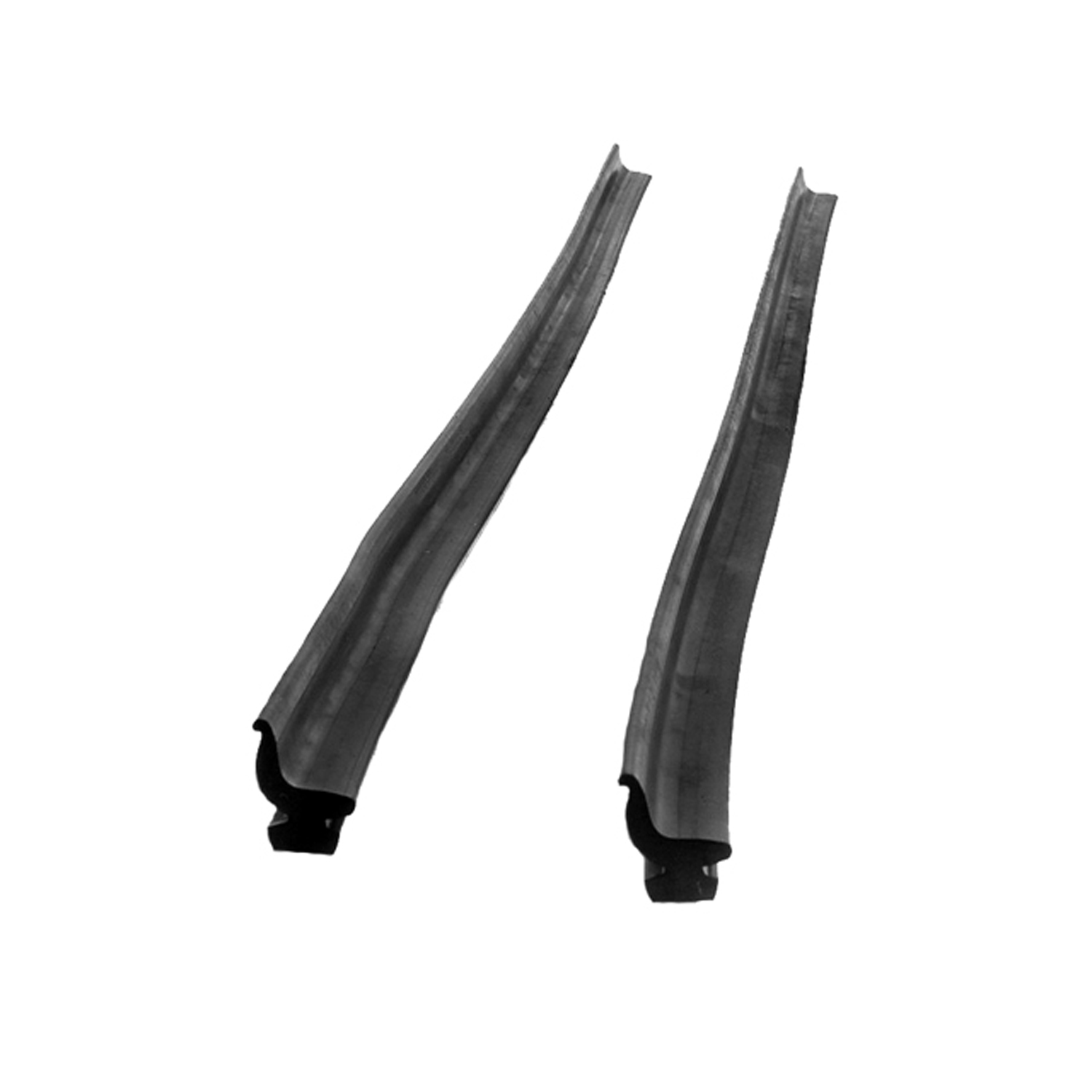 1953 Ford Victoria Rear roll-up Seal. Two 18" sections sliced into metal track-VS 4Rear roll-up Seal. Two 18" sections sliced into metal track. this foot with no steel insert. Pair
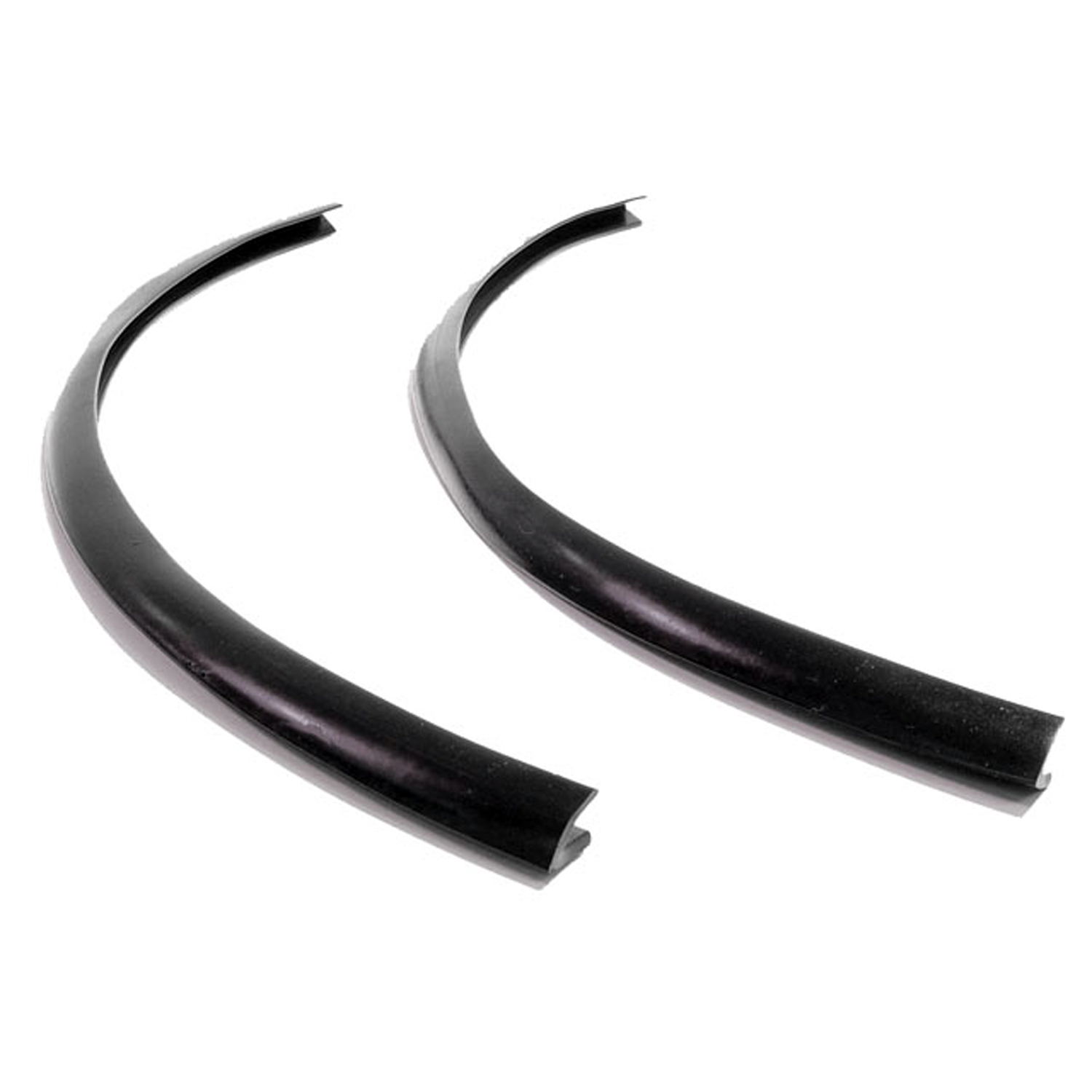 1953 Ford Victoria Vertical Seals for Vent Window. Each piece is 17" long-VS 6Vertical Seals for Vent Window. Each piece is 17" long. Pair
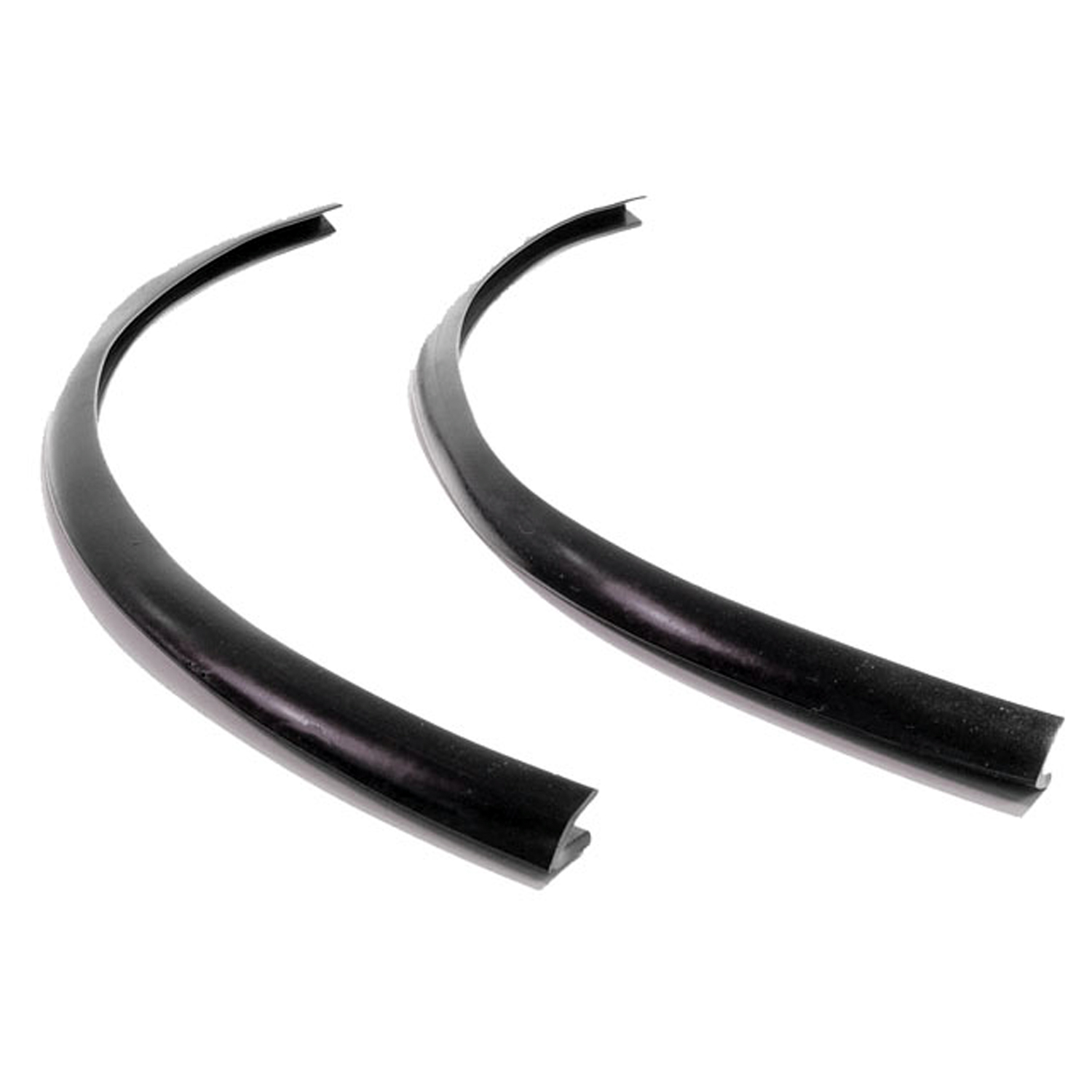 1953 Ford Victoria Vertical Seal for Vent Window. Sold by the foot.-VS 6/FTVertical Seal for Vent Window. Sold by the foot.
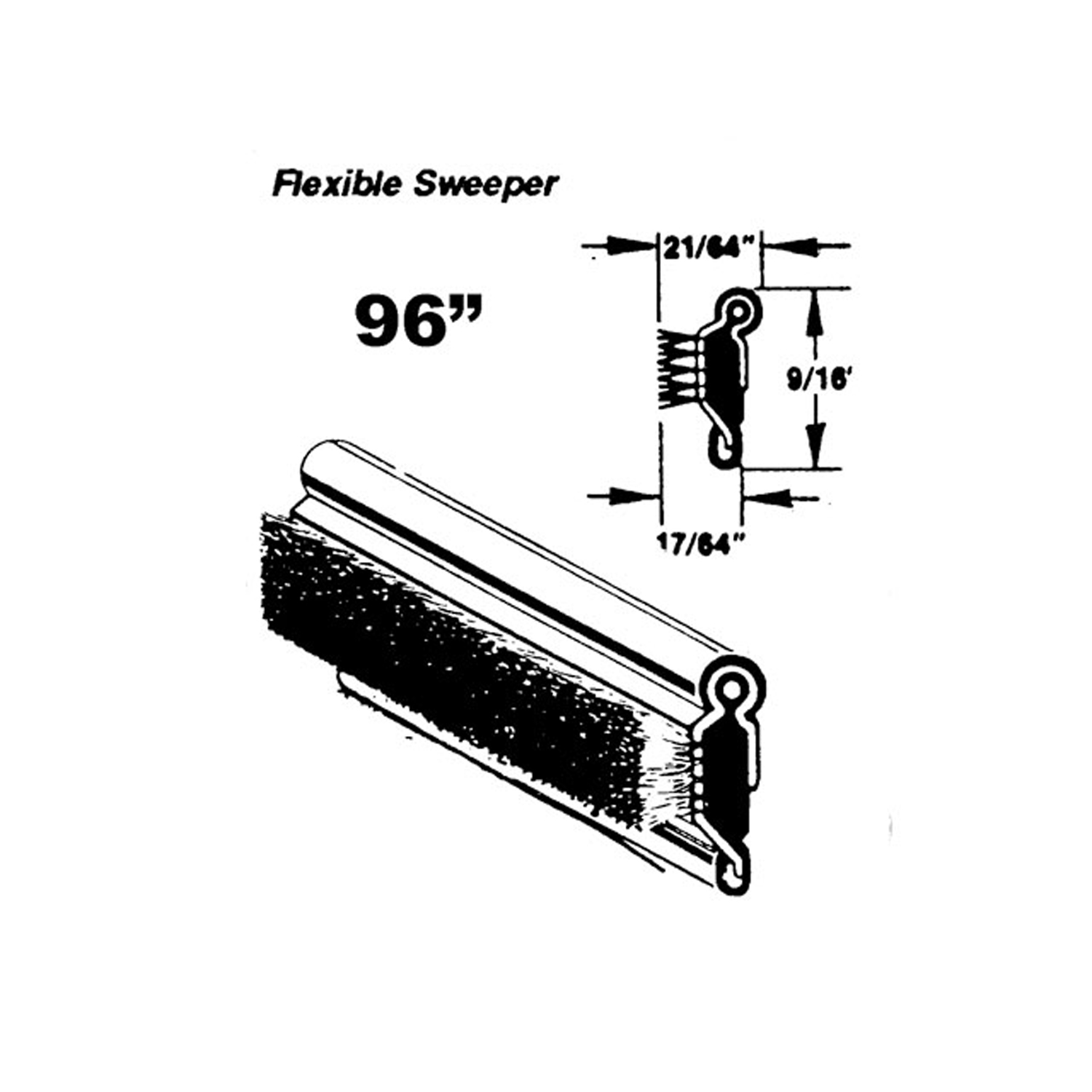 1953 Ford Victoria Flexible window sweeper. Made with stainless steel bead-WC 7-96Flexible window sweeper. Made with stainless steel bead. 96 in. long. Each. NOTE: $20 special shipping charge applies for domestic orders. Call or email for overseas shipping costs. Part can be sectioned in two or three equal lengths to reduce overseas shipping costs.
Why Choose Metro?
For over 100 years, Metro Moulded Parts has been the pinnacle of quality in classic car restoration parts. Our commitment to precision and authenticity in every component ensures a perfect fit and an OEM-level appearance.
- Expert Craftsmanship & Quality: Each part is a testament to our dedication to reliability and perfection, crafted from original designs and thoroughly tested.
- Advanced Technology: We use cutting-edge techniques to create flawless, long-lasting parts that surpass others in performance.
- SuperSoft Sponge – The Ultimate Door Seal: Not only are our door seals 30% softer than competitors', but they're also guaranteed to never leak. They effectively reduce wind and road noise, enhancing your classic car's comfort and driving experience.
- Proudly American: Our parts are a product of American craftsmanship, made in the USA with a spirit of excellence and heritage.
- Unrivaled Warranty: We back our products with a 30-year industry-leading warranty, a testament to our confidence in their quality.
Join us in preserving the legacy of classic cars with parts that are crafted for perfection, not just made.