

Image of 1954 Ford F-350, Note: These illustrations use artistic license and may differ from actual historical models.
Performance Metrics
Fundamental Metrics
Emotional Appeal
MMP Rating
| Engine Specifications | |
|---|---|
| Engine Options: | 239 CID V8, 279 CID V8 |
| Displacement Range: | 239-279 cubic inches |
| Horsepower Range: | 100-130 hp |
| Torque: | 193-224 lb-ft |
| Compression Ratio: | 7.2:1 |
| Ignition System: | Distributor and coil |
| Cooling System: | Liquid-cooled |
| Performance Specifications | |
| 0-60 Time: | Not available due to the vehicle's age and purpose as a work truck |
| 1/4 Mile Time: | Not available due to the vehicle's age and purpose as a work truck |
| Top Speed: | 70-75 mph |
| Transmission and Drive | |
| Drive Type: | Rear-wheel drive |
| Transmission Type: | 3-speed manual |
| Fuel and Efficiency | |
| Fuel System Type: | Carburetor |
| MPG: | 10-15 mpg |
| Dimensions and Brakes | |
| Brakes: | Drum brakes |
| Wheelbase: | 130 inches |
| Weight: | 3,400-3,800 lbs |
Note: Specifications for classic cars are given to the best of our ability, considering the limited and variant data available.
1954 Ford F-350: Ford’s One-Ton Workhorse
The 1954 Ford F-350 was built for the jobs that made a truck earn its keep: hauling supplies, carrying equipment, and heading back to work tomorrow. Part of Ford’s second-generation F-Series, it combined a fresh, more modern cab with the stout frame and straightforward mechanicals expected of a one-ton truck. Ford Motor Company had introduced the F-Series in 1948, and by 1954 its trucks had become familiar sights on farms, construction sites, and commercial routes across America.
The F-350 sat at the heavy-duty end of Ford’s light-truck range, above the F-100 and F-250. Its one-ton classification made it a practical choice for buyers who needed more capacity than a half-ton pickup could offer but did not need a large commercial truck. A notable change for 1954 was under the hood: Ford replaced its long-serving flathead truck engines with modern overhead-valve powerplants, including the new Y-block V8. For a working truck, that was a meaningful step forward in power and engine design.
Second-Generation Ford Styling
The F-350 wore the strong, upright look that defined Ford’s 1953–1956 F-Series trucks. Its broad hood, tall front fenders, rounded cab roof, and bold horizontal grille gave it a purposeful face without unnecessary decoration. The 1954 grille and front-end details helped distinguish that model year, while the overall shape remained recognizably part of the generation. The truck looked substantial because it was substantial, with a high stance and a long, work-ready profile.
Inside, the cab was designed around durability and visibility rather than luxury. The dashboard and controls were simple to understand, and the cabin used practical painted metal, vinyl, and cloth materials suited to regular work. Ford’s “Driverized” cab concept emphasized a more comfortable driving position and improved visibility compared with earlier trucks. Buyers could add comfort and appearance equipment, depending on configuration, but even a well-optioned F-350 retained the honest, utilitarian feel of a working vehicle.
Available paint colors varied by model year, equipment, and fleet order. Solid colors were common, while two-tone combinations could give a truck a more personal look. White, red, blue, green, and dark neutral shades are among the colors seen on surviving examples, though original combinations should be verified against the truck’s paint codes and build information. Fleet buyers often chose practical, consistent colors, while privately owned trucks were more likely to show off a brighter finish or contrasting accents.
Cab, Bed, and Chassis Options
The F-350 was available in pickup form as well as in chassis configurations intended for commercial bodies. Depending on the order, its heavy-duty platform could serve as the basis for a stake bed, flatbed, service body, or other work-specific conversion. This flexibility was a major part of the truck’s appeal: a buyer could select a conventional pickup for general hauling or start with a chassis and have a body fitted for a particular trade.
The pickup is the most immediately recognizable F-350 configuration today, but chassis-cab and vocational versions are especially interesting to collectors because they show how varied these trucks could be. Exact wheelbase, payload, and body availability depended on the configuration. As with other older work trucks, the original body and period-correct equipment can have a significant effect on both historical interest and market value.
1954 Engineering and Historical Impact
The most important technical story of the 1954 F-Series was its move to overhead-valve engines. The 239-cubic-inch Ford Y-block V8 was rated at about 130 horsepower, while the 223-cubic-inch inline-six was rated at roughly 115 horsepower. Exact output can vary by published rating method and specification, but both engines represented a modern direction for Ford’s truck line. The V8 was particularly appealing to buyers who wanted stronger pulling power and a more relaxed feel under load.
This change helped keep Ford competitive in a period when American truck buyers increasingly expected more power, improved comfort, and greater everyday usability. The F-350 was not a radical styling experiment or a luxury pickup. Its contribution was more practical: it brought newer engine technology and a more accommodating cab to a durable one-ton platform. Ford’s approach helped establish the formula that would define successful pickups for decades: useful capacity, familiar controls, adaptable body options, and a cab comfortable enough for long working days.
Compared with lighter pickups, the F-350’s heavy-duty construction was its defining difference. Its sturdier chassis and commercial flexibility suited demanding work, while its recognizable Ford cab made it less intimidating to operate than a larger medium-duty truck. The model’s lasting influence is found in that balance. It was a serious work vehicle that could still serve as a versatile personal truck.
Engine, Speed, and Road Manners
A 1954 F-350 was built to carry and pull, not to win a drag race. With the 239-cubic-inch V8, a period-correct truck in good condition might reach approximately 60 to 70 mph, depending on axle gearing, tire size, body style, and load. A rough estimate for 0-to-60-mph acceleration is around 25 to 35 seconds, though the figure can change considerably with the engine, transmission, gearing, and condition. These are practical estimates, not guaranteed factory test figures, and many examples were geared primarily for useful low-speed work.
The truck’s heavy-duty suspension and solid axles were made to handle loads, so an unloaded F-350 can feel firm and bouncy over broken pavement. Add cargo, and the ride settles down. On a winding road, its size, steering, and drum brakes call for a measured approach. It is not meant to be hustled like a modern pickup, and stopping distances are much longer than drivers expect from contemporary vehicles.
From behind the wheel, the experience is direct and mechanical. The V8 delivers a deep, steady rumble, while the manual transmission and large steering wheel keep the driver closely involved. The cab sits high, the hood stretches out ahead, and the truck communicates bumps and engine effort plainly. In good tune, it feels sturdy and willing, but it rewards smooth gear changes, thoughtful braking, and respect for its age.
Living With a 1954 F-350
Today, many F-350s are restored for shows, used for occasional weekend drives, or kept as part of a working farm or business collection. Others serve as tow rigs for vintage trailers or as platforms for period-style flatbeds and service bodies. A well-preserved example can still do light-duty work, but regular modern highway use is best approached carefully, especially if the truck retains its original brakes, steering, and tires.
Mechanical service is generally approachable for an owner with basic tools and patience. The engine bay is relatively accessible, and the truck’s mechanical systems are less complex than those in a modern vehicle. Parts support for common Ford engines and running gear is reasonably good through classic-truck suppliers and specialist vendors. However, F-350-specific chassis, suspension, body, and commercial-body parts can be harder to source than components for the more common F-100.
Reliability depends heavily on condition and maintenance. Before buying, inspect the frame, cab corners, floor, bed, and suspension mounts for rust or poor repairs. Check the engine’s oil pressure and cooling system, listen for drivetrain noise, and examine the brakes and steering thoroughly. Many trucks have had decades of hard use or non-original repairs, so a careful inspection is more valuable than a shiny paint job.
F-350 Facts and Common Criticisms
The F-350’s most intriguing “rare edition” is often not a special trim package at all, but an unusual working configuration. A period stake bed, factory-style flatbed, service body, or well-documented commercial conversion can make an example stand out. There is no widely recognized celebrity ownership or major speed record associated with the 1954 F-350. Its history is less about headlines and more about the thousands of everyday jobs these trucks performed.
Ford did not publish an easily verified, commonly cited production total for every 1954 F-350 body and chassis combination. As a rough estimate rather than an official figure, production may have been in the range of 5,000 to 15,000 trucks. The estimate reflects the F-350’s position as a smaller-volume heavy-duty model compared with the popular F-100, but exact numbers are difficult to establish because body styles and commercial configurations were varied.
Common criticisms are familiar to anyone considering a vintage work truck: slow acceleration, heavy steering, modest braking performance, a firm ride when unloaded, and limited comfort by modern standards. Parts availability can also be more challenging for the one-ton chassis than for lighter F-Series models. Those drawbacks are part of the truck’s character, but they should be weighed honestly before using one as regular transportation.
Collector Value and Market Outlook
Values vary widely with rust, originality, mechanical condition, body style, and restoration quality. As a broad U.S. market guide, a project truck may sell for roughly $5,000 to $12,000. A usable driver in presentable condition might bring about $15,000 to $30,000, while a properly restored example can range from approximately $35,000 to $60,000 or more. Exceptional restorations and unusual, well-documented commercial configurations may exceed that range.
The 1954 F-350 is less common than a comparable F-100, but it is not automatically more valuable. Buyers tend to pay a premium for sound structure, correct details, and a desirable body configuration, rather than rarity alone. Over the long term, interest in classic Ford trucks has supported values, especially for clean, original, or professionally restored examples. Prices can still vary with the broader collector market, and heavily modified or rust-damaged trucks may be harder to sell.
A One-Ton Ford With Working-Class Character
The 1954 Ford F-350 brought modern overhead-valve power, a practical cab, and adaptable one-ton capability to a generation of trucks that helped define Ford’s postwar identity. It was not designed for speed or plush comfort. It was designed to carry a load, take a day’s work, and return to service.
That straightforward purpose is exactly what makes the F-350 compelling today. Whether restored as a showpiece, kept as a farm truck, or enjoyed on occasional back roads, it offers a tangible connection to the era when a pickup was first and foremost a tool. The 1954 Ford F-350 remains a sturdy reminder that great truck design is measured not only by how it looks, but by how much work it was built to do.
1954 Ford F-350 Catalog of Parts
 1954 Ford F-350 Running Board Cushion-ARB 1Running Board Cushion. Includes: rubber spacer, carriage bolt, nut and lock washer. Pair
 1954 Ford F-350 Lower Mount Cushion for cab frame. Base: 1-5/8" W X 1/4" H-BC 23Lower Mount Cushion for cab frame. Base: 1-5/8" W X 1/4" H. Hole: 11/16" O.D., 1/2" I.D., 1/4" High. Each
 1954 Ford F-350 Upper Mount Cushion for front of cab frame-BC 24Upper Mount Cushion for front of cab frame. Base: 2-3/4" W X 5/16" H. Hole: 2-5/16" O.D., 1" I.D., 3/8" High. Each
 1954 Ford F-350 Spring and Shackle Insulators-BC 25Spring and Shackle Insulators. Rear cab to frame suspension bumpers. Pair
 1954 Ford F-350 Shock Absorber Grommet. 1" bottom O.D-BN 11Shock Absorber Grommet. 1" bottom O.D., 3/4" high, with 5/8" I.D. Each
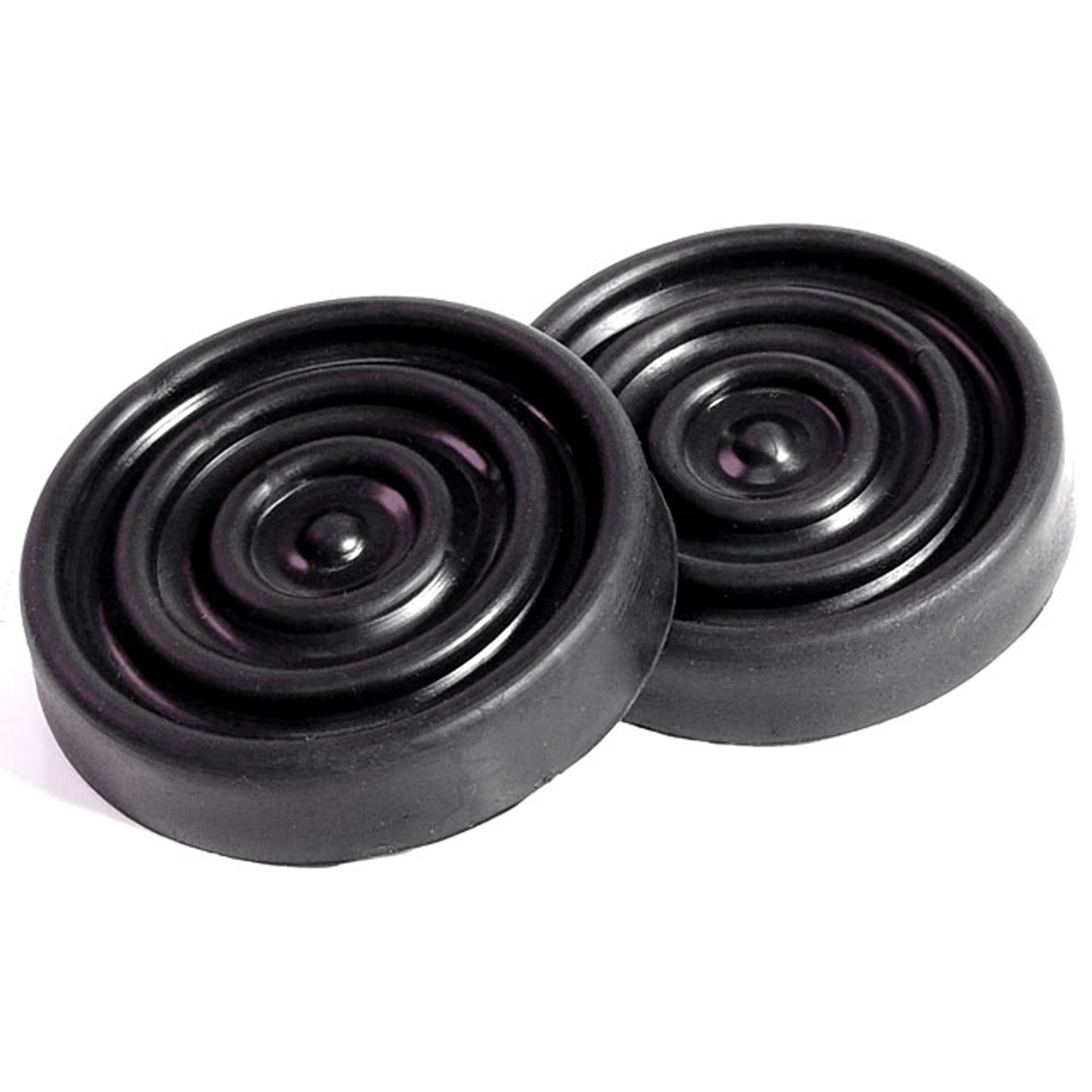 1954 Ford F-350 Clutch and Brake Pedal Pads-CB 106Clutch and Brake Pedal Pads. Made with molded steel core and threaded stud. 3" diameter. Pair
 1954 Ford F-350 Radiator to Hood Seal. 2-5/8" wide X 33" long. Each-CS 109-GRadiator to Hood Seal. 2-5/8" wide X 33" long. Each
 1954 Ford F-350 Hood to Fender Bumper. Top Notch Reproduction. Each-HF 33Hood to Fender Bumper. Top Notch Reproduction. Each
 1954 Ford F-350 Headlight Assembly Housing Gasket. 8-5/8" O.D., 8" I.D-HR 11Headlight Assembly Housing Gasket. 8-5/8" O.D., 8" I.D. Pair
 1954 Ford F-350 Door Seals, 53-55 Ford F-Series Truck, On Body, Pair-LM 110-XDoor Seals, 53-55 Ford F-Series Truck, On Body, Pair. Protect your vehicle’s interior from the outside elements by replacing your dried-out door weatherstrips with this proven product. These seals have been hollowed out so the doors can close correctly. Mounts on the doors with weatherstrip adhesive (not included).
 1954 Ford F-350 Top of Radiator Hood Seal. 2-3/4" wide. Sold by the foot-LP 109-G/FTTop of Radiator Hood Seal. 2-3/4" wide. Sold by the foot
 1954 Ford F-350 Cab to Running Board Seal. Sold by the Foot.-LP 98-BCab to Running Board Seal. Sold by the Foot.
 1954 Ford F-350 Cab to Running Board Seal. Pair of two 8 foot pieces.-LPK 98-BCab to Running Board Seal, 53-55 Ford Truck. Pair of two 8 foot pieces.
 1954 Ford F-350 Door Lock Pads. 1-1/4" wide X 1-3/4" long-MP 716-ADoor Lock Pads. 1-1/4" wide X 1-3/4" long. Pair (Mercury trunk with trimming)
 1954 Ford F-350 Cowl Vent Seal. Perfect reproduction-RP 100-TCowl Vent Seal. Perfect reproduction. Instructions included for installation. 13-1/2" diameter rubber ring. Each
 1954 Ford F-350 Battery Splash Shield. 10" X 1-5/8". Each-RP 1-DBattery Splash Shield. 10" X 1-5/8". Each
 1954 Ford F-350 Clutch and Brake Arm Bumpers. Top quality reproduction-RP 31-KClutch and Brake Arm Bumpers. Top quality reproduction. Pair
 1954 Ford F-350 Clutch and Brake Pedal to Floor Board Seals. Pair-RP 31-LClutch and Brake Pedal to Floor Board Seals. Pair
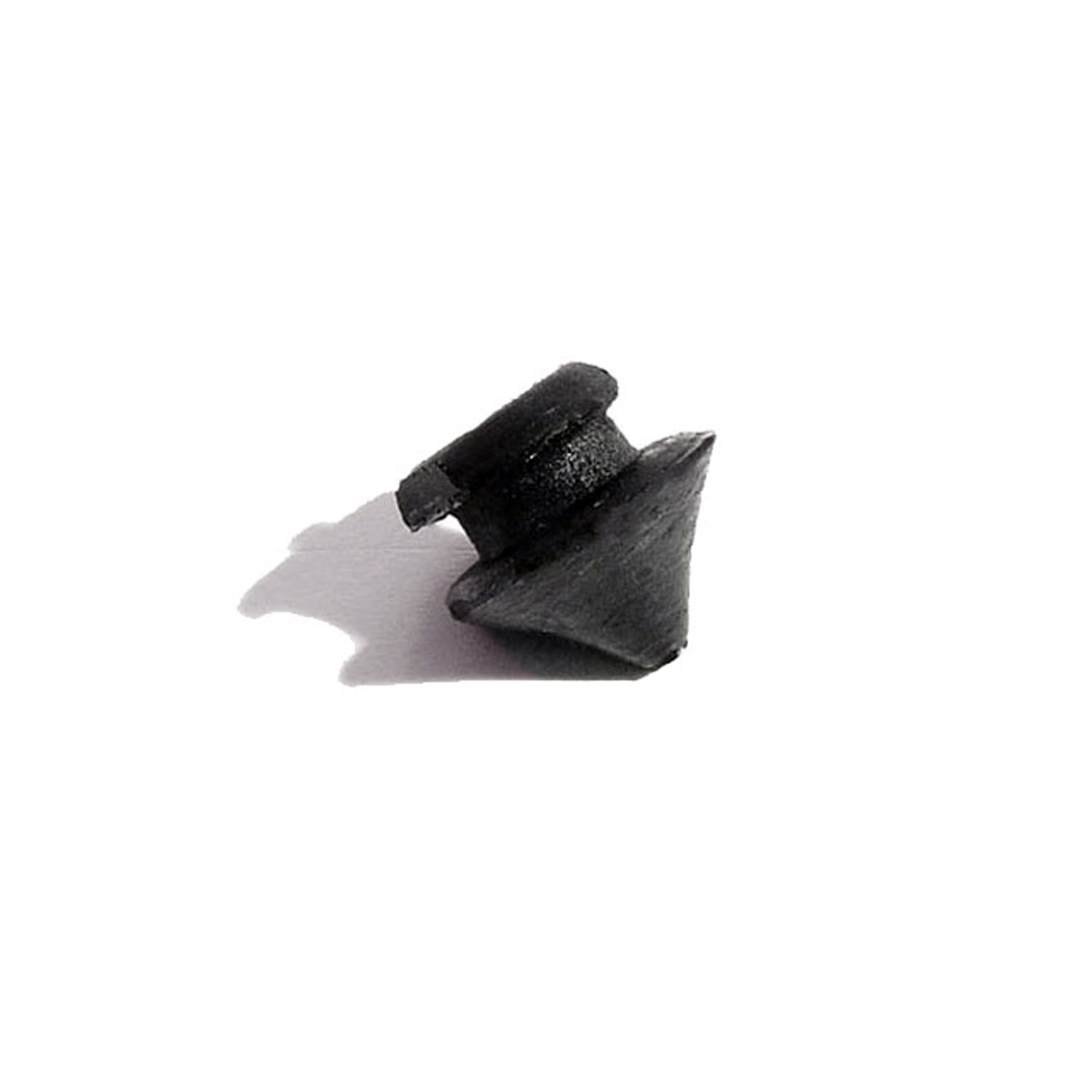 1954 Ford F-350 Glove Box Bumper. Two used per truck. Each-SB 100Glove Box Bumper. Two used per truck. Each
 1954 Ford F-350 Wiper Motor Control Wire Grommet. Each-SB 107Wiper Motor Control Wire Grommet. Each
 1954 Ford F-350 Tailgate Bumper. Each-SB 84Tailgate Bumper. Each
 1954 Ford F-350 Firewall Steering Post and Shift Rod Gasket-SC 25Firewall Steering Post and Shift Rod Gasket. For 3-speed models. Each
 1954 Ford F-350 Firewall Steering Post Gasket. For 4-speed models. Each-SC 25-AFirewall Steering Post Gasket. For 4-speed models. Each
 1954 Ford F-350 Steering Column Post Bracket Cushion-SC 26Steering Column Post Bracket Cushion. Top notch reproduction. 5" x 1-1/4". Each
 1954 Ford F-350 Gas Gauge Wire through Frame. For sending unit. 1" O.D-SM 71Gas Gauge Wire through Frame. For sending unit. 1" O.D. Each
 1954 Ford F-350 Floor Plug Grommet. Used on each side of seat-SM 74Floor Plug Grommet. Used on each side of seat. fits 3/4" hole size. Each
 1954 Ford F-350 Universal Special Purpose Grommet. 1" I.D., 2-1/2" O.D-SM 76Universal Special Purpose Grommet. 1" I.D., 2-1/2" O.D., 3/4" High. Pair
 1954 Ford F-350 Mirror Hole Plug-SM 77Mirror Hole Plug. For panel trucks and trucks without side mirrors. Fits a 1/2" wide X 1-5/8" long hole. Each
 1954 Ford F-350 Special Purpose Grommet. Main wiring loom. 1-9/16" O.D-SM 78Special Purpose Grommet. Main wiring loom. 1-9/16" O.D., 1/2" hole. Each
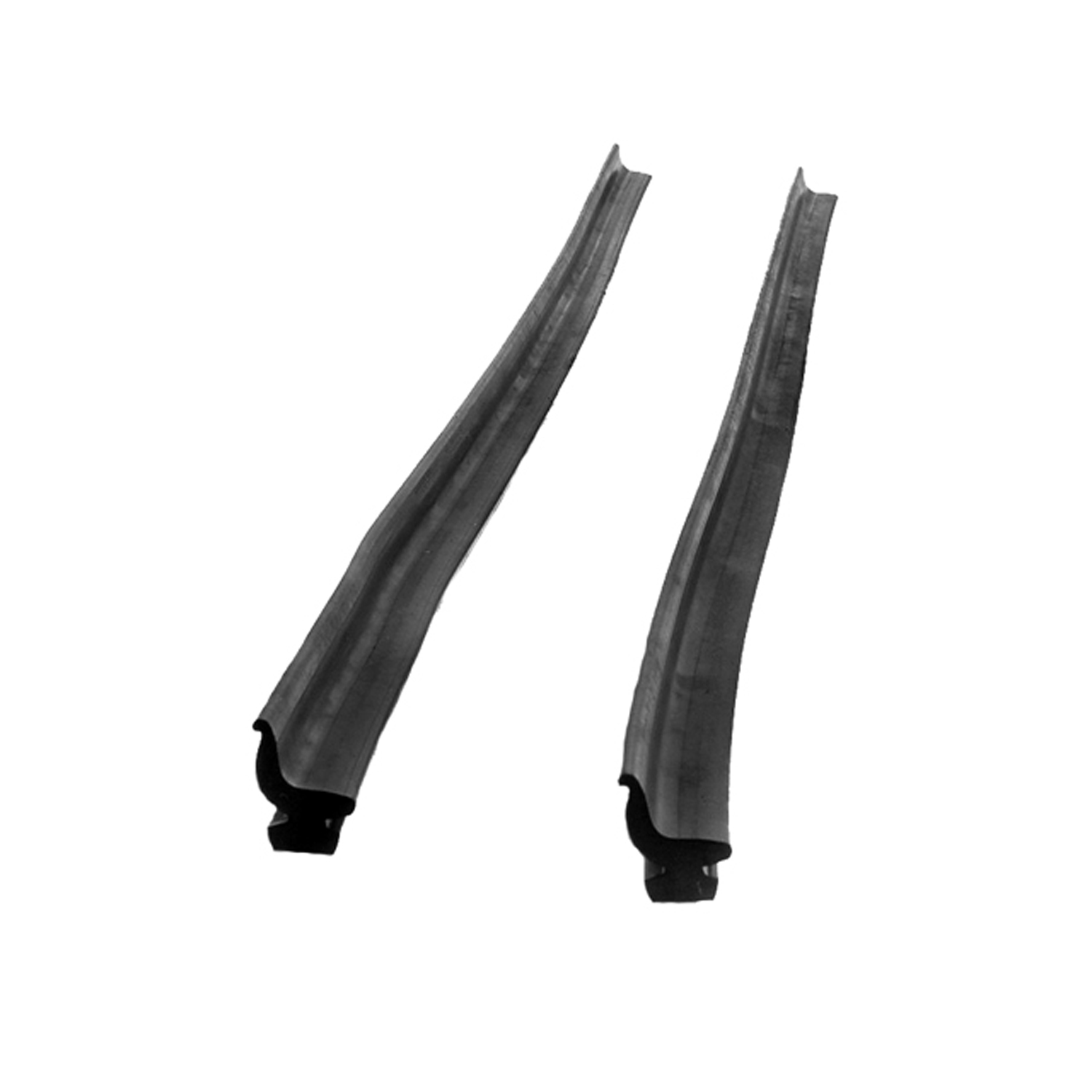 1954 Ford F-350 Rear roll-up Seal. Two 18" sections sliced into metal track-VS 4Rear roll-up Seal. Two 18" sections sliced into metal track. this foot with no steel insert. Pair 1954 Ford F-350 Vulcanized Windshield Seal. Each-VWS 3302Vulcanized Windshield Seal. Each
 1954 Ford F-350 Vulcanized Rear Windshield Seal-VWS 3302-RVulcanized Rear Windshield Seal. For trucks without wrap-around rear window. Each
 1954 Ford F-350 Rigid division-bar channel-WC 29-72Rigid division-bar channel. Made with stainless steel bead, pile lining and heavy steel core. 72 in. long. Each. NOTE: $20 special shipping charge applies for domestic orders. Call or email for overseas shipping costs. Part can be sectioned into two equal lengths to reduce overseas shipping costs.
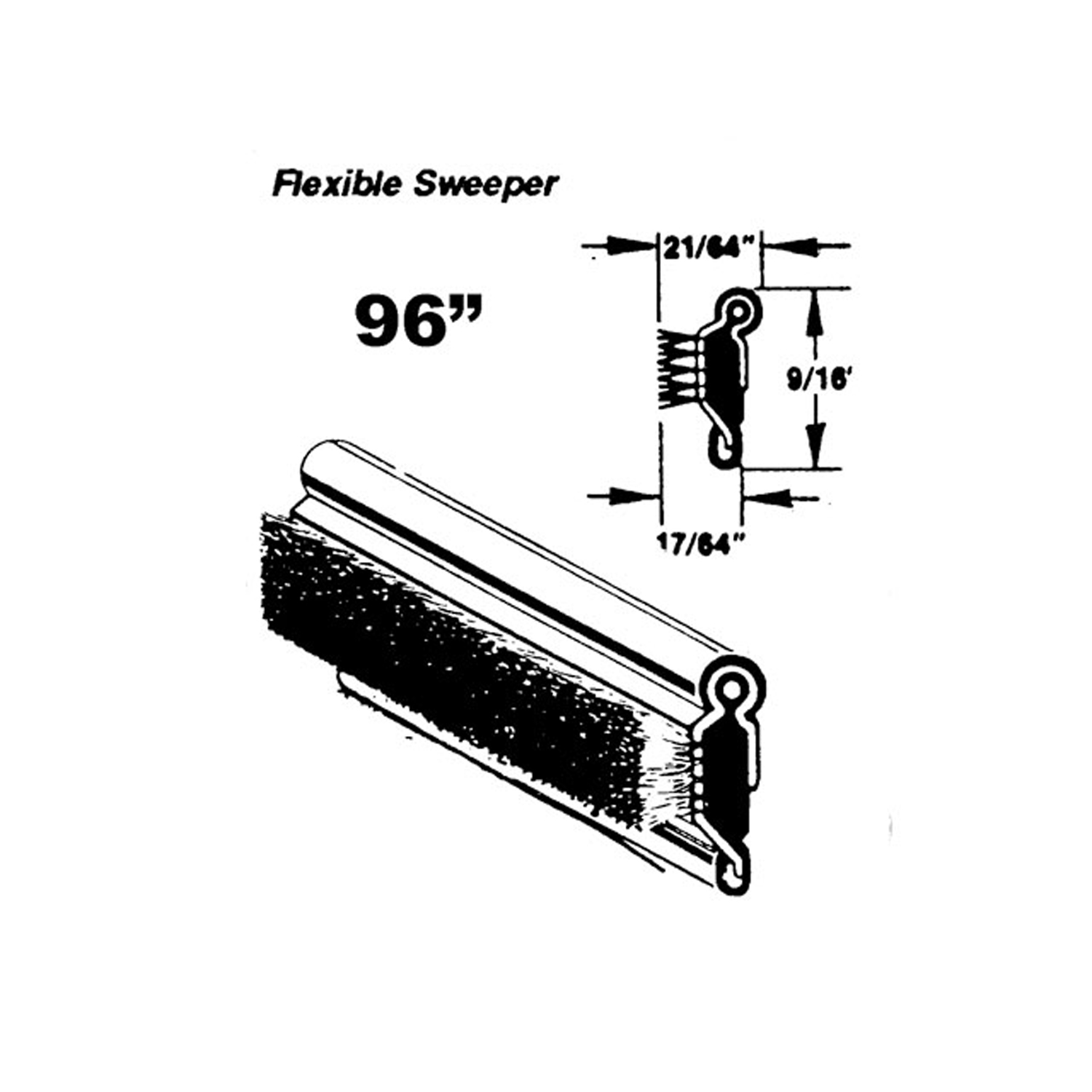 1954 Ford F-350 Flexible window sweeper. Made with stainless steel bead-WC 7-96Flexible window sweeper. Made with stainless steel bead. 96 in. long. Each. NOTE: $20 special shipping charge applies for domestic orders. Call or email for overseas shipping costs. Part can be sectioned in two or three equal lengths to reduce overseas shipping costs. 1954 Ford F-350 Vent Window Seals. Pair R&L-WR 3310Vent Window Seals. Pair R&L
Why Choose Metro?
For over 100 years, Metro Moulded Parts has been the pinnacle of quality in classic car restoration parts. Our commitment to precision and authenticity in every component ensures a perfect fit and an OEM-level appearance.
- Expert Craftsmanship & Quality: Each part is a testament to our dedication to reliability and perfection, crafted from original designs and thoroughly tested.
- Advanced Technology: We use cutting-edge techniques to create flawless, long-lasting parts that surpass others in performance.
- SuperSoft Sponge – The Ultimate Door Seal: Not only are our door seals 30% softer than competitors', but they're also guaranteed to never leak. They effectively reduce wind and road noise, enhancing your classic car's comfort and driving experience.
- Proudly American: Our parts are a product of American craftsmanship, made in the USA with a spirit of excellence and heritage.
- Unrivaled Warranty: We back our products with a 30-year industry-leading warranty, a testament to our confidence in their quality.
Join us in preserving the legacy of classic cars with parts that are crafted for perfection, not just made.