

Image of 1955 Ford Courier Sedan Delivery, Note: These illustrations use artistic license and may differ from actual historical models.
Performance Metrics
Fundamental Metrics
Emotional Appeal
MMP Rating
| Engine Specifications | |
|---|---|
| Engine: | 223 CID (3.7L) OHV I6, 272 CID (4.5L) Y-block V8 |
| Displacement: | 223 - 272 CID |
| Horsepower: | 120 - 162 hp |
| Torque: | 206 - 258 lb-ft |
| Compression Ratio: | 7.6:1 (I6), 8.1:1 (V8) |
| Ignition System: | Distributor and coil |
| Cooling System: | Liquid cooled |
| Performance Specifications | |
| 0-60 Time: | Estimated 10 - 12 seconds |
| 1/4 Mile Time: | Estimated 17 - 19 seconds |
| Top Speed: | 90 - 100 mph |
| Transmission and Drive | |
| Drive Type: | Rear-wheel drive |
| Transmission Type: | 3-speed manual, 3-speed Ford-O-Matic automatic |
| Fuel and Efficiency | |
| Fuel System Type: | Carburetor |
| MPG: | Estimated 10 - 15 mpg |
| Dimensions and Brakes | |
| Brakes: | Drum brakes |
| Wheelbase: | 115.5 inches |
| Weight: | 3,200 - 3,400 lbs |
Note: Specifications for classic cars are given to the best of our ability, considering the limited and variant data available.
1955 Ford Courier Sedan Delivery: A Classic Ford Workhorse
The 1955 Ford Courier Sedan Delivery could haul a stack of parcels all week and still turn heads on Saturday night. It combined the familiar face of Ford’s redesigned mid-1950s passenger cars with a practical, windowless cargo body, making it a distinctive link between the station wagon and the commercial van.
Built by the Ford Motor Company, the Courier was a two-door sedan delivery intended for businesses that needed more enclosed space than a passenger car could provide. It was based on Ford’s full-size car platform, with a passenger-car front end and a rear body adapted for carrying goods. One intriguing detail is that the Courier belonged to a vanishing breed: the car-based sedan delivery. As dedicated commercial vans grew more popular, this useful blend of car and work vehicle gradually faded from American roads.
1955 Ford Courier Styling and Body
Ford gave its 1955 lineup a fresh, lower-looking profile, and the Courier wore the same confident front-end design. Its broad grille, paired headlights, sculpted front fenders and bright chrome trim gave it a distinctly mid-century look. The passenger compartment flowed into a long, solid-sided cargo section, with no rear side windows to reveal the contents. The result was part family car, part rolling billboard, and entirely practical.
At the back, a large cargo opening made loading easier than it would have been through a conventional trunk. The Courier’s exact rear-door arrangement and equipment could vary by configuration, but its purpose was consistent: make bulky goods accessible while keeping them sheltered from weather and out of sight. The smooth side panels also offered businesses useful space for painted names, logos or advertising.
Inside, the Courier favored durability over luxury. A simple front bench seat, straightforward instruments and hard-wearing upholstery suited a vehicle expected to work for its living. Depending on equipment and trim, buyers could have a more finished cabin, but this was not a Fairlane convertible dressed up as a delivery vehicle. The cargo area was the main event, with a practical floor and bare-bones treatment suited to boxes, tools and supplies.
Ford offered the 1955 range in a broad selection of period colors, with appearance and trim choices depending on the model and order. Solid colors made sense for fleet buyers, while brighter shades and two-tone treatments could give an individual Courier more personality. Black, white, red and blue tones were among the kinds of colors seen across the era’s Ford lineup. Exact availability for a particular Courier should be checked against its build information, since commercial orders did not always mirror passenger-car combinations.
Engines, Transmission and 1955 Technology
The Courier’s standard power came from Ford’s 223-cubic-inch inline-six, rated at about 120 horsepower in contemporary specifications. Buyers could also choose a 272-cubic-inch Y-block V8, a member of Ford’s new-for-1955 overhead-valve V8 family. Depending on configuration, the 272 was commonly rated around 162 horsepower, with higher-output versions listed for some applications.
A three-speed manual transmission was the straightforward choice, while Fordomatic automatic transmission was available on equipped models. The Courier used a conventional body-on-frame layout, with independent front suspension and coil springs at the front and leaf springs at the rear. Braking was by drum brakes, and the electrical system was six-volt, as was typical for Ford in 1955. Ford’s move to 12-volt electrical systems came with the following model year.
These were useful, modern features for a mid-1950s work vehicle, but the Courier was not a technology showcase. Its appeal came from applying passenger-car engineering to commercial duty: familiar controls, an available V8 and a ride designed for ordinary roads rather than a heavy truck’s workload.
How the Courier Stood Apart
The Courier occupied an important middle ground. A pickup offered an open bed, while a panel truck or van gave businesses a more enclosed cargo space. The sedan delivery provided that enclosure in a car-sized package, with the driving position and road manners of a passenger Ford. It suited florists, service businesses, delivery firms and small retailers that needed useful capacity without moving up to a larger commercial vehicle.
Its significance is less about a single breakthrough than about a broader shift in vehicle design. The Courier represented the final, highly practical evolution of a body style that had served American businesses for decades. As vans became roomier and more specialized, sedan deliveries lost their commercial advantage. Today, the Courier’s blend of passenger-car styling and work-ready bodywork is precisely what makes it memorable.
1955 Ford Courier Performance and Road Feel
Ford did not publish one universal 0-to-60 mph or top-speed figure for every Courier configuration, and surviving examples vary in engine, gearing, condition and load. As a broad period-performance estimate, a six-cylinder Courier might take roughly 16 to 19 seconds to reach 60 mph and manage a top speed in the neighborhood of 85 to 90 mph. A V8 version could bring 0-to-60 time closer to about 11 to 14 seconds, with top speed around 95 to 100 mph under favorable conditions. These are estimates, not guaranteed factory test figures.
On a smooth road, the Courier feels more like a full-size car than a modern delivery truck. Its front coil springs soften the ride, while the rear leaf springs are built for utility and can feel firmer when the cargo area is empty. Add a substantial load and the rear settles into its work; leave it unloaded and rough pavement can make the back end feel busy.
On winding roads, the Courier’s size and period steering remind the driver to plan ahead. It is not a nimble sports car, and drum brakes call for measured stopping distances rather than late, hard braking. In a V8 example, the engine produces the familiar low, steady burble of a mid-century Ford, while the six-cylinder is quieter and more economical in character. The driving experience is direct and mechanical: a broad bench seat, simple gauges, a large steering wheel and a clear sense of operating a machine rather than selecting settings on a screen.
Living With a Courier Today
In period, the Courier was a working vehicle. Today, surviving examples are more often restored show cars, weekend cruisers, business-themed display vehicles or occasional-use haulers. Some owners preserve the commercial look; others customize them with upgraded brakes, modern electrical components or period-style performance parts.
Routine mechanical work is generally manageable for an owner comfortable with older American cars. The engines and many chassis components are related to broader Ford passenger-car equipment, so service parts can be easier to find than Courier-specific body pieces. The biggest challenges tend to be rust and trim. Inspect the floors, rocker panels, lower quarters, cargo floor and rear opening carefully. Correct glass, rear-door hardware, interior pieces and body trim may take time to locate, especially for a restoration aiming for factory-style originality.
Like any 1950s car, a Courier benefits from regular attention to its cooling system, ignition, brakes, steering and electrical connections. Its six-volt system can work properly when maintained, but corroded grounds, tired wiring and unsuitable replacement components can cause familiar old-car frustrations. Mechanical repairs are usually less daunting than finding sound, original bodywork.
Courier Facts and Common Criticisms
The Ford Courier name later appeared on a compact pickup, but that truck was a different vehicle from the 1955 sedan delivery. The shared name can confuse newcomers, yet the two models served different roles and belonged to different eras of Ford’s commercial strategy.
The Courier was not known for a headline-grabbing speed record or a famous racing victory. Its claim to distinction is its usefulness and rarity today. A precise 1955 production total is not consistently presented across reference sources, so a reasonable working estimate is roughly 5,000 to 6,000 examples. That estimate should be treated cautiously, since production totals can be reported differently by body style and source.
Its common criticisms are part of its character: modest braking by modern standards, leisurely acceleration with the six-cylinder, heavy steering at low speeds and limited comfort compared with a modern van. The cargo area is also less adaptable than a purpose-built van’s. But those compromises come with a classic driving feel and an uncommon silhouette that is hard to mistake for anything else.
1955 Ford Courier Values and Rarity
The Courier is scarce enough that condition, originality and restoration quality have an outsized effect on price. As a broad current-market estimate, a project or heavily worn example might fall around $10,000 to $20,000. A usable driver or presentable older restoration could bring roughly $20,000 to $40,000, while a highly finished, correct example may reach $40,000 to $60,000 or more. Exceptional cars, especially those with documented history or unusually strong restorations, can exceed that range. Actual sale prices depend heavily on location, provenance and the quality of the work.
Interest in unusual American utility vehicles has helped keep the Courier on collectors’ radar. Its values appear more likely to rise gradually than to follow the rapid swings seen with some muscle cars, though condition and broader collector-car trends still matter. The limited supply of good examples supports its appeal, while the specialized body parts and restoration costs can narrow the buyer pool.
Why the 1955 Courier Still Matters
The 1955 Ford Courier Sedan Delivery brought together the styling of a freshly redesigned Ford, the choice of a practical six or V8, and an enclosed cargo body built for everyday business. It was not a record setter or a luxury machine. It was a smart, versatile tool that reflected how American businesses moved goods before the van became the default choice.
That combination of honest utility and unmistakable 1950s Ford character has given the Courier a lasting place among classic commercial vehicles. It is a reminder that a working vehicle can become a collector favorite simply by doing its job in a way no modern van quite can.
1955 Ford Courier Sedan Delivery Catalog of Parts
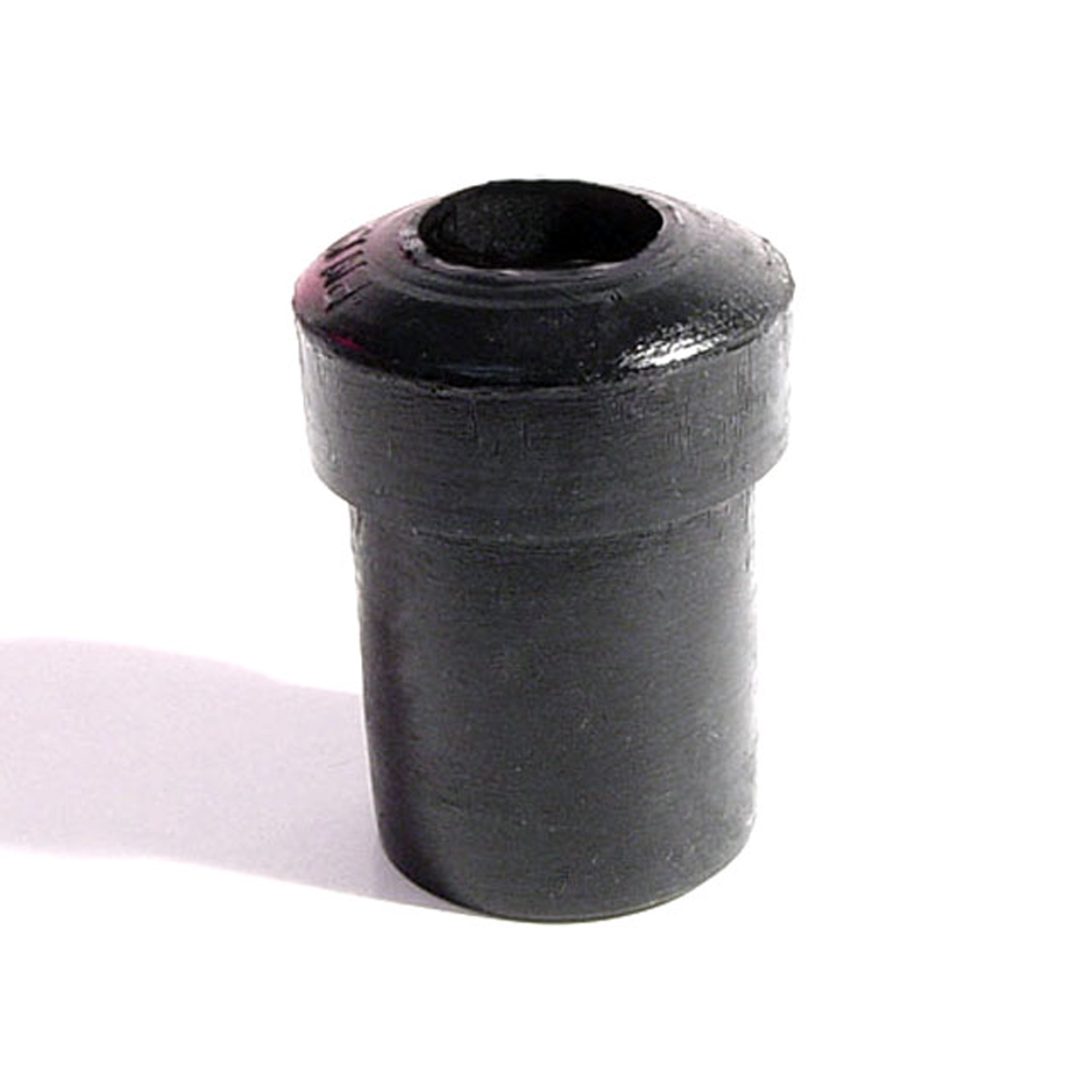 1955 Ford Courier Sedan Delivery Spring and Shackle Bushing. 7/8" bottom O.D-BN 19Spring and Shackle Bushing. 7/8" bottom O.D. X 1-1/4" high, with 1/2" I.D. Each
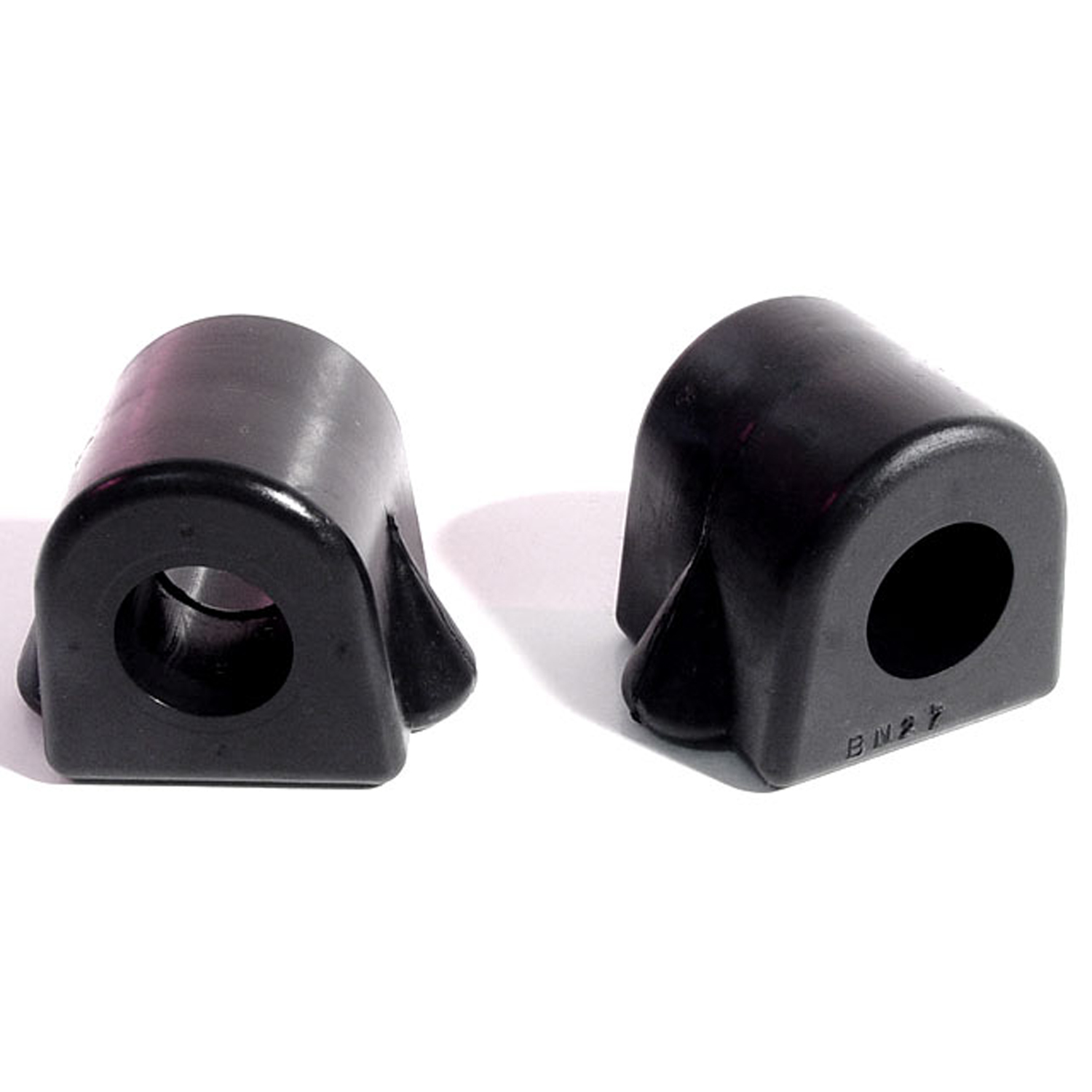 1955 Ford Courier Sedan Delivery Stabilizer Bar Bushing. 1-1/2" high, 3/4" I.D. Pair-BN 27Stabilizer Bar Bushing. 1-1/2" high, 3/4" I.D. Pair
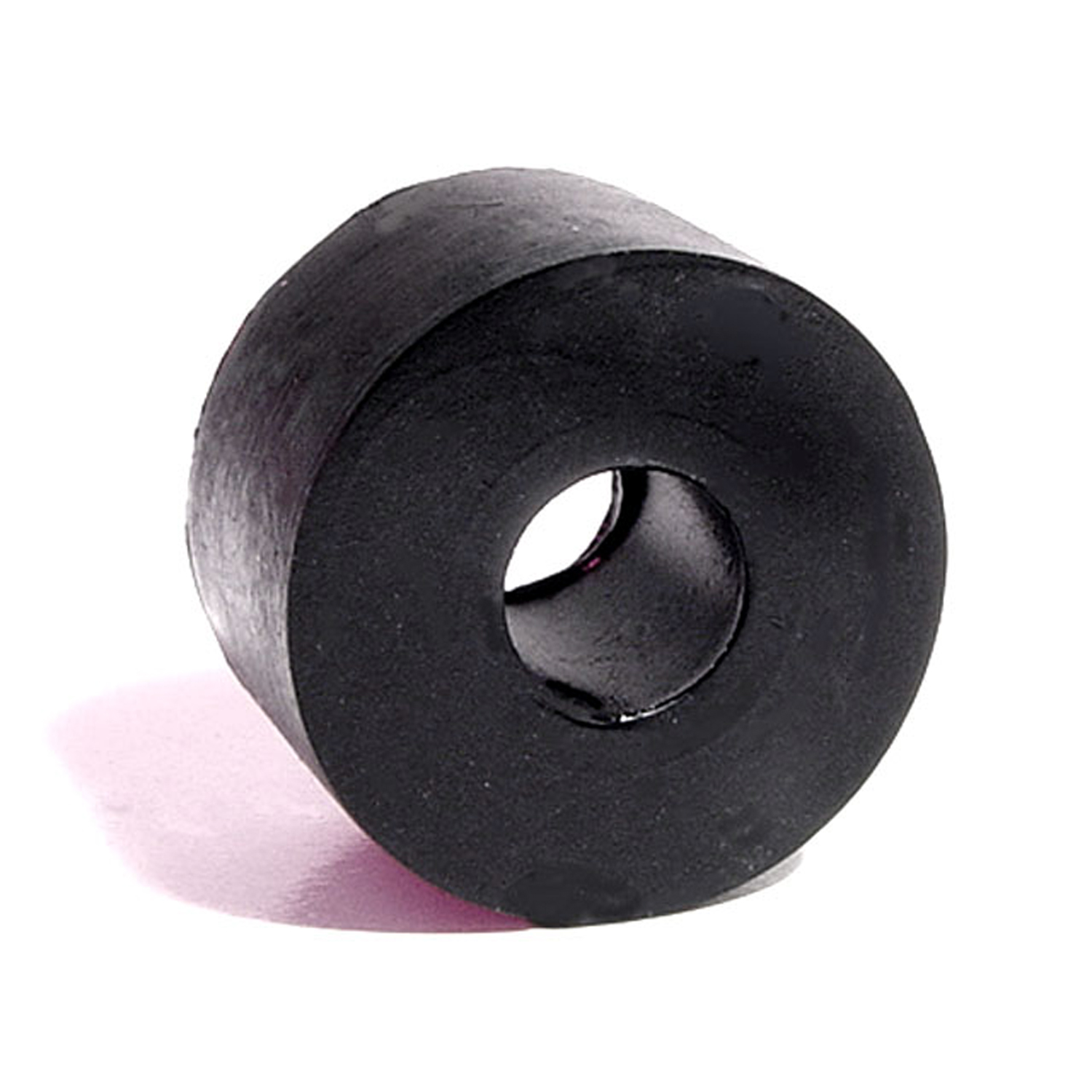 1955 Ford Courier Sedan Delivery Shock Absorber Grommet. 1" bottom O.D-BN 6Shock Absorber Grommet. 1" bottom O.D. X 1/2" high, with 3/8" I.D. Each
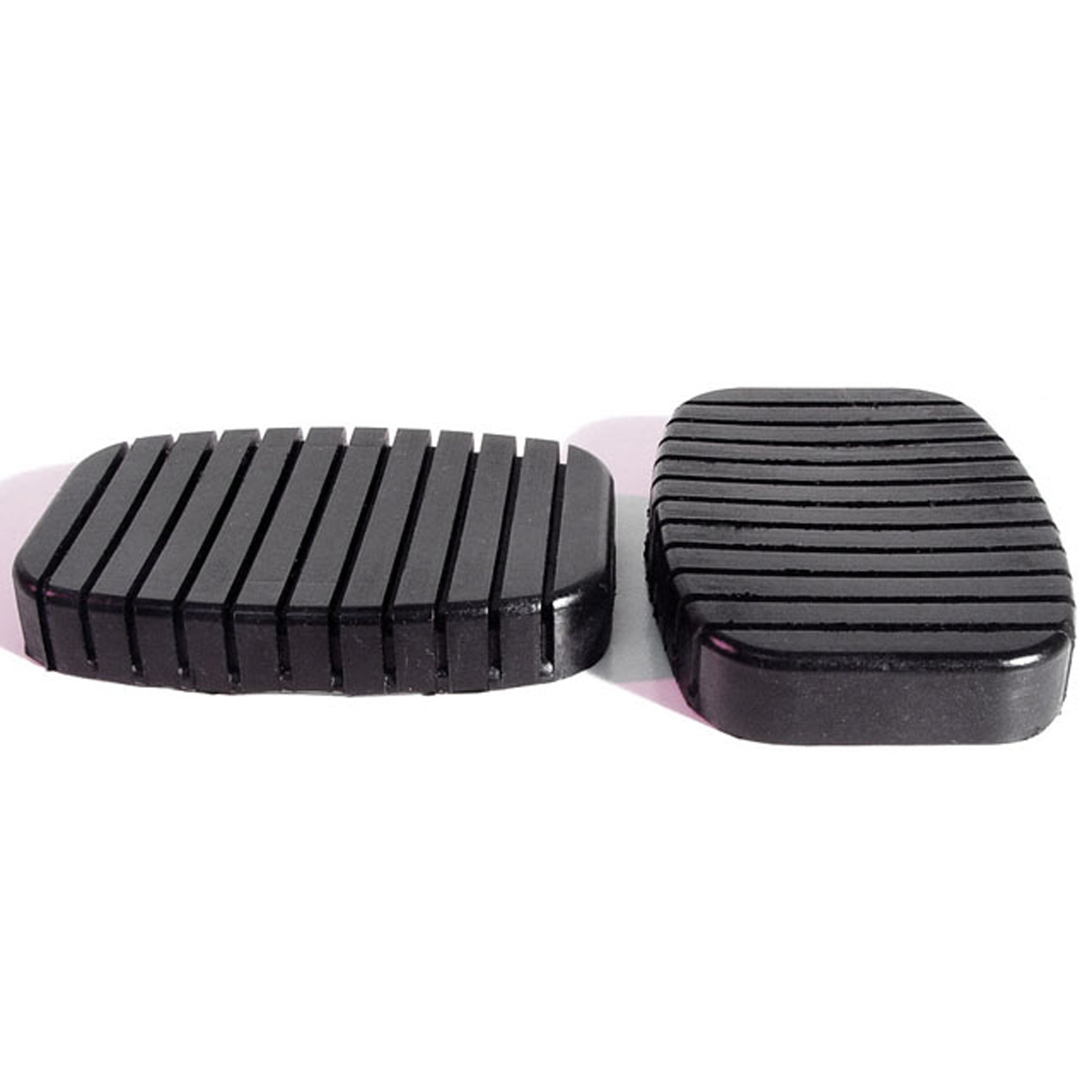 1955 Ford Courier Sedan Delivery Clutch and Brake Pedal Pads-CB 90-BClutch and Brake Pedal Pads. For models with standard transmission. 2-1/4" wide X 3-1/4" long. Pair
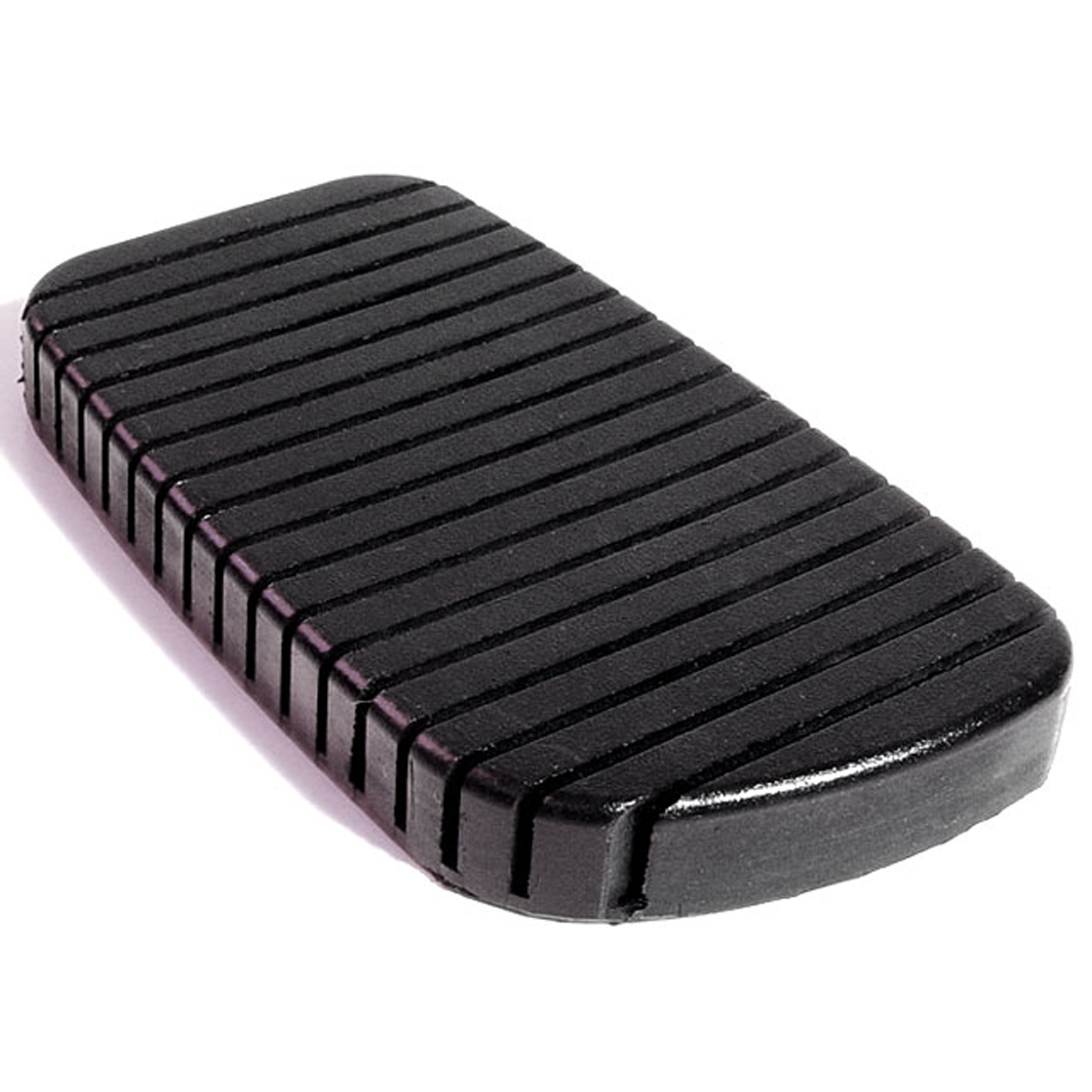 1955 Ford Courier Sedan Delivery Brake Pedal Pad. Correct reproduction of a difficult part-CB 90-CBrake Pedal Pad. Correct reproduction of a difficult part. 2-1/2" wide X 4-1/2" long. Each
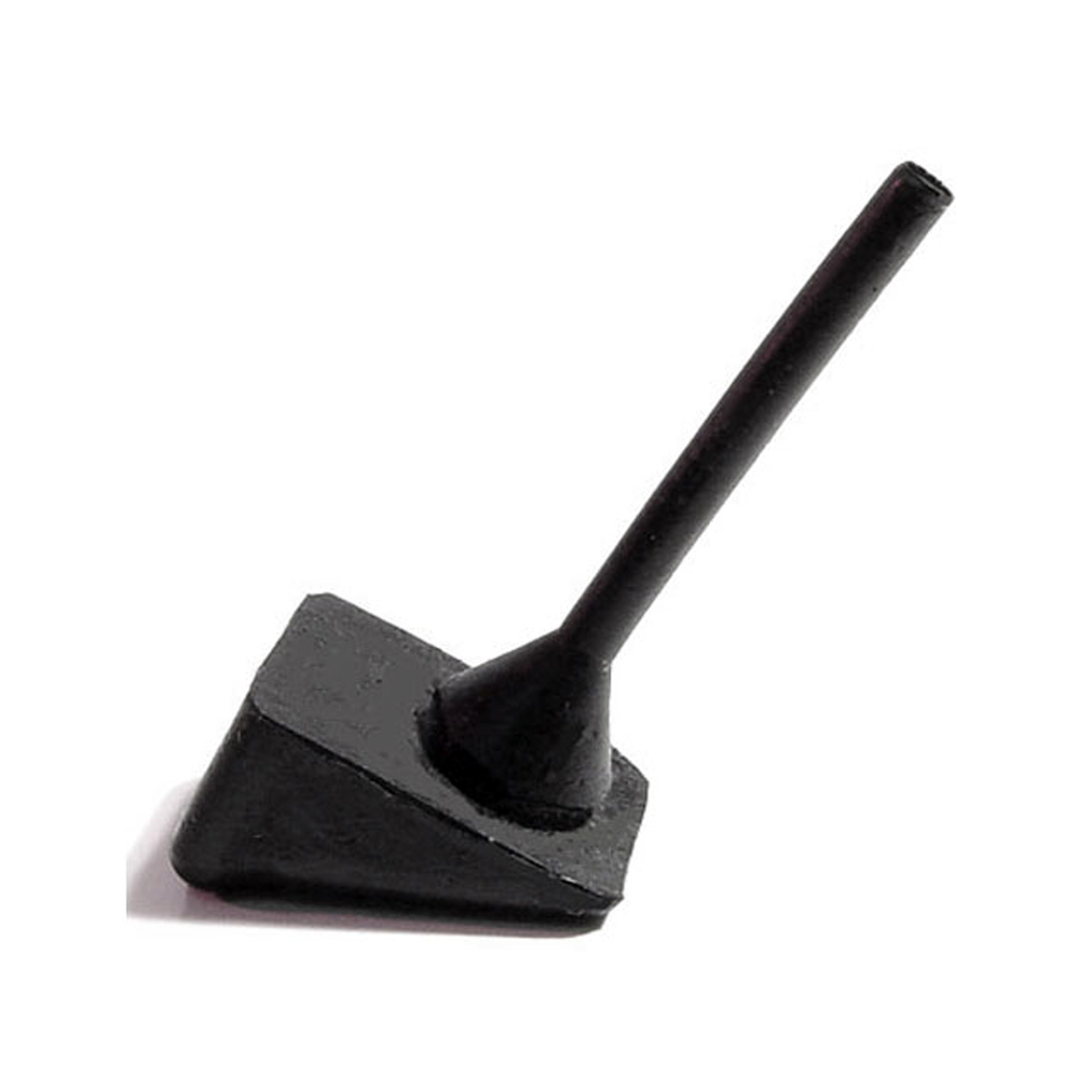 1955 Ford Courier Sedan Delivery Hood Bumper. Each-HF 8Hood Bumper. Each
 1955 Ford Courier Sedan Delivery Trunk Lock Pad. 1-3/8" wide X 2-1/4" long. Each-MP 693-BTrunk Lock Pad. 1-3/8" wide X 2-1/4" long. Each
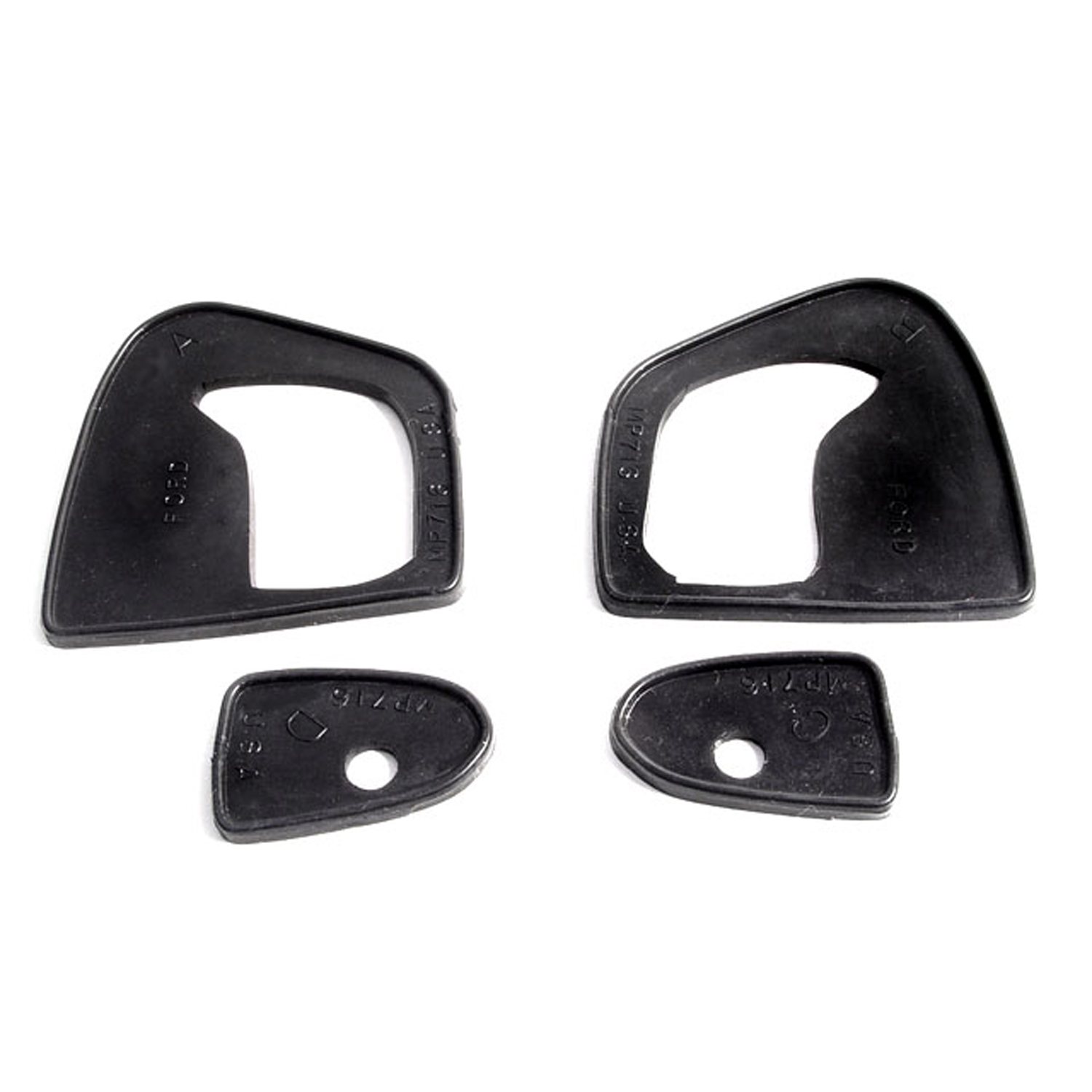 1955 Ford Courier Sedan Delivery Door Handle Pads. 2-1/2" long & 1-1/2" long. Set R&L-MP 716Door Handle Pads. 2-1/2" long & 1-1/2" long. Set R&L
 1955 Ford Courier Sedan Delivery Tail-light Pads. 8" O.D. Pair-MP 717-ATail-light Pads. 8" O.D. Pair
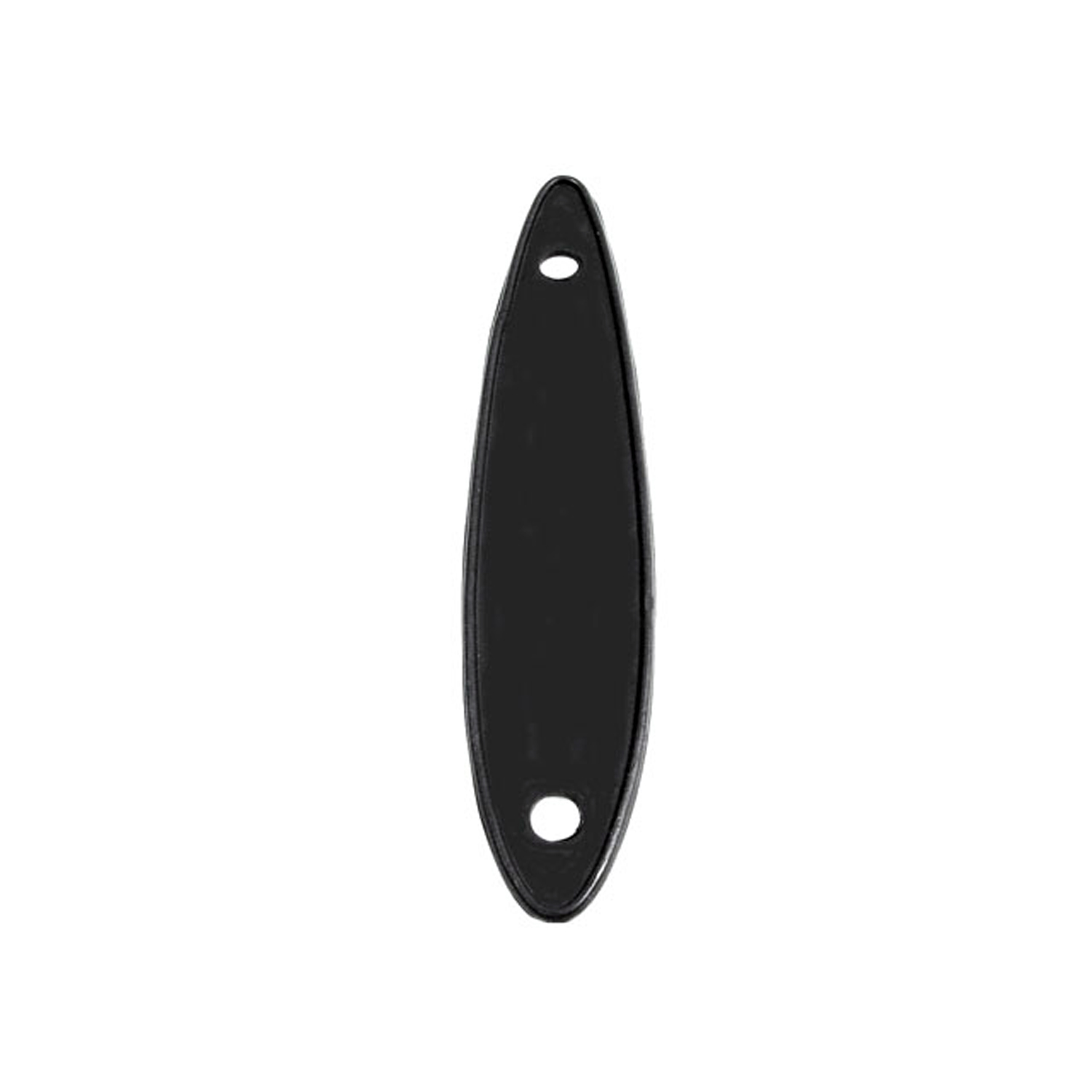 1955 Ford Courier Sedan Delivery Mirror-on-door mounting pad. Fits models with 6-3/8 in-MP 996-RMirror-on-door mounting pad. Fits models with 6-3/8 in. long mirror base. 1-1/2 in. W x 6-5/8 in. L. Each.
 1955 Ford Courier Sedan Delivery Clutch and Brake Pedal to Floor Board Seals. Pair-RP 31-LClutch and Brake Pedal to Floor Board Seals. Pair
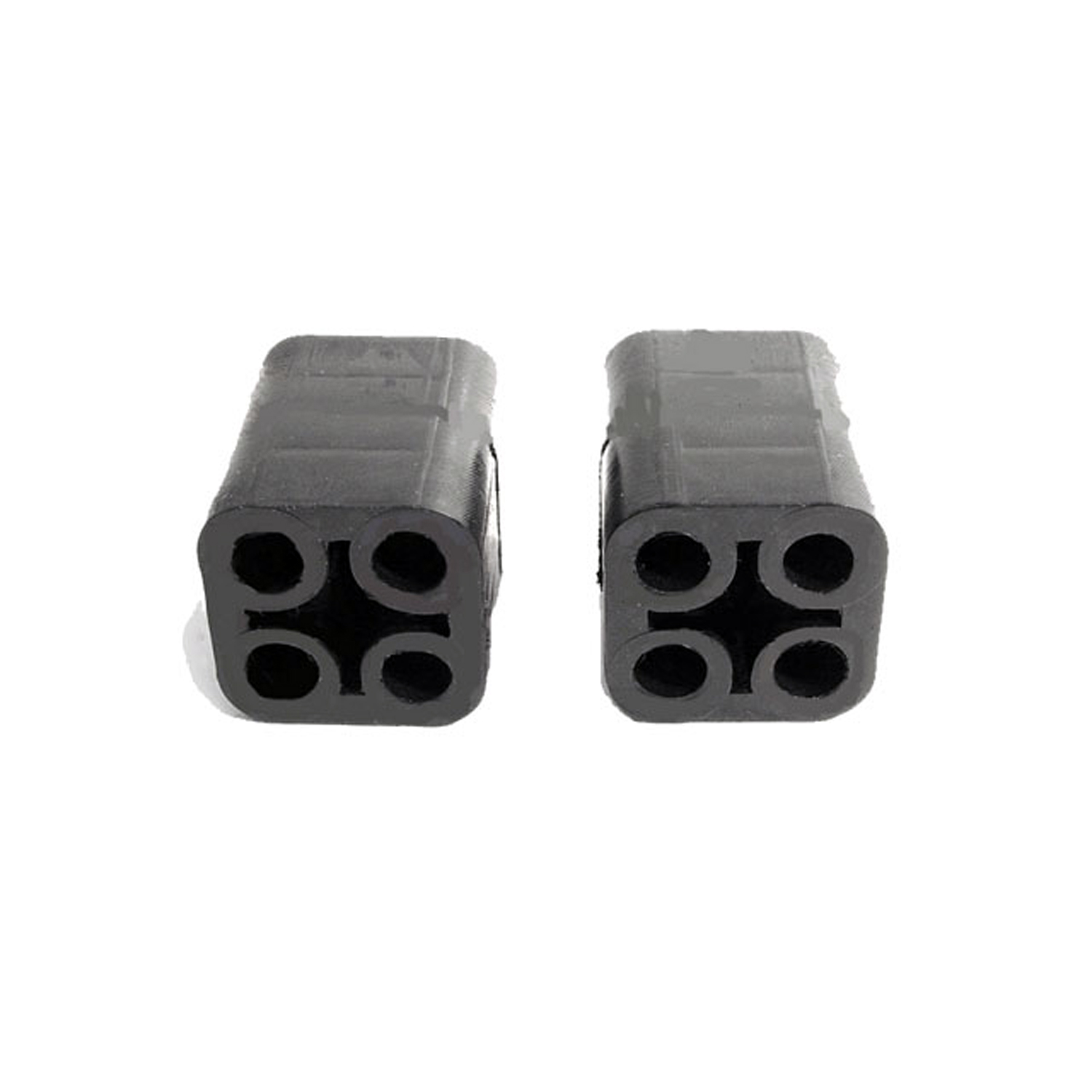 1955 Ford Courier Sedan Delivery Spark Plug Wire Retainer Grommet. Each-SM 30-BSpark Plug Wire Retainer Grommet. Each
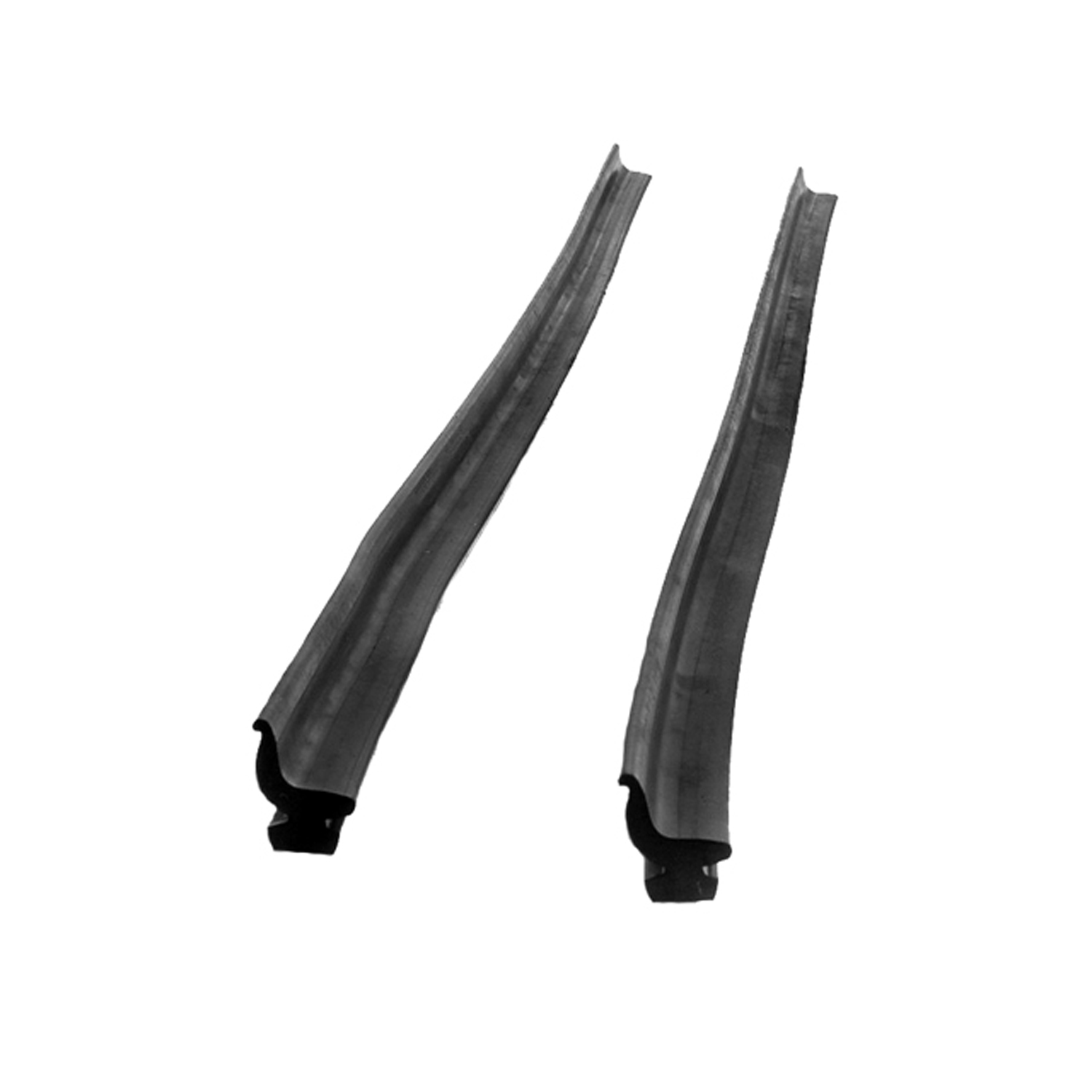 1955 Ford Courier Sedan Delivery Rear roll-up Seal. Two 18" sections sliced into metal track-VS 4Rear roll-up Seal. Two 18" sections sliced into metal track. this foot with no steel insert. Pair
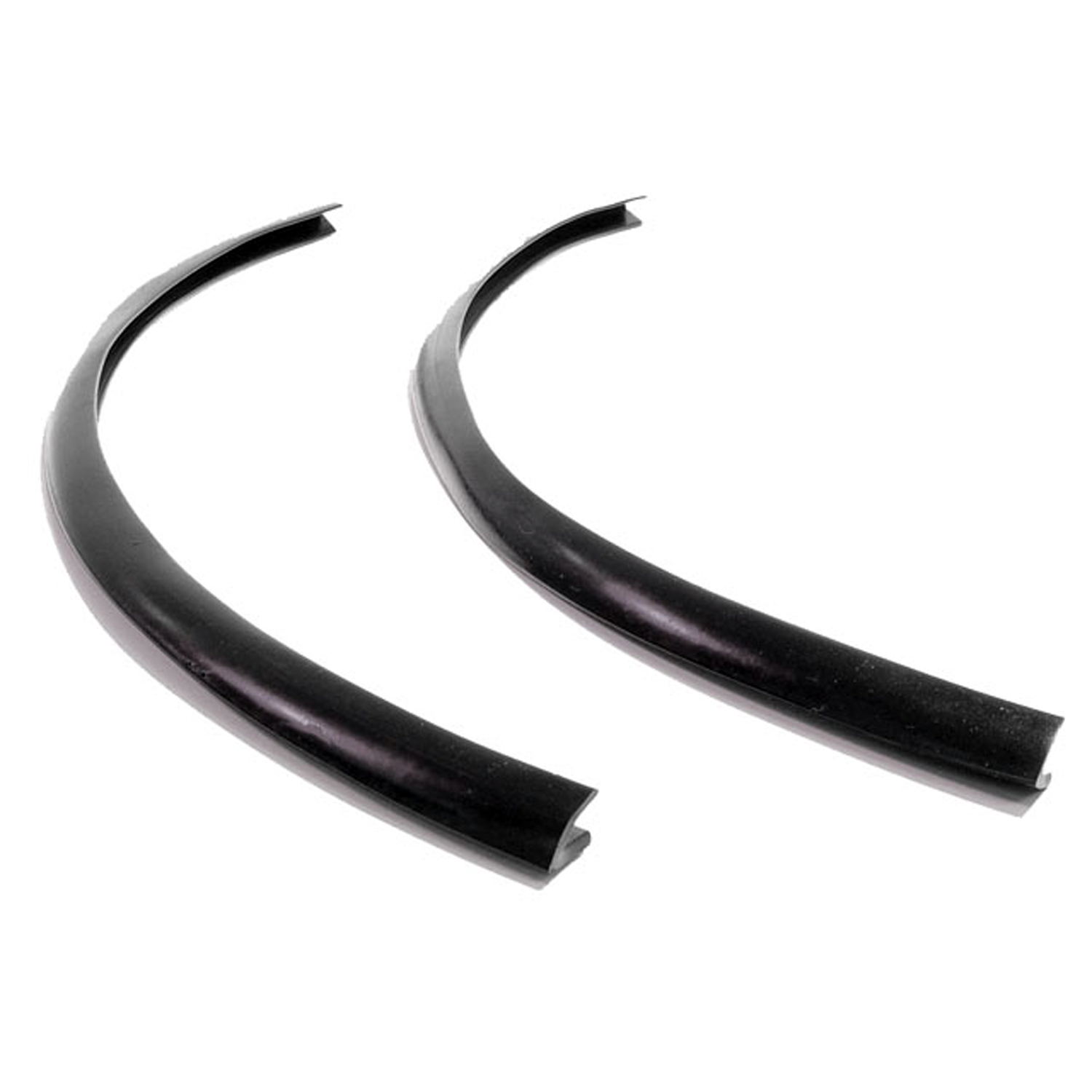 1955 Ford Courier Sedan Delivery Vertical Seals for Vent Window. Each piece is 17" long-VS 6Vertical Seals for Vent Window. Each piece is 17" long. Pair
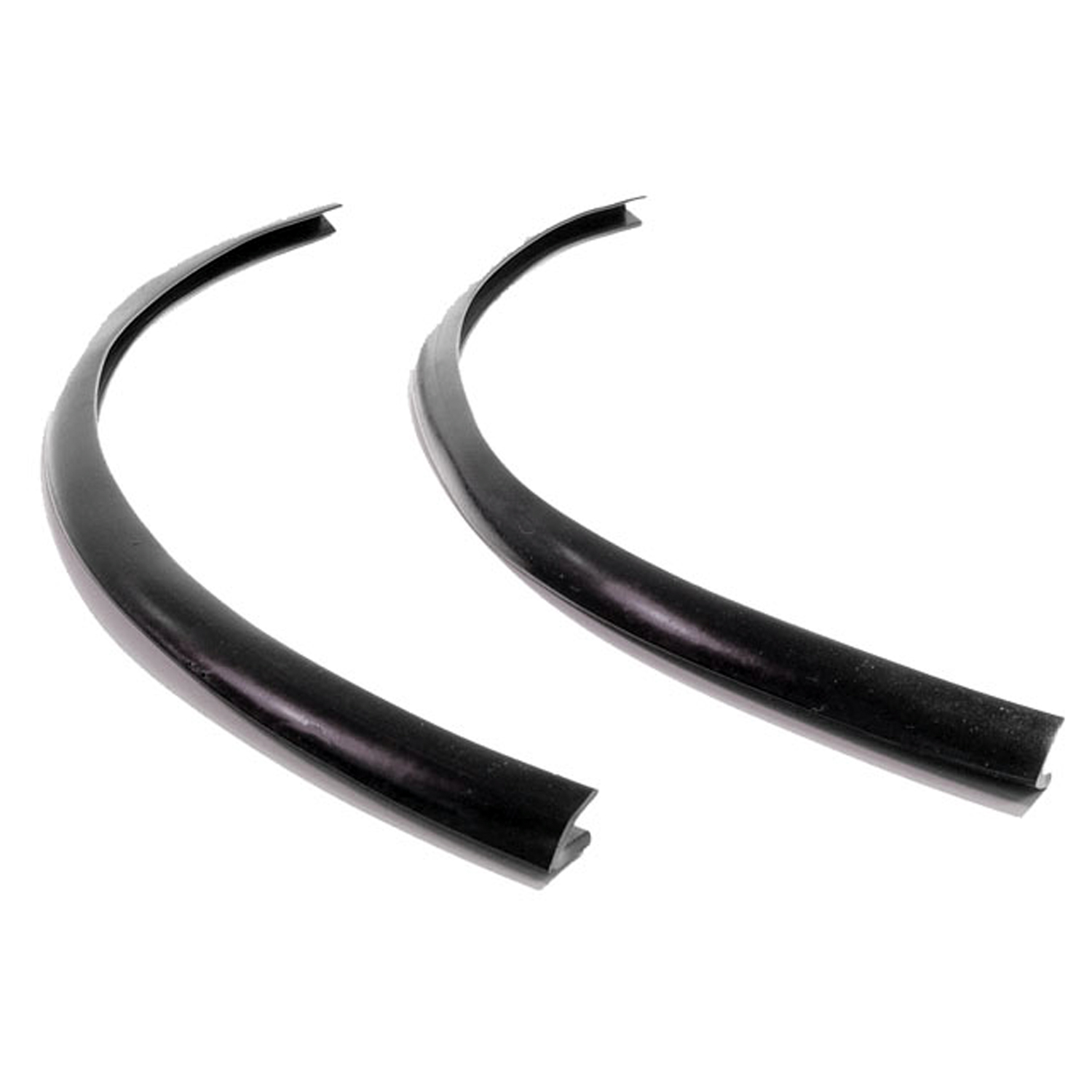 1955 Ford Courier Sedan Delivery Vertical Seal for Vent Window. Sold by the foot.-VS 6/FTVertical Seal for Vent Window. Sold by the foot.
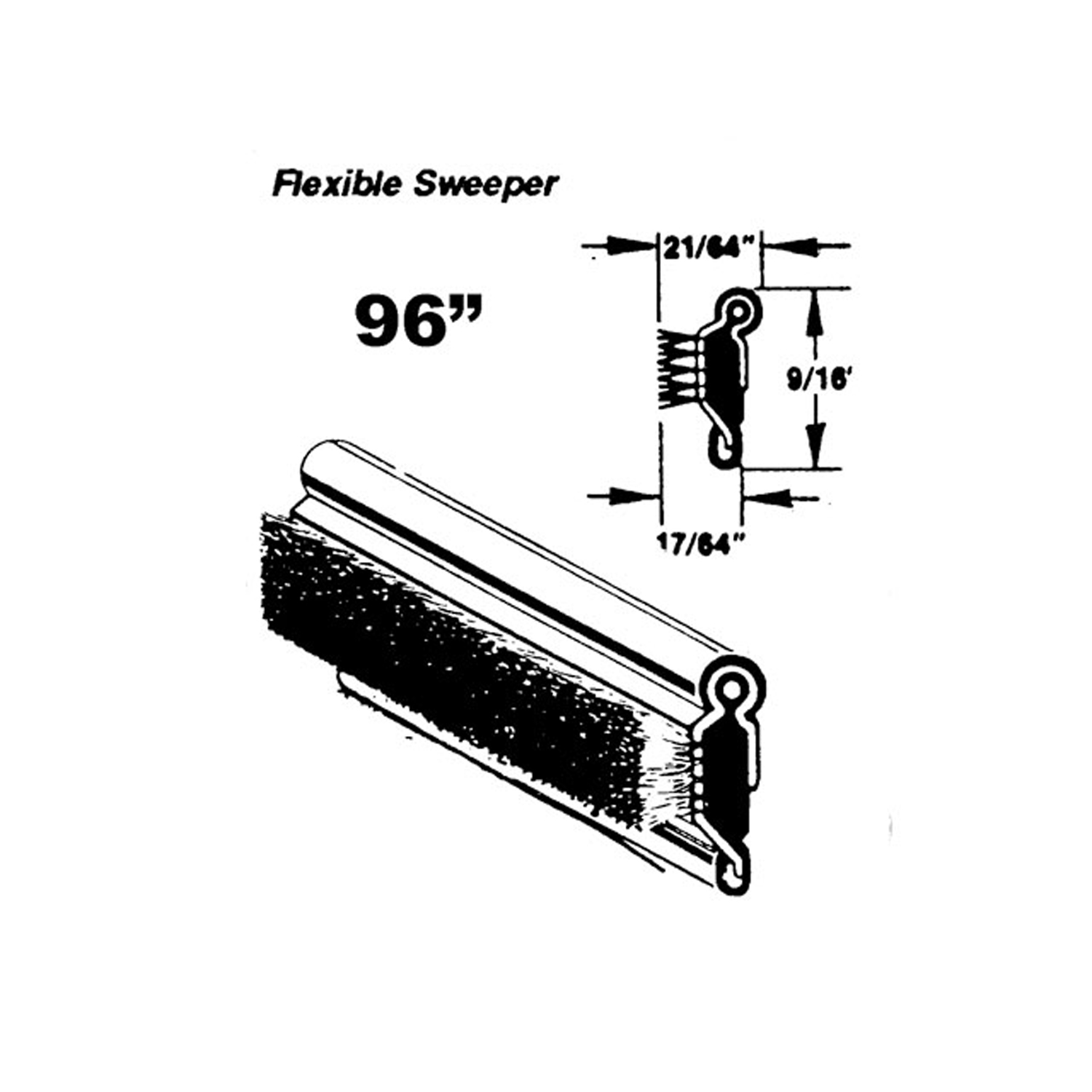 1955 Ford Courier Sedan Delivery Flexible window sweeper. Made with stainless steel bead-WC 7-96Flexible window sweeper. Made with stainless steel bead. 96 in. long. Each. NOTE: $20 special shipping charge applies for domestic orders. Call or email for overseas shipping costs. Part can be sectioned in two or three equal lengths to reduce overseas shipping costs.
 1955 Ford Courier Sedan Delivery Vent Window Seals. Pair R&L-WR 3310Vent Window Seals. Pair R&L
Why Choose Metro?
For over 100 years, Metro Moulded Parts has been the pinnacle of quality in classic car restoration parts. Our commitment to precision and authenticity in every component ensures a perfect fit and an OEM-level appearance.
- Expert Craftsmanship & Quality: Each part is a testament to our dedication to reliability and perfection, crafted from original designs and thoroughly tested.
- Advanced Technology: We use cutting-edge techniques to create flawless, long-lasting parts that surpass others in performance.
- SuperSoft Sponge – The Ultimate Door Seal: Not only are our door seals 30% softer than competitors', but they're also guaranteed to never leak. They effectively reduce wind and road noise, enhancing your classic car's comfort and driving experience.
- Proudly American: Our parts are a product of American craftsmanship, made in the USA with a spirit of excellence and heritage.
- Unrivaled Warranty: We back our products with a 30-year industry-leading warranty, a testament to our confidence in their quality.
Join us in preserving the legacy of classic cars with parts that are crafted for perfection, not just made.