

Image of 1956 Ford Country Sedan, Note: These illustrations use artistic license and may differ from actual historical models.
Performance Metrics
Fundamental Metrics
Emotional Appeal
MMP Rating
| Engine Specifications | |
|---|---|
| Engine: | 223 CID (3.7L) OHV I6, 272 CID (4.5L) Y-block V8 |
| Displacement: | 223-272 CID |
| Horsepower: | 137-173 hp |
| Torque: | 216-300 lb-ft |
| Compression Ratio: | 8.0:1 (for V8) |
| Ignition System: | Conventional points ignition system |
| Cooling System: | Liquid-cooled |
| Performance Specifications | |
| 0-60 Time: | Estimated 12-15 seconds |
| 1/4 Mile Time: | Estimated 18-20 seconds |
| Top Speed: | 90-100 mph |
| Transmission and Drive | |
| Drive Type: | Rear-wheel drive |
| Transmission Type: | 3-speed manual, 3-speed Ford-O-Matic automatic |
| Fuel and Efficiency | |
| Fuel System Type: | Carburetor |
| MPG: | Estimated 10-15 mpg |
| Dimensions and Brakes | |
| Brakes: | Drum brakes |
| Wheelbase: | 115.5 inches |
| Weight: | 3,500-3,800 lbs |
Note: Specifications for classic cars are given to the best of our ability, considering the limited and variant data available.
1956 Ford Country Sedan: The Family Wagon With a Jet-Age Look
The 1956 Ford Country Sedan turned the family station wagon into a stylish, capable part of Ford’s postwar lineup, pairing generous cargo space with the confident chrome-and-steel look of mid-century America. Built by the Ford Motor Company, it was the practical middle ground between the plain Ranch Wagon and the more lavish, wood-trimmed Country Squire. Its mix of room, powertrain choice, and fresh safety features makes it a distinctive classic today.
Ford’s 1956 cars arrived during a lively period of competition with Chevrolet, as both manufacturers chased buyers with bigger engines, brighter styling, and new comfort and safety features. One noteworthy detail: 1956 was the first model year Ford adopted a 12-volt electrical system across its passenger-car range, replacing the 6-volt setup used by most earlier Fords. That change supported more powerful electrical accessories and made starting and charging systems better suited to the increasingly well-equipped cars of the era.
Chrome, Color, and Country Sedan Style
The Country Sedan wore the broad, low stance that made 1956 Fords instantly recognizable. Its front end featured a wide grille, a prominent central bar, and hooded headlamps set into the front fenders. Along the sides, stainless-steel trim emphasized the car’s length, while the body’s subtle sculpting and modest rear fins gave it a touch of jet-age flair without making it look as theatrical as some later American cars.
Unlike the Country Squire, which was distinguished by its simulated wood body trim, the Country Sedan kept its sides in painted steel. That cleaner treatment suited its practical role and gave buyers a less ornate alternative that still looked smart in the driveway. At the back, the wide cargo opening and folding rear seating made the wagon useful for luggage, home-improvement supplies, and family outings.
Ford offered the 1956 Country Sedan in a range of solid and two-tone paint combinations. Period colors included shades such as Colonial White, Raven Black, and several blues, greens, and reds, with combinations depending on the chosen trim and production details. Two-tone finishes were especially popular on mid-century Fords, using contrasting colors to underline the long side profile. Original color availability could vary, so buyers restoring one should check the car’s data plate and period paint references.
The Country Sedan was a four-door station wagon, generally configured for six passengers, with seating and equipment variations available depending on the order. Ford’s broader 1956 wagon family also included two-door Ranch Wagon models and the upscale four-door Country Squire. The Country Sedan’s four-door layout was a particularly appealing choice for families because it made access to the rear seating area easier than in a two-door wagon.
Ford’s 1956 Safety and Technology Push
Ford’s most important 1956 innovation was not a flashy styling flourish. It was the company’s Lifeguard Design safety campaign. For the first time, Ford made a coordinated set of safety features a major part of its sales message. Depending on equipment and configuration, buyers could choose features such as seat belts, a padded dashboard, a deep-dish steering wheel, and door-latch designs intended to reduce the chance of doors springing open in a collision.
These features were not all standard on every Country Sedan, and seat belts in particular were still optional equipment. Even so, Ford’s decision to promote safety as a package was significant. The Country Sedan brought that conversation into a practical family car, rather than reserving new technology for luxury models. Its 12-volt electrical system was another meaningful update, supporting improved electrical capacity as radios, heaters, and other accessories became more common.
Ford’s wagon lineup also showed how thoroughly the station wagon had moved into the mainstream. The Country Sedan was not a utility vehicle in the modern SUV sense. It was a passenger car adapted for cargo, combining car-like road manners with a large, flexible interior. That formula would remain central to American family transportation for decades.
Engines, Speed, and Road Manners
Engine availability depended on configuration and market, but 1956 Ford buyers could choose from a 223-cubic-inch inline-six and several V8 options. The six-cylinder was a sensible choice for steady, economical driving. V8 choices included Ford’s 292-cubic-inch Y-block, with higher-output V8 versions available in the wider 1956 range. Exact horsepower figures varied by engine, carburetion, and specification, so a particular car’s equipment should be verified by its engine number and documentation.
There is no single definitive acceleration or top-speed figure for every Country Sedan. A wagon’s engine, transmission, axle ratio, passenger load, and condition all made a difference. As a general period-performance estimate, a V8 Country Sedan might reach 0 to 60 mph in roughly 12 to 16 seconds, with a top speed in the neighborhood of 95 to 105 mph under suitable conditions. A six-cylinder car would generally be slower, while a well-equipped V8 could feel lively for a full-size family wagon of its era. These are estimates, not guaranteed factory figures.
On the road, the Country Sedan feels substantial and relaxed. Its body-on-frame construction, long wheelbase, and soft suspension take the edge off ordinary pavement joints and broken roads. The trade-off is body roll: push it into a tight bend and the car leans more than a modern wagon, while its size makes narrow, winding roads a matter of planning rather than quick direction changes. Crosswinds can also be noticeable, especially at highway speed.
A V8 adds a familiar low burble under acceleration, accompanied by the hum of the drivetrain and the subdued mechanical sounds of a 1950s car. Steering and braking feel more demanding than in a modern vehicle, and the driver must allow extra room and time. The reward is an unhurried, commanding ride that suits cruising, parades, and weekend trips far better than hurried commuting.
Living With a 1956 Country Sedan
Most Country Sedans today are used as weekend drivers, family heirlooms, show cars, or vintage touring vehicles. Their generous cabin and cargo area make them especially enjoyable for classic-car events and road trips. They are rarely chosen for racing, although period Ford engines and chassis have long attracted hot-rodding and restoration enthusiasts.
Mechanical service is relatively approachable for an owner with basic experience. The engines are conventional pushrod designs, and many routine jobs can be handled with standard tools. Parts support is generally good for common mechanical components, but trim, glass, wagon-specific interior pieces, and original body panels can take more searching. Before buying, inspect the frame, floor pans, rocker panels, lower fenders, and rear cargo area for rust. Also check the tailgate, window mechanisms, wiring, and brake system, since repairs to neglected wagon-specific parts can add up.
Reliability depends heavily on maintenance and restoration quality. A well-sorted car can be a pleasant occasional driver, but it should not be expected to behave like a modern vehicle. Older cooling systems, drum brakes, bias-ply tires, and period electrical equipment benefit from careful inspection before long trips. Upgrades such as radial tires, improved seat belts, or discreetly modernized brakes may improve usability, though collectors often value originality.
Country Sedan Trivia and Common Criticisms
The Country Sedan’s place in Ford’s wagon family is part of its appeal. It offered four-door convenience without the Country Squire’s distinctive faux-wood appearance, making it an understated alternative for buyers who wanted space and style without the most elaborate trim. Ford also sold the short-lived 1956 Parklane, a better-trimmed two-door wagon that aimed to bring some of the glamour associated with Chevrolet’s Nomad to Ford’s lineup.
The 1956 Ford’s Lifeguard safety campaign remains one of the model year’s most notable historical details. It helped make safety equipment a visible part of mainstream car marketing, even though the technology was limited by modern standards and many features cost extra. The Country Sedan itself is not known for a major speed or endurance record. Its significance lies instead in how it combined family practicality, V8-era performance, and an early, prominent safety message.
Common criticisms are familiar to anyone considering a large 1950s wagon: fuel consumption is high by modern standards, the car is bulky in tight spaces, and its handling and stopping distances cannot match a contemporary vehicle. Some buyers also prefer the Country Squire’s wood-look trim, which can make the plainer Country Sedan less immediately eye-catching at a show. Its more restrained styling is also part of its charm.
1956 Ford Country Sedan Values and Rarity
Country Sedan production is not always reported consistently in modern reference material, and figures can vary by body and seating configuration. A reasonable working estimate is around 58,000 examples for the 1956 model year, but this should be treated as an approximate figure rather than a definitive factory total. The number of surviving cars is much smaller, particularly among wagons with original trim, sound metal, and complete paperwork.
In the current U.S. collector market, a project or rough driver might sell for roughly $8,000 to $18,000. A solid, presentable car with a usable interior and dependable mechanicals could fall around $18,000 to $35,000. High-quality restorations and especially well-preserved examples may reach approximately $35,000 to $60,000 or more, depending on originality, engine, condition, and provenance. These are broad estimates: regional demand and the quality of the restoration can shift a sale substantially.
The Country Sedan is generally available less often than a mainstream 1956 Ford sedan, but it is not as scarce or as expensive as some highly decorated or low-production specialty wagons. Values have tended to be steady to gradually stronger for clean, correctly restored examples, while project cars remain sensitive to repair costs. As with many classics, condition and completeness matter more than hopeful asking prices. Rust repair, missing wagon trim, and worn interior components can quickly outweigh a low purchase price.
Why the 1956 Country Sedan Still Matters
The 1956 Ford Country Sedan brought together the ingredients that made the American station wagon an icon: room for the family, space for luggage, a choice of engines, and styling that made practicality feel fashionable. Its place in Ford’s Lifeguard safety campaign and the company’s move to 12-volt electrics give it significance beyond its chrome and cargo capacity.
It may not have the wood-trimmed glamour of a Country Squire or the sporting reputation of a Thunderbird, but the Country Sedan has a character all its own. It is a roomy, honest slice of 1950s Ford history, built to carry people and their lives in unmistakable style.
1956 Ford Country Sedan Catalog of Parts
 1956 Ford Country Sedan Shock Absorber Grommet. 1" bottom O.D-BN 11Shock Absorber Grommet. 1" bottom O.D., 3/4" high, with 5/8" I.D. Each
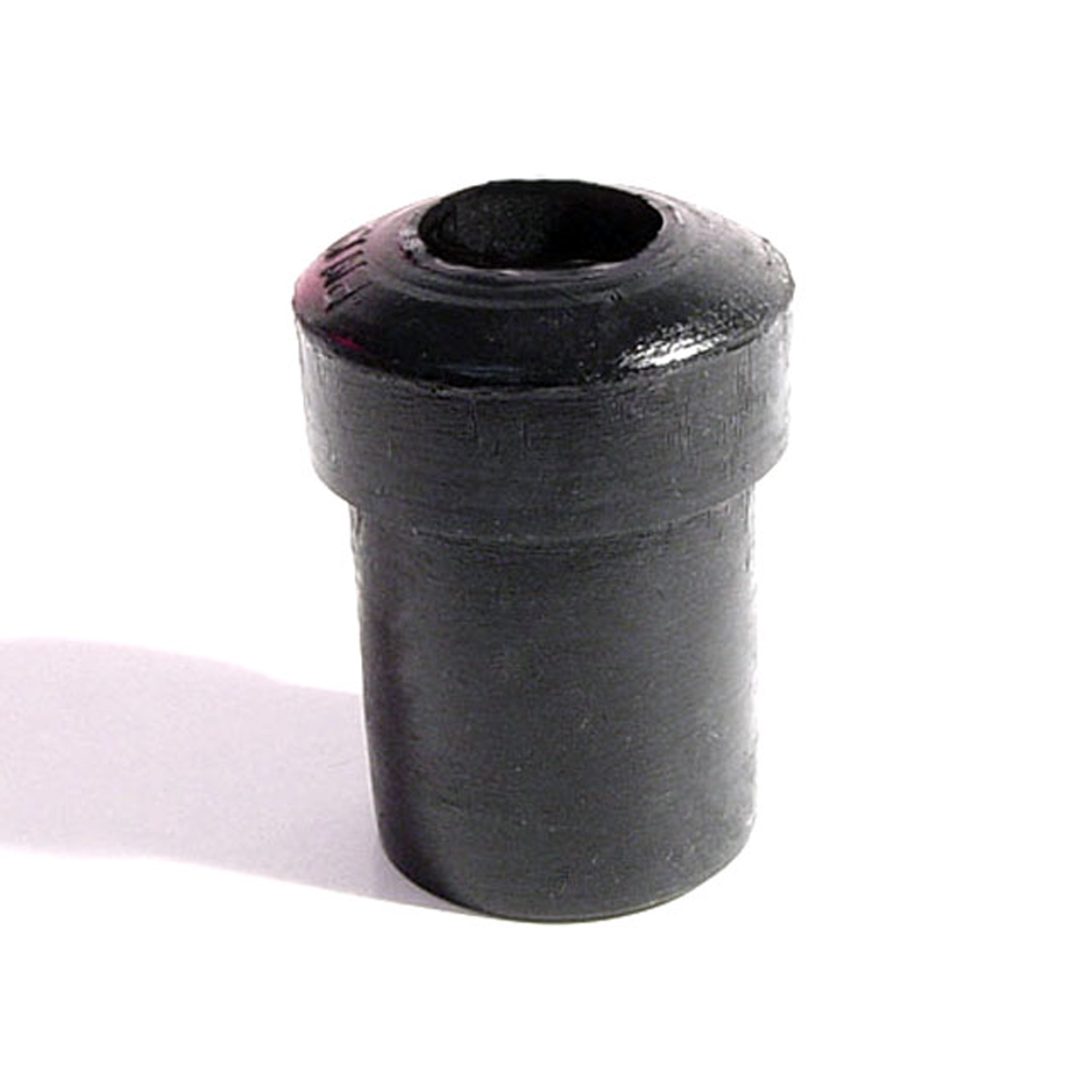 1956 Ford Country Sedan Spring and Shackle Bushing. 7/8" bottom O.D-BN 19Spring and Shackle Bushing. 7/8" bottom O.D. X 1-1/4" high, with 1/2" I.D. Each
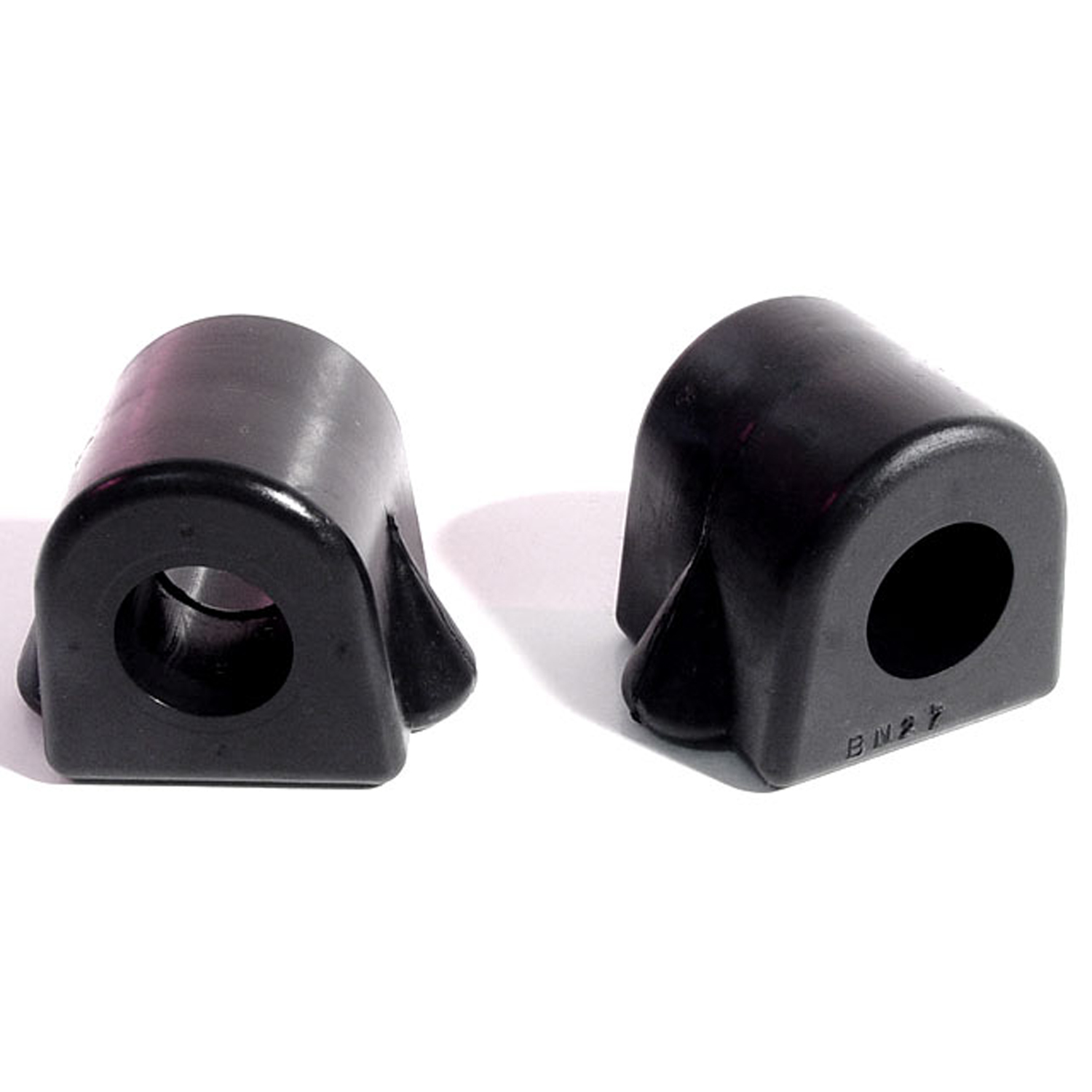 1956 Ford Country Sedan Stabilizer Bar Bushing. 1-1/2" high, 3/4" I.D. Pair-BN 27Stabilizer Bar Bushing. 1-1/2" high, 3/4" I.D. Pair
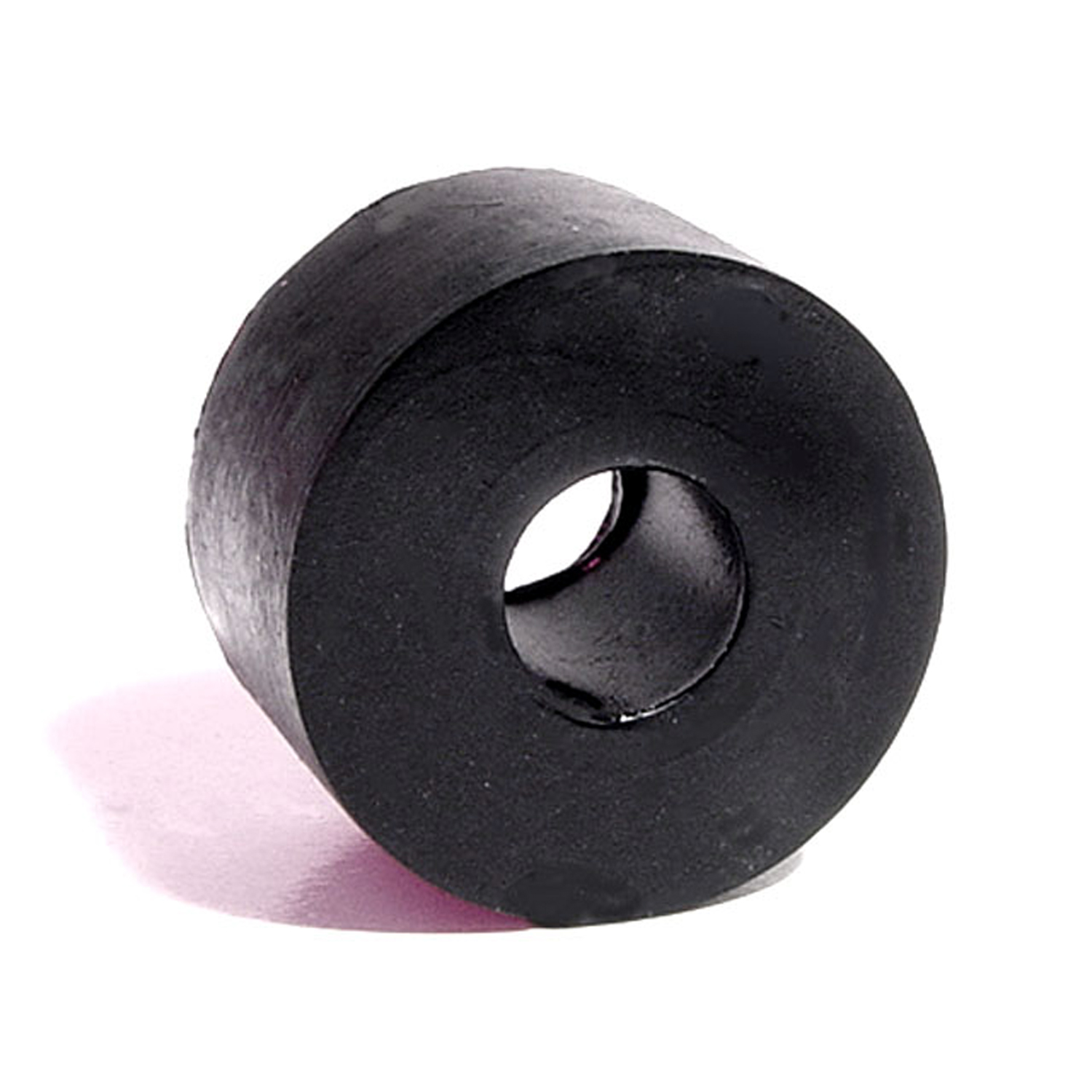 1956 Ford Country Sedan Shock Absorber Grommet. 1" bottom O.D-BN 6Shock Absorber Grommet. 1" bottom O.D. X 1/2" high, with 3/8" I.D. Each
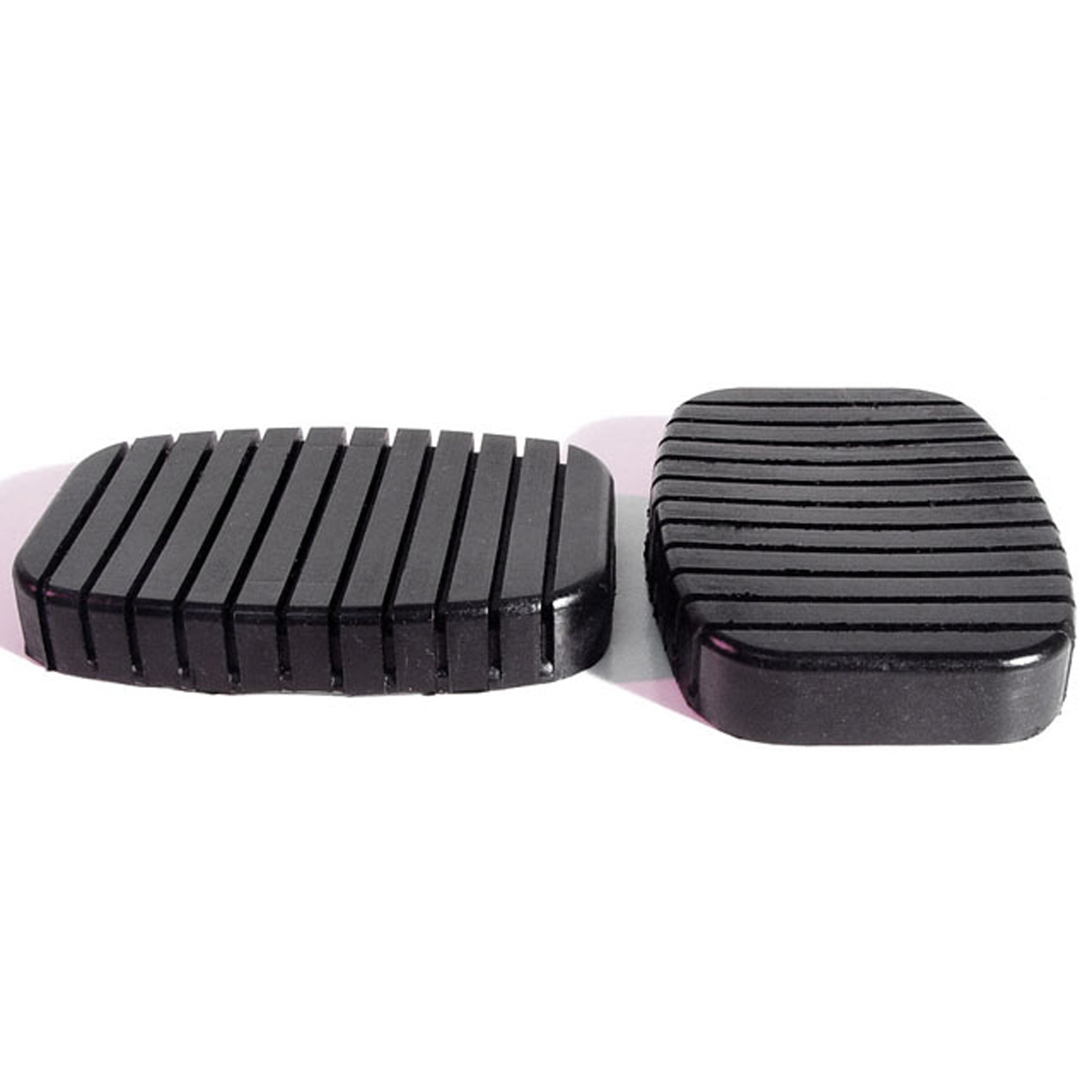 1956 Ford Country Sedan Clutch and Brake Pedal Pads-CB 90-BClutch and Brake Pedal Pads. For models with standard transmission. 2-1/4" wide X 3-1/4" long. Pair
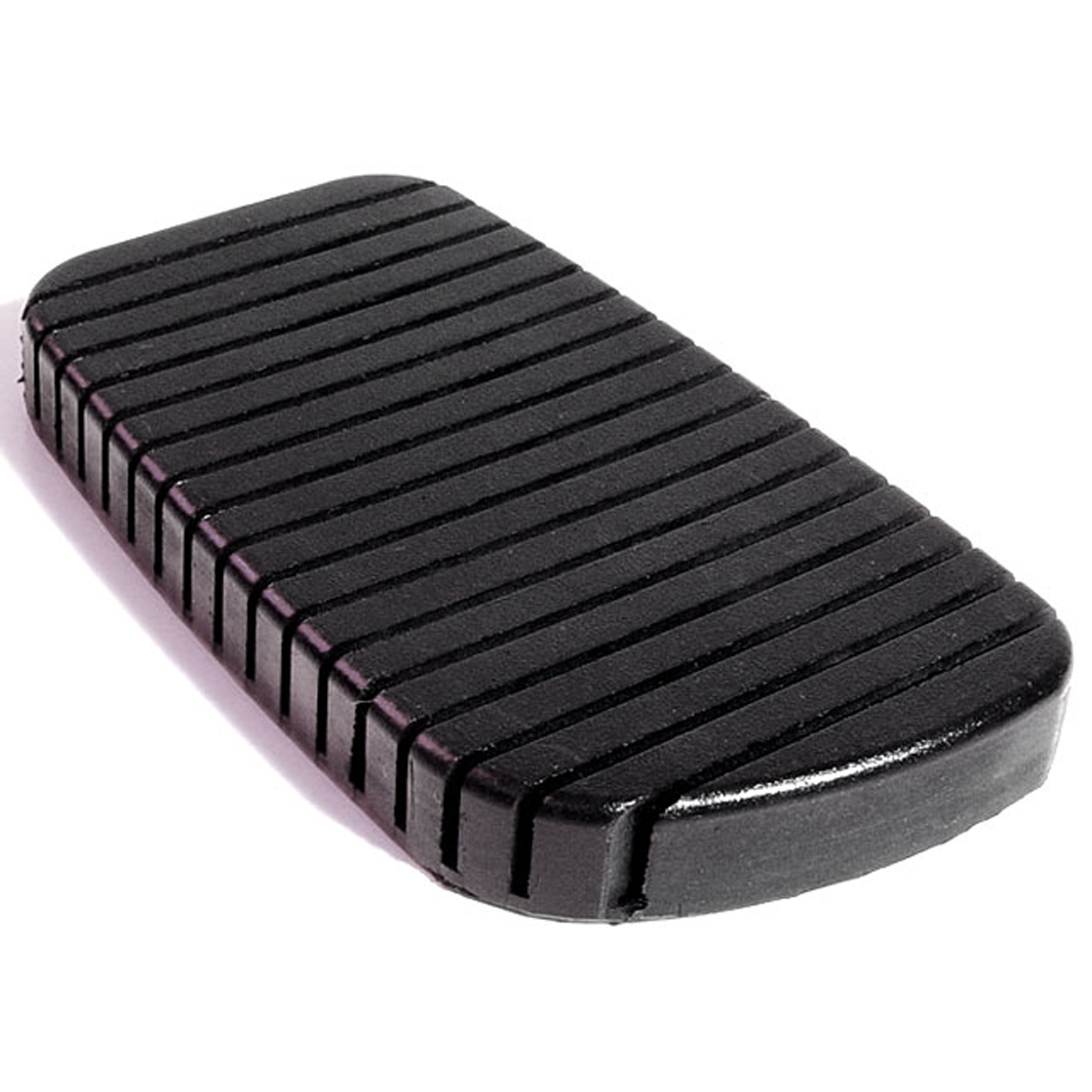 1956 Ford Country Sedan Brake Pedal Pad. Correct reproduction of a difficult part-CB 90-CBrake Pedal Pad. Correct reproduction of a difficult part. 2-1/2" wide X 4-1/2" long. Each
 1956 Ford Country Sedan Hood Bumper. Each-HF 8Hood Bumper. Each
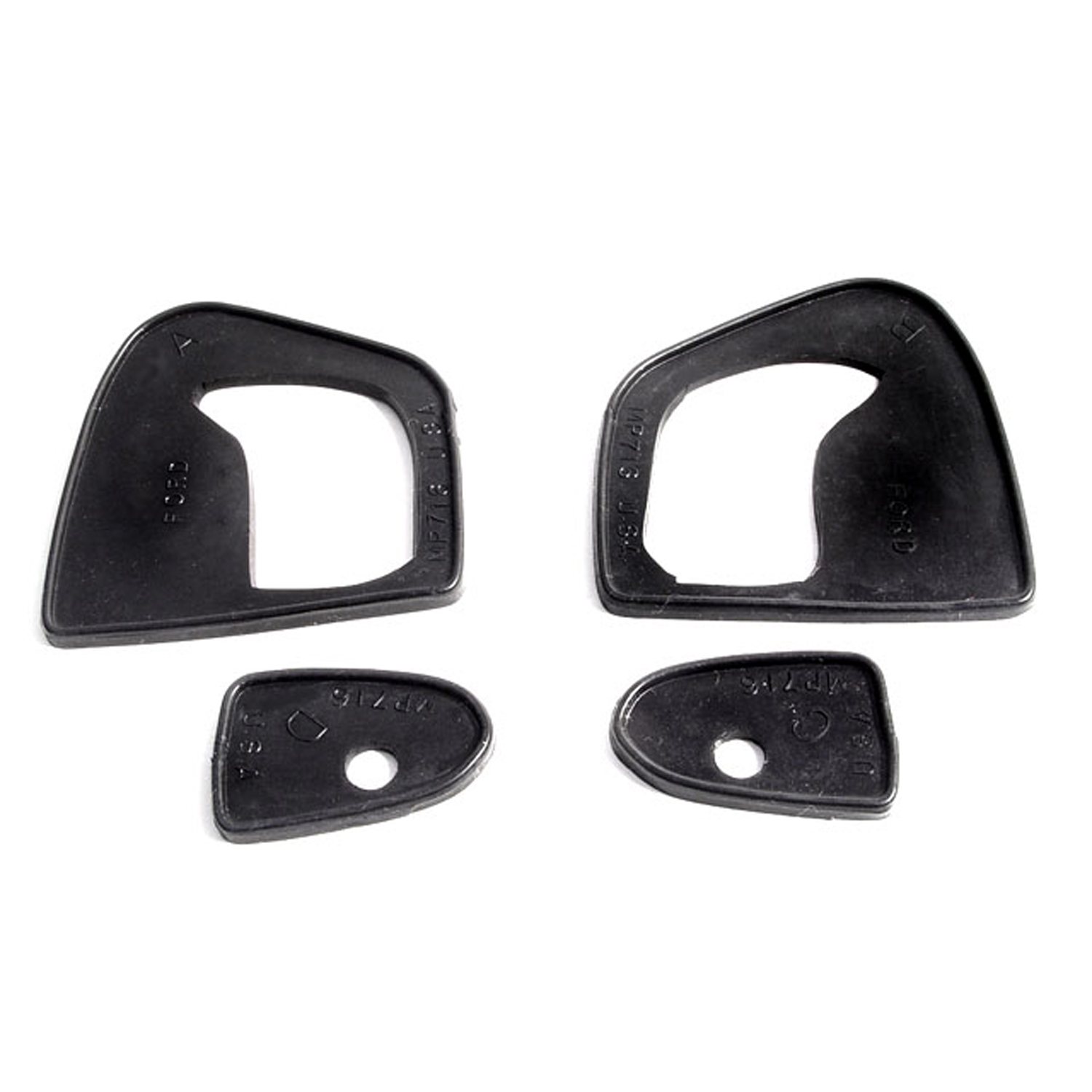 1956 Ford Country Sedan Door Handle Pads. 2-1/2" long & 1-1/2" long. Set R&L-MP 716Door Handle Pads. 2-1/2" long & 1-1/2" long. Set R&L
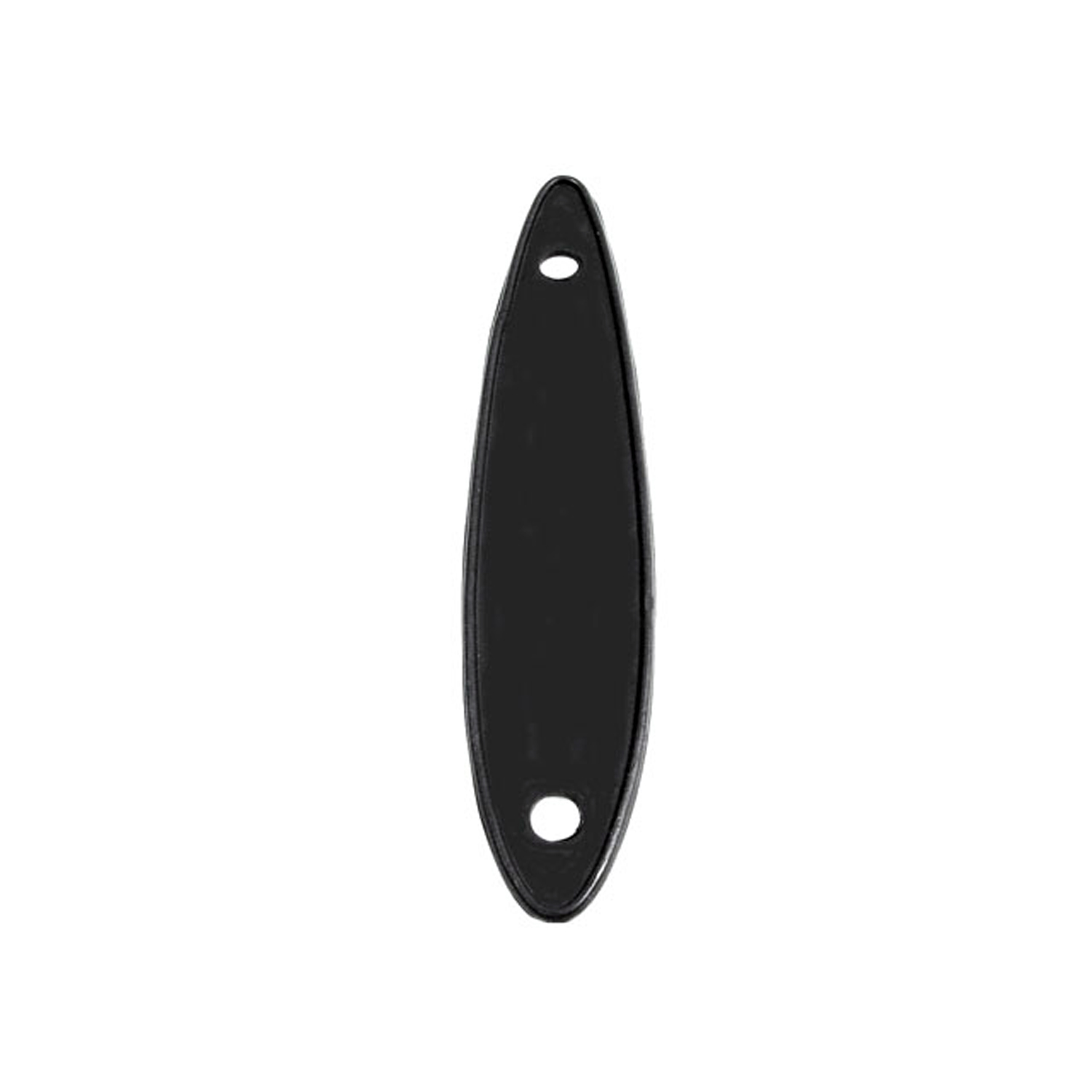 1956 Ford Country Sedan Mirror-on-door mounting pad. Fits models with 6-3/8 in-MP 996-RMirror-on-door mounting pad. Fits models with 6-3/8 in. long mirror base. 1-1/2 in. W x 6-5/8 in. L. Each.
 1956 Ford Country Sedan Clutch and Brake Arm Bumpers. Top quality reproduction-RP 31-KClutch and Brake Arm Bumpers. Top quality reproduction. Pair
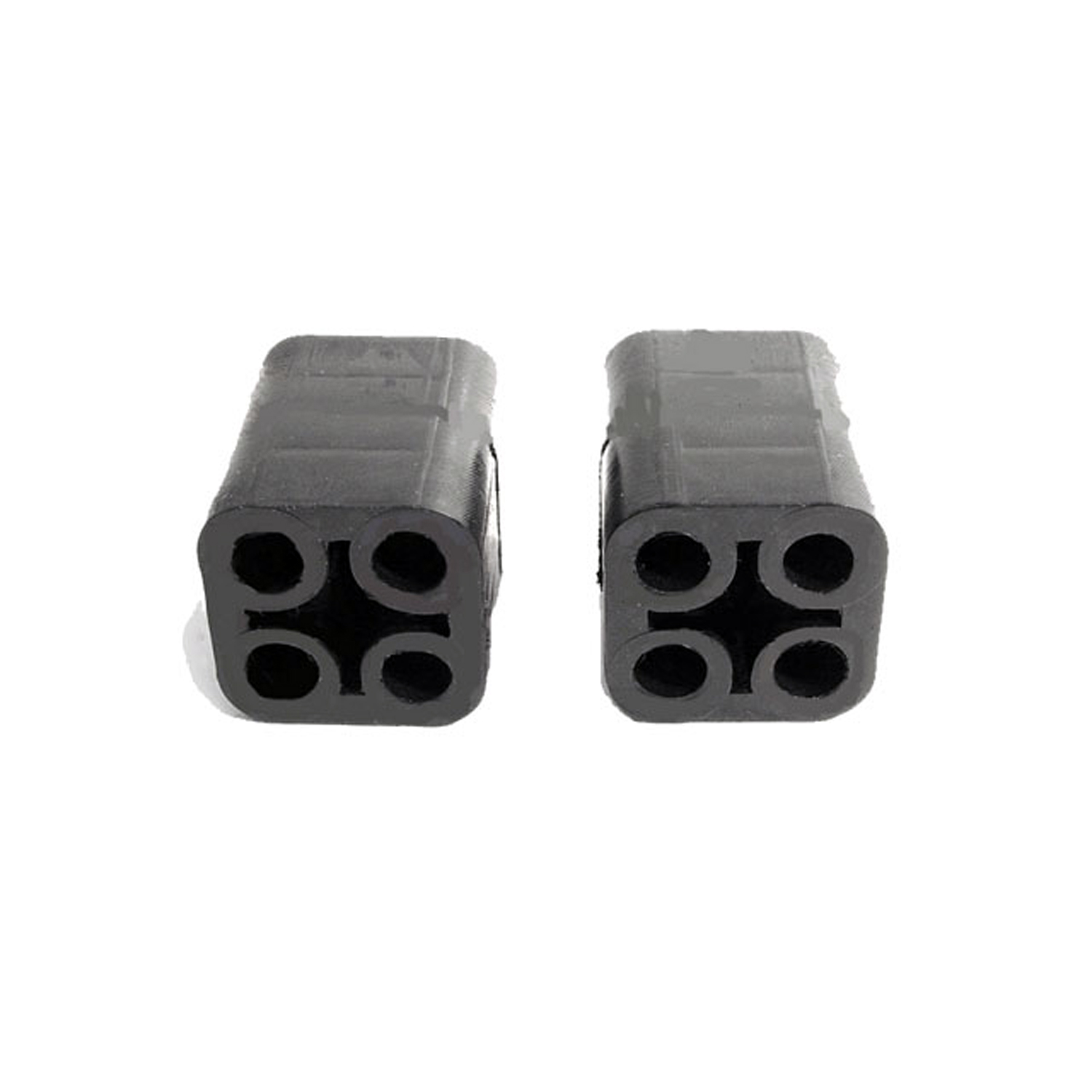 1956 Ford Country Sedan Spark Plug Wire Retainer Grommet. Each-SM 30-BSpark Plug Wire Retainer Grommet. Each
 1956 Ford Country Sedan Trunk Drain Grommets. Set of four-SMK 64-ITrunk Drain Grommets. Set of four
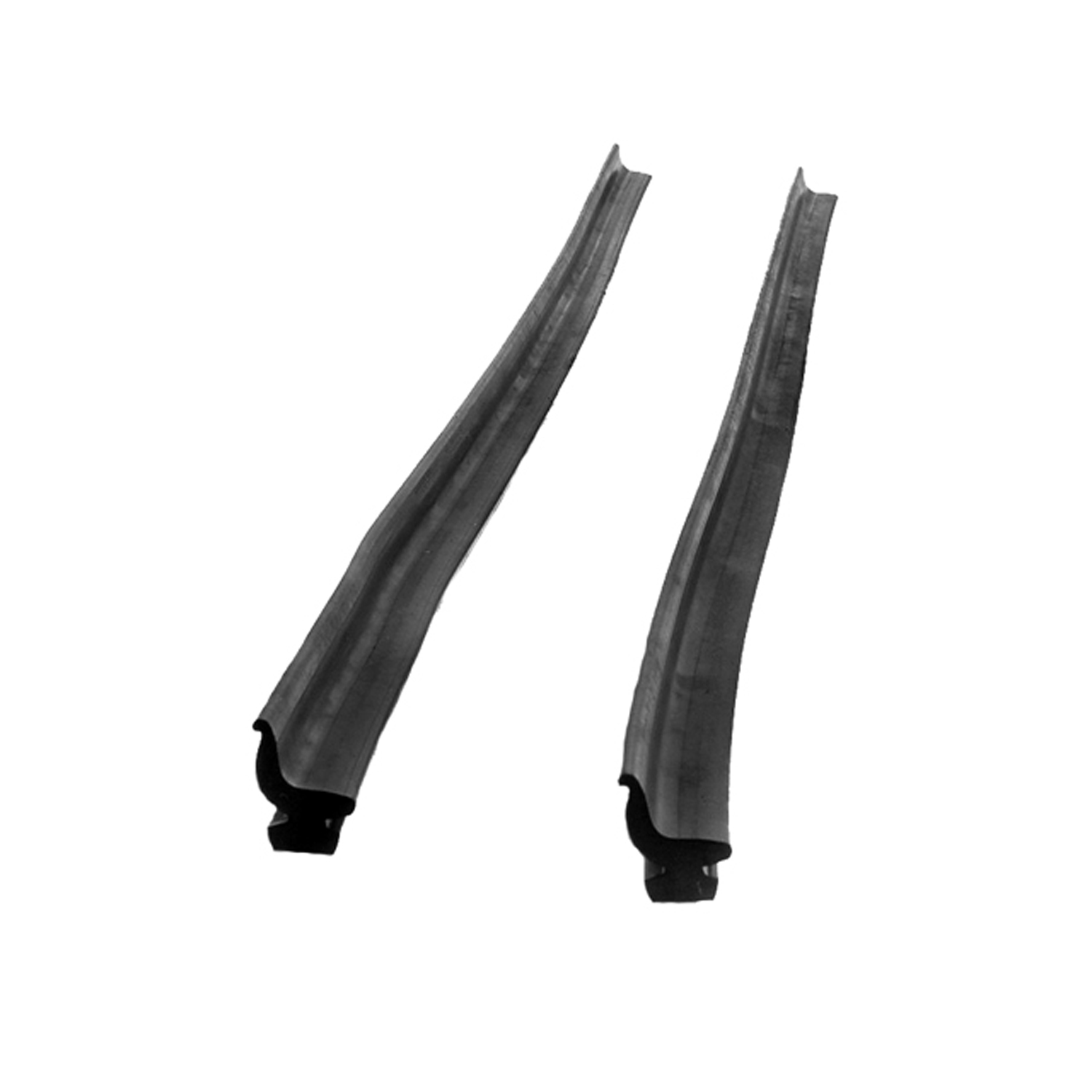 1956 Ford Country Sedan Rear roll-up Seal. Two 18" sections sliced into metal track-VS 4Rear roll-up Seal. Two 18" sections sliced into metal track. this foot with no steel insert. Pair
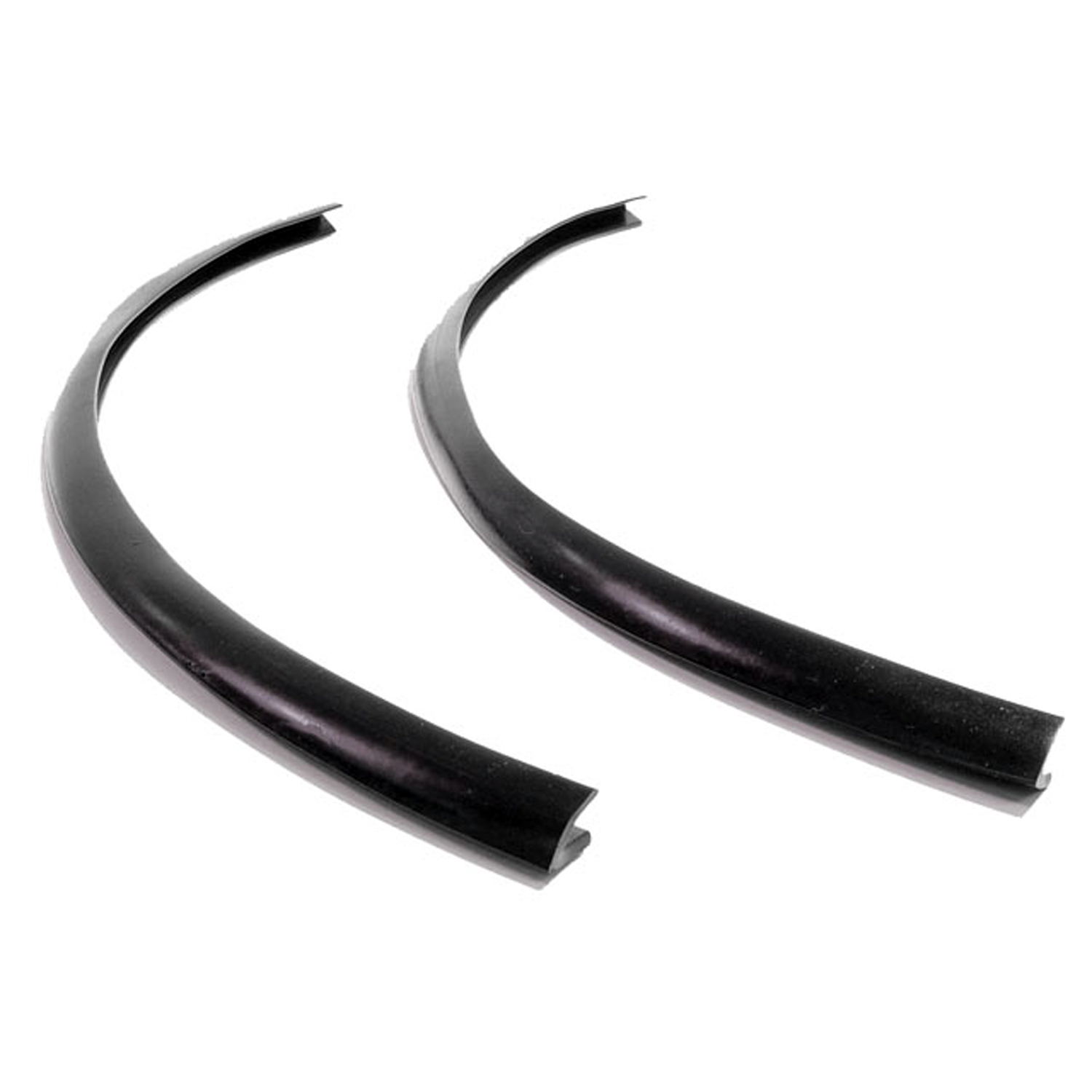 1956 Ford Country Sedan Vertical Seals for Vent Window. Each piece is 17" long-VS 6Vertical Seals for Vent Window. Each piece is 17" long. Pair
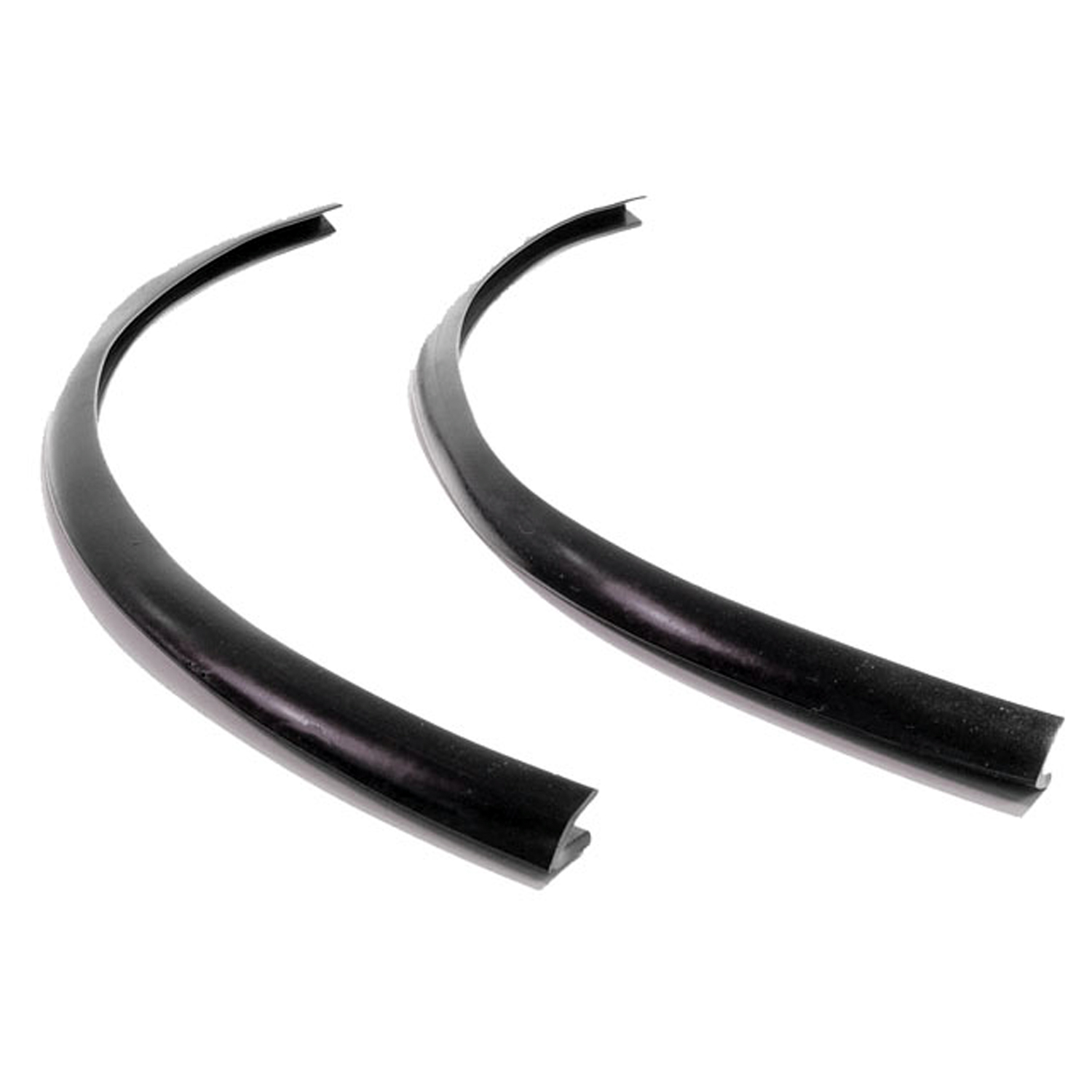 1956 Ford Country Sedan Vertical Seal for Vent Window. Sold by the foot.-VS 6/FTVertical Seal for Vent Window. Sold by the foot.
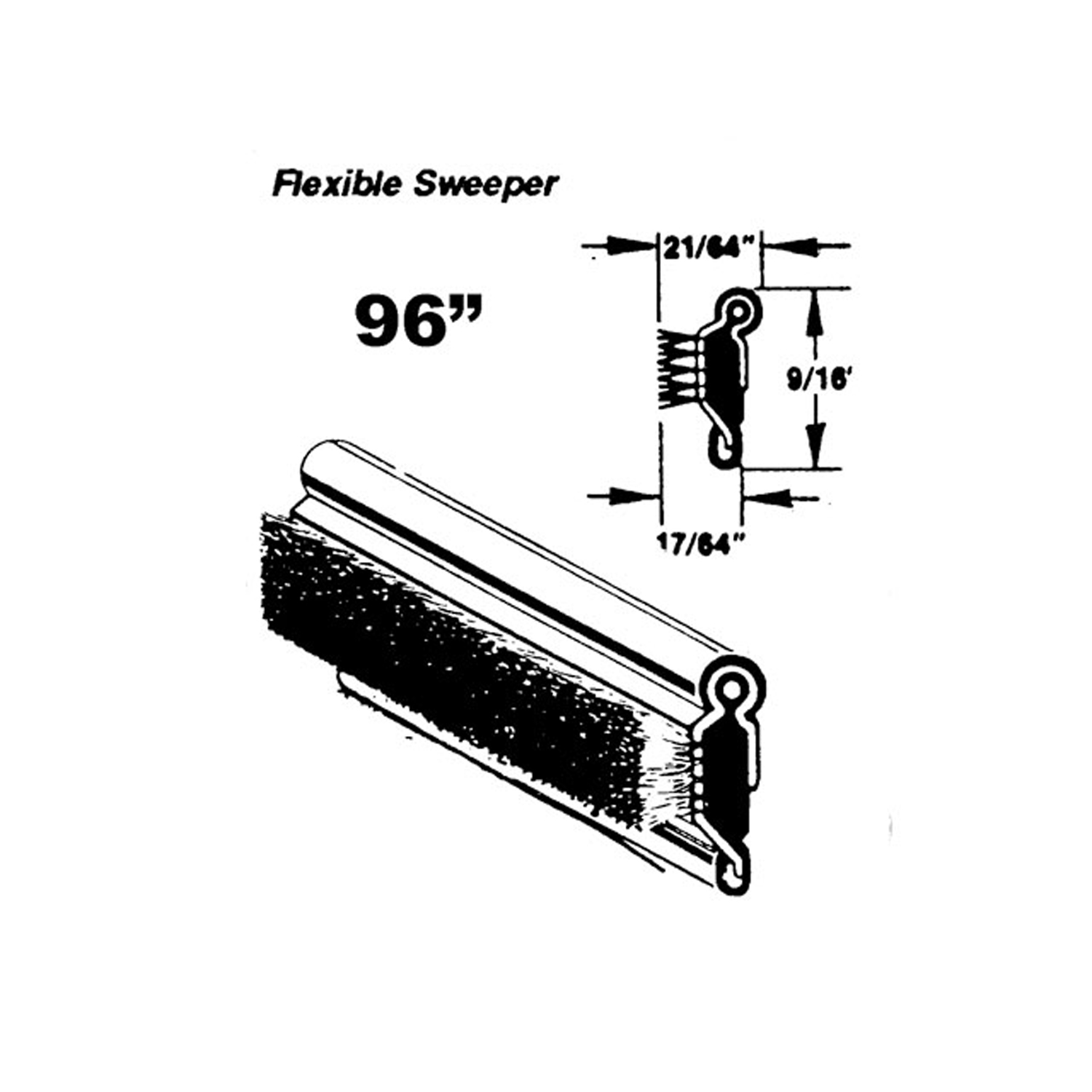 1956 Ford Country Sedan Flexible window sweeper. Made with stainless steel bead-WC 7-96Flexible window sweeper. Made with stainless steel bead. 96 in. long. Each. NOTE: $20 special shipping charge applies for domestic orders. Call or email for overseas shipping costs. Part can be sectioned in two or three equal lengths to reduce overseas shipping costs.
Why Choose Metro?
For over 100 years, Metro Moulded Parts has been the pinnacle of quality in classic car restoration parts. Our commitment to precision and authenticity in every component ensures a perfect fit and an OEM-level appearance.
- Expert Craftsmanship & Quality: Each part is a testament to our dedication to reliability and perfection, crafted from original designs and thoroughly tested.
- Advanced Technology: We use cutting-edge techniques to create flawless, long-lasting parts that surpass others in performance.
- SuperSoft Sponge – The Ultimate Door Seal: Not only are our door seals 30% softer than competitors', but they're also guaranteed to never leak. They effectively reduce wind and road noise, enhancing your classic car's comfort and driving experience.
- Proudly American: Our parts are a product of American craftsmanship, made in the USA with a spirit of excellence and heritage.
- Unrivaled Warranty: We back our products with a 30-year industry-leading warranty, a testament to our confidence in their quality.
Join us in preserving the legacy of classic cars with parts that are crafted for perfection, not just made.