

Image of 1956 Ford F-350, Note: These illustrations use artistic license and may differ from actual historical models.
Performance Metrics
Fundamental Metrics
Emotional Appeal
MMP Rating
| Engine Specifications | |
|---|---|
| Engine: | 223 CID (3.7L) Inline 6, 272 CID (4.5L) Y-block V8 |
| Displacement: | 223-272 cubic inches |
| Horsepower: | 137-173 hp |
| Torque: | 206-260 lb-ft |
| Compression Ratio: | 7.6:1 for the Inline 6, 8.4:1 for the V8 |
| Ignition System: | Distributor and coil |
| Cooling System: | Liquid-cooled |
| Performance Specifications | |
| 0-60 Time: | Estimated 15-20 seconds |
| 1/4 Mile Time: | Estimated 20-25 seconds |
| Top Speed: | 70-75 mph |
| Transmission and Drive | |
| Drive Type: | Rear-wheel drive |
| Transmission Type: | 3-speed manual, 4-speed manual |
| Fuel and Efficiency | |
| Fuel System Type: | Carburetor |
| MPG: | Estimated 10-15 mpg |
| Dimensions and Brakes | |
| Brakes: | Drum brakes |
| Wheelbase: | 133 inches |
| Weight: | 3,800-4,200 lbs |
Note: Specifications for classic cars are given to the best of our ability, considering the limited and variant data available.
1956 Ford F-350: A One-Ton Workhorse at a Turning Point
The 1956 Ford F-350 was built to haul, tow, and earn its keep, but it also marked the final chapter of a distinctive Ford truck generation. Produced by the Ford Motor Company as part of the second-generation F-Series, the F-350 sat at the heavy-duty end of the lineup, above the F-100 and F-250. It was a one-ton truck aimed at farmers, contractors, delivery operators, and businesses that needed more capacity than a light pickup could provide.
Ford had introduced the F-Series in 1948, replacing its prewar-style truck line with a dedicated family of postwar trucks. By 1956, the F-Series had become a familiar sight on American roads and job sites. This model year is especially notable because it was the last year of the 1953–1956 cab and chassis design. The following year brought a major redesign, making the ’56 a useful blend of established mechanical simplicity and late-generation styling.
One intriguing detail is that the 1956 trucks received a wraparound windshield, a feature that gave the cab a more modern, open appearance than earlier models. It was a visual flourish on a vehicle designed first and foremost for work, and it helped distinguish the final-year trucks from their immediate predecessors.
Bold F-Series Styling and a Practical Cab
The F-350’s exterior was handsome without pretending to be delicate. Its broad hood, upright front end, substantial fenders, and prominent grille gave it a purposeful stance. The wraparound windshield added a sweeping line to the cab, while the tall ride height and heavy-duty wheels made the truck look ready for a full day of hauling. Details varied by configuration, but the overall design balanced visibility, accessibility, and durability.
Inside, the cabin was straightforward and work-focused. The dashboard and surrounding structure were largely painted metal, with a simple instrument cluster, large controls, and a wide steering wheel. Depending on trim and equipment, the seat could be finished in practical cloth or vinyl-style upholstery. Rubber floor coverings were well suited to muddy boots and job-site debris. Comfort was basic by modern standards, but the layout was easy to understand and built for long service rather than luxury.
Ford offered a range of factory colors, with solid colors and two-tone combinations available depending on the truck’s trim and configuration. White, red, blue, green, and black were among the period-appropriate choices seen on Ford trucks. Bright two-tone paint can make a restored example especially eye-catching, while fleet trucks often wore simpler colors or company lettering.
The F-350 was available in several working forms, including chassis-cab, platform, stake, and other commercial configurations. Pickup-bed versions existed, but the F-350’s greatest strength was its adaptability as a platform for specialized bodies and equipment. A factory-style one-ton pickup is an appealing and recognizable configuration, while chassis-cab trucks often reveal the model’s original working purpose.
Work-Truck Engineering That Mattered
The F-350 was not simply a larger-looking pickup. Its heavier-duty chassis, suspension, axles, wheels, and brakes were intended to handle the demands of one-ton service. Buyers could order the truck in forms suited to different jobs, and commercial upfitters could add bodies such as stake beds, service bodies, or dump boxes. That versatility helped make the F-Series useful well beyond personal transportation.
Ford’s 1956 trucks also reflected the industry’s shift toward more modern electrical systems. Twelve-volt equipment was part of the period’s move toward improved starting and electrical capacity, though exact equipment can vary by truck and should be checked against its build details. The F-350’s chief innovation, however, was not a single gadget. It was the combination of a more comfortable, more visible cab with a heavy-duty platform that could be tailored to a wide range of commercial needs.
Compared with lighter pickups of the era, the F-350 offered greater load-carrying capability and a broader choice of work configurations. Its basic mechanical layout also kept it accessible to owners and mechanics. In that respect, it helped establish the formula that continues to define heavy-duty pickups: practical cab design, robust running gear, and a chassis that can serve many kinds of work.
Engine, Speed, and Road Manners
Engine availability depended on configuration and equipment. The 223-cubic-inch overhead-valve inline-six was a familiar, practical choice, while V8 options were available, including Ford Y-block engines in suitable applications. Specific output figures varied by engine, year, and rating method, so an original truck’s engine code and factory documentation are the best guides to its exact specification.
There is no single dependable factory 0–60 mph figure for every 1956 F-350. These trucks were sold with different engines, axle ratios, transmissions, tires, and bodywork, and many were expected to carry substantial loads. As a broad real-world estimate, an unloaded example might take roughly 20 to 30 seconds to reach 60 mph, while a loaded truck could be slower. An unloaded top speed in the neighborhood of 60 to 75 mph is plausible for some configurations, but gearing, condition, and load make a significant difference. The F-350 was designed for useful pulling power, not high-speed performance.
On the road, the truck feels substantial and mechanical. The steering is less precise than a modern pickup’s, and the suspension can feel firm when the bed is empty. Add a load and the chassis settles into its intended role, though rough pavement still makes itself known through the cab. On winding roads, the tall stance and heavy-duty tires encourage a measured pace. Crosswinds can push the broad body, particularly with a tall commercial body or an empty bed.
The engine’s sound depends on what is under the hood: a six-cylinder has a steady, workmanlike note, while a V8 brings a deeper rumble. Either way, the driver gets an involving experience. The steering wheel, clutch, and gear lever demand more effort than modern controls, and the truck rewards smooth inputs rather than hurried driving. It feels like a piece of working machinery because that is exactly what it was built to be.
Living With a 1956 F-350
Today, most F-350s are used as weekend drivers, show vehicles, farm trucks, or rolling restorations. Some remain in commercial service, but regular use requires realistic expectations. This is a vintage one-ton truck, not a modern tow rig, and its brakes, steering, lighting, and tires should be inspected carefully before it is driven in current traffic.
Routine service is generally approachable for an experienced home mechanic. The engine bay is relatively simple, many mechanical components are conventional, and the truck does not rely on electronic control systems. Parts support is good for common maintenance items and many F-Series components, although F-350-specific hardware, original trim, and parts for unusual commercial bodies can take more searching.
Reliability depends heavily on condition and previous repairs. Check the frame, suspension mounting points, cab corners, floor, and bed for corrosion or poor repairs. Inspect the brakes, steering joints, cooling system, and electrical wiring, and confirm that the axle and transmission match the truck’s intended use. A well-maintained F-350 can be rewarding to own, but neglected heavy-duty trucks can hide expensive wear beneath a work-ready appearance.
F-350 Facts, Myths, and Workday History
The F-350’s story is closely tied to everyday American work. Trucks like it carried supplies during the postwar building boom, supported farms and small businesses, and served utility companies and local governments. The truck’s broad range of chassis and body options meant that many F-350s left Ford as working platforms rather than finished pickups.
There is no widely recognized speed or endurance record associated with the 1956 F-350, and celebrity ownership is not a defining part of its history. Its distinction is more practical: it represents the heavy-duty pickup as a flexible commercial tool. It also stands out as the final model year of its generation, with the wraparound windshield offering a clear visual cue for enthusiasts.
A common criticism is that the F-350 can feel slow, noisy, and tiring beside a modern truck. That is fair, especially when the vehicle is driven empty over rough roads. Its size, turning effort, and braking performance also call for extra care. Those shortcomings are part of the tradeoff for an old-school machine with simple controls and a chassis designed around hard work.
Collector Value and Availability
Exact production totals for the 1956 F-350 are not consistently published in a model-by-model breakdown. A reasonable estimate is that several thousand to perhaps the low tens of thousands were built, but that should be treated as an informed approximation rather than an official figure. Many were worked hard, modified, or scrapped, so surviving examples are considerably less common than lighter F-100 pickups.
As a broad U.S. market guide in 2026, a rough project or incomplete truck might sell for about $5,000 to $15,000. A usable driver or older restoration could fall around $15,000 to $35,000, while a well-restored, correctly configured example may bring roughly $35,000 to $65,000. Exceptional restorations, rare body styles, documented history, and highly desirable original equipment can exceed that range. These are estimates, not guaranteed asking or sale prices, and condition makes an enormous difference.
The F-350 generally attracts a smaller pool of buyers than the more familiar F-100, but its heavy-duty character and relative scarcity give it a distinct collector appeal. Values have tended to strengthen for clean, authentic trucks, especially those with unusual commercial bodies or high-quality restorations. Projects are less predictable because rust repair and missing F-350-specific parts can quickly outweigh the purchase price.
Why the 1956 Ford F-350 Still Matters
The 1956 Ford F-350 combines a distinctive final-year cab design with the practical engineering of a true one-ton truck. Its wraparound windshield, simple interior, engine choices, and adaptable chassis capture a period when a truck was expected to work hard and remain serviceable. It may not offer modern speed or comfort, but it delivers something more characterful: a direct connection to the farms, businesses, and building sites that helped shape postwar America.
For collectors, the ’56 F-350 is a less obvious choice than a glossy half-ton pickup, and that is part of its charm. It is a capable, substantial piece of Ford history, built to serve first and admired later. Few classic trucks make their purpose so clear the moment you climb behind the wheel.
1956 Ford F-350 Catalog of Parts
 1956 Ford F-350 Weatherseals. Used at back of cab. 2-3/8" X 9-3/4". Pair-ALP 2Weatherseals. Used at back of cab. 2-3/8" X 9-3/4". Pair
 1956 Ford F-350 Running Board Cushion-ARB 1Running Board Cushion. Includes: rubber spacer, carriage bolt, nut and lock washer. Pair
 1956 Ford F-350 Lower Mount Cushion for cab frame. Base: 1-5/8" W X 1/4" H-BC 23Lower Mount Cushion for cab frame. Base: 1-5/8" W X 1/4" H. Hole: 11/16" O.D., 1/2" I.D., 1/4" High. Each
 1956 Ford F-350 Upper Mount Cushion for front of cab frame-BC 24Upper Mount Cushion for front of cab frame. Base: 2-3/4" W X 5/16" H. Hole: 2-5/16" O.D., 1" I.D., 3/8" High. Each
 1956 Ford F-350 Spring and Shackle Insulators-BC 25Spring and Shackle Insulators. Rear cab to frame suspension bumpers. Pair
 1956 Ford F-350 Shock Absorber Grommet. 1" bottom O.D-BN 11Shock Absorber Grommet. 1" bottom O.D., 3/4" high, with 5/8" I.D. Each
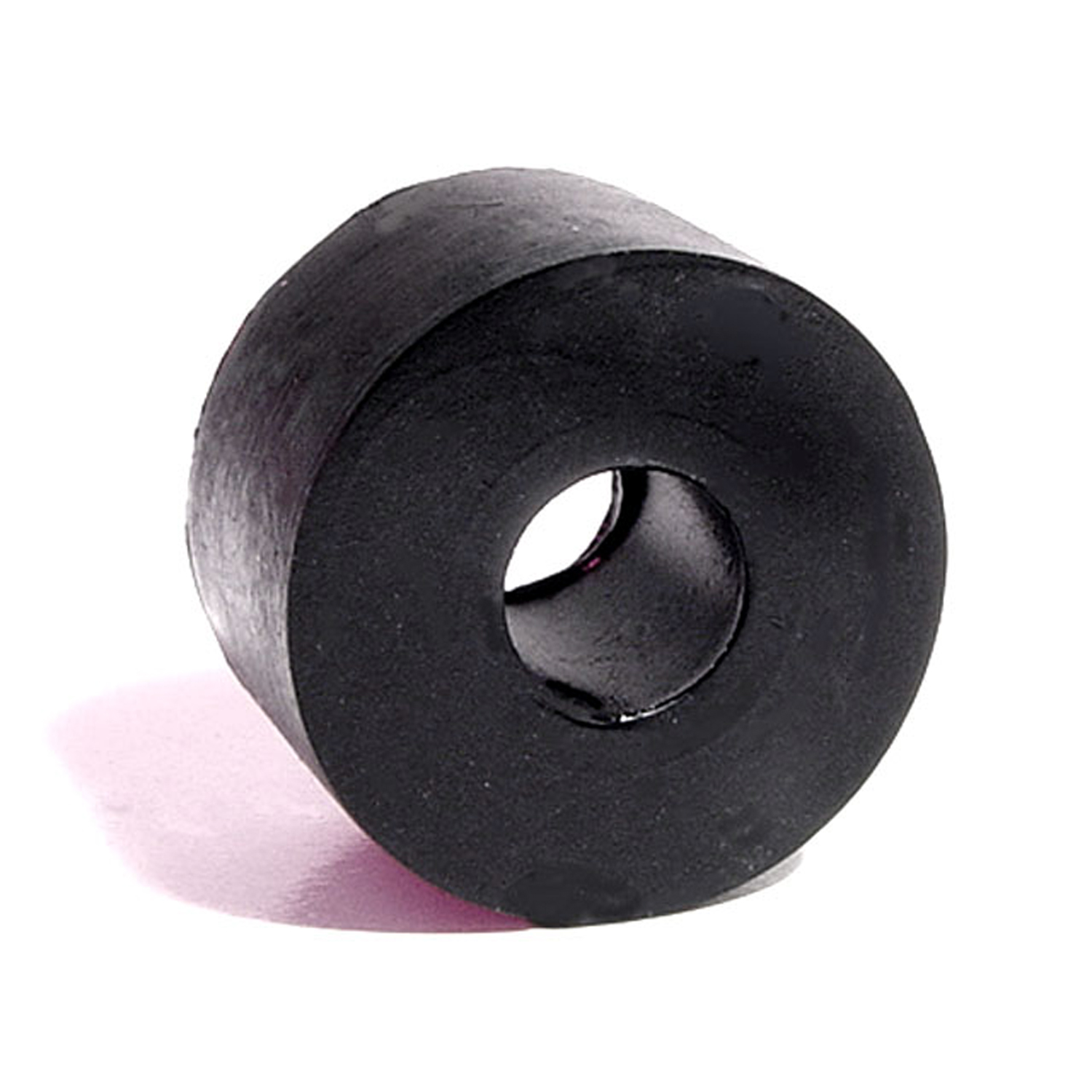 1956 Ford F-350 Shock Absorber Grommet. 1" bottom O.D-BN 6Shock Absorber Grommet. 1" bottom O.D. X 1/2" high, with 3/8" I.D. Each
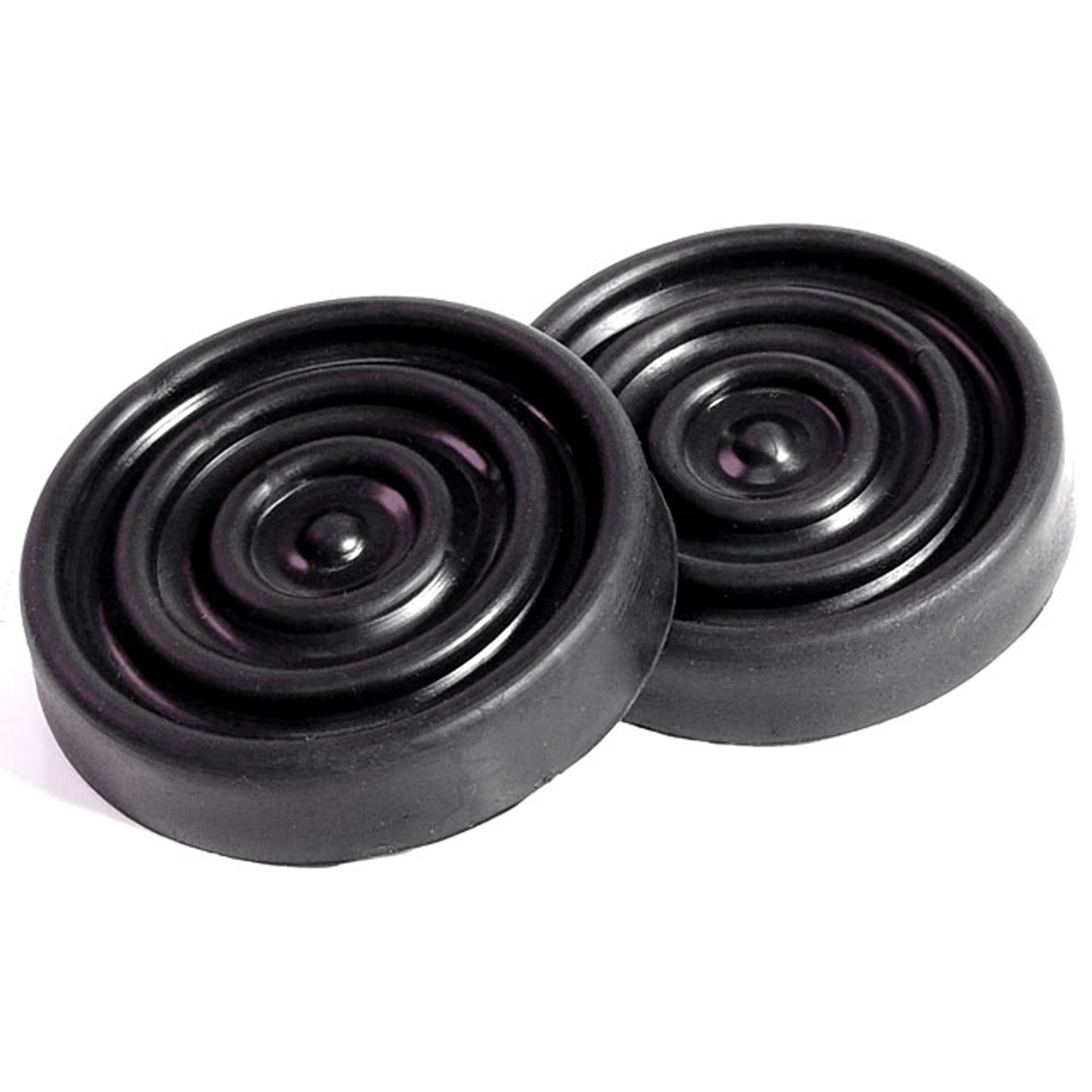 1956 Ford F-350 Clutch and Brake Pedal Pads-CB 106Clutch and Brake Pedal Pads. Made with molded steel core and threaded stud. 3" diameter. Pair
 1956 Ford F-350 Radiator to Hood Seal. 2-5/8" wide X 33" long. Each-CS 109-GRadiator to Hood Seal. 2-5/8" wide X 33" long. Each
 1956 Ford F-350 Gas Filler Grommet. Perfect reproduction. 1-3/4" I.D-GF 44Gas Filler Grommet. Perfect reproduction. 1-3/4" I.D., 3-3/4" O.D. Each
 1956 Ford F-350 Hood to Fender Bumper. Top Notch Reproduction. Each-HF 33Hood to Fender Bumper. Top Notch Reproduction. Each
 1956 Ford F-350 Headlight Assembly Housing Gasket. 8-5/8" O.D., 8" I.D-HR 11Headlight Assembly Housing Gasket. 8-5/8" O.D., 8" I.D. Pair
 1956 Ford F-350 Door Seal, 56 Ford Full Size Pickup Trucks, On Body, Pair-LM 110-DProtect your vehicle’s interior from the outside elements and reduce noise level while driving simply by replacing your dried-out or cracked door weatherstrip with this proven product. This weatherstrip has been hollowed out so the door can close correctly unlike the solid sponge type. Mounts on the door with weatherstrip adhesive (not included).
 1956 Ford F-350 Top of Radiator Hood Seal. 2-3/4" wide. Sold by the foot-LP 109-G/FTTop of Radiator Hood Seal. 2-3/4" wide. Sold by the foot
 1956 Ford F-350 Door Lock Pads. 1-1/4" wide X 1-3/4" long-MP 716-ADoor Lock Pads. 1-1/4" wide X 1-3/4" long. Pair (Mercury trunk with trimming)
 1956 Ford F-350 Cowl Vent Seal. Perfect reproduction-RP 100-TCowl Vent Seal. Perfect reproduction. Instructions included for installation. 13-1/2" diameter rubber ring. Each
 1956 Ford F-350 Battery Splash Shield. 10" X 1-5/8". Each-RP 1-DBattery Splash Shield. 10" X 1-5/8". Each
 1956 Ford F-350 Clutch and Brake Arm Bumpers. Top quality reproduction-RP 31-KClutch and Brake Arm Bumpers. Top quality reproduction. Pair
 1956 Ford F-350 Clutch and Brake Pedal to Floor Board Seals. Pair-RP 31-LClutch and Brake Pedal to Floor Board Seals. Pair
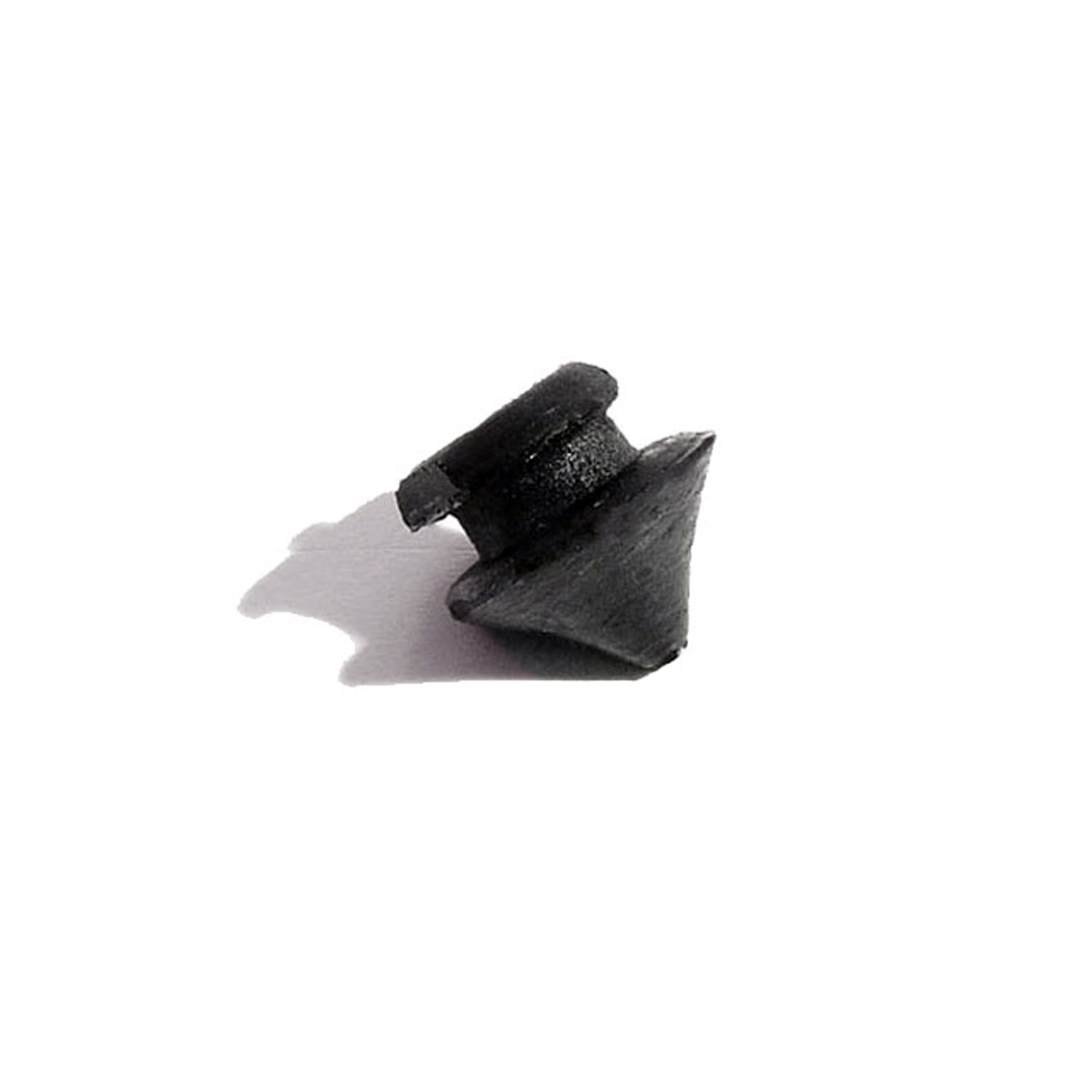 1956 Ford F-350 Glove Box Bumper. Two used per truck. Each-SB 100Glove Box Bumper. Two used per truck. Each
 1956 Ford F-350 Wiper Motor Control Wire Grommet. Each-SB 107Wiper Motor Control Wire Grommet. Each
 1956 Ford F-350 Tailgate Bumper. Each-SB 84Tailgate Bumper. Each
 1956 Ford F-350 Firewall Steering Post and Shift Rod Gasket-SC 25Firewall Steering Post and Shift Rod Gasket. For 3-speed models. Each
 1956 Ford F-350 Firewall Steering Post Gasket. For 4-speed models. Each-SC 25-AFirewall Steering Post Gasket. For 4-speed models. Each
 1956 Ford F-350 Steering Column Post Bracket Cushion-SC 26Steering Column Post Bracket Cushion. Top notch reproduction. 5" x 1-1/4". Each
 1956 Ford F-350 Floor Plug Grommet. Used on each side of seat-SM 74Floor Plug Grommet. Used on each side of seat. fits 3/4" hole size. Each
 1956 Ford F-350 Mirror Hole Plug-SM 77Mirror Hole Plug. For panel trucks and trucks without side mirrors. Fits a 1/2" wide X 1-5/8" long hole. Each
 1956 Ford F-350 Special Purpose Grommet. Main wiring loom. 1-9/16" O.D-SM 78Special Purpose Grommet. Main wiring loom. 1-9/16" O.D., 1/2" hole. Each
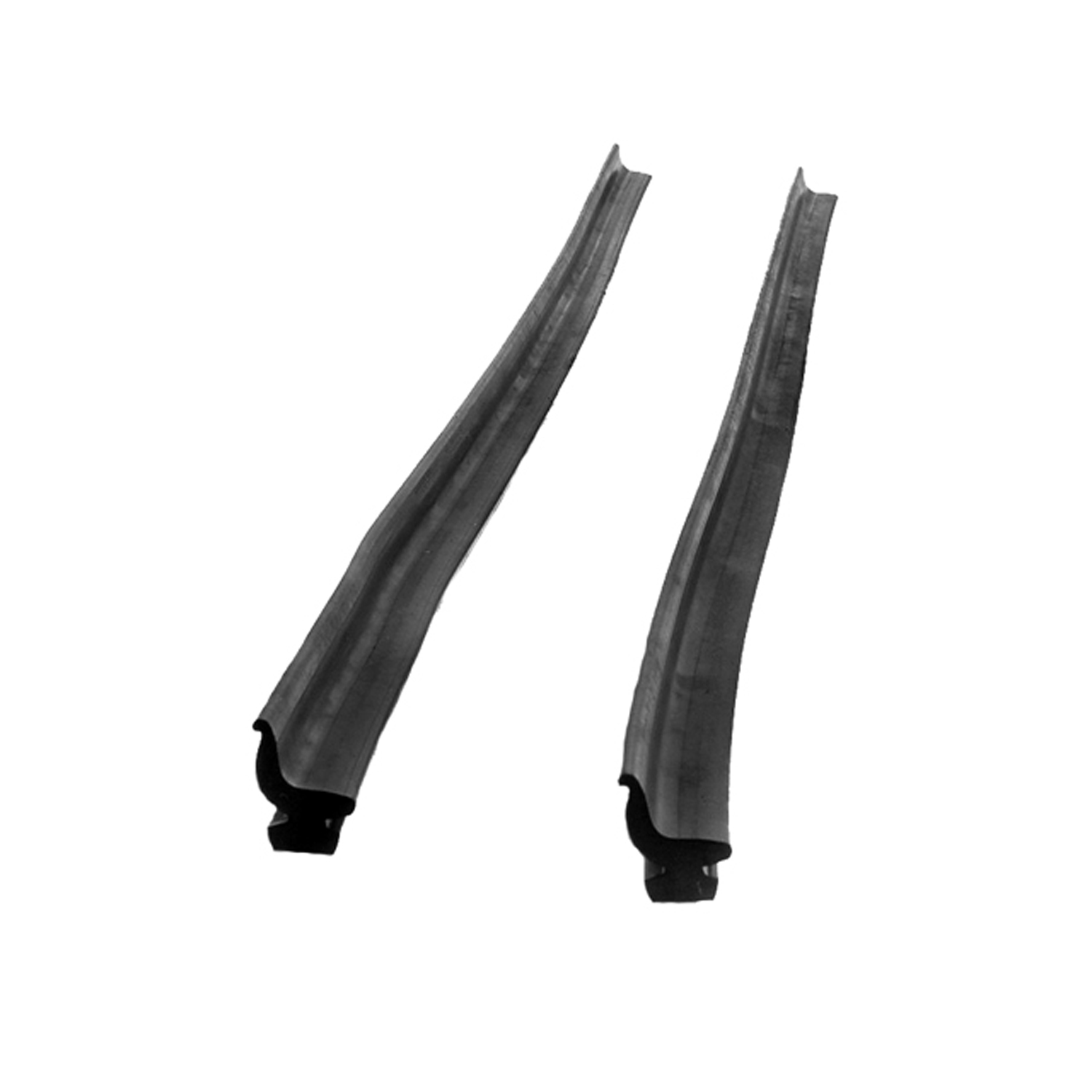 1956 Ford F-350 Rear roll-up Seal. Two 18" sections sliced into metal track-VS 4Rear roll-up Seal. Two 18" sections sliced into metal track. this foot with no steel insert. Pair
 1956 Ford F-350 Vulcanized Rear Windshield Seal-VWS 3302-RVulcanized Rear Windshield Seal. For trucks without wrap-around rear window. Each
 1956 Ford F-350 Vulcanized Windshield Seal. Each-VWS 3304Vulcanized Windshield Seal. Each
 1956 Ford F-350 Rigid division-bar channel-WC 29-72Rigid division-bar channel. Made with stainless steel bead, pile lining and heavy steel core. 72 in. long. Each. NOTE: $20 special shipping charge applies for domestic orders. Call or email for overseas shipping costs. Part can be sectioned into two equal lengths to reduce overseas shipping costs.
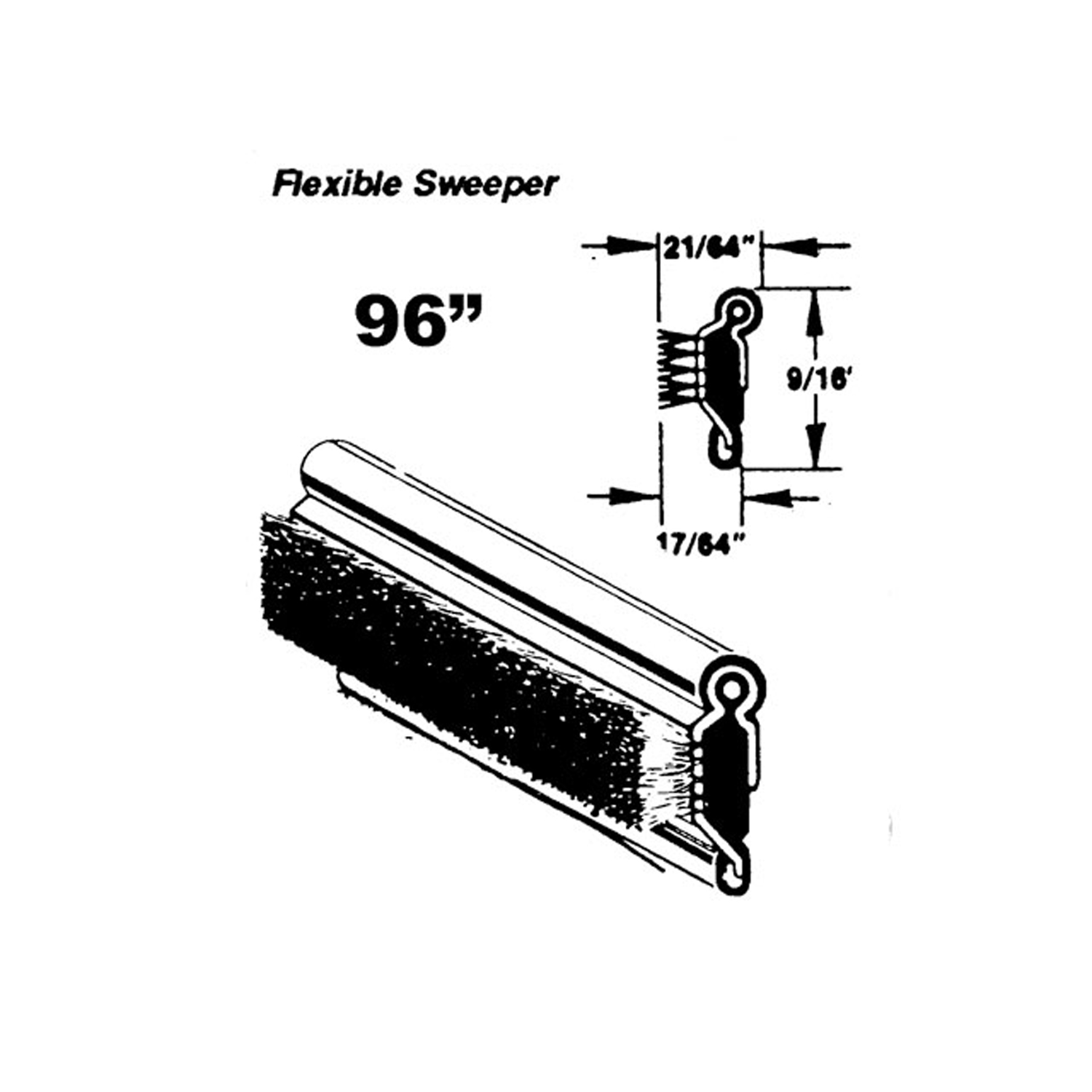 1956 Ford F-350 Flexible window sweeper. Made with stainless steel bead-WC 7-96Flexible window sweeper. Made with stainless steel bead. 96 in. long. Each. NOTE: $20 special shipping charge applies for domestic orders. Call or email for overseas shipping costs. Part can be sectioned in two or three equal lengths to reduce overseas shipping costs.
Why Choose Metro?
For over 100 years, Metro Moulded Parts has been the pinnacle of quality in classic car restoration parts. Our commitment to precision and authenticity in every component ensures a perfect fit and an OEM-level appearance.
- Expert Craftsmanship & Quality: Each part is a testament to our dedication to reliability and perfection, crafted from original designs and thoroughly tested.
- Advanced Technology: We use cutting-edge techniques to create flawless, long-lasting parts that surpass others in performance.
- SuperSoft Sponge – The Ultimate Door Seal: Not only are our door seals 30% softer than competitors', but they're also guaranteed to never leak. They effectively reduce wind and road noise, enhancing your classic car's comfort and driving experience.
- Proudly American: Our parts are a product of American craftsmanship, made in the USA with a spirit of excellence and heritage.
- Unrivaled Warranty: We back our products with a 30-year industry-leading warranty, a testament to our confidence in their quality.
Join us in preserving the legacy of classic cars with parts that are crafted for perfection, not just made.