

Image of 1956 Ford Fairlane, Note: These illustrations use artistic license and may differ from actual historical models.
Performance Metrics
Fundamental Metrics
Emotional Appeal
MMP Rating
| Engine Specifications | |
|---|---|
| Engine Options: | 223 CID (3.7L) OHV straight-6, 272 CID (4.5L) Y-block V8 |
| Displacement Range: | 3.7L - 4.5L |
| Horsepower Range: | 120-193 hp |
| Torque: | 190-282 lb-ft |
| Compression Ratio: | 8.0:1 (for V8) |
| Ignition System: | Conventional points ignition system |
| Cooling System: | Liquid-cooled |
| Performance Specifications | |
| 0-60 Time: | 10-12 seconds |
| 1/4 Mile Time: | 17-19 seconds |
| Top Speed: | 100-110 mph |
| Transmission and Drive | |
| Drive Type: | Rear-wheel drive |
| Transmission Type: | 3-speed manual, 3-speed Ford-O-Matic automatic |
| Fuel and Efficiency | |
| Fuel System Type: | Carburetor |
| MPG: | 10-15 mpg |
| Dimensions and Brakes | |
| Brakes: | Drum brakes |
| Wheelbase: | 115.5 inches |
| Weight: | 3,200-3,500 lbs |
Note: Specifications for classic cars are given to the best of our ability, considering the limited and variant data available.
1956 Ford Fairlane: Ford’s Mid-Century Style Statement
The 1956 Ford Fairlane brought big-car glamour, bold two-tone styling, and newly important safety features to America’s growing postwar highways. Built by the Ford Motor Company, it belonged to the Fairlane line named for Fair Lane, Henry Ford’s estate in Dearborn, Michigan. The name had debuted for 1955, and by 1956 it identified Ford’s upper-range passenger cars.
That year gave the Fairlane an intriguing place in Ford history: it combined the tail-fin optimism of the 1950s with a serious push toward safer motoring. Ford promoted its new “Lifeguard Design” safety features, while the model also adopted a 12-volt electrical system. In other words, the Fairlane was designed to look like a symbol of the future and to address some of the risks that came with getting there.
1956 Fairlane Styling and Color Choices
The Fairlane’s shape was classic mid-1950s American design: long hood, generous glass, a broad body, and rear fenders that rose into modest tail fins. Its front end featured a wide grille, bright chrome trim, and a confident, low-set look. A wraparound windshield helped the cabin feel open, while sweeping side trim emphasized the car’s length. On many examples, contrasting paint made that side trim part of a striking two-tone effect.
Inside, buyers found a wide bench seat, a broad dashboard, and bright metal accents. Materials and trim varied by body style and equipment, but the cabin typically paired durable upholstery with patterned or color-coordinated finishes. It was roomy by modern standards, with the front passenger sharing a full-width seat and a relatively expansive view of the road. The dashboard’s mid-century styling made a feature of its instruments and controls rather than hiding them away.
Ford offered a wide range of paint combinations. Popular looks included Colonial White paired with a stronger body color, as well as combinations featuring reds, blues, greens, and metallic shades. Exact colors and availability depended on the model and production period, but two-tone schemes are now among the most recognizable ways to present a Fairlane.
The line included several body styles: the Club Sedan, Victoria two-door hardtop, Town Sedan, Town Victoria four-door hardtop, Crown Victoria, Crown Victoria Skyliner, and Sunliner convertible. The Victoria hardtops and Crown Victoria models are especially sought after today. The Skyliner stands out for its transparent acrylic roof panel, an unusual feature that gave the car an airy look while keeping a fixed roof.
Safety and Technology for 1956
Ford’s Lifeguard Design campaign made safety a central part of the 1956 story. Features included a deeply recessed steering-wheel hub, a padded dashboard, stronger door latches, and a safer rearview mirror design. Seat belts were available, though they were far from standard equipment in most cars of the period. These features did not make a 1956 Fairlane comparable to a modern vehicle in crash protection, but they show how automakers were beginning to treat occupant safety as a selling point.
Ford also moved its passenger cars to a 12-volt electrical system for 1956. The higher voltage supported more dependable starting and the growing load of electrical accessories. Buyers could choose a three-speed manual transmission, often with overdrive available, or Fordomatic two-speed automatic transmission. Power steering and power brakes were among the convenience options that made a large American car easier to manage.
Why the Fairlane Mattered
The Fairlane was not a radical departure from the full-size American car, but it captured the era’s defining shift toward cars that sold on style, comfort, and visible technology as much as basic transportation. Its trim, hardtop rooflines, and bold color combinations helped establish a visual language that competitors were also pursuing: make the family car feel special, modern, and a little glamorous.
Its safety campaign is an important part of its legacy. Ford’s Lifeguard Design gave the subject unusual visibility in advertising and helped bring safety equipment into the public conversation. The 12-volt system also reflected the industry’s move toward stronger electrical systems to serve increasingly equipped cars. The Fairlane’s lasting appeal comes from this combination of optimism and practicality: it looks exuberant, but it also represents a period when American manufacturers were beginning to rethink what a car should provide.
Engines, Speed, and Road Manners
Engine choices included Ford’s 223-cubic-inch Mileage Maker inline-six, rated at about 137 horsepower, and V8 options such as the 292-cubic-inch Y-block. Some Fairlanes could be ordered with the larger 312-cubic-inch V8, including higher-output versions. Published horsepower varied with engine specification and equipment; period ratings were generally quoted as gross horsepower, so they should not be compared directly with modern net ratings.
Performance depends heavily on the engine, transmission, axle ratio, and the car’s present condition. As a broad period-car estimate, a V8 Fairlane may reach 60 mph in roughly 10 to 13 seconds, with a top speed in the neighborhood of 95 to 110 mph. A six-cylinder model is slower, commonly taking around 15 to 18 seconds to reach 60 mph. These are indicative figures rather than a promise for every surviving car.
On the road, the Fairlane feels substantial. Its long wheelbase and soft suspension soak up ordinary bumps well, giving it the relaxed ride expected of a 1950s American sedan. The trade-off is body lean in corners and less precise steering than a modern car. On winding roads, a driver needs to plan ahead, especially in a car without power steering or upgraded brakes. Crosswinds and uneven pavement can also make the car feel more floaty than a contemporary vehicle.
The driving experience is part of the charm. A healthy Y-block V8 delivers a deep, steady rumble, while the automatic transmission encourages smooth, unhurried cruising. The steering wheel is large, the bench seat places the driver close to the passenger, and the controls ask for more deliberate input than today’s cars. A Fairlane is happiest on an open road, where its engine note, broad cabin, and easygoing ride can take center stage.
Living With a 1956 Ford Fairlane
Today, Fairlanes are most often weekend cruisers, show cars, and restoration projects. Some owners drive them regularly, but using one as a daily driver requires accepting period braking, handling, fuel economy, and safety limitations. A well-sorted example can be enjoyable on local roads and highway trips, provided it is maintained and driven with appropriate care.
Mechanical repairs are generally approachable for an owner with basic tools and classic-car experience. The engines are conventional pushrod designs, and many service procedures are straightforward. Parts availability is often good for common mechanical items and restoration basics, though specific trim, upholstery details, and rare Skyliner components can take more searching. Before buying, inspect the frame and body for rust, check the engine and transmission, and verify that the electrical system and brakes have been properly serviced. Age and past repairs matter as much as the model’s original reputation for durability.
Fairlane Facts and Common Criticisms
The Fairlane name came from Henry Ford’s Fair Lane estate, not from a place called Fairlane. The Crown Victoria Skyliner is one of the most distinctive 1956 variants because of its transparent roof panel. The year is also notable for Ford’s Lifeguard safety campaign and its transition to 12-volt electrical equipment.
There is no single production figure that captures every Fairlane body style, but a reasonable estimate is roughly 600,000 Fairlane-series cars for the model year. The rarest and most unusual versions, especially certain Skyliner configurations, are far less common than ordinary sedans and hardtops. The car is not known for a defining land-speed or endurance record; its historical claim is instead its broad popularity and its role in Ford’s styling and safety story.
Common criticisms are fair ones: the car is large, fuel-hungry by modern standards, and less nimble than later vehicles. Its original brakes and steering also demand more attention than a contemporary driver may expect. Restored cars can be wonderful cruisers, but they remain 1950s machines, not modern cars wearing vintage sheet metal.
1956 Ford Fairlane Values and Availability
Collector values vary widely with body style, originality, rust, restoration quality, and engine specification. As a broad current-market estimate, a project car may sell for around $5,000 to $15,000, while a usable driver often falls in the $15,000 to $30,000 range. A well-restored standard Fairlane can bring roughly $30,000 to $60,000. Exceptional Crown Victoria or Skyliner examples may reach $60,000 to more than $100,000, particularly when the car is highly original or restored to a very high standard. These are general ranges, not appraisals, and local market conditions can move prices considerably.
Ordinary Fairlanes remain findable, although clean, complete cars are less common than projects. Rare body styles and correct parts can command a premium. Values for standout examples have generally held up well, but the market is selective: condition, documentation, and quality of restoration matter more than simply having a V8 or shiny paint. As with many classics, an over-restored or poorly documented car may not bring what its owner spent on it.
The 1956 Fairlane’s Lasting Appeal
The 1956 Ford Fairlane brings together the best-known elements of its decade: dramatic chrome, colorful paint, spacious comfort, and the satisfying sound of a V8. It also marks a meaningful moment in Ford’s move toward more visible safety features and modern electrical equipment. Whether encountered as a practical Town Sedan, a stylish Victoria hardtop, or a head-turning Crown Victoria Skyliner, the Fairlane remains a vivid reminder that mid-century motoring was about more than getting from one place to another. It was about making the journey look good.
1956 Ford Fairlane Catalog of Parts
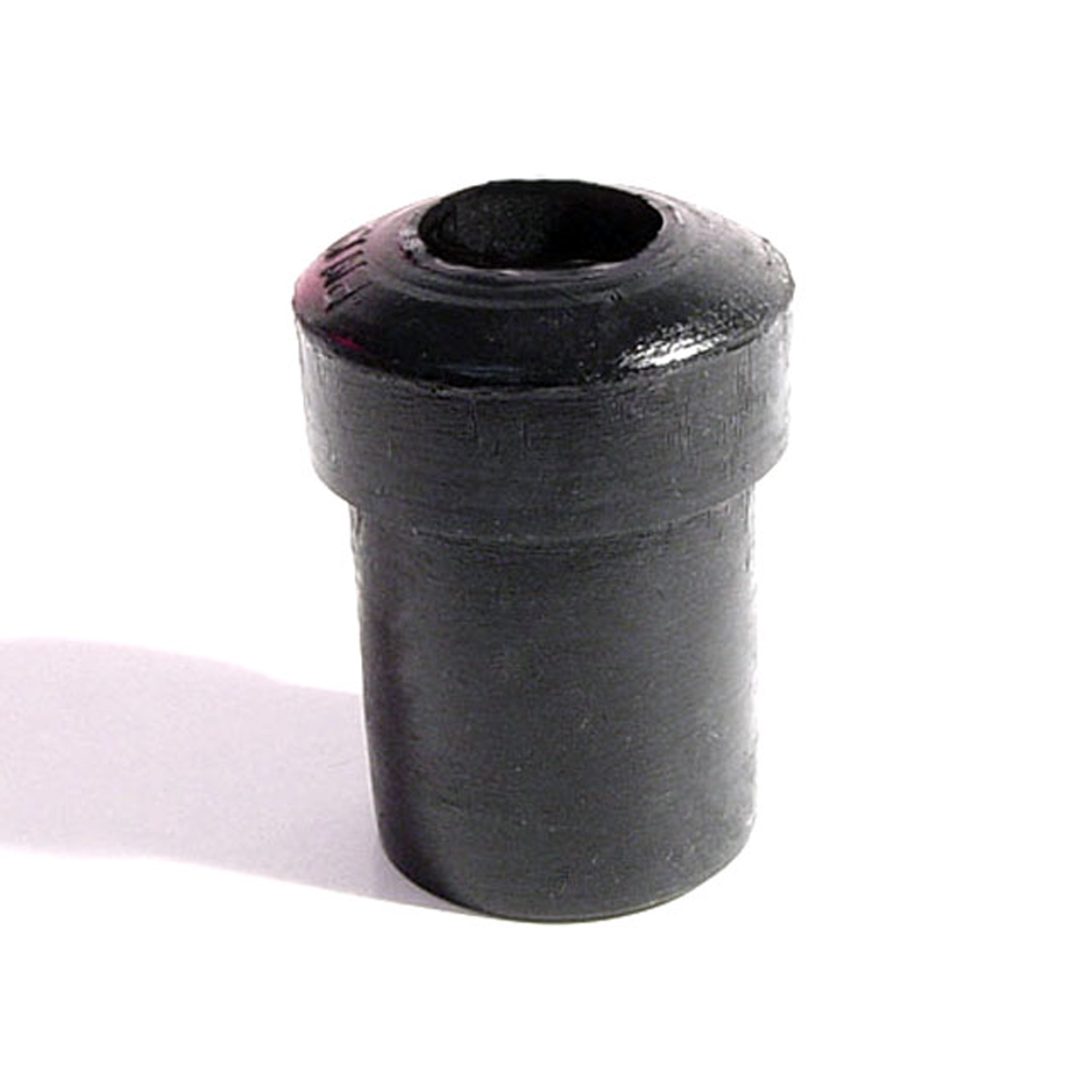 1956 Ford Fairlane Spring and Shackle Bushing. 7/8" bottom O.D-BN 19Spring and Shackle Bushing. 7/8" bottom O.D. X 1-1/4" high, with 1/2" I.D. Each
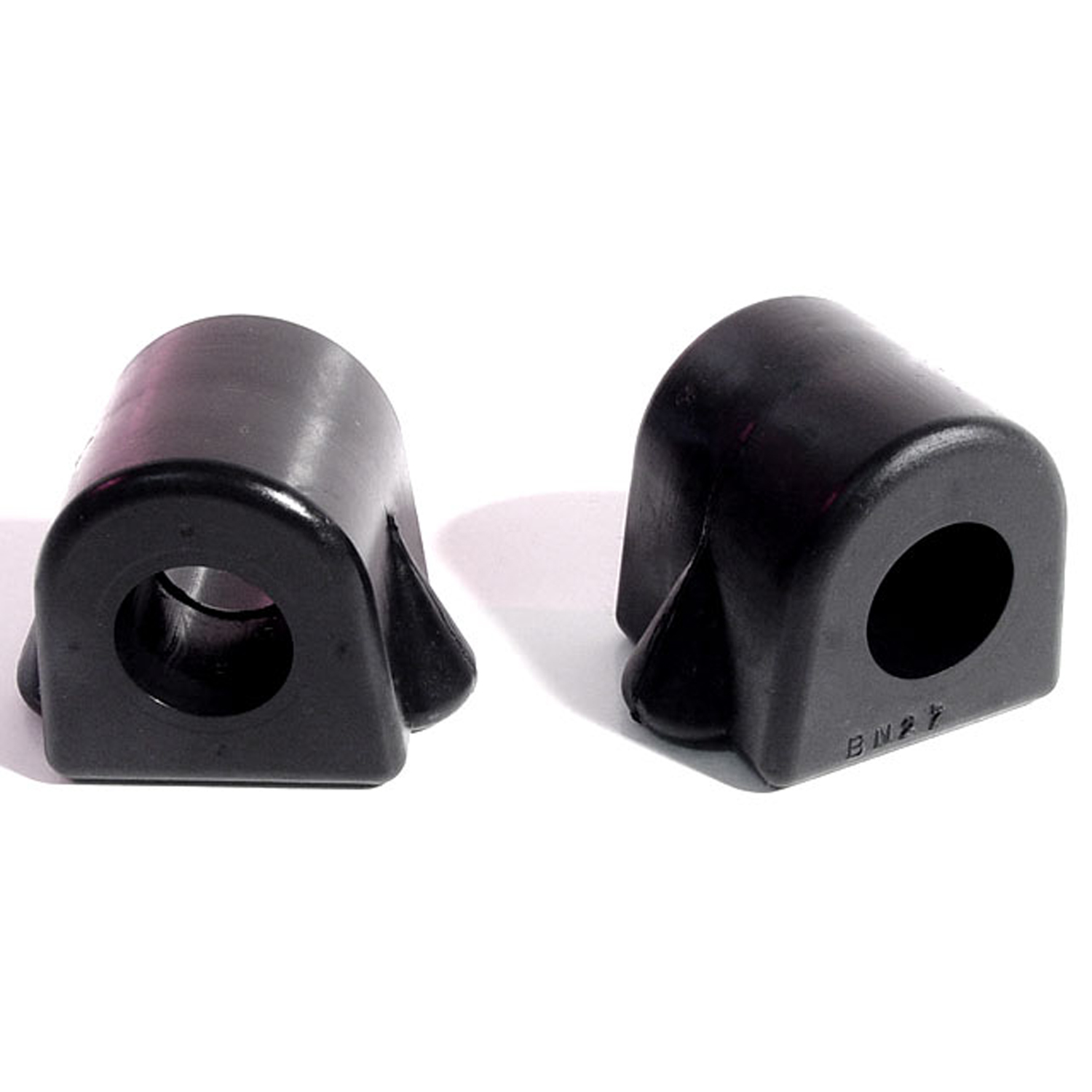 1956 Ford Fairlane Stabilizer Bar Bushing. 1-1/2" high, 3/4" I.D. Pair-BN 27Stabilizer Bar Bushing. 1-1/2" high, 3/4" I.D. Pair
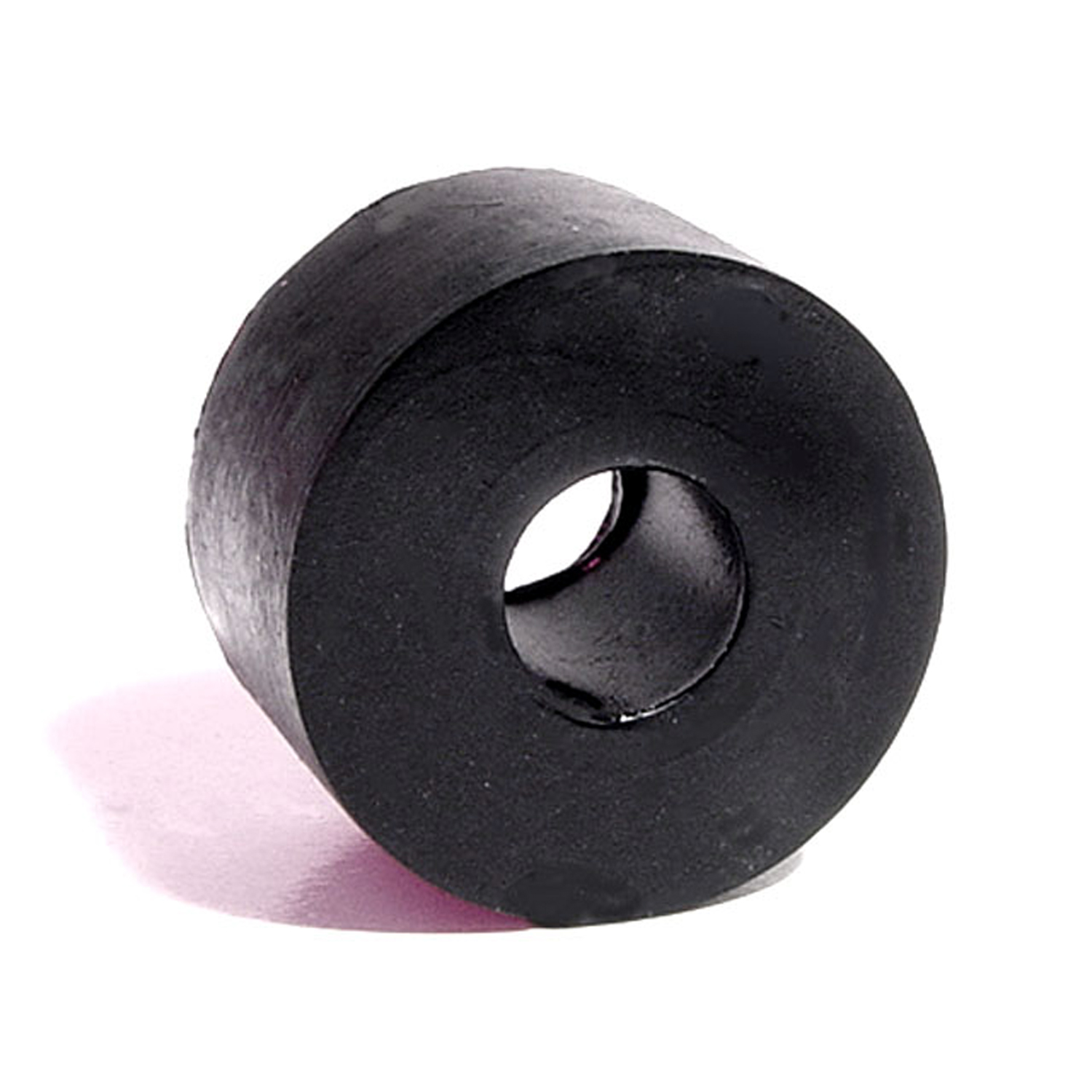 1956 Ford Fairlane Shock Absorber Grommet. 1" bottom O.D-BN 6Shock Absorber Grommet. 1" bottom O.D. X 1/2" high, with 3/8" I.D. Each
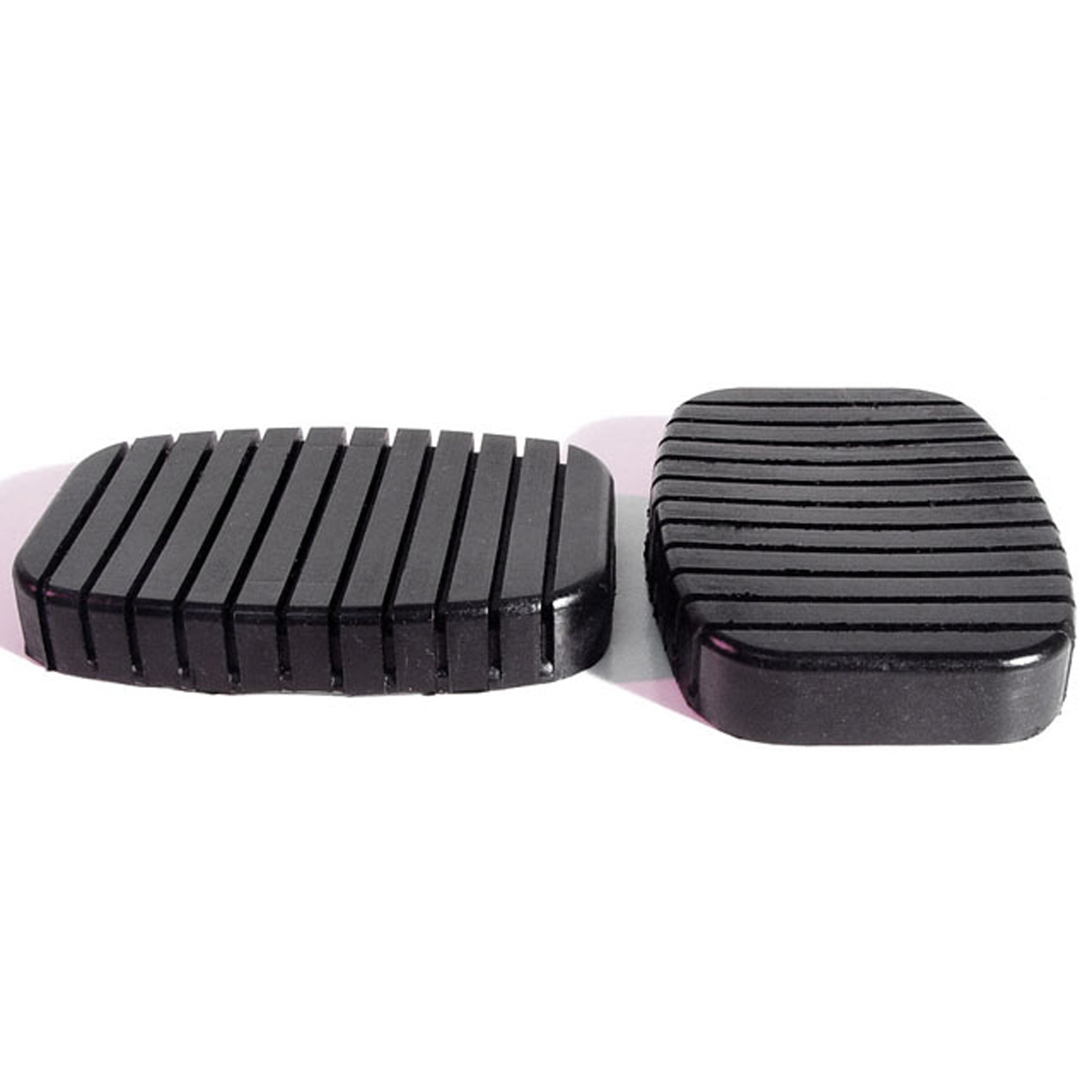 1956 Ford Fairlane Clutch and Brake Pedal Pads-CB 90-BClutch and Brake Pedal Pads. For models with standard transmission. 2-1/4" wide X 3-1/4" long. Pair
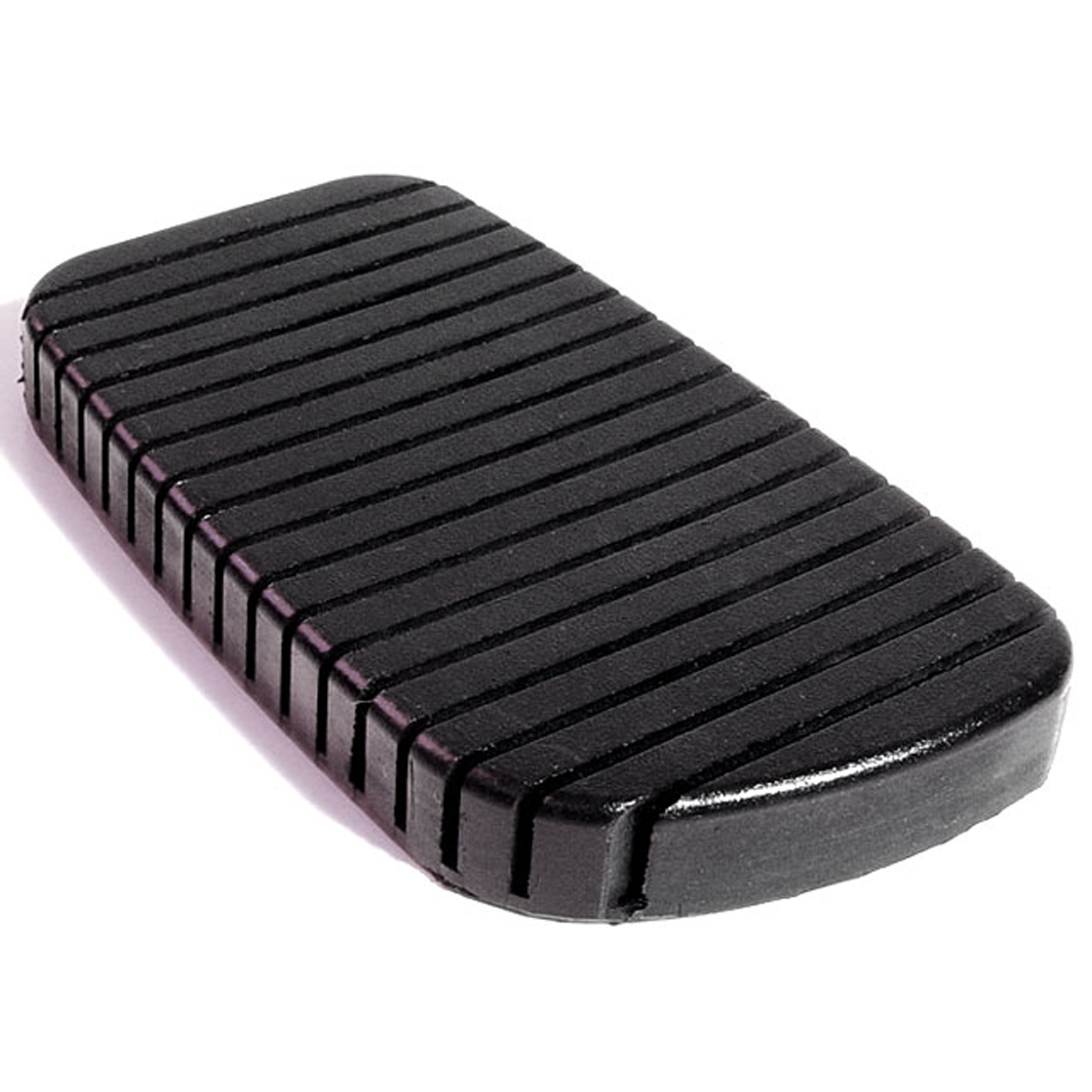 1956 Ford Fairlane Brake Pedal Pad. Correct reproduction of a difficult part-CB 90-CBrake Pedal Pad. Correct reproduction of a difficult part. 2-1/2" wide X 4-1/2" long. Each
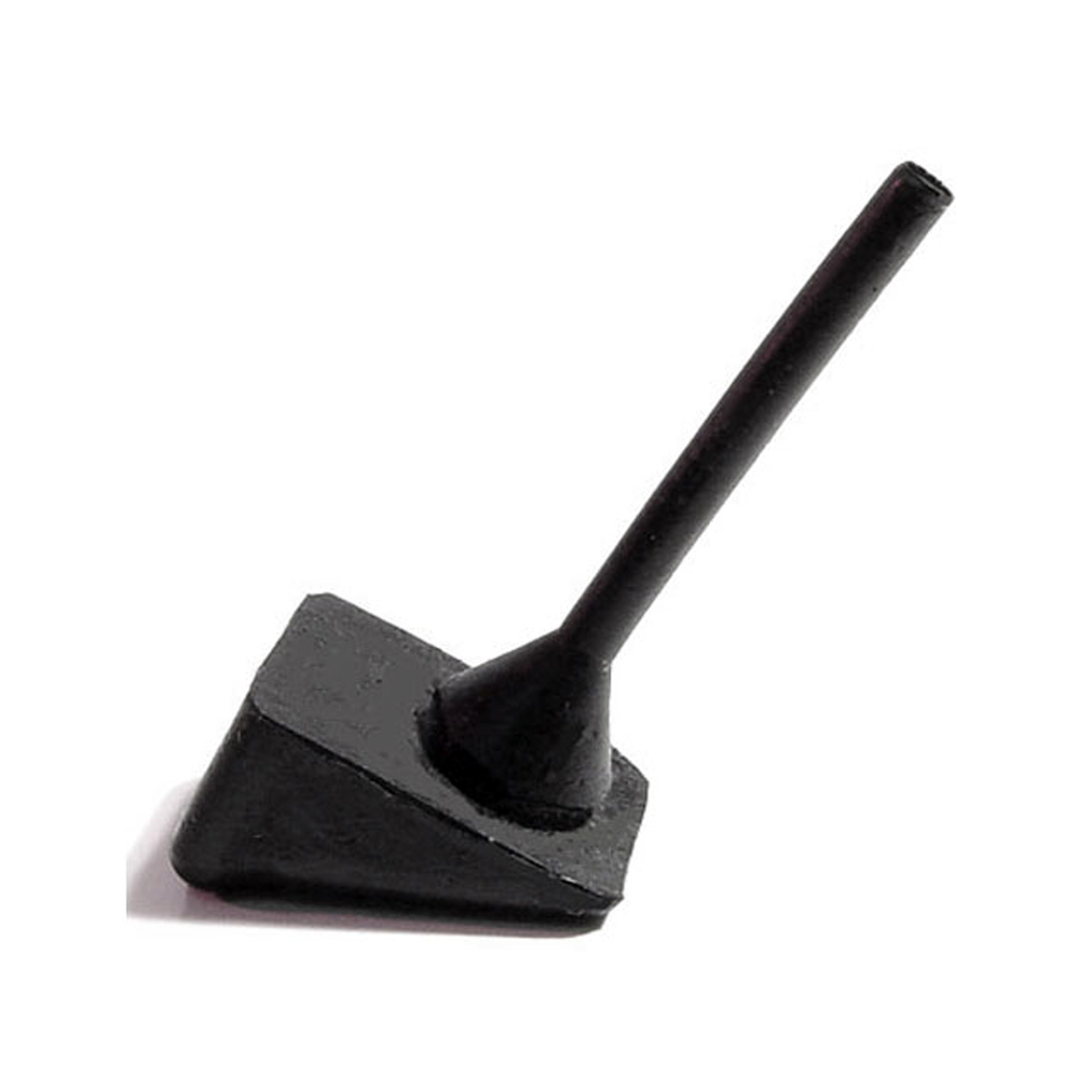 1956 Ford Fairlane Hood Bumper. Each-HF 8Hood Bumper. Each
 1956 Ford Fairlane Roof Rail Seals Two 6' pieces. No steel insert. May fit some models Pair-LP 110-BRoof Rail Seals. No steel insert. May fit some models. Two 6' pieces. Pair
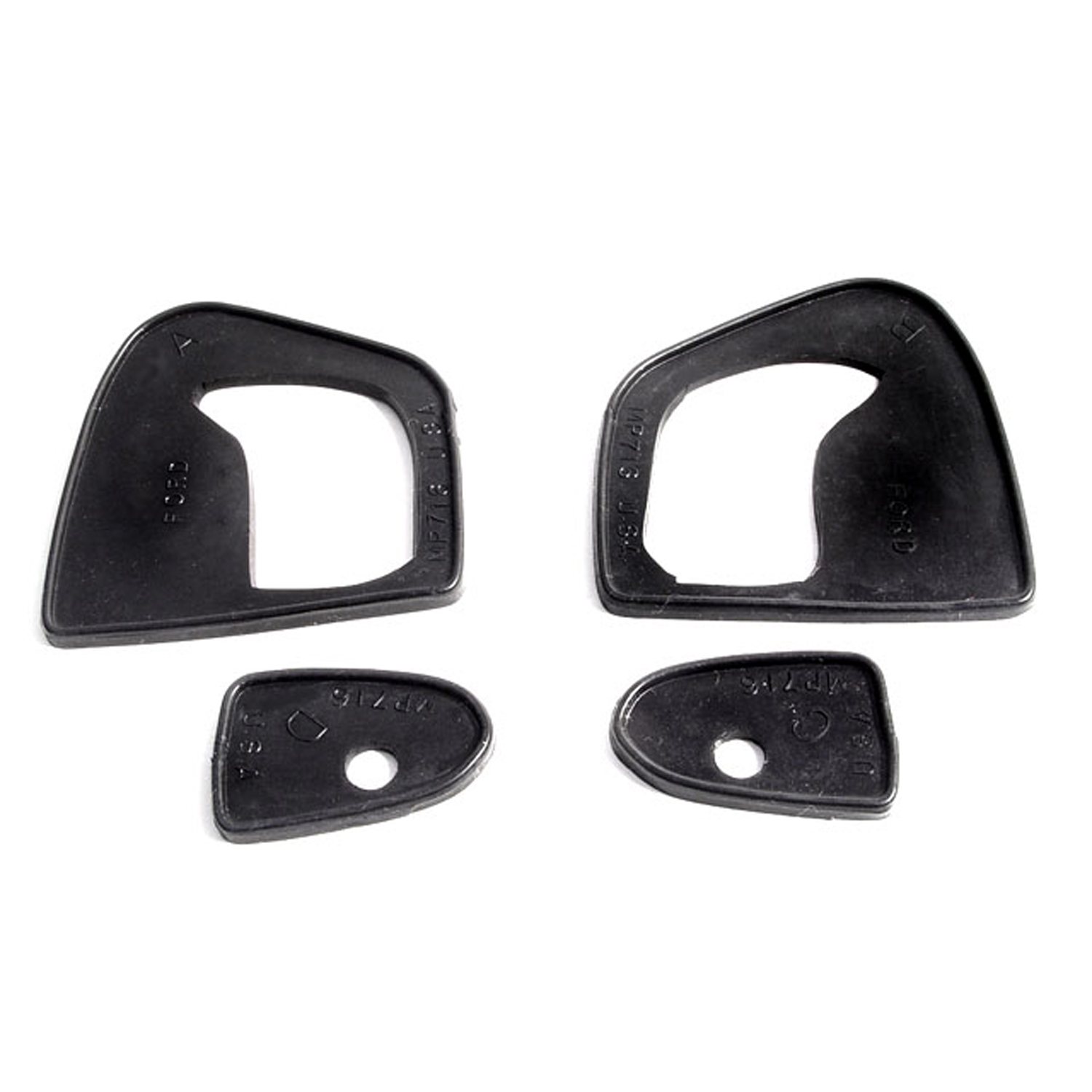 1956 Ford Fairlane Door Handle Pads. 2-1/2" long & 1-1/2" long. Set R&L-MP 716Door Handle Pads. 2-1/2" long & 1-1/2" long. Set R&L
 1956 Ford Fairlane Mirror Pad. 1-1/2" wide X 7-5/8" long. Each-MP 996-EMirror Pad. 1-1/2" wide X 7-5/8" long. Each
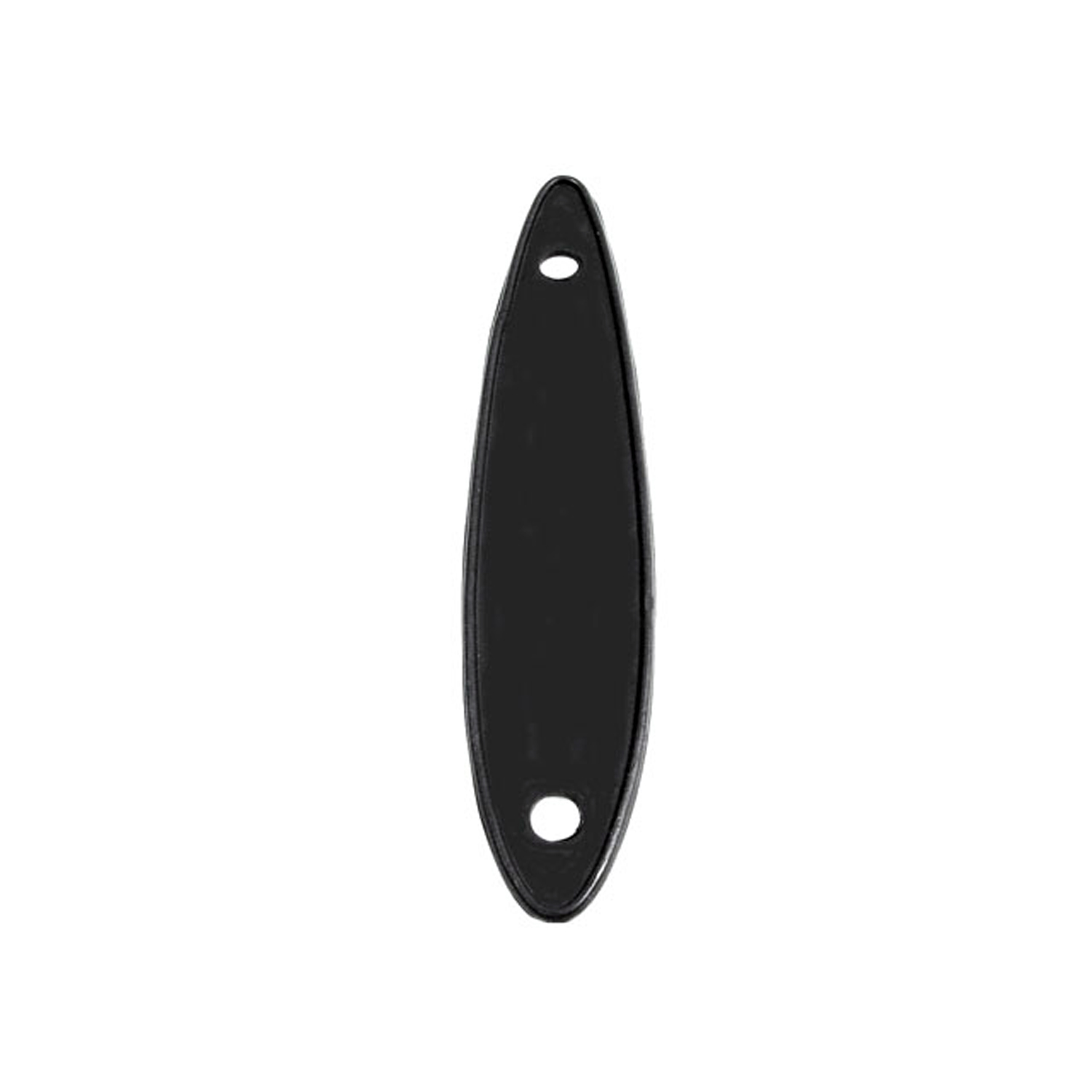 1956 Ford Fairlane Mirror-on-door mounting pad. Fits models with 6-3/8 in-MP 996-RMirror-on-door mounting pad. Fits models with 6-3/8 in. long mirror base. 1-1/2 in. W x 6-5/8 in. L. Each.
 1956 Ford Fairlane Clutch and Brake Arm Bumpers. Top quality reproduction-RP 31-KClutch and Brake Arm Bumpers. Top quality reproduction. Pair
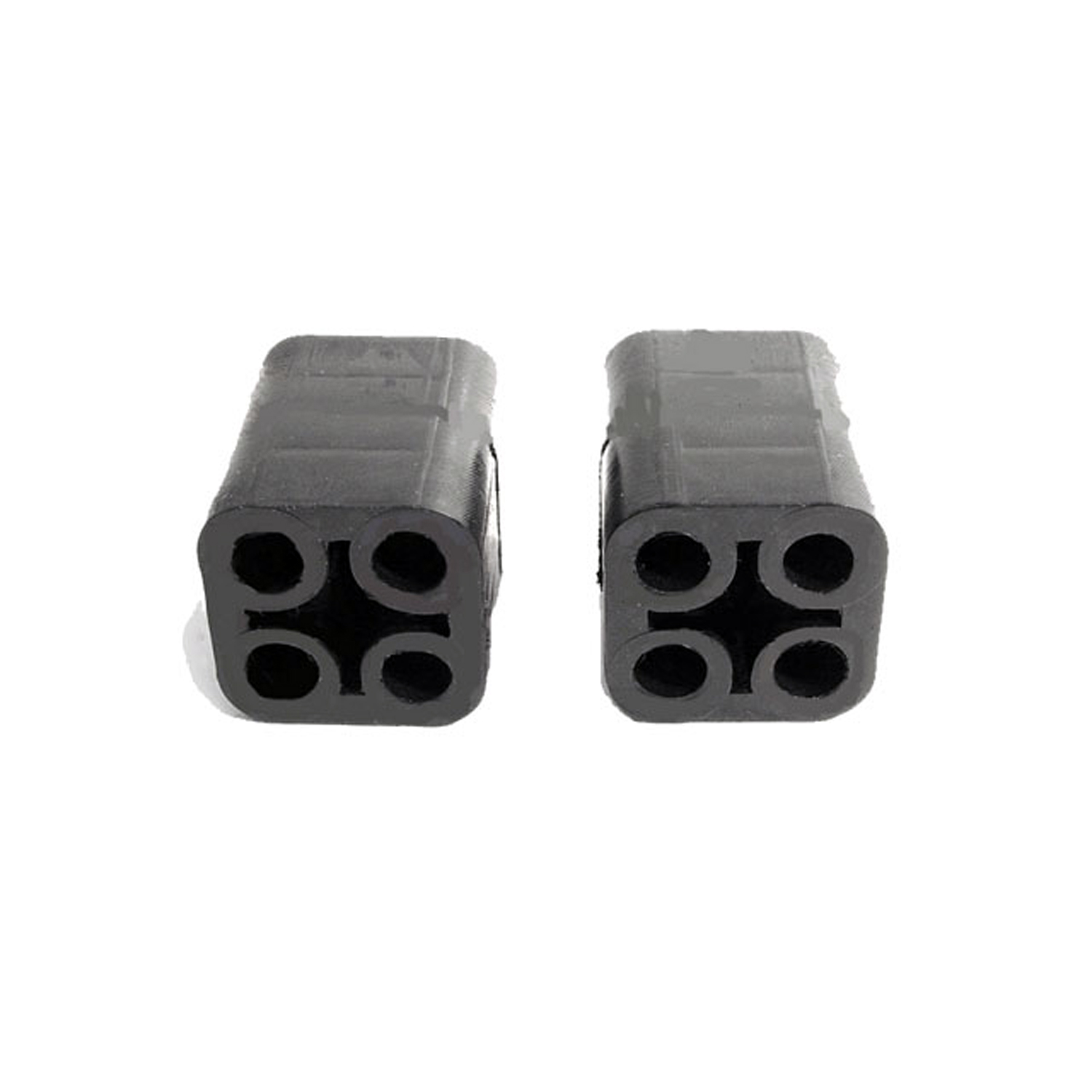 1956 Ford Fairlane Spark Plug Wire Retainer Grommet. Each-SM 30-BSpark Plug Wire Retainer Grommet. Each
 1956 Ford Fairlane Trunk Drain Grommets. Set of four-SMK 64-ITrunk Drain Grommets. Set of four
 1956 Ford Fairlane Trunk Seal. Each-TK 42-18Trunk Seal. Each
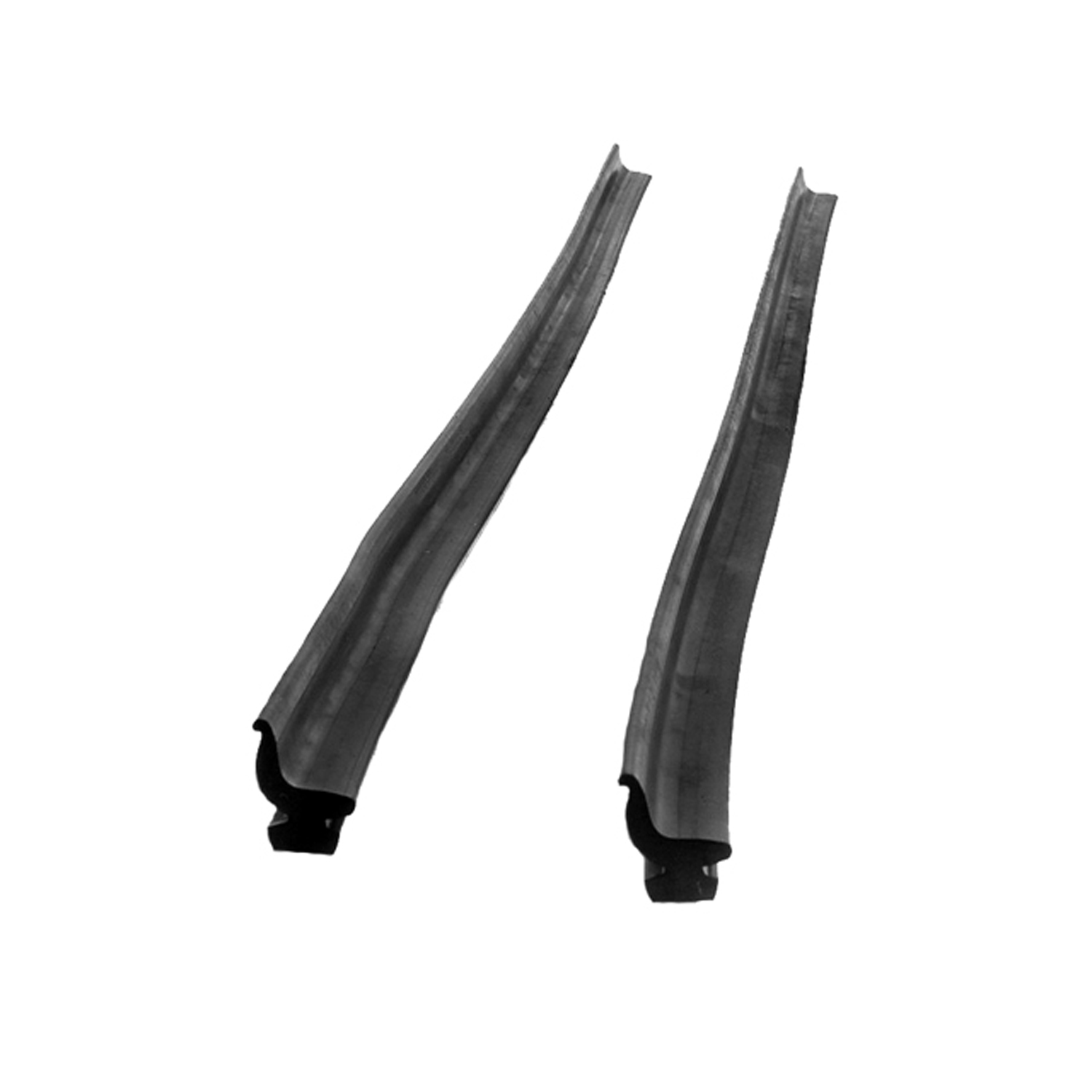 1956 Ford Fairlane Rear roll-up Seal. Two 18" sections sliced into metal track-VS 4Rear roll-up Seal. Two 18" sections sliced into metal track. this foot with no steel insert. Pair
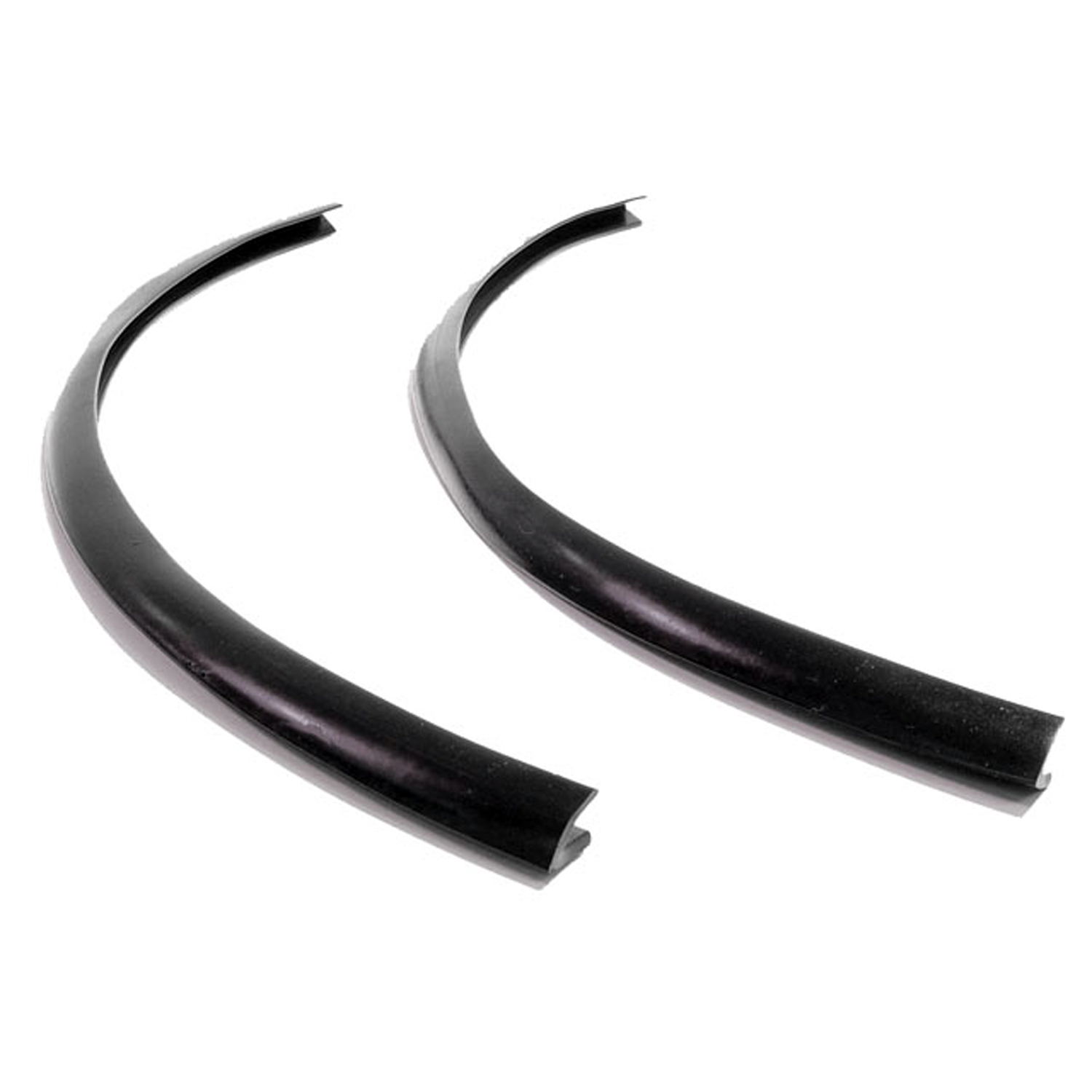 1956 Ford Fairlane Vertical Seals for Vent Window. Each piece is 17" long-VS 6Vertical Seals for Vent Window. Each piece is 17" long. Pair
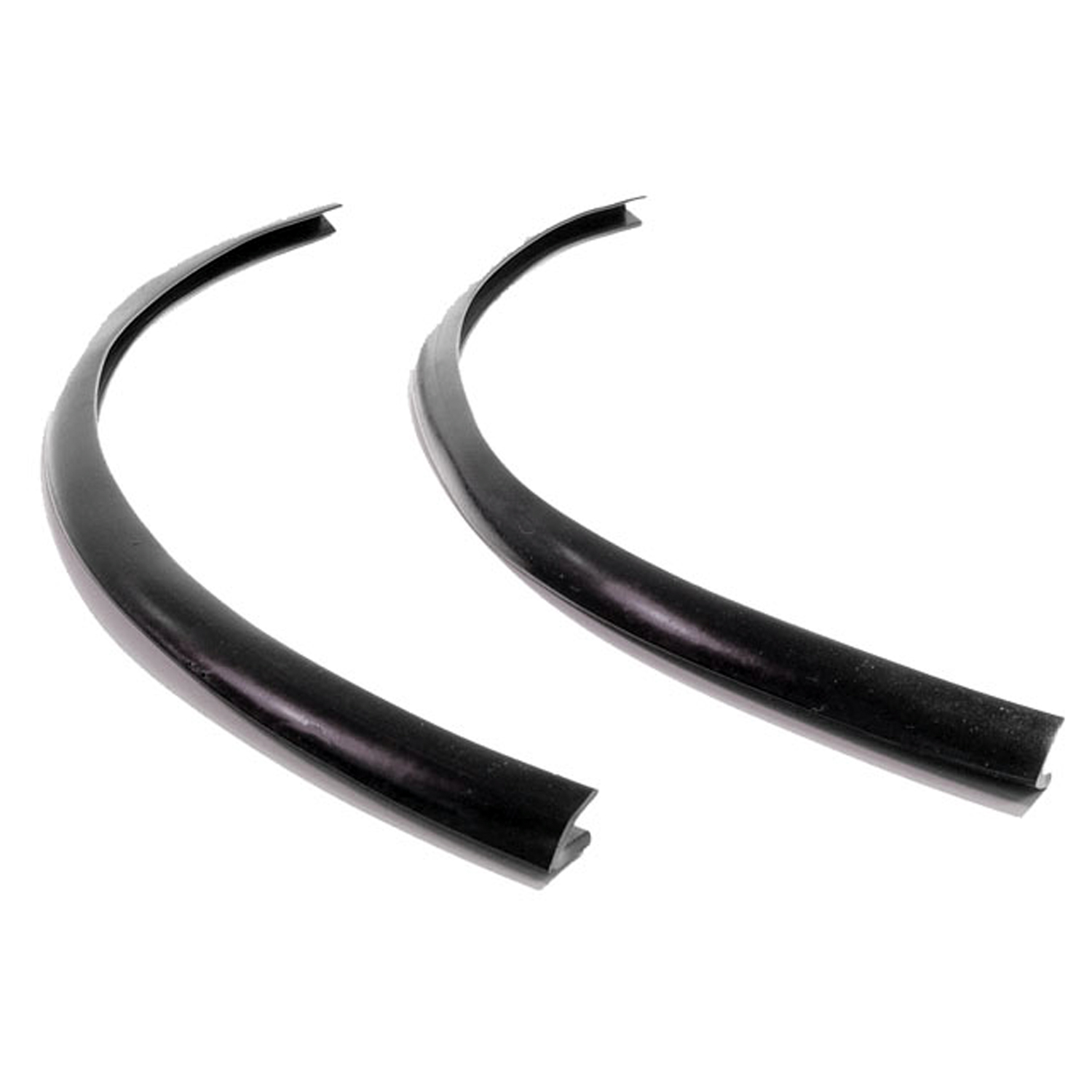 1956 Ford Fairlane Vertical Seal for Vent Window. Sold by the foot.-VS 6/FTVertical Seal for Vent Window. Sold by the foot.
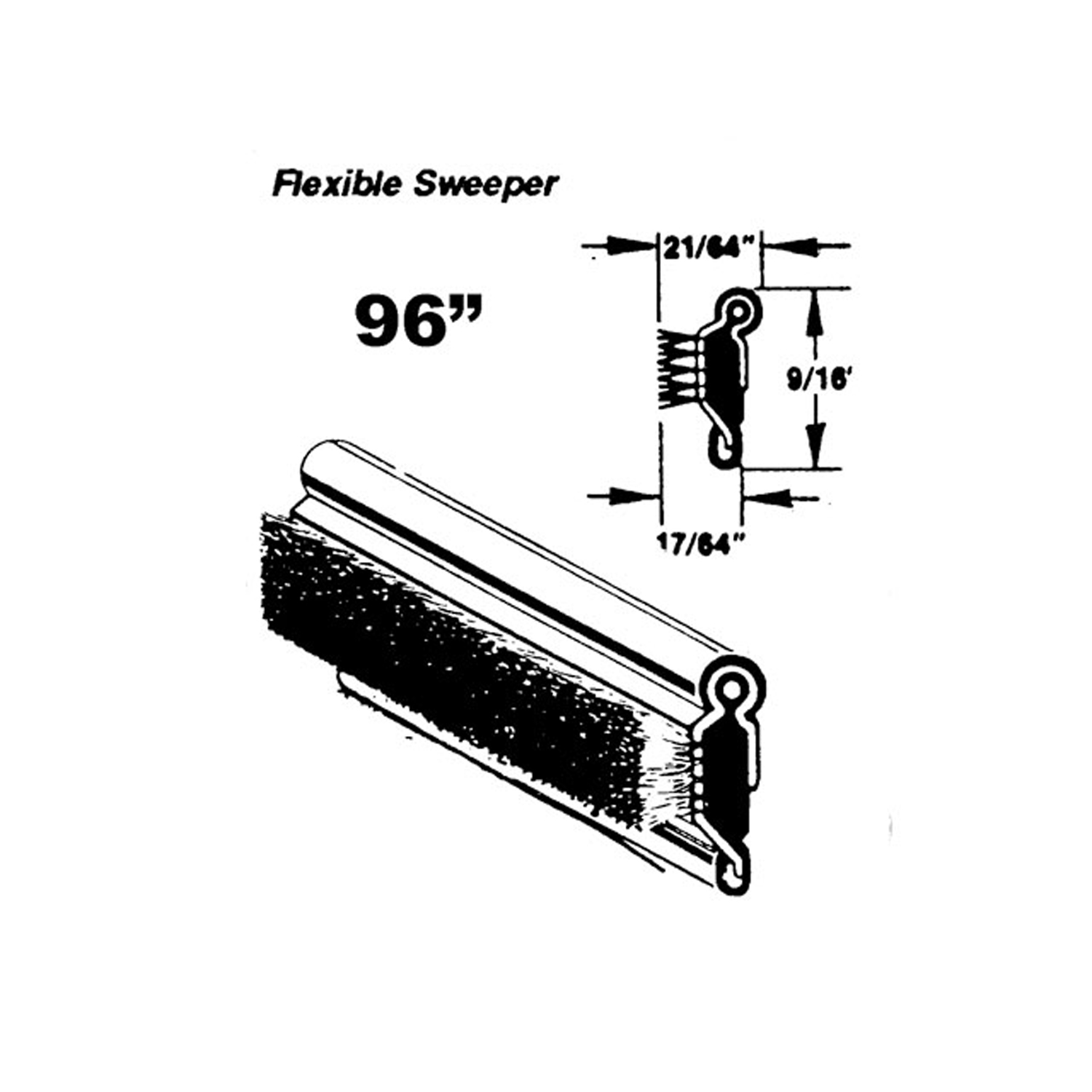 1956 Ford Fairlane Flexible window sweeper. Made with stainless steel bead-WC 7-96Flexible window sweeper. Made with stainless steel bead. 96 in. long. Each. NOTE: $20 special shipping charge applies for domestic orders. Call or email for overseas shipping costs. Part can be sectioned in two or three equal lengths to reduce overseas shipping costs.
Why Choose Metro?
For over 100 years, Metro Moulded Parts has been the pinnacle of quality in classic car restoration parts. Our commitment to precision and authenticity in every component ensures a perfect fit and an OEM-level appearance.
- Expert Craftsmanship & Quality: Each part is a testament to our dedication to reliability and perfection, crafted from original designs and thoroughly tested.
- Advanced Technology: We use cutting-edge techniques to create flawless, long-lasting parts that surpass others in performance.
- SuperSoft Sponge – The Ultimate Door Seal: Not only are our door seals 30% softer than competitors', but they're also guaranteed to never leak. They effectively reduce wind and road noise, enhancing your classic car's comfort and driving experience.
- Proudly American: Our parts are a product of American craftsmanship, made in the USA with a spirit of excellence and heritage.
- Unrivaled Warranty: We back our products with a 30-year industry-leading warranty, a testament to our confidence in their quality.
Join us in preserving the legacy of classic cars with parts that are crafted for perfection, not just made.