

Image of 1956 Ford Skyliner, Note: These illustrations use artistic license and may differ from actual historical models.
Performance Metrics
Fundamental Metrics
Emotional Appeal
MMP Rating
| Engine Specifications | |
|---|---|
| Engine: | 292 CID 2-bbl V8 or 312 CID 4-bbl V8 |
| Displacement: | 292-312 cubic inches |
| Horsepower: | 200-225 hp |
| Torque: | 282-317 lb-ft |
| Compression Ratio: | 8.4:1 for 292 CID, 8.5:1 for 312 CID |
| Ignition System: | Conventional points ignition |
| Cooling System: | Liquid-cooled |
| Performance Specifications | |
| 0-60 Time: | 10-12 seconds |
| 1/4 Mile Time: | 17-19 seconds |
| Top Speed: | 105-110 mph |
| Transmission and Drive | |
| Drive Type: | Rear-wheel drive |
| Transmission Type: | 3-speed manual, optional overdrive, or Ford-O-Matic automatic |
| Fuel and Efficiency | |
| Fuel System Type: | Carburetor |
| MPG: | 10-15 mpg |
| Dimensions and Brakes | |
| Brakes: | Drum brakes |
| Wheelbase: | 115 inches |
| Weight: | 3,400-3,600 lbs |
Note: Specifications for classic cars are given to the best of our ability, considering the limited and variant data available.
1956 Ford Skyliner: The Crown Victoria with a Glass Roof
Before the Ford Skyliner became famous for folding its entire steel roof into the trunk, it offered a different kind of open-air theater: a broad, transparent roof panel set into the stylish 1956 Ford Fairlane Crown Victoria. That distinction matters. The 1956 Skyliner was a fixed-roof coupe with a see-through acrylic panel, not the retractable-hardtop model Ford introduced for 1957.
Built by Ford Motor Company in the middle of America’s postwar car boom, the 1956 Skyliner combined the upscale trim of the Fairlane Crown Victoria with a roof feature that turned ordinary sunshine into part of the cabin. It was a bold idea in an era when chrome, color, and futuristic details were selling points. The result is a rare Ford that feels both unmistakably mid-century and surprisingly inventive.
Fairlane Style with a View
The Skyliner wore the crisp, decorative look of Ford’s 1956 Fairlane range. Its long hood, prominent front grille, hooded headlamps, sweeping side trim, and modest rear fins gave it plenty of presence without the exaggerated tailfins found on some rivals. The Crown Victoria’s signature stainless-steel roof band, often called a “tiara,” framed the roofline and helped distinguish the model from an ordinary two-door hardtop.
The feature that made the Skyliner special sat above the front passengers. A large tinted acrylic panel replaced part of the conventional roof, admitting daylight while leaving the car’s rear roof section in place. From the outside, the panel created a dramatic contrast with the bright stainless trim. From inside, it gave the cabin an airy, open feeling without the wind and weather exposure of a convertible.
Ford offered the Fairlane in a range of period colors and two-tone combinations. Depending on the paint scheme, a Skyliner could look subtle in dark colors or especially vivid in combinations such as white with a contrasting lower body. Buyers could also coordinate exterior paint with the cabin’s upholstery. Exact combinations varied by production and dealer order, but bright two-tone finishes were particularly at home on the Crown Victoria’s chrome-heavy body.
A Dressy, Comfortable Cabin
Inside, the Skyliner was a personal-luxury-style Ford rather than a bare-bones commuter. Its broad bench seats were generally trimmed in vinyl and cloth combinations, with colors selected to complement the exterior. The dashboard carried bright metal accents and clear, period-style instruments, while generous glass and the transparent roof made the cabin feel more open than its fixed-roof shape suggested.
Equipment depended on the car’s original order. Buyers could specify conveniences such as a radio, heater, power steering, power brakes, and Fordomatic automatic transmission. The 1956 Ford also moved to a 12-volt electrical system, a practical modernization that improved electrical capacity compared with the earlier six-volt setup.
Ford’s optional Lifeguard safety package was another notable 1956 feature. It included items such as a deep-dish steering wheel, padded dashboard, and optional seat belts. These were early efforts to make safety a selling point, although safety equipment was not yet standardized across the industry as it would become in later decades.
One Skyliner, Several Ford Body Styles
“Skyliner” in 1956 referred to the transparent-roof version of the Fairlane Crown Victoria. It was not a separate chassis or a convertible, and its roof panel did not fold away. The more familiar Ford Fairlane choices included sedans, hardtops, and the Sunliner convertible, while the Crown Victoria stood out as a particularly dressed-up two-door body style.
The Skyliner is the most distinctive Crown Victoria variant because of its acrylic roof. It is also easy to confuse with the 1957 Ford Fairlane 500 Skyliner, a very different car whose steel hardtop retracts mechanically into the trunk. That later system was a headline-grabbing engineering achievement, but the 1956 fixed-panel Skyliner is the earlier and rarer expression of Ford’s see-through-roof experiment.
Why the Glass Roof Mattered
The 1956 Skyliner captured a period when American automakers were competing to make the family car feel more modern, more comfortable, and more visually exciting. Its roof was not simply a styling flourish. It changed the cabin’s character, bringing natural light into the front seats while retaining the structure and weather protection of a closed car.
That blend of spectacle and practicality set it apart from conventional hardtops and convertibles. The Skyliner did not offer the full open-air experience of a Sunliner, but it gave passengers a view of the sky without asking them to lower a top or put up with wind. Its approach also anticipated later automotive ideas, including panoramic roof panels and large glass sunroofs.
The Skyliner’s influence should not be overstated: it did not create the modern sunroof, and it was not the first car to use glass or transparent roof materials. Its importance lies in how boldly Ford made the feature part of a production car’s identity. The model showed that an unusual roof could be a major selling point, not just a coachbuilt curiosity.
V8 Power and 1950s Road Manners
The 1956 Crown Victoria Skyliner was typically powered by Ford’s 292-cubic-inch Y-block V8. Period specifications vary by tune and equipment, but the engine was generally rated around 200 horsepower. A larger 312-cubic-inch V8 was also available in the 1956 Ford range, with output depending on configuration. Buyers could pair the V8 with a manual transmission, overdrive, or Fordomatic automatic, depending on the car’s specification.
There is no single dependable acceleration or top-speed figure for every surviving Skyliner. Using period performance figures for comparable full-size Ford V8s as a guide, a healthy 292-powered example might reach 60 mph in roughly 10 to 12 seconds and approach 100 mph under favorable conditions. A 312-equipped car could be quicker. These are estimates, not guaranteed factory test results for every Skyliner.
On the road, the car feels substantial. The V8 produces a relaxed, low-pitched burble, and the automatic transmission suits easy cruising. The steering and suspension are from a different era: expect more body roll and a less precise feel than in a modern car. The soft ride takes the sting out of ordinary bumps, though rough pavement can make the body move around. On winding roads, the Skyliner is best enjoyed at an unhurried pace rather than driven like a sports car.
The transparent roof is part of the driving experience, too. It brightens the front cabin and makes the car feel less enclosed, especially on sunny days. Owners should remember that the acrylic panel is an aging material: condition, clarity, cracking, and previous repairs can make a major difference to both comfort and restoration cost.
Living with a 1956 Skyliner
Today, most Skyliners are weekend cruisers, show cars, or carefully preserved collector vehicles rather than everyday transportation. A well-sorted example can still be driven on local roads, but traffic speeds, braking distances, fuel consumption, and the availability of specialist roof parts make regular modern commuting less appealing.
Much of the mechanical package is familiar to classic Ford specialists. The Y-block V8, conventional rear-wheel-drive layout, and period Ford running gear are repairable, and routine service is straightforward for an experienced classic-car owner. Parts availability is generally better for common mechanical components than for Skyliner-specific trim and roof pieces.
Before buying, inspect the acrylic roof panel closely for clouding, crazing, cracks, and leaks. Also check the stainless roof trim, rust-prone body areas, floor pans, frame, brakes, and the operation of any optional power accessories. A car with excellent paint but a damaged or poorly fitted roof panel may become an expensive project. Documentation and photographs of previous repairs are especially useful.
Rare Roof, Memorable Details
The 1956 Ford Skyliner is often credited with production of about 603 examples. That figure is widely repeated in collector references, though production totals can vary slightly among sources. Even allowing for some variation, it was a low-volume model compared with Ford’s mainstream sedans and hardtops, and surviving cars are uncommon at shows and on the market.
One of the model’s best-known historical footnotes is its name. Ford reused “Skyliner” for the much more mechanically complex 1957 retractable hardtop, which can lead to confusion in advertisements and casual conversation. If a seller calls a 1956 car a retractable, check carefully: the factory 1956 Skyliner has a fixed transparent roof panel.
The car is not known for a major speed record or a celebrated endurance victory. Its claim to fame is its unusual production roof and its place in Ford’s progression from the fixed glass-panel idea to the 1957 retractable hardtop. Common criticisms include the vulnerability of the roof material, limited headroom compared with some sedans, and the cost of restoring rare Skyliner-specific details. The design’s novelty is also precisely what makes many enthusiasts seek one out.
Collector Values and Availability
As a practical ballpark, a 1956 Skyliner needing substantial restoration might fall around $15,000 to $30,000. A sound, usable driver could bring roughly $30,000 to $55,000, while a very well-restored or exceptional example may reach $60,000 to $90,000 or more. These are broad estimates, not appraisals. Condition, originality, documentation, engine and transmission specification, and especially the roof panel can shift a car’s value considerably.
Skyliners are scarce but do appear through specialist dealers, classic-car auctions, and owner networks. Their market tends to reward complete, correct cars more strongly than ambitious projects, because trim and roof-related restoration work can be difficult to source or reproduce. Values have generally held up better for well-presented examples than for ordinary project cars, but the market is selective rather than uniformly rising. A rare model is not automatically a profitable one: buying the best-condition car you can afford is usually wiser than relying on rarity alone.
A Ford That Put the Sky in the Cabin
The 1956 Ford Skyliner brought together Fairlane styling, V8 cruising, and a roof feature that made an ordinary drive feel a little more special. Its transparent panel was ambitious, its production run was small, and its fixed-roof design is often overshadowed by the retractable 1957 model that followed.
For collectors, that is part of the appeal. The 1956 Skyliner is not merely a rare Ford with extra chrome. It is a snapshot of an era when automakers were willing to turn a bright idea into a real production car, and when looking up through the roof could be as memorable as looking down the road.
1956 Ford Skyliner Catalog of Parts
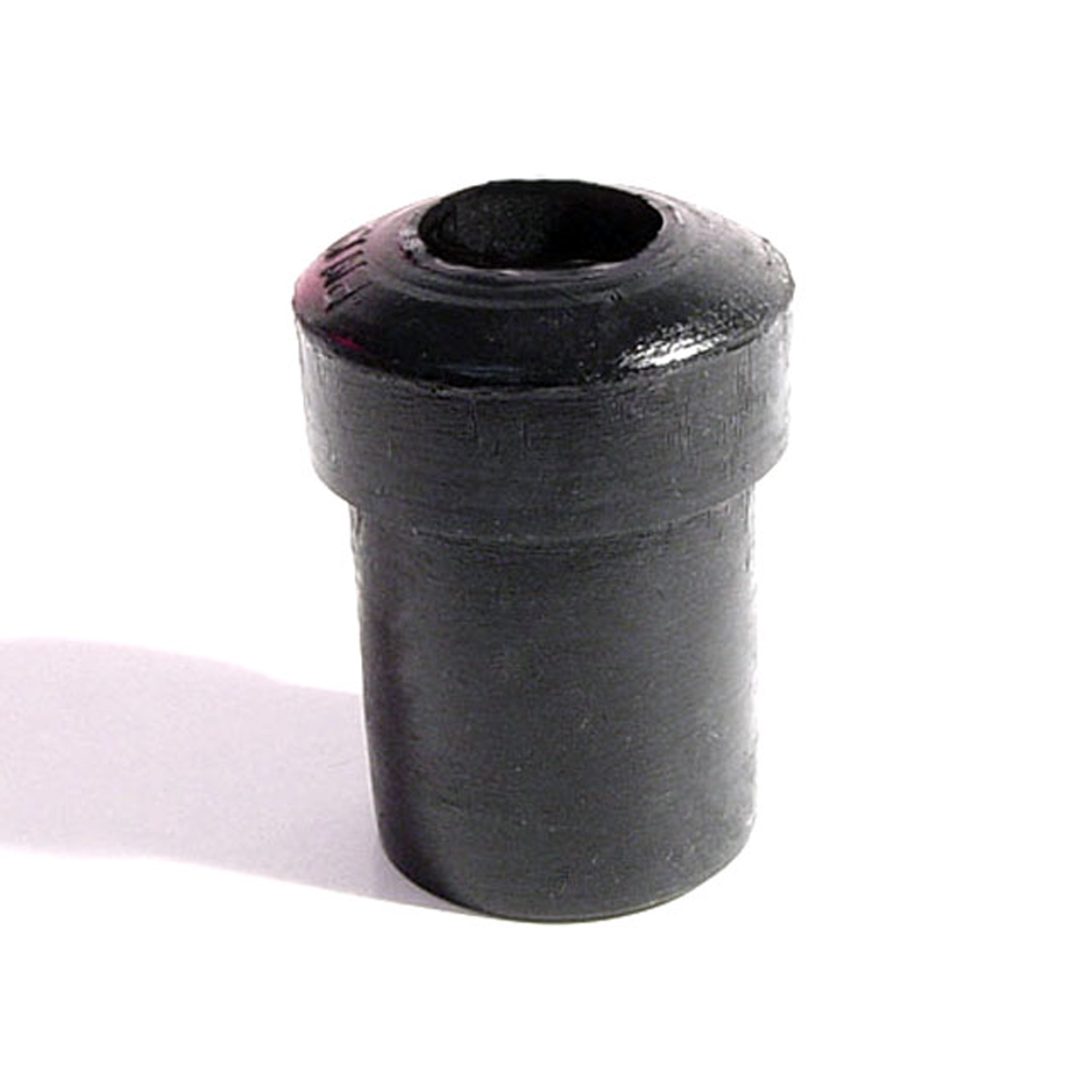 1956 Ford Skyliner Spring and Shackle Bushing. 7/8" bottom O.D-BN 19Spring and Shackle Bushing. 7/8" bottom O.D. X 1-1/4" high, with 1/2" I.D. Each
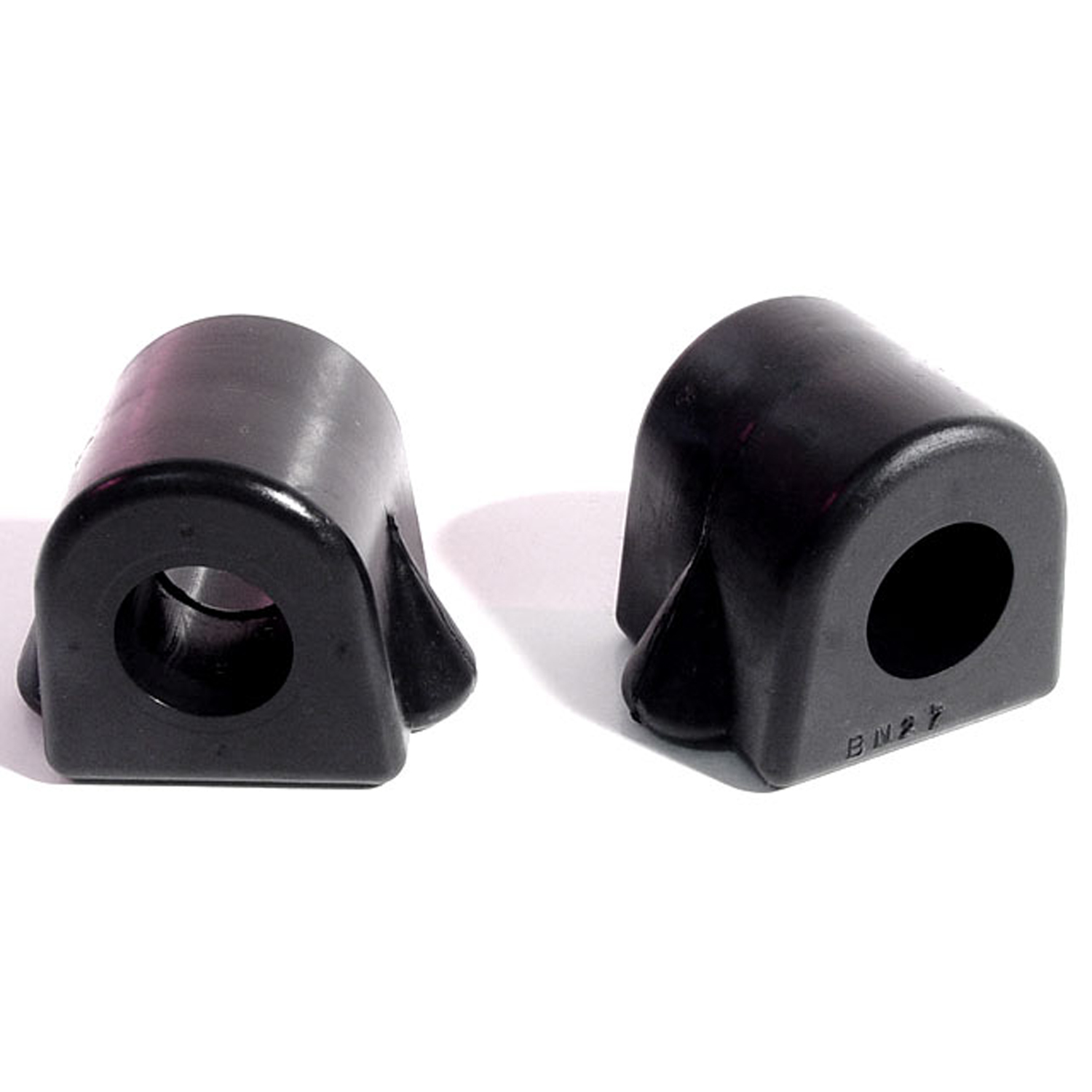 1956 Ford Skyliner Stabilizer Bar Bushing. 1-1/2" high, 3/4" I.D. Pair-BN 27Stabilizer Bar Bushing. 1-1/2" high, 3/4" I.D. Pair
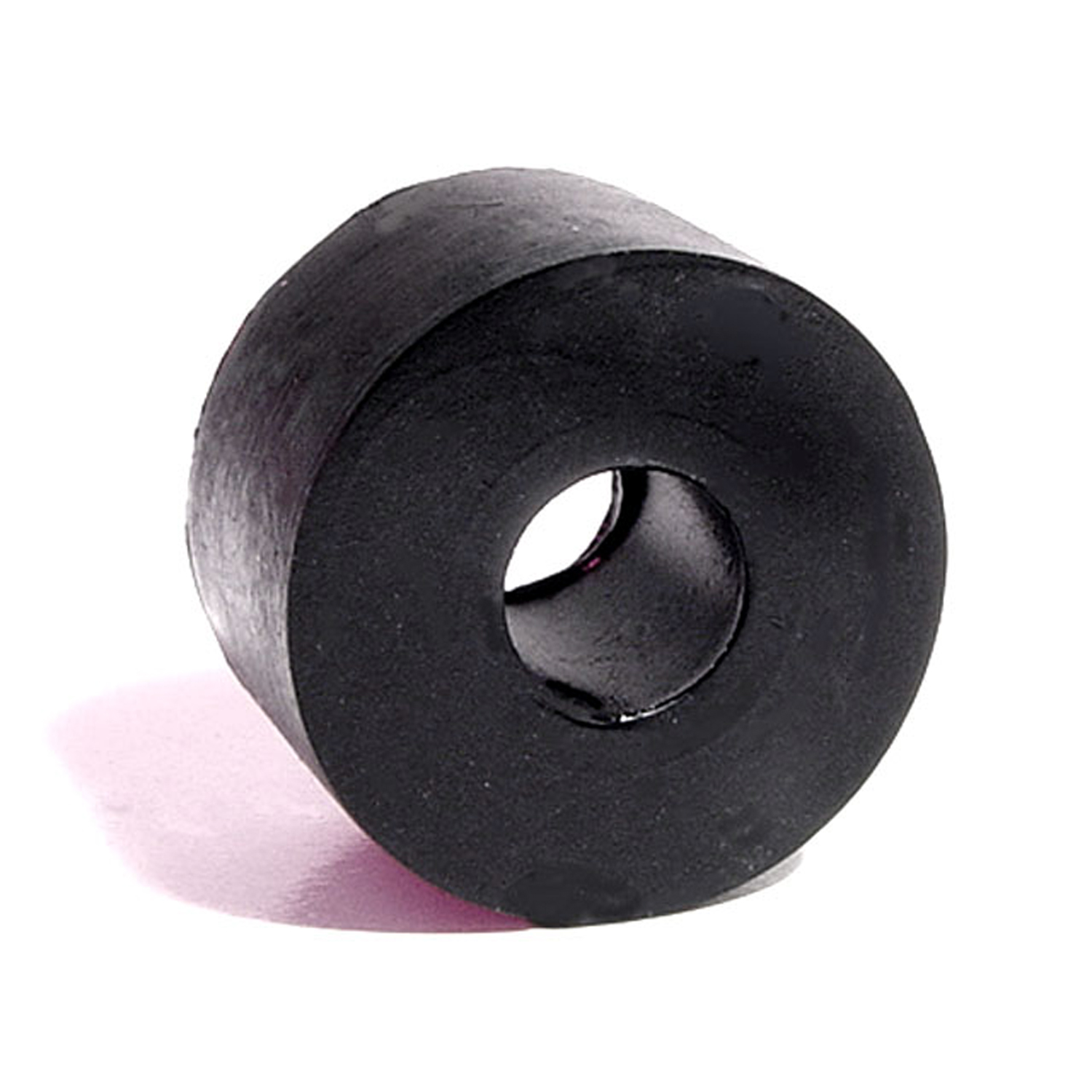 1956 Ford Skyliner Shock Absorber Grommet. 1" bottom O.D-BN 6Shock Absorber Grommet. 1" bottom O.D. X 1/2" high, with 3/8" I.D. Each
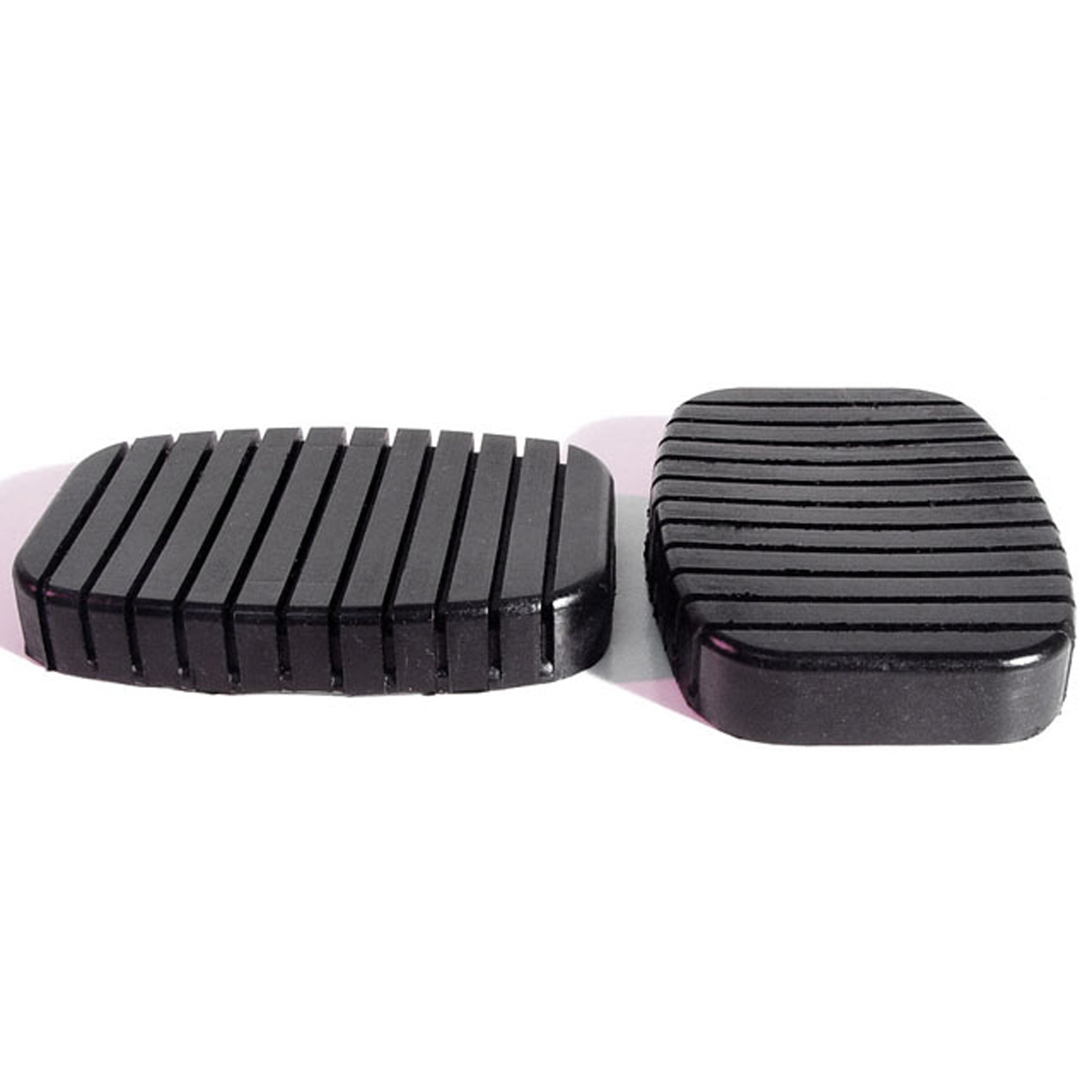 1956 Ford Skyliner Clutch and Brake Pedal Pads-CB 90-BClutch and Brake Pedal Pads. For models with standard transmission. 2-1/4" wide X 3-1/4" long. Pair
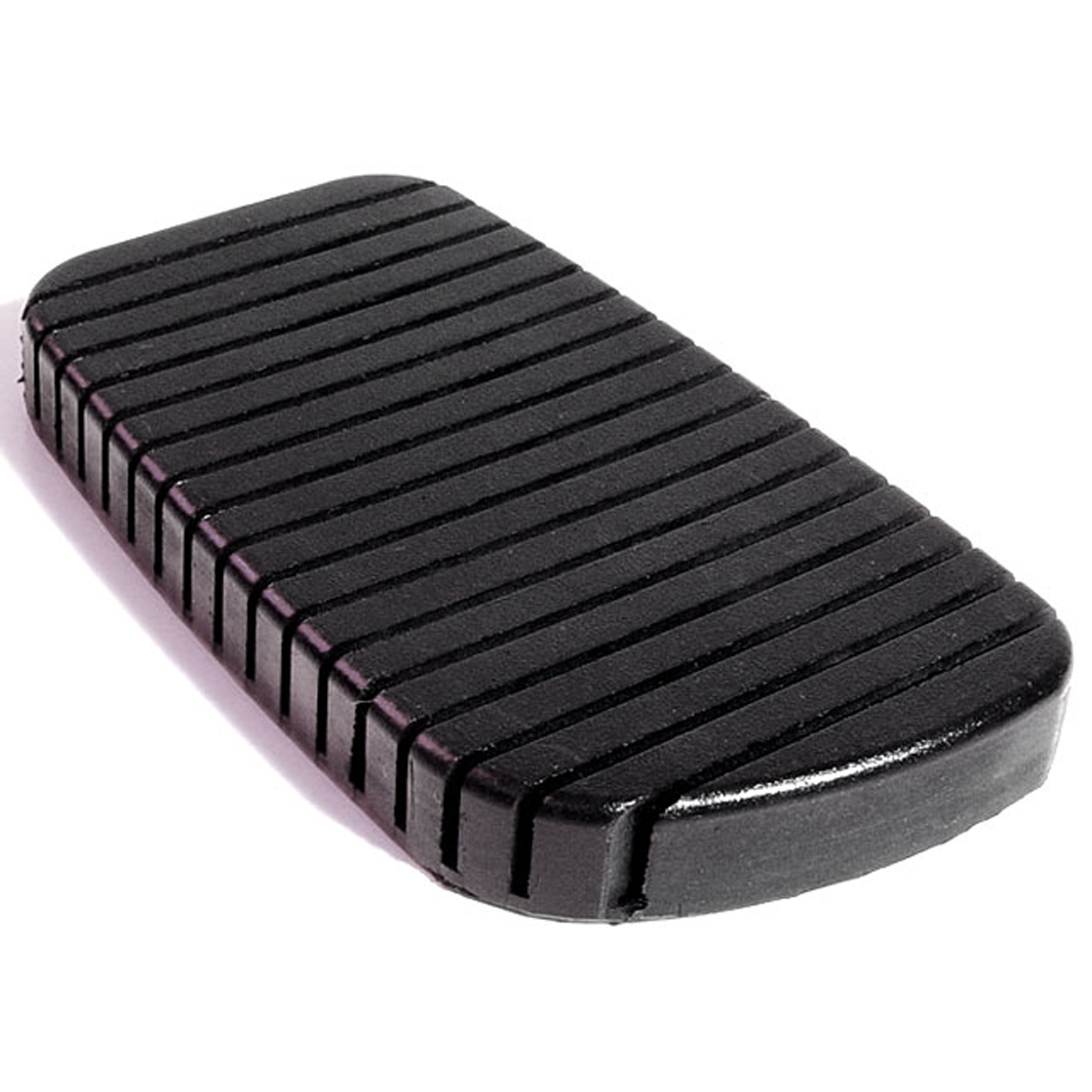 1956 Ford Skyliner Brake Pedal Pad. Correct reproduction of a difficult part-CB 90-CBrake Pedal Pad. Correct reproduction of a difficult part. 2-1/2" wide X 4-1/2" long. Each
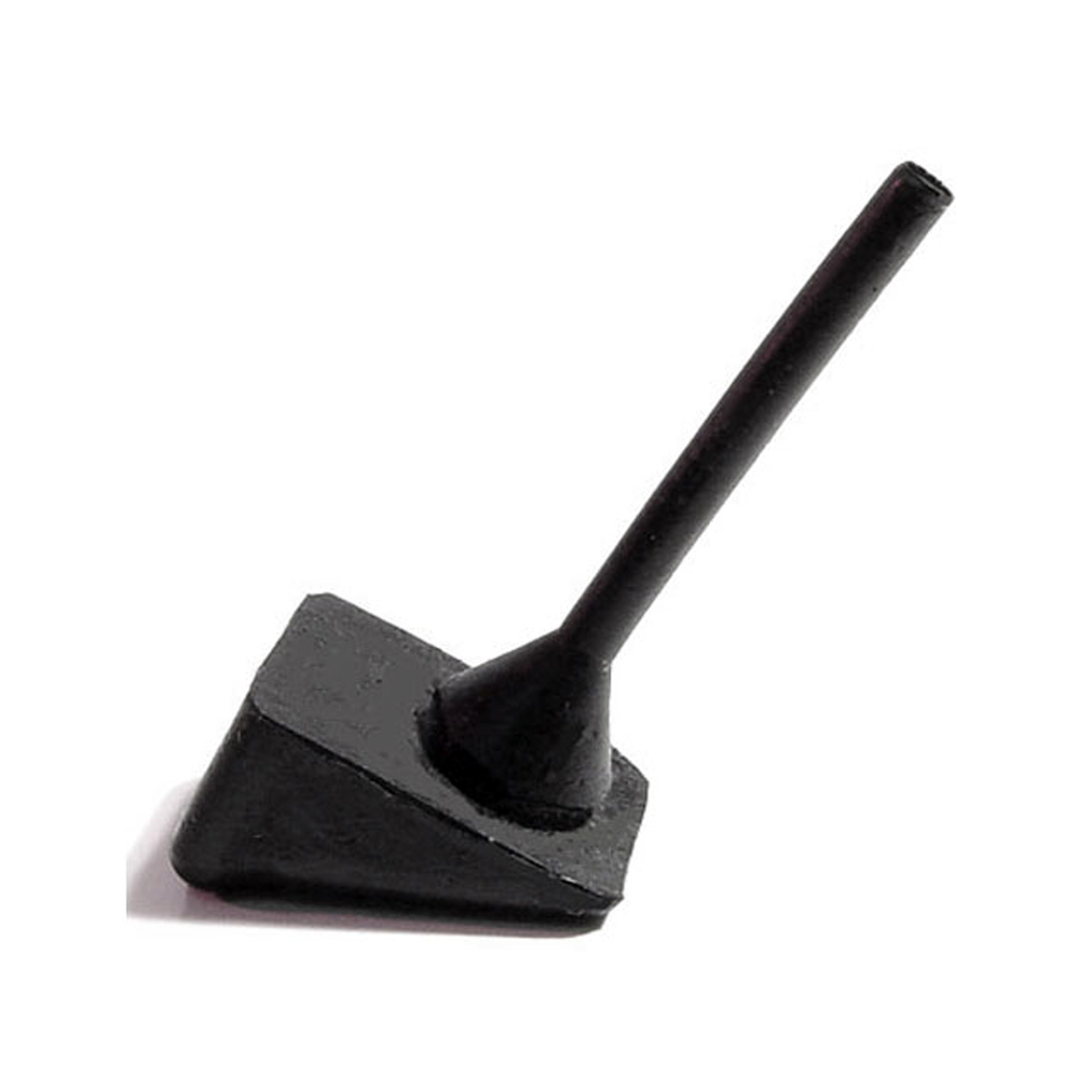 1956 Ford Skyliner Hood Bumper. Each-HF 8Hood Bumper. Each
 1956 Ford Skyliner Roof Rail Seals Two 6' pieces. No steel insert. May fit some models Pair-LP 110-BRoof Rail Seals. No steel insert. May fit some models. Two 6' pieces. Pair
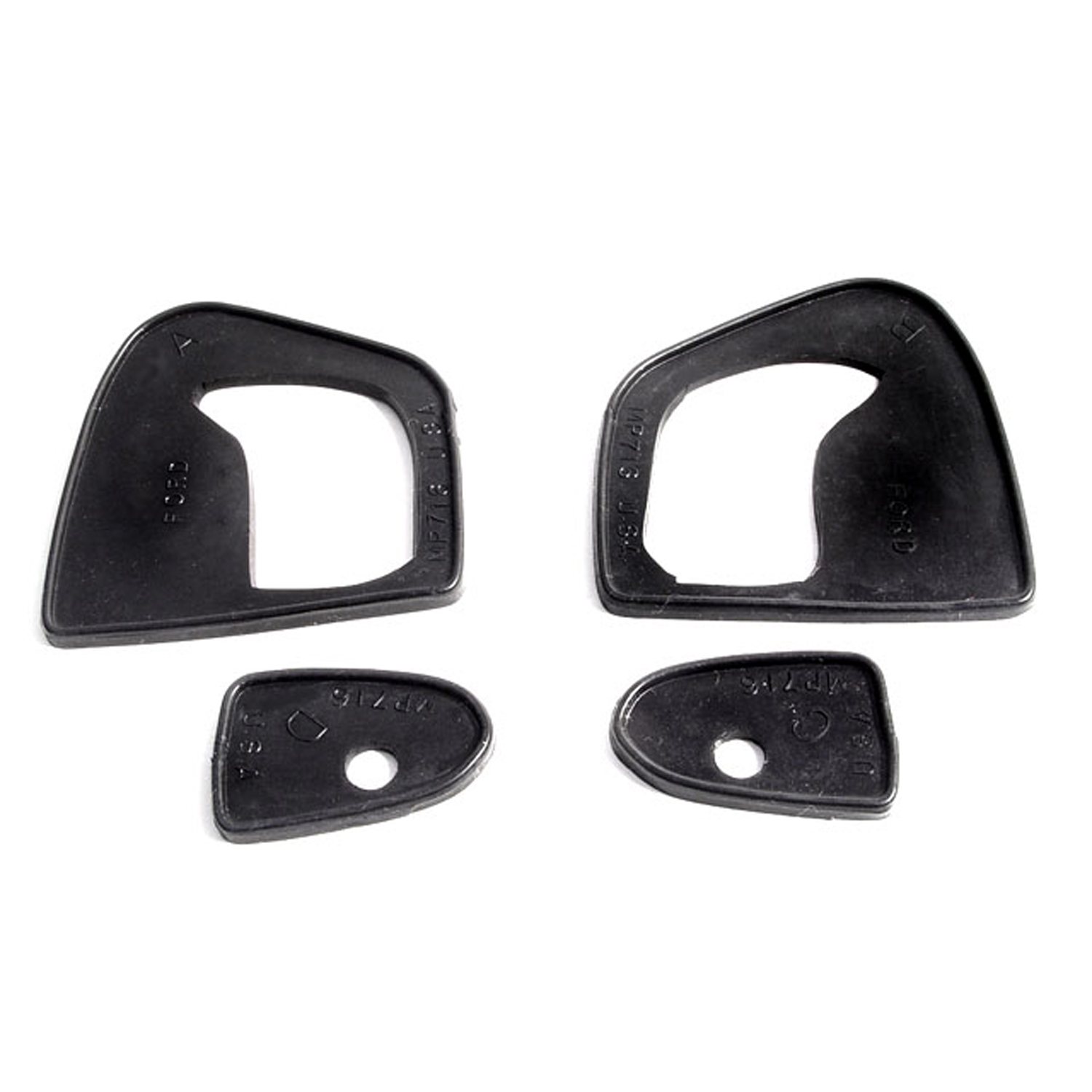 1956 Ford Skyliner Door Handle Pads. 2-1/2" long & 1-1/2" long. Set R&L-MP 716Door Handle Pads. 2-1/2" long & 1-1/2" long. Set R&L
 1956 Ford Skyliner Mirror Pad. 1-1/2" wide X 7-5/8" long. Each-MP 996-EMirror Pad. 1-1/2" wide X 7-5/8" long. Each
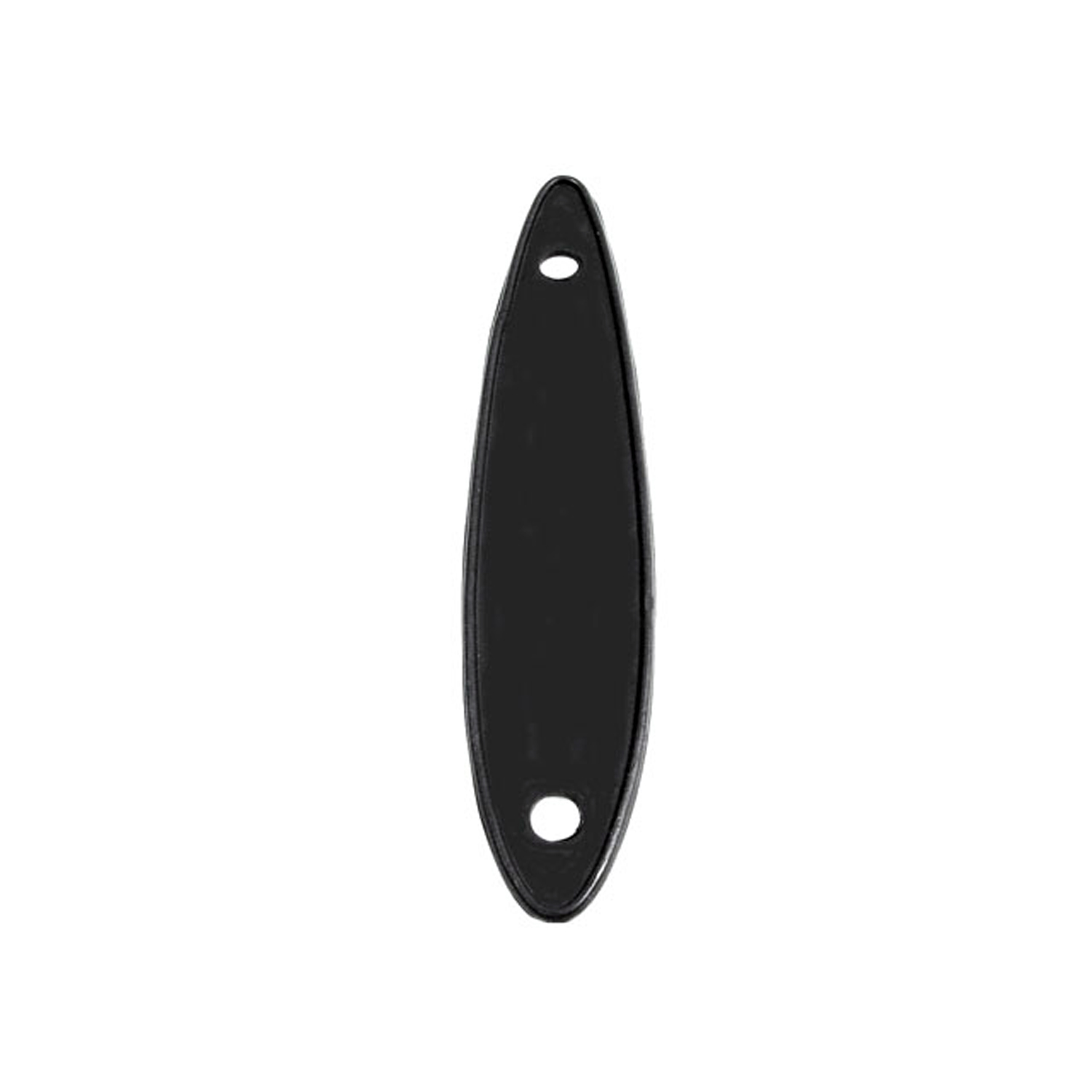 1956 Ford Skyliner Mirror-on-door mounting pad. Fits models with 6-3/8 in-MP 996-RMirror-on-door mounting pad. Fits models with 6-3/8 in. long mirror base. 1-1/2 in. W x 6-5/8 in. L. Each.
 1956 Ford Skyliner Clutch and Brake Arm Bumpers. Top quality reproduction-RP 31-KClutch and Brake Arm Bumpers. Top quality reproduction. Pair
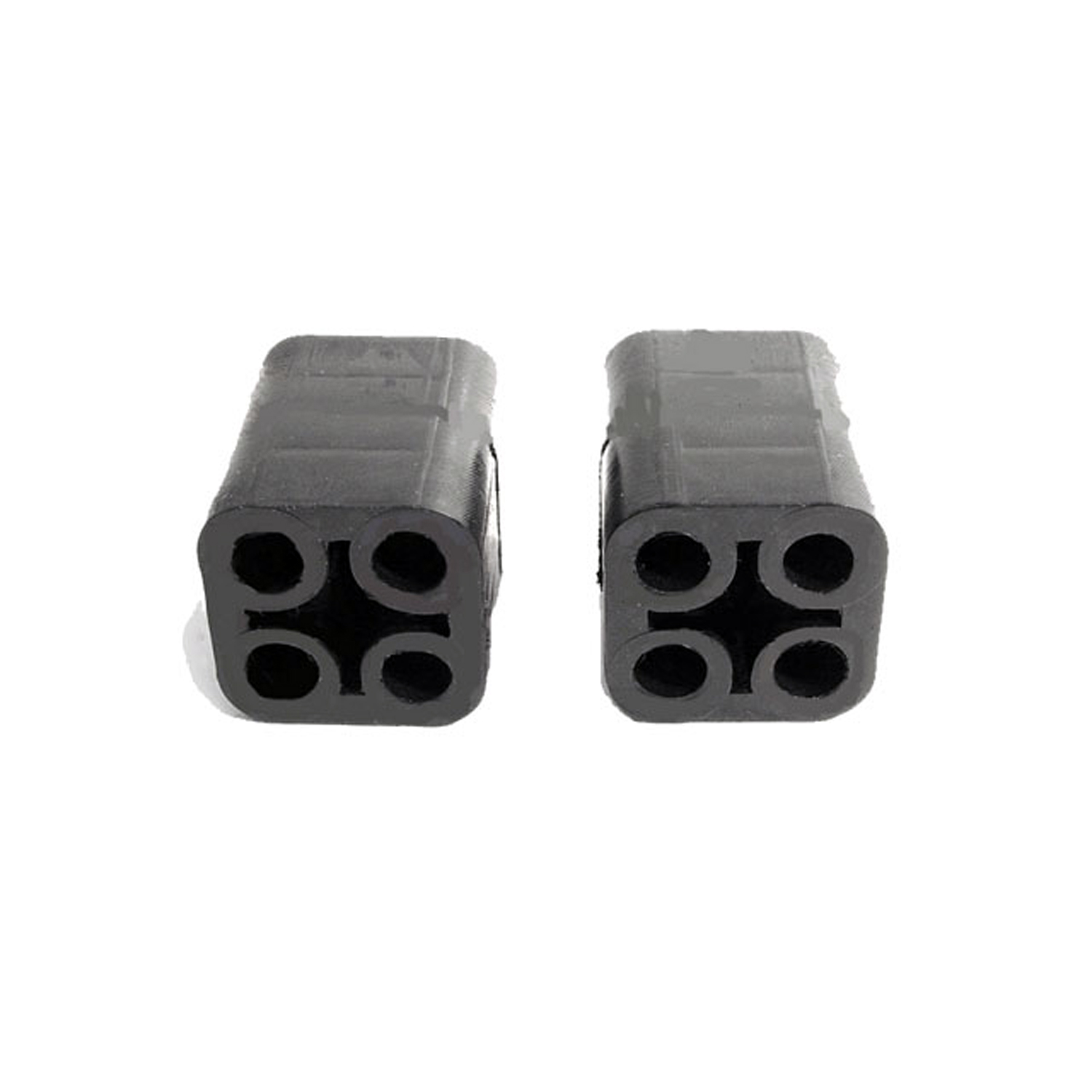 1956 Ford Skyliner Spark Plug Wire Retainer Grommet. Each-SM 30-BSpark Plug Wire Retainer Grommet. Each
 1956 Ford Skyliner Trunk Drain Grommets. Set of four-SMK 64-ITrunk Drain Grommets. Set of four
 1956 Ford Skyliner Trunk Seal. Each-TK 42-18Trunk Seal. Each
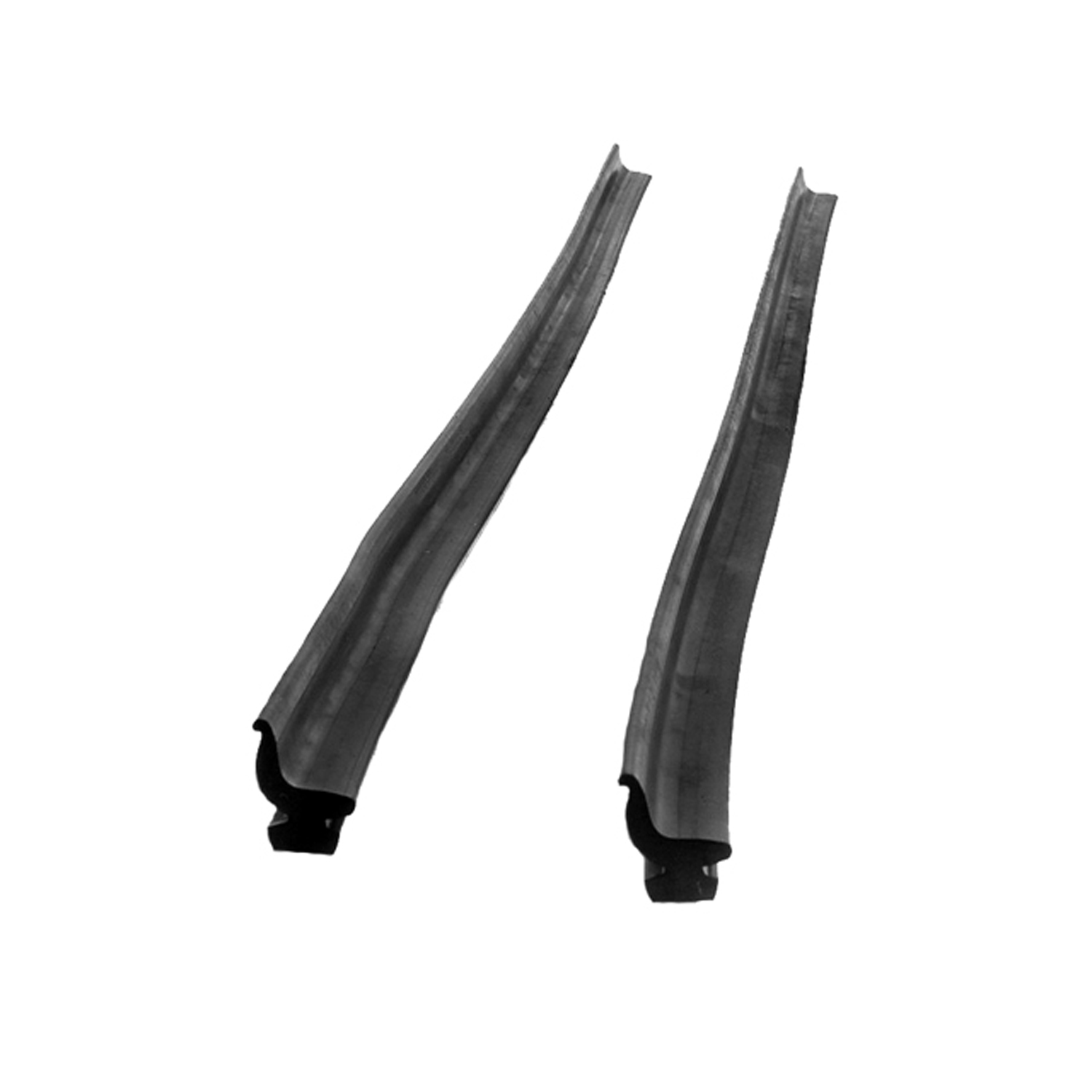 1956 Ford Skyliner Rear roll-up Seal. Two 18" sections sliced into metal track-VS 4Rear roll-up Seal. Two 18" sections sliced into metal track. this foot with no steel insert. Pair
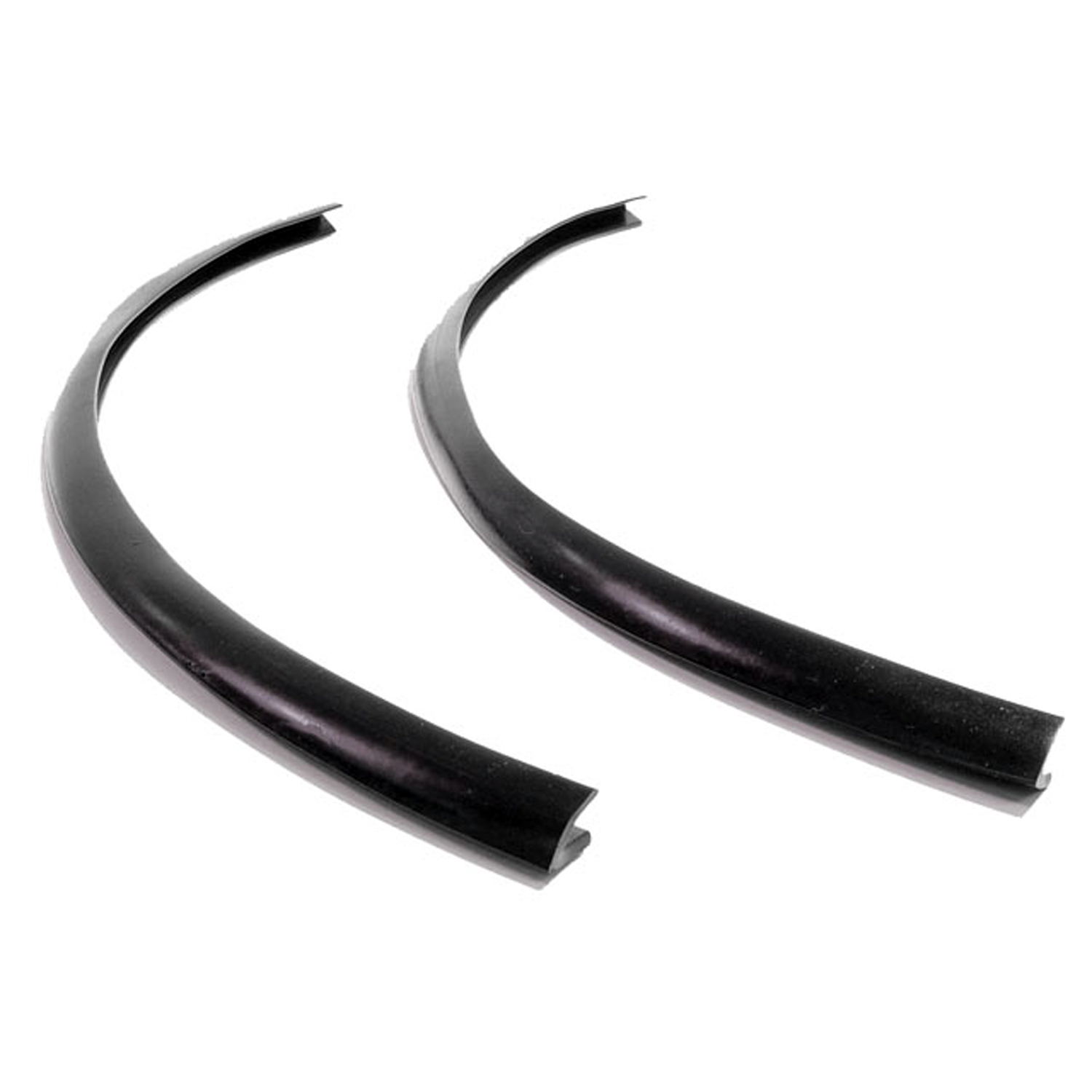 1956 Ford Skyliner Vertical Seals for Vent Window. Each piece is 17" long-VS 6Vertical Seals for Vent Window. Each piece is 17" long. Pair
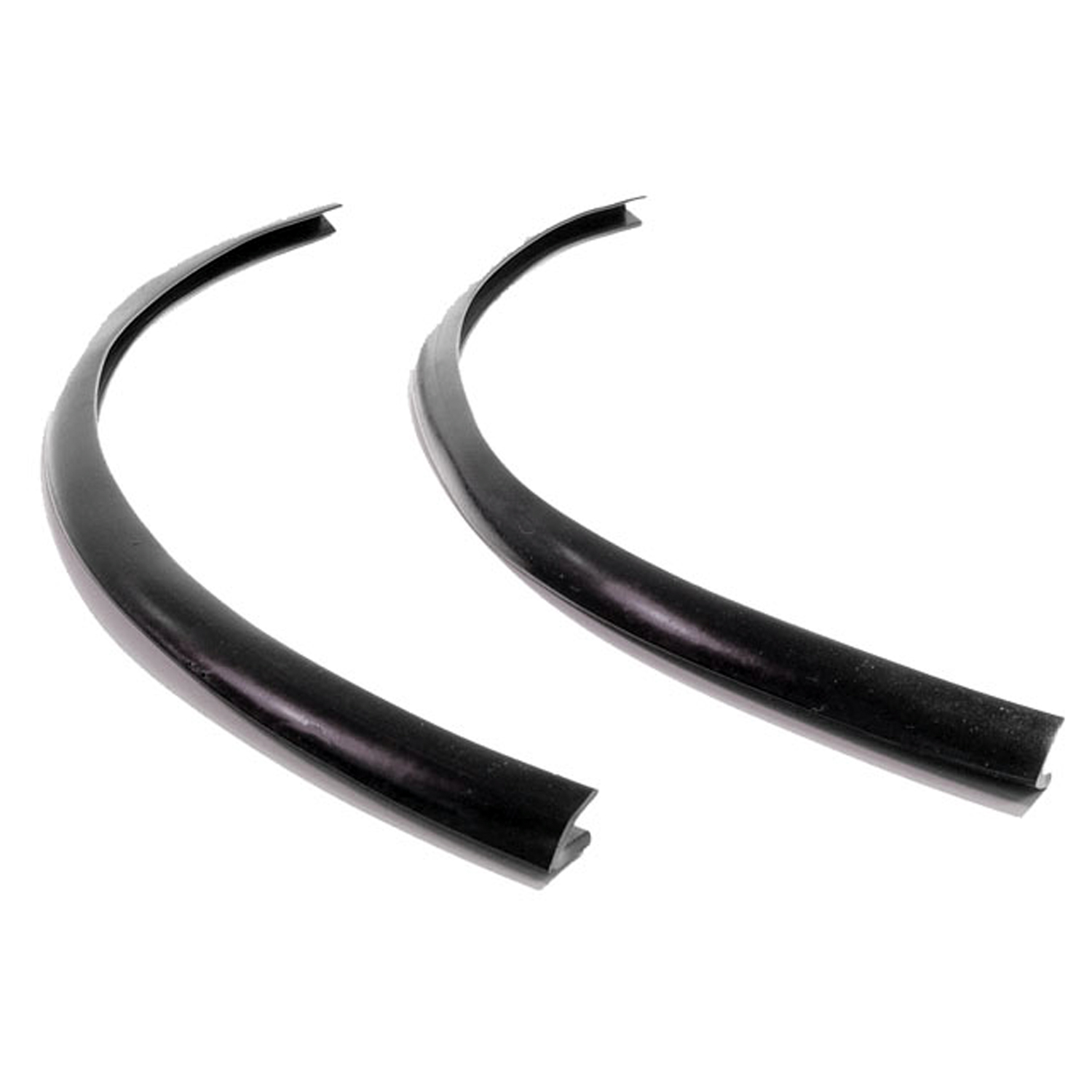 1956 Ford Skyliner Vertical Seal for Vent Window. Sold by the foot.-VS 6/FTVertical Seal for Vent Window. Sold by the foot.
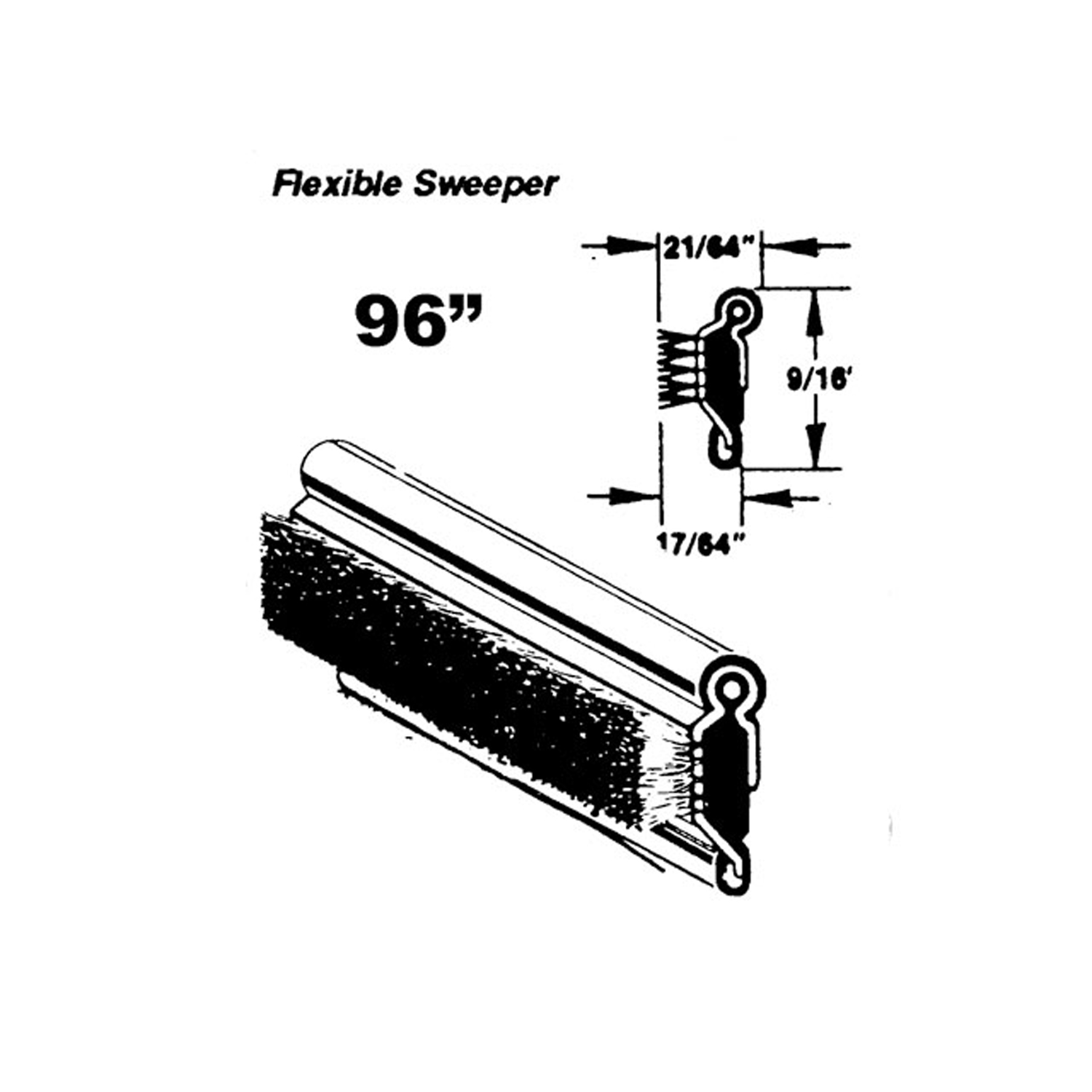 1956 Ford Skyliner Flexible window sweeper. Made with stainless steel bead-WC 7-96Flexible window sweeper. Made with stainless steel bead. 96 in. long. Each. NOTE: $20 special shipping charge applies for domestic orders. Call or email for overseas shipping costs. Part can be sectioned in two or three equal lengths to reduce overseas shipping costs.
Why Choose Metro?
For over 100 years, Metro Moulded Parts has been the pinnacle of quality in classic car restoration parts. Our commitment to precision and authenticity in every component ensures a perfect fit and an OEM-level appearance.
- Expert Craftsmanship & Quality: Each part is a testament to our dedication to reliability and perfection, crafted from original designs and thoroughly tested.
- Advanced Technology: We use cutting-edge techniques to create flawless, long-lasting parts that surpass others in performance.
- SuperSoft Sponge – The Ultimate Door Seal: Not only are our door seals 30% softer than competitors', but they're also guaranteed to never leak. They effectively reduce wind and road noise, enhancing your classic car's comfort and driving experience.
- Proudly American: Our parts are a product of American craftsmanship, made in the USA with a spirit of excellence and heritage.
- Unrivaled Warranty: We back our products with a 30-year industry-leading warranty, a testament to our confidence in their quality.
Join us in preserving the legacy of classic cars with parts that are crafted for perfection, not just made.