

Image of 1957 Ford F-350, Note: These illustrations use artistic license and may differ from actual historical models.
Performance Metrics
Fundamental Metrics
Emotional Appeal
MMP Rating
| Engine Specifications | |
|---|---|
| Engine: | 223 CID (3.7L) Inline 6, 272 CID (4.5L) Y-block V8 |
| Displacement: | 223-272 cubic inches |
| Horsepower: | 139-190 hp |
| Torque: | 206-282 lb-ft |
| Compression Ratio: | 8.0:1 - 8.4:1 |
| Ignition System: | Conventional points ignition system |
| Cooling System: | Liquid-cooled |
| Performance Specifications | |
| 0-60 Time: | Estimated 15-20 seconds |
| 1/4 Mile Time: | Estimated 20-25 seconds |
| Top Speed: | 75-85 mph |
| Transmission and Drive | |
| Drive Type: | Rear-wheel drive |
| Transmission Type: | 3-speed manual, 4-speed manual |
| Fuel and Efficiency | |
| Fuel System Type: | Carburetor |
| MPG: | Estimated 10-15 mpg |
| Dimensions and Brakes | |
| Brakes: | Drum brakes |
| Wheelbase: | 118 inches |
| Weight: | 3,400-3,800 lbs |
Note: Specifications for classic cars are given to the best of our ability, considering the limited and variant data available.
1957 Ford F-350: The One-Ton Workhorse That Helped Modernize Ford Trucks
The 1957 Ford F-350 looks ready to leave the farm, lumberyard, or construction site behind and head straight for a modern truck show. With a broad new cab, clean-edged fenders, and Ford’s fresh Styleside design, it brought a noticeably more contemporary look to a hard-working one-ton truck.
Ford introduced the F-350 as part of its F-Series, a line that had begun in 1948. The 1957 redesign marked a new chapter for the series, with revised styling and a roomier cab. The F-350 sat at the heavy-duty end of the range, built for owners who needed more capacity than a half-ton pickup could provide. It was sold in working configurations such as chassis-cab and stake-bed trucks, as well as pickup form where specified.
One detail that makes 1957 especially memorable is the arrival of Ford’s Styleside pickup bed. Rather than keeping the rear fenders outside the bed, Styleside models integrated them into the body for a broad, squared-off cargo area. It gave the truck a more unified appearance and helped distinguish the new F-Series from earlier generations.
Bold New Styling and a Practical Cab
The 1957 F-350 wears its strength openly. Its wide hood sits above a substantial front grille, flanked by round headlamps and strong, upright fenders. The body lines are simpler and more integrated than those of earlier Ford trucks, while the broad windshield and revised cab give the truck a more spacious, modern look. Details such as the large Ford lettering and model badges provide just enough visual decoration without distracting from its working-truck character.
Cab trim was designed for durability rather than luxury. Painted metal surfaces, straightforward controls, a broad bench seat, and hard-wearing upholstery were typical. Rubber floor coverings suited a truck that might come back from a muddy jobsite, while the simple dashboard kept the important gauges and switches within easy reach. Equipment and trim varied by order, and a restored truck may have replacement materials, so original details can differ from one example to another.
For its era, the F-350’s chief innovation was not a single advanced gadget but a more modern package: updated cab design, useful visibility, and the wider Styleside bed option. Buyers could order practical equipment such as different transmissions, axle ratios, and work bodies to suit their needs. Features such as power steering or power brakes depended on the truck’s configuration and equipment order, so they should be verified on an individual vehicle rather than assumed.
Ford offered a range of period paint colors, with choices varying by model, equipment, and ordering details. Solid shades such as red, blue, green, black, and white were common parts of the era’s truck palette. Two-tone paint could add extra flair, but many F-350s were ordered in simple, work-friendly colors. On today’s show field, bright reds and blues tend to stand out, while factory-style white or dark colors give the truck a convincing commercial look.
The F-350 could be ordered in several working forms, including a pickup, chassis-cab, stake-bed, and other commercial configurations. The chassis-cab version was particularly useful to businesses because it could accept a body built for a specific job. The Styleside pickup is among the most recognizable versions of the 1957 redesign, though heavy-duty F-350s with stake or service bodies capture the model’s original purpose especially well.
Why the 1957 F-350 Matters
The F-350 was a tool first, but the 1957 design helped make the work truck feel like a modern vehicle rather than a basic cab attached to a chassis. The cab and body were more visually integrated, and the Styleside bed brought a cleaner, more car-like finish to Ford’s pickup range. That shift reflected changing expectations: businesses still wanted durability and payload capacity, but buyers increasingly valued comfort, visibility, and appearance too.
Compared with lighter pickups, the F-350 stood out for its heavy-duty construction and ability to serve as a platform for specialized bodies. It was not intended to be a sports truck or a high-speed highway cruiser. Its significance lies in how it combined a fresh design with the practical flexibility required by farms, trades, delivery companies, and local businesses. The F-Series’ continuing success has made this generation an important link in the evolution of Ford’s truck lineup.
Engines, Road Speed, and Driving Feel
Engine availability depended on the truck’s configuration and order. The 1957 F-Series range included Ford’s 223-cubic-inch inline-six and Y-block V8 options, with availability and specifications varying by application. These engines were paired with manual transmissions in many work trucks, and axle ratios could be selected to favor pulling power over relaxed highway cruising. Exact horsepower figures should be checked against the truck’s engine code and original specification, since ratings and equipment differed.
Performance figures are best treated as estimates, not factory guarantees. In a lightly equipped, unloaded F-350 with a suitable engine and gearing, a top speed in the neighborhood of 65 to 75 mph is plausible. Reaching 60 mph could take roughly 25 to 35 seconds or longer, depending on engine, transmission, axle ratio, tire size, and vehicle condition. Add a heavy body or a substantial load and both acceleration and top speed fall considerably. These trucks were engineered to work, not to win stoplight contests.
Behind the wheel, the F-350 feels solid and mechanical. The steering is heavy by modern standards, especially at parking speeds, and the tall cab gives the driver a commanding view of the road and the truck’s long hood. The engine’s deep, steady note and the direct feel of the manual controls are part of the appeal. It asks the driver to be involved: shifting deliberately, allowing plenty of stopping distance, and planning turns rather than darting through them.
On rough roads, the heavy-duty suspension can feel firm when the truck is empty. A load often settles the ride, though it also makes the truck slower and increases the importance of careful braking. On winding roads, the F-350 rewards a measured pace. Its size, weight, and period steering make quick direction changes less comfortable than they are in a modern pickup. In crosswinds, a tall body or large work conversion can also require a steady hand.
Living With a Classic Ford Work Truck
Today, owners use 1957 F-350s as show vehicles, farm trucks, business displays, parade vehicles, and occasional drivers. Some are restored close to factory specification; others retain a service body or receive sympathetic upgrades such as improved brakes, modern tires, or a more convenient electrical system. A well-sorted example can handle local trips, but regular high-speed commuting is not its natural role.
Maintenance is generally approachable for an owner with basic mechanical skills. The engine bay is comparatively accessible, and many routine jobs involve familiar components: ignition, carburetion, cooling, brakes, and manual driveline parts. Replacement parts are available through classic Ford and vintage-truck suppliers, although specific trim, body panels, and correct commercial-body equipment can take more searching. Before buying, inspect the frame, cab corners, floor, bed, and mounting points for rust or old repairs. On an F-350, also check the condition of the rear axle, springs, brakes, and any upfitter body.
Reliability depends heavily on maintenance and restoration quality. A truck with a clean cooling system, properly rebuilt brakes, sound wiring, and a well-tuned engine can be dependable for local use. A neglected example may need substantial work, and its age means that even a running truck should not be assumed road-ready. The best ownership experience comes from treating it as a vintage heavy-duty vehicle, not as a modern pickup with old-fashioned styling.
F-350 Facts, Myths, and Common Complaints
The F-350’s most distinctive “special edition” was often the body fitted to it after leaving Ford. Stake beds, utility bodies, service boxes, and flatbeds could transform the same basic chassis into very different working vehicles. That variety is part of the model’s appeal to collectors, but it also means surviving trucks can differ greatly from their original specifications.
There is no widely recognized speed or endurance record associated with the 1957 F-350. Its achievement was practical: carrying people, equipment, and materials in the demanding conditions of everyday business. It appeared in the working life of mid-century America rather than becoming famous for a single celebrated event. That ordinary history is precisely why restored examples can feel so evocative.
Common criticisms are familiar to anyone who has driven a vintage work truck: slow acceleration, heavy steering, modest braking compared with modern vehicles, and a firm ride when unladen. Parts availability is good for many mechanical items, but original trim and correct heavy-duty components can be harder to locate. Buyers should also be wary of assuming that every old F-350 is still equipped with its original engine, axle, or body.
1957 Ford F-350 Values and Collectibility
Production figures specifically for the 1957 F-350 are not easy to pin down, and totals vary depending on whether records count model year, body style, or chassis configuration. As a broad estimate rather than an official figure, several tens of thousands may have been built across F-350 configurations, but far fewer survive in complete, well-documented condition. The model is less commonly seen than lighter F-100 pickups, especially in original commercial form.
Values depend on condition, originality, body style, and the quality of any restoration. A rough project might sell for about $5,000 to $15,000, while a usable driver could fall around $15,000 to $30,000. A well-restored truck may bring approximately $30,000 to $60,000, with exceptional, highly original, or professionally finished examples sometimes exceeding that range. These are broad U.S. market estimates, not appraisals; unusual bodies and local demand can move prices substantially.
Interest in vintage Ford trucks has generally supported values, particularly for clean, usable examples with strong documentation. The F-350’s heavier-duty character can attract a more specialized audience than the better-known F-100, so it may take longer to find the right buyer. Condition remains the main price driver: sound metal, correct equipment, and a quality restoration usually matter more than a flashy paint job alone.
A Ford Built to Earn Its Keep
The 1957 Ford F-350 brought fresh styling to a serious one-ton work truck. Its broad cab, distinctive Styleside design, configurable chassis, and straightforward mechanicals made it useful in its own time and appealing to collectors today. It is not quick or plush by modern standards, but it offers a direct connection to the farms, businesses, and job sites that relied on Ford trucks.
More than a handsome classic, the 1957 F-350 is a reminder that good truck design has always meant balancing appearance with real work. Its legacy is written not in speed records, but in the thousands of practical jobs it was built to tackle.
1957 Ford F-350 Catalog of Parts
 1957 Ford F-350 Shock Absorber Grommet. 1" bottom O.D-BN 11Shock Absorber Grommet. 1" bottom O.D., 3/4" high, with 5/8" I.D. Each
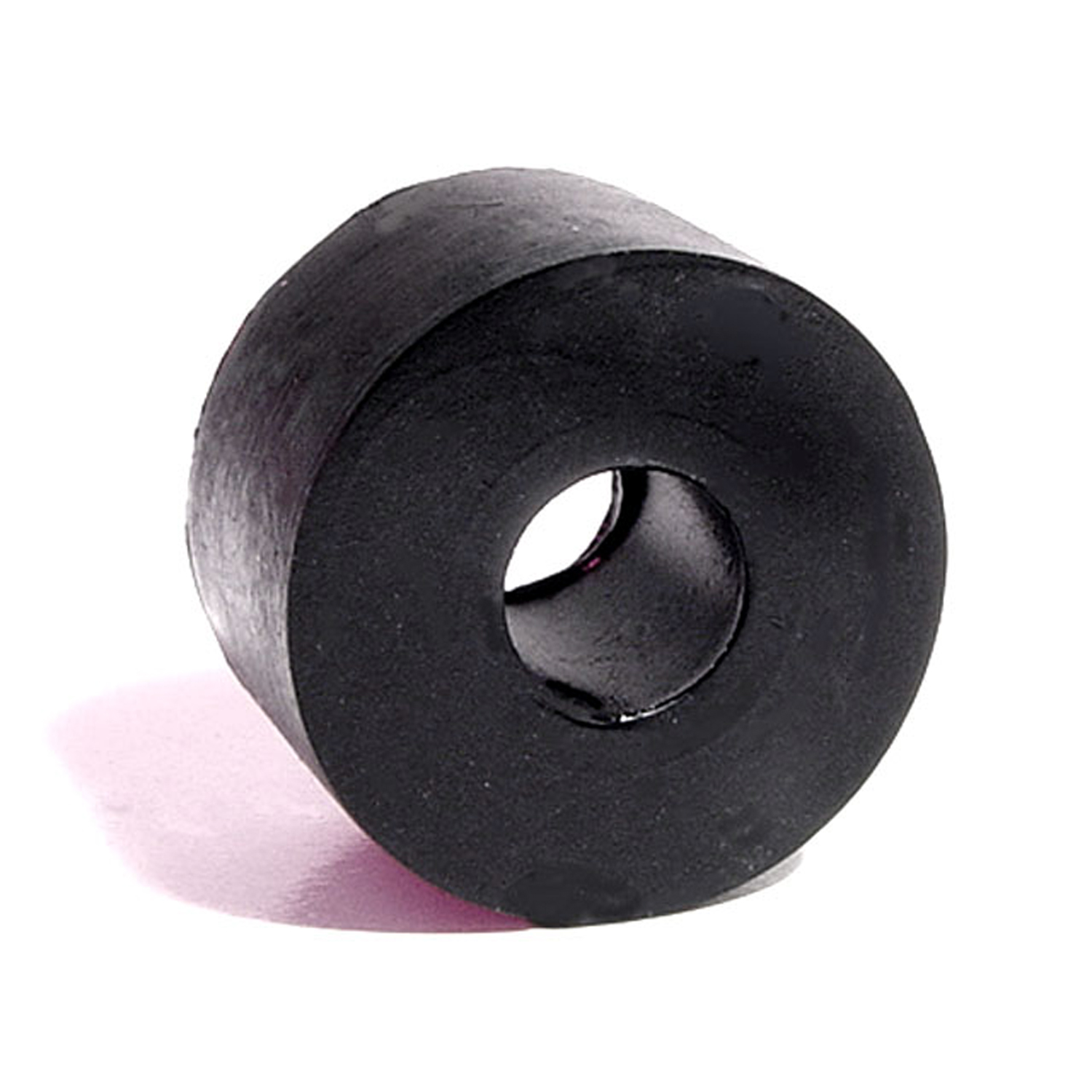 1957 Ford F-350 Shock Absorber Grommet. 1" bottom O.D-BN 6Shock Absorber Grommet. 1" bottom O.D. X 1/2" high, with 3/8" I.D. Each
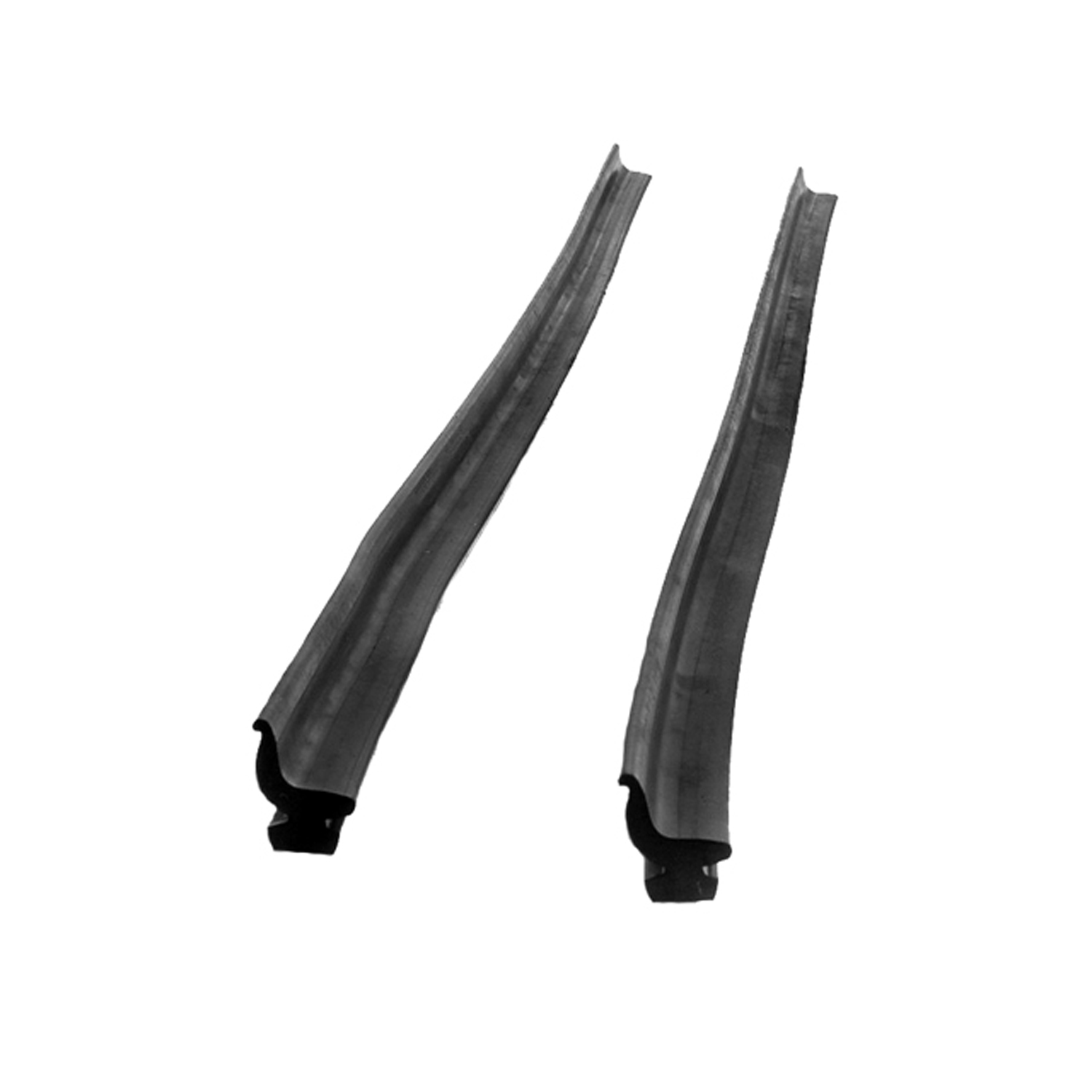 1957 Ford F-350 Rear roll-up Seal. Two 18" sections sliced into metal track-VS 4Rear roll-up Seal. Two 18" sections sliced into metal track. this foot with no steel insert. Pair
 1957 Ford F-350 Rigid division-bar channel-WC 28-96Rigid division-bar channel. Made with stainless steel bead, heavy steel core and pile lining. 96 in. long. Each. NOTE: $20 special shipping charge applies for domestic orders. Call or email for overseas shipping costs. Part can be sectioned in two or three equal lengths to reduce overseas shipping costs.
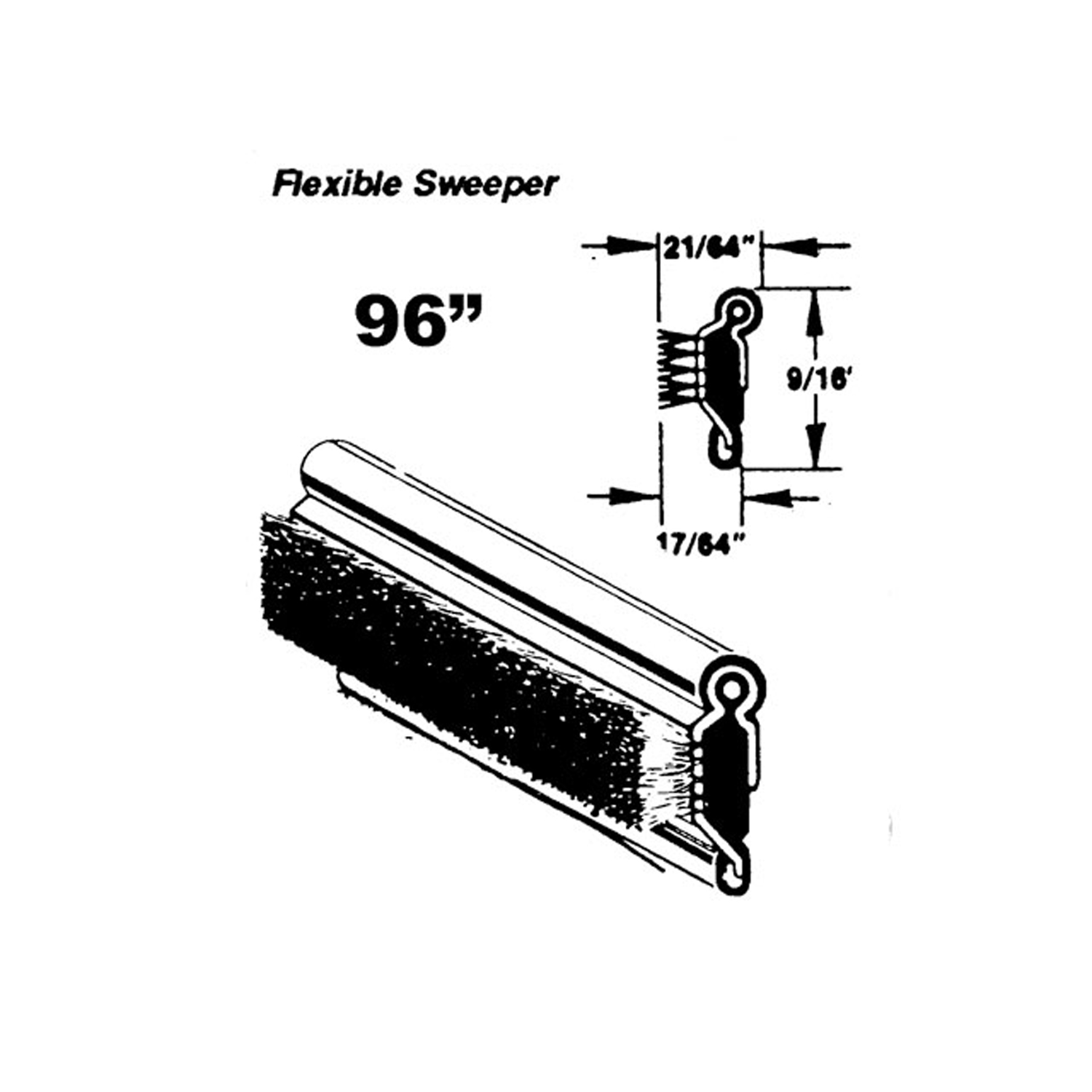 1957 Ford F-350 Flexible window sweeper. Made with stainless steel bead-WC 7-96Flexible window sweeper. Made with stainless steel bead. 96 in. long. Each. NOTE: $20 special shipping charge applies for domestic orders. Call or email for overseas shipping costs. Part can be sectioned in two or three equal lengths to reduce overseas shipping costs.
 1957 Ford F-350 Vent Window Seals. For 1/2 Ton Pickups. 25" Long each-WR 3317Vent Window Seals. For 1/2 Ton Pickups. 25" Long each. Pair R&L
Why Choose Metro?
For over 100 years, Metro Moulded Parts has been the pinnacle of quality in classic car restoration parts. Our commitment to precision and authenticity in every component ensures a perfect fit and an OEM-level appearance.
- Expert Craftsmanship & Quality: Each part is a testament to our dedication to reliability and perfection, crafted from original designs and thoroughly tested.
- Advanced Technology: We use cutting-edge techniques to create flawless, long-lasting parts that surpass others in performance.
- SuperSoft Sponge – The Ultimate Door Seal: Not only are our door seals 30% softer than competitors', but they're also guaranteed to never leak. They effectively reduce wind and road noise, enhancing your classic car's comfort and driving experience.
- Proudly American: Our parts are a product of American craftsmanship, made in the USA with a spirit of excellence and heritage.
- Unrivaled Warranty: We back our products with a 30-year industry-leading warranty, a testament to our confidence in their quality.
Join us in preserving the legacy of classic cars with parts that are crafted for perfection, not just made.