

Image of 1958 Ford Country Sedan, Note: These illustrations use artistic license and may differ from actual historical models.
Performance Metrics
Fundamental Metrics
Emotional Appeal
MMP Rating
| Engine Specifications | |
|---|---|
| Engine: | Ford FE V8 engine |
| Displacement: | 332 cu in (5.4 L) to 352 cu in (5.8 L) |
| Horsepower: | 240-300 hp |
| Torque: | 350-375 lb-ft |
| Compression Ratio: | 8.9:1 to 10.2:1 |
| Ignition System: | Conventional points ignition system |
| Cooling System: | Liquid cooled |
| Performance Specifications | |
| 0-60 Time: | Estimated 10-12 seconds |
| 1/4 Mile Time: | Estimated 17-19 seconds |
| Top Speed: | 100-110 mph |
| Transmission and Drive | |
| Drive Type: | Rear-wheel drive |
| Transmission Type: | 3-speed manual, 3-speed automatic |
| Fuel and Efficiency | |
| Fuel System Type: | Carburetor |
| MPG: | Estimated 10-12 mpg |
| Dimensions and Brakes | |
| Brakes: | Drum brakes |
| Wheelbase: | 119 inches |
| Weight: | 3,700-4,000 lbs |
Note: Specifications for classic cars are given to the best of our ability, considering the limited and variant data available.
1958 Ford Country Sedan: The Full-Size Family Wagon
The 1958 Ford Country Sedan brought room for a family, luggage, and a long American road trip into one sharply styled package. Built by Ford Motor Company in the United States, it sat in the middle of Ford’s station-wagon range: more dressed up than the two-door Ranch Wagon, but without the simulated woodgrain trim that made the Country Squire the best-known member of the family.
Its arrival coincided with a year of dramatic change in the American car market. The recession of 1958 pushed manufacturers to compete fiercely for buyers, and Ford answered with a substantially restyled lineup, new V8 choices, and the practical appeal of a full-size wagon. One detail that makes the Country Sedan especially interesting today is that it could be ordered with a rear-facing third seat, turning it into a nine-passenger family hauler.
1958 Ford Styling and Wagon Options
The Country Sedan wore the bold, low-slung look associated with late-1950s Fords. At the front, a broad grille and paired headlights on each side gave the car a distinctly modern face. Sculpted side panels, bright trim, and prominent rear styling helped the long wagon look less like a utility vehicle and more like a full-size Ford sedan with an exceptionally useful roofline.
Inside, the cabin was designed for everyday family use. Ford offered durable upholstery and trim in a range of colors and patterns, with the exact materials and finish depending on the car’s equipment and interior choice. The Country Sedan was not as lavishly appointed as the top-line Country Squire, but it offered a comfortable, well-finished space with a wide bench front seat, a straightforward instrument panel, and generous passenger room. Today, original upholstery, intact trim, and unmodified cargo-area details are especially appealing to restorers and collectors.
The Country Sedan was a four-door station wagon offered in six- and nine-passenger configurations. The six-passenger version used two rows of seating, while the nine-passenger model added a third seat at the back, commonly arranged to face rearward. Ford’s other wagons served different buyers: the Ranch Wagon was the simpler two-door choice, while the woodgrain-trimmed Country Squire was the more upscale alternative. The Country Sedan’s four-door layout and useful cargo space made it a particularly versatile family configuration.
Color choices varied by exterior and interior combination, and buyers could choose from a broad palette of solid and two-tone finishes. Period colors included both restrained shades and vivid 1950s hues. Pastel and light-colored combinations suited the car’s expansive bodywork, while stronger colors made its chrome and sculpted side panels stand out. Availability depended on the specific paint combination and production choices, so surviving cars may differ considerably in appearance.
Period Technology and Engineering
Under the skin, the Country Sedan followed conventional full-size Ford construction, with a separate frame supporting the body. That approach was familiar to mechanics and suited a wagon expected to carry passengers and cargo. Ford’s 1958 lineup offered a range of engines, from a 223-cubic-inch inline-six to several V8 choices. Depending on the car’s engine and specification, buyers could pair it with a manual transmission or one of Ford’s automatic transmissions.
The 1958 model year also marked the debut of Ford’s FE-family V8 engines. The 332-cubic-inch V8 was among the new choices, while the larger 352-cubic-inch V8 offered buyers more power. Exact output varied by engine version and equipment, so the engine code and factory specifications are important when identifying a particular car. The selection let customers choose between practical six-cylinder economy and the stronger performance expected from a full-size V8 wagon.
Four-headlamp styling was a major visual change for 1958, reflecting the era’s fascination with new lighting designs. Ford also continued to emphasize safety features developed under its Lifeguard program, including features such as a deep-dish steering wheel and padded interior areas. Seat belts were available, though equipment varied by car. These features were part of a growing industry effort to make safety a selling point, even as the period’s cars remained large and heavy by modern standards.
Why the Country Sedan Mattered
The Country Sedan’s importance is less about a single breakthrough than about how well it captured the changing role of the American station wagon. By the late 1950s, wagons were moving beyond work and delivery duties. Families wanted cars that could carry several passengers and their holiday luggage without giving up the comfort, styling, and road presence of a full-size automobile. The Country Sedan answered that demand with four doors, substantial interior space, and a choice of engines and seating arrangements.
It also showed how manufacturers used trim levels to reach different buyers within the same basic body style. The Ranch Wagon emphasized value, the Country Sedan balanced practicality and finish, and the Country Squire added distinctive woodgrain-look trim. That clear range helped make station wagons a central part of the American family-car market and gave buyers a way to choose a wagon that matched both their budget and their taste.
The Country Sedan did not invent the station wagon, nor was it a specialized performance model. Its lasting significance is its confident blend of family utility and 1950s full-size-car style. As the market later shifted toward smaller cars, minivans, and SUVs, wagons like this became reminders of an era when a family vehicle could be long, low, chrome-bright, and built around a broad bench seat.
Engine Performance and Road Manners
Performance depends heavily on which engine and transmission a Country Sedan has. A six-cylinder car is generally the more relaxed choice, particularly when carrying a full load. A V8 model feels more willing when accelerating onto a highway or climbing a grade, and the larger engines deliver the strongest passing performance. As a general period-car estimate, a healthy V8 example might reach 60 mph in roughly 10 to 14 seconds. A six-cylinder car will usually take longer, especially with passengers or luggage aboard. Top speed is commonly estimated at about 95 to 110 mph for V8 versions, but tires, gearing, engine condition, and load all affect the result. These are estimates, not guaranteed factory test figures for every configuration.
On the road, the Country Sedan feels substantial. Its long wheelbase helps it settle into a steady highway rhythm, and its soft suspension absorbs ordinary road imperfections with the cushioned feel expected of a 1950s American car. Large bumps can produce body movement, and the car may float or lean more than a modern driver is accustomed to. On a winding road, its size and weight encourage a smooth, unhurried pace rather than quick direction changes.
A V8 Country Sedan adds a deep, relaxed engine note that suits the car’s cruising character. The steering is less precise than modern rack-and-pinion systems, and the brakes, tires, and suspension are all products of their time. A well-maintained example can be pleasant on scenic drives and local roads, but it needs more space and planning than a contemporary car when stopping or maneuvering in tight places.
Living With a 1958 Ford Country Sedan
Most Country Sedans today are used as show cars, weekend cruisers, or nostalgic family-trip vehicles. Their roomy interiors make them natural candidates for vintage-car events and relaxed touring, but their age, fuel consumption, and size make them less convenient as everyday transportation. A driver who uses one regularly should be prepared for slower traffic, limited modern safety equipment, and the occasional need to source older parts.
Mechanical repairs are often manageable for an experienced owner. The engines and transmissions are conventional for their era, and many routine service tasks can be handled by a home mechanic with the right tools and a factory shop manual. Parts availability is generally better for common mechanical components than for wagon-specific trim, glass, interior pieces, and body panels. A complete car is usually a better starting point than a cheap project missing its unique wagon hardware.
Reliability depends less on the Ford badge than on the quality of the restoration and upkeep. Before buying, inspect the frame and body for corrosion, paying close attention to the floor pans, lower body panels, tailgate area, and places where water may have collected. Check the cooling system, brakes, steering, suspension, and electrical system. A car that has been carefully maintained will be far more enjoyable than one with attractive paint but neglected mechanicals.
Country Sedan Trivia and Common Criticisms
The rear-facing third seat is one of the model’s most memorable features. It let the nine-passenger Country Sedan carry more people than its two-row layout suggested, though rear-facing travel is a very different experience from sitting in a modern third row. The distinction between the Country Sedan and Country Squire is another frequent point of confusion: the Country Squire is the wagon most associated with woodgrain-look sides, while the Country Sedan used conventional painted body panels.
No widely recognized speed or endurance record belongs specifically to the 1958 Country Sedan. Its claim to fame is practical rather than competitive: it was part of the full-size wagon boom that made long-distance family travel a defining part of American car culture. It also reflects a significant automotive moment, when manufacturers were introducing dramatic styling and new engine families while responding to an unsettled economy.
Common criticisms include heavy fuel consumption, soft handling, and the difficulty of finding certain wagon-specific parts. Its dimensions can make parking a challenge, and modern traffic may expose the limitations of period brakes and tires. Those drawbacks are part of the ownership calculation, not reasons to overlook the car’s charm. Buyers should prioritize sound structure, safe mechanical condition, and completeness over flashy but superficial restoration work.
Collector Values and Availability
Exact production totals for every 1958 Country Sedan configuration are not consistently reported in readily available references, so a firm model-specific number is difficult to give. A reasonable broad estimate is that Ford built tens of thousands of Country Sedans for the 1958 model year, perhaps in the range of roughly 60,000 to 90,000. That estimate should be treated as an informed approximation, not an official production figure. Surviving examples are much less common than the original sales total suggests, especially cars with complete trim, original seating, and documented histories.
As a general U.S. market guide, a project or rough driver might sell for about $5,000 to $12,000. A usable, presentable car may bring approximately $15,000 to $30,000, while a high-quality restoration or exceptionally original example could reach $35,000 to $50,000 or more. Condition, engine, seating configuration, originality, documentation, and regional demand make a substantial difference. These are broad estimates, not a formal appraisal, and wagon values can vary widely because buyers often prize completeness over a particular engine option.
Values for well-presented classic wagons have generally benefited from renewed interest in family-era Americana and unusual body styles. The Country Sedan is not as instantly recognizable to many buyers as the Country Squire, which can limit its price ceiling, but that also makes it an appealing alternative for someone who wants a less commonly seen Ford wagon. The market is best described as condition-sensitive: complete, attractive examples are likely to hold interest, while neglected projects can remain difficult to sell.
Why the 1958 Country Sedan Still Turns Heads
The 1958 Ford Country Sedan combines full-size Ford styling, practical wagon versatility, and the mechanical character of a fast-changing automotive era. Its four-door body, optional third seat, choice of six-cylinder and V8 power, and connection to Ford’s new FE engines make it more than just a long roof with extra chrome.
For collectors, it offers a distinctive alternative to the better-known woodgrain Country Squire. For drivers, it delivers an unhurried, spacious cruising experience that rewards careful maintenance and a relaxed pace. The Country Sedan remains a vivid reminder of when the family wagon was not simply transportation, but the centerpiece of the American road trip.
1958 Ford Country Sedan Catalog of Parts
 1958 Ford Country Sedan Shock Absorber Grommet. 1" bottom O.D-BN 11Shock Absorber Grommet. 1" bottom O.D., 3/4" high, with 5/8" I.D. Each
 1958 Ford Country Sedan Shock Absorber Grommet. 1-1/4" bottom O.D., 1" high-BN 12Shock Absorber Grommet. 1-1/4" bottom O.D., 1" high., with 3/4" I.D. Each
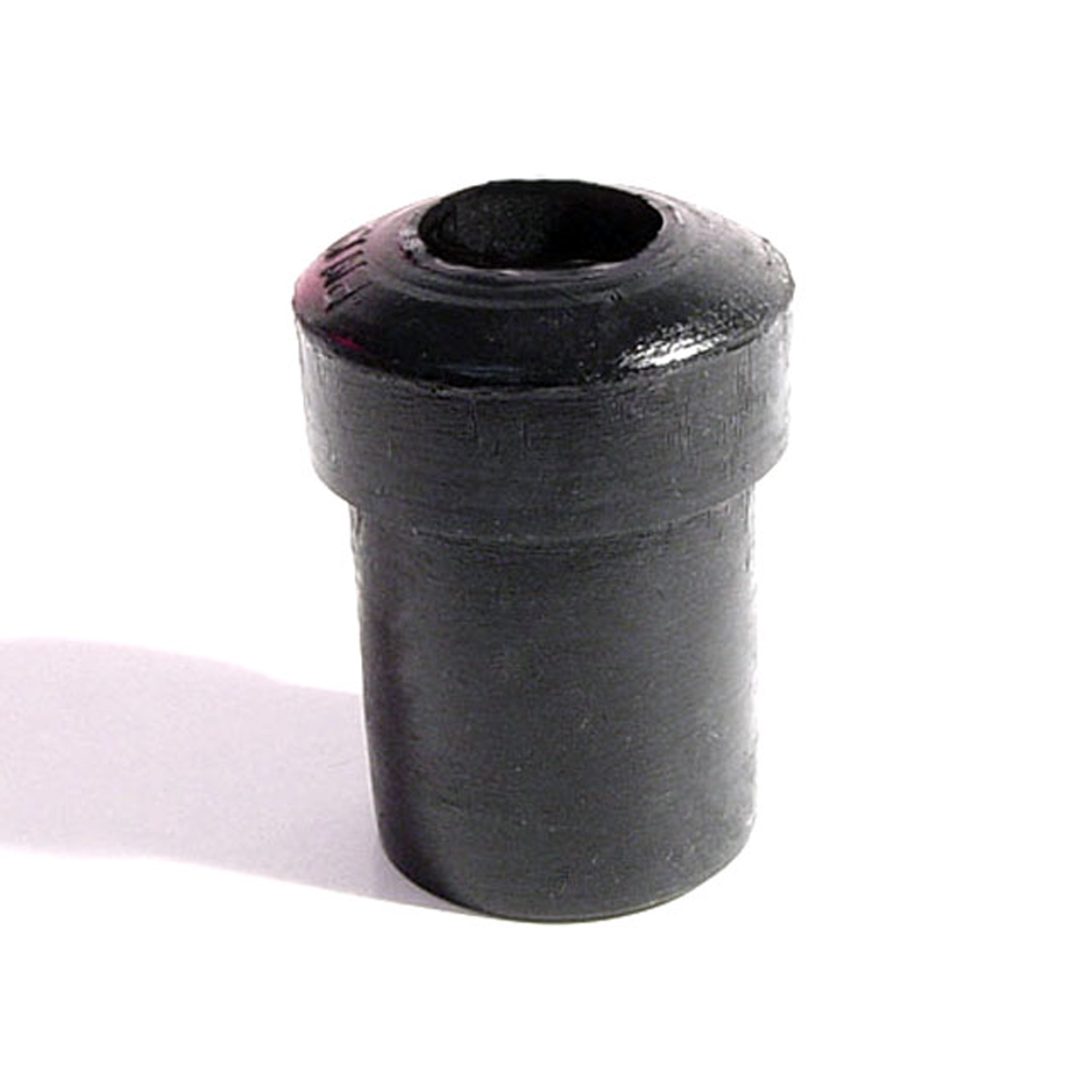 1958 Ford Country Sedan Spring and Shackle Bushing. 7/8" bottom O.D-BN 19Spring and Shackle Bushing. 7/8" bottom O.D. X 1-1/4" high, with 1/2" I.D. Each
 1958 Ford Country Sedan Front Stabilizer Bar Bushings. Four used per car-BN 32Front Stabilizer Bar Bushings. Four used per car. 1-3/4" long X 1-5/16" wide X 1-9/16" high, with 5/8" hole. Pair
 1958 Ford Country Sedan Door, Hood and Trunk Bumper Cap for adjustment bolt-HA 6Door, Hood and Trunk Bumper Cap for adjustment bolt. 1-1/16" O.D. X 1/2" I.D. X 7/16" thick. Each
 1958 Ford Country Sedan Hood Bumper. Each-HF 1Hood Bumper. Each
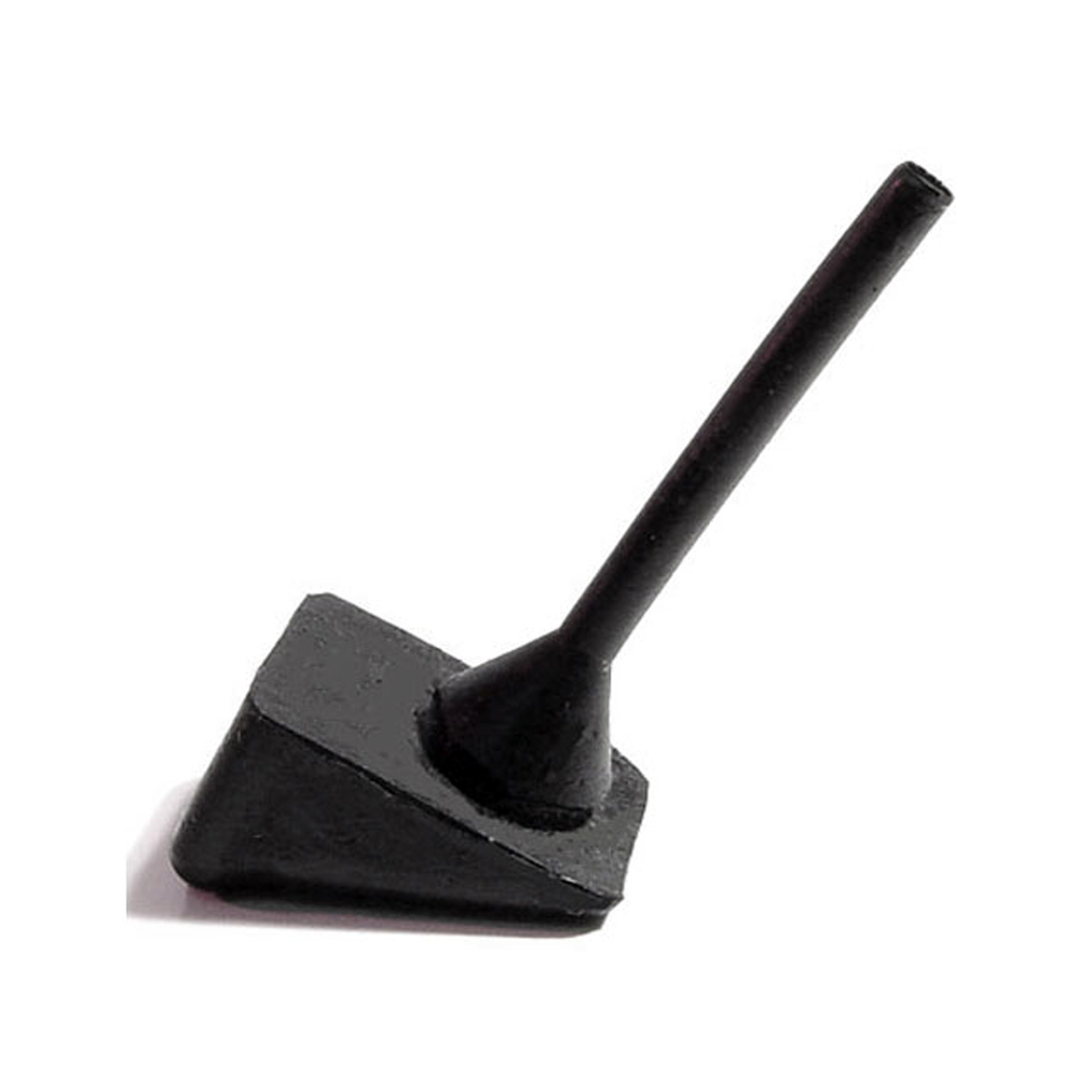 1958 Ford Country Sedan Hood Bumper. Each-HF 8Hood Bumper. Each
 1958 Ford Country Sedan Door Handle Pads. 2-3/4" long & 1-5/8" long. Set R&L-MP 739Door Handle Pads. 2-3/4" long & 1-5/8" long. Set R&L
 1958 Ford Country Sedan Antenna Pad. 1-1/4" wide X 3-5/8" long. Each-MP 780-DAntenna Pad. 1-1/4" wide X 3-5/8" long. Each
 1958 Ford Country Sedan Hood Ornament Gasket. 28" long. Each-MP 800-CHood Ornament Gasket. 28" long. Each
 1958 Ford Country Sedan Auxiliary Door Seals. Pair-RP 202Auxiliary Door Seals. Pair
 1958 Ford Country Sedan Front Fender Lower Rear Plug and Door Vent Adjustment Plug-SB 58-AFront Fender Lower Rear Plug and Door Vent Adjustment Plug. Fits 1-5/16" hole. Each
 1958 Ford Country Sedan Trunk Seal. Each-TK 42-18Trunk Seal. Each
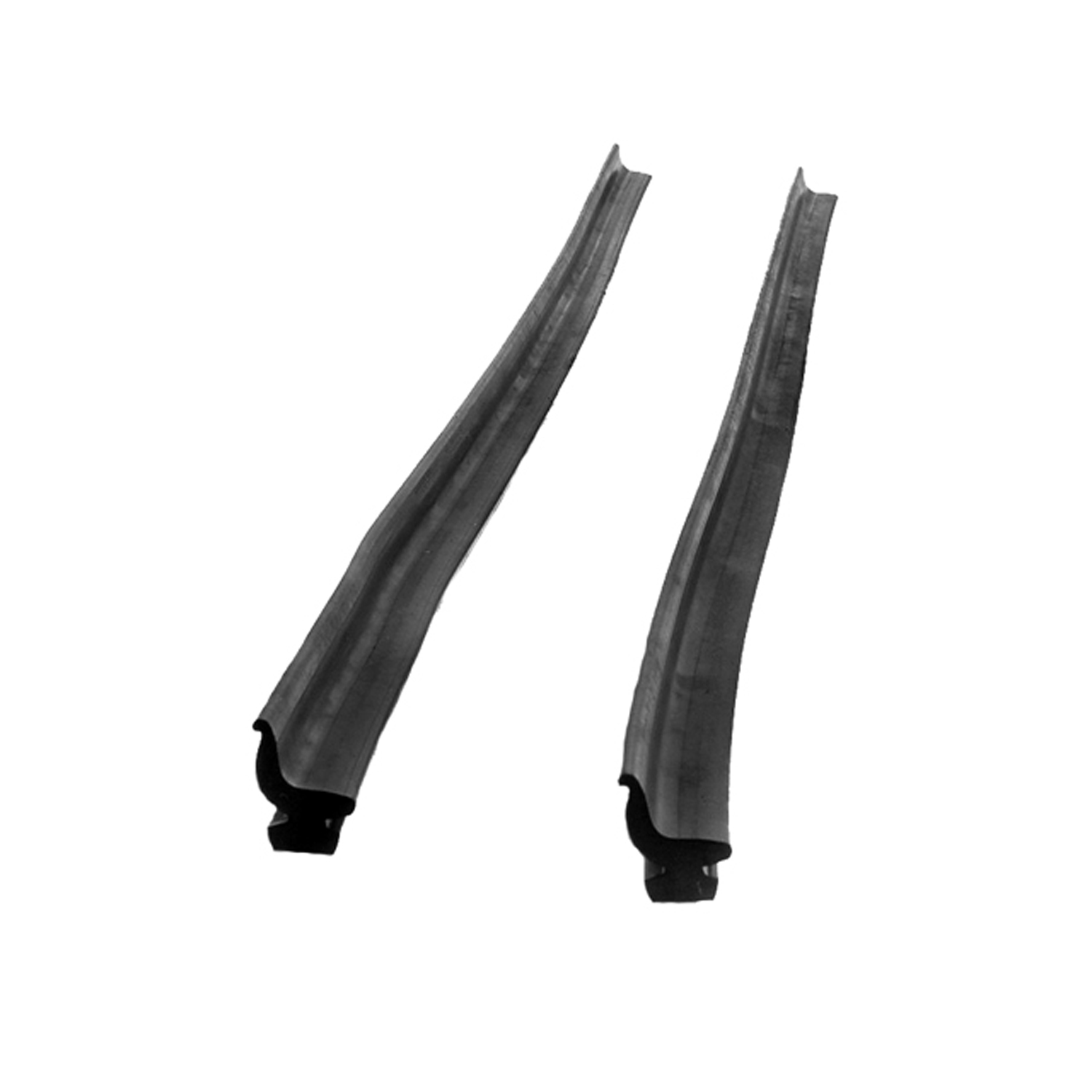 1958 Ford Country Sedan Rear roll-up Seal. Two 18" sections sliced into metal track-VS 4Rear roll-up Seal. Two 18" sections sliced into metal track. this foot with no steel insert. Pair
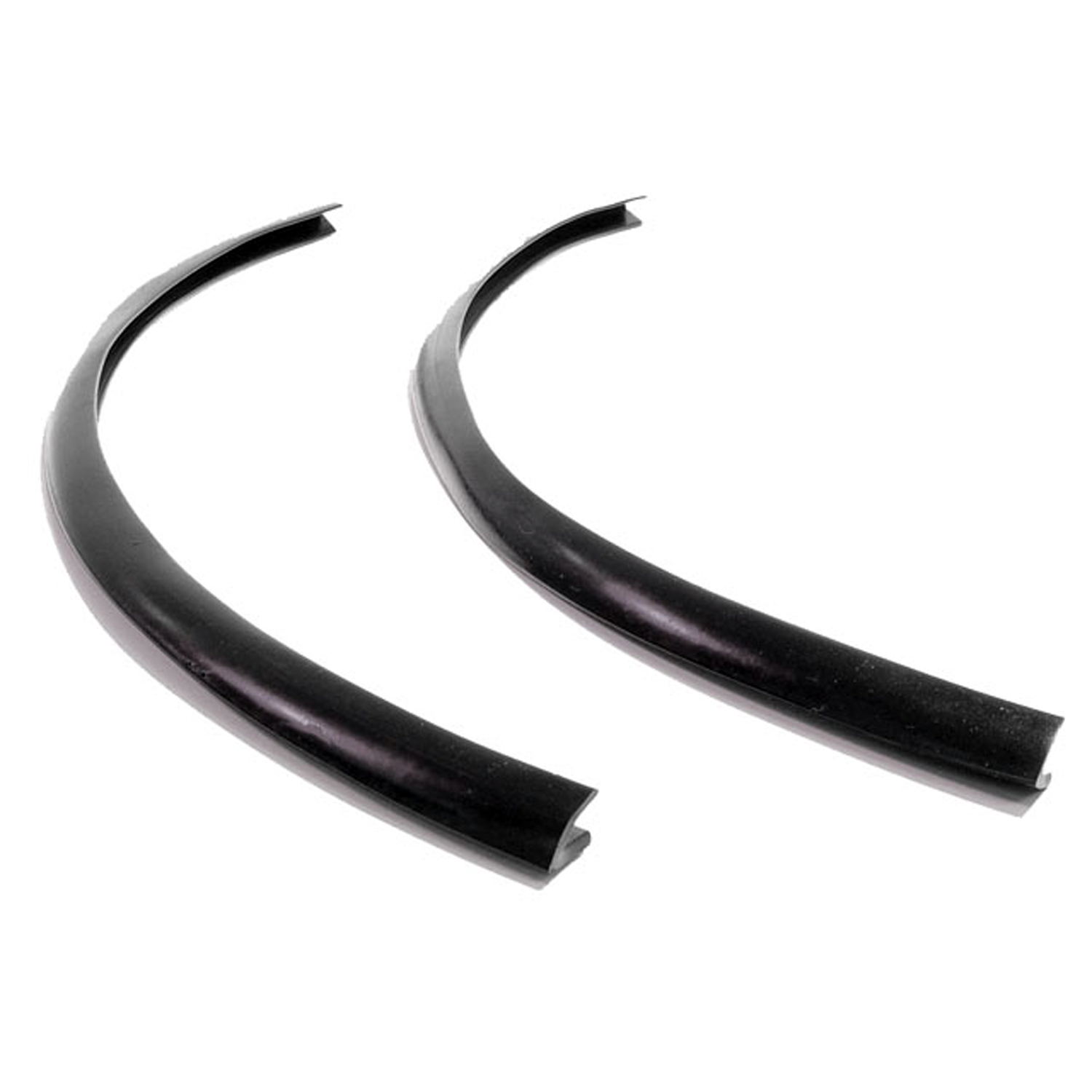 1958 Ford Country Sedan Vertical Seals for Vent Window. Each piece is 17" long-VS 6Vertical Seals for Vent Window. Each piece is 17" long. Pair
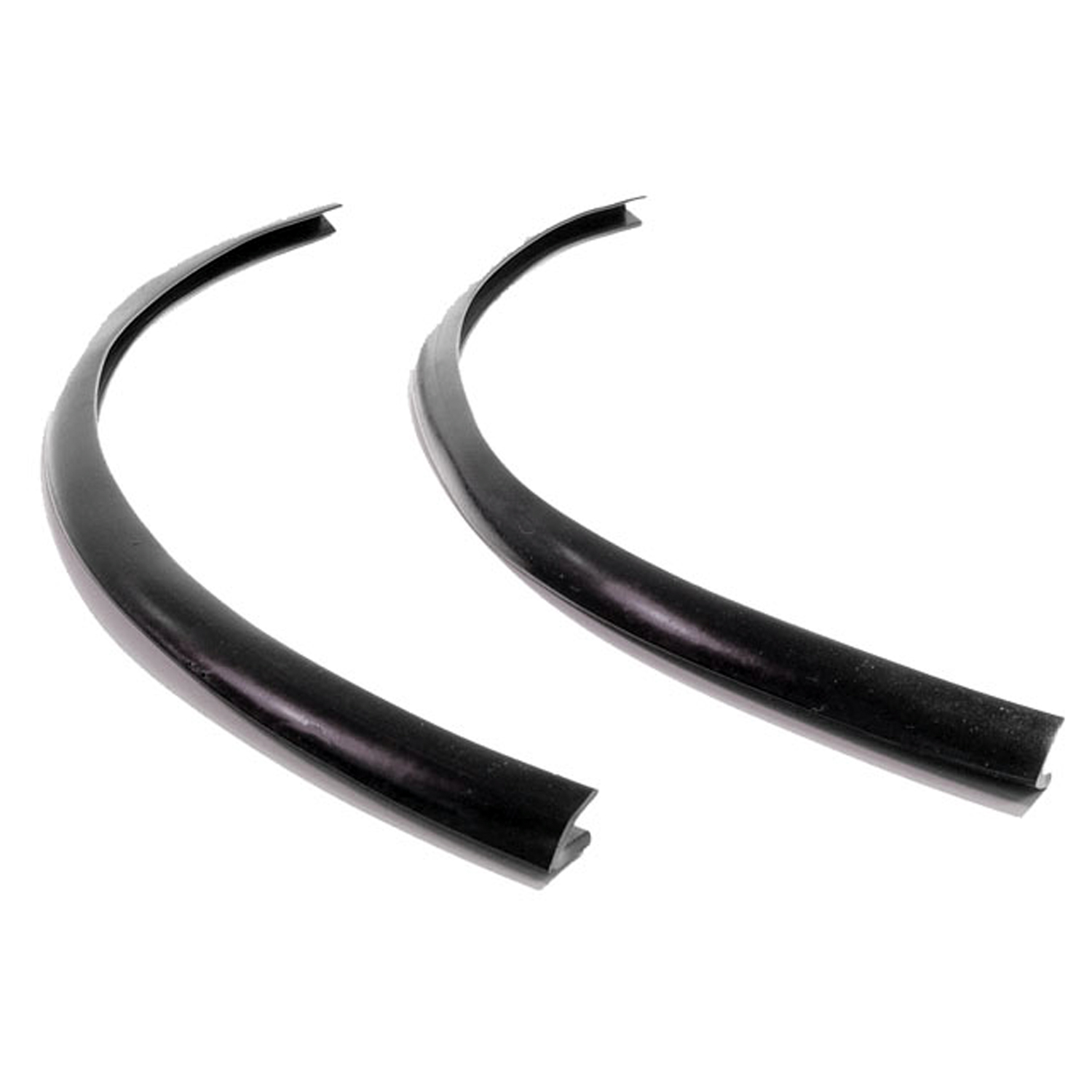 1958 Ford Country Sedan Vertical Seal for Vent Window. Sold by the foot.-VS 6/FTVertical Seal for Vent Window. Sold by the foot.
 1958 Ford Country Sedan Rigid division-bar channel-WC 28-96Rigid division-bar channel. Made with stainless steel bead, heavy steel core and pile lining. 96 in. long. Each. NOTE: $20 special shipping charge applies for domestic orders. Call or email for overseas shipping costs. Part can be sectioned in two or three equal lengths to reduce overseas shipping costs.
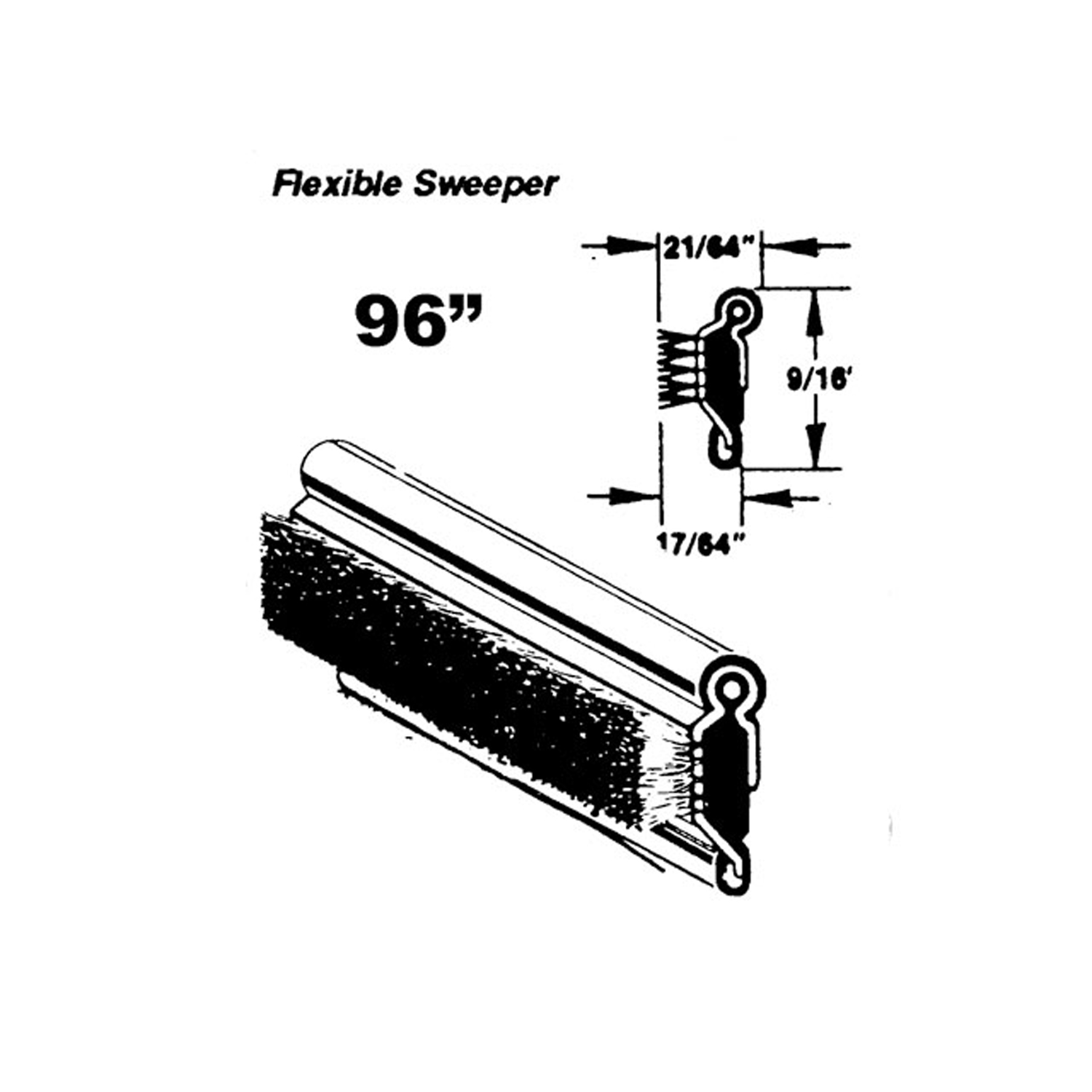 1958 Ford Country Sedan Flexible window sweeper. Made with stainless steel bead-WC 7-96Flexible window sweeper. Made with stainless steel bead. 96 in. long. Each. NOTE: $20 special shipping charge applies for domestic orders. Call or email for overseas shipping costs. Part can be sectioned in two or three equal lengths to reduce overseas shipping costs.
Why Choose Metro?
For over 100 years, Metro Moulded Parts has been the pinnacle of quality in classic car restoration parts. Our commitment to precision and authenticity in every component ensures a perfect fit and an OEM-level appearance.
- Expert Craftsmanship & Quality: Each part is a testament to our dedication to reliability and perfection, crafted from original designs and thoroughly tested.
- Advanced Technology: We use cutting-edge techniques to create flawless, long-lasting parts that surpass others in performance.
- SuperSoft Sponge – The Ultimate Door Seal: Not only are our door seals 30% softer than competitors', but they're also guaranteed to never leak. They effectively reduce wind and road noise, enhancing your classic car's comfort and driving experience.
- Proudly American: Our parts are a product of American craftsmanship, made in the USA with a spirit of excellence and heritage.
- Unrivaled Warranty: We back our products with a 30-year industry-leading warranty, a testament to our confidence in their quality.
Join us in preserving the legacy of classic cars with parts that are crafted for perfection, not just made.