

Image of 1958 Ford Sunliner, Note: These illustrations use artistic license and may differ from actual historical models.
Performance Metrics
Fundamental Metrics
Emotional Appeal
MMP Rating
| Engine Specifications | |
|---|---|
| Engine Options: | Interceptor V8 |
| Displacement Range: | 352 cu in (5.8 L) |
| Horsepower Range: | 300 hp at 4600 rpm |
| Torque: | 395 lb-ft at 2800 rpm |
| Compression Ratio: | 10.2:1 |
| Ignition System: | Conventional breaker-point ignition system |
| Cooling System: | Liquid-cooled |
| Performance Specifications | |
| 0-60 Time: | 9.2 seconds |
| 1/4 Mile Time: | 17 seconds |
| Top Speed: | 115 mph |
| Transmission and Drive | |
| Drive Type: | Rear-wheel drive |
| Transmission Type: | 3-speed Cruise-O-Matic automatic |
| Fuel and Efficiency | |
| Fuel System Type: | Single 4-barrel carburetor |
| MPG: | 10-12 mpg |
| Dimensions and Brakes | |
| Brakes: | Drum brakes |
| Wheelbase: | 118 in |
| Weight: | 3,700 lbs |
Note: Specifications for classic cars are given to the best of our ability, considering the limited and variant data available.
1958 Ford Sunliner: A Full-Size Convertible with Space-Age Style
The 1958 Ford Sunliner arrived with four headlights, dramatic chrome, and the kind of open-air presence that made a trip around the block feel like an event. Built by Ford Motor Company as part of the Fairlane 500 range, the Sunliner was a full-size convertible for buyers who wanted room for the family and a little glamour in the driveway.
Its debut came during a turbulent year for the American auto industry. The 1958 recession hurt sales, while Ford’s new competitor, the Edsel, struggled to find its audience. Against that backdrop, the Sunliner represented Ford’s confident vision of the future: broad, low-slung styling, more powerful engine choices, and new features aimed at comfort and safety. One striking detail is that the 1958 Ford was among the first American cars to wear quad headlights, a look that quickly became a hallmark of the late-1950s era.
Chrome, Fins, and Convertible Flair
The 1958 Sunliner had a longer, lower appearance than its predecessor. Its front end was dominated by a wide grille, four headlamps, and substantial chrome trim. Sculpted body sides flowed toward modest rear fins and a broad rear deck. Ford’s styling managed to look futuristic without relying on the towering tailfins seen on some rivals. With the top down, the long beltline and open cabin gave the car an especially clean profile.
Inside, the Sunliner offered generous room for six passengers, with a wide front bench seat and a full-width dashboard. Materials and trim varied with equipment and upholstery choice, but buyers could expect patterned cloth and vinyl combinations, bright metal accents, and a color-coordinated cabin. The overall effect was more about spacious American comfort than sports-car intimacy. As with many convertibles of the period, the folded top occupied some trunk space, so packing for a long trip took a little planning.
Ford offered the Sunliner in a broad palette of solid and two-tone finishes. White, black, red, turquoise, and pastel shades suited the period’s tastes, while contrasting roof and body colors helped emphasize the car’s sweeping lines. Exact combinations depended on the model year’s paint chart and trim selections, so surviving cars can differ considerably in appearance.
The Sunliner itself was the convertible body style in the Fairlane 500 series. Ford’s wider 1958 Fairlane lineup also included hardtops, sedans, and wagons. Buyers could select from a range of engines and transmissions, along with convenience and appearance options. For a Sunliner, the most iconic configuration remains a bright two-tone car with its top down, a V8 under the hood, and plenty of chrome catching the light.
Technology and Safety for 1958
Underneath its showy exterior, the Sunliner used conventional, serviceable American-car engineering. A front-engine, rear-wheel-drive layout and a sturdy frame made it familiar to mechanics and home enthusiasts. Power steering and power brakes were available, while automatic-transmission buyers could choose Ford’s Cruise-O-Matic, a three-speed automatic that gave drivers a more flexible alternative to earlier two-speed units. A three-speed manual was also available, with an overdrive option offered in some configurations.
Ford also promoted safety through its Lifeguard Design approach, which had been introduced earlier in the decade. Features included a deep-dish steering wheel, padded dashboard areas, and safety door-latch improvements. Seat belts were available, although they were not yet standard equipment across the industry. These features did not make a 1958 convertible comparable to a modern car in a crash, but they reflected a growing recognition that safety belonged in the design conversation.
Where the Sunliner Fit in Ford History
The 1958 Ford marked a substantial styling and engineering refresh for the brand. Its quad-headlight face, increased use of chrome, and more sculpted bodywork captured the period’s appetite for cars that looked modern and substantial. The Sunliner brought those changes into a particularly visible format: a full-size convertible that put the entire design on display.
It also arrived as Ford broadened its range to compete in a market increasingly focused on bigger cars and more equipment. The Sunliner was not a revolutionary sports car, nor did it introduce a completely new vehicle architecture. Its significance lies in how it represented mainstream American motoring at a moment of transition. Compared with compact European cars or the smaller, lighter imports beginning to attract attention, it offered a very different idea of freedom: generous space, V8 power, and a roof that folded away.
Its styling remains distinctive among late-1950s Fords. The car is less commonly seen than the best-known convertibles from Chevrolet, but its cleaner fin treatment and unusual quad-headlight front make it immediately recognizable to enthusiasts. Today, it serves as a snapshot of Ford’s optimistic postwar design language just before consumer tastes began shifting toward smaller, more economical cars.
V8 Performance and Open-Road Manners
Engine availability depended on the buyer’s chosen specification. The range included a 223-cubic-inch inline-six and several V8s, including 292-, 332-, and 352-cubic-inch options. Output varied by engine and tune, from roughly 145 horsepower for the six to around 300 horsepower for a high-output 352 V8. Many Sunliners were ordered with a V8, which better suited the car’s size and relaxed cruising character.
There is no single reliable 0-to-60 mph or top-speed figure for every 1958 Sunliner, because engine, transmission, axle ratio, and vehicle condition all make a difference. As a broad period-style estimate, a healthy V8 car might reach 60 mph in roughly 10 to 13 seconds, with a six-cylinder car taking longer. V8 versions could reach approximately 100 to 115 mph under suitable conditions, though these should be treated as estimates rather than guaranteed figures. The Sunliner was built for comfortable highway travel, not repeated acceleration runs or high-speed cornering.
On ordinary roads, the car’s long wheelbase and soft suspension helped it glide over expansion joints and worn pavement. The tradeoff was body roll and a less precise feel on winding roads. Crosswinds could also make a large convertible feel unsettled, especially with the top down. Its steering and brakes are entirely of their era, so modern drivers need to leave more room, anticipate turns, and avoid expecting contemporary handling.
From behind the wheel, the experience is about atmosphere as much as speed. A V8 delivers a low, even rumble, while the wide bench seat and generous cabin invite an unhurried pace. The hood stretches ahead, the wind fills the open cabin, and the suspension softens the road’s smaller imperfections. It feels like a cruiser because that is exactly what Ford designed it to be.
Living with a 1958 Sunliner
Most Sunliners today are used as weekend cruisers, parade cars, and show vehicles rather than daily transportation. They are large, thirsty, and less protected from weather and theft than a modern car. Their appeal is strongest on sunny drives, local events, and relaxed trips where the destination matters less than the journey.
Mechanical upkeep is generally approachable for an owner with basic classic-car experience. The engines and drivetrains use familiar components, and many maintenance jobs are straightforward compared with work on a modern vehicle. Parts availability is reasonable for common service items, though convertible-specific trim, body panels, and top components can take more searching. Before purchase, inspect the frame, floor pans, lower body panels, and trunk for corrosion. Check the convertible top mechanism, hydraulic system if fitted, and the condition of the top fabric, since repairs can become expensive.
Reliability depends heavily on restoration quality and regular use. Old wiring, deteriorated rubber seals, cooling-system problems, and neglected brakes are common concerns in cars that have sat for years. A carefully maintained example can be dependable for local touring, but it still benefits from frequent checks and an owner who understands its mechanical limits.
Sunliner Trivia and Common Criticisms
The Sunliner’s unusual quad-headlight arrangement is one of its most memorable period details. It helped distinguish the 1958 Ford from earlier models and gave the car a more modern face. The model also reflects a notable industry moment: it was launched during the same recession year that Ford introduced the Edsel, making the Sunliner part of a wider story about changing tastes, aggressive product planning, and the challenges of selling large American cars.
Production estimates for the 1958 Fairlane 500 Sunliner are commonly placed at roughly 33,000 cars, though figures can vary by source and model classification. That makes it a collectible but not an impossibly rare one. Survivors are far less common than the original production figure suggests, especially cars with sound convertible mechanisms, complete trim, and documented restoration work.
There is no widely recognized speed or endurance record associated with the Sunliner. Its reputation rests instead on style and open-top comfort. Common criticisms are predictable: it is heavy, fuel consumption is high, handling is leisurely, and the convertible structure can develop squeaks or leaks as seals and body mounts age. Those drawbacks are part of the ownership equation, not hidden surprises. Buyers seeking sharp performance or low running costs should look elsewhere.
Collector Values and Market Outlook
As a 2026 ballpark, a project-grade Sunliner may sell for about $12,000 to $25,000, depending on rust, completeness, and whether it runs. A usable driver or older restoration often falls around $25,000 to $50,000. Well-restored cars can bring approximately $50,000 to $85,000, while exceptional examples with strong originality, desirable V8 equipment, excellent paint and trim, or high-quality restoration can exceed $100,000.
These ranges are estimates, not fixed price guides. Location, documentation, mechanical condition, originality, and the quality of the convertible top all affect value. The market for 1950s American convertibles tends to reward cars that are ready to enjoy, while incomplete projects can be costly because body and trim work add up quickly.
The Sunliner’s value trend is best described as condition-sensitive and generally steady, with the strongest cars holding interest among collectors of Fords and postwar American convertibles. In nominal dollars, top examples may appreciate over time, but restoration costs can rise faster than market prices. A buyer should choose a car for its condition and enjoyment rather than assume every example will produce a financial return.
Why the 1958 Ford Sunliner Still Turns Heads
The 1958 Ford Sunliner brought together the era’s defining ingredients: generous proportions, V8 choices, bright trim, new-for-the-time safety thinking, and an open cabin made for cruising. It was not a sports car or a technological breakthrough, but it captured a memorable moment in American automotive design.
More than six decades later, its appeal is easy to understand. The Sunliner makes even an ordinary drive feel special, and its distinctive front end ensures it never disappears into a row of classic cars. For collectors and enthusiasts, it is a rolling reminder that sometimes the best way to travel is with the roof down and nowhere urgent to be.
1958 Ford Sunliner Catalog of Parts
 1958 Ford Sunliner Shock Absorber Grommet. 1-1/4" bottom O.D., 1" high-BN 12Shock Absorber Grommet. 1-1/4" bottom O.D., 1" high., with 3/4" I.D. Each
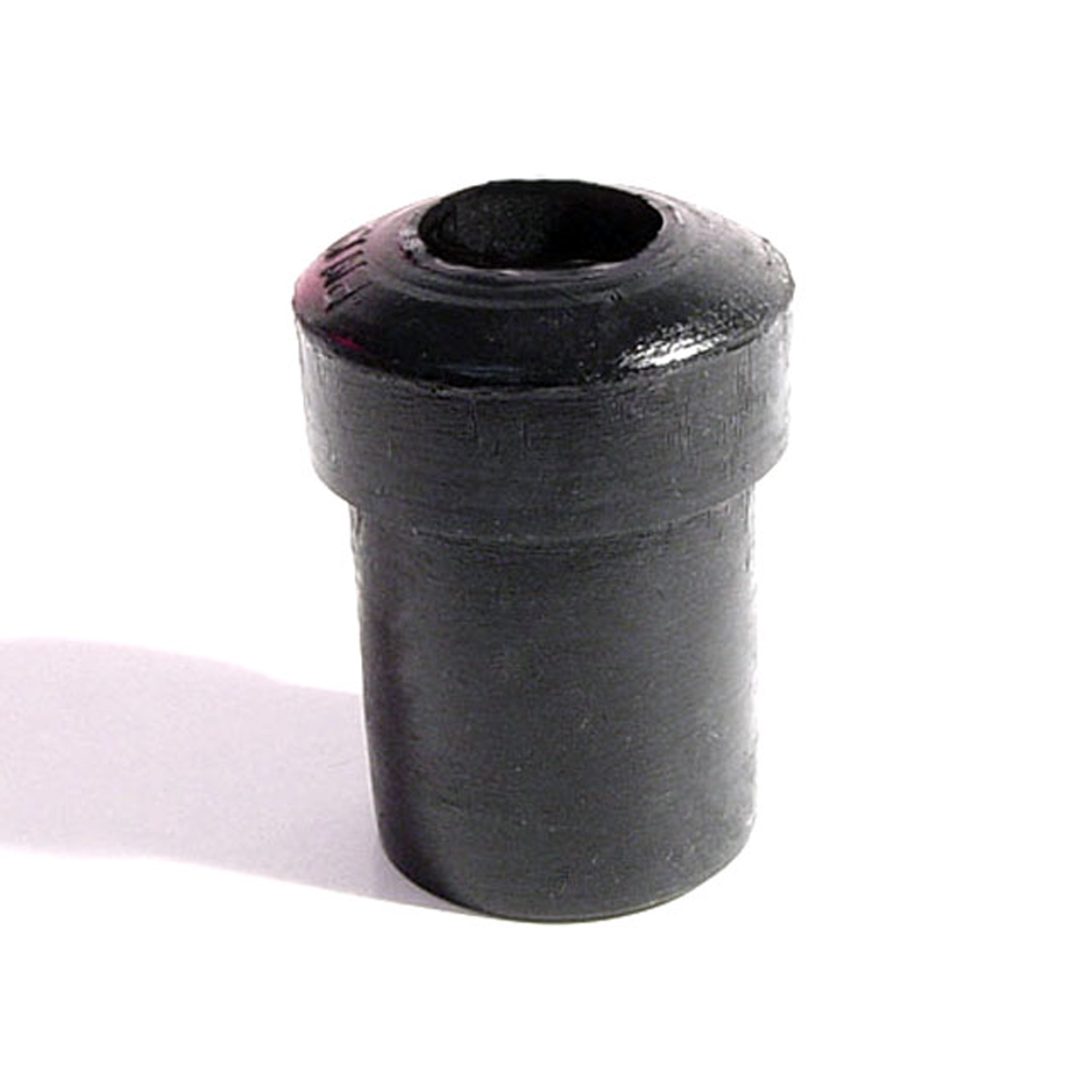 1958 Ford Sunliner Spring and Shackle Bushing. 7/8" bottom O.D-BN 19Spring and Shackle Bushing. 7/8" bottom O.D. X 1-1/4" high, with 1/2" I.D. Each
 1958 Ford Sunliner Front Stabilizer Bar Bushings. Four used per car-BN 32Front Stabilizer Bar Bushings. Four used per car. 1-3/4" long X 1-5/16" wide X 1-9/16" high, with 5/8" hole. Pair
 1958 Ford Sunliner Door, Hood and Trunk Bumper Cap for adjustment bolt-HA 6Door, Hood and Trunk Bumper Cap for adjustment bolt. 1-1/16" O.D. X 1/2" I.D. X 7/16" thick. Each
 1958 Ford Sunliner Hood Bumper. Each-HF 1Hood Bumper. Each
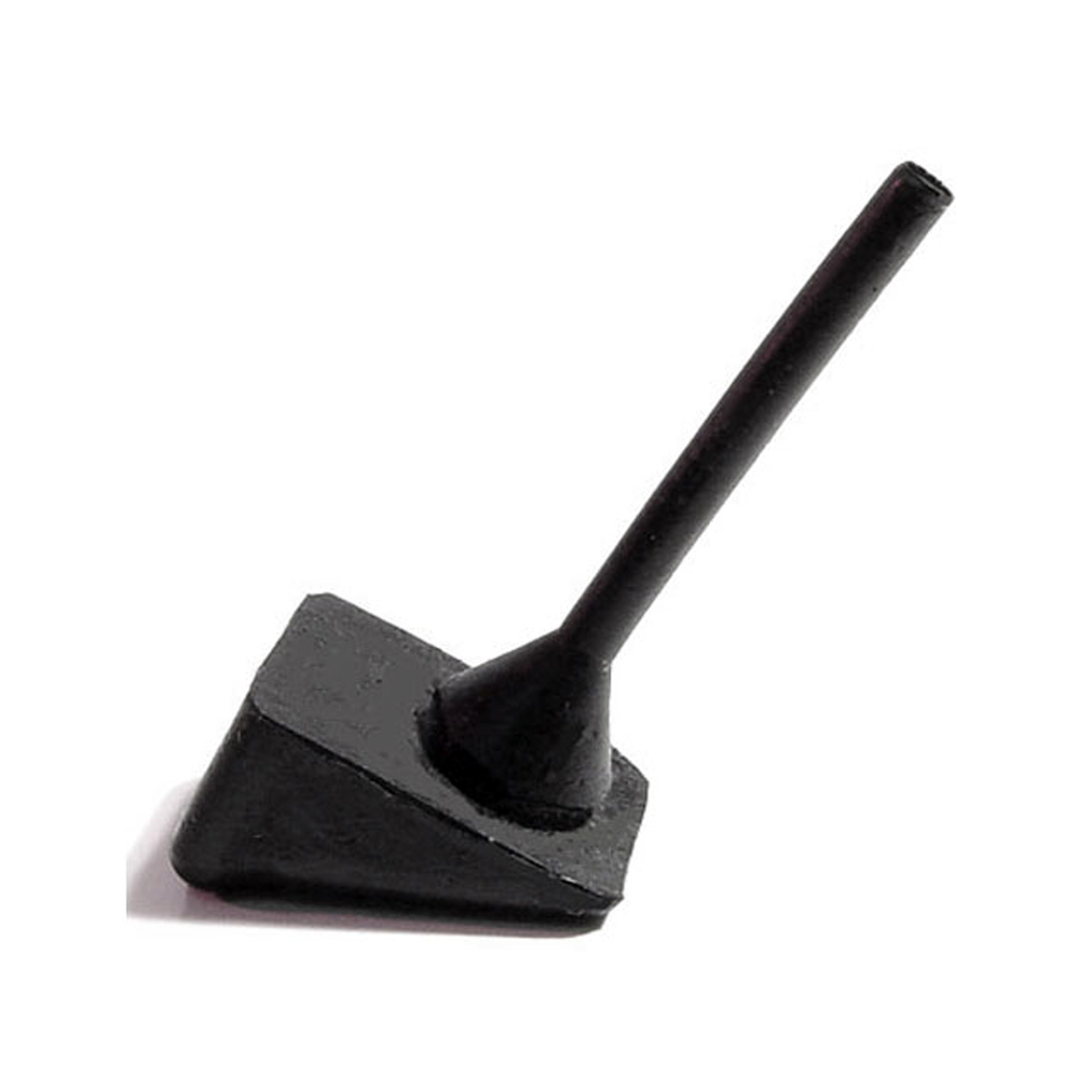 1958 Ford Sunliner Hood Bumper. Each-HF 8Hood Bumper. Each
 1958 Ford Sunliner Door Handle Pads. 2-3/4" long & 1-5/8" long. Set R&L-MP 739Door Handle Pads. 2-3/4" long & 1-5/8" long. Set R&L
 1958 Ford Sunliner Antenna Pad. 1-1/4" wide X 3-5/8" long. Each-MP 780-DAntenna Pad. 1-1/4" wide X 3-5/8" long. Each
 1958 Ford Sunliner Hood Ornament Gasket. 28" long. Each-MP 800-CHood Ornament Gasket. 28" long. Each
 1958 Ford Sunliner Auxiliary Door Seals. Pair-RP 202Auxiliary Door Seals. Pair
 1958 Ford Sunliner Convertible Top Seals-RR 3300Convertible Top Seals. Complete 6-piece set includes right and left sides.
 1958 Ford Sunliner Front Fender Lower Rear Plug and Door Vent Adjustment Plug-SB 58-AFront Fender Lower Rear Plug and Door Vent Adjustment Plug. Fits 1-5/16" hole. Each
 1958 Ford Sunliner Trunk Seal. Each-TK 42-18Trunk Seal. Each
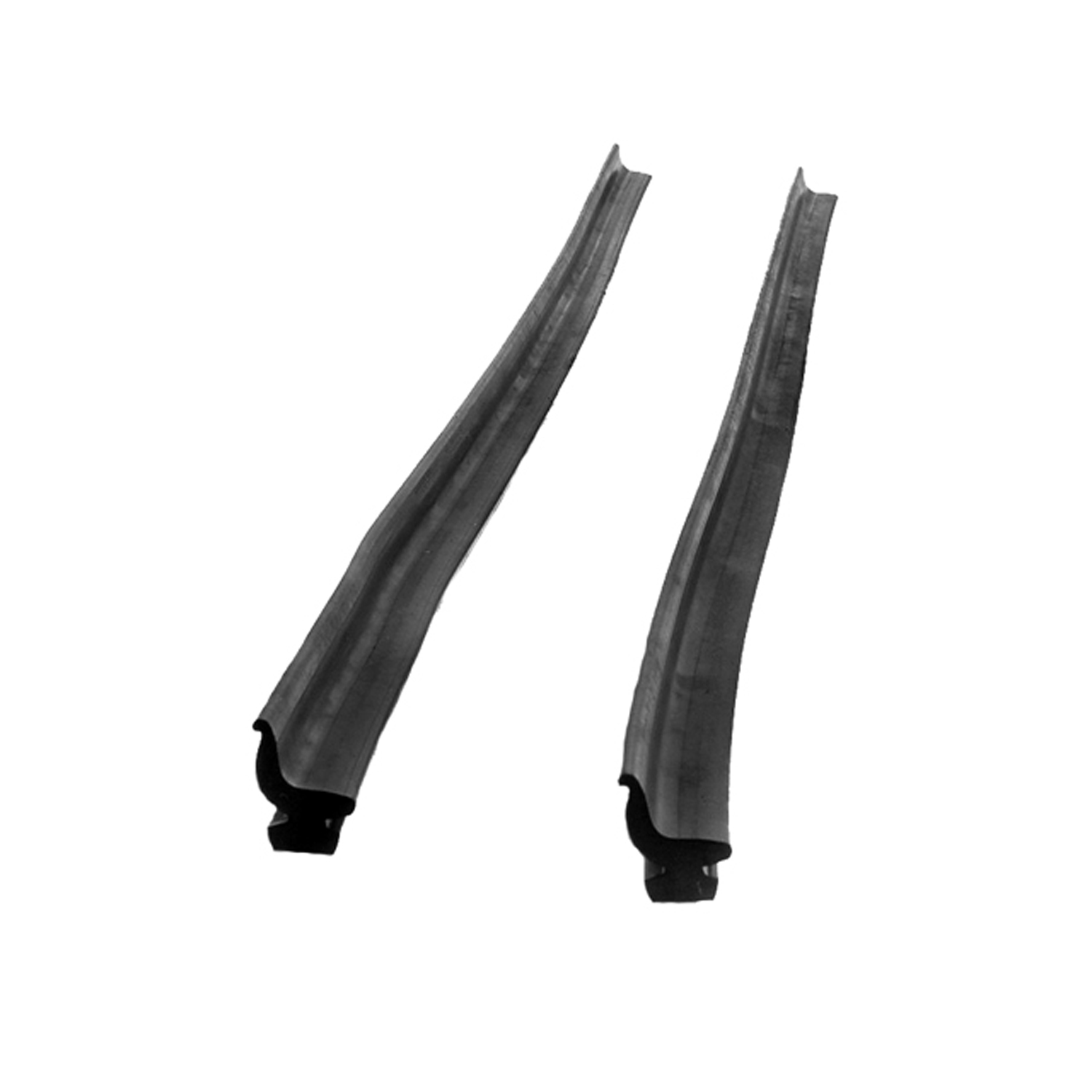 1958 Ford Sunliner Rear roll-up Seal. Two 18" sections sliced into metal track-VS 4Rear roll-up Seal. Two 18" sections sliced into metal track. this foot with no steel insert. Pair
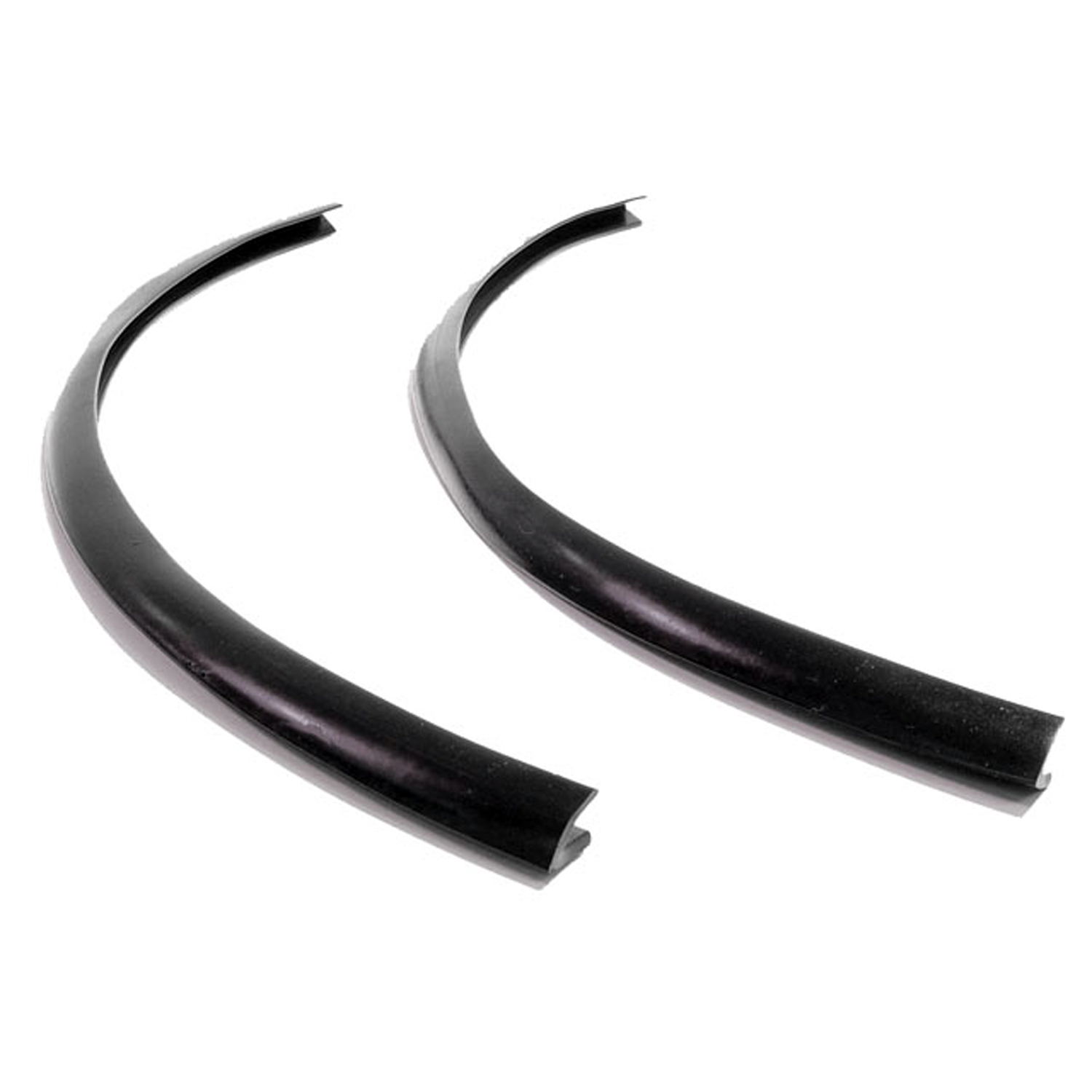 1958 Ford Sunliner Vertical Seals for Vent Window. Each piece is 17" long-VS 6Vertical Seals for Vent Window. Each piece is 17" long. Pair
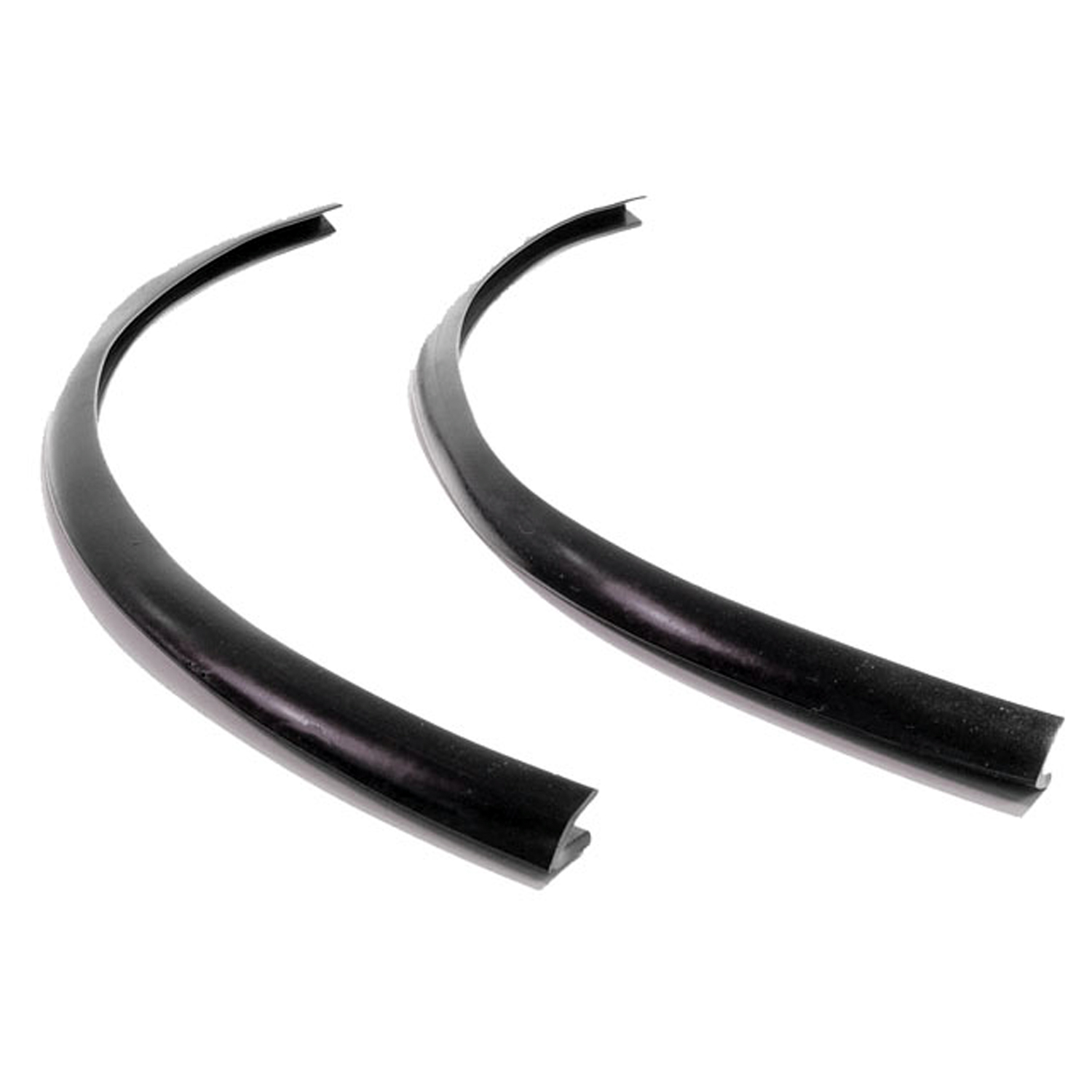 1958 Ford Sunliner Vertical Seal for Vent Window. Sold by the foot.-VS 6/FTVertical Seal for Vent Window. Sold by the foot.
 1958 Ford Sunliner Rigid division-bar channel-WC 28-96Rigid division-bar channel. Made with stainless steel bead, heavy steel core and pile lining. 96 in. long. Each. NOTE: $20 special shipping charge applies for domestic orders. Call or email for overseas shipping costs. Part can be sectioned in two or three equal lengths to reduce overseas shipping costs.
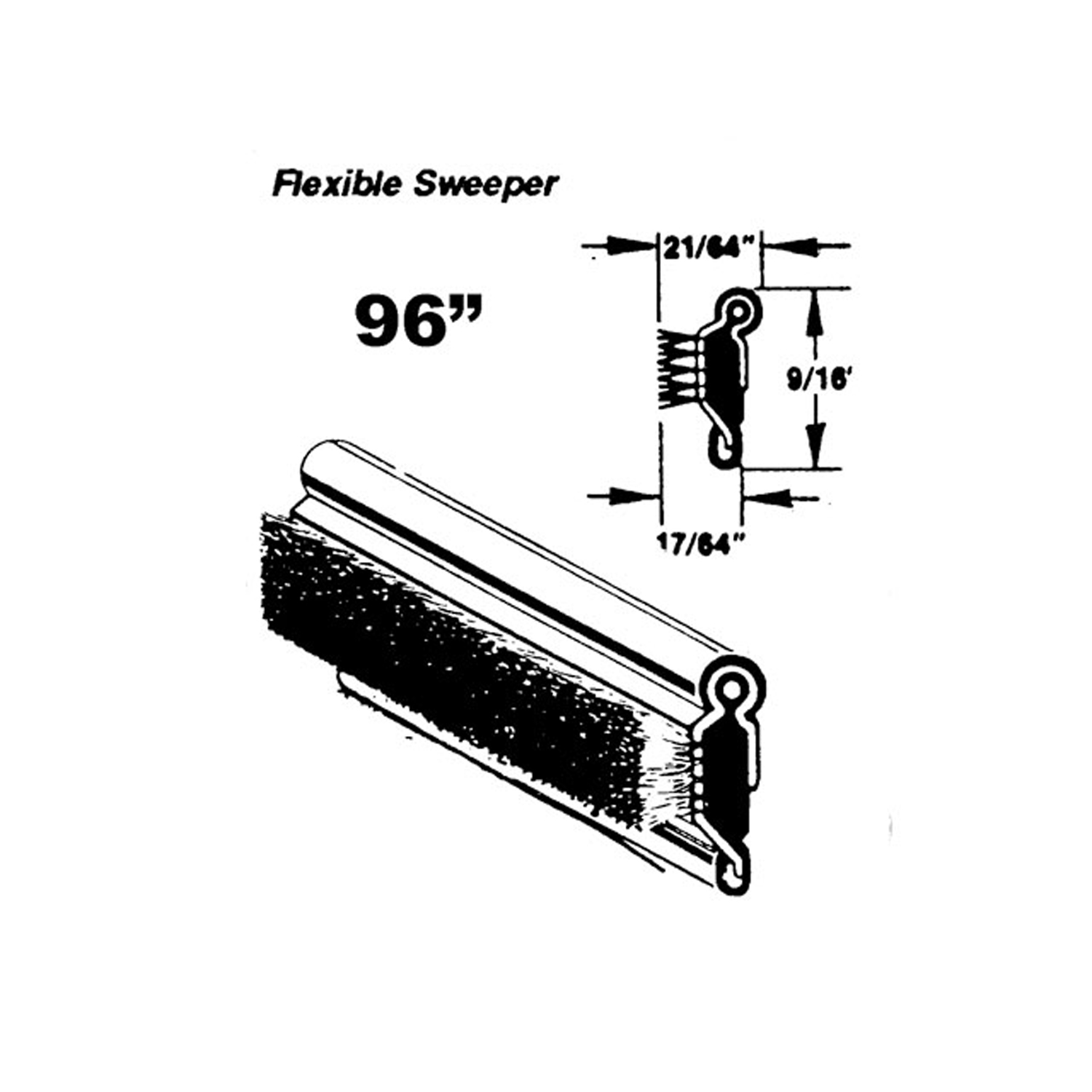 1958 Ford Sunliner Flexible window sweeper. Made with stainless steel bead-WC 7-96Flexible window sweeper. Made with stainless steel bead. 96 in. long. Each. NOTE: $20 special shipping charge applies for domestic orders. Call or email for overseas shipping costs. Part can be sectioned in two or three equal lengths to reduce overseas shipping costs.
Why Choose Metro?
For over 100 years, Metro Moulded Parts has been the pinnacle of quality in classic car restoration parts. Our commitment to precision and authenticity in every component ensures a perfect fit and an OEM-level appearance.
- Expert Craftsmanship & Quality: Each part is a testament to our dedication to reliability and perfection, crafted from original designs and thoroughly tested.
- Advanced Technology: We use cutting-edge techniques to create flawless, long-lasting parts that surpass others in performance.
- SuperSoft Sponge – The Ultimate Door Seal: Not only are our door seals 30% softer than competitors', but they're also guaranteed to never leak. They effectively reduce wind and road noise, enhancing your classic car's comfort and driving experience.
- Proudly American: Our parts are a product of American craftsmanship, made in the USA with a spirit of excellence and heritage.
- Unrivaled Warranty: We back our products with a 30-year industry-leading warranty, a testament to our confidence in their quality.
Join us in preserving the legacy of classic cars with parts that are crafted for perfection, not just made.