

Image of 1959 Ford Galaxie, Note: These illustrations use artistic license and may differ from actual historical models.
Performance Metrics
Fundamental Metrics
Emotional Appeal
MMP Rating
| Engine Specifications | |
|---|---|
| Engine: | 223 CID (3.7L) OHV I6, 292 CID (4.8L) Y-block V8, 332 CID (5.4L) FE V8, 352 CID (5.8L) FE V8 |
| Displacement: | 223-352 CID (3.7-5.8L) |
| Horsepower: | 145-300 hp |
| Torque: | 212-381 lb-ft |
| Compression Ratio: | 8.9:1 - 10.2:1 |
| Ignition System: | Conventional breaker-point ignition system |
| Cooling System: | Liquid-cooled |
| Performance Specifications | |
| 0-60 Time: | 10-12 seconds |
| 1/4 Mile Time: | 17-19 seconds |
| Top Speed: | 105-115 mph |
| Transmission and Drive | |
| Drive Type: | Rear-wheel drive |
| Transmission Type: | 3-speed manual, 3-speed automatic, 2-speed automatic |
| Fuel and Efficiency | |
| Fuel System Type: | Carburetor |
| MPG: | 10-15 mpg |
| Dimensions and Brakes | |
| Brakes: | Drum brakes |
| Wheelbase: | 118 inches |
| Weight: | 3,400-3,800 lbs |
Note: Specifications for classic cars are given to the best of our ability, considering the limited and variant data available.
1959 Ford Galaxie: Ford’s Space-Age Full-Size Star
The 1959 Ford Galaxie brought tailfins, generous chrome, and a distinctly optimistic mood to America’s highways. Built by Ford Motor Company as its new top-trim full-size series, the Galaxie arrived when automakers were competing to make family cars look futuristic and feel more luxurious. It blended the room and comfort buyers expected from a big Ford with styling that seemed ready for the Space Age.
The name was no accident. “Galaxie” tapped into the public fascination with rockets, satellites, and the emerging space race. A memorable feature of the 1959 model year was the continued availability of Ford’s retractable hardtop, the Skyliner. At the touch of a switch, its elaborate roof folded into the trunk, turning a closed car into an open-air cruiser. It remains one of the most eye-catching pieces of production-car engineering from the era.
Chrome, Fins, and a Distinctive Roofline
The 1959 Galaxie wore the dramatic styling that defined late-1950s American cars, but with its own recognizable details. A broad front grille sat between paired headlights, while bright trim emphasized the car’s long, low profile. At the rear, sculpted fins and prominent taillights gave the body a sense of motion even when parked. The overall look was bold rather than restrained, designed to stand out in a crowded driveway or dealership lot.
Inside, the Galaxie offered a wide bench seat and a spacious cabin suited to family travel. Depending on trim and equipment, upholstery combined cloth and vinyl, with bright metal accents and a large steering wheel framing the driver’s view. The cabin was not built to modern luxury-car standards, but its materials and generous dimensions made it feel substantial. Buyers could add conveniences such as power steering, power brakes, power windows, power seats, air conditioning, and an automatic transmission. Seat belts were available, although they were not yet standard equipment across the industry.
Ford offered the Galaxie in several full-size body styles, including two- and four-door sedans and hardtops, as well as the Sunliner convertible and Skyliner retractable hardtop. The regular hardtops made practical, stylish cruisers, while the Sunliner appealed to open-top enthusiasts. The Skyliner was the lineup’s engineering showpiece: its complex roof mechanism made it unusually striking, though it also took up much of the trunk space when stowed.
Paint choices varied by trim and production period, with period colors ranging from restrained whites, grays, and blues to vivid reds, greens, and two-tone combinations. Buyers often chose contrasting roof colors or trim treatments to emphasize the car’s long profile. Restorers should verify paint combinations against factory information, since not every color was available on every body style or at every point in the model year.
Engines and 1959 Ford Technology
The Galaxie’s engine range gave buyers a choice between economical everyday power and considerably more muscle. Depending on configuration, the lineup included Ford’s 223-cubic-inch Mileage Maker six-cylinder and several V8 options, including 292-, 332-, 352-, and 430-cubic-inch engines. Exact horsepower varied with engine version and equipment. At the high end, the 430-cubic-inch V8 was a substantial powerplant for a family car of the period.
Transmission choices included a three-speed manual and Ford-O-Matic automatic, with availability depending on engine and body style. Power steering and power brakes were popular options that made the Galaxie easier to manage in town. These features were not exotic by 1959, but they helped make a large car more comfortable for everyday use. The Skyliner’s electrically operated, multi-piece retractable roof was the standout technical feature, relying on a system of motors, switches, and moving panels that still fascinates enthusiasts.
Why the Galaxie Mattered
The 1959 Galaxie captured a turning point in American automotive design. It carried forward the fins and chrome of the late 1950s, but Ford’s full-size cars were also moving toward a cleaner, more integrated look. That balance makes the model a useful snapshot of the era: optimistic and flamboyant, yet still rooted in practical family-car engineering.
It also helped establish the Galaxie name as one of Ford’s most important full-size badges. The name would become closely associated with performance and stock-car racing in the 1960s, especially as later Galaxies competed in NASCAR. The 1959 model itself is less famous as a racing icon than those later cars, but it laid the groundwork for a name that would become familiar to fans of both road cars and American motorsport.
Against contemporaries such as Chevrolet’s Impala and Plymouth’s Fury, the Galaxie competed on size, styling, comfort, and a wide range of powertrains. Its distinctive roof treatments and especially the Skyliner’s retractable top gave Ford a memorable talking point. The car’s lasting influence is less about a single mechanical breakthrough than about how it combined mass-market production with high-profile design and an ambitious optional feature.
How a 1959 Galaxie Drives
Performance depends heavily on the engine, transmission, axle ratio, and the car’s current condition. Period road-test results vary, and modern figures for surviving cars are best treated as estimates. A six-cylinder or smaller V8 Galaxie may take roughly 12 to 16 seconds to reach 60 mph, while a well-tuned, larger-engine example can make the run in around 9 to 12 seconds. Top speed also varies, but a healthy V8 car may reach approximately 105 to 120 mph under suitable conditions. These are not modern measured guarantees, and a car’s age, tires, and mechanical state matter greatly.
On the road, the Galaxie feels broad, heavy, and relaxed. Its soft suspension smooths out ordinary pavement and makes long, straight drives comfortable. Large bumps can produce noticeable body movement, while winding roads remind the driver that this is a substantial late-1950s car, not a modern sports sedan. Crosswinds and uneven surfaces call for a measured hand on the wheel, particularly if the suspension or steering components are worn.
The driving experience is part of its appeal. The V8 gives off a deep, unhurried rumble, and the automatic transmission encourages steady cruising rather than aggressive gear changes. The bench seat, large wheel, and long hood put the driver in a commanding position. A well-maintained example feels dignified and surprisingly pleasant on open roads, though it needs more space to maneuver and park than a contemporary car.
Living With a Galaxie
Today, most 1959 Galaxies serve as weekend cruisers, show cars, parade vehicles, or restoration projects. Some owners do use them regularly, but their size, fuel consumption, drum brakes on many configurations, and lack of modern safety features make them less practical as everyday transportation. Adding modern seat belts, carefully chosen radial tires, or discreet brake improvements can make a classic more usable, but modifications should be planned with the car’s character and safety in mind.
Routine maintenance is generally approachable for a mechanically confident owner. The carburetor, ignition, brakes, cooling system, and suspension use familiar vintage-car hardware, and many service parts remain available through specialist suppliers. Rust repair and trim restoration are often more challenging than basic mechanical work. Buyers should inspect the frame, floors, body mounts, lower quarters, trunk, and areas around the windshield and rear window. Skyliner models require special attention to the roof mechanism, wiring, switches, and trunk area, since repairs can be complex and costly.
Reliability depends less on the Galaxie’s reputation than on the quality of its restoration and maintenance. A properly sorted example can be dependable for local trips, but age-related electrical issues, leaks, cooling problems, and worn steering parts are common concerns. A pre-purchase inspection by someone familiar with 1950s Fords is money well spent.
Galaxie Trivia and Common Complaints
The Skyliner is the headline curiosity of the 1959 range. Ford offered its retractable hardtop from 1957 through 1959, making 1959 the final model year for this especially ambitious version. Its roof mechanism is a show-stopping feature, but the trade-off is a cramped trunk when the top is folded away and a system that demands careful maintenance.
Another piece of trivia is the Galaxie name itself, which fit the period’s fascination with space and futuristic technology. The model also belongs to the broader story of Ford’s growing performance reputation: later Galaxies became important NASCAR competitors, giving the badge a second life beyond family motoring.
Common criticisms include substantial fuel consumption from the larger V8s, limited rearward visibility on some body styles, and the maintenance burden of aging power accessories. The Skyliner’s complexity is both its greatest party trick and its most frequent ownership caveat. Like many cars of the period, the Galaxie also lacks the crash protection and braking performance expected of modern vehicles.
1959 Ford Galaxie Values and Rarity
Production totals are reported differently across model and body-style breakdowns, and figures can depend on whether related Ford series are grouped together. A reasonable broad estimate is that several hundred thousand Galaxie-series cars were built for 1959, with the total varying by how the production records are categorized. Ordinary sedans and hardtops are far easier to find than well-preserved convertibles or Skyliners.
As a general U.S. market estimate, a project car may sell for roughly $5,000 to $12,000. A usable driver in decent condition might bring $12,000 to $25,000, while a clean, well-restored standard Galaxie can fall in the $25,000 to $50,000 range. Exceptional restorations, desirable engine combinations, convertibles, and especially Skyliners can exceed those figures, sometimes reaching $60,000 to more than $100,000. These are broad estimates, not a formal appraisal; originality, documentation, condition, and local demand make a major difference.
Values have generally been supported by the car’s striking styling and growing interest in 1950s American classics, but the market is selective. Top-quality, rare, and well-documented examples tend to hold their appeal, while ordinary cars needing extensive rust or mechanical work can be harder to sell. As with most classics, restoration costs may exceed the final market value, so buyers should choose a car they genuinely enjoy rather than treating every Galaxie as a guaranteed investment.
A Lasting American Classic
The 1959 Ford Galaxie combined spacious full-size comfort with dramatic late-1950s styling, a wide range of engines, and one of the period’s most memorable options in the Skyliner retractable hardtop. It was practical enough to serve as family transportation, yet distinctive enough to turn heads decades later. For classic-car fans, the Galaxie remains a rolling piece of the Space Age: big, bold, and unmistakably Ford.
1959 Ford Galaxie Catalog of Parts
 1959 Ford Galaxie Shock Absorber Grommet. 1-1/4" bottom O.D., 1" high-BN 12Shock Absorber Grommet. 1-1/4" bottom O.D., 1" high., with 3/4" I.D. Each
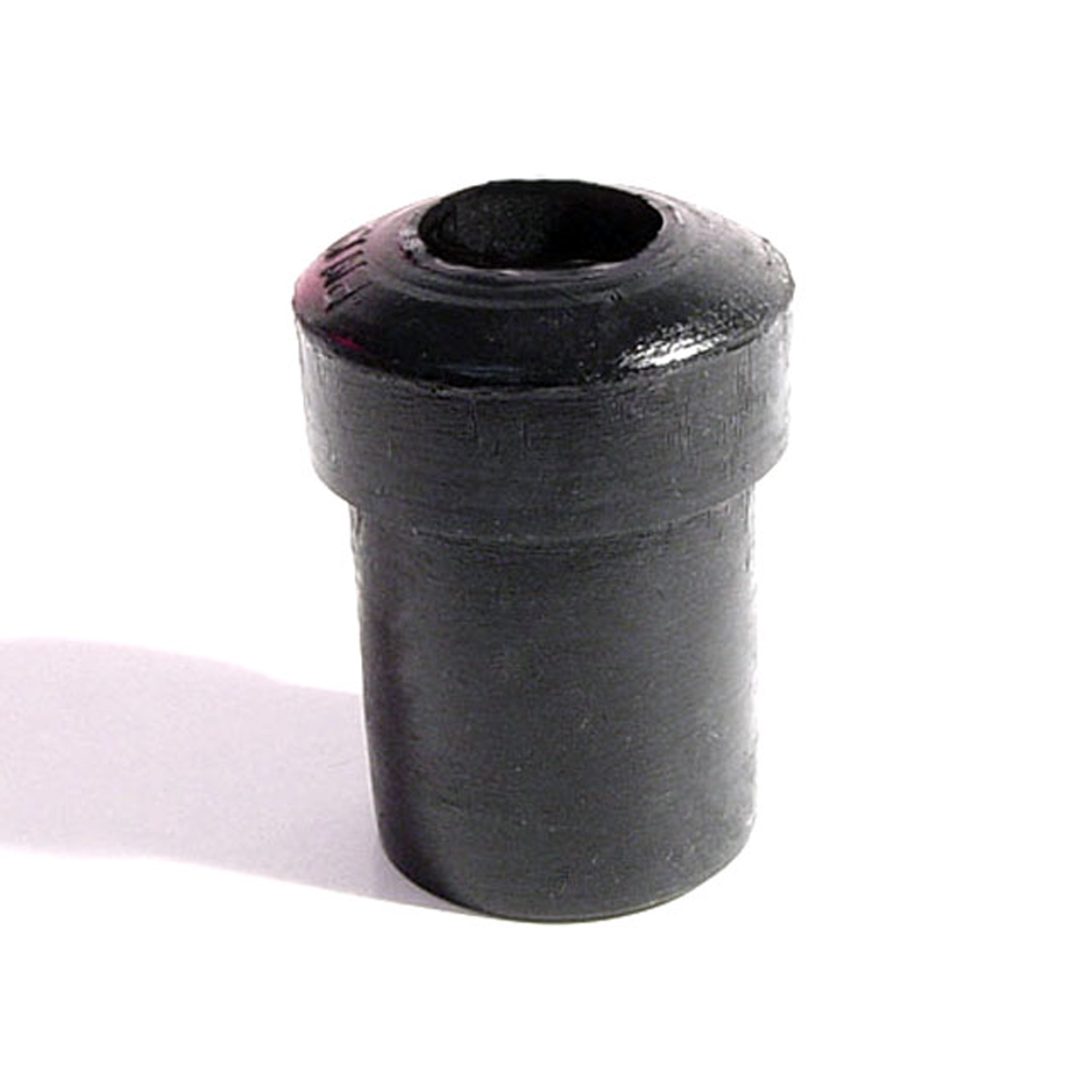 1959 Ford Galaxie Spring and Shackle Bushing. 7/8" bottom O.D-BN 19Spring and Shackle Bushing. 7/8" bottom O.D. X 1-1/4" high, with 1/2" I.D. Each
 1959 Ford Galaxie Front Stabilizer Bar Bushings. Four used per car-BN 32Front Stabilizer Bar Bushings. Four used per car. 1-3/4" long X 1-5/16" wide X 1-9/16" high, with 5/8" hole. Pair
 1959 Ford Galaxie Front stabilizer bar to frame bushings-BN 32-FFront stabilizer bar to frame bushings, '59-'66 Ford and Mercury passenger car, station wagon and sedan delivery models, pair. Replaces OEM # B9A-5493-B.
 1959 Ford Galaxie Door, Hood and Trunk Bumper Cap for adjustment bolt-HA 6Door, Hood and Trunk Bumper Cap for adjustment bolt. 1-1/16" O.D. X 1/2" I.D. X 7/16" thick. Each
 1959 Ford Galaxie Hood Bumper. Each-HF 1Hood Bumper. Each
 1959 Ford Galaxie Hood Bumper. Made with steel core. Held by screw. Each-HF 40Hood Bumper. Made with steel core. Held by screw. Each
 1959 Ford Galaxie Antenna Pad. 1-1/4" wide X 3-5/8" long. Each-MP 780-DAntenna Pad. 1-1/4" wide X 3-5/8" long. Each
 1959 Ford Galaxie Tail-light Gaskets. 2-Pieces, 35" long. Pair-MP 800-BTail-light Gaskets. 2-Pieces, 35" long. Pair
 1959 Ford Galaxie Roof Rail Seals, Various 50's and 60's Era GM and Ford Models, 84" Long, Pair-RR 110-CRoof Rail Seals, Various 50's and 60's Era GM and Ford Models, 84" Long, Pair.
 1959 Ford Galaxie Trunk Lid Bumper. Two used per car. Each-SB 31Trunk Lid Bumper. Two used per car. Each
 1959 Ford Galaxie Front Fender Lower Rear Plug and Door Vent Adjustment Plug-SB 58-AFront Fender Lower Rear Plug and Door Vent Adjustment Plug. Fits 1-5/16" hole. Each
 1959 Ford Galaxie Trunk Seal. Each-TK 42-18Trunk Seal. Each
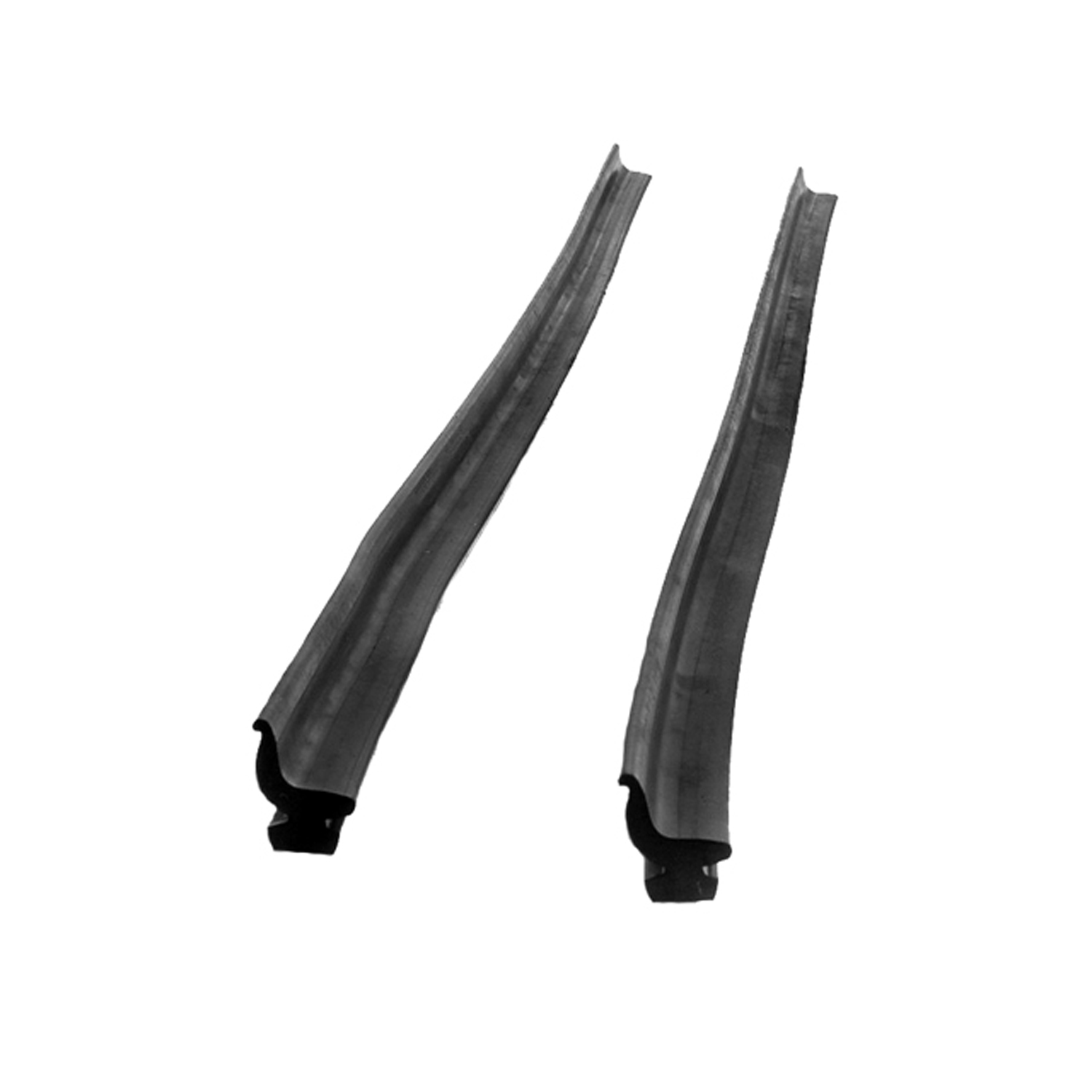 1959 Ford Galaxie Rear roll-up Seal. Two 18" sections sliced into metal track-VS 4Rear roll-up Seal. Two 18" sections sliced into metal track. this foot with no steel insert. Pair
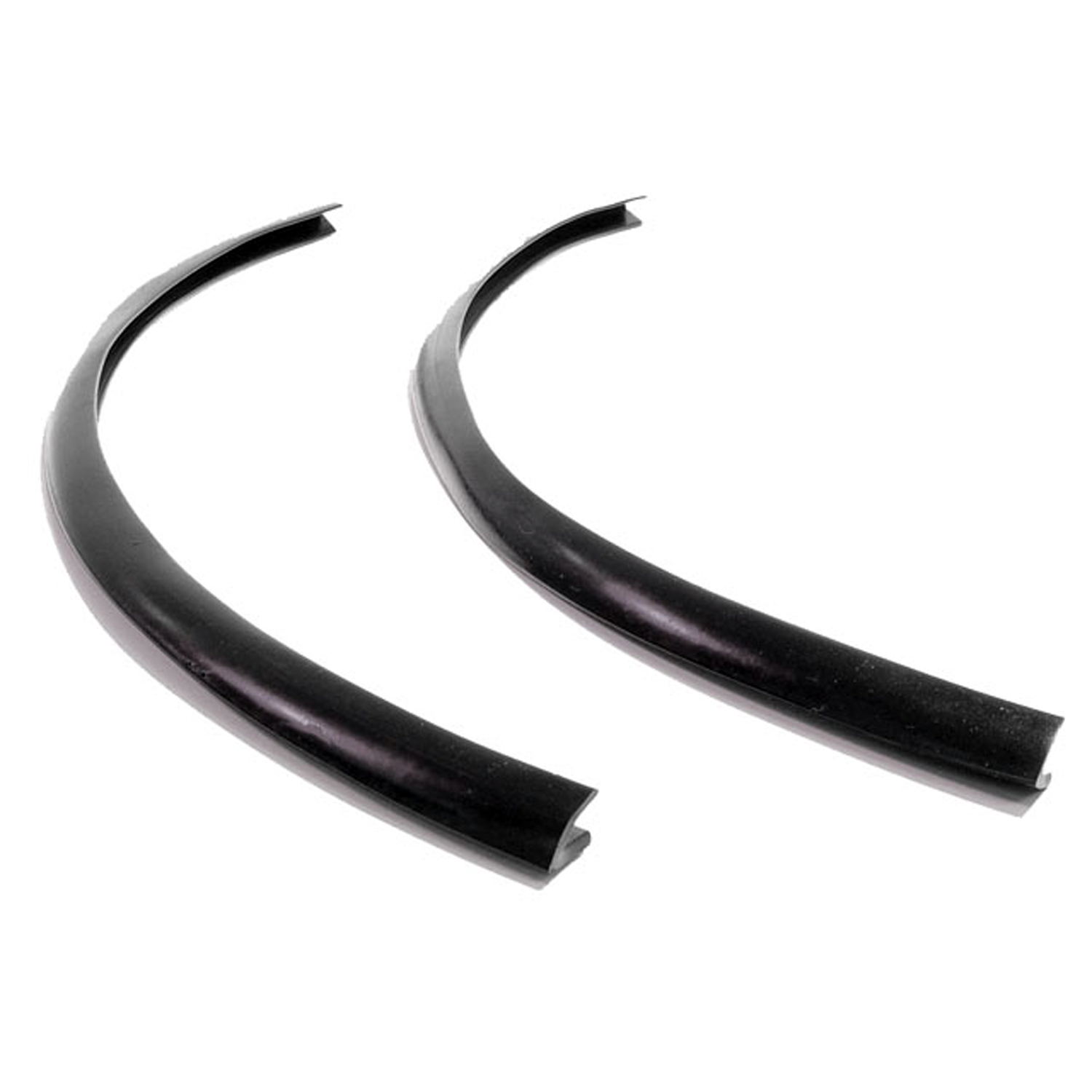 1959 Ford Galaxie Vertical Seals for Vent Window. Each piece is 17" long-VS 6Vertical Seals for Vent Window. Each piece is 17" long. Pair
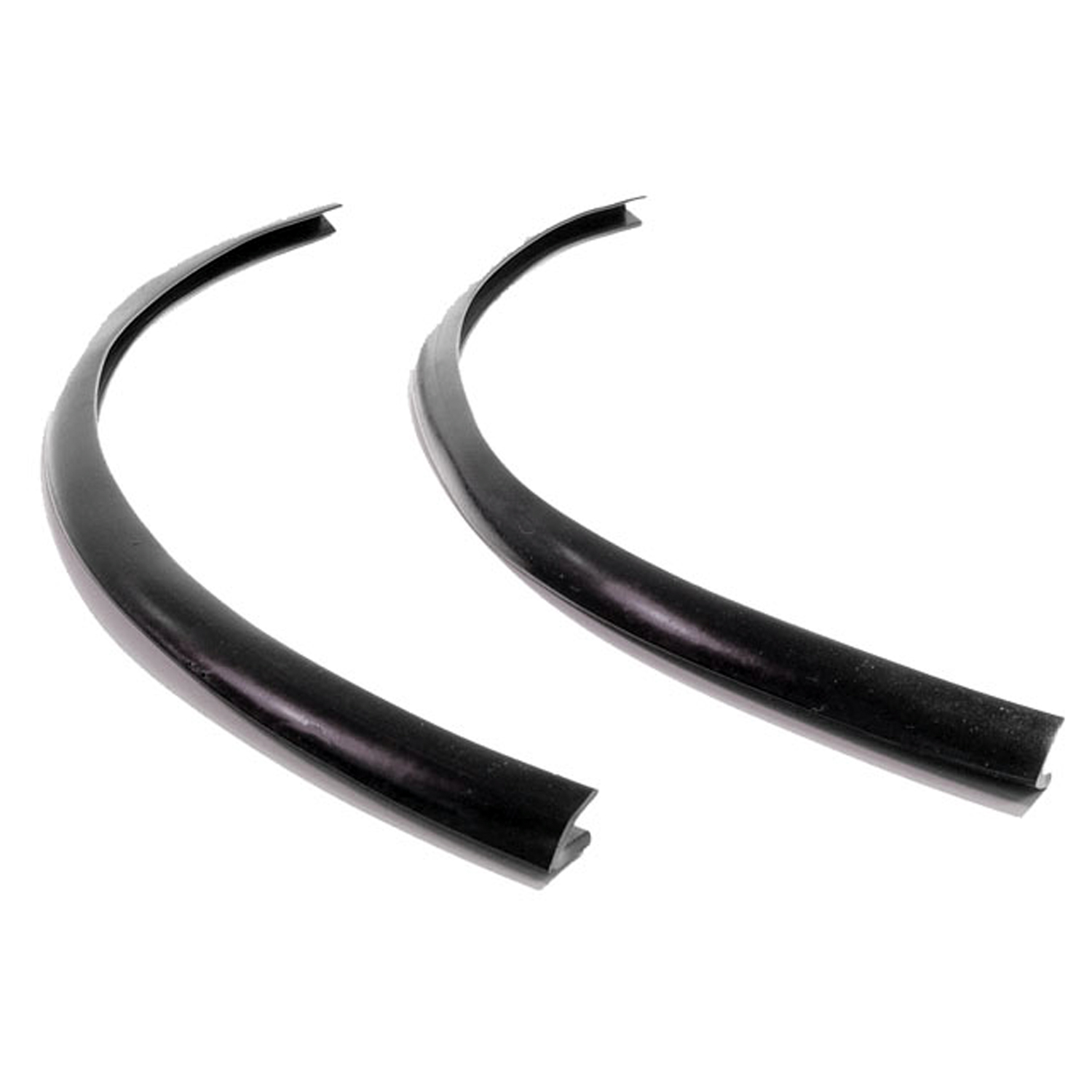 1959 Ford Galaxie Vertical Seal for Vent Window. Sold by the foot.-VS 6/FTVertical Seal for Vent Window. Sold by the foot.
 1959 Ford Galaxie Rigid division-bar channel-WC 28-96Rigid division-bar channel. Made with stainless steel bead, heavy steel core and pile lining. 96 in. long. Each. NOTE: $20 special shipping charge applies for domestic orders. Call or email for overseas shipping costs. Part can be sectioned in two or three equal lengths to reduce overseas shipping costs.
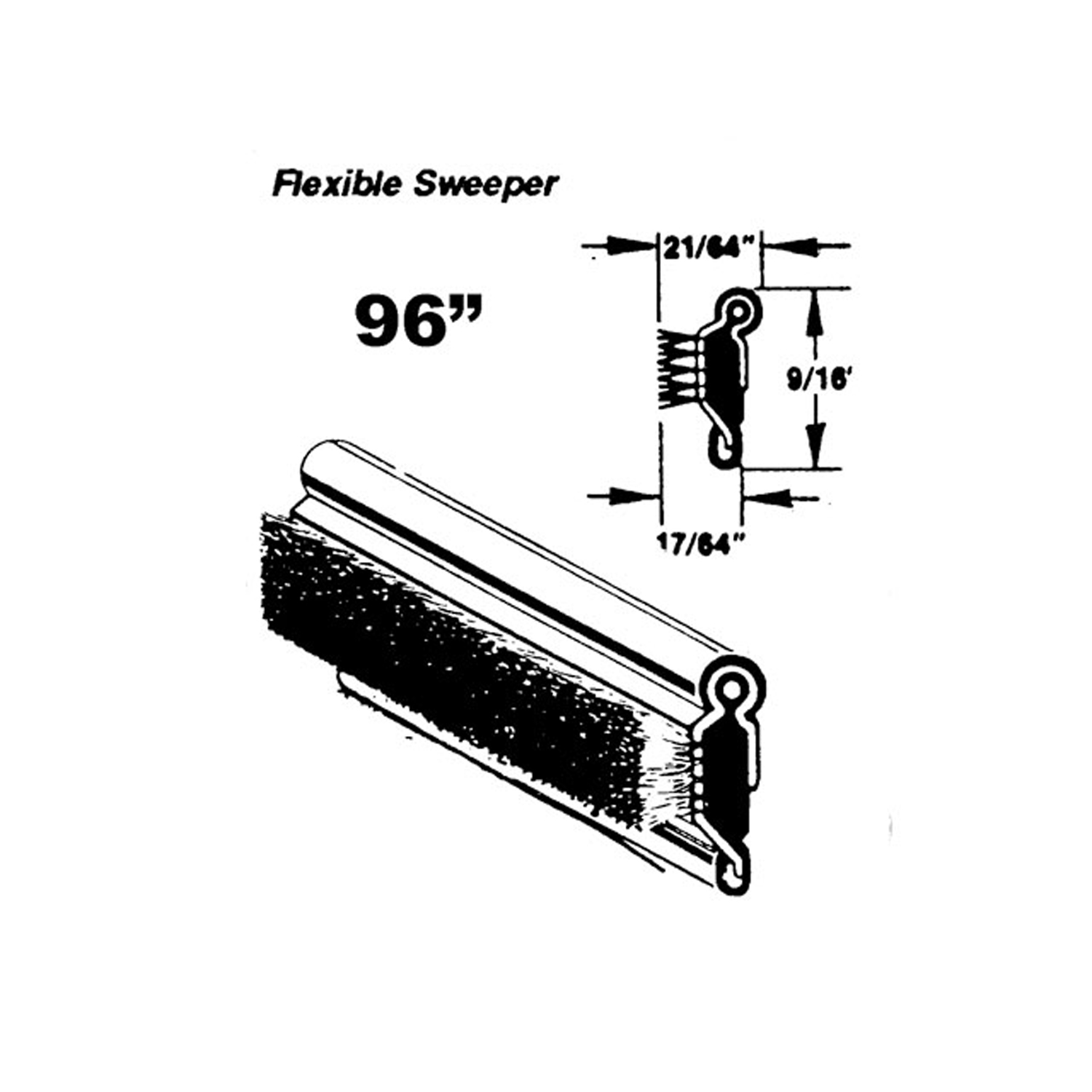 1959 Ford Galaxie Flexible window sweeper. Made with stainless steel bead-WC 7-96Flexible window sweeper. Made with stainless steel bead. 96 in. long. Each. NOTE: $20 special shipping charge applies for domestic orders. Call or email for overseas shipping costs. Part can be sectioned in two or three equal lengths to reduce overseas shipping costs.
Why Choose Metro?
For over 100 years, Metro Moulded Parts has been the pinnacle of quality in classic car restoration parts. Our commitment to precision and authenticity in every component ensures a perfect fit and an OEM-level appearance.
- Expert Craftsmanship & Quality: Each part is a testament to our dedication to reliability and perfection, crafted from original designs and thoroughly tested.
- Advanced Technology: We use cutting-edge techniques to create flawless, long-lasting parts that surpass others in performance.
- SuperSoft Sponge – The Ultimate Door Seal: Not only are our door seals 30% softer than competitors', but they're also guaranteed to never leak. They effectively reduce wind and road noise, enhancing your classic car's comfort and driving experience.
- Proudly American: Our parts are a product of American craftsmanship, made in the USA with a spirit of excellence and heritage.
- Unrivaled Warranty: We back our products with a 30-year industry-leading warranty, a testament to our confidence in their quality.
Join us in preserving the legacy of classic cars with parts that are crafted for perfection, not just made.