

Image of 1970 Ford Country Squire, Note: These illustrations use artistic license and may differ from actual historical models.
Performance Metrics
Fundamental Metrics
Emotional Appeal
MMP Rating
| Engine Specifications | |
|---|---|
| Engine Options: | 351 cu in (5.8 L) Windsor V8, 400 cu in (6.6 L) Cleveland V8, 429 cu in (7.0 L) 385 V8 |
| Displacement Range: | 351-429 cu in (5.8-7.0 L) |
| Horsepower Range: | 250-360 hp |
| Torque: | 355-480 lb-ft |
| Compression Ratio: | 9.0:1 - 10.5:1 |
| Ignition System: | Conventional breaker-point ignition system |
| Cooling System: | Liquid-cooled |
| Performance Specifications | |
| 0-60 Time: | 10-12 seconds |
| 1/4 Mile Time: | 17-19 seconds |
| Top Speed: | 115-125 mph |
| Transmission and Drive | |
| Drive Type: | Rear-wheel drive |
| Transmission Type: | 3-speed automatic, 4-speed manual |
| Fuel and Efficiency | |
| Fuel System Type: | Carburetor |
| MPG: | 10-12 mpg |
| Dimensions and Brakes | |
| Brakes: | Front disc, rear drum |
| Wheelbase: | 119.0 in |
| Weight: | 4,500 lbs |
Note: Specifications for classic cars are given to the best of our ability, considering the limited and variant data available.
1970 Ford Country Squire: The Full-Size Family Wagon
The 1970 Ford Country Squire turned the family road trip into a full-size affair, with room for up to nine, a powerful V8 lineup, and woodgrain sides that made it one of America’s most recognizable station wagons. Built by Ford Motor Company as its top-trim full-size wagon, the Country Squire combined practical cargo space with the comfort and polish of a large passenger car.
Its roots reached back to the early postwar years, when station wagons were evolving from practical utility vehicles into stylish family transport. By 1970, the Country Squire was a familiar sight on suburban streets and long-distance highways. One of its cleverest features was the Ford “Magic Doorgate,” a two-way tailgate that could open downward like a pickup gate or swing outward like a door. That flexibility made loading groceries, luggage, and bulky cargo easier.
Woodgrain Style and Wagon Design
The Country Squire’s long, straight body was designed to look substantial and elegant. A broad grille, formal roofline, large glass areas, and long rear quarters gave it the classic proportions of a full-size American Ford. Its signature woodgrain-look side panels were decorative vinyl appliqués, not real wood, but they delivered the traditional wagon look without the upkeep of timber bodywork.
Inside, the Squire was more comfortable than its utilitarian appearance suggested. Depending on trim and options, buyers could get cloth or vinyl upholstery, carpeting, woodgrain-style interior accents, and a wide front bench seat. The cabin was designed for easy family use, with ample legroom and broad windows that helped keep the large interior bright. Power steering, power brakes, air conditioning, power windows, and an AM radio were among the available conveniences. Exact equipment varied by car, so original window stickers and build records are useful when assessing an example.
The Country Squire came as a four-door station wagon, with six- and nine-passenger seating configurations. The six-passenger version used two rows of seats. The nine-passenger layout added a rear-facing third-row seat, a memorable feature for children and a practical way to carry a larger family. Most examples wore the familiar woodgrain trim, while the paint beneath it could be ordered in a range of Ford colors. White, blue, green, and other period shades complemented the wood-look panels particularly well.
At the back, the Magic Doorgate gave the wagon genuine versatility. Its power-operated rear window could be lowered into the tailgate, allowing passengers to open the rear for ventilation or load long items with the gate lowered. The arrangement was clever, though the window motor, switches, and tailgate hardware are components worth checking on a surviving car.
Why the Country Squire Mattered
The 1970 Country Squire represents the mature, pre-downsizing American station wagon. It offered the space of a utility vehicle while retaining the road manners and passenger-car comforts buyers expected from a Ford. Its design also helped define the upscale family wagon: practical enough for everyday duties, but finished to feel like a premium choice.
The simulated woodgrain was central to that image. It connected the modern steel-bodied wagon to the earlier tradition of wood-bodied station wagons, while avoiding the cost and maintenance of genuine wood. Ford’s two-way tailgate likewise showed how a family vehicle could be designed around everyday convenience, not merely passenger capacity. The Squire’s formula influenced the way later wagons balanced cargo access, comfort, and visual distinction.
Its timing is significant, too. The Country Squire belonged to an era when large V8 wagons were still mainstream family transport. The fuel crisis and changing tastes of the 1970s would soon put greater pressure on heavy, thirsty vehicles. In that sense, the 1970 model captures the confident, spacious end of the classic American wagon era.
V8 Performance and Road Manners
Ford offered the Country Squire with a selection of V8 engines. The 302-cubic-inch V8 served as an entry point, while larger 351-, 390-, and 429-cubic-inch engines were available in various configurations. Ratings and availability depended on the specific engine and equipment, and period horsepower figures used the old gross-rating system, which is not directly comparable with modern net horsepower ratings. Many Squires were paired with Ford’s Cruise-O-Matic automatic transmission.
Performance depended heavily on the engine, axle gearing, passenger load, and condition of the car. As a broad period-style estimate, a healthy 390-powered example might reach 60 mph in roughly 10 to 12 seconds, while a larger-engine car could be quicker. Top speed could be around 110 to 120 mph under suitable conditions, but the Country Squire was built for comfortable cruising, not high-speed competition. These are estimates rather than guaranteed factory figures for every configuration.
On the road, the Squire feels every bit as large as it looks. Its long wheelbase and substantial weight help it glide over ordinary bumps, while the soft suspension favors comfort over sharp cornering. On a winding road, body lean and its considerable size encourage a relaxed pace. Crosswinds, narrow parking spaces, and tight city streets demand attention, but on an open highway the wagon settles into an easy, steady stride.
The V8 supplies a deep, unhurried rumble, especially under acceleration. The driver sits behind a broad hood, works a large steering wheel, and gets the kind of expansive view associated with big American cars of the period. With power steering and a well-maintained suspension, it can feel surprisingly manageable, though it never disguises its bulk.
Living With a 1970 Country Squire
Today, Country Squires are used as weekend cruisers, family event cars, show vehicles, and distinctive road-trip machines. They are not commonly chosen for racing, and their size and fuel consumption make them less convenient as modern daily drivers. A well-sorted example, however, can still handle occasional commuting or long-distance touring.
Mechanical repairs are generally approachable for an owner familiar with older American cars. Ford V8s and many shared chassis components have strong parts support, and the roomy engine bay makes routine work less cramped than it is on many modern vehicles. Age-related issues matter more than the model’s basic mechanical complexity. Inspect for rust in the floors, frame, lower body, and tailgate area; check that the rear window and Magic Doorgate operate correctly; and look closely at the condition of the woodgrain appliqué, weatherstripping, brakes, and suspension.
Fuel economy is a common criticism. A heavy full-size wagon with a carbureted V8 is no economy car, particularly in city driving or with a large-displacement engine. Other complaints include the vehicle’s wide footprint, the effort required to park it, and the cost of restoring faded woodgrain or worn interior trim. These trade-offs come with the space and character that make the car appealing in the first place.
Country Squire Trivia
The woodgrain siding is one of the most famous examples of a car using a material imitation to create a distinctive identity. It was vinyl, but buyers generally wanted the traditional wagon appearance rather than actual wood construction. The rear-facing third row is another period hallmark, giving passengers a view out the back and making the nine-passenger Squire a genuine people hauler.
The Magic Doorgate’s two-way operation is a particularly useful piece of Ford engineering. It let the tailgate work as either a conventional drop-down gate or a side-hinged door, depending on the job. On an old car, though, the mechanism is only a fun feature if it still works properly.
The Country Squire was not a record-setting performance car, and there is no widely recognized 1970 Squire speed or endurance record that defines the model. Nor is there a single celebrity-owned 1970 example that dominates its history. Its claim to fame is more everyday and arguably more important: it became part of the scenery of American family life, from holiday travel to school runs and weekend errands.
Collector Values and Rarity
Exact production totals for the 1970 Country Squire can be difficult to confirm consistently, so a reasonable estimate is roughly 25,000 to 35,000 cars. That makes it uncommon today, especially in good condition, but not necessarily rare in the sense of a limited-production performance model. Many wagons lived hard working lives, and rust, accidents, and years of outdoor storage have reduced the number of survivors.
As a general 2026 market guide, a project car or rough driver might sell for about $4,000 to $9,000. A usable, presentable example may bring roughly $10,000 to $20,000, while a well-restored or highly original car can reach $20,000 to $35,000 or more. Exceptional examples with strong documentation and desirable equipment can exceed that range, but condition, originality, engine, region, and the quality of the restoration all matter. These are broad estimates, not a formal appraisal.
Interest in classic wagons has grown as collectors look beyond muscle cars and convertibles, and clean Country Squires can attract strong attention. Values have generally firmed up for attractive, usable examples, but the market remains selective. A rough car can be expensive to restore, particularly if its woodgrain, trim, tailgate hardware, or interior needs extensive work. Buy the condition and documentation, not just the nostalgia.
A Classic Ford With Room to Spare
The 1970 Ford Country Squire brought together full-size comfort, V8 power, flexible seating, and a distinctive woodgrain look. Its spacious cabin and clever Magic Doorgate made it a capable family wagon, while its size and fuel appetite remind modern owners of a very different automotive era. More than a big old Ford, it is a rolling snapshot of the years when American families expected one vehicle to carry everyone and everything.
For collectors, the Country Squire’s appeal is not about lap times or rarity alone. It is about the unmistakable sight of woodgrain sweeping down a long body, the sound of a V8 on the highway, and the practical ingenuity of a wagon built to make family travel part of the adventure.
1970 Ford Country Squire Catalog of Parts
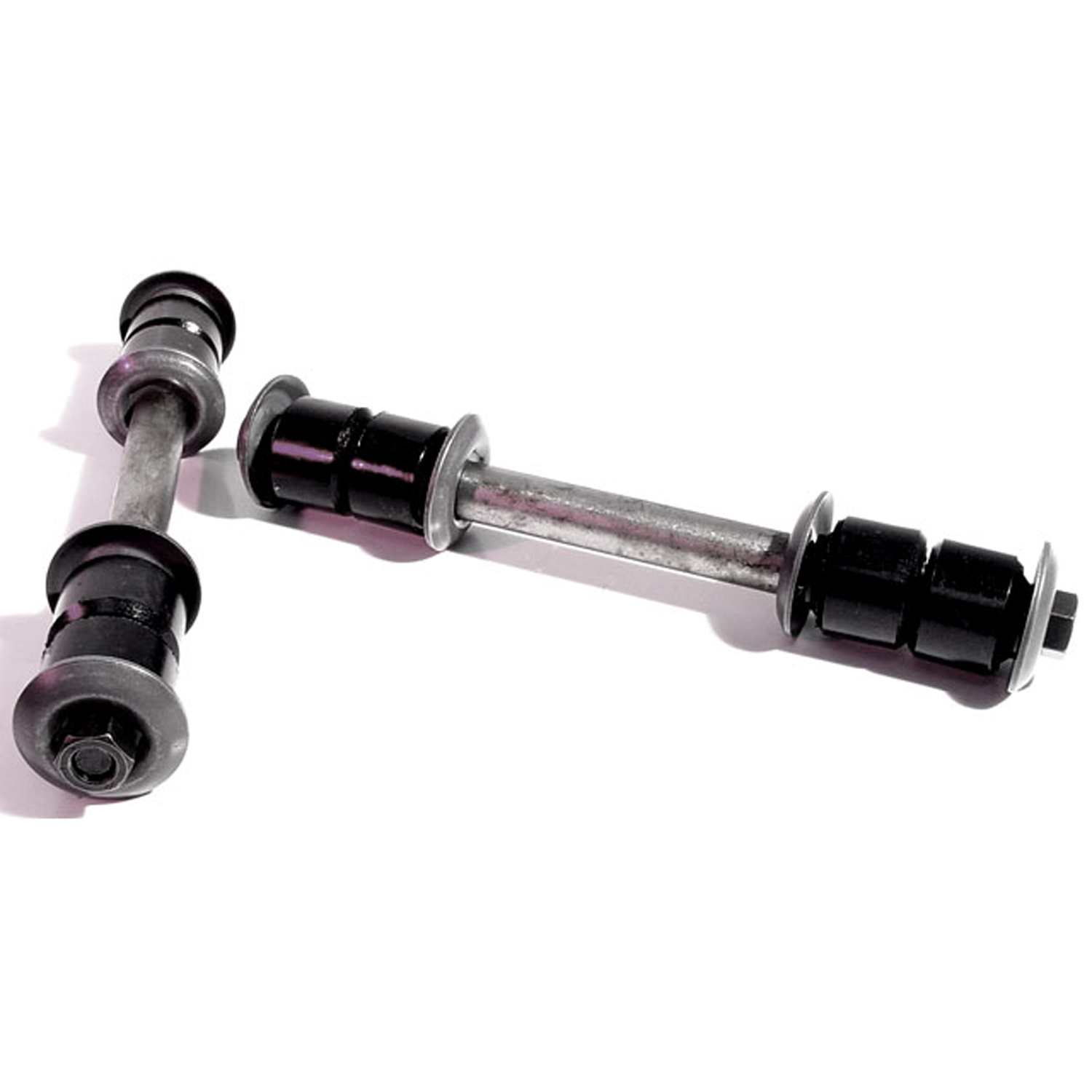 1970 Ford Country Squire Front Stabilizer End Repair Kit-BNK 21Front Stabilizer End Repair Kit. 22-piece set for two stabilizer bars. Contains all rubber bushings, washers, bolts and nuts, enough for one front end. Set
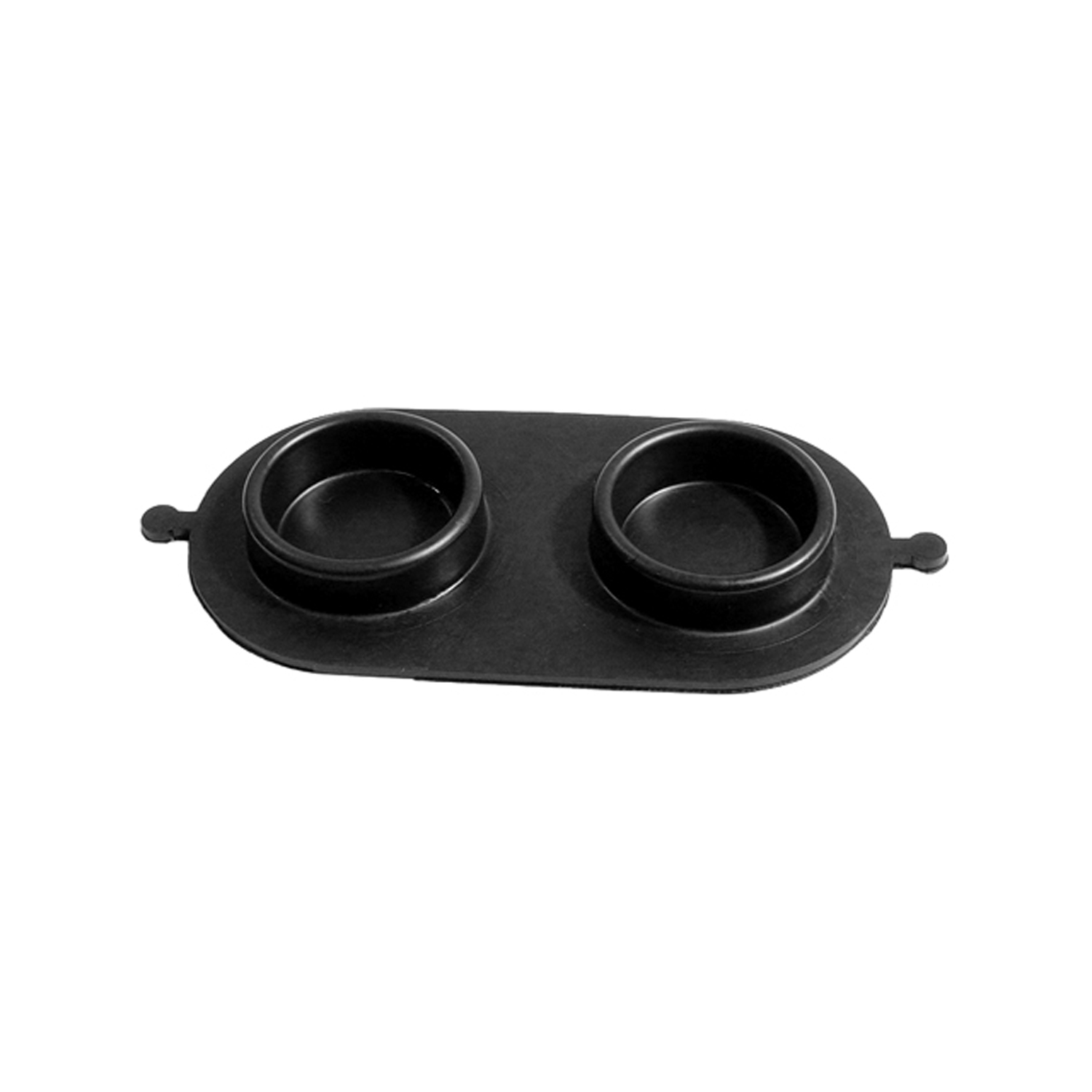 1970 Ford Country Squire Brake Master Cylinder Cover Seal. Replaces OEM #C7AZ2167-A-RP 2-BBrake Master Cylinder Cover Seal. Replaces OEM #C7AZ2167-A. Each
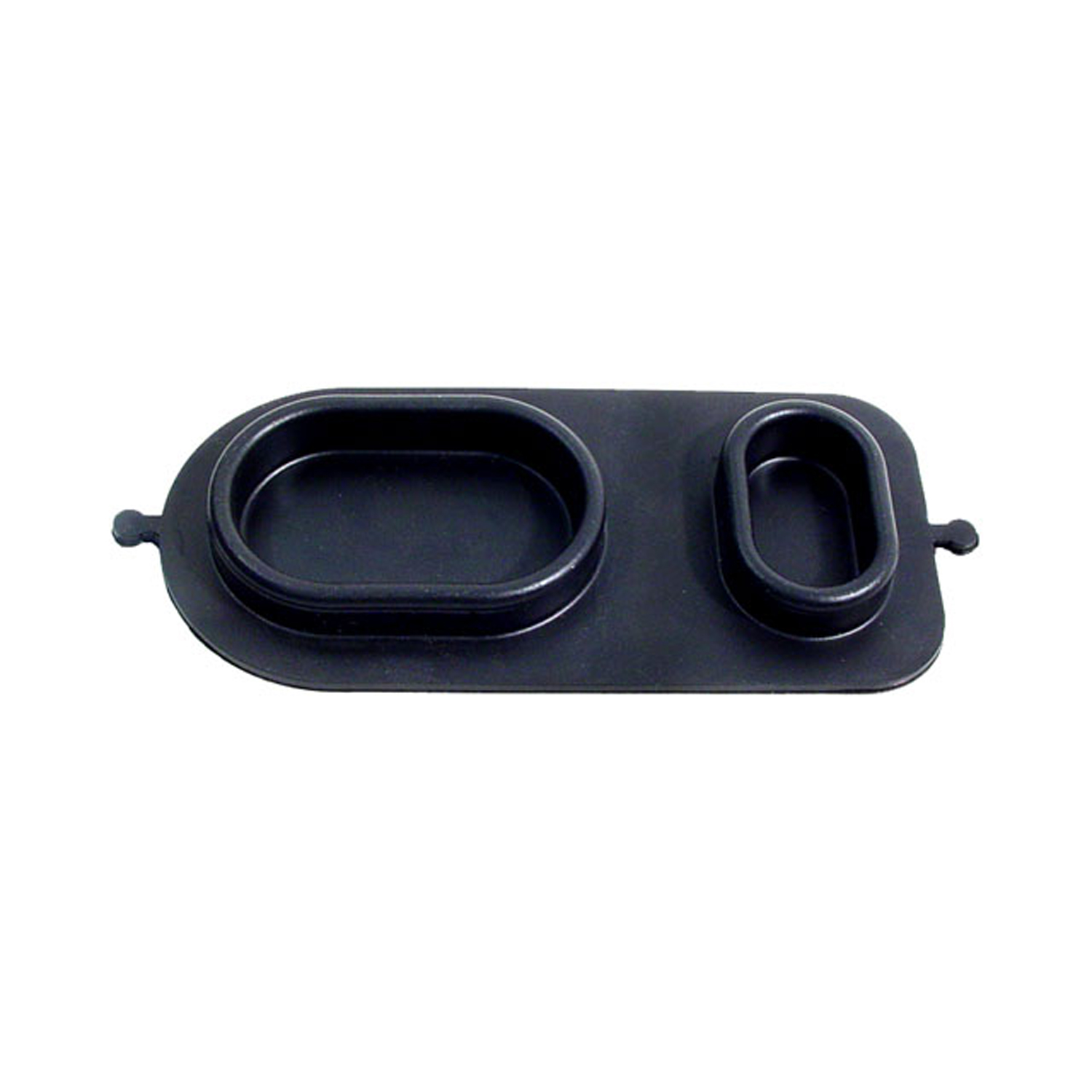 1970 Ford Country Squire Brake Master Cylinder Cover Seal. Replaces OEM #5470861-RP 2-CBrake Master Cylinder Cover Seal. Replaces OEM #5470861. 5-9/16" long, 2-5/8" wide. Each
Why Choose Metro?
For over 100 years, Metro Moulded Parts has been the pinnacle of quality in classic car restoration parts. Our commitment to precision and authenticity in every component ensures a perfect fit and an OEM-level appearance.
- Expert Craftsmanship & Quality: Each part is a testament to our dedication to reliability and perfection, crafted from original designs and thoroughly tested.
- Advanced Technology: We use cutting-edge techniques to create flawless, long-lasting parts that surpass others in performance.
- SuperSoft Sponge – The Ultimate Door Seal: Not only are our door seals 30% softer than competitors', but they're also guaranteed to never leak. They effectively reduce wind and road noise, enhancing your classic car's comfort and driving experience.
- Proudly American: Our parts are a product of American craftsmanship, made in the USA with a spirit of excellence and heritage.
- Unrivaled Warranty: We back our products with a 30-year industry-leading warranty, a testament to our confidence in their quality.
Join us in preserving the legacy of classic cars with parts that are crafted for perfection, not just made.