

Image of 1970 Ford Custom 500, Note: These illustrations use artistic license and may differ from actual historical models.
Performance Metrics
Fundamental Metrics
Emotional Appeal
MMP Rating
| Engine Specifications | |
|---|---|
| Engine: | 240 CID I6, 302 CID V8, 390 CID V8, 429 CID V8 |
| Displacement: | 240-429 cubic inches |
| Horsepower: | 130-360 hp |
| Torque: | 210-480 lb-ft |
| Compression Ratio: | 8.5:1 - 10.5:1 |
| Ignition System: | Conventional breaker-point ignition system |
| Cooling System: | Liquid-cooled |
| Performance Specifications | |
| 0-60 Time: | Estimated 8-10 seconds |
| 1/4 Mile Time: | Estimated 16-18 seconds |
| Top Speed: | 115-130 mph |
| Transmission and Drive | |
| Drive Type: | Rear-wheel drive |
| Transmission Type: | 3-speed manual, 3-speed automatic |
| Fuel and Efficiency | |
| Fuel System Type: | Carburetor |
| MPG: | Estimated 10-15 mpg |
| Dimensions and Brakes | |
| Brakes: | Front disc and rear drum brakes |
| Wheelbase: | 119 inches |
| Weight: | 3,500-4,000 lbs |
Note: Specifications for classic cars are given to the best of our ability, considering the limited and variant data available.
1970 Ford Custom 500: The Full-Size Ford That Kept It Simple
The 1970 Ford Custom 500 was a big, honest American sedan: roomy, sturdy and built to do its job without the bright trim and luxury extras of Ford’s pricier models. Made by the Ford Motor Company, it sat near the practical end of the company’s full-size lineup, below the Galaxie 500 and LTD. Its straightforward character made it a natural choice for families, businesses and government fleets, including police departments and taxi operators.
The Custom 500 arrived at a defining moment for American cars. Full-size vehicles were still popular, and buyers could choose everything from an economical six-cylinder to a powerful V8. At the same time, safety requirements and emissions controls were becoming more significant. The 1970 model belongs to the closing chapter of the pre-oil-crisis, big-car era, when a long hood, rear-wheel drive and generous bench seating still felt like the American default.
One appealing detail is that a plain-looking Custom 500 could be ordered with serious V8 power. While many were workaday sedans, some police-package and high-performance configurations used Ford’s large-displacement engines. The result was a car that could look like an ordinary fleet vehicle yet have the muscle to keep pace with much more glamorous machinery.
Exterior Design and Body Styles
Ford gave the 1970 full-size line a broad, squared-off presence. The Custom 500 wore a wide front grille, paired headlamps, a long hood and clean body sides. Its restrained brightwork helped distinguish it from more richly trimmed Galaxies and LTDs. The styling was formal rather than sporty, with a long roofline and a substantial rear end that made the car look planted even when parked.
The range included two-door and four-door sedans, along with a four-door station wagon in the broader Custom 500 family. Exact availability could vary by configuration and market. The four-door sedan was the most practical and is the version most closely associated with fleet and police use. Two-door sedans offered a slightly cleaner profile, while wagons added cargo space for family and work duties.
Ford offered the car in a broad factory palette that included white, red, blue, green, gold and other period colors. White and subdued shades were common on fleet cars, while brighter reds and blues made privately owned examples stand out. Today, original paint colors and combinations can add appeal, particularly when paired with a period-correct interior.
Cabin, Comfort and Period Technology
Inside, the Custom 500 emphasized durability and space over luxury. Buyers typically found simple door panels, straightforward controls and broad bench seating, with upholstery materials and trim depending on the selected interior package. Vinyl was a practical choice for fleet service, while cloth-and-vinyl combinations offered a more comfortable family-car feel. The cabin was wide enough to seat three across each bench, giving the sedan the generous passenger room expected of a full-size Ford.
Its technology was conventional for the time, but useful. Depending on specification, equipment could include power steering, power brakes, air conditioning, an automatic transmission and an AM radio. Ford’s body-on-frame construction and traditional rear-wheel-drive layout were familiar to mechanics and owners alike. The car also used an alternator-based electrical system, by then standard practice across much of the American market.
There was no need to learn a complicated driving interface. The controls were direct, visibility was generally good and the large hood made the car’s size obvious. The trade-off was that the Custom 500 felt basic beside a well-equipped LTD, especially in sound insulation, decorative trim and available comfort features.
Engines, Speed and Road Manners
Engine choices varied with body style, equipment and market. The range could include a 240-cubic-inch inline-six and V8s such as the 302, 390 and 429 cubic-inch engines. Not every engine was available in every configuration. Ford quoted horsepower using the gross-rating method then in use, so period figures are not directly comparable with modern net-horsepower ratings.
Performance depended heavily on the engine, transmission, axle ratio and vehicle weight. As a broad guide, a six-cylinder car might take roughly 13 to 16 seconds to reach 60 mph, while a small-block V8 version could be around 10 to 12 seconds. A well-equipped big-block car could manage approximately 8 to 10 seconds. Estimated top speed ranges from about 90 mph for a lower-powered car to roughly 110 to 120 mph for a powerful V8 configuration. These are configuration-based estimates, not a single factory figure for every Custom 500, and a vintage car should never be pushed to its theoretical maximum without appropriate tires and a thorough mechanical inspection.
On the road, the Custom 500 was tuned for comfort rather than corner-carving. Its independent front suspension and rear leaf springs softened ordinary road imperfections, and the long wheelbase helped it settle into a relaxed highway stride. Over broken pavement, it could float or bounce more than a modern car, particularly if its shocks, springs or bushings were worn. On winding roads, the car’s size, body roll and relatively slow steering called for patience. It was happiest making steady progress, not darting through tight turns.
From behind the wheel, the experience is classic full-size Ford: a wide bench, a long view over the hood and an unhurried feel at cruising speed. A six-cylinder sounds restrained, while a V8 adds the familiar low rumble that becomes more pronounced under acceleration. Power steering, when fitted, makes parking manageable, though the car still feels large in close quarters. The Custom 500 rewards smooth inputs and relaxed driving.
Why the Custom 500 Mattered
The Custom 500 did not introduce a groundbreaking suspension system or set a new styling trend. Its significance was more practical. It gave Ford buyers a full-size, rear-wheel-drive car without requiring them to pay for the extra trim and luxury features of the higher-priced models. That made it useful to households watching their budgets and to fleets buying cars in quantity.
Its traditional construction also reflected an important strength of the American full-size formula. A separate frame, familiar mechanical components and a spacious cabin suited the demands of police work, taxi service and long-distance family travel. In that sense, the Custom 500 was not a design revolution; it was a well-established design made accessible and adaptable. It competed in spirit with basic full-size offerings such as the Chevrolet Biscayne and Plymouth Fury I.
The car’s lasting appeal comes from that combination of simplicity and scale. It represents an era when an entry-level model could still be a substantial automobile, and when a practical sedan could share its basic architecture with more powerful versions of the same full-size family.
Ownership, Repairs and Common Uses
Today, a 1970 Custom 500 may serve as a weekend cruiser, a family heirloom, a show car, a film or photography prop, or a restoration project. Some owners preserve the plain fleet look, while others build a sleeper-style car around a V8. Original police and taxi examples have particular character, but buyers should verify the history rather than assume that a former fleet car had a special engine or equipment package.
Routine mechanical work is generally approachable for an experienced home mechanic. The basic layout is familiar, and many service procedures are straightforward compared with those of a modern car. Replacement wear items and common drivetrain parts are often obtainable through classic Ford and general vintage-car suppliers. Body panels, interior pieces, trim and model-specific details can be more challenging, especially for a Custom 500 because it is less commonly restored than an LTD or Galaxie.
As with any car more than half a century old, condition matters more than reputation. Check the frame and floors for corrosion, inspect suspension and steering components, and look for leaks or overheating. Confirm that the brakes, tires and electrical system are safe before regular road use. A well-maintained Custom 500 can be dependable for classic-car outings, but it should not be expected to deliver modern fuel economy, braking distances or crash protection.
Fun Facts and Common Criticisms
The Custom 500’s practical trim made it a natural fleet candidate, and four-door versions were used in police and other government service. Police-package cars could have equipment and powertrain combinations beyond those of an ordinary retail sedan. That distinction matters to collectors: a genuine, documented police car is different from a standard Custom 500 that has simply received police-style parts.
There is no single headline speed or endurance record that defines the 1970 Custom 500. Its achievement was more everyday than spectacular: it served as a durable, adaptable full-size car for private owners and fleets. It also shares the visual language of countless period American sedans seen in news photographs, television and film, though an individual car’s appearance in a production should be confirmed rather than assumed.
Common criticisms are easy to understand. The car is large, thirsty by modern standards and less nimble than a compact or contemporary sedan. Entry-level interiors can feel plain, and old examples may suffer from rust, worn suspension or aging electrical components. Those drawbacks are part of the ownership equation, but they also explain why a sound, unmodified example feels so distinctive today.
Collector Value, Rarity and Availability
The Custom 500 is generally less sought after than a comparable LTD, a well-optioned Galaxie or a performance model. That makes it a relatively accessible entry into full-size Ford ownership, though truly clean cars are not easy to find. We estimate that production was probably in the tens of thousands, perhaps roughly 50,000 to 80,000 across the model range, but that is an informed estimate rather than a verified, model-specific production total. Surviving examples are scarcer than the original numbers suggest, especially in rust-free condition.
As a broad U.S. market guide in 2026, a project car may sell for around $2,000 to $5,000, while a running driver in usable condition could bring roughly $5,000 to $12,000. A clean, well-preserved or properly restored example may land in the $12,000 to $25,000 range. Exceptional cars, rare documented fleet or police examples, and big-block configurations can exceed that, sometimes reaching $25,000 to $35,000 or more. These are general estimates, not appraisals; originality, rust, documentation, drivetrain and local demand can move the price substantially.
Values have tended to be steadier than those of celebrated muscle cars. The Custom 500 is not a guaranteed investment, and ordinary examples may appreciate slowly or remain relatively affordable. Interest in honest, less-common classics has helped good survivors attract attention, but condition and provenance remain the main value drivers.
Why the 1970 Ford Custom 500 Still Deserves a Look
The 1970 Ford Custom 500 combined full-size comfort, straightforward engineering and a wide range of possible powertrains in a deliberately no-frills package. It was not the flashiest Ford of its era, but its usefulness was precisely the point. From a plain six-cylinder sedan to a powerful V8 fleet car, it captured the flexibility of the American full-size automobile at the end of its golden age.
For today’s enthusiast, the Custom 500 offers more than a big bench seat and a V8 rumble. It is a reminder that an everyday car can become a meaningful classic, especially when it tells the story of how people actually drove, worked and traveled.
1970 Ford Custom 500 Catalog of Parts
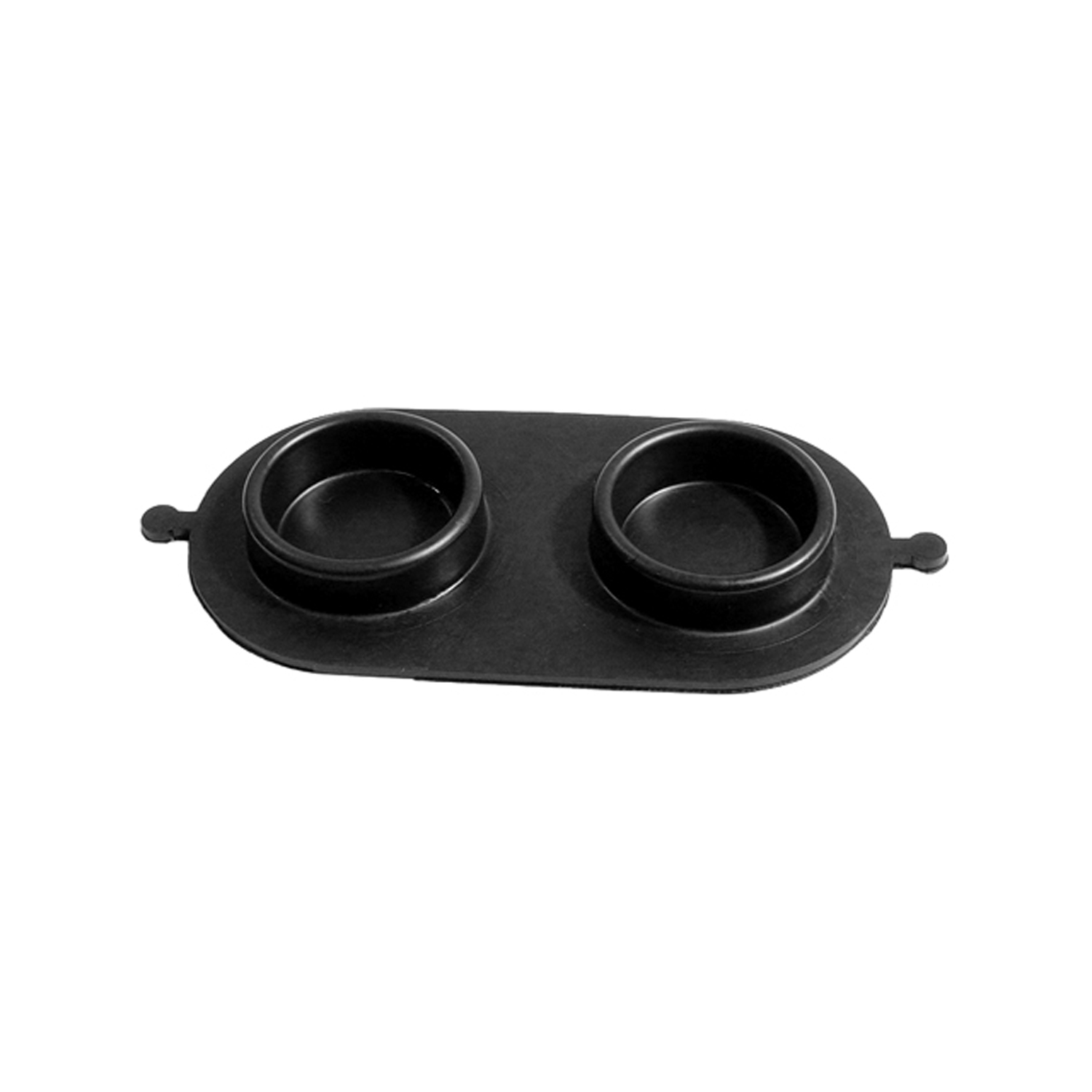 1970 Ford Custom 500 Brake Master Cylinder Cover Seal. Replaces OEM #C7AZ2167-A-RP 2-BBrake Master Cylinder Cover Seal. Replaces OEM #C7AZ2167-A. Each
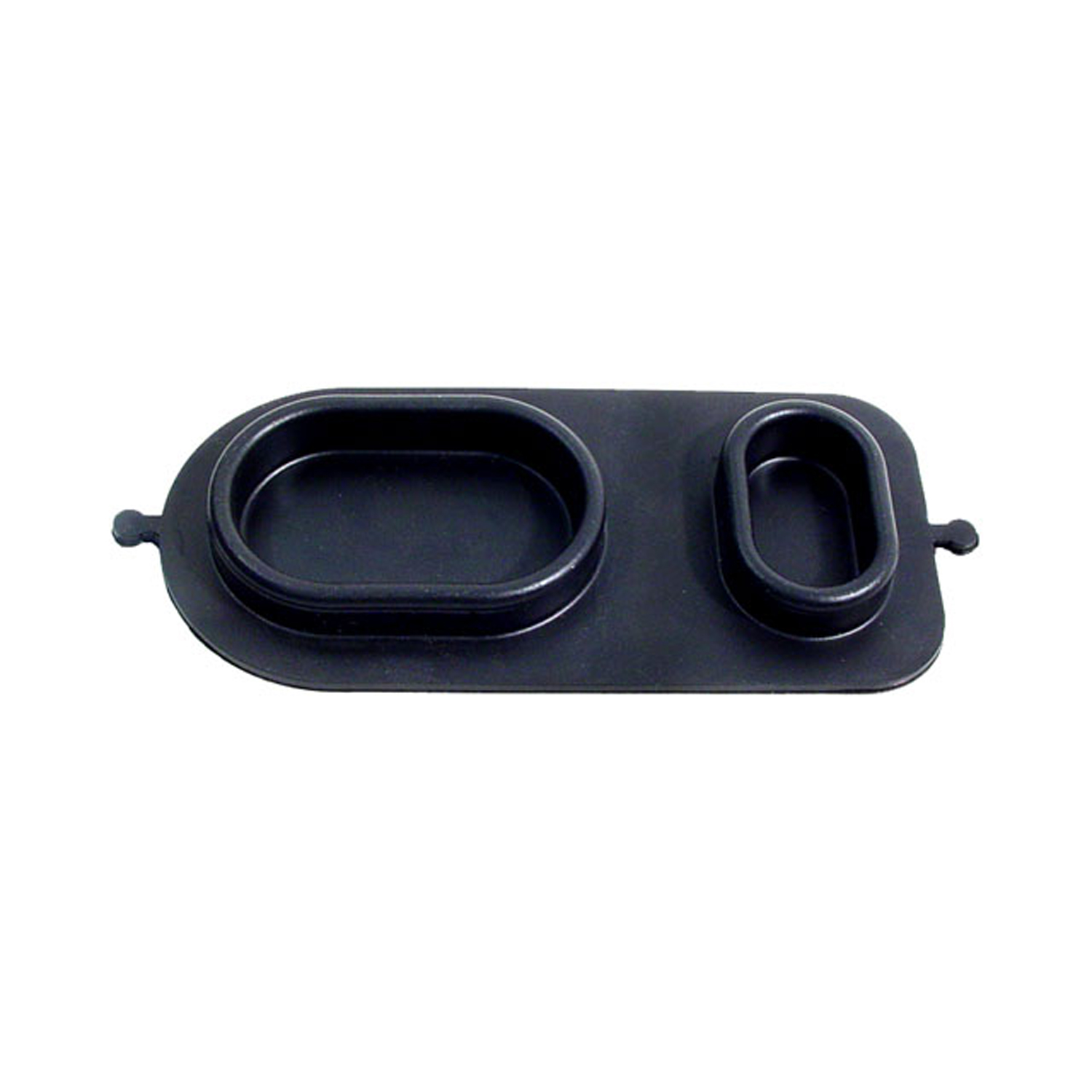 1970 Ford Custom 500 Brake Master Cylinder Cover Seal. Replaces OEM #5470861-RP 2-CBrake Master Cylinder Cover Seal. Replaces OEM #5470861. 5-9/16" long, 2-5/8" wide. Each
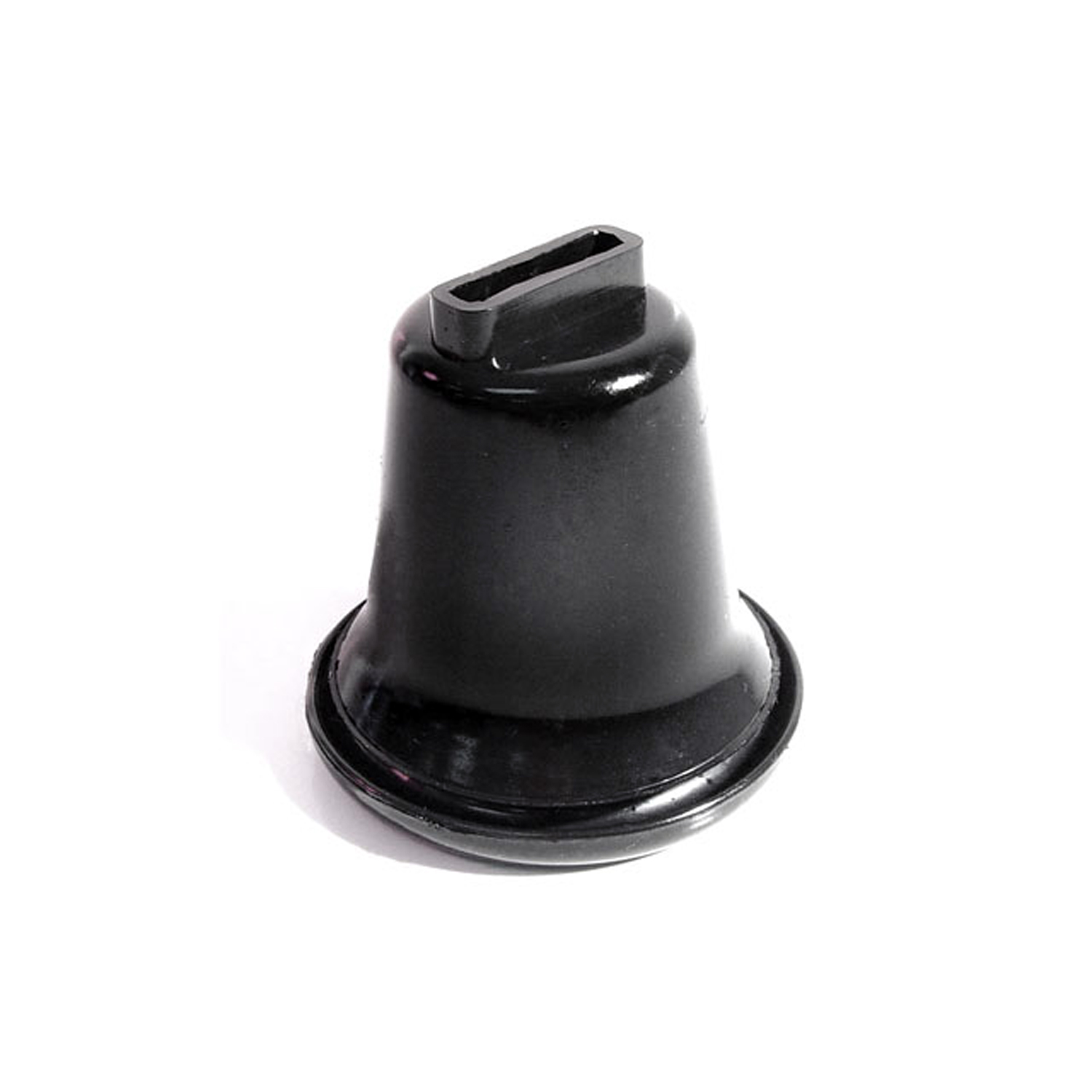 1970 Ford Custom 500 Brake Booster Boot. Each-RP 32-AABrake Booster Boot. Each
 1970 Ford Custom 500 Rear Windshield Reveal Molding Clip. Made of steel. Each-WF 228Rear Windshield Reveal Molding Clip. Made of steel. Each
Why Choose Metro?
For over 100 years, Metro Moulded Parts has been the pinnacle of quality in classic car restoration parts. Our commitment to precision and authenticity in every component ensures a perfect fit and an OEM-level appearance.
- Expert Craftsmanship & Quality: Each part is a testament to our dedication to reliability and perfection, crafted from original designs and thoroughly tested.
- Advanced Technology: We use cutting-edge techniques to create flawless, long-lasting parts that surpass others in performance.
- SuperSoft Sponge – The Ultimate Door Seal: Not only are our door seals 30% softer than competitors', but they're also guaranteed to never leak. They effectively reduce wind and road noise, enhancing your classic car's comfort and driving experience.
- Proudly American: Our parts are a product of American craftsmanship, made in the USA with a spirit of excellence and heritage.
- Unrivaled Warranty: We back our products with a 30-year industry-leading warranty, a testament to our confidence in their quality.
Join us in preserving the legacy of classic cars with parts that are crafted for perfection, not just made.