

Image of 1970 Ford Custom, Note: These illustrations use artistic license and may differ from actual historical models.
Performance Metrics
Fundamental Metrics
Emotional Appeal
MMP Rating
| Engine Specifications | |
|---|---|
| Engine Options: | 240 CID I6, 300 CID I6, 302 CID V8, 351 CID V8, 390 CID V8, 429 CID V8 |
| Displacement Range: | 240-429 cubic inches |
| Horsepower Range: | 130-360 hp (approximately) |
| Torque: | 222-480 lb-ft (approximately) |
| Compression Ratio: | 8.0:1 - 11.3:1 (approximately) |
| Ignition System: | Conventional breaker-point ignition system |
| Cooling System: | Liquid-cooled |
| Performance Specifications | |
| 0-60 Time: | 10-15 seconds (estimated) |
| 1/4 Mile Time: | 17-20 seconds (estimated) |
| Top Speed: | 100-120 mph (estimated) |
| Transmission and Drive | |
| Drive Type: | Rear-wheel drive |
| Transmission Type: | 3-speed manual, 3-speed automatic, 4-speed manual |
| Fuel and Efficiency | |
| Fuel System Type: | Carburetor |
| MPG: | 10-15 mpg (estimated) |
| Dimensions and Brakes | |
| Brakes: | Front disc and rear drum brakes |
| Wheelbase: | 119.0 inches |
| Weight: | 3,500-4,000 lbs (approximately) |
Note: Specifications for classic cars are given to the best of our ability, considering the limited and variant data available.
1970 Ford Custom 500: A Full-Size Ford Built for the Real World
The 1970 Ford Custom 500 was a big, straightforward American sedan with a job to do: carry people and luggage comfortably, stand up to everyday use, and keep its purchase price below that of Ford’s better-trimmed full-size models. Built by the Ford Motor Company in the United States, it belonged to Ford’s full-size car family, alongside the Galaxie and the upscale LTD.
The name can be a little confusing. Ford’s entry-level full-size series was commonly marketed as the Custom 500, and equipment and model descriptions could vary by body style and market. It sat near the practical end of the range, but it shared its basic structure and roomy dimensions with more glamorous Fords. That made it an appealing choice for families, businesses, taxi operators, and police departments.
Its moment in history came as American automakers were balancing two priorities: buyers still wanted room and V8 power, while safety concerns, emissions rules, and rising ownership costs were becoming harder to ignore. The Custom 500 was not a radical car. Its significance was that it delivered the traditional full-size Ford formula in a comparatively plain, useful package. One intriguing chapter of its story is its fleet life: Custom 500-based Fords became familiar sights in police and municipal service, where durability and easy maintenance mattered more than plush trim.
Full-Size Styling and Practical Details
The 1970 Custom 500 wore the long, squared-off proportions that defined many American cars of the period. Its broad hood ran into a wide front grille, while crisp body lines gave the sides a clean, formal look. Chrome detailing was generally more restrained than on higher-trim Ford models, but the car still had the substantial presence expected of a full-size sedan. Depending on body style and equipment, details such as wheel covers, bright trim, and grille finishes could change its appearance considerably.
Inside, the Custom 500 emphasized space and straightforward function. Buyers could find durable vinyl upholstery, with cloth or combination materials available depending on the configuration. The design was less decorative than an LTD’s, but the cabin offered generous room for passengers and a broad bench-seat layout. The dashboard used large, legible controls, and the driving position felt open and upright by modern standards.
Convenience equipment depended on the order sheet. Power steering, power brakes, automatic transmission, air conditioning, and an AM radio were among the features buyers could specify. Some versions and equipment combinations included front disc brakes, but exact availability should be checked against the car’s original documentation. Compared with a modern vehicle, the technology was simple. Compared with a basic car from just a decade earlier, however, options such as air conditioning and power-assisted controls made a large Ford considerably easier to live with.
Ford offered a broad range of exterior colors for its 1970 full-size cars. Choices varied by paint code and production details, with conservative whites, blues, greens, golds, and darker shades all part of the era’s palette. White and other restrained colors were especially common on fleet cars, while brighter or metallic finishes helped private-owner cars stand out. Original paint codes are worth checking when assessing a survivor or planning a restoration.
The Custom 500 is most closely associated with practical sedan body styles, including two-door and four-door sedans. Ford’s full-size range also included wagon models, although series names and trim combinations varied. For many buyers, the four-door sedan was the most useful choice: it offered easy access to the rear seat, a large cabin, and a conventional trunk without the added length or complexity of a wagon.
Where the Custom 500 Fits in Ford History
The Custom 500 did not introduce a famous new body construction method or a breakthrough engine. Its importance lies in how Ford organized its full-size lineup. The company offered a common basic platform across a wide range of prices, then used trim, equipment, and styling details to separate an economical Custom 500 from more luxurious Galaxie and LTD models. That approach helped Ford serve private buyers and fleet customers without building an entirely different car for each market.
In an era when many buyers considered a full-size car the default family vehicle, the Custom 500 made a sensible alternative to a more expensive, heavily ornamented model. Its fleet role also gave the basic Ford platform a working reputation. Police departments and other organizations needed cars that could cover high annual mileage, accept routine repairs, and accommodate special equipment. The Custom 500’s roomy, conventional layout suited those demands.
It was not the only affordable full-size choice of the period. Chevrolet, Plymouth, and other manufacturers offered similarly sized, value-oriented sedans. What distinguished the Ford was its combination of familiar Ford engineering, a broad engine selection, and a model range that allowed buyers to choose a basic car or step up to more comfort and trim. Its lasting influence is less about a single design feature and more about the enduring appeal of a durable, full-size platform.
Engines, Speed, and Road Manners
Engine availability depended on body style, equipment, and the original order. The 1970 full-size Ford range could be equipped with an economical inline-six or a choice of V8s, with displacement and output varying across the lineup. Common V8 choices included small-block and larger-displacement engines. Big V8 options gave the Custom 500 strong passing power, while six-cylinder versions put economy and lower purchase cost first.
Performance figures are not one-size-fits-all. A well-maintained V8 car with an automatic transmission might reach 60 mph in roughly 8 to 11 seconds, depending on engine, axle ratio, condition, and test method. A six-cylinder model would be slower. A healthy V8-equipped example could reach a top speed in the neighborhood of 105 to 120 mph, though gearing, tires, and engine specification make that only a broad estimate. These are period-style estimates, not guaranteed figures for every surviving car.
On the road, the Custom 500 feels like a product of its size and time. Its long wheelbase and substantial mass help it settle into a relaxed highway cruise, and the broad bench seat makes long drives comfortable. Power steering, when fitted, lightens low-speed maneuvering, though the car still needs room to turn and park. The suspension is tuned more for comfort than sharp cornering, so it absorbs ordinary road imperfections with a soft, rolling motion rather than the controlled precision of a modern sedan.
Windy roads reveal the trade-off. The Custom 500 can feel heavy and less nimble than a smaller car, with body lean in corners and a steering response that may seem slow to drivers used to modern rack-and-pinion systems. The engine note depends on what is under the hood: a six-cylinder has a more modest, workmanlike sound, while a V8 delivers the deeper rumble associated with a classic American Ford. The overall driving experience is calm and spacious, with the driver operating a substantial machine rather than a lightweight sports sedan.
Living With a 1970 Ford Custom 500
Today, the Custom 500 can serve as a weekend cruiser, a vintage show car, a period-correct fleet restoration, or, for a committed owner, a usable classic. A well-sorted example is capable of local trips and relaxed highway drives. Regular use requires realistic expectations: fuel consumption is high by current standards, safety equipment is limited compared with a modern car, and original air-conditioning or power accessories may need attention.
Mechanical work is often manageable for an experienced home mechanic. The car uses conventional components, and many service procedures are familiar to shops that work on older domestic vehicles. Parts availability is generally better for common Ford engines and mechanical items than for specific Custom 500 trim pieces, interior details, or unusual body parts. Before buying, inspect the frame and body for corrosion, check the transmission and cooling system, and look closely at brakes, steering, and suspension wear. Fleet history can mean hard use, so a tidy exterior is not proof of an easy life.
Common criticisms are predictable: the car is thirsty, large to park, and less agile than smaller contemporaries. Some examples can also feel sparsely equipped compared with luxury-trim Fords. Those shortcomings are part of the bargain. Buyers get generous space, an easygoing ride, and classic full-size character rather than modern efficiency or sporty handling.
Ford Custom 500 Trivia
The Custom 500’s connection with police and municipal fleets is one of its most memorable claims to fame. Fleet specifications could include heavy-duty components and equipment tailored to the buyer, so not every Custom 500 was mechanically identical. A genuine former police car may have distinctive documentation or equipment, but a black-and-white paint scheme alone does not establish police provenance.
There is no widely recognized land-speed or endurance record associated specifically with the 1970 Custom 500, and it is not known for a famous celebrity ownership story. Its more everyday legacy is its presence in working fleets and on American roads. It is also easy to confuse a Custom 500 with a Galaxie or another full-size Ford, especially after years of replacement trim, repainting, and model-name badges being changed.
Collector Values and Availability
The Custom 500 is less commonly celebrated than a Mustang, Torino, or high-trim LTD, which can make it an appealing entry into classic Ford ownership. There is no dependable, universally cited production total for every 1970 Custom 500 body and equipment combination. As a broad estimate rather than a factory-confirmed figure, production was likely in the tens of thousands, perhaps around 50,000 to 100,000 cars across the series. The exact number of surviving examples is much smaller, and clean, original cars can take time to find.
As a general 2026 market guide, a project car may sell for roughly $3,000 to $7,000, depending heavily on rust and completeness. A running, presentable driver might fall around $8,000 to $16,000, while a clean, well-restored example could reach approximately $18,000 to $30,000 or more. Exceptional cars with documented history, desirable equipment, or a high-quality restoration may exceed that range. These are broad estimates, not appraisals; location, condition, originality, and engine specification matter enormously.
Values have generally been steadier than those of headline muscle cars. The Custom 500 is unlikely to command a premium simply because it is a 1970 Ford, but interest in honest, usable American classics can support good examples. Originality, rust-free structure, correct trim, and paperwork are usually better investments than elaborate modifications. A documented former fleet or police car may attract extra interest, though only if its history is credible.
Why the 1970 Ford Custom 500 Still Matters
The 1970 Ford Custom 500 was not designed to be the flashiest Ford in the showroom. It was a roomy, adaptable full-size car that could be configured for family transport, business use, or fleet duty. Its straightforward construction, broad engine choices, comfortable ride, and practical character made it a useful expression of what American buyers expected from a full-size sedan at the start of the 1970s.
Today, it offers a different kind of classic-car appeal: less about celebrity status and more about honest design, mechanical accessibility, and the satisfying presence of a big Ford. For enthusiasts who want a usable piece of automotive history without chasing the most famous nameplate, the Custom 500 remains a distinctive and rewarding choice.
1970 Ford Custom Catalog of Parts
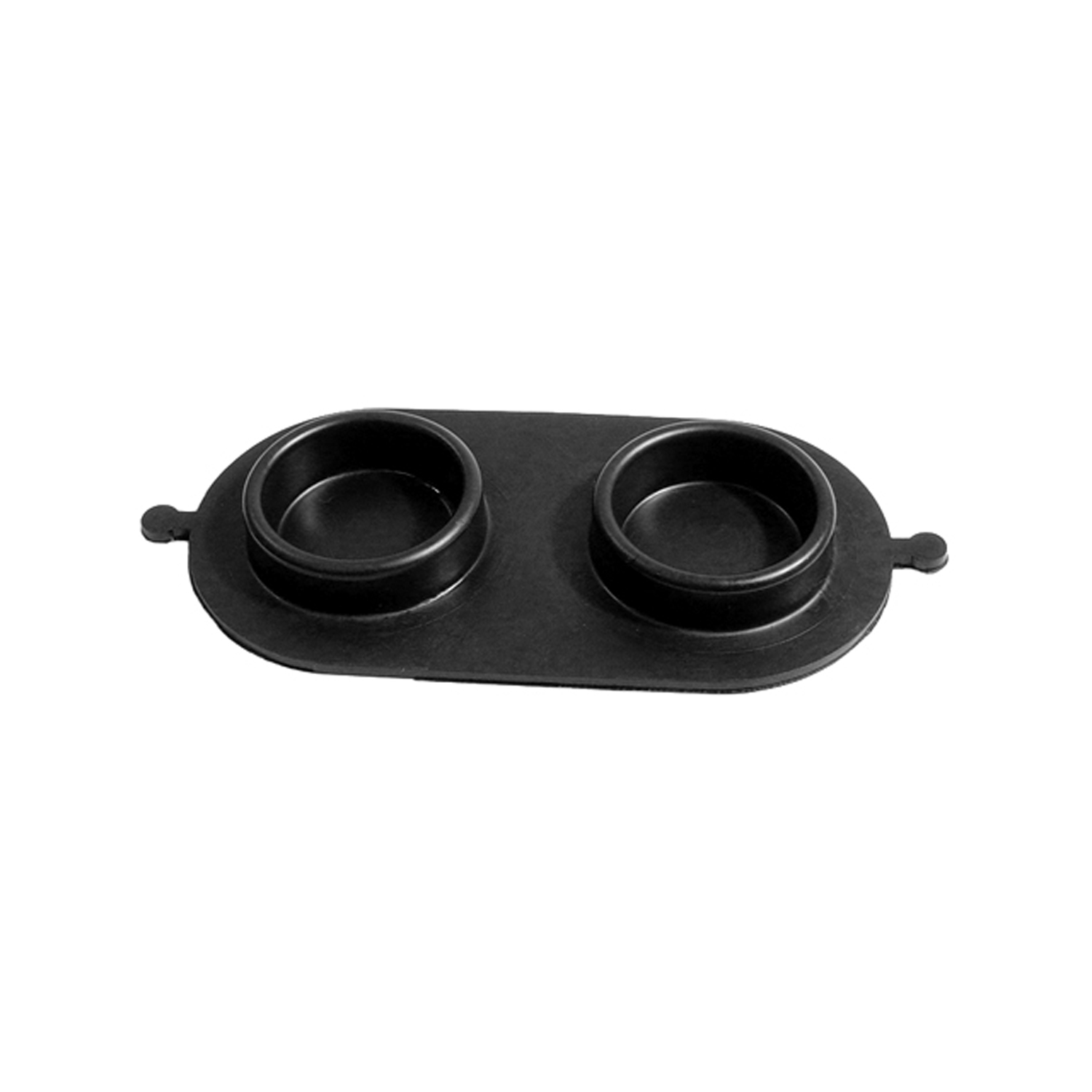 1970 Ford Custom Brake Master Cylinder Cover Seal. Replaces OEM #C7AZ2167-A-RP 2-BBrake Master Cylinder Cover Seal. Replaces OEM #C7AZ2167-A. Each
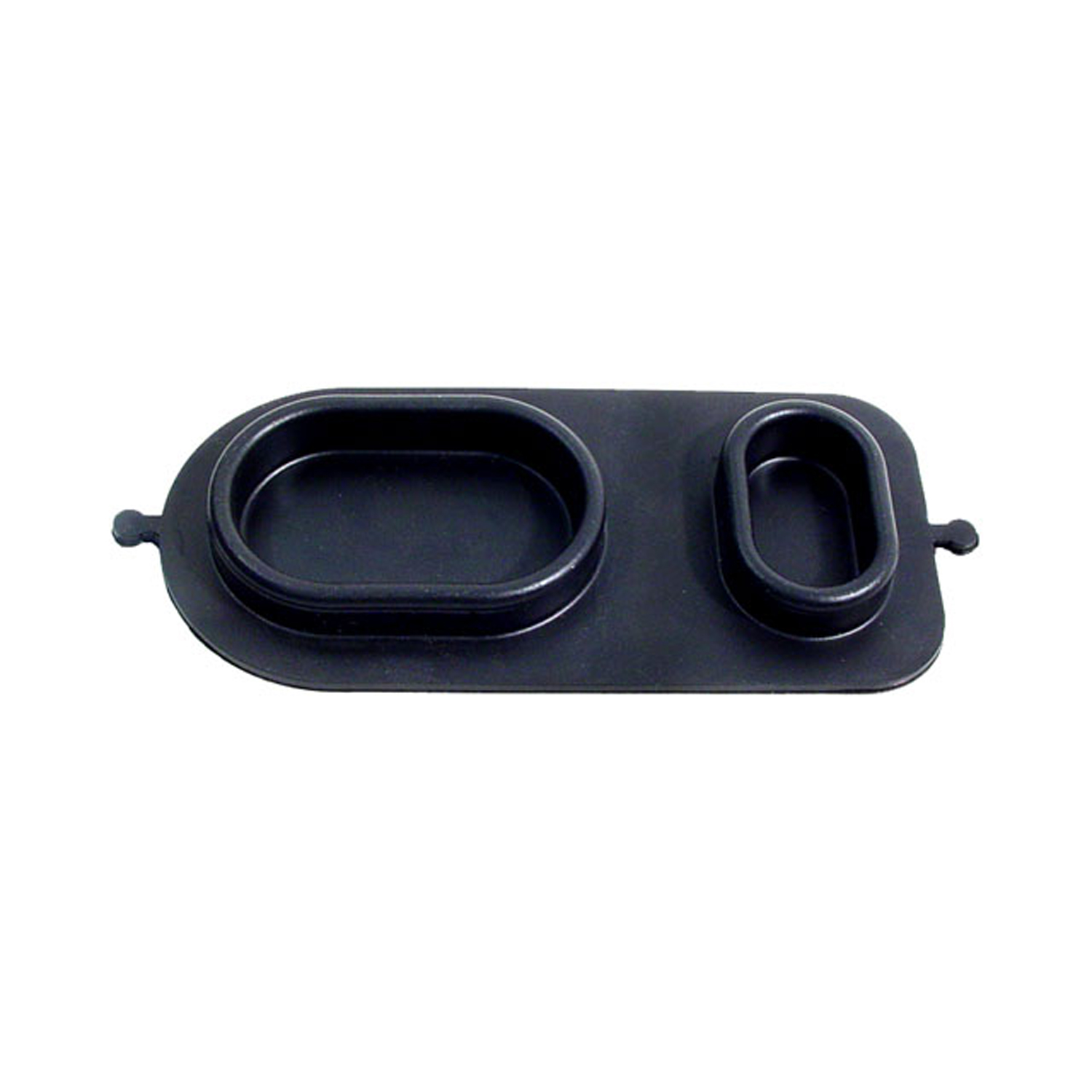 1970 Ford Custom Brake Master Cylinder Cover Seal. Replaces OEM #5470861-RP 2-CBrake Master Cylinder Cover Seal. Replaces OEM #5470861. 5-9/16" long, 2-5/8" wide. Each
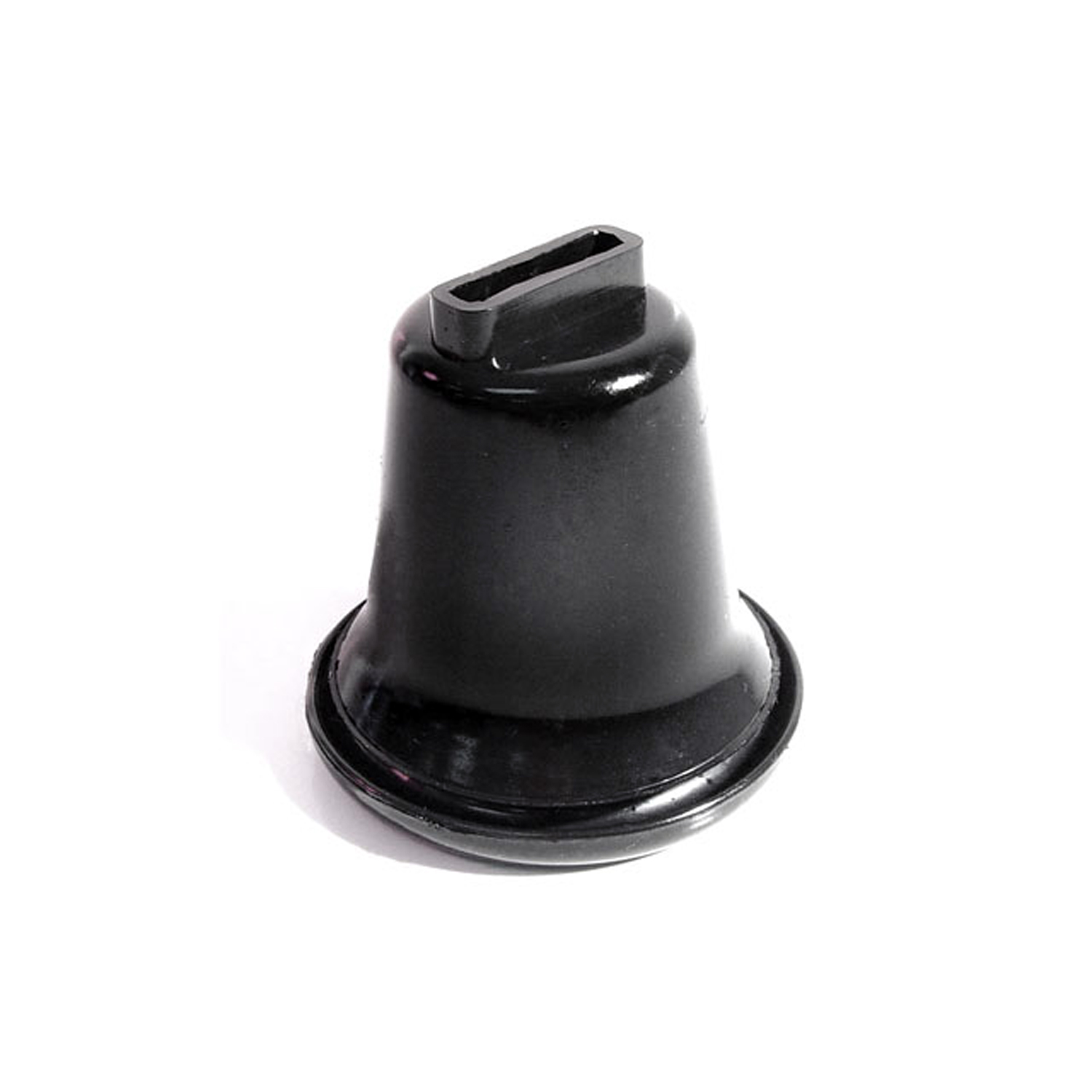 1970 Ford Custom Brake Booster Boot. Each-RP 32-AABrake Booster Boot. Each
 1970 Ford Custom Rear Windshield Reveal Molding Clip. Made of steel. Each-WF 228Rear Windshield Reveal Molding Clip. Made of steel. Each
Why Choose Metro?
For over 100 years, Metro Moulded Parts has been the pinnacle of quality in classic car restoration parts. Our commitment to precision and authenticity in every component ensures a perfect fit and an OEM-level appearance.
- Expert Craftsmanship & Quality: Each part is a testament to our dedication to reliability and perfection, crafted from original designs and thoroughly tested.
- Advanced Technology: We use cutting-edge techniques to create flawless, long-lasting parts that surpass others in performance.
- SuperSoft Sponge – The Ultimate Door Seal: Not only are our door seals 30% softer than competitors', but they're also guaranteed to never leak. They effectively reduce wind and road noise, enhancing your classic car's comfort and driving experience.
- Proudly American: Our parts are a product of American craftsmanship, made in the USA with a spirit of excellence and heritage.
- Unrivaled Warranty: We back our products with a 30-year industry-leading warranty, a testament to our confidence in their quality.
Join us in preserving the legacy of classic cars with parts that are crafted for perfection, not just made.