
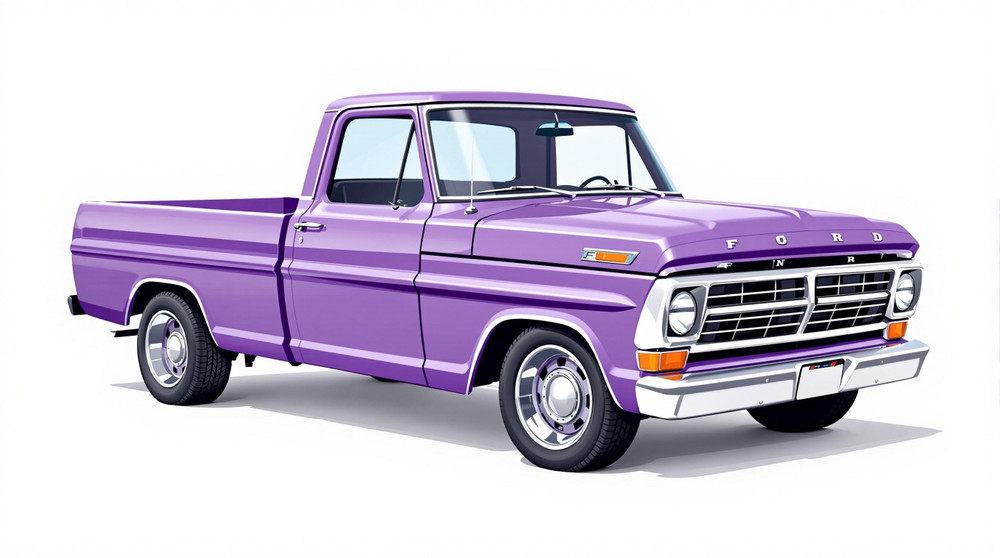
Image of 1970 Ford F-100, Note: These illustrations use artistic license and may differ from actual historical models.
Performance Metrics
Fundamental Metrics
Emotional Appeal
MMP Rating
| Engine Specifications | |
|---|---|
| Engine Options: | 240, 300, 302, 360, 390 CID |
| Displacement Range: | 240 - 390 cubic inches |
| Horsepower Range: | 150 - 265 HP |
| Torque: | 235 - 390 lb-ft |
| Compression Ratio: | 8.0:1 - 9.5:1 |
| Ignition System: | Conventional, distributor |
| Cooling System: | Liquid-cooled |
| Performance Specifications | |
| 0-60 Time: | 10 - 14 seconds |
| 1/4 Mile Time: | 17 - 20 seconds |
| Top Speed: | 85 - 105 mph |
| Transmission and Drive | |
| Drive Type: | Rear-wheel drive |
| Transmission Type: | 3-speed manual, 4-speed manual, 3-speed automatic |
| Fuel and Efficiency | |
| Fuel System Type: | Carburetor |
| MPG: | 10 - 14 mpg |
| Dimensions and Brakes | |
| Brakes: | Front disc and rear drum brakes |
| Wheelbase: | 115 - 129 inches |
| Weight: | 3,200 - 3,800 lbs |
Note: Specifications for classic cars are given to the best of our ability, considering the limited and variant data available.
1970 Ford F-100: The Bumpside Pickup That Built a Reputation
The 1970 Ford F-100 is a working truck with a surprisingly strong sense of style: a square-shouldered pickup with a broad grille, straightforward controls, and the kind of mechanical simplicity that still makes it useful decades later. Built by Ford Motor Company in the United States, it belonged to the fifth-generation F-Series, produced from 1967 through 1972 and nicknamed the “Bumpside” by enthusiasts for the pronounced body crease running along its flanks.
The F-100 was Ford’s half-ton pickup, positioned between the lighter-duty F-100 and heavier F-Series models. In 1970, buyers could configure one as a basic farm or work truck, a comfortable family hauler, or a well-equipped personal pickup. A notable milestone arrived that year: Ford introduced the Ranger XLT trim, adding a more upscale option to a truck line that had traditionally put utility first.
The F-100’s appeal today comes from that useful mix of honest work-truck character and emerging comfort. It is old enough to feel mechanically direct, yet refined enough to show how pickup trucks were beginning to move beyond the jobsite.
Bumpside Style and Cab Comfort
The 1970 F-100 wears its shape with confidence. Its tall, nearly upright cab, flat hood, squared-off fenders, and wide front grille give it a purposeful stance. The signature side crease catches the light and breaks up the otherwise slab-sided body. Details such as grille design, trim, and badging vary by equipment level, but the overall look is unmistakably late-1960s Ford: crisp lines, restrained decoration, and a broad, planted profile.
Ford offered two basic bed treatments. The Styleside has wide, flat-sided bedsides that flow visually with the cab, giving the truck a clean, integrated appearance. The Flareside has separate rear fenders outside the bed, a more traditional and distinctly vintage look. Styleside trucks were the practical, common choice, while Flareside models have particular appeal among collectors who like their pickups with a classic, old-school silhouette.
Cab and trim choices ranged from plain work-truck finishes to better-appointed versions. The Ranger and Ranger XLT brought more decorative trim and a more passenger-car-like interior presentation. Depending on specification, the cabin could include upgraded seat upholstery, carpeting, brightwork, and additional convenience features. Materials were durable rather than luxurious by modern standards, with vinyl and hard-wearing cloth suited to work and easy cleaning. Even the nicer trim remained simple and functional.
Color availability depended on the exact paint and trim combinations offered for the model year. Period Ford pickups could be ordered in shades such as white, red, blue, green, and yellow, alongside more subdued work-truck colors. White and red are especially familiar sights today, while vivid period colors and attractive two-tone combinations tend to stand out at shows. Original paint codes and trim tags are valuable when restoring a truck accurately.
Engines, Options, and 1970 Technology
Engine availability varied with configuration and market, but the F-100 could be ordered with inline-six and V8 power. Common choices included the 240- and 300-cubic-inch six-cylinder engines, along with V8 options such as the 302, 360, and 390 cubic-inch units. The smaller sixes emphasized economy and uncomplicated service. The 300 six became particularly well regarded for its strong low-speed torque and durability, while the larger V8s delivered more relaxed acceleration and a deeper exhaust note.
Transmission choices included manual gearboxes and an automatic, with exact combinations depending on engine and equipment. The truck used conventional, body-on-frame construction and a solid rear axle. Two-wheel-drive models benefited from Ford’s Twin I-Beam front suspension, introduced on the F-Series in the 1960s. Its independent front suspension was designed to improve ride and handling over the solid-front-axle arrangements common on many pickups of the era. Four-wheel-drive trucks used a different front-end layout suited to off-road work.
By current standards, the technology is basic. The F-100 does not have electronic engine management, modern stability control, or contemporary crash protection. Its appeal lies partly in that simplicity: the driver can understand the controls, and a great deal of routine maintenance can be handled with ordinary tools. Equipment such as power steering, power brakes, air conditioning, and upgraded radios depended on how the truck was ordered.
Why the 1970 F-100 Mattered
The fifth-generation F-Series helped shape the modern American pickup by making a work truck more comfortable and more adaptable without abandoning its practical roots. Its cab and chassis could serve contractors, farmers, municipal fleets, and private owners. Buyers could choose a stripped-down truck built to earn its keep or add trim and convenience features for a vehicle that could also handle family transportation.
The F-100’s significance is less about a single breakthrough than about the direction it represents. Ford continued to refine ride quality, cab comfort, and choice, while retaining the straightforward frame-and-axle construction truck owners expected. Twin I-Beam suspension on two-wheel-drive models was one of the more distinctive engineering decisions of the era, giving the front end independent movement while keeping the truck’s rugged, load-carrying character.
The Ranger XLT also reflects a lasting change in pickup culture. A truck could be a tool and a personal vehicle at the same time. That idea would grow dramatically in later decades, but the 1970 F-100 shows it already taking hold.
Performance and Driving Feel
There is no single performance figure for every 1970 F-100. Engine, transmission, axle ratio, tire size, vehicle condition, and load all make a substantial difference, and period factory figures are not consistently comparable to modern standardized tests. As a general guide, a healthy six-cylinder truck may take roughly 15 to 20 seconds to reach 60 mph. A V8-equipped example can be quicker, with many landing somewhere around 11 to 15 seconds, depending on specification. These are broad estimates, not guaranteed test results.
Top speed is similarly dependent on gearing and condition. A stock truck might reach roughly 85 to 100 mph in favorable circumstances, but it was designed for hauling and everyday road speeds, not sustained high-speed travel. At highway pace, an older F-100 can feel busy compared with a modern pickup, particularly if it has a low axle ratio, a three-speed transmission, or large tires.
Behind the wheel, the engine’s character is part of the experience. The six-cylinder models deliver a steady, useful rumble and plenty of practical low-speed response. V8 versions add a deeper growl and stronger passing power. Steering is less precise than in a modern truck, and brakes, especially on examples without power assistance, ask for more deliberate effort. The driver sits upright with a broad view over the hood and works controls that feel mechanical rather than filtered through electronics.
On rough pavement, the F-100 rides like a vintage pickup: the rear can hop when the bed is empty, and sharp bumps are transmitted more directly than in a modern truck. Twin I-Beam suspension gives two-wheel-drive versions a more compliant front end than some contemporary solid-axle rivals, though a well-maintained truck is still essential. On winding roads, expect a slower, more deliberate driving style, with noticeable body movement and period-appropriate steering response. A sound example can be comfortable and enjoyable, but it rewards respect rather than aggressive driving.
Owning and Maintaining a Classic F-100
F-100s have been used for nearly everything a half-ton pickup can do: farm and construction work, weekend hauling, daily transportation, restoration projects, show vehicles, and custom builds. A stock truck with a healthy engine and properly maintained brakes can still handle light-duty chores. Many owners, however, preserve their trucks for cruising and shows rather than exposing them to heavy work or winter road salt.
Routine maintenance is generally straightforward. The carbureted engines, conventional ignition systems, and accessible mechanical components are familiar territory for many independent shops and home mechanics. Replacement parts for common service items and popular restoration needs are widely available. The main challenge is often not mechanical complexity but condition: rust, incomplete repairs, worn-out suspension, and poorly executed modifications can quickly turn a simple project into an expensive one.
Inspect the cab corners, floor pans, rocker panels, windshield area, bed supports, and frame carefully. Check for corrosion around suspension and body-mount points, and look for signs of collision repair or mismatched panels. On a truck that has been modified, examine wiring, engine mounts, steering, brake lines, and the quality of any engine or transmission swap. A professional inspection is worthwhile, especially for a four-wheel-drive truck or a high-priced restoration.
F-100 Facts and Common Criticisms
“Bumpside” is an enthusiast nickname, not Ford’s official model name. It refers to the prominent character line along the body and helps distinguish the 1967–1972 generation from the flatter-sided “Dentside” trucks that followed. The F-100 was also part of the same F-Series family that would become America’s long-running best-selling truck line, although that later sales record should not be confused with a specific production record for the 1970 model.
Ranger is another name with a long afterlife. In 1970, Ranger XLT identified an upscale F-Series trim, not the later compact Ford Ranger pickup. Four-wheel-drive F-100s are less commonly encountered than two-wheel-drive examples, and a well-preserved 4x4 can attract extra interest from buyers seeking a period off-road truck.
There is no widely recognized speed or endurance record specific to the 1970 F-100. Its reputation was built through ordinary service rather than headline-grabbing competition: hauling, towing, and accumulating years of use. Celebrity ownership claims should be treated cautiously unless supported by reliable documentation.
Common criticisms are fair but manageable. The truck is noisy by modern standards, fuel economy is modest, safety equipment is limited, and an empty bed can make the rear ride firm. Rust can be extensive, and decades of hard use mean that many surviving examples need more than cosmetic attention. On the other hand, its simple layout and broad parts support make it less intimidating to repair than many more complicated classics.
Collector Value and Market Outlook
Values vary widely by body style, drivetrain, originality, rust, and restoration quality. As a broad U.S. market guide, a project truck may sell for about $4,000 to $10,000. A running, usable driver often falls around $12,000 to $25,000. Clean, well-restored examples commonly reach $30,000 to $50,000, while exceptional, highly original, or particularly desirable trucks, including certain Ranger XLT and four-wheel-drive examples, can exceed $55,000 and sometimes approach or pass $80,000.
Those ranges are estimates, not appraisals. Regional supply, documented restoration work, matching components, and the quality of the finished truck can make a major difference. A glossy paint job cannot compensate for hidden structural rust, while a solid, honest driver may be a better buy than a superficially perfect truck with questionable repairs.
Ford did not publish an easily accessible, widely cited production breakdown for every 1970 F-100 configuration. A reasonable estimate is that production was in the hundreds of thousands, with a broad working estimate of roughly 150,000 to 250,000 F-100s. Treat that figure as an informed approximation, not a verified factory total. Surviving trucks are not rare in the broad sense, but specific combinations such as an original four-wheel-drive model, an unusual engine and trim pairing, or a highly original Ranger XLT are much harder to find.
Demand for clean classic pickups rose sharply during the modern collector boom, then became more selective as buyers paid closer attention to condition and authenticity. The best examples have generally held value well and may appreciate, while rough projects and heavily modified trucks are more sensitive to the market. For buyers, solid structure and documented quality matter more than chasing the rarest badge.
The Lasting Appeal of the 1970 Ford F-100
The 1970 Ford F-100 captures a pivotal stage in pickup history. It is a capable half-ton with straightforward engineering, a distinctive Bumpside profile, and a trim range that showed trucks could be comfortable as well as useful. Its engines are familiar, its mechanical systems are approachable, and its design remains instantly recognizable.
Whether it is preserved as a workhorse, restored as a show truck, or driven on weekend back roads, the F-100 still delivers the uncomplicated character that made classic pickups beloved in the first place. It is more than a handsome old Ford: it is a reminder of when a truck could be built to work hard, fixed with practical know-how, and enjoyed long after the day’s job was done.
1970 Ford F-100 Catalog of Parts
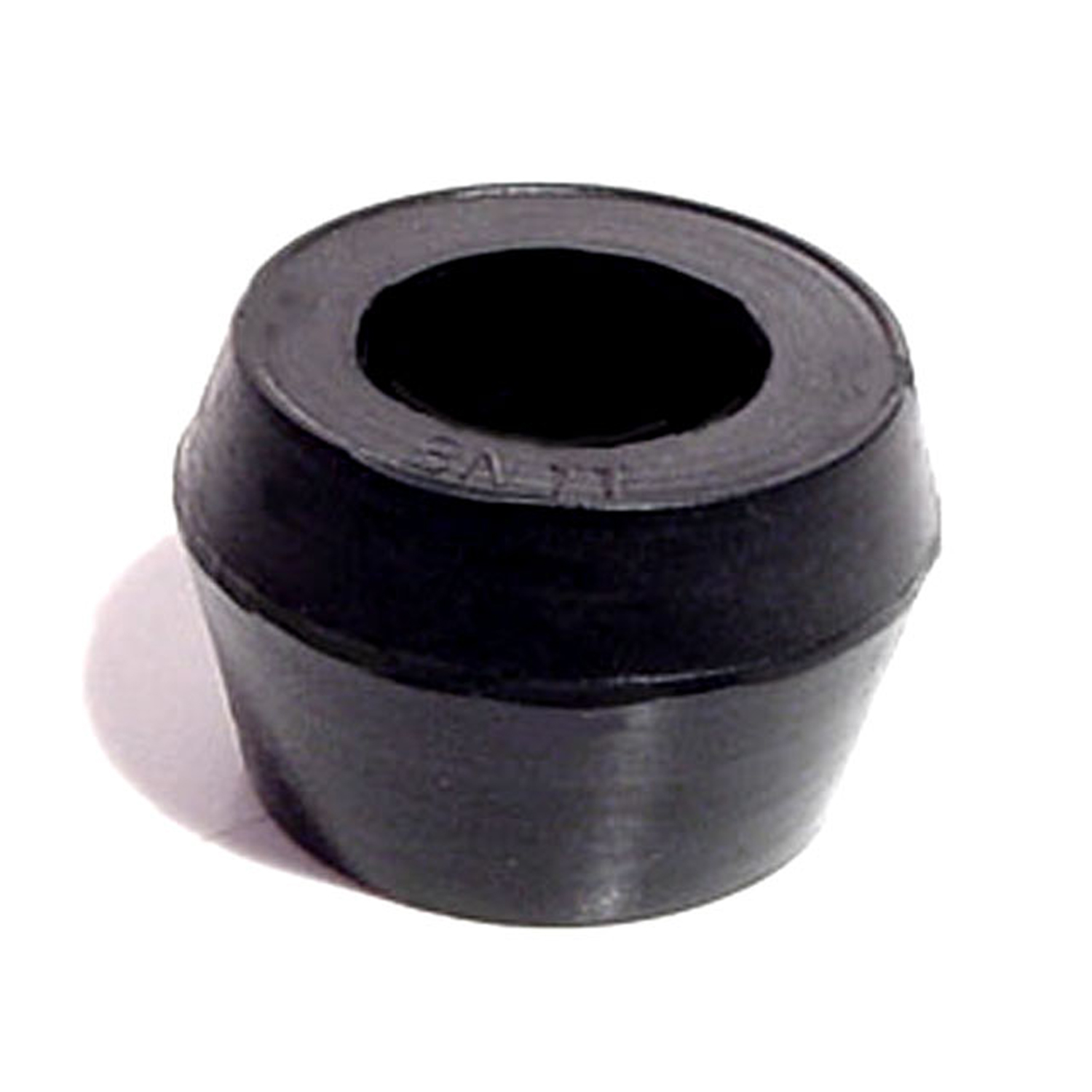 1970 Ford F-100 Shock Absorber Grommet. 1" bottom O.D-BN 11Shock Absorber Grommet. 1" bottom O.D., 3/4" high, with 5/8" I.D. Each
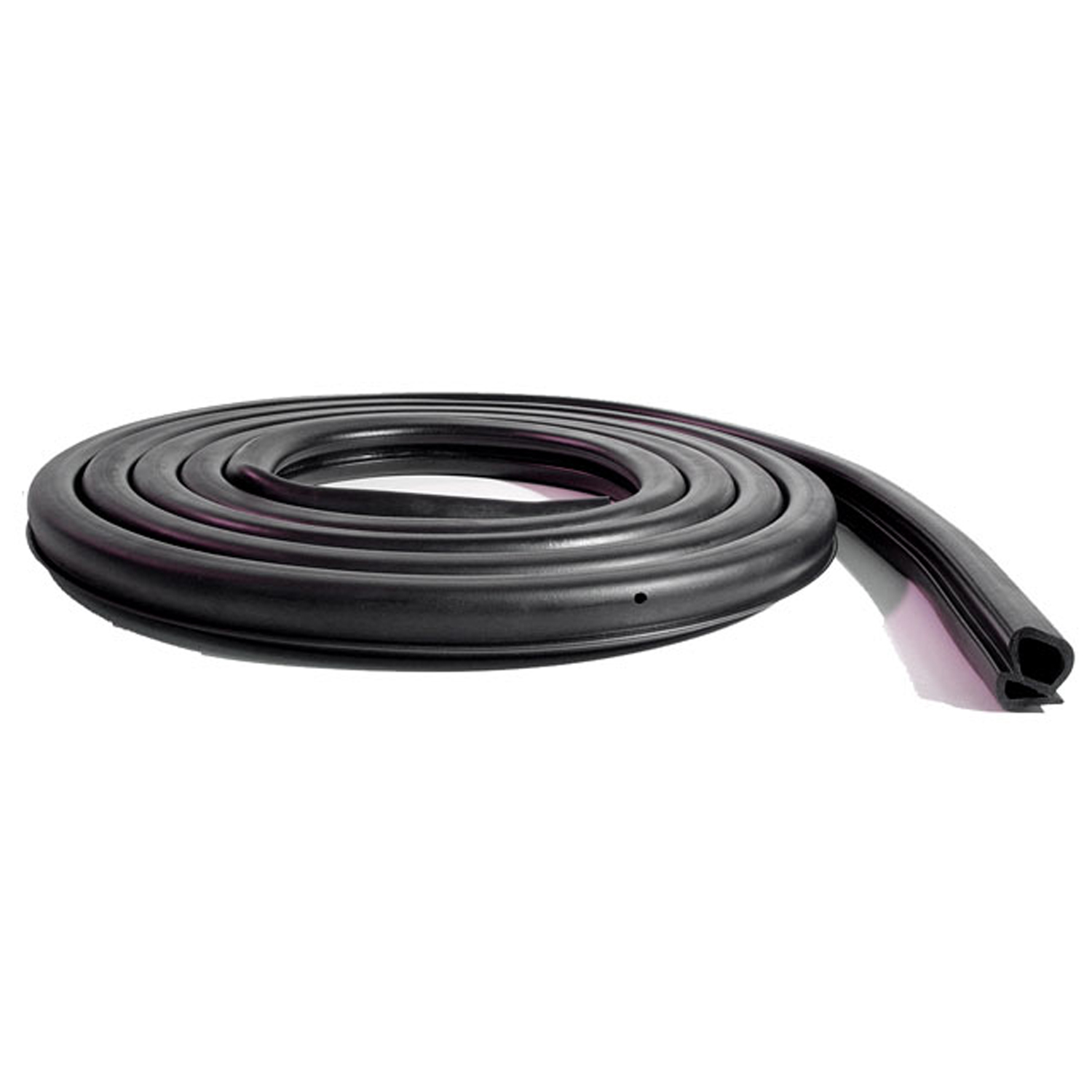 1970 Ford F-100 Door Seal. Fits either side. Each-LM 110-BDoor Seal. Fits either side. Each
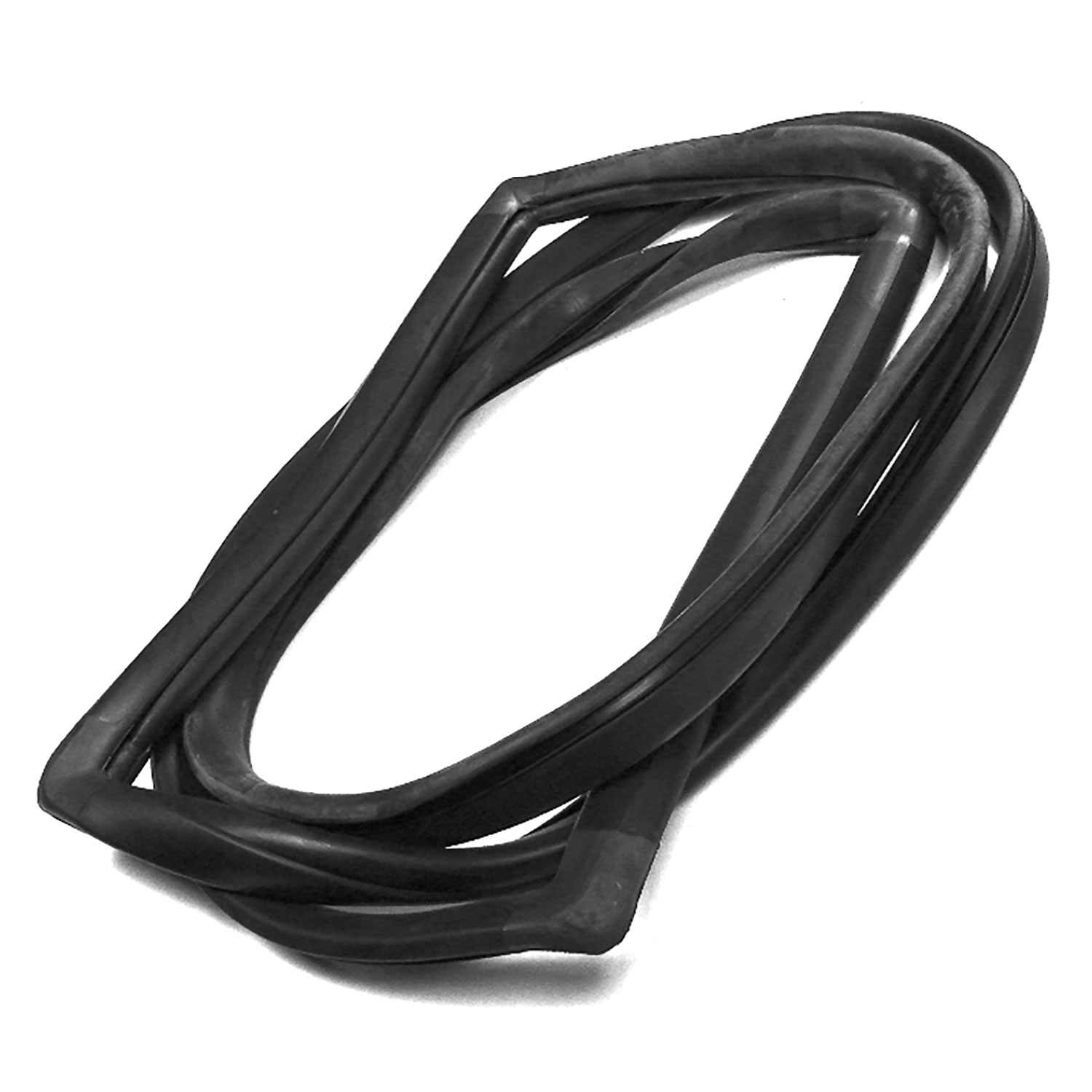 1970 Ford F-100 Windshield Seal, 67-79 Ford Full Size Truck, 78-79 Bronco, Without Trim Groove-VWS 3304-CThis windshield seal goes first on the glass and is installed using the rope-in method. This product is made from the original specs and with high quality ozone resistant EPDM rubber for a great fit and long life. This item is designed to be installed during glass replacement.
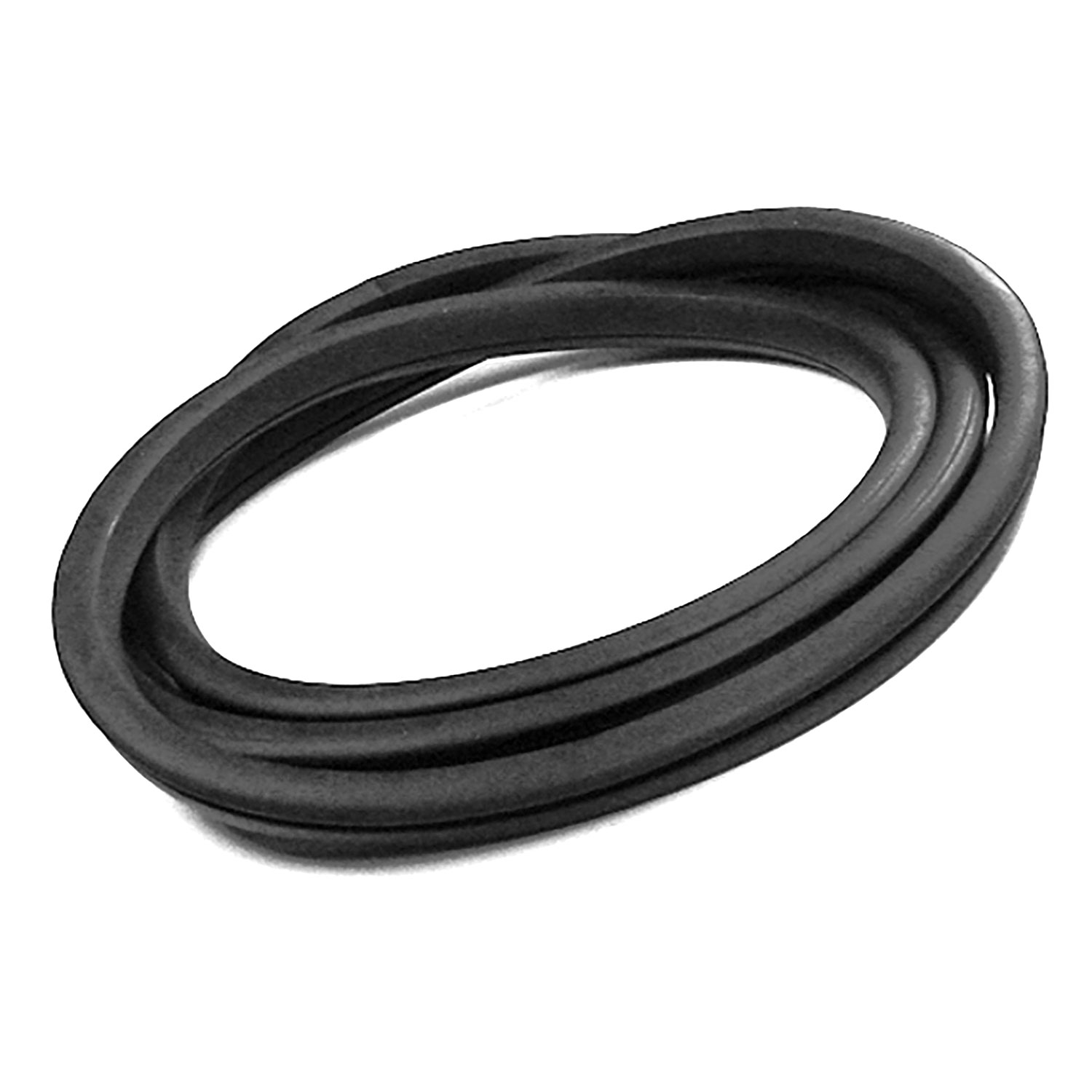 1970 Ford F-100 Rear Window Seal, 67-72 Ford Full Size Truck, Without Trim Groove, Each-VWS 3304-QThis rear window seal goes first on the body then the glass is placed in the opening. It is a standard black gasket without trim groove. This product is made from the original specs and with high quality ozone resistant materials for a great fit and long life. This item is designed to be installed during glass replacement.
Why Choose Metro?
For over 100 years, Metro Moulded Parts has been the pinnacle of quality in classic car restoration parts. Our commitment to precision and authenticity in every component ensures a perfect fit and an OEM-level appearance.
- Expert Craftsmanship & Quality: Each part is a testament to our dedication to reliability and perfection, crafted from original designs and thoroughly tested.
- Advanced Technology: We use cutting-edge techniques to create flawless, long-lasting parts that surpass others in performance.
- SuperSoft Sponge – The Ultimate Door Seal: Not only are our door seals 30% softer than competitors', but they're also guaranteed to never leak. They effectively reduce wind and road noise, enhancing your classic car's comfort and driving experience.
- Proudly American: Our parts are a product of American craftsmanship, made in the USA with a spirit of excellence and heritage.
- Unrivaled Warranty: We back our products with a 30-year industry-leading warranty, a testament to our confidence in their quality.
Join us in preserving the legacy of classic cars with parts that are crafted for perfection, not just made.