
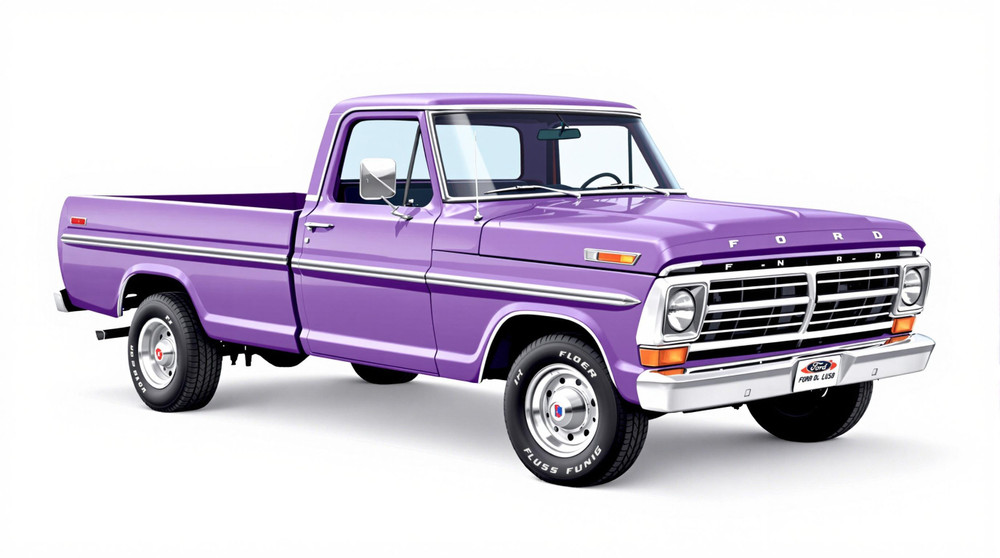
Image of 1970 Ford F-250, Note: These illustrations use artistic license and may differ from actual historical models.
Performance Metrics
Fundamental Metrics
Emotional Appeal
MMP Rating
| Engine Specifications | |
|---|---|
| Engine: | 360 CID V8, 390 CID V8 |
| Displacement: | 360-390 cubic inches |
| Horsepower: | 215-255 hp |
| Torque: | 315-390 lb-ft |
| Compression Ratio: | 8.9:1 - 9.5:1 |
| Ignition System: | Conventional breaker-point ignition system |
| Cooling System: | Liquid-cooled |
| Performance Specifications | |
| 0-60 Time: | Estimated 10-12 seconds |
| 1/4 Mile Time: | Estimated 17-19 seconds |
| Top Speed: | 100 mph |
| Transmission and Drive | |
| Drive Type: | Rear-wheel drive |
| Transmission Type: | 3-speed automatic, 4-speed manual |
| Fuel and Efficiency | |
| Fuel System Type: | Carburetor |
| MPG: | Estimated 10-12 mpg |
| Dimensions and Brakes | |
| Brakes: | Front disc and rear drum brakes |
| Wheelbase: | 131 inches |
| Weight: | 4,500 lbs |
Note: Specifications for classic cars are given to the best of our ability, considering the limited and variant data available.
1970 Ford F-250: A Classic “Bumpside” Workhorse
The 1970 Ford F-250 was built to haul, tow, and take hard use in stride, but it has also become one of the most recognizable pickups of its era. Part of Ford’s 1967–1972 F-Series generation, it belongs to the group enthusiasts call the “Bumpside,” a nickname inspired by the raised character line running along the body sides.
Ford introduced the F-Series after World War II and had established it as a central part of its truck business by 1970. The F-250 occupied the important three-quarter-ton class: a step up in capability from the F-100, aimed at tradespeople, farmers, campers, and owners who needed a truck for serious work. One intriguing detail is that “Highboy,” now a familiar name among collectors, was not an official Ford trim level. It is a later nickname for certain taller 4x4 F-250s with a divorced transfer case.
Bumpside Styling and Practical Cab Design
The F-250’s shape is straightforward but far from anonymous. Its broad hood, upright cab, squared-off fenders, and prominent side crease give it a solid, purposeful stance. The front end is dominated by a wide grille and block-letter FORD lettering, while substantial bumpers and simple lighting reinforce its work-truck character. The design looks equally at home on a farm road or polished at a weekend truck show.
Inside, the emphasis was on function. The cabin used painted metal, durable vinyl, and straightforward controls rather than soft-touch trim or elaborate instrumentation. A bench seat was typical, with interior appointments depending on the selected trim and options. Buyers could add conveniences such as an AM radio, heater, power steering, power brakes, and an automatic transmission, though equipment varied by truck.
Ford offered a range of exterior colors, from work-friendly whites and light tones to stronger reds, blues, greens, and metallic finishes. Exact paint choices depended on model year and ordering details. White and red are especially familiar sights on surviving trucks, but original paint codes are worth checking before a restoration because repaint histories can obscure a truck’s factory color.
Body and equipment choices made the F-250 adaptable. Buyers could choose Styleside beds with smooth, integrated-looking sides or Flareside beds with separate rear fenders. Ford also offered chassis-cab configurations for specialized bodies, and crew-cab versions were available in the F-Series range. Among enthusiasts, a four-wheel-drive F-250 with the tall stance associated with the “Highboy” nickname is one of the most recognizable configurations. Camper-oriented equipment, including the Camper Special package, made the truck attractive to buyers carrying slide-in campers.
What Made the 1970 F-250 Important
The F-250’s significance lies less in a single headline-grabbing invention than in how well it represented the evolution of the American pickup. By 1970, trucks were expected to do more than haul materials around a job site. They also served as family transport, recreational vehicles, and platforms for campers and specialty bodies. The F-250 bridged those roles with a sturdy chassis and a wide range of configurations.
Its two-wheel-drive sibling also benefited from Ford’s Twin I-Beam front suspension, introduced on F-Series trucks in the 1960s. The system used two independently pivoting axle beams, helping provide a more comfortable ride than a traditional solid front axle while retaining a truck-oriented design. Four-wheel-drive F-250s used a different front-end layout, so it is important not to assume that every 1970 F-250 had Twin I-Beam suspension.
Compared with many contemporary pickups, the Ford stood out for the breadth of its lineup and its blend of heavy-duty usefulness with increasingly accessible comfort options. The basic formula has endured: offer a durable platform, multiple powertrains, and enough body and equipment choices to suit different jobs. That versatility remains a major part of the F-Series identity.
Engines, Speed, and Road Manners
Depending on configuration and market, the 1970 F-250 could be ordered with a 240- or 300-cubic-inch inline-six, or a 360- or 390-cubic-inch V8. The sixes were valued for straightforward service and useful low-speed pulling power. The V8s delivered stronger acceleration and more relaxed performance under load. Period horsepower figures were generally measured using gross ratings, so they should not be compared directly with modern net-horsepower numbers.
Transmission choices included manual gearboxes and, depending on configuration, an automatic. Axle ratio, tire size, engine, transmission, load, and drivetrain all made a substantial difference to performance. Ford did not position the F-250 as a quick pickup, and there is no single meaningful factory 0–60 mph or top-speed figure for every version. As a broad real-world expectation, a V8 truck might reach 60 mph in roughly the mid-teens to around 20 seconds, while a six-cylinder or heavily loaded example could take longer. Depending on gearing and condition, an unloaded truck might approach roughly 80 mph, but sustained high-speed cruising is not its natural territory.
On the road, the F-250 feels like a truck from its time: commanding from the driver’s seat, mechanical in its controls, and firm when unladen. A heavy load can settle the suspension and improve the ride, while empty trucks may hop or feel busy over sharp bumps. Two-wheel-drive models with Twin I-Beam suspension have a different road feel from four-wheel-drive trucks with a solid front axle. On winding roads, the tall body and substantial weight call for measured steering inputs and sensible cornering speeds. Crosswinds, large tires, worn steering parts, and old suspension components can all affect stability.
The engine is part of the appeal. A six-cylinder produces a steady, workmanlike rumble, while the V8s add a deeper exhaust note under acceleration. The manual transmission asks the driver to participate, especially when selecting a low gear for a hill or a heavy load. A well-maintained example feels direct and sturdy rather than refined by modern standards, which is precisely the experience many classic-truck fans enjoy.
Living With a 1970 Ford F-250
Owners use these trucks as weekend drivers, tow rigs, farm and ranch vehicles, restoration projects, and show trucks. A stock, well-preserved example can still handle light hauling, but using a 50-year-old truck for demanding daily work requires careful attention to brakes, tires, steering, cooling, and the condition of the frame and suspension.
Mechanical simplicity is a real ownership advantage. Many routine repairs are accessible to a capable home mechanic, and replacement parts for common service items and restoration work are widely available through specialist suppliers. Still, age matters more than reputation. Rust in cab corners, floor pans, bed supports, and frame areas can turn a seemingly simple project into an expensive one. Buyers should also check for worn steering components, tired brakes, cooling-system problems, electrical repairs, and signs of heavy towing or overloading.
Originality can influence value as much as condition. A truck with its original drivetrain, correct trim, and documented history may attract collectors, while a thoughtfully modified truck can appeal to someone who plans to drive it regularly. Before buying, confirm the identification details, inspect the frame closely, and compare the installed engine and transmission with any available records.
Highboy Trivia and Common Criticisms
The “Highboy” nickname is a useful piece of enthusiast shorthand, but it can be applied loosely in online listings. It generally refers to certain 1967–1977 four-wheel-drive F-250s with a taller stance and divorced transfer case. Because terminology is informal, buyers should verify the actual drivetrain and chassis rather than relying on a badge or seller description.
There is no widely recognized speed, sales, or endurance record unique to the 1970 F-250, and no single celebrity association defines the model. Its historical footprint is more everyday and arguably more meaningful: these trucks served in construction, agriculture, local businesses, and recreation across North America. Their continued presence in rural communities and at vintage-truck gatherings is part of their story.
Common criticisms are familiar to anyone who has driven an older heavy-duty pickup. The ride can be harsh when the bed is empty, steering may feel vague if components are worn, and fuel economy is modest by modern standards, especially with a V8 or four-wheel drive. They also lack contemporary safety and comfort features. Those drawbacks are balanced by straightforward mechanicals, strong character, and the satisfaction of driving a truck whose design makes its purpose clear.
Collector Value and Market Outlook
There is no dependable published production total specifically for every 1970 F-250 body, engine, and drivetrain combination. The F-Series was built in large numbers, but individual configurations are harder to count. As a cautious estimate rather than a verified factory figure, total 1970 F-250 production may have been in the tens of thousands, perhaps around 30,000 to 60,000 trucks. That estimate should not be treated as an official production record, and surviving examples are fewer still.
Values depend heavily on rust, originality, configuration, and restoration quality. As a broad 2026 North American market guide, a rough project might sell for about $5,000 to $12,000, a usable driver for roughly $15,000 to $30,000, and a well-restored or particularly desirable example for around $35,000 to $60,000 or more. Exceptional trucks, especially sought-after 4x4 configurations with strong documentation, can exceed that range. These are estimates, not guaranteed asking or sale prices; region, season, and recent comparable sales matter.
Interest in vintage pickups has supported values for clean, recognizable examples, particularly four-wheel-drive trucks and trucks with desirable original equipment. The market is not uniform, however. Rusty projects and heavily modified examples can be slow to sell, while tasteful restorations and documented trucks tend to attract more attention. A buyer should focus on condition and provenance rather than assuming every F-250 will appreciate at the same rate.
Why the 1970 F-250 Still Matters
The 1970 Ford F-250 combines a tough three-quarter-ton platform, unmistakable Bumpside styling, and a wide range of engines and body configurations. It reflects a period when pickups were becoming more versatile without losing their work-ready foundations. Its simple cabin and old-school road manners may not suit everyone, but they are part of what makes the truck feel authentic.
Whether preserved as a showpiece, used for weekend hauling, or restored as a family heirloom, the 1970 F-250 remains a compelling example of American truck design. It was built to earn its keep, and more than half a century later, that dependable, purposeful character is still its strongest feature.
1970 Ford F-250 Catalog of Parts
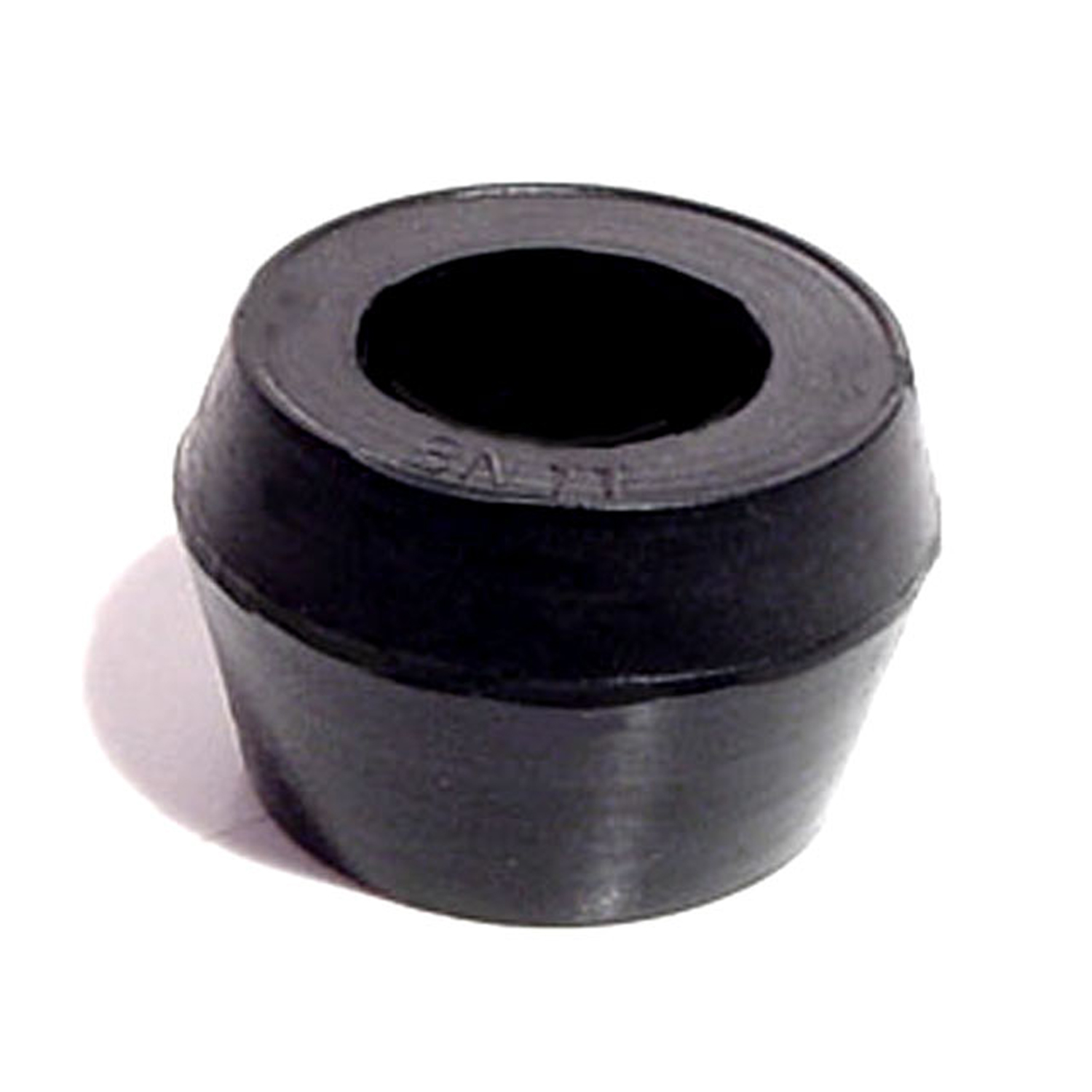 1970 Ford F-250 Shock Absorber Grommet. 1" bottom O.D-BN 11Shock Absorber Grommet. 1" bottom O.D., 3/4" high, with 5/8" I.D. Each
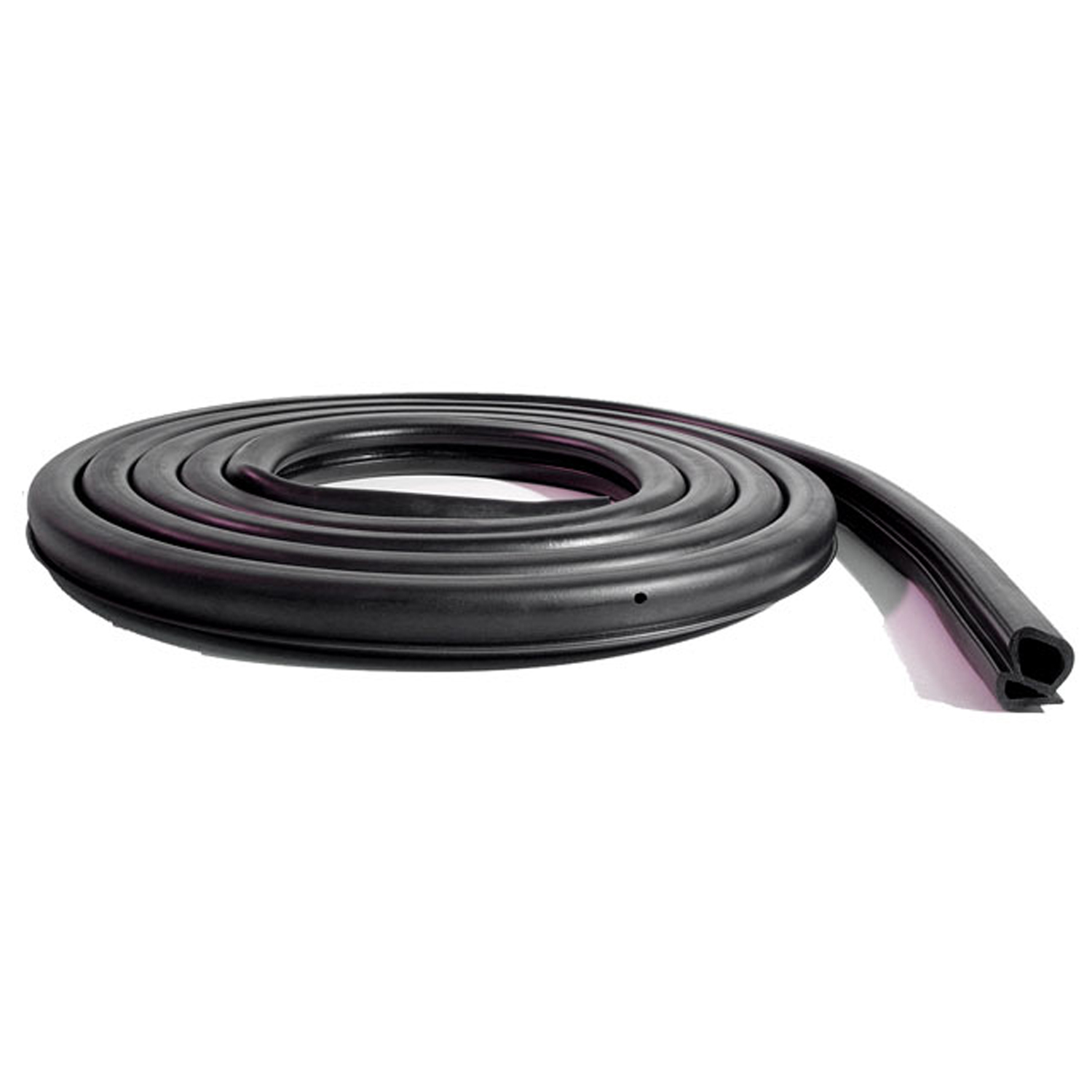 1970 Ford F-250 Door Seal. Fits either side. Each-LM 110-BDoor Seal. Fits either side. Each
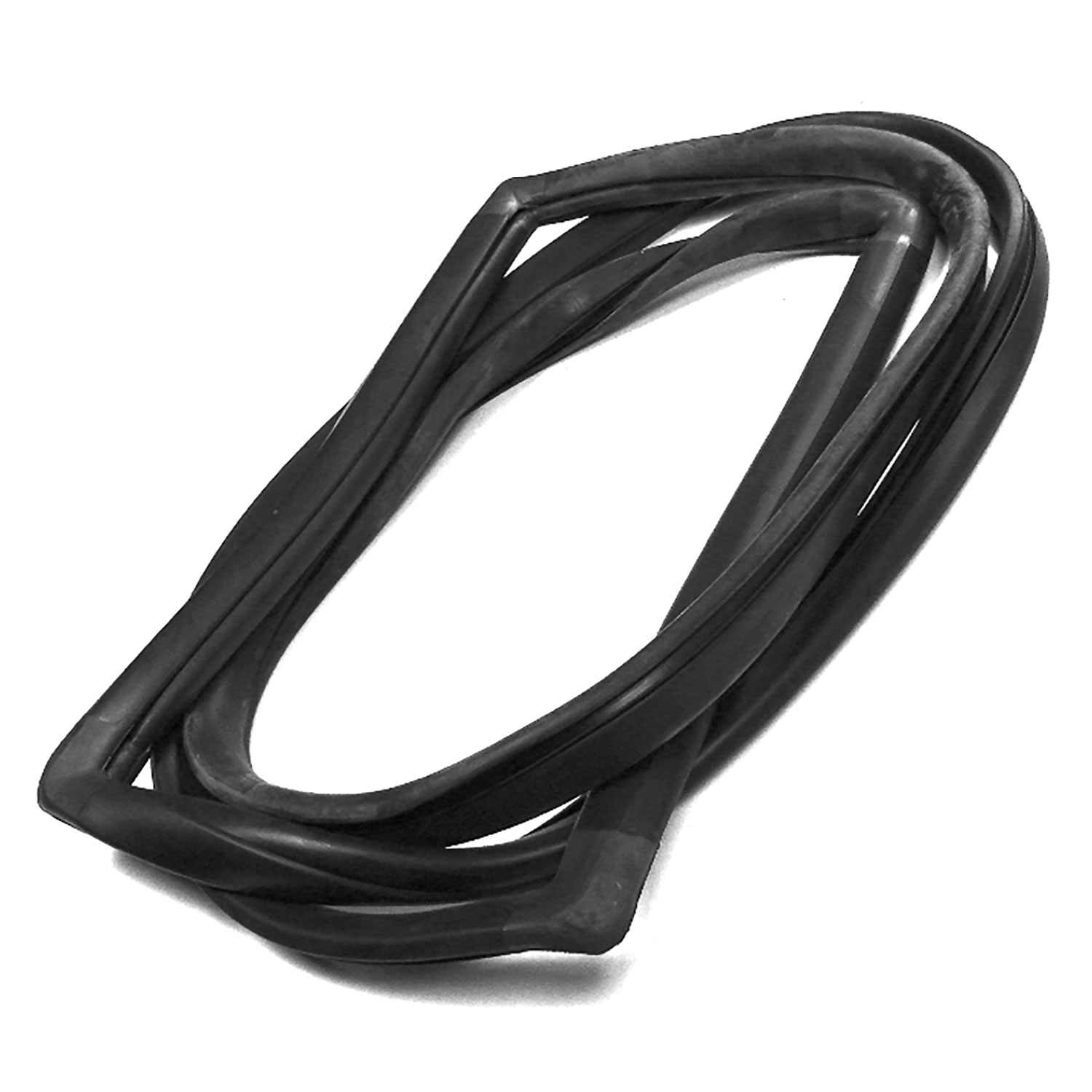 1970 Ford F-250 Windshield Seal, 67-79 Ford Full Size Truck, 78-79 Bronco, Without Trim Groove-VWS 3304-CThis windshield seal goes first on the glass and is installed using the rope-in method. This product is made from the original specs and with high quality ozone resistant EPDM rubber for a great fit and long life. This item is designed to be installed during glass replacement.
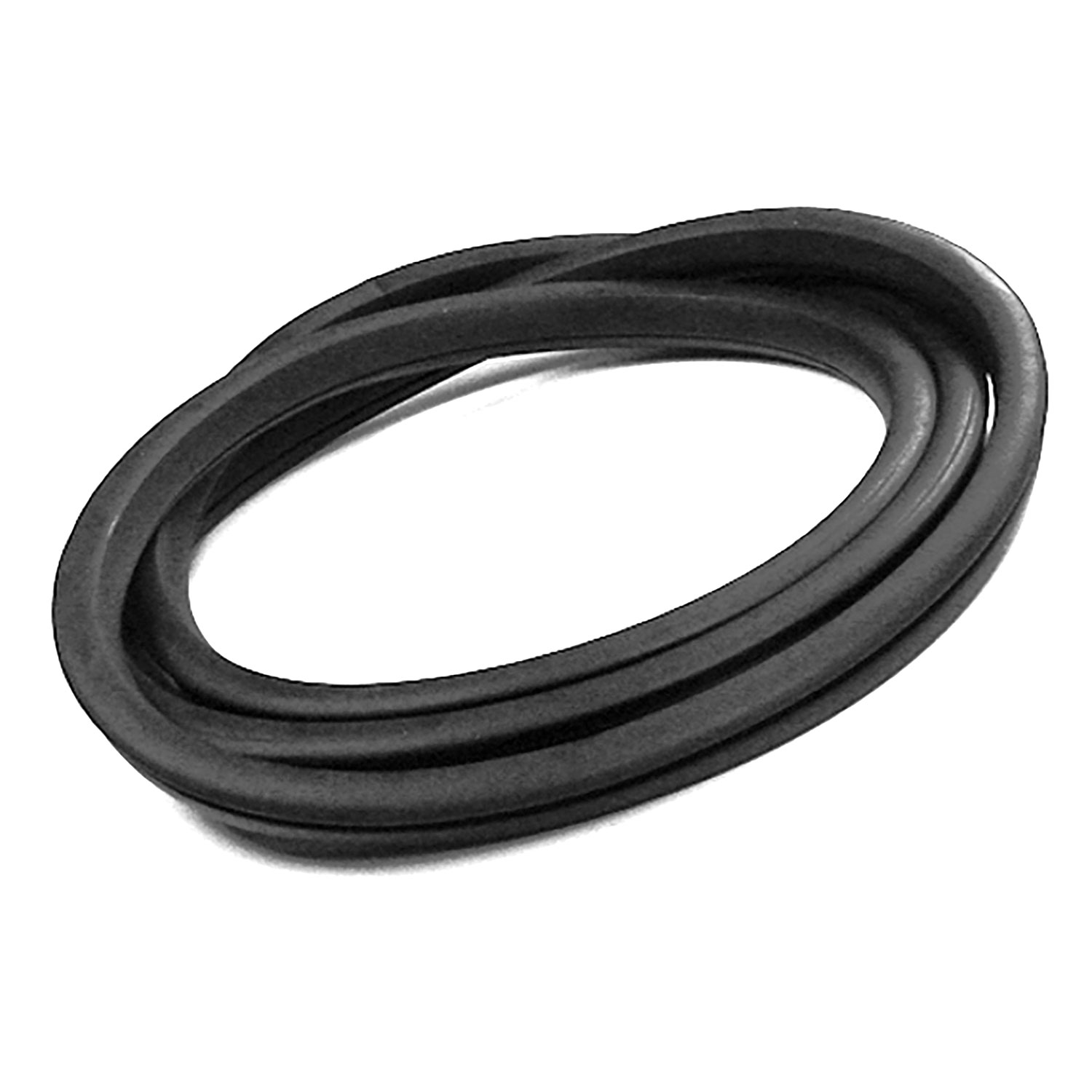 1970 Ford F-250 Rear Window Seal, 67-72 Ford Full Size Truck, Without Trim Groove, Each-VWS 3304-QThis rear window seal goes first on the body then the glass is placed in the opening. It is a standard black gasket without trim groove. This product is made from the original specs and with high quality ozone resistant materials for a great fit and long life. This item is designed to be installed during glass replacement.
Why Choose Metro?
For over 100 years, Metro Moulded Parts has been the pinnacle of quality in classic car restoration parts. Our commitment to precision and authenticity in every component ensures a perfect fit and an OEM-level appearance.
- Expert Craftsmanship & Quality: Each part is a testament to our dedication to reliability and perfection, crafted from original designs and thoroughly tested.
- Advanced Technology: We use cutting-edge techniques to create flawless, long-lasting parts that surpass others in performance.
- SuperSoft Sponge – The Ultimate Door Seal: Not only are our door seals 30% softer than competitors', but they're also guaranteed to never leak. They effectively reduce wind and road noise, enhancing your classic car's comfort and driving experience.
- Proudly American: Our parts are a product of American craftsmanship, made in the USA with a spirit of excellence and heritage.
- Unrivaled Warranty: We back our products with a 30-year industry-leading warranty, a testament to our confidence in their quality.
Join us in preserving the legacy of classic cars with parts that are crafted for perfection, not just made.