

Image of 1970 Ford Fairlane, Note: These illustrations use artistic license and may differ from actual historical models.
Performance Metrics
Fundamental Metrics
Emotional Appeal
MMP Rating
| Engine Specifications | |
|---|---|
| Engine: | 250 CID I6, 302 CID V8, 351 CID V8, 429 CID V8 |
| Displacement: | 250-429 cubic inches |
| Horsepower: | 155-360 hp |
| Torque: | 240-480 lb-ft |
| Compression Ratio: | 9.0:1 to 11.3:1 |
| Ignition System: | Conventional breaker-point ignition system |
| Cooling System: | Liquid-cooled |
| Performance Specifications | |
| 0-60 Time: | 8-10 seconds |
| 1/4 Mile Time: | 15-17 seconds |
| Top Speed: | 120-130 mph |
| Transmission and Drive | |
| Drive Type: | Rear-wheel drive |
| Transmission Type: | 3-speed manual, 4-speed manual, 3-speed automatic |
| Fuel and Efficiency | |
| Fuel System Type: | Carburetor |
| MPG: | 10-15 mpg |
| Dimensions and Brakes | |
| Brakes: | Front disc and rear drum brakes |
| Wheelbase: | 117 inches |
| Weight: | 3,200-3,600 lbs |
Note: Specifications for classic cars are given to the best of our ability, considering the limited and variant data available.
1970 Ford Fairlane: A Midsize Ford at a Turning Point
The 1970 Ford Fairlane was a roomy, straightforward American intermediate caught between two eras: it carried a name rooted in Ford’s postwar history, yet shared its modern platform and much of its character with the Torino, Ford’s rising star. Built by the Ford Motor Company, it offered V8 power and generous space without the flash or price of a muscle-car flagship.
The Fairlane name had been part of Ford’s lineup since 1955, when it was introduced as a full-size car and named after Henry Ford’s Fair Lane estate. By 1970, the Fairlane had moved into the midsize class. This was its final U.S. model year as a distinct nameplate. From 1971, Ford folded the remaining Fairlane identity into the Torino range.
One intriguing detail from the same model year: Ford was developing the wild Torino King Cobra, an aerodynamic NASCAR-inspired prototype intended to challenge Chrysler’s winged cars. It was a Torino project, not a Fairlane production model, but it captures the high-performance atmosphere surrounding Ford’s intermediate cars in 1970.
Subtle Styling, Generous Proportions
The 1970 Fairlane shared the Torino’s redesigned intermediate body, with a long hood, broad shoulders and a gently tapered roofline. Its styling was more restrained than the sporty Torino GT or Cobra. A wide front grille, simple rectangular lamps and relatively modest trim gave the Fairlane a purposeful, clean look. From the side, the sculpted bodywork and long wheelbase made it look substantial without the extravagant ornamentation common on some full-size cars.
Inside, the Fairlane was built for everyday comfort rather than show-car drama. The cabin offered broad seats, a straightforward dashboard and easy-to-read instruments. Depending on specification, buyers could choose cloth-and-vinyl or all-vinyl upholstery. A front bench seat was typical, while equipment such as bucket seats, power steering, power brakes, air conditioning and an AM radio could be ordered on certain versions. Materials were durable and practical, though not luxurious by premium-car standards.
Ford offered a range of period paint colors, including shades such as Wimbledon White, blue and green metallics, beige, and brighter hues like Calypso Coral. Exact colors depended on body style and trim. White and subdued metallic colors suited the Fairlane’s understated character, while vivid orange and yellow shades made a less common car much harder to overlook today.
Fairlane Body Styles and Equipment
The 1970 Fairlane was positioned as the more modestly trimmed member of Ford’s intermediate family. Its core offerings were two-door and four-door sedans. The broader Torino range covered more of the family’s sporty and upscale territory, including hardtops, fastbacks, wagons and performance models. Because Ford’s series names and body-style combinations varied across the intermediate lineup, buyers researching a specific car should check its original data plate, sales literature or Marti Report rather than relying on a badge alone.
Under the hood, the Fairlane could be ordered with a 250-cubic-inch inline-six or V8 engines such as the 302 and 351, with availability depending on the model and equipment. A three-speed manual was among the basic transmission choices, while automatic transmissions and other manual options were available in the range. The result was a car that could be ordered as an economical family sedan or a considerably stronger V8 cruiser.
What the 1970 Fairlane Added to Ford’s Lineup
The Fairlane’s significance lies less in a single breakthrough than in how it represented the changing American midsize car. It gave buyers a comfortable, full-featured automobile in a more manageable size than a traditional full-size sedan. Its shared engineering with the Torino also let Ford cover several audiences with related cars, from practical family transport to NASCAR-inspired performance machines.
The Fairlane itself was not the headline-grabbing competition model. That role belonged to the Torino GT and Torino Cobra, which drew attention through high-output engines and racing associations. Still, the Fairlane benefited from the same broad platform and Ford’s focus on offering multiple powertrains and body styles. Its final year makes it a small but meaningful chapter in the transition from the Fairlane era to the Torino era.
Performance and Road Manners
Performance depends heavily on engine, transmission, axle ratio and vehicle condition. A six-cylinder Fairlane was built for relaxed transportation, while a 302 V8 offered more confident acceleration. A healthy 351-powered example could feel brisk by family-sedan standards. As broad period-style estimates, a V8 Fairlane might reach 0 to 60 mph in roughly 8 to 11 seconds, with top speed in the neighborhood of 105 to 120 mph. These are estimates, not guaranteed factory figures, and gearing and tune can change them substantially.
The Fairlane’s long wheelbase helped it settle into a comfortable highway rhythm. Its conventional suspension absorbed ordinary road imperfections well, though worn bushings, tired shocks and old tires can make a surviving example feel loose or floaty. On a winding road, expect a solid, substantial sedan rather than a nimble sports car. Steering response and cornering feel are also affected by whether the car has power steering and by the condition of its suspension components.
Behind the wheel, the experience is distinctly 1970s: a broad hood ahead, a comparatively simple cockpit and a smooth, low-frequency V8 rumble in V8 versions. The car feels at home cruising along a highway or rolling through town. It rewards relaxed driving more than aggressive cornering, and its size is always present in tight parking lots.
Living With a Classic Fairlane
A 1970 Fairlane can serve as a weekend cruiser, a local show car or, with careful upkeep, occasional transportation. It is not typically the first choice for serious racing, although the Ford intermediate family has deep performance and stock-car connections. A restored Fairlane can also make a more unusual show-field choice than a Torino Cobra or Mustang, which tend to attract more attention.
Routine maintenance is familiar to anyone who has worked on a vintage domestic Ford. The engines, transmissions and many chassis components are conventional, and replacement parts for common mechanical items are generally available through classic-Ford suppliers. The biggest ownership challenges are often rust, aging wiring, worn suspension parts and hard-to-find Fairlane-specific trim or interior pieces. Before buying, inspect the floors, trunk, lower body panels, frame structure and windshield area closely. A mechanically sound car with solid metal is usually a better starting point than a shiny car hiding corrosion.
Fairlane Facts and Common Misconceptions
The 1970 model year closed the Fairlane’s separate U.S. run, giving otherwise ordinary sedans added historical appeal. Ford’s Torino family was also prominent in NASCAR during this period, but that racing reputation should not be confused with the Fairlane itself. The Torino Cobra was the high-performance showroom model, while the Fairlane was the more restrained choice.
There is no widely recognized production speed or endurance record associated with the Fairlane. Nor should the car be confused with the 1972 Ford Gran Torino featured in the 2008 film Gran Torino. The names are related through Ford’s intermediate-car history, but that movie car was a different model and model year.
A common criticism is that the Fairlane lacks the instant recognition of a Mustang, Torino Cobra or Chevrolet Chevelle. Its styling is less flamboyant, and the base versions were not built to be muscle cars. For many owners, those are part of its appeal: it offers classic Ford character without the price premium or attention that comes with the most famous performance badges.
Collector Value, Rarity and Market Outlook
Exact production totals for the 1970 Fairlane can be difficult to pin down because sources and model classifications do not always separate Fairlane versions consistently from the wider Torino family. A reasonable broad estimate is that Fairlane-badged cars numbered in the tens of thousands, perhaps roughly 20,000 to 40,000, but that should be treated as an informed estimate rather than a confirmed factory total. Survivors are less common than the headline Torino and Mustang models, especially in original, well-documented condition.
As a general U.S. market guide, a project car may sell for about $4,000 to $8,000, while a usable driver often falls around $8,000 to $18,000. A clean, well-restored example can reach approximately $20,000 to $35,000, with exceptional cars or unusually desirable configurations potentially selling for more. Condition, originality, rust repair, engine specification and documentation make a major difference. These are broad estimates, not a formal appraisal.
Fairlane values have generally benefited from growing interest in overlooked American intermediates, but the model has not seen the same price surge as the best-known muscle cars. Good examples appear to be holding steady or appreciating gradually, with the strongest demand focused on solid, original cars and tasteful restorations. Rare trim and strong V8 configurations may draw extra interest, but buyers should verify what the car left the factory with.
Why the 1970 Fairlane Still Matters
The 1970 Ford Fairlane combined practical midsize dimensions, familiar Ford engineering and the option of honest V8 performance. Its understated styling and everyday comfort made it a sensible choice in its day, while its final model year gives it a distinct place in Ford history. It may not be the loudest name in the muscle-car conversation, but that is exactly why a good Fairlane feels like a discovery.
1970 Ford Fairlane Catalog of Parts
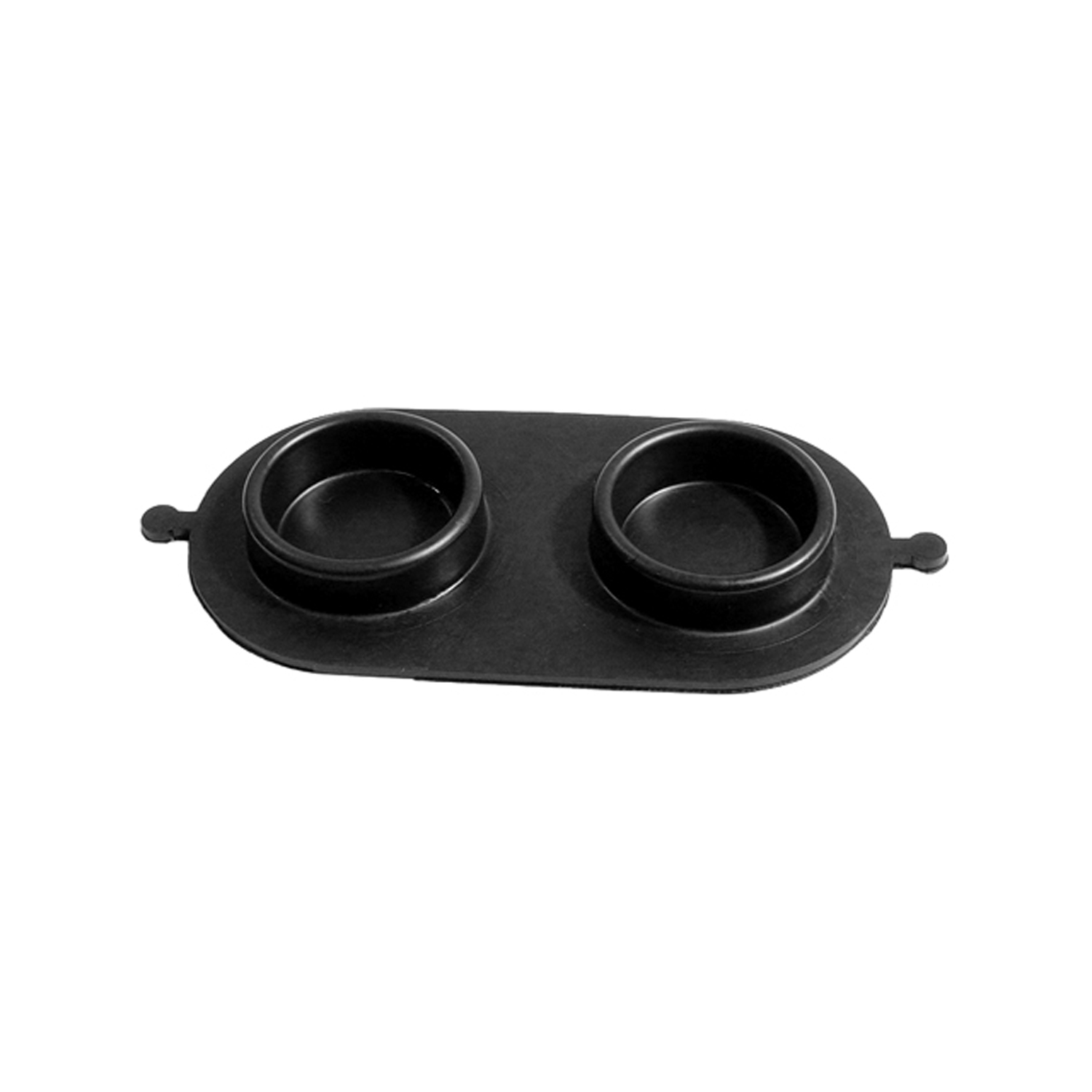 1970 Ford Fairlane Brake Master Cylinder Cover Seal. Replaces OEM #C7AZ2167-A-RP 2-BBrake Master Cylinder Cover Seal. Replaces OEM #C7AZ2167-A. Each
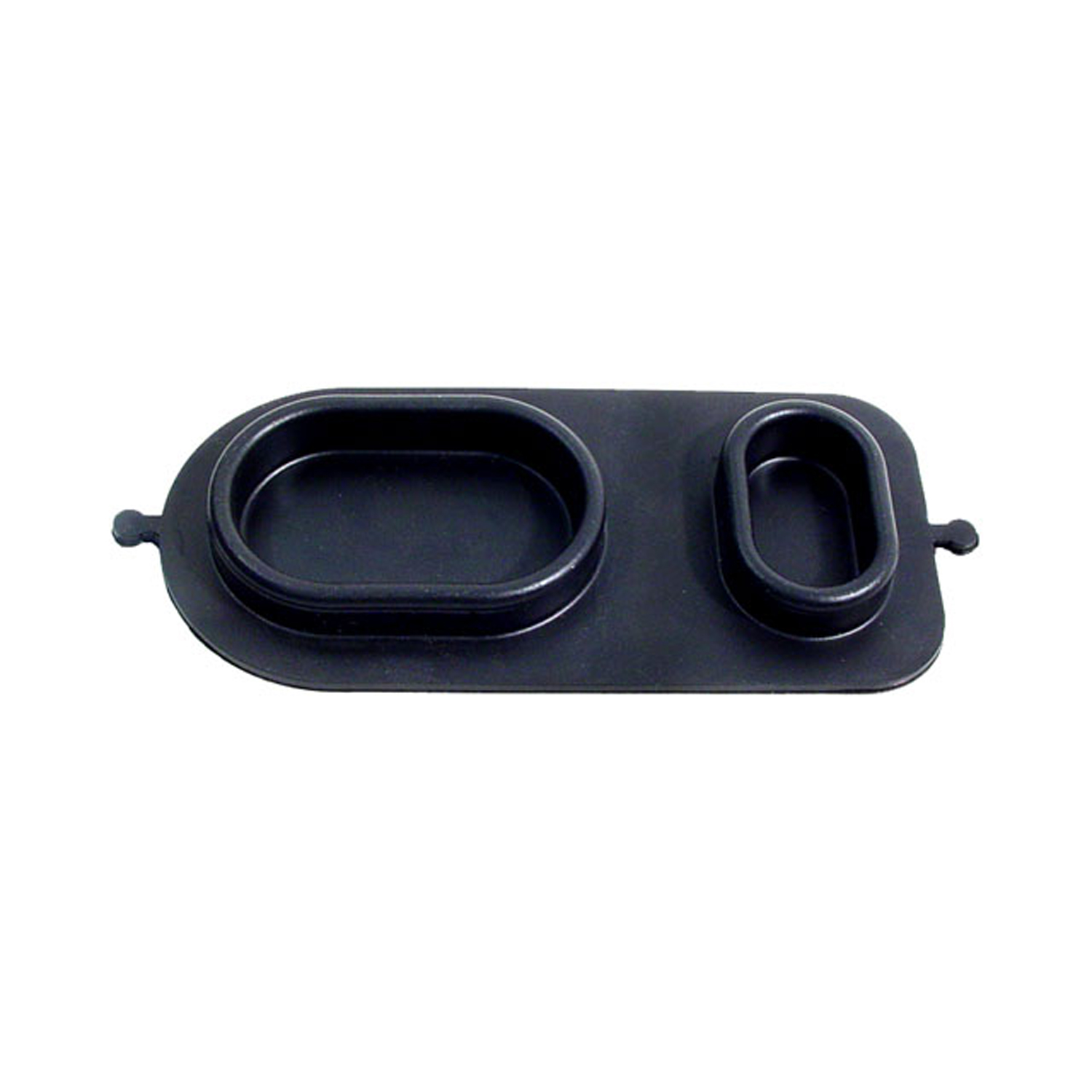 1970 Ford Fairlane Brake Master Cylinder Cover Seal. Replaces OEM #5470861-RP 2-CBrake Master Cylinder Cover Seal. Replaces OEM #5470861. 5-9/16" long, 2-5/8" wide. Each
 1970 Ford Fairlane Door Lock Button Grommet. Made of clear plastic. Each-RP 303-LDoor Lock Button Grommet. Made of clear plastic. Each
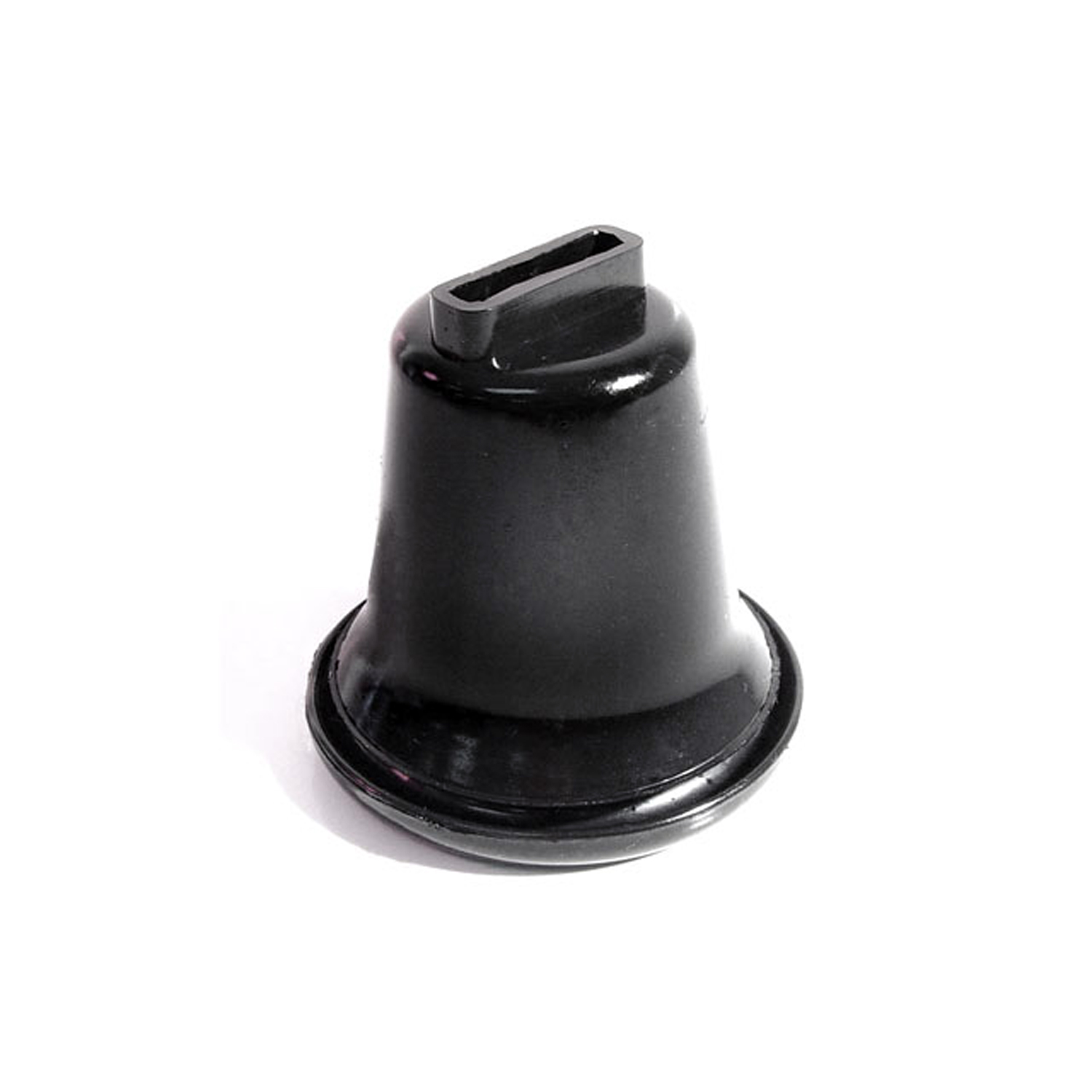 1970 Ford Fairlane Brake Booster Boot. Each-RP 32-AABrake Booster Boot. Each
 1970 Ford Fairlane Rear Windshield Reveal Molding Clip. Made of steel. Each-WF 228Rear Windshield Reveal Molding Clip. Made of steel. Each
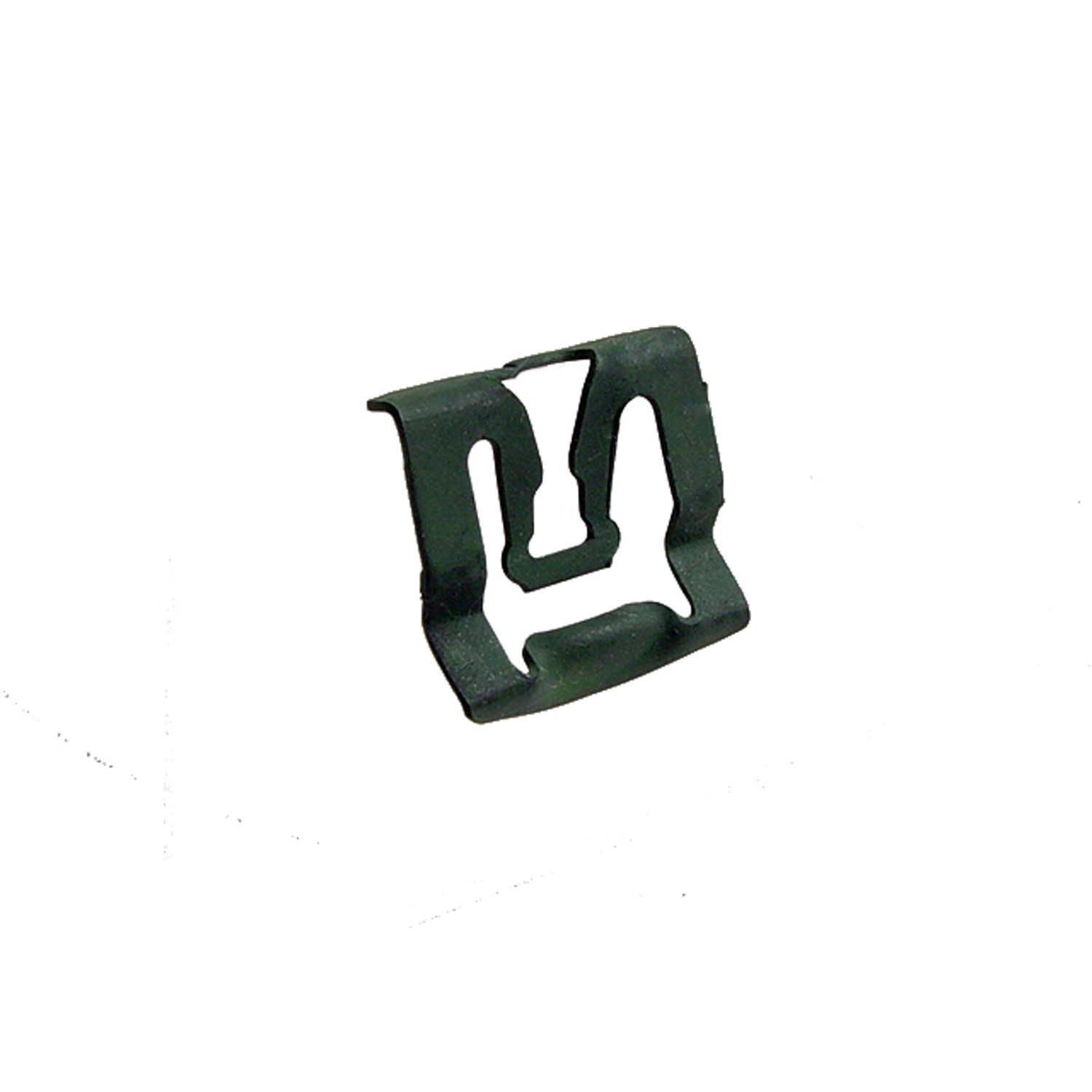 1970 Ford Fairlane Windshield Reveal Molding Clip. Made of steel. Each-WF 228-AWindshield Reveal Molding Clip. Made of steel. Each
 1970 Ford Fairlane Spare Tire Hold Down Nut. 1/2- 13 thread size-WF 3503Spare Tire Hold Down Nut. 1/2- 13 thread size. Replaces OEM #C8AZ-1462-A. Each
 1970 Ford Fairlane Spare Tire Hold Down Nut. 3/8- 16 thread size-WF 3504Spare Tire Hold Down Nut. 3/8- 16 thread size. Replaces OEM #B9AZ-1462-A. Each
Why Choose Metro?
For over 100 years, Metro Moulded Parts has been the pinnacle of quality in classic car restoration parts. Our commitment to precision and authenticity in every component ensures a perfect fit and an OEM-level appearance.
- Expert Craftsmanship & Quality: Each part is a testament to our dedication to reliability and perfection, crafted from original designs and thoroughly tested.
- Advanced Technology: We use cutting-edge techniques to create flawless, long-lasting parts that surpass others in performance.
- SuperSoft Sponge – The Ultimate Door Seal: Not only are our door seals 30% softer than competitors', but they're also guaranteed to never leak. They effectively reduce wind and road noise, enhancing your classic car's comfort and driving experience.
- Proudly American: Our parts are a product of American craftsmanship, made in the USA with a spirit of excellence and heritage.
- Unrivaled Warranty: We back our products with a 30-year industry-leading warranty, a testament to our confidence in their quality.
Join us in preserving the legacy of classic cars with parts that are crafted for perfection, not just made.