

Image of 1970 Ford Falcon, Note: These illustrations use artistic license and may differ from actual historical models.
Performance Metrics
Fundamental Metrics
Emotional Appeal
MMP Rating
| Engine Specifications | |
|---|---|
| Engine: | 250 CID I6, 302 CID Windsor V8, 429 CID V8 |
| Displacement: | 250-429 cubic inches |
| Horsepower: | 155-360 hp |
| Torque: | 240-480 lb-ft |
| Compression Ratio: | 9.0:1 (approximately) |
| Ignition System: | Conventional, distributor |
| Cooling System: | Liquid-cooled |
| Performance Specifications | |
| 0-60 Time: | 8-10 seconds |
| 1/4 Mile Time: | 15-17 seconds |
| Top Speed: | 120-130 mph |
| Transmission and Drive | |
| Drive Type: | Rear-wheel drive |
| Transmission Type: | 3-speed manual, 4-speed manual, 3-speed automatic |
| Fuel and Efficiency | |
| Fuel System Type: | Carburetor |
| MPG: | 10-15 mpg |
| Dimensions and Brakes | |
| Brakes: | Front disc, rear drum |
| Wheelbase: | 111.1 inches |
| Weight: | 3,000-3,500 lbs |
Note: Specifications for classic cars are given to the best of our ability, considering the limited and variant data available.
1970 Ford Falcon: The Compact That Helped Shape Ford
The 1970 Ford Falcon was a modest-sized car with an outsized place in Ford history. Built by the Ford Motor Company, it represented the final year of the Falcon nameplate in the United States, where the practical compact had helped Ford meet the growing demand for economical, easy-to-own cars. Its story is also a reminder that “1970 Falcon” can mean different things around the world: the American compact and the Australian XY Falcon were distinct cars with very different personalities.
In the United States, the Falcon helped establish the compact-car formula that influenced Ford’s later models. Its platform also provided the basis for the original Mustang, although the Mustang turned that practical foundation into a sporty car. Across the Pacific, the Australian Falcon developed into a larger, locally engineered family car and, in high-performance form, a celebrated touring-car racer. One especially memorable Australian chapter came in 1970, when an XY Falcon GT-HO Phase II won the Bathurst 500.
American Falcon or Australian XY?
The first thing a prospective buyer should establish is which 1970 Falcon they are looking at. The U.S.-market Falcon was a compact sedan or wagon built for everyday transportation. Ford ended American Falcon production after the 1970 model year, with the Maverick taking over much of the company’s compact-car role.
Australia’s 1970 Falcon belonged to the XY generation. It was larger and more substantial than the American compact, and its range included performance models such as the Falcon GT and the limited-production GT-HO. Those Australian cars have their own specifications, history, and collector market, so figures for an American Falcon should not be applied to an XY, or vice versa.
Simple Lines, Practical Proportions
The American Falcon wore the clean, upright styling typical of a compact car from its era. Its long hood, restrained grille, simple body sides, and squared-off roof made it look purposeful rather than flashy. The proportions prioritized usable passenger space and straightforward parking over the dramatic stance of a muscle car. Modest exterior trim varied by model and package, while the 1970 front-end treatment gave the car a neat, contemporary appearance without disguising its practical roots.
U.S. buyers could choose two-door and four-door sedans as well as a station wagon. The two-door sedan had the most compact, youthful look, while the four-door and wagon suited family use. The wagon is particularly appealing today for its versatility and period charm. Ford’s model names and trim combinations varied, but buyers could find basic transportation-oriented cars as well as better-trimmed versions.
Cabin Comfort and Period Technology
Inside, the Falcon was functional and uncomplicated. Depending on trim and options, seats were upholstered in vinyl or fabric, with more decorative trim on better-equipped models. The dashboard was simple, with clearly arranged controls and easy-to-read instruments. Materials were appropriate to an affordable car of the period rather than luxurious: durable surfaces and practical finishes mattered more than soft-touch padding or elaborate ornament.
Equipment could include an AM radio, heater, automatic transmission, and upgraded interior appointments. Some cars were fitted with front disc brakes, but equipment depended on the specific configuration. The Falcon did not offer the electronic driver aids or comfort technology expected in a modern car. Its appeal lies partly in that directness: the driver operates straightforward mechanical systems without layers of digital assistance.
Ford offered a range of factory paint colors, including period-typical whites, blues, greens, reds, and earth tones. Exact colors depended on body style, trim, and market. Bright colors tend to attract attention at shows, but subdued shades often suit the Falcon’s no-nonsense character. For collectors, original paint codes and a documented factory color can add interest, especially when the car has not been repainted in a more fashionable shade.
Engines, Gearboxes, and Road Manners
American 1970 Falcons were available with economical inline-six engines and, in some configurations, a 302-cubic-inch V8. Exact availability and output depended on the body style and equipment. The six-cylinder models were intended for economical motoring, while the V8 offered stronger acceleration and a more relaxed feel at highway speeds. Buyers could find manual transmissions as well as Ford’s automatic transmission, with the choice affecting both performance and driving character.
There is no single reliable 0-to-60-mph or top-speed figure for every 1970 Falcon. As a broad real-world guide, a six-cylinder car may take roughly 14 to 17 seconds to reach 60 mph, while a healthy V8 example can do it in approximately 9 to 11 seconds. Depending on engine, gearing, condition, and body style, approximate top speed might range from around 90 mph for a lower-powered car to just over 100 mph for a V8. These are estimates, not universal factory test results, and the age and mechanical condition of an individual car matter enormously.
The Falcon’s suspension reflects its practical mission. Its conventional front suspension and rear leaf springs are relatively simple to service, and the car feels at home on ordinary roads. It can ride comfortably over moderate bumps, though worn springs, tired shocks, or old bushings can make a surviving example feel loose or harsh. On winding roads, the Falcon is best driven at a measured pace. It is not a modern sports sedan, and cornering grip and braking performance depend heavily on the car’s equipment and condition.
Behind the wheel, a six-cylinder Falcon feels relaxed and unpretentious. The engine delivers a familiar mechanical hum, while a V8 adds a deeper note and more eager response. The steering and brakes are more physical than those of a modern car, giving the driver a direct connection to the machinery. A sound, properly maintained Falcon can be enjoyable on back roads and at relaxed highway speeds, but it should be driven with the limitations of half-century-old brakes, tires, and safety equipment in mind.
Why the Falcon Mattered
The Falcon’s importance is not that it introduced radical technology. It helped Ford compete in the growing compact-car market with a vehicle that was affordable, easy to understand, and adaptable to different buyers. That basic formula mattered in an era when American manufacturers were responding to smaller imports and changing expectations around fuel economy and vehicle size.
Its influence is especially visible in the Mustang’s origins. Ford used the Falcon’s underlying engineering as a starting point for the first Mustang, adding distinctive styling and a sportier identity. The contrast between the cars shows the Falcon’s versatility: a practical compact platform could also support one of America’s most influential performance-car launches.
The Australian Falcon followed a different path. Local engineering and motorsport helped turn the model into a major force in Australian touring-car culture. The 1970 XY Falcon GT-HO Phase II’s Bathurst victory, achieved by Allan Moffat and Bruce McPhee, gave the nameplate a high-profile racing moment. That achievement belongs to the Australian XY story, not the U.S. compact Falcon, but it is an important reason the 1970 Falcon name carries such varied associations today.
Ownership, Repairs, and Common Uses
Today, American Falcons are most often used as weekend classics, show cars, or occasional drivers. A carefully maintained example can still handle local trips and relaxed outings, but many owners choose not to rely on one as daily transportation. Modern traffic moves faster, and older safety features, fuel economy, and weather protection may not meet contemporary expectations.
Mechanical simplicity is one of the Falcon’s ownership strengths. The engines and drivetrains use familiar technology, and routine service is within reach for an experienced home mechanic with the right tools and a workshop manual. Parts availability is generally reasonable for common service items, though trim, body panels, and specific original components can take more searching. Rust deserves particular attention. Inspect the floors, lower body panels, wheel areas, and structural sections carefully, because cosmetic repairs can hide expensive deterioration.
Reliability depends more on condition and maintenance than on the badge. A neglected car may need fuel-system work, brake rebuilding, electrical repairs, suspension parts, or an engine overhaul. Before driving a recently purchased Falcon regularly, check the brakes, tires, steering, cooling system, and fuel lines. A basic, roadworthy restoration is often a better investment than an ambitious project with major rust and missing trim.
Falcon Facts and Common Criticisms
The Falcon name is closely connected to the Mustang’s development, but the original Mustang was not simply a Falcon with different body panels. It used Falcon-related underpinnings and many familiar mechanical components while receiving its own styling, packaging, and market identity. That shared foundation is one of the most interesting links in Ford’s 1960s history.
The 1970 model year was the final chapter for the Falcon as a U.S. compact. Production totals vary across references and can depend on which body styles and versions are counted; a reasonable estimate for the American line is roughly 67,000 to 70,000 cars. That makes an ordinary sedan or wagon uncommon at modern shows, though not necessarily rare in the same sense as a limited-production performance car.
Australian XY GT-HO models are a different matter. They were built in small numbers and are highly sought after because of their competition history. Their reputation is tied to Australian touring-car racing, particularly the Bathurst 500, rather than to American Falcon production or specifications. As with any rare performance model, buyers should verify identification, provenance, and originality carefully.
Common criticisms of the American Falcon are straightforward: base models can feel slow, the cabin is basic, and handling and braking are dated by modern standards. Rust and age-related deterioration are also frequent concerns. Its strengths are equally clear: simple mechanics, useful body styles, approachable dimensions, and a significant connection to Ford’s broader history.
Collector Values and Availability
Collector prices vary sharply with body style, engine, originality, rust, and restoration quality. As a broad U.S. estimate, a project Falcon might sell for about $3,000 to $8,000. A sound driver-quality car may fall around $8,000 to $18,000, while a clean, well-restored example can reach roughly $20,000 to $35,000 or more. Exceptional, highly original cars or particularly desirable configurations can exceed that range, but condition and documentation make a major difference.
Australian XY GT-HO models occupy a separate, much higher-value market. Authentic examples can command prices many times greater than an ordinary American Falcon, with the exact figure depending on the model, history, and originality. Because replicas and modified cars exist, specialist inspection and documentation are essential before buying one.
American Falcons are available, but finding the right one can take patience. Sedans and project cars appear more often than pristine, original wagons or especially well-preserved V8 examples. Values for sound, original classics have generally benefited from growing interest in approachable 1960s and 1970s cars, though ordinary examples are not guaranteed to appreciate. The best purchase is usually the car with the strongest body, clearest history, and most complete parts rather than the one with the biggest engine or the lowest asking price.
A Practical Classic with a Bigger Story
The 1970 Ford Falcon is an appealing classic because it brings together everyday usability and genuine historical significance. The American model closed the book on Ford’s original compact-car line, while its engineering helped make the first Mustang possible. Across the world, the Australian XY Falcon added a very different chapter, marked by performance and Bathurst racing success.
Whether you prefer a simple six-cylinder sedan, a useful wagon, or the legendary Australian performance models, the Falcon rewards careful research and sound maintenance. It may not be the loudest classic in the parking lot, but its influence reaches from family transport to one of Ford’s most enduring sports-car icons.
1970 Ford Falcon Catalog of Parts
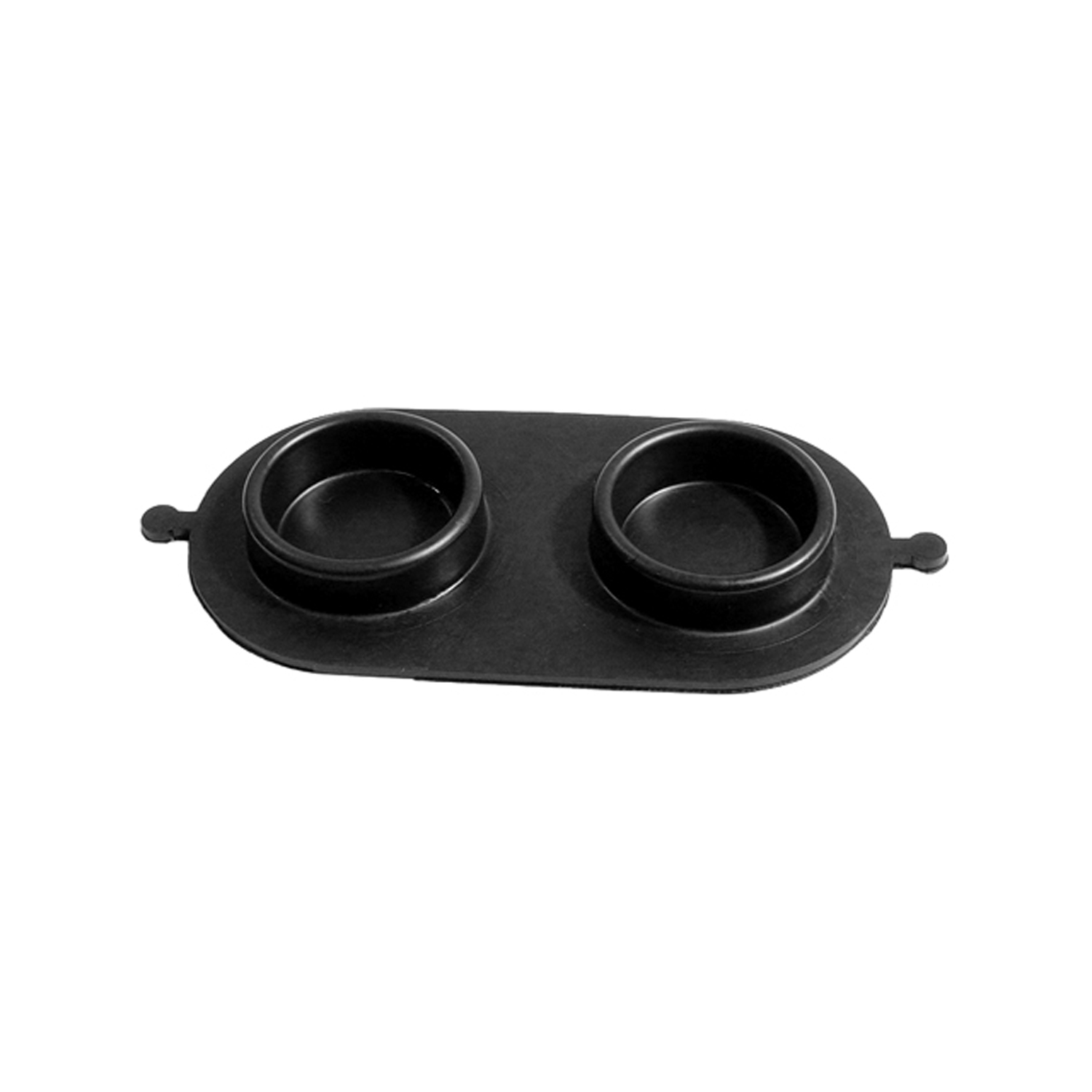 1970 Ford Falcon Brake Master Cylinder Cover Seal. Replaces OEM #C7AZ2167-A-RP 2-BBrake Master Cylinder Cover Seal. Replaces OEM #C7AZ2167-A. Each
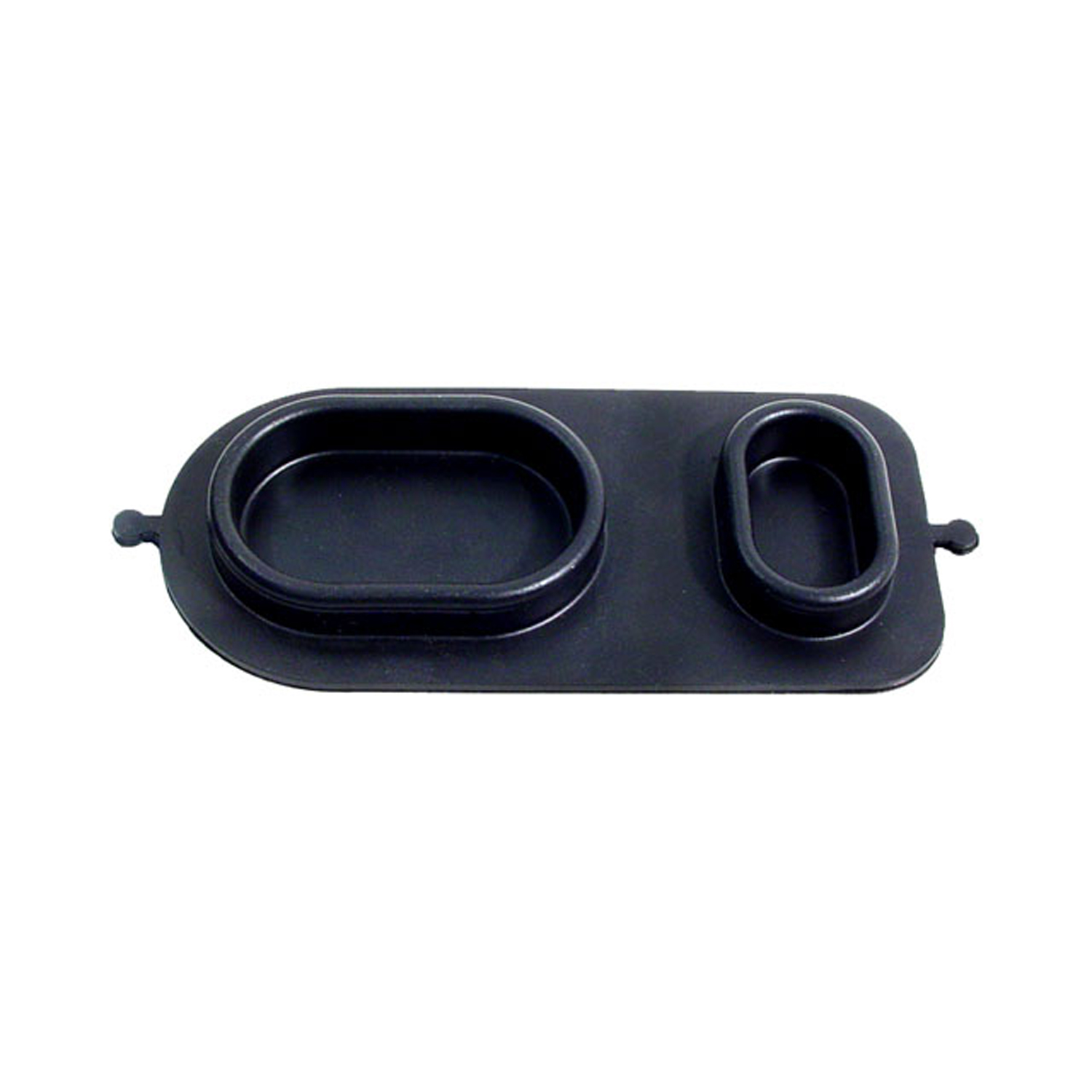 1970 Ford Falcon Brake Master Cylinder Cover Seal. Replaces OEM #5470861-RP 2-CBrake Master Cylinder Cover Seal. Replaces OEM #5470861. 5-9/16" long, 2-5/8" wide. Each
 1970 Ford Falcon Door Lock Button Grommet. Made of clear plastic. Each-RP 303-LDoor Lock Button Grommet. Made of clear plastic. Each
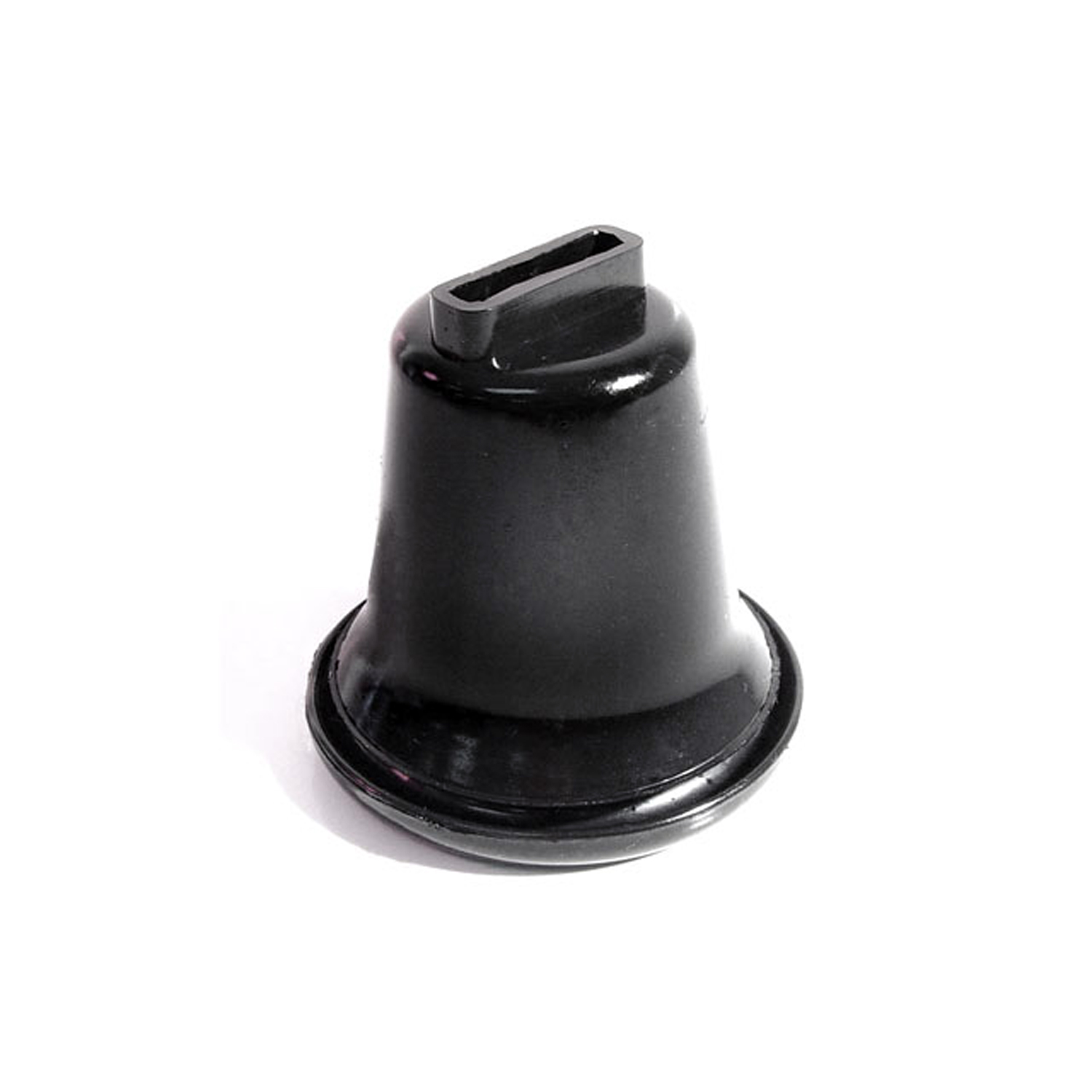 1970 Ford Falcon Brake Booster Boot. Each-RP 32-AABrake Booster Boot. Each
 1970 Ford Falcon Trunk Seal. 18 feet long. Each-TK 51-18Trunk Seal. 18 feet long. Each
 1970 Ford Falcon Window Sweeper Kit Fits 66-70 Falcon 2 Door Sedan. 8 piece set-WC 1400-19This eight (8) piece set is a must-have for anyone looking to keep their car's side windows clean. The inner and outer felt beltline weatherstrips are perfect for the door and quarter windows, wiping the glass when it's lowered. They're easy to install, with finished ends and body curvature bends for a factory like appearance.
 1970 Ford Falcon Rear Windshield Reveal Molding Clip. Made of steel. Each-WF 228Rear Windshield Reveal Molding Clip. Made of steel. Each
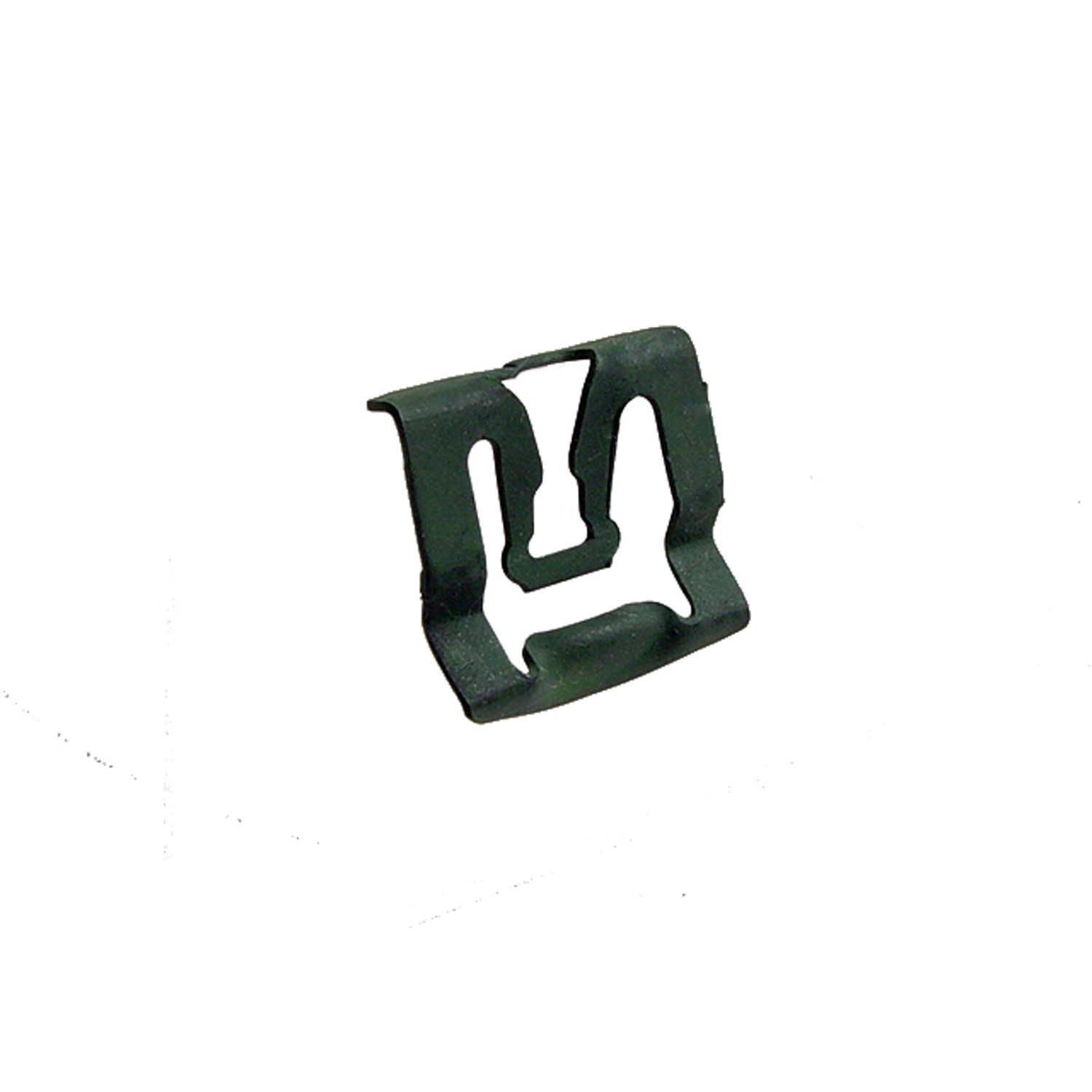 1970 Ford Falcon Windshield Reveal Molding Clip. Made of steel. Each-WF 228-AWindshield Reveal Molding Clip. Made of steel. Each
 1970 Ford Falcon Spare Tire Hold Down Nut. 1/2- 13 thread size-WF 3503Spare Tire Hold Down Nut. 1/2- 13 thread size. Replaces OEM #C8AZ-1462-A. Each
 1970 Ford Falcon Spare Tire Hold Down Nut. 3/8- 16 thread size-WF 3504Spare Tire Hold Down Nut. 3/8- 16 thread size. Replaces OEM #B9AZ-1462-A. Each
Why Choose Metro?
For over 100 years, Metro Moulded Parts has been the pinnacle of quality in classic car restoration parts. Our commitment to precision and authenticity in every component ensures a perfect fit and an OEM-level appearance.
- Expert Craftsmanship & Quality: Each part is a testament to our dedication to reliability and perfection, crafted from original designs and thoroughly tested.
- Advanced Technology: We use cutting-edge techniques to create flawless, long-lasting parts that surpass others in performance.
- SuperSoft Sponge – The Ultimate Door Seal: Not only are our door seals 30% softer than competitors', but they're also guaranteed to never leak. They effectively reduce wind and road noise, enhancing your classic car's comfort and driving experience.
- Proudly American: Our parts are a product of American craftsmanship, made in the USA with a spirit of excellence and heritage.
- Unrivaled Warranty: We back our products with a 30-year industry-leading warranty, a testament to our confidence in their quality.
Join us in preserving the legacy of classic cars with parts that are crafted for perfection, not just made.