

Image of 1970 Ford Galaxie 500, Note: These illustrations use artistic license and may differ from actual historical models.
Performance Metrics
Fundamental Metrics
Emotional Appeal
MMP Rating
| Engine Specifications | |
|---|---|
| Engine: | 351 Windsor V8, 390 FE V8, 429 ThunderJet V8 |
| Displacement: | 351 - 429 cu in |
| Horsepower: | 250 - 360 hp |
| Torque: | 355 - 480 lb-ft |
| Compression Ratio: | 9.5:1 - 10.5:1 |
| Ignition System: | Conventional, distributor |
| Cooling System: | Liquid-cooled |
| Performance Specifications | |
| 0-60 Time: | 8 - 10 seconds |
| 1/4 Mile Time: | 16 - 18 seconds |
| Top Speed: | 120 - 130 mph |
| Transmission and Drive | |
| Drive Type: | Rear-wheel drive |
| Transmission Type: | 3-speed automatic, 4-speed manual |
| Fuel and Efficiency | |
| Fuel System Type: | Carburetor |
| MPG: | 10 - 12 mpg |
| Dimensions and Brakes | |
| Brakes: | Front disc, rear drum |
| Wheelbase: | 119.0 in |
| Weight: | 3,800 - 4,200 lbs |
Note: Specifications for classic cars are given to the best of our ability, considering the limited and variant data available.
1970 Ford Galaxie 500: Big Ford, Lasting Appeal
The 1970 Ford Galaxie 500 brought classic American full-size motoring to the end of an era: long, wide, V8-powered, and built for open-road comfort. Manufactured by the Ford Motor Company, it sat in the middle of Ford’s full-size lineup, above the basic Custom 500 and below the more luxurious LTD. Its mix of generous space, straightforward engineering, and available big-block power made it a familiar sight on American roads.
The Galaxie name had been part of Ford’s full-size range since the late 1950s, when automakers competed with dramatic styling and increasingly powerful engines. By 1970, the market was beginning to shift. Buyers were paying more attention to fuel costs, safety, and smaller cars, but large sedans and coupes still had plenty of appeal. One notable milestone makes this model year especially interesting: 1970 was the final year for Ford’s full-size convertible. After that, open-top buyers had to look elsewhere in the Ford lineup.
Full-Size Ford Design and Interior
The 1970 Galaxie 500 wore the confident proportions expected of a big Ford. Its long hood, broad body, and formal roofline gave it a substantial presence, while the squared-off front styling and wide grille made the car look clean and purposeful. Chrome trim highlighted the bumpers and side details without overwhelming the body. The overall effect was less flamboyant than some earlier American designs, but unmistakably substantial.
Inside, the Galaxie 500 favored comfort over sportiness. A broad bench seat was typical, with upholstery in cloth, vinyl, or combinations of the two depending on trim and equipment. The dashboard was laid out in a straightforward, driver-friendly manner, with large controls and a wide passenger-side area. Materials were appropriate to a mainstream full-size car of the period: durable and comfortable, with more upscale finishes available through options. Buyers seeking a sportier cabin, including bucket-seat styling, generally looked toward the Galaxie 500 XL.
Technology was practical rather than futuristic. Available equipment included power steering, power brakes, air conditioning, an AM radio, power windows, and Ford’s Cruise-O-Matic automatic transmission. A three-speed manual transmission was also offered in some configurations. Safety equipment reflected the changing standards of the era, including seatbelts and a steering column designed with impact safety in mind. Many comfort features were optional, so equipment can vary considerably between surviving cars.
Ford offered a range of exterior colors, from restrained whites, blues, and greens to brighter reds and metallic shades. White and darker blue or green tones suit the Galaxie’s formal character, while red examples make the car look more dramatic. Exact color names and availability depended on the paint code and production details, so checking the data plate or original documentation is the best way to confirm a specific car’s factory color.
Body Styles and Model Choices
The Galaxie 500 was available in several full-size body styles, including two-door and four-door sedans, two-door and four-door hardtops, and a convertible. The two-door hardtop is often the most visually striking choice, with its uninterrupted roofline and long coupe profile. The convertible is especially significant today because it represents the final model year for Ford’s full-size open-top cars.
Ford’s full-size range also included station wagons, but these were marketed under names such as Country Sedan and Country Squire rather than as Galaxie 500 wagons. The Galaxie 500 XL added a sportier flavor to the lineup, while the LTD emphasized luxury. That range gave buyers a way to choose between value, comfort, and style without leaving Ford’s full-size platform.
Why the 1970 Galaxie 500 Matters
The Galaxie 500 was not a radical technology showcase. Its importance lies in how well it represented the traditional American full-size car at a turning point in the industry. Ford paired a spacious cabin and body-on-frame construction with a choice of engines and comfort equipment, delivering a car suited to family travel, commuting, and long highway journeys.
Compared with smaller cars, the Galaxie offered room to stretch out and a smooth, quiet ride. Compared with luxury models, it delivered much of the same basic size and presence at a more accessible position in the lineup. Its broad range of body styles and powertrains also made it adaptable to different buyers. The final-year convertible gives the 1970 model a particular place in Ford history, marking the close of an era before market tastes and regulations reshaped the American car.
Engines, Speed, and Road Manners
Engine availability could include a 240-cubic-inch inline-six and several V8 choices, such as 302-, 351-, 390-, and 429-cubic-inch engines, depending on configuration. The smaller engines suited buyers who wanted a large car without opting for the biggest powerplant. The 390 and 429 V8s delivered the low-speed torque that made a heavy Ford feel relaxed and effortless under ordinary driving. Output figures were commonly advertised using the gross horsepower ratings of the period, which are not directly comparable to modern net horsepower figures.
Performance varied with engine, transmission, axle gearing, body style, and vehicle condition. As a general guide, a well-running 429-powered car might reach 60 mph in roughly eight to nine seconds, while less powerful versions could take considerably longer. Top speed for a healthy V8 model could fall in the approximate 110-to-120-mph range, although gearing and condition make any single figure only a broad estimate. These were substantial road cars, not lightweight sports coupes.
On the road, the Galaxie’s priorities are clear. Its long wheelbase and soft suspension take the edge off bumps and expansion joints, making it comfortable on highways and ordinary streets. The tradeoff is body roll and a less nimble feel on winding roads. Power steering makes parking manageable, but the car’s size still demands attention in tight spaces. In crosswinds, the broad body can feel more affected than a modern sedan, and its brakes and tires should be kept in excellent condition for confident driving.
The driving experience is part of the appeal. A V8 produces a deep, relaxed exhaust note, while the automatic transmission encourages smooth, unhurried progress. The driver sits behind a broad hood and a generous bench seat, with the car responding in a measured rather than immediate way. It feels most at home cruising steadily, where the engine’s torque and the soft ride do their best work.
Living With a Galaxie 500
Today, owners use the 1970 Galaxie 500 as a weekend cruiser, a show car, a family-history project, or a comfortable classic for local events. Some are restored to factory specification, while others receive discreet upgrades such as modern tires, improved ignition components, or more capable cooling systems. Its size and fuel consumption make it less convenient as a daily driver than a modern car, but a well-maintained example can still handle regular outings.
Mechanical repairs are generally approachable for an experienced home mechanic. Ford built large numbers of cars using familiar V8 layouts, and many routine service items are straightforward to access. Replacement parts for common mechanical systems are generally easier to find than rare trim and body-specific pieces. Rust, worn suspension components, aging electrical systems, cooling problems, and neglected brakes are common concerns. Before buying, inspect the frame and body closely, especially around floors, lower body panels, and other areas exposed to moisture.
Galaxie 500 Trivia and Common Criticisms
The most memorable fact about the 1970 Galaxie 500 is its connection to Ford’s last full-size convertible model year. That makes an original convertible a particularly appealing find, especially when it retains correct equipment and documentation. The Galaxie also belongs to a long-running nameplate that had been associated with Ford’s full-size cars for more than a decade by this point.
There is no widely recognized speed or endurance record specifically tied to the 1970 Galaxie 500. Its strengths were everyday comfort, broad availability, and the ability to cover long distances with little fuss. The main criticisms are familiar ones for large American cars of the period: high fuel consumption, substantial exterior dimensions, and handling that favors comfort over sharp cornering. Today, those same traits are part of its character, but they are worth considering before choosing one as regular transportation.
Collector Values and Availability
There is no single authoritative production total that cleanly captures every 1970 Galaxie 500 body style and configuration. A reasonable broad estimate is that production was in the tens of thousands, with the full Ford full-size range producing substantially more cars across its various models. Sedans and hardtops are more likely to appear on the market than convertibles, while exceptionally original cars and well-documented examples attract greater interest.
As a general U.S. market guide, a project car or driver-quality Galaxie 500 may sell for roughly $5,000 to $15,000. A clean, well-presented car can fall around $15,000 to $30,000, while a high-quality restoration or desirable convertible may reach approximately $30,000 to $50,000 or more. These are broad estimates, not guaranteed sale prices. Condition, originality, rust, engine, body style, and location can make a major difference.
Values have tended to be steadier than those of highly sought-after muscle cars. Good examples remain attractive to buyers who want classic American style without paying top-tier muscle-car prices, and convertibles usually command a premium. The market can vary by region and economic conditions, so a careful comparison of recent sales is more useful than relying on asking prices alone. Overall, the Galaxie 500 is best viewed as a classic with solid enthusiast appeal and selective appreciation potential, rather than a guaranteed investment.
The 1970 Galaxie 500 Today
The 1970 Ford Galaxie 500 combines spacious comfort, traditional V8 character, and a design that captures the final years of Ford’s full-size convertible era. Its broad model range makes it possible to find a practical sedan, a stylish hardtop, or a rarer open-top cruiser. It asks for space, fuel, and regular maintenance, but rewards its owner with an unmistakable period driving experience.
For anyone who wants a classic Ford built to cruise rather than chase lap times, the Galaxie 500 remains a compelling choice: big, comfortable, and a memorable symbol of American motoring at a turning point.
1970 Ford Galaxie 500 Catalog of Parts
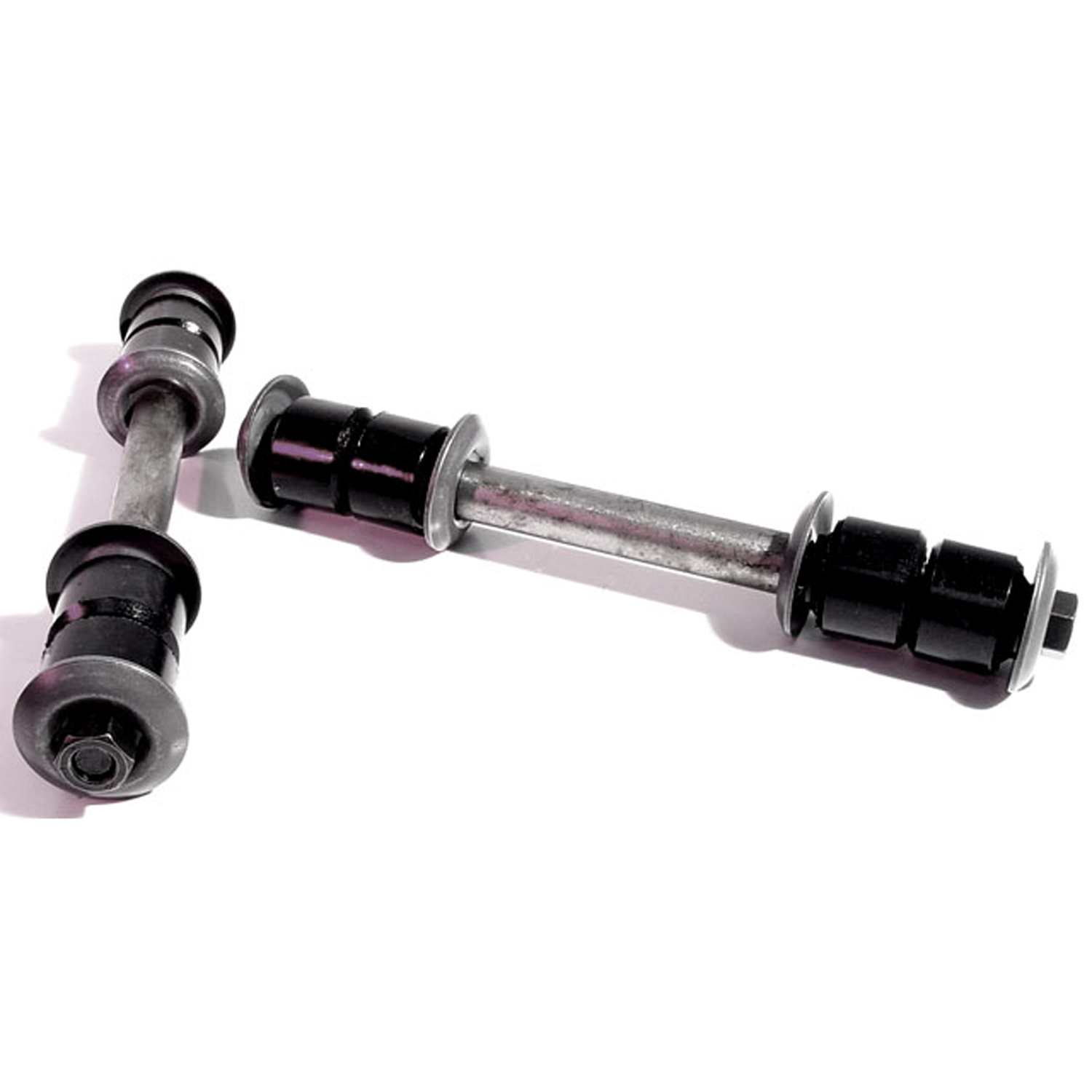 1970 Ford Galaxie 500 Front Stabilizer End Repair Kit-BNK 21Front Stabilizer End Repair Kit. 22-piece set for two stabilizer bars. Contains all rubber bushings, washers, bolts and nuts, enough for one front end. Set
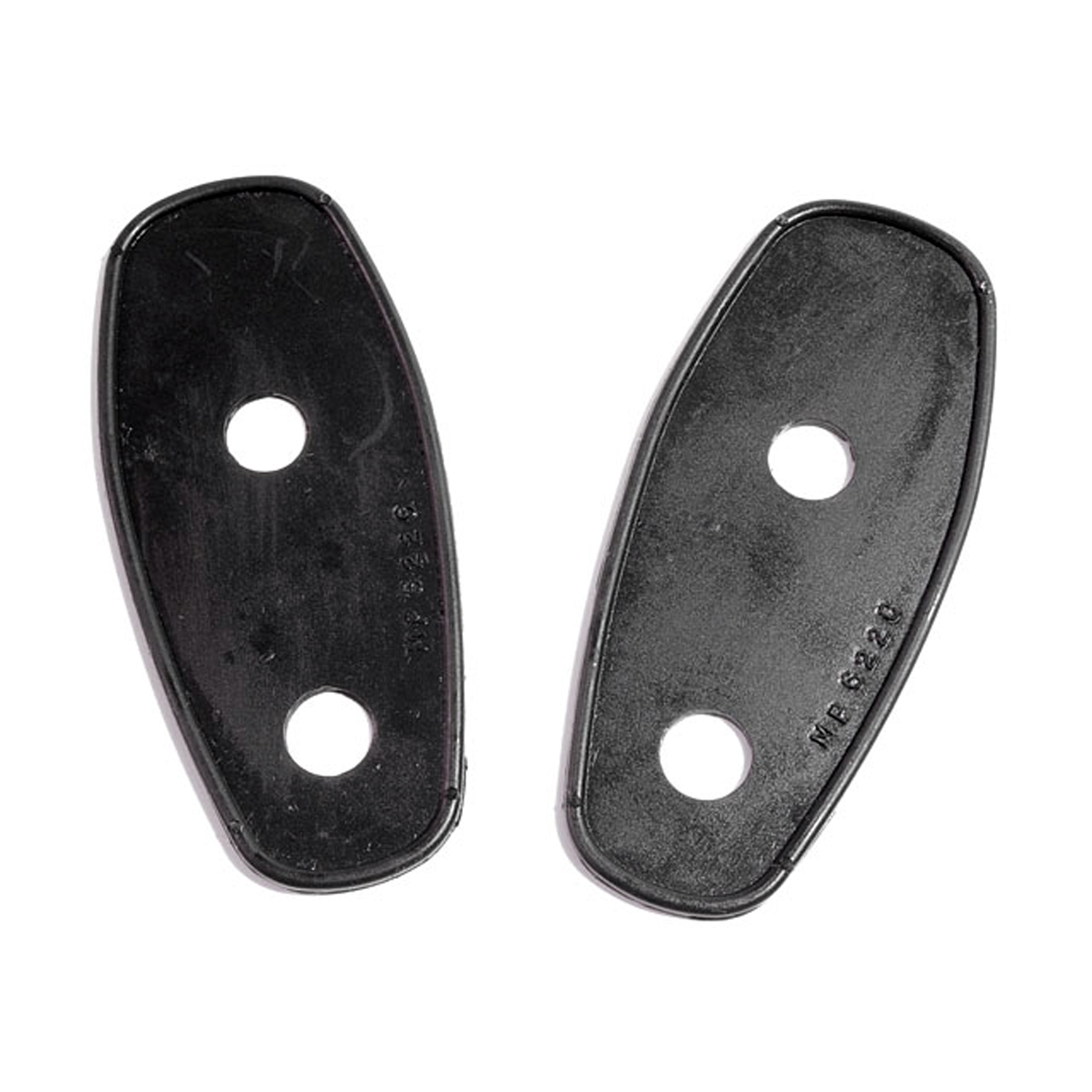 1970 Ford Galaxie 500 Rear Spoiler Mounting Pads. 2" wide X 4-3/8" long-MP 622-CRear Spoiler Mounting Pads. 2" wide X 4-3/8" long. Pair R&L
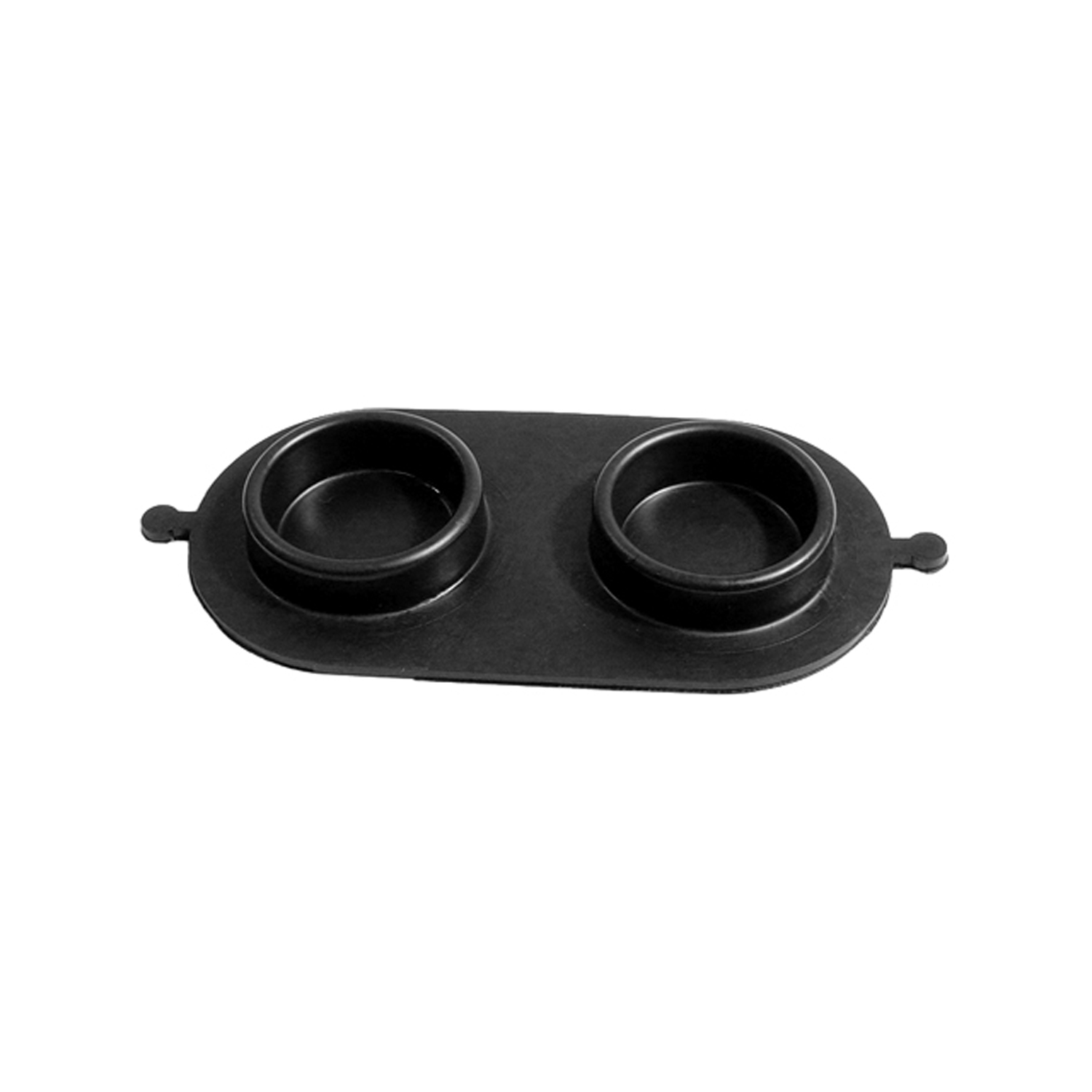 1970 Ford Galaxie 500 Brake Master Cylinder Cover Seal. Replaces OEM #C7AZ2167-A-RP 2-BBrake Master Cylinder Cover Seal. Replaces OEM #C7AZ2167-A. Each
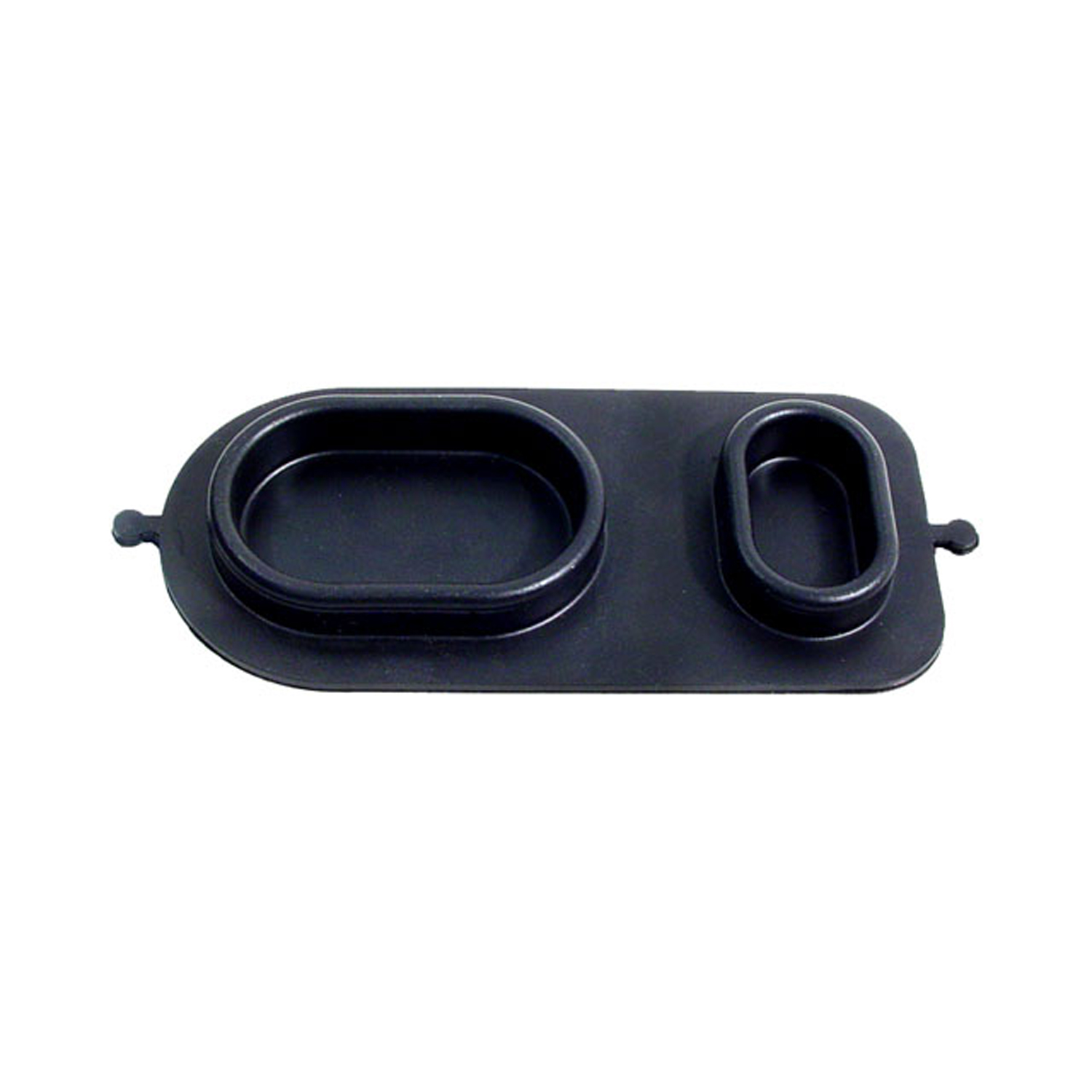 1970 Ford Galaxie 500 Brake Master Cylinder Cover Seal. Replaces OEM #5470861-RP 2-CBrake Master Cylinder Cover Seal. Replaces OEM #5470861. 5-9/16" long, 2-5/8" wide. Each
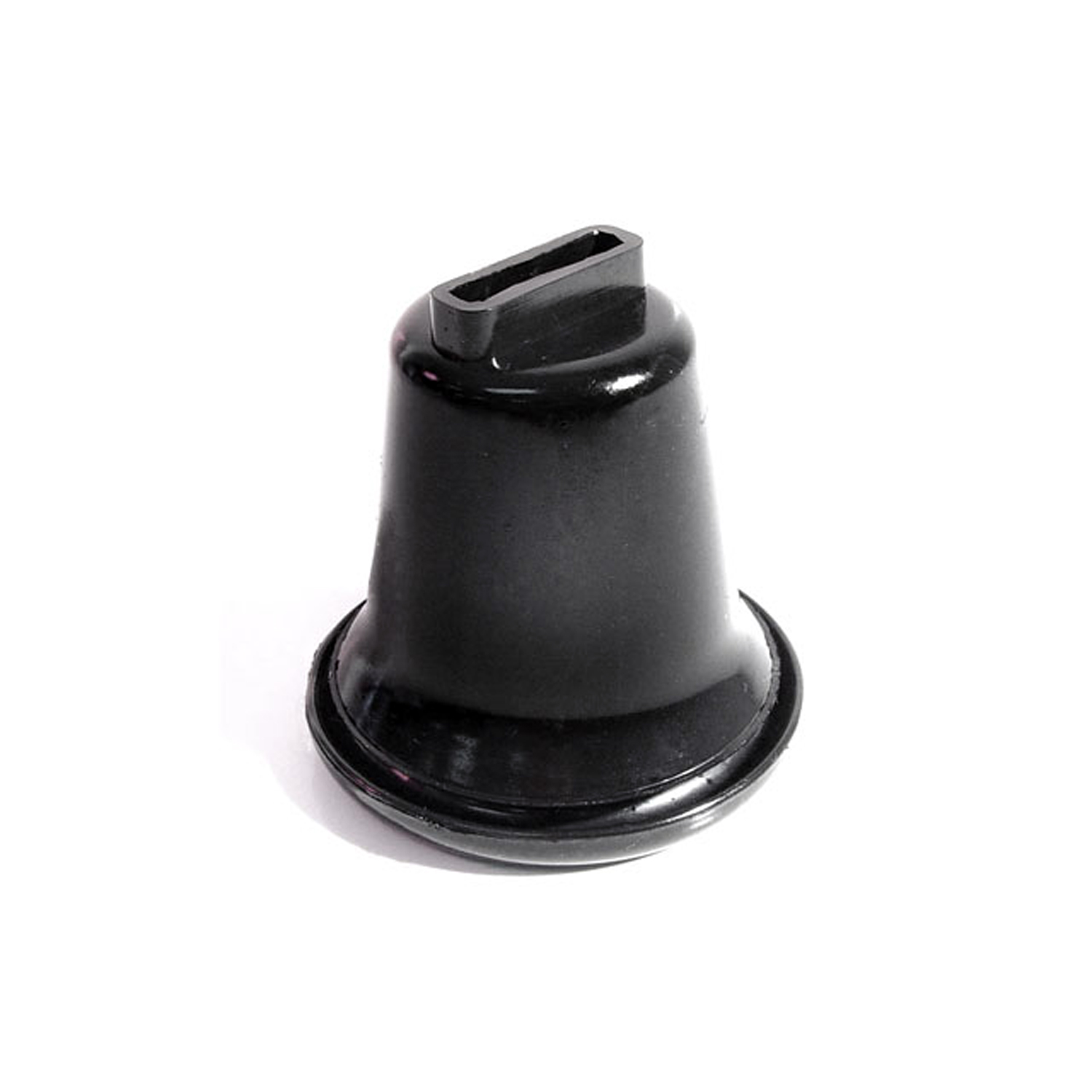 1970 Ford Galaxie 500 Brake Booster Boot. Each-RP 32-AABrake Booster Boot. Each
 1970 Ford Galaxie 500 Trunk Seal. 18 feet long. Each-TK 51-18Trunk Seal. 18 feet long. Each
 1970 Ford Galaxie 500 Rear Windshield Reveal Molding Clip. Made of steel. Each-WF 228Rear Windshield Reveal Molding Clip. Made of steel. Each
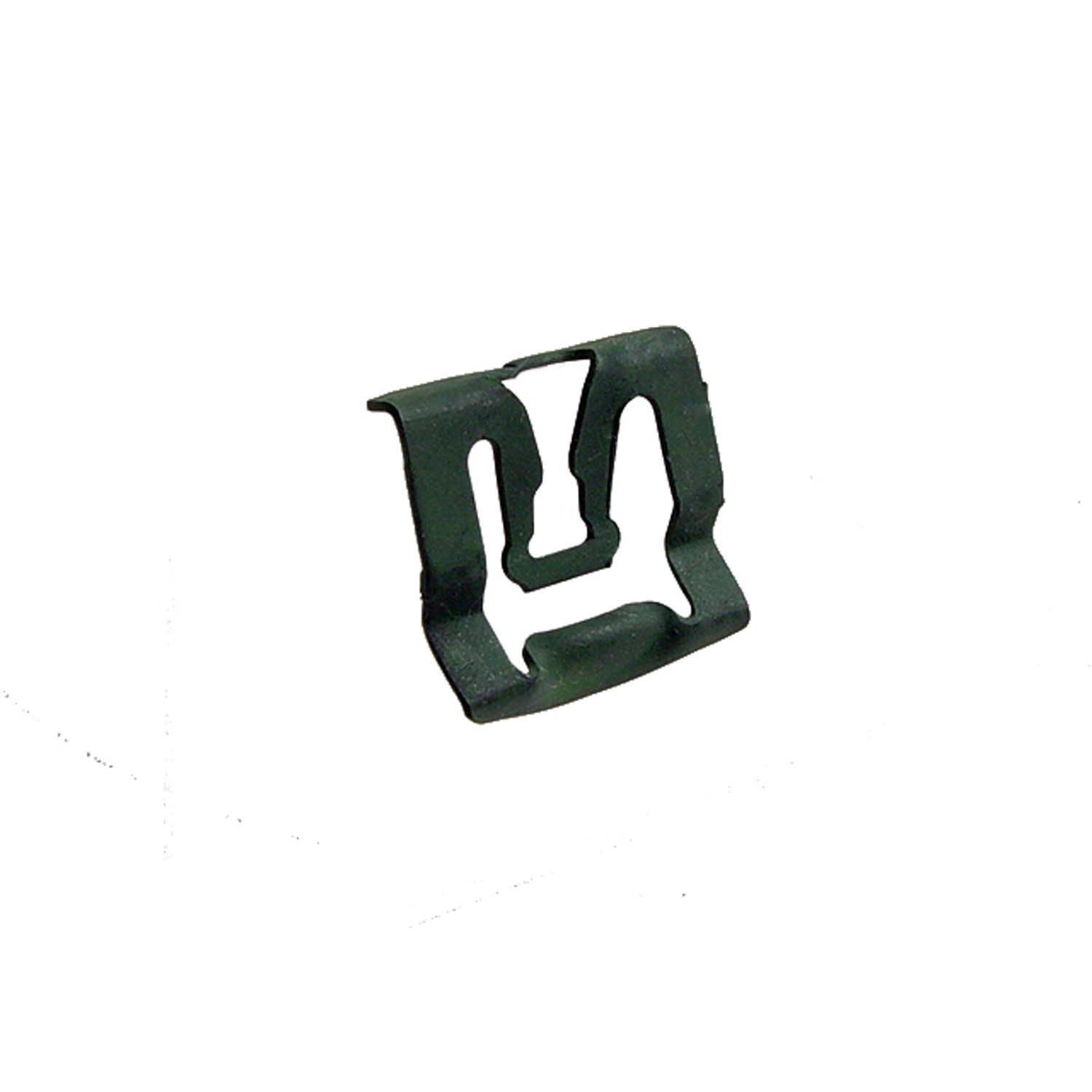 1970 Ford Galaxie 500 Windshield Reveal Molding Clip. Made of steel. Each-WF 228-AWindshield Reveal Molding Clip. Made of steel. Each
Why Choose Metro?
For over 100 years, Metro Moulded Parts has been the pinnacle of quality in classic car restoration parts. Our commitment to precision and authenticity in every component ensures a perfect fit and an OEM-level appearance.
- Expert Craftsmanship & Quality: Each part is a testament to our dedication to reliability and perfection, crafted from original designs and thoroughly tested.
- Advanced Technology: We use cutting-edge techniques to create flawless, long-lasting parts that surpass others in performance.
- SuperSoft Sponge – The Ultimate Door Seal: Not only are our door seals 30% softer than competitors', but they're also guaranteed to never leak. They effectively reduce wind and road noise, enhancing your classic car's comfort and driving experience.
- Proudly American: Our parts are a product of American craftsmanship, made in the USA with a spirit of excellence and heritage.
- Unrivaled Warranty: We back our products with a 30-year industry-leading warranty, a testament to our confidence in their quality.
Join us in preserving the legacy of classic cars with parts that are crafted for perfection, not just made.