

Image of 1970 Ford Ltd, Note: These illustrations use artistic license and may differ from actual historical models.
Performance Metrics
Fundamental Metrics
Emotional Appeal
MMP Rating
| Engine Specifications | |
|---|---|
| Engine: | 351 cu in (5.8 L) Windsor V8, 400 cu in (6.6 L) Cleveland V8, 429 cu in (7.0 L) 385 V8 |
| Displacement: | 351-429 cu in (5.8-7.0 L) |
| Horsepower: | 250-360 hp |
| Torque: | 355-480 lb-ft |
| Compression Ratio: | 9.0:1 - 10.5:1 |
| Ignition System: | Conventional breaker-point ignition system |
| Cooling System: | Liquid-cooled |
| Performance Specifications | |
| 0-60 Time: | 8-10 seconds |
| 1/4 Mile Time: | 16-18 seconds |
| Top Speed: | 120 mph |
| Transmission and Drive | |
| Drive Type: | Rear-wheel drive |
| Transmission Type: | 3-speed automatic, 4-speed manual |
| Fuel and Efficiency | |
| Fuel System Type: | Carburetor |
| MPG: | 10-12 mpg |
| Dimensions and Brakes | |
| Brakes: | Front disc, rear drum |
| Wheelbase: | 121 inches |
| Weight: | 3,900-4,200 lbs |
Note: Specifications for classic cars are given to the best of our ability, considering the limited and variant data available.
1970 Ford LTD: Full-Size American Luxury
The 1970 Ford LTD brought big-car comfort and a formal, upscale look to the American family driveway. Built by Ford Motor Company, it sat near the top of Ford’s full-size passenger-car range, offering generous room, quiet-road manners, and the kind of polished presence normally associated with more expensive luxury cars.
The LTD name began in 1965 as a high-trim version of the Ford Galaxie 500 before becoming a model line of its own. By 1970, the car was part of Ford’s newly restyled full-size generation, introduced for the 1969 model year. One detail that made the LTD especially memorable was its concealed headlamps: when switched off, they disappeared behind neat panels in the grille, giving the car a clean, almost custom-built face.
Its appeal was not about setting lap times or chasing sports cars. The LTD was designed to carry people in comfort, cover long distances with ease, and make an ordinary trip feel a little more first-class.
Formal Styling and Plush Interiors
The 1970 LTD had the long hood, broad shoulders, and substantial proportions expected of a full-size American car. Its front end featured a wide grille, concealed headlamps, and a strong horizontal theme. Crisp body lines ran down the sides, while the roofline gave the two-door hardtop a particularly sleek profile. The overall effect was formal rather than sporty, with a confident stance that suited the car’s luxury-minded character.
Inside, the LTD emphasized space and comfort. Depending on body style and equipment, buyers could choose broad bench seats or front bucket seats, along with cloth-and-vinyl or richer vinyl upholstery. The cabin used padded surfaces, woodgrain-style trim, and bright detailing to create an upscale atmosphere. A column-mounted automatic-transmission selector was common, keeping the front seating area open and making it easy to slide across the bench.
Available features varied by trim and option package. Power steering and power brakes were popular choices, while air conditioning, an upgraded radio, cruise control, and convenience accessories could make the LTD a well-equipped highway cruiser. Ford’s SelectShift Cruise-O-Matic automatic transmission was also available, pairing relaxed operation with the ability to select lower gears when needed.
Ford offered the LTD in a broad range of period colors, from understated whites, blacks, and silvers to blues, greens, reds, and warm metallic shades. Exact names and availability depended on paint code and trim. White and darker formal colors suited the car’s executive image, while brighter reds and blues gave its long body a more showy presence.
The core LTD range included two-door and four-door hardtops as well as a four-door sedan. The pillarless hardtops were especially eye-catching: with the windows lowered, they presented an open, uninterrupted side profile. Ford also offered full-size wagons in its broader lineup, including upscale Country Squire models, but these were distinct wagon offerings rather than simply LTD hardtop bodies with cargo space added. The four-door hardtop and two-door hardtop are often the most visually distinctive LTDs today.
Why the LTD Mattered
The LTD’s significance lies in how it brought a near-luxury experience into Ford’s mainstream full-size range. Buyers could get a roomy, richly trimmed car with convenience features and a quiet, composed ride without stepping up to a dedicated luxury marque. That formula was central to the American market of the era, when families valued interior space, comfort, and effortless highway travel.
Its concealed-headlamp grille also showed how styling could distinguish a high-trim model without changing the basic engineering beneath it. The LTD shared its broad mechanical foundations with other full-size Fords, but its trim, details, and presentation made it feel more special. It was not a technical revolution, yet it helped define the traditional American personal-luxury and family-cruiser formula: long body, generous seating, soft ride, and plenty of equipment.
Compared with smaller or sportier contemporaries, the LTD’s advantage was its sense of occasion. Compared with dedicated luxury cars, it offered much of the same visual presence and comfort at a more accessible price. That balance made it a successful part of Ford’s lineup and helped cement the LTD name as a familiar symbol of full-size comfort.
Engines, Speed, and Road Manners
Engine availability depended on body style, equipment, and ordering choices. The 1970 full-size Ford range included small-block V8s such as the 302 and 351, along with larger 390- and 429-cubic-inch V8s. Exact ratings varied by engine configuration and rating method. The 429-cubic-inch V8 was the standout choice for buyers who wanted effortless power, while smaller engines offered a more economical way to move the substantial car.
Performance figures should be treated as estimates because results varied with engine, axle ratio, transmission, vehicle weight, and test conditions. A 429-powered LTD could reach 60 mph in roughly 8 to 10 seconds, with a top speed in the neighborhood of 115 to 125 mph. Cars with smaller engines were generally slower, often taking around 10 to 13 seconds to reach 60 mph. These are period-style estimates, not guaranteed figures for every surviving car.
The LTD’s driving character was built around smoothness rather than agility. Its long wheelbase and soft suspension helped it absorb expansion joints, patched pavement, and ordinary road bumps with a relaxed, floating ride. Power steering made low-speed maneuvering easier, though the large body still demanded attention in tight parking spaces.
On a winding road, the LTD felt big and softly sprung. It could corner predictably, but body roll and its size discouraged quick direction changes. In crosswinds, its broad profile could require small steering corrections, especially at highway speed. The recirculating-ball steering was less direct than modern rack-and-pinion systems, but it suited the car’s easygoing purpose.
Behind the wheel, the experience was characteristically American: a low V8 rumble, a relaxed automatic shift, a wide bench seat, and a suspension that prioritized comfort. A 429 added a deeper, stronger note and relaxed passing power. The car encouraged steady cruising rather than aggressive driving, making an open highway its natural setting.
Living With a 1970 LTD
Today, the LTD is most often used as a weekend cruiser, a show car, or a rolling piece of family history. Some owners drive them regularly, but their size, fuel consumption, and age make them less practical as everyday transportation than a modern sedan. A well-kept example is still capable of comfortable local trips and highway cruising.
Mechanical repairs are generally manageable for an experienced home mechanic. The Ford V8s and automatic transmissions are familiar, parts support remains reasonable, and the cars use conventional mechanical systems rather than complex electronic controls. Routine work such as brakes, ignition service, cooling-system repairs, and carburetor maintenance is within reach for many classic-car owners.
Condition matters more than the name on the trunk. Rust can affect the floors, frame, lower body panels, and areas around the windshield and rear window. Buyers should also check for worn suspension components, tired steering parts, transmission problems, overheating, and electrical faults. Large body panels and trim pieces can be harder to find than common mechanical parts, so an incomplete or heavily corroded car may become expensive to restore.
Trivia, Reputation, and Common Criticisms
The LTD’s concealed-headlamp system is its most recognizable design feature. It gave the car a clean grille when the lights were off, but the mechanism adds parts that can require attention on an older example. Working headlamp doors are a satisfying detail; stuck or uneven doors are a common restoration job.
The LTD was a popular full-size Ford, but it was not a celebrated race car or a record-setting speed machine. Its place in history is more everyday and, in some ways, more revealing: it represents the height of the American preference for roomy, V8-powered family cars before fuel prices, emissions rules, and changing tastes pushed the market toward smaller vehicles.
Its familiar drawbacks are easy to understand. Fuel economy is poor by modern standards, parking can be awkward, and the soft suspension does not suit drivers who want sharp handling. The car’s size also makes urban driving less convenient. In return, owners get a spacious cabin, a distinctive period look, and a relaxed ride that modern cars rarely imitate in quite the same way.
Collector Values and Availability
Ford did not make the 1970 LTD a rare specialty model, and production totals can be difficult to summarize because figures are reported across different body styles and trim levels. A reasonable broad estimate is that several hundred thousand LTD-badged cars were built for the model year, perhaps in the range of 300,000 to 400,000. Individual body styles, engine combinations, and option packages are much less common than the overall total suggests.
As a general U.S. market estimate for 2026, a project car may sell for around $2,000 to $6,000, while a usable driver often falls between $6,000 and $14,000. Clean, well-maintained examples can reach roughly $15,000 to $25,000, with exceptional restorations or desirable big-block cars occasionally asking more. These are broad ranges, not appraisals. Rust, originality, documentation, body style, and the quality of any restoration can move a car’s value substantially.
Good examples appear regularly enough that the LTD is not exceptionally difficult to find, but locating a solid car with complete trim and a desirable engine can take patience. Values have generally been steady to gradually rising for clean, original cars, while ordinary drivers remain comparatively affordable. The 1970 LTD is best viewed as a slow-burn collectible: appealing to enthusiasts who value character and comfort, rather than a guaranteed investment.
A Big Ford With Lasting Presence
The 1970 Ford LTD combined formal styling, concealed headlamps, V8 power, and a spacious, comfort-focused cabin in one distinctly American package. It was not designed to be the quickest or most agile car of its day. Its achievement was making long-distance comfort and upscale presentation accessible to a wide range of Ford buyers.
More than half a century later, the LTD still delivers what it promised: room to stretch out, a deep V8 soundtrack, and a smooth ride that turns an ordinary drive into a small event. It remains a memorable reminder of an era when full-size Fords ruled the road with confidence, chrome, and plenty of space.
1970 Ford Ltd Catalog of Parts
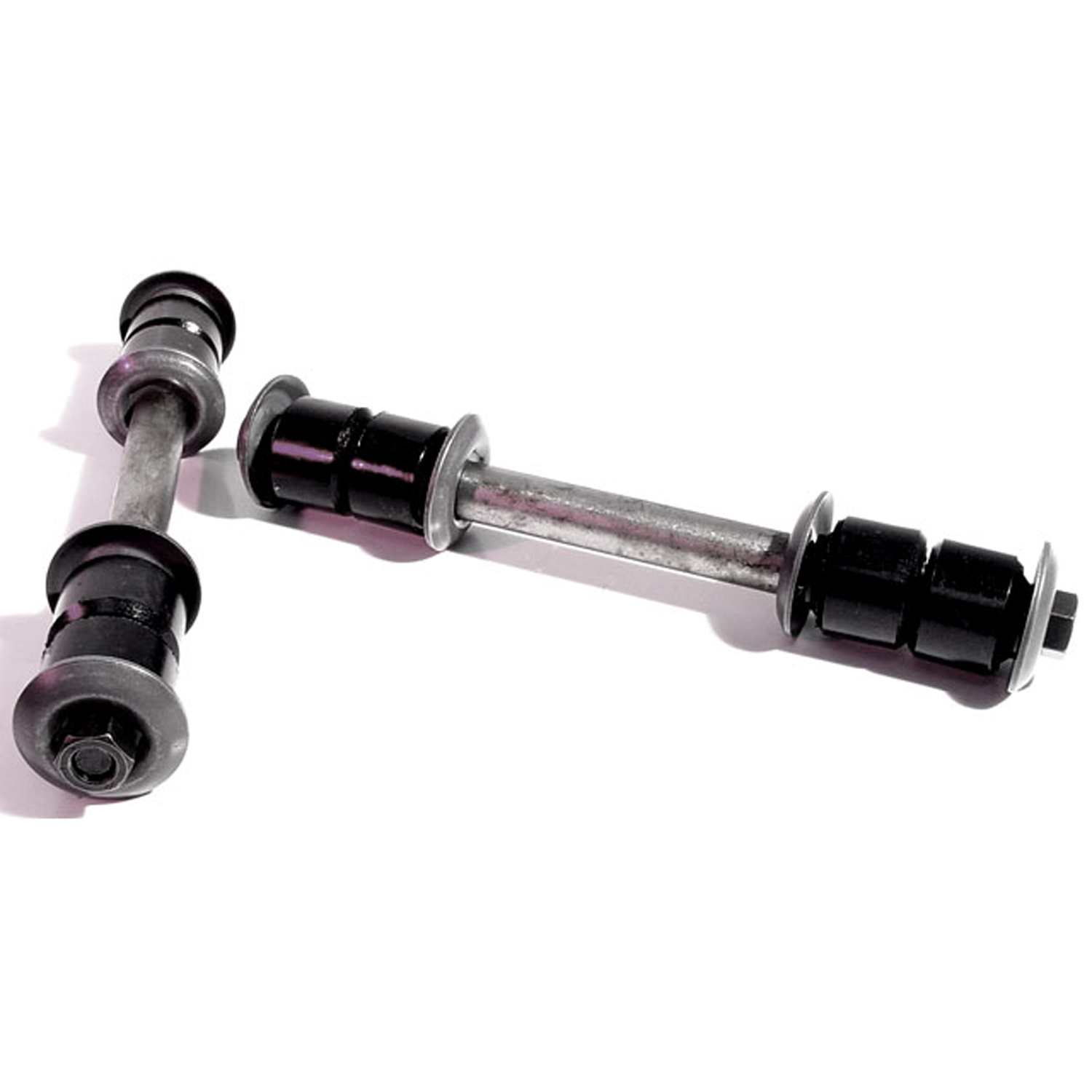 1970 Ford LTD Front Stabilizer End Repair Kit-BNK 21Front Stabilizer End Repair Kit. 22-piece set for two stabilizer bars. Contains all rubber bushings, washers, bolts and nuts, enough for one front end. Set
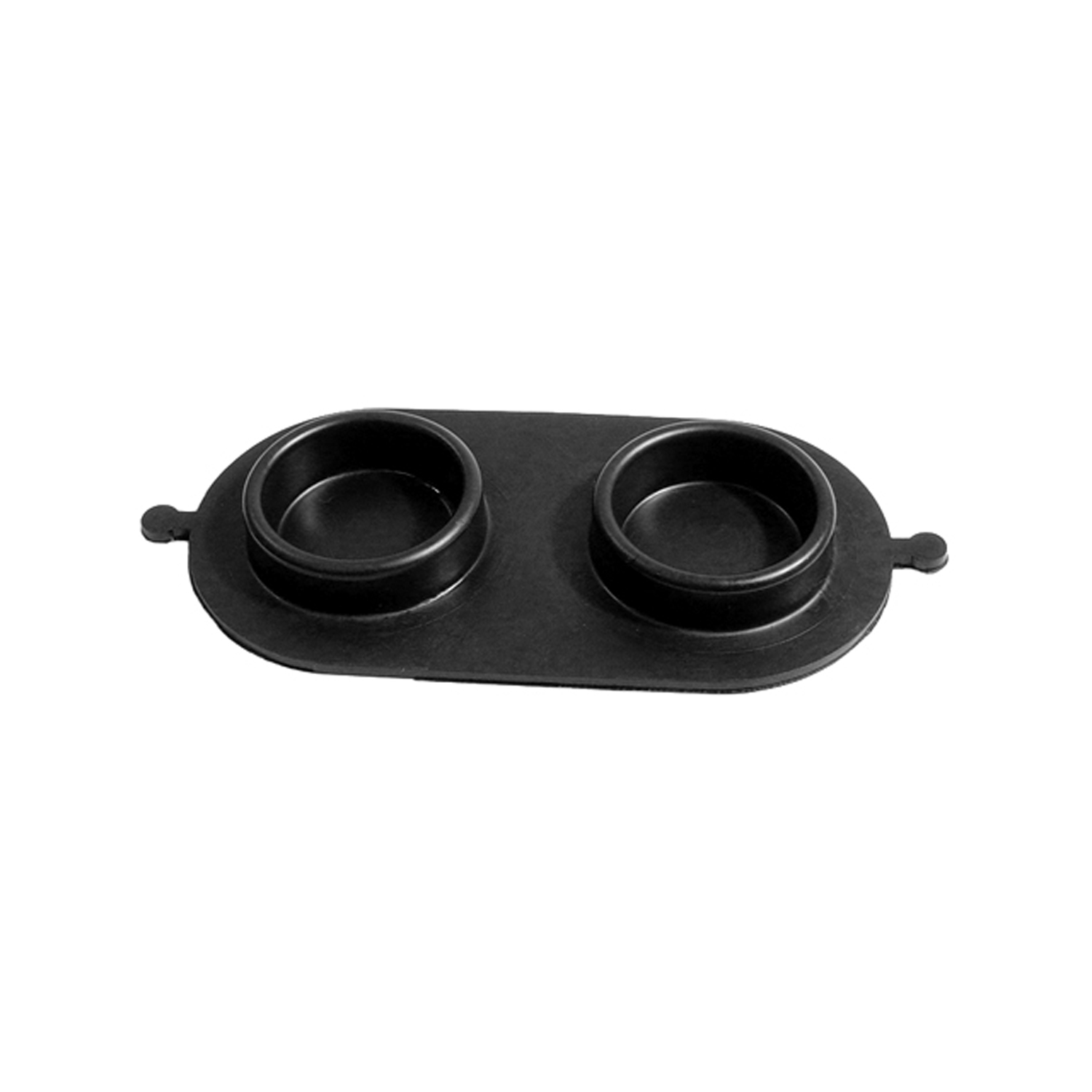 1970 Ford LTD Brake Master Cylinder Cover Seal. Replaces OEM #C7AZ2167-A-RP 2-BBrake Master Cylinder Cover Seal. Replaces OEM #C7AZ2167-A. Each
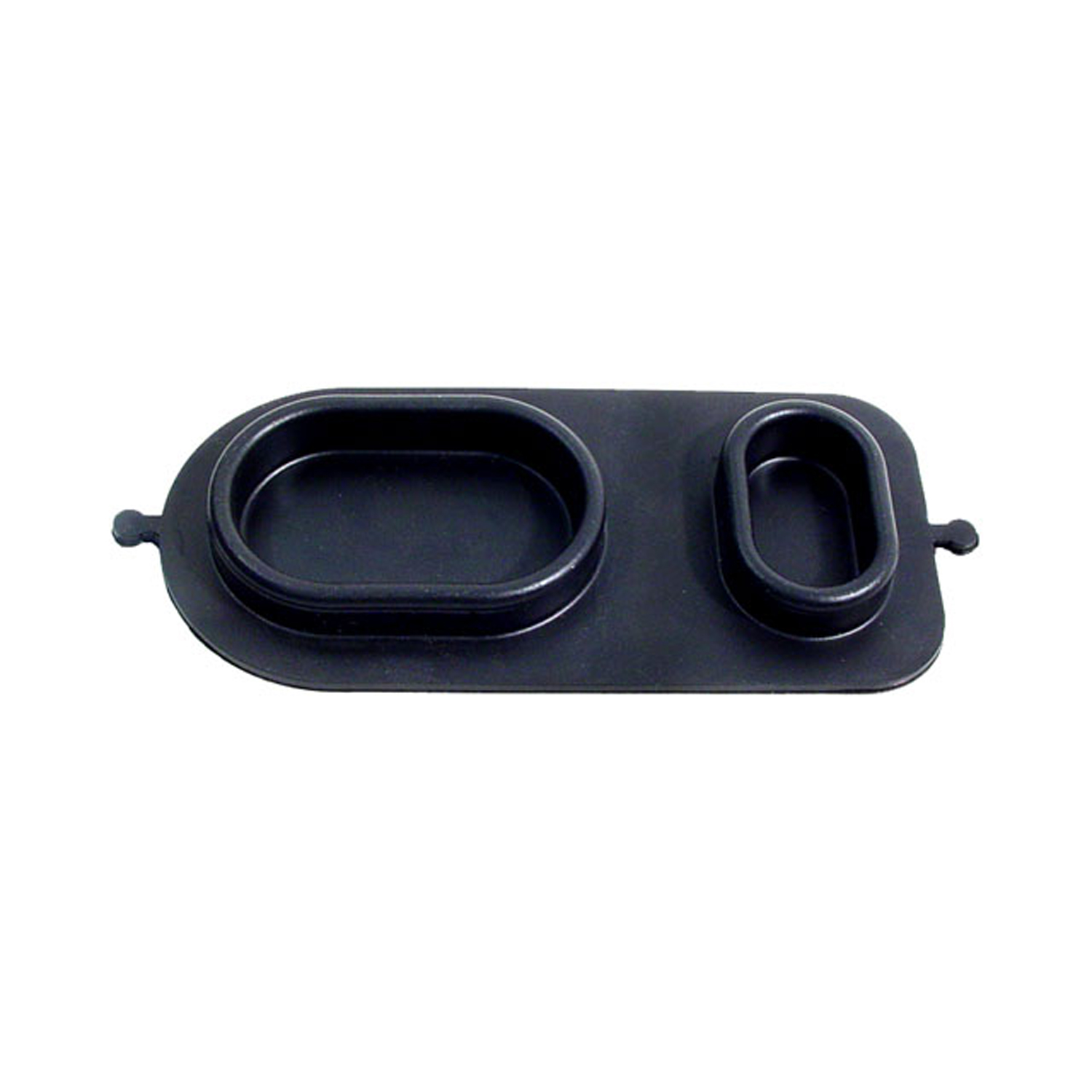 1970 Ford LTD Brake Master Cylinder Cover Seal. Replaces OEM #5470861-RP 2-CBrake Master Cylinder Cover Seal. Replaces OEM #5470861. 5-9/16" long, 2-5/8" wide. Each
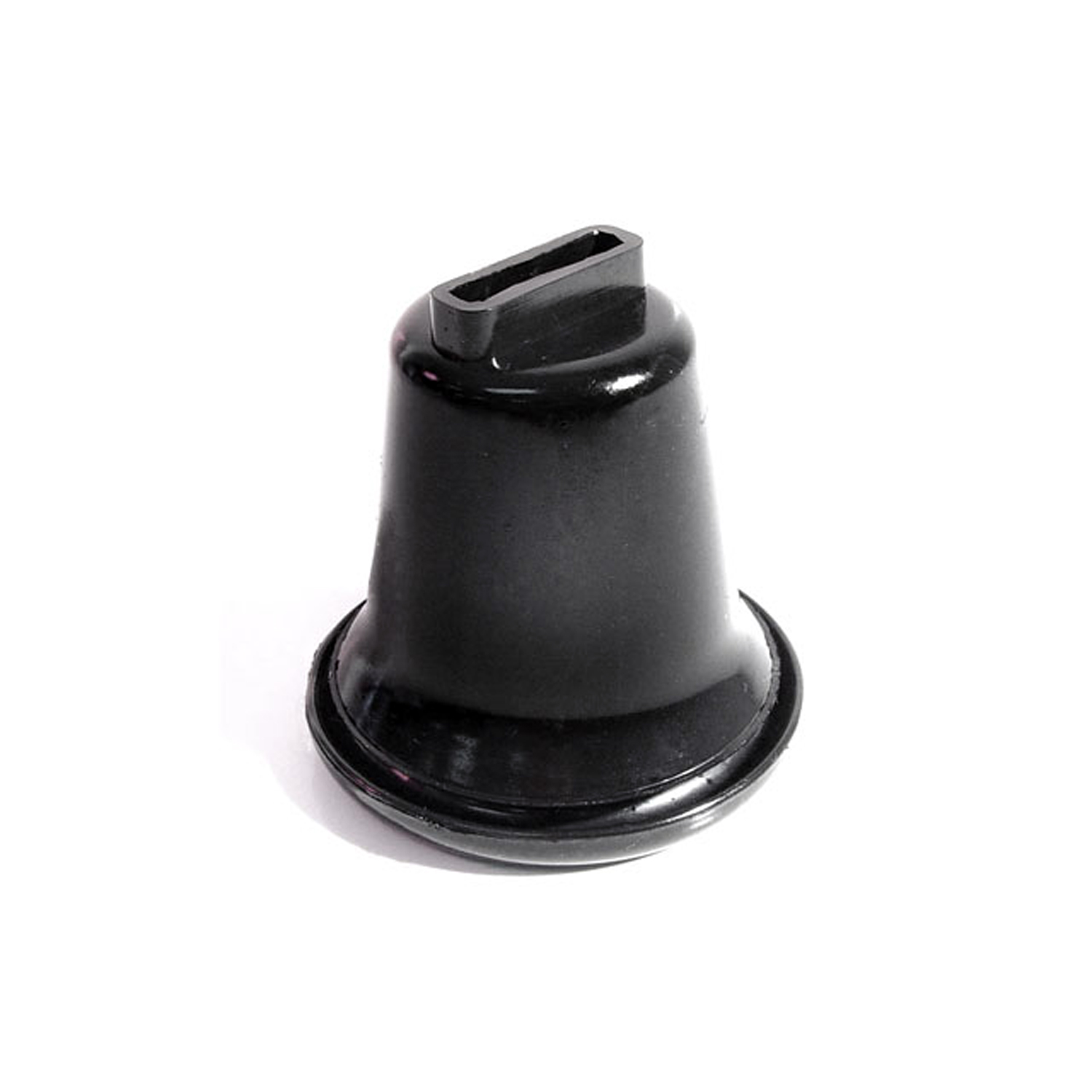 1970 Ford LTD Brake Booster Boot. Each-RP 32-AABrake Booster Boot. Each
 1970 Ford LTD Rear Windshield Reveal Molding Clip. Made of steel. Each-WF 228Rear Windshield Reveal Molding Clip. Made of steel. Each
Why Choose Metro?
For over 100 years, Metro Moulded Parts has been the pinnacle of quality in classic car restoration parts. Our commitment to precision and authenticity in every component ensures a perfect fit and an OEM-level appearance.
- Expert Craftsmanship & Quality: Each part is a testament to our dedication to reliability and perfection, crafted from original designs and thoroughly tested.
- Advanced Technology: We use cutting-edge techniques to create flawless, long-lasting parts that surpass others in performance.
- SuperSoft Sponge – The Ultimate Door Seal: Not only are our door seals 30% softer than competitors', but they're also guaranteed to never leak. They effectively reduce wind and road noise, enhancing your classic car's comfort and driving experience.
- Proudly American: Our parts are a product of American craftsmanship, made in the USA with a spirit of excellence and heritage.
- Unrivaled Warranty: We back our products with a 30-year industry-leading warranty, a testament to our confidence in their quality.
Join us in preserving the legacy of classic cars with parts that are crafted for perfection, not just made.