

Image of 1970 Ford Ranch Wagon, Note: These illustrations use artistic license and may differ from actual historical models.
Performance Metrics
Fundamental Metrics
Emotional Appeal
MMP Rating
| Engine Specifications | |
|---|---|
| Engine: | 302 V8, 351 V8, 400 V8 |
| Displacement: | 302 - 400 cu in |
| Horsepower: | 210 - 260 hp |
| Torque: | 296 - 322 lb-ft |
| Compression Ratio: | 9.0:1 - 10.5:1 |
| Ignition System: | Conventional breaker-point ignition system |
| Cooling System: | Liquid-cooled |
| Performance Specifications | |
| 0-60 Time: | Estimated 10 - 12 seconds |
| 1/4 Mile Time: | Estimated 17 - 19 seconds |
| Top Speed: | 105 - 115 mph |
| Transmission and Drive | |
| Drive Type: | Rear-wheel drive |
| Transmission Type: | 3-speed automatic, 4-speed manual |
| Fuel and Efficiency | |
| Fuel System Type: | Carburetor |
| MPG: | Estimated 10 - 14 mpg |
| Dimensions and Brakes | |
| Brakes: | Front disc, rear drum |
| Wheelbase: | 119 inches |
| Weight: | 3,800 - 4,200 lbs |
Note: Specifications for classic cars are given to the best of our ability, considering the limited and variant data available.
1970 Ford Ranch Wagon: The Full-Size Ford With Room to Roam
The 1970 Ford Ranch Wagon made family hauling feel less like a chore and more like a road trip waiting to happen. A full-size station wagon from Ford Motor Company, it paired traditional American-car comfort with a long, useful cargo area and a wide choice of engines. It sat at the practical end of Ford’s wagon lineup, below the more ornate Country Sedan and woodgrain-trimmed Country Squire.
The Ranch Wagon belonged to an era when station wagons were everyday family transport, not niche enthusiast vehicles. Before minivans and SUVs became the default choice, a full-size wagon carried children, luggage, groceries, camping gear, and sometimes a household’s worth of furniture. One especially handy feature was Ford’s available two-way tailgate, often called the Magic Doorgate. Depending on its design and equipment, it could open downward like a traditional tailgate or swing to the side like a door, making access easier in different situations.
Long Roof, Clean Lines
The 1970 Ranch Wagon wore the broad, squared-off proportions typical of Ford’s full-size cars at the turn of the decade. Its long hood, straight body sides, broad glass, and extended roof gave it a purposeful profile. The wagon’s shape prioritized passenger and cargo space over sporty proportions, but details such as the grille, bright trim, wheel covers, and rear-quarter styling kept it from looking like a plain delivery vehicle.
Inside, the Ranch Wagon was generally more straightforward than the upscale Country Squire. Depending on equipment and trim, buyers could find durable vinyl, cloth-and-vinyl upholstery, carpeting, and a bench-seat layout designed for everyday use. The cabin was roomy by modern standards, with generous front and rear passenger space. A third-row seat was available in some configurations, expanding capacity for larger families, though it reduced cargo room when in use. As with most period wagons, materials were chosen to balance comfort and hard use rather than deliver luxury-car levels of finish.
Ford offered a broad palette of exterior colors for 1970. Choices varied by model and production details, but period Ford colors included shades such as Wimbledon White, medium and light blues, greens, reds, metallic finishes, and darker hues. White and subdued blues or greens suit the Ranch Wagon’s practical character, while brighter colors make these cars especially striking at shows today. Interior colors and upholstery combinations depended on the selected exterior and trim.
The Ranch Wagon was part of Ford’s full-size station-wagon family. Body and seating configurations varied by model and equipment, so buyers should check a specific car’s original documentation rather than assume every Ranch Wagon had the same number of doors or seats. The four-door wagon layout is the one most commonly encountered in surviving examples and offers the easiest everyday access. Ford’s wagon range also included the more formal Country Sedan and the woodgrain-sided Country Squire, giving buyers a choice between basic utility and extra trim.
Ford’s Family Wagon in Context
The Ranch Wagon was not a revolutionary design, and that was part of its appeal. It applied familiar full-size Ford engineering to a versatile body style at a more accessible point in the lineup. Compared with luxury-oriented wagons, it offered fewer decorative flourishes. Compared with smaller wagons, it brought the space, road presence, and available V8 power associated with a full-size American car.
Its historical importance lies in how well it represents the station wagon’s place in everyday life. In 1970, the wagon was a central family vehicle, not an occasional alternative to a sedan. The Ranch Wagon helped make that long-roof format available without the Country Squire’s extensive brightwork and simulated woodgrain. It did not introduce a lasting technology or reshape automotive styling, but it captures a high point of the traditional American wagon before fuel prices, changing tastes, and the arrival of newer vehicle types began to push the format aside.
Engines, Speed, and Road Manners
Engine availability depended on configuration, but the 1970 full-size Ford range included economical six-cylinder and small-block V8 choices, along with larger V8s for buyers who wanted more pulling power. Common engine families included the 240-cubic-inch inline-six and V8s such as the 302, 351, and 390. Larger engines, including a 429, could be available in parts of the full-size lineup, but equipment varied. A car’s engine code and original build information are the best way to verify what it left the factory with.
There is no single useful 0-to-60 mph or top-speed figure for every Ranch Wagon, because performance varied considerably with engine, transmission, axle ratio, vehicle weight, and condition. As a broad period-car estimate, a V8-powered example might reach 60 mph in roughly 10 to 13 seconds, while a six-cylinder car would generally be slower. A healthy V8 car could be capable of around 100 mph or more, but these are estimates, not a guaranteed factory specification. The Ranch Wagon was built for carrying people and cargo comfortably, not for setting acceleration records.
On the road, the wagon’s long wheelbase and substantial weight help it feel settled on highways. Its soft suspension absorbs ordinary bumps well, although a worn example can float, wallow, or thump over broken pavement. On a winding road, expect broad turns and noticeable body lean rather than sharp, modern handling. The steering is slower and less precise than that of a contemporary car, and braking performance depends heavily on the equipment fitted and its condition.
A V8 Ranch Wagon has the relaxed, low-pitched sound associated with a big American engine, especially under acceleration. The driving position is upright, the hood stretches ahead, and the broad bench seating encourages an easygoing pace. It feels substantial rather than nimble. That character is part of the charm, but drivers should remember that a 1970 car lacks many modern safety features and demands more space for stopping and maneuvering.
Living With a Ranch Wagon
Today, Ranch Wagons are most often used as weekend drivers, show cars, road-trip cruisers, or practical classics for local errands. Some owners use them to tow light loads, but a wagon’s towing suitability depends on its original equipment, mechanical condition, and the trailer involved. It is not a natural racing platform, and its age and size make routine driving more enjoyable than hard performance use.
Mechanical upkeep is familiar to many classic-Ford specialists. The engines and conventional rear-wheel-drive layout are generally straightforward to service, and many routine jobs can be handled by a capable home mechanic with a shop manual and ordinary tools. Parts availability is usually better for common mechanical items than for wagon-specific trim, glass, tailgate hardware, and interior pieces. Before buying, inspect the frame and body for rust, especially around floors, wheel openings, lower body panels, and the rear cargo area. Check the tailgate carefully: its hinges, latches, glass, and any two-way mechanism can take time and money to put right.
Reliability depends more on maintenance and storage than on the badge. A neglected cooling system, aged fuel lines, worn suspension parts, and decades-old wiring can turn an otherwise simple car into a project. A well-maintained example can be a dependable classic, but it will still need age-related attention and should not be expected to behave like a modern daily driver.
Ranch Wagon Facts and Myths
The Ranch Wagon’s most memorable practical touch is the available two-way tailgate, which made loading and unloading more convenient than a single-direction design. It was a useful feature on a vehicle intended to carry bulky cargo, and it remains a talking point when owners demonstrate it at shows. Equipment and tailgate designs can differ, so inspect the actual car rather than relying on the model name alone.
There is no widely recognized speed or endurance record associated with the 1970 Ranch Wagon, and it is not chiefly remembered for celebrity ownership or a major historical event. Its claim to fame is more everyday: it represents the family station wagon at a time when that body style was a common sight on American roads. A frequent criticism is that the car is large, thirsty, and not especially agile. Those drawbacks are real, but they come with the space and relaxed cruising character that make the wagon appealing to enthusiasts.
Collector Value and Availability
Ranch Wagons are less commonly seen than many Ford sedans, but they are not generally considered production rarities on the level of a limited-edition performance car. Ford did not publish an easily verifiable, consistently cited production total for every Ranch Wagon configuration. A reasonable broad estimate is that production was in the tens of thousands, perhaps around 20,000 to 40,000 for the model year, but that should be treated as an estimate rather than a confirmed factory count.
As a general 2026 market guide, a project car may sell for roughly $3,000 to $7,000, depending on completeness and rust. A presentable driver might fall around $8,000 to $15,000, while a clean, well-restored example can reach approximately $18,000 to $30,000 or more. Exceptional condition, desirable equipment, documented originality, and a strong engine can push prices higher. Wagon-specific trim and restoration quality matter greatly because a low purchase price can be offset by scarce parts and bodywork.
Values have generally benefited from renewed interest in vintage wagons and family-oriented classics, but the Ranch Wagon remains more affordable than many high-profile muscle cars. Price trends are best described as steady to gradually appreciating for good, original examples, rather than a guaranteed rapid rise. Condition, rust, and documentation have a much greater effect on value than speculative claims about rarity.
Why the 1970 Ranch Wagon Still Matters
The 1970 Ford Ranch Wagon combined full-size comfort, practical cargo space, straightforward engineering, and a choice of engines in a package made for real family use. It was less flashy than the Country Squire and less common today than a period Ford sedan, but that understated character is exactly what makes it appealing to many collectors.
For anyone who wants a classic that tells the story of America’s long-roof era without demanding muscle-car money, the Ranch Wagon is a compelling choice. It may not have been built to make history at the drag strip, but it carried generations of families through the everyday journeys that made the station wagon an icon.
1970 Ford Ranch Wagon Catalog of Parts
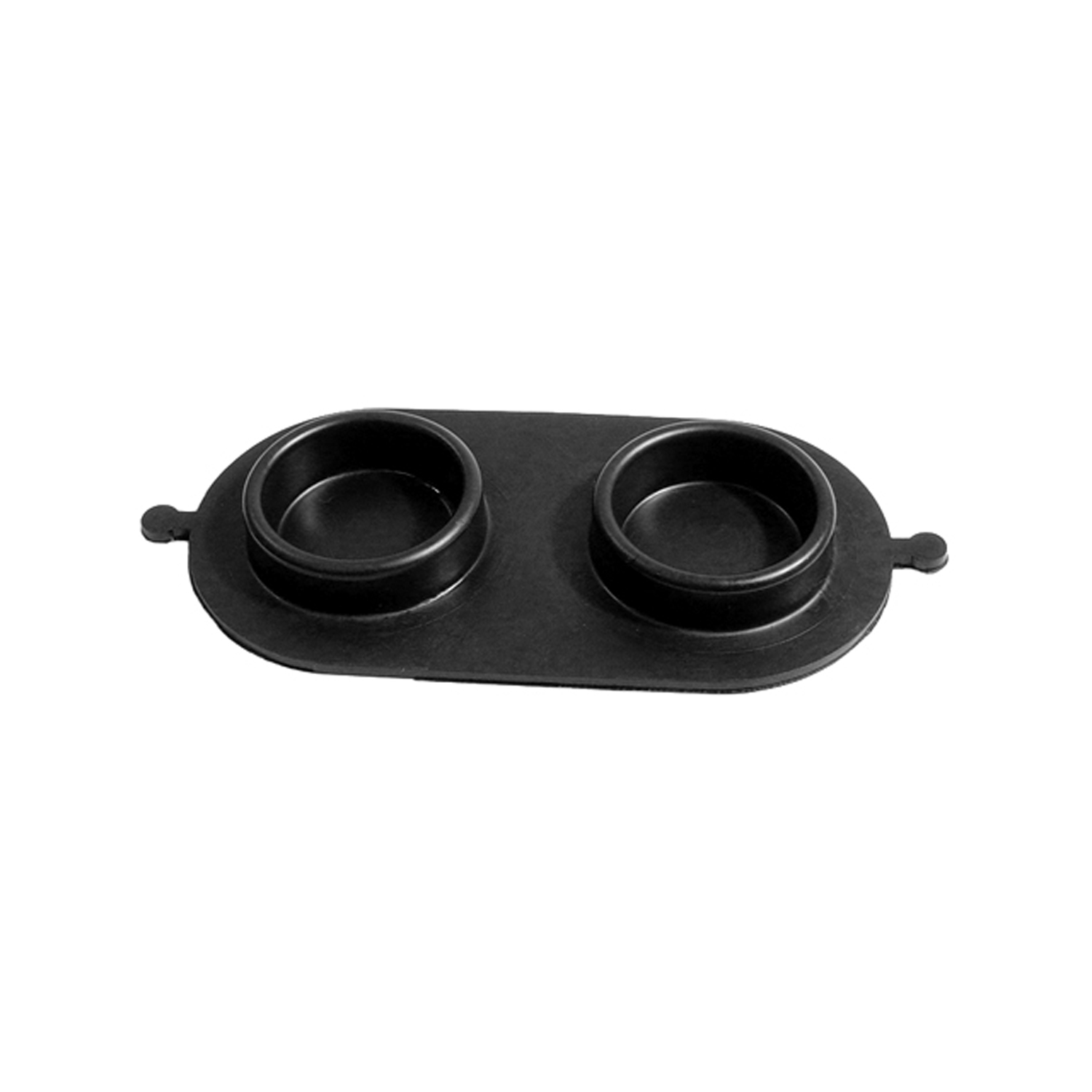 1970 Ford Ranch Wagon Brake Master Cylinder Cover Seal. Replaces OEM #C7AZ2167-A-RP 2-BBrake Master Cylinder Cover Seal. Replaces OEM #C7AZ2167-A. Each
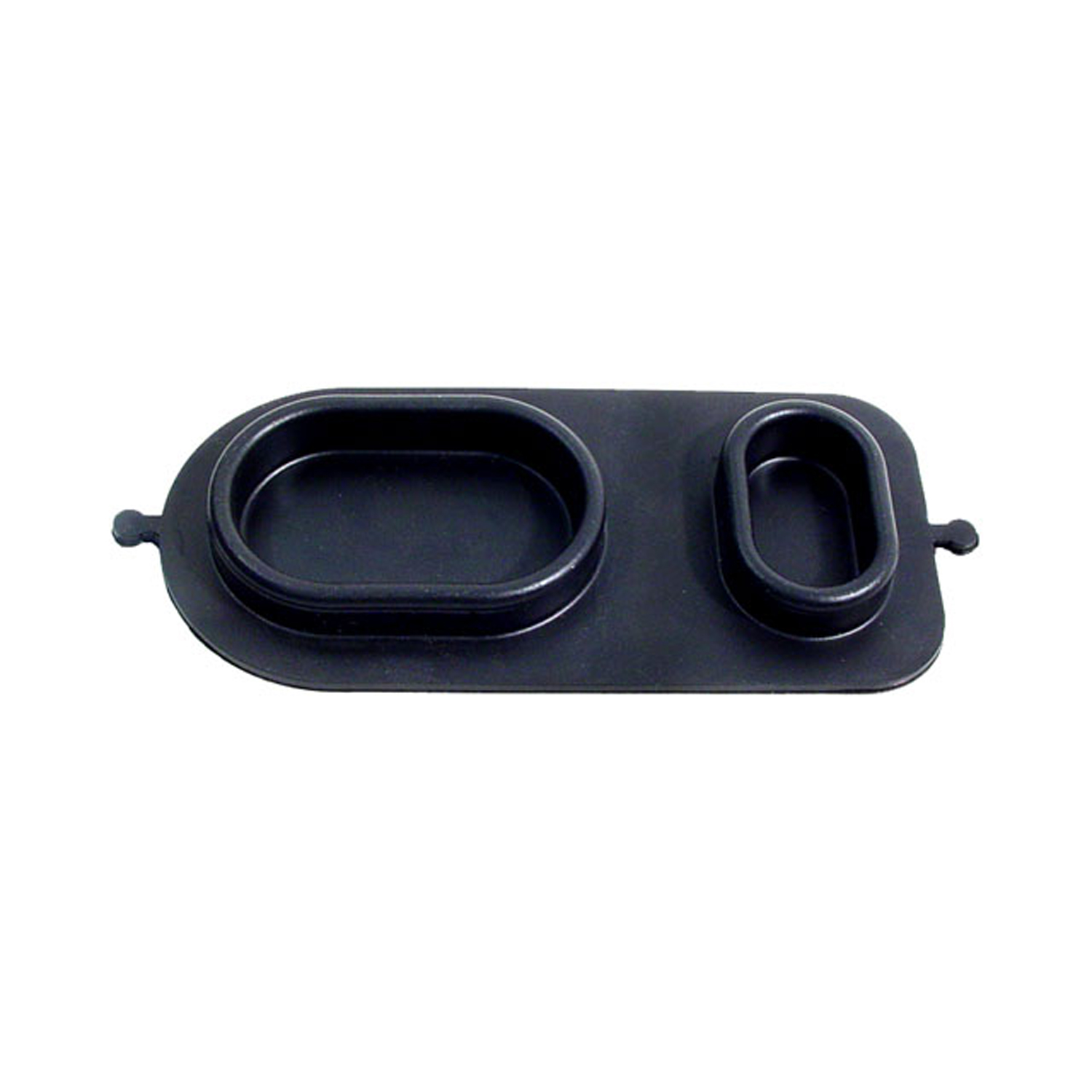 1970 Ford Ranch Wagon Brake Master Cylinder Cover Seal. Replaces OEM #5470861-RP 2-CBrake Master Cylinder Cover Seal. Replaces OEM #5470861. 5-9/16" long, 2-5/8" wide. Each
Why Choose Metro?
For over 100 years, Metro Moulded Parts has been the pinnacle of quality in classic car restoration parts. Our commitment to precision and authenticity in every component ensures a perfect fit and an OEM-level appearance.
- Expert Craftsmanship & Quality: Each part is a testament to our dedication to reliability and perfection, crafted from original designs and thoroughly tested.
- Advanced Technology: We use cutting-edge techniques to create flawless, long-lasting parts that surpass others in performance.
- SuperSoft Sponge – The Ultimate Door Seal: Not only are our door seals 30% softer than competitors', but they're also guaranteed to never leak. They effectively reduce wind and road noise, enhancing your classic car's comfort and driving experience.
- Proudly American: Our parts are a product of American craftsmanship, made in the USA with a spirit of excellence and heritage.
- Unrivaled Warranty: We back our products with a 30-year industry-leading warranty, a testament to our confidence in their quality.
Join us in preserving the legacy of classic cars with parts that are crafted for perfection, not just made.