

Image of 1970 Ford Thunderbird, Note: These illustrations use artistic license and may differ from actual historical models.
Performance Metrics
Fundamental Metrics
Emotional Appeal
MMP Rating
| Engine Specifications | |
|---|---|
| Engine: | 429 cu in (7.0 L) ThunderJet V8, 429 cu in (7.0 L) ThunderJet V8 4V, 429 cu in (7.0 L) ThunderJet V8 4V Special |
| Displacement: | 429 cu in (7.0 L) |
| Horsepower: | 360-370 hp |
| Torque: | 480 lb-ft |
| Compression Ratio: | 10.5:1 |
| Ignition System: | Conventional breaker-point ignition system |
| Cooling System: | Liquid-cooled |
| Performance Specifications | |
| 0-60 Time: | 8.2 seconds |
| 1/4 Mile Time: | 16 seconds |
| Top Speed: | 130 mph |
| Transmission and Drive | |
| Drive Type: | Rear-wheel drive |
| Transmission Type: | 3-speed automatic |
| Fuel and Efficiency | |
| Fuel System Type: | Carburetor |
| MPG: | 10-12 mpg |
| Dimensions and Brakes | |
| Brakes: | Front disc and rear drum brakes |
| Wheelbase: | 119.0 in |
| Weight: | 4,500 lbs |
Note: Specifications for classic cars are given to the best of our ability, considering the limited and variant data available.
1970 Ford Thunderbird: The Personal-Luxury Car Goes Big
The 1970 Ford Thunderbird arrived with a pointed nose, a big-block V8, and enough room to make a cross-country trip feel like a first-class flight. Built by Ford Motor Company, it belonged to the Thunderbird’s fifth generation, introduced for 1967. By 1970, the model had grown into a large, imposing personal-luxury car, combining strong V8 performance with a quiet, well-appointed cabin.
The Thunderbird had begun in 1955 as a two-seat response to the growing American sports-car market. Over time, Ford reshaped it into a more comfortable and practical grand tourer. The 1970 model reflects that evolution: it was less a sports car than a stylish, powerful cruiser, aimed at buyers who wanted something more distinctive than an ordinary full-size sedan.
Its most memorable detail is the dramatic “beak” formed by the pointed center of its front grille. This bold nose gave the 1970 Thunderbird a look unlike almost anything else on the road, while its concealed headlamps kept the front end remarkably clean when the lights were off.
Beak-Nose Styling and a Plush Cabin
The 1970 Thunderbird’s front end is its calling card. The grille projects forward into a sharp central point, with the hood and fenders flowing back from it in long, sculpted lines. Hidden headlights, a broad stance, and a low roofline added to the car’s futuristic, almost jet-age appearance. At the rear, wide tail lamps and a substantial bumper emphasized the Thunderbird’s size.
Inside, the Thunderbird delivered the comfort expected of a premium American car. Buyers could find a mix of patterned cloth, vinyl, and available leather, along with deep carpeting and soft-touch trim. The dashboard was broad and driver-oriented, with a full set of instruments and controls arranged within easy reach. Depending on trim and options, equipment could include power windows, power door locks, air conditioning, an AM/FM radio, a tilt steering wheel, cruise control, and power-adjustable seating.
Ford offered the 1970 Thunderbird in three body styles: a two-door hardtop, a two-door Landau, and a four-door hardtop. The Landau added a more formal character, typically with a padded vinyl roof and distinctive Landau trim. The four-door was unusual for a luxury car of its kind, with rear-hinged rear doors that opened toward the curb. The two-door Landau is often the most recognizable version today, but the hardtop coupe and four-door each have their own appeal.
Color choices varied by paint and interior combinations. Period Ford palettes included shades of white, black, red, blue, green, and gold. White and darker metallic or jewel tones suit the Thunderbird’s formal lines particularly well, while a contrasting vinyl roof gives the Landau an unmistakably 1970s look.
Technology for a Long, Comfortable Drive
The Thunderbird was not designed as a technology showcase in the modern sense, but it offered a sophisticated package for its era. Concealed headlights were a striking styling feature, operated by a mechanism that moved the covers out of the way when the lights were switched on. Power steering and power-assisted brakes helped make a large car easier to manage, and front disc brakes were part of the car’s braking setup.
Convenience options such as air conditioning, power windows, and cruise control made the Thunderbird well suited to long-distance travel. Ford also incorporated the safety equipment expected of a 1970 passenger car, including side-marker lights and front seat-belt provisions. These features, paired with a roomy cabin and automatic transmission, made the Thunderbird a comfortable alternative to a more sporting or tightly packaged coupe.
A Distinctive Chapter in Thunderbird History
The 1970 Thunderbird arrived during the height of the American personal-luxury-car boom. Its competitors included cars such as the Buick Riviera, Cadillac Eldorado, Lincoln Continental Mark III, and Pontiac Grand Prix. Each offered its own blend of performance and comfort, but the Thunderbird stood out through its unusual proportions, hidden headlights, and unmistakable pointed grille.
That design was a bold departure from the more restrained styling of many rivals. The car’s beak-like nose gave it a strong identity, even if it was not to everyone’s taste. The Thunderbird also showed how far the nameplate had moved from its two-seat origins. By 1970, its mission was to deliver effortless power, isolation from the road, and personal-luxury style rather than sports-car agility.
The 1970 model did not introduce a technology that transformed the industry, but it helped define the look and character of the era’s large American luxury coupes. Its dramatic front end remains one of the clearest examples of late-1960s and early-1970s automotive styling: expressive, confident, and unapologetically large.
429 V8 Performance and Highway Manners
Every 1970 Thunderbird came with a 429-cubic-inch V8, paired with an automatic transmission and rear-wheel drive. The engine was part of Ford’s 385-series big-block family. Period advertised output was around 360 horsepower, measured under the gross rating system then in use. That figure should not be compared directly with modern net horsepower ratings, which are measured differently.
Period performance figures vary with test conditions, vehicle condition, and equipment, but a healthy example can be expected to reach 60 mph in roughly eight to nine seconds. A top speed in the neighborhood of 120 mph is a reasonable estimate, though it is not a guarantee for an individual car. The Thunderbird’s weight and luxury-focused gearing meant it was built more for strong acceleration and relaxed cruising than for repeated hard launches.
On the road, the 429 delivers a deep, unhurried V8 rumble. Press the accelerator and the engine’s broad torque moves the heavy car forward with a confident surge. The automatic transmission suits the car’s character, making everyday driving smooth and uncomplicated.
The suspension favors comfort. It absorbs ordinary bumps and broken pavement with the soft, settled ride expected of a large American cruiser, though the car’s size and weight are noticeable on narrow or winding roads. Steering is generally light with power assistance, but the Thunderbird is not a nimble sports coupe. It feels most at home on open highways, where it can cover distance quietly and steadily.
Living With a 1970 Thunderbird
Today, most 1970 Thunderbirds are used as weekend cruisers, show cars, or occasional-use classics rather than daily transportation. A well-maintained example can handle local drives and highway trips, but its fuel consumption, large dimensions, and age make it less convenient than a modern car. Owners should also check that the hidden-headlamp mechanism, power accessories, air conditioning, and other original equipment work properly.
Routine mechanical repairs are manageable for an owner with basic experience. The 429 is a traditional carbureted V8, and many service parts remain available through classic Ford suppliers. The automatic transmission, brakes, suspension, and ignition systems are also familiar to many vintage-car specialists. Bodywork, interior restoration, trim, and electrical troubleshooting can be more challenging, particularly when original or hard-to-find parts are needed.
As with any nearly 60-year-old car, condition matters more than the odometer reading. Rust, previous repairs, worn suspension components, cooling-system problems, and neglected maintenance can quickly turn an inexpensive purchase into a costly project. A pre-purchase inspection by a mechanic familiar with classic Fords is a smart investment.
Production, Trivia, and Common Complaints
Ford built approximately 50,166 Thunderbirds for the 1970 model year, according to commonly cited production totals. That makes the car far from an ultra-rare collectible, although individual body styles, colors, and well-preserved examples can be much harder to find than the overall number suggests.
The four-door Thunderbird is a particularly unusual choice in the classic-car world. Its rear-hinged back doors give passengers a distinctive entry and make it one of the most conversation-starting versions of the generation. The pointed grille is another talking point: admirers see a dramatic design statement, while critics find it oversized or awkward. That polarizing quality is part of what makes the 1970 model memorable.
The Thunderbird was not a dedicated racing model, and there is no widely recognized 1970 limited-edition performance package that defines the year. Its historical significance rests instead on its design, comfort, and place in the personal-luxury market. Common criticisms include high fuel use, substantial weight, bulky dimensions, and styling that can feel excessive. Those traits are also central to its period character.
1970 Thunderbird Collector Values
Prices vary widely with body style, originality, rust, mechanical condition, and restoration quality. As a broad current-market estimate, a project car may sell for about $3,000 to $7,000. A usable driver often falls around $8,000 to $18,000, while a clean, well-maintained example may bring roughly $18,000 to $30,000. A top-quality restoration or exceptionally original car can exceed that range, sometimes reaching $35,000 or more.
These are general estimates rather than guaranteed sale prices. A desirable Landau, an especially attractive color combination, documented history, or high-quality restoration can increase interest. A rough four-door or a car needing significant body and trim work may sell for considerably less.
The 1970 Thunderbird is best described as a steady, condition-sensitive collectible rather than a fast-rising investment. Excellent examples have become more appealing as buyers seek distinctive American cars from the period, but ordinary drivers and projects remain relatively accessible. Over time, the best-preserved cars are likely to hold the strongest values.
Why the 1970 Thunderbird Still Turns Heads
The 1970 Ford Thunderbird brought together a powerful 429 V8, a comfortable cabin, useful technology, and one of the most recognizable front ends of its era. It was available as a coupe, a formal Landau, and an unusual four-door, giving buyers several ways to enjoy the same unmistakable character.
It may be too large for tight roads and too thirsty for everyday commuting, but the Thunderbird was never meant to disappear into traffic. With its hidden headlights, long body, and pointed nose, the 1970 model remains a vivid expression of American personal luxury: a car built to travel in comfort and arrive with presence.
1970 Ford Thunderbird Catalog of Parts
 1970 Ford Thunderbird Front Stabilizer End Repair Kit-BNK 23Front Stabilizer End Repair Kit. 22-piece set for two stabilizer bars. Contains all rubber bushings, washers, bolts and nuts, enough for one front end. Set
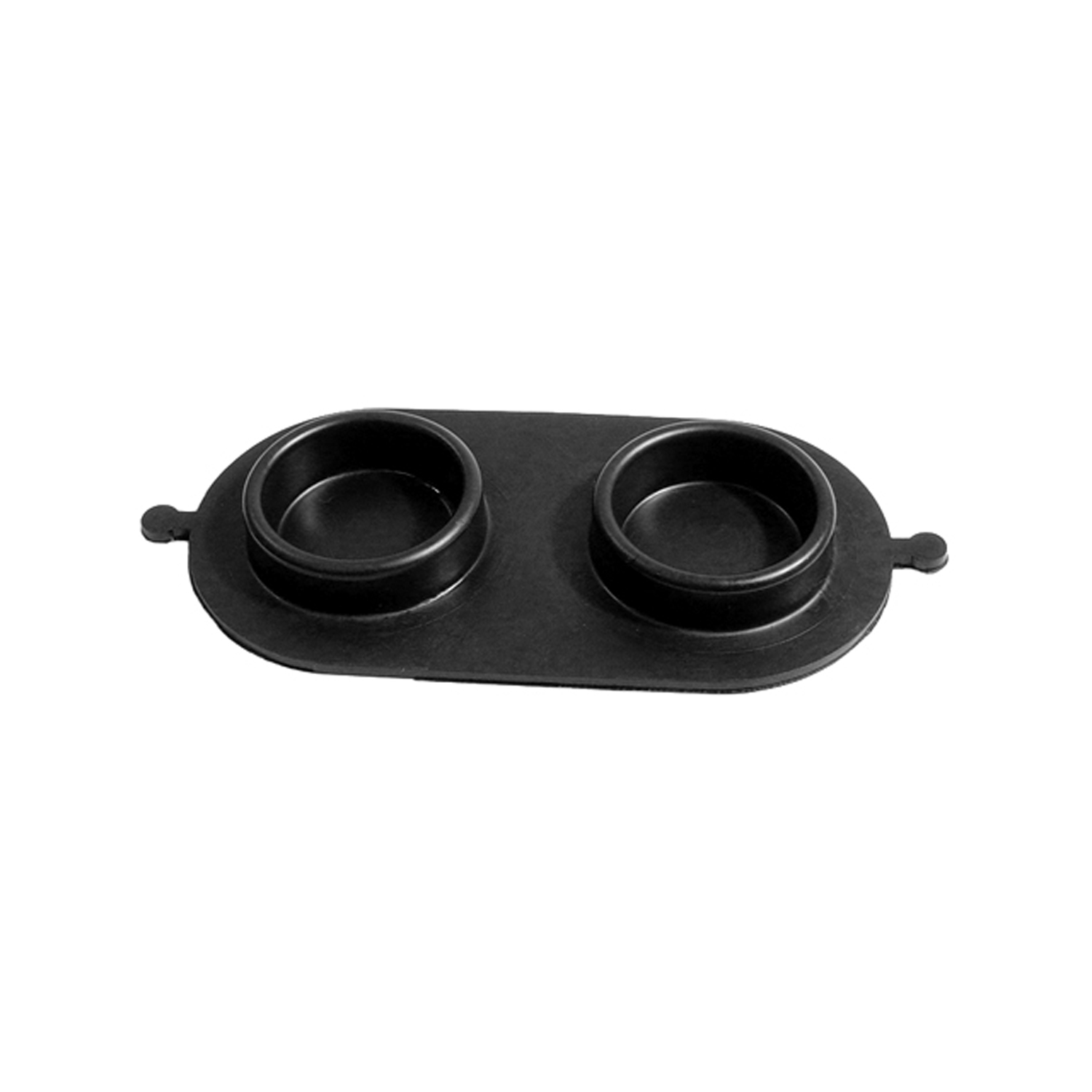 1970 Ford Thunderbird Brake Master Cylinder Cover Seal. Replaces OEM #C7AZ2167-A-RP 2-BBrake Master Cylinder Cover Seal. Replaces OEM #C7AZ2167-A. Each
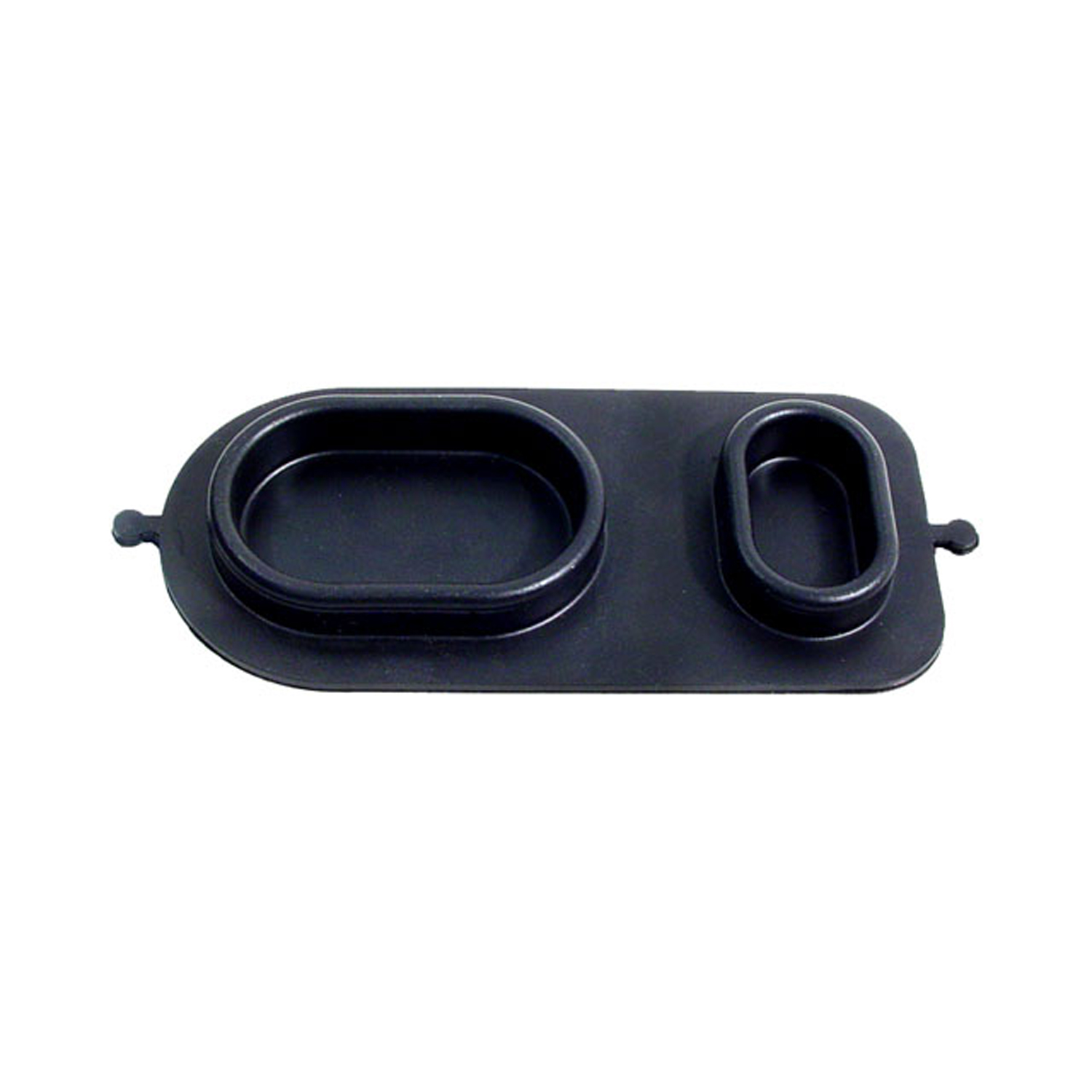 1970 Ford Thunderbird Brake Master Cylinder Cover Seal. Replaces OEM #5470861-RP 2-CBrake Master Cylinder Cover Seal. Replaces OEM #5470861. 5-9/16" long, 2-5/8" wide. Each
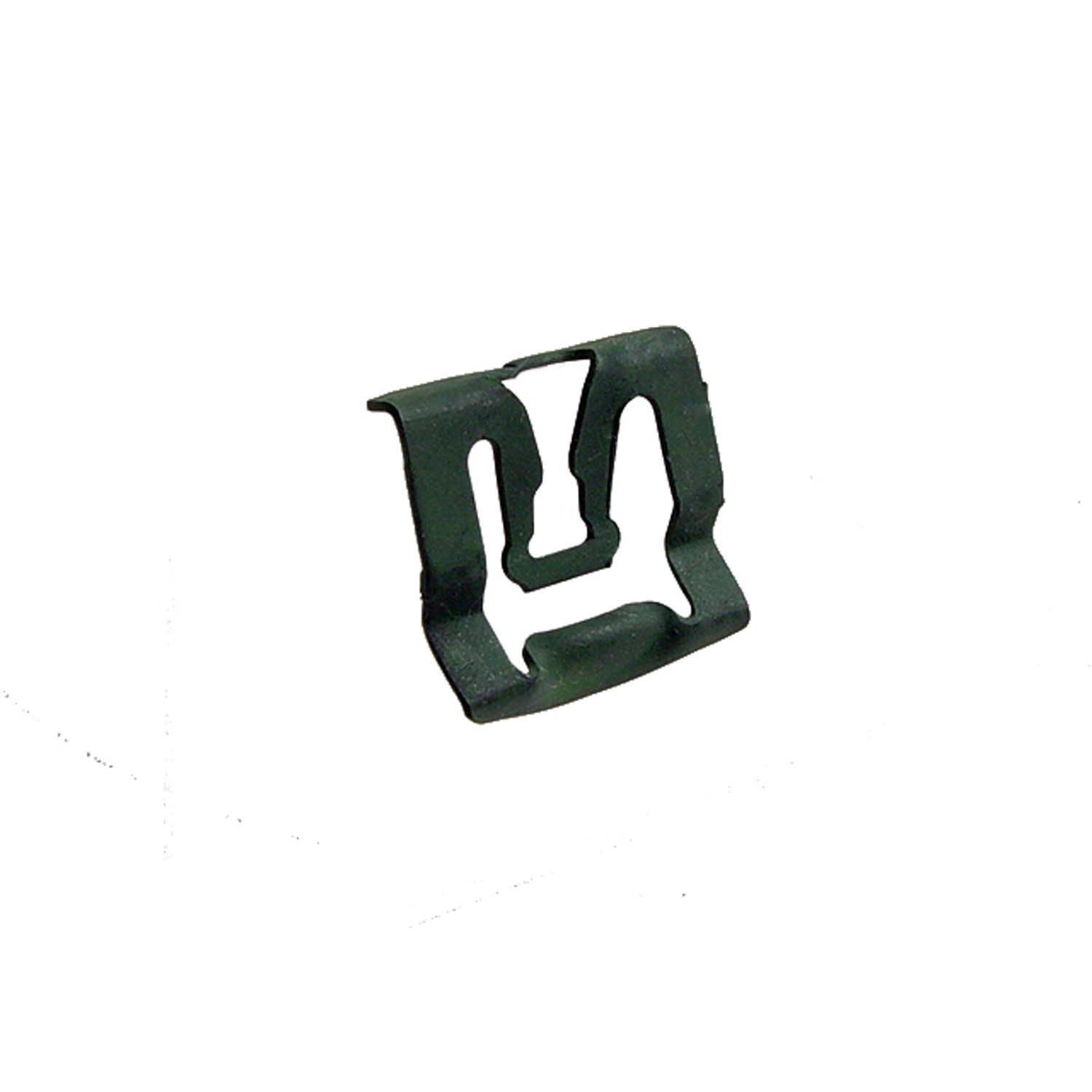 1970 Ford Thunderbird Windshield Reveal Molding Clip. Made of steel. Each-WF 228-AWindshield Reveal Molding Clip. Made of steel. Each
 1970 Ford Thunderbird Spare Tire Hold Down Nut. 3/8- 16 thread size-WF 3504Spare Tire Hold Down Nut. 3/8- 16 thread size. Replaces OEM #B9AZ-1462-A. Each
Why Choose Metro?
For over 100 years, Metro Moulded Parts has been the pinnacle of quality in classic car restoration parts. Our commitment to precision and authenticity in every component ensures a perfect fit and an OEM-level appearance.
- Expert Craftsmanship & Quality: Each part is a testament to our dedication to reliability and perfection, crafted from original designs and thoroughly tested.
- Advanced Technology: We use cutting-edge techniques to create flawless, long-lasting parts that surpass others in performance.
- SuperSoft Sponge – The Ultimate Door Seal: Not only are our door seals 30% softer than competitors', but they're also guaranteed to never leak. They effectively reduce wind and road noise, enhancing your classic car's comfort and driving experience.
- Proudly American: Our parts are a product of American craftsmanship, made in the USA with a spirit of excellence and heritage.
- Unrivaled Warranty: We back our products with a 30-year industry-leading warranty, a testament to our confidence in their quality.
Join us in preserving the legacy of classic cars with parts that are crafted for perfection, not just made.