

Image of 1970 Ford Torino, Note: These illustrations use artistic license and may differ from actual historical models.
Performance Metrics
Fundamental Metrics
Emotional Appeal
MMP Rating
| Engine Specifications | |
|---|---|
| Engine Options: | 250 I6, 302 V8, 351 V8, 429 V8 |
| Displacement Range: | 250-429 cu in (4.1-7.0 L) |
| Horsepower Range: | 155-375 hp |
| Torque: | 245-450 lb-ft |
| Compression Ratio: | 9.0:1 - 11.3:1 |
| Ignition System: | Conventional, distributor |
| Cooling System: | Water-cooled |
| Performance Specifications | |
| 0-60 Time: | 6.5 - 7.5 seconds |
| 1/4 Mile Time: | 14.5 - 15.5 seconds |
| Top Speed: | 120-130 mph |
| Transmission and Drive | |
| Drive Type: | Rear-wheel drive |
| Transmission Type: | 3-speed manual, 4-speed manual, 3-speed automatic |
| Fuel and Efficiency | |
| Fuel System Type: | Carburetor |
| MPG: | 10-15 mpg |
| Dimensions and Brakes | |
| Brakes: | Front disc brakes, rear drum brakes |
| Wheelbase: | 117 inches |
| Weight: | 3,500-3,900 lbs |
Note: Specifications for classic cars are given to the best of our ability, considering the limited and variant data available.
1970 Ford Torino: Ford’s Fastback Muscle-Car Statement
The 1970 Ford Torino arrived with a long hood, a fastback roofline, and the sort of V8 choices that made a family-sized Ford feel right at home on a drag strip. Built by Ford Motor Company as part of its intermediate-car lineup, the Torino blended everyday practicality with bold styling and serious performance. Its range ran from comfortable sedans and wagons to the high-powered Torino Cobra, while the sleek SportsRoof became the model’s most recognizable shape.
The Torino had first appeared as a Fairlane trim level in 1968, then became the primary name for Ford’s intermediate range. For 1970, Ford gave the car a major redesign, with more dramatic proportions and a distinctly muscular profile. The timing was ideal: American automakers were competing fiercely for muscle-car buyers, and Ford wanted the Torino to make an impression both in showrooms and on NASCAR tracks.
One intriguing footnote is the Torino King Cobra. Ford developed this radical, pointed-nose version for NASCAR competition, but the project was canceled before it reached production. Only three prototypes are known, making the King Cobra one of the most unusual pieces of Torino history.
Fastback Lines and a More Upscale Cabin
The 1970 Torino’s styling was all about presence. Its long hood and short rear deck were joined by flowing “coke-bottle” body contours, sculpted side panels, and a broad front end. The two-door SportsRoof, Ford’s fastback body style, swept smoothly toward the rear and gave the car a lower, faster-looking silhouette. Torino GT models added distinctive trim and a sporty grille treatment, with concealed headlamps available on select versions.
Inside, the Torino could be configured as a practical family car or a more luxurious cruiser. Depending on the trim and options, buyers could choose bench seating or sporty bucket seats, cloth or vinyl upholstery, and upgraded trim with woodgrain accents. The GT emphasized a more driver-focused feel, while the Torino Brougham leaned toward comfort and a richer finish. By the standards of the day, the cabin was roomy and well suited to long trips, though its materials and construction were not immune to the wear that comes with more than half a century of use.
Ford offered the 1970 Torino in a broad palette of period colors. Choices varied by model and production details, but vivid shades such as Grabber Blue, Calypso Coral, and bright reds and oranges suited the car’s assertive character. White, dark blues, greens, and more restrained metallic colors offered a subtler look. Today, high-impact colors tend to attract attention at shows, while original paint and documentation can matter just as much to collectors.
The lineup included two-door hardtops, SportsRoof coupes, four-door sedans, and station wagons. The GT was available in sporty two-door forms, while the Torino Cobra was the performance-focused model. For many enthusiasts, the SportsRoof GT or Cobra is the quintessential 1970 Torino: it combines the car’s most dramatic styling with access to the strongest engines.
Why the Torino Mattered
The 1970 Torino captured a turning point in American car design. It was larger and more flamboyant than many earlier intermediates, yet it still offered a wide range of equipment and powertrains. Buyers could choose a sensible six-cylinder car, a comfortable V8 cruiser, or a big-block machine with the power and sound expected of a muscle car.
Ford’s NASCAR ambitions also helped shape the Torino’s identity. The company had already developed special aerodynamic Torinos for racing, including the 1969 Talladega. That competition pushed Ford to think seriously about how rooflines, noses, and body shapes affected performance at high speed. The 1970 King Cobra prototype continued that thinking with an extended, pointed front end, but NASCAR rule changes and shifting plans helped bring the project to a halt.
What set the Torino apart from contemporaries such as the Chevrolet Chevelle and Plymouth Road Runner was its combination of broad model choice, distinctive fastback styling, and close association with Ford’s racing program. It was not the only intermediate muscle car of its era, but it became one of the clearest expressions of Ford’s late-1960s and early-1970s performance ambitions.
Engines, Acceleration, and Road Manners
The 1970 Torino’s engine range began with a 250-cubic-inch inline-six and extended through several V8s, including 302- and 351-cubic-inch options. Buyers seeking maximum performance could order a 429-cubic-inch V8, including Cobra Jet and Super Cobra Jet versions. Horsepower figures from this period were generally advertised using the older gross-rating method, so they should not be compared directly with modern net-horsepower ratings.
Performance depended heavily on engine, transmission, axle ratio, tires, and vehicle condition. A properly equipped 429 Cobra Jet Torino could reach 60 mph in roughly six seconds in period-style testing, with quarter-mile times commonly in the mid-14-second range. Top speed varied by gearing and body style, but a strong big-block example could run beyond 120 mph. Six-cylinder and smaller V8 models were considerably more relaxed, and there is no single performance figure that describes the entire Torino range.
On the road, the Torino feels substantial. Its long wheelbase and broad body give it a relaxed highway character, while the big V8s deliver a deep, unmistakable exhaust note and strong low-speed torque. The suspension uses independent coil springs up front and a live rear axle with leaf springs. That setup was conventional for the era: it handles ordinary roads comfortably, but the car can feel heavy through tight corners and may lean more than a modern performance car.
Bumps and broken pavement are generally absorbed with a soft, old-school motion, especially when the suspension is in good condition. On a winding road, a Torino rewards smooth inputs rather than abrupt direction changes. Steering feel is less precise than that of a modern car, and braking performance depends greatly on whether the car has optional front discs, as well as the condition of its components. A well-maintained example can be enjoyable and confidence-inspiring, but it is still a large 1970s car, not a contemporary sports sedan.
Living with a 1970 Torino
Torinos serve several roles today. Some are restored show cars, particularly Cobra and GT models. Others are weekend cruisers, family heirlooms, or period-style street machines. A sound, relatively unmodified Torino can also be driven regularly, although fuel economy, modern traffic, and the lack of contemporary safety equipment make it less convenient than a current daily driver.
Mechanical repairs are usually manageable for an owner familiar with classic American cars. Ford V8 parts and service knowledge remain widely available, and many routine jobs are straightforward. The main challenges are often bodywork, trim, and finding correct parts for a specific year and model. Before buying, inspect the floors, trunk, frame rails, lower body panels, and windshield areas for rust. Check that the engine, transmission, and rear axle match the seller’s claims, especially on a car advertised as a Cobra or equipped with a 429.
As with any half-century-old vehicle, reliability depends more on maintenance and restoration quality than on the badge alone. Cooling systems, fuel delivery, ignition components, brakes, suspension bushings, and electrical connections deserve careful attention. A car that starts easily and drives well on a short test may still need significant work before it is dependable on longer trips.
Torino Trivia and Common Criticisms
The 1970 King Cobra remains the Torino’s most tantalizing “what if.” Ford built three prototypes, but the model never became a regular production car. The ordinary Torino Cobra was much more attainable, though still far less common than the mainstream Torino models. Production totals often cited for 1970 put the overall Torino line at roughly 230,000 cars, while the Cobra is commonly listed at about 7,675. Figures can differ among sources and may depend on which body styles or submodels are included.
The Torino’s racing reputation is another major part of its appeal. Ford’s intermediate cars were closely tied to NASCAR during the period, and their competition history helped make aerodynamic body design a serious selling point. The Torino name also gained lasting pop-culture recognition through later television appearances, although the famous striped car in Starsky & Hutch was a 1970s Torino from a later model year, not a 1970 example.
Common criticisms are familiar for a large muscle car of the era: thirsty engines, substantial weight, modest handling by modern standards, and braking that can feel underwhelming without well-maintained or upgraded components. Some buyers also preferred the sharper styling or lighter feel of rival intermediates. Those drawbacks are part of the period character, but they are worth considering if the goal is regular use rather than occasional cruising.
1970 Ford Torino Collector Values
Collector value depends on body style, engine, originality, condition, and documentation. As a broad U.S. market estimate, a standard Torino that runs and presents well may sell for around $15,000 to $30,000. A clean, restored GT or desirable SportsRoof can fall in the $30,000 to $50,000 range, with exceptional examples sometimes bringing more. A genuine, well-documented 429 Cobra Jet or Super Cobra Jet car can command roughly $50,000 to $100,000 or higher, depending on its specification and condition.
These are approximate ranges, not guaranteed prices. A rough project can sell for substantially less, while a rare, correctly documented car with a high-quality restoration can exceed the estimates. Buyers should verify identification numbers, engine and drivetrain details, and restoration records before paying a premium for a rare configuration.
The 1970 Torino is uncommon enough to feel special but not so scarce that ordinary examples are impossible to find. Standard sedans and less powerful models appear more often than high-performance Cobras. Overall, desirable Torinos have generally strengthened in collector appeal as interest in classic muscle cars has continued, though the market is selective: originality, condition, and provenance make a major difference.
A Ford Muscle Car with Room to Roam
The 1970 Ford Torino brought together dramatic fastback styling, a wide range of body styles, and engines that stretched from sensible to seriously powerful. Its NASCAR connections and the unrealized King Cobra project add a distinctive chapter to Ford’s performance history. Today, it offers classic-car fans a choice between a comfortable cruiser and a genuine big-block muscle machine. More than just a handsome survivor from the muscle-car era, the Torino remains a reminder of when Ford made room for both family life and high-speed ambition.
1970 Ford Torino Catalog of Parts
 1970 Ford Torino Molded Door Seals. For 2-door hardtop-LM 14-TMolded Door Seals. For 2-door hardtop. Each is 70-1/2" long. Pair R&L
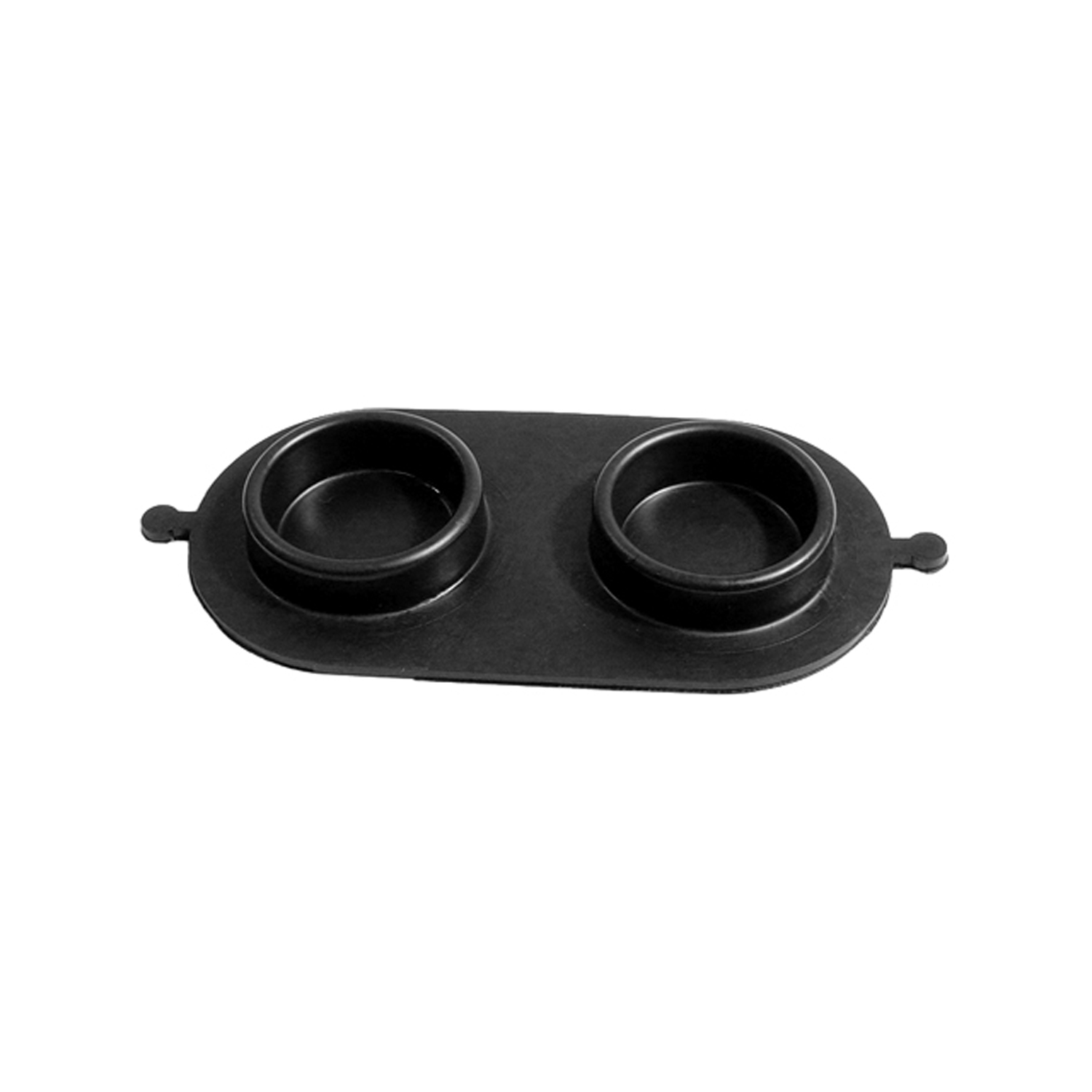 1970 Ford Torino Brake Master Cylinder Cover Seal. Replaces OEM #C7AZ2167-A-RP 2-BBrake Master Cylinder Cover Seal. Replaces OEM #C7AZ2167-A. Each
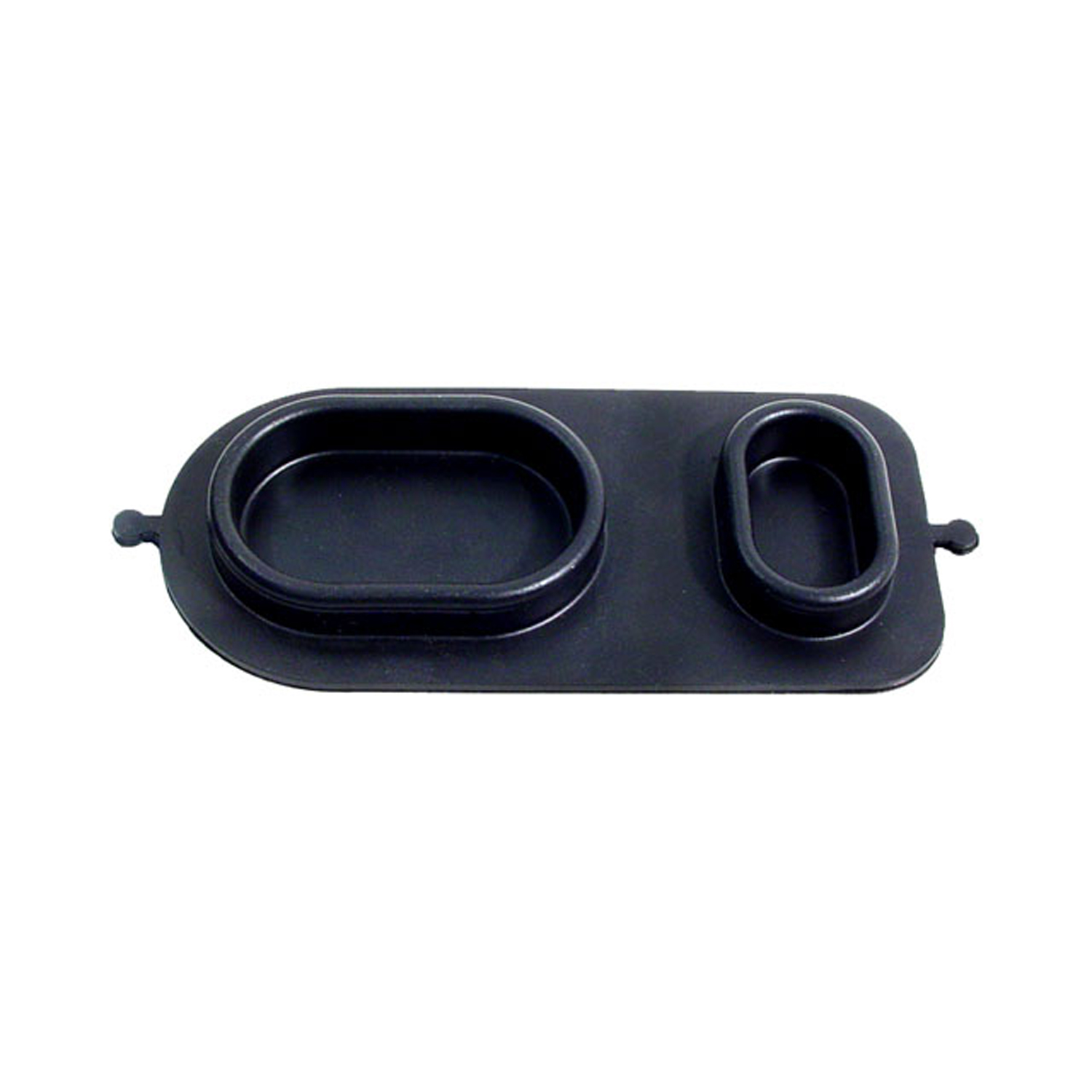 1970 Ford Torino Brake Master Cylinder Cover Seal. Replaces OEM #5470861-RP 2-CBrake Master Cylinder Cover Seal. Replaces OEM #5470861. 5-9/16" long, 2-5/8" wide. Each
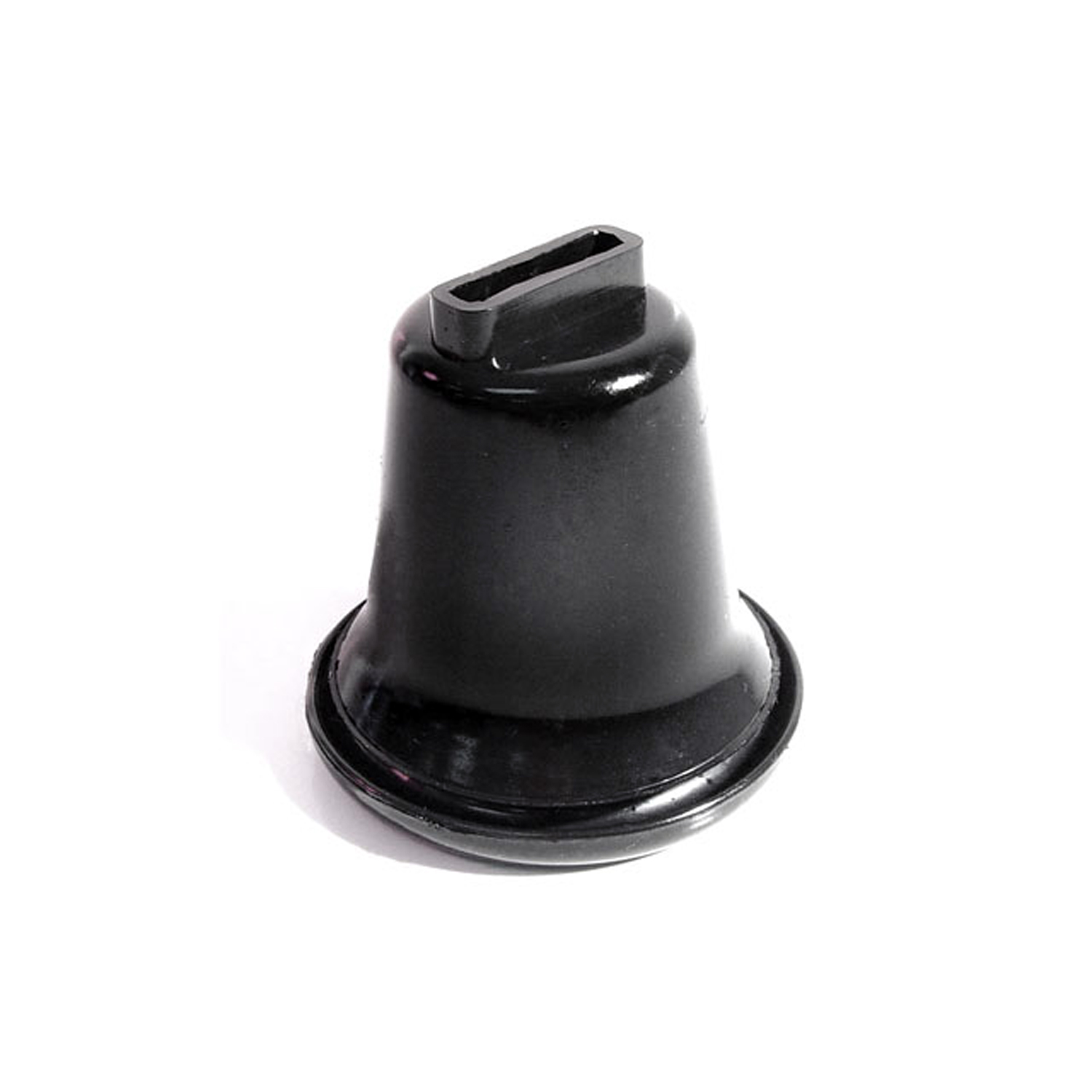 1970 Ford Torino Brake Booster Boot. Each-RP 32-AABrake Booster Boot. Each
 1970 Ford Torino Rear Roll-Up Window Seals, for 2-Door Fastback. Pair R&L-VS 3-TRear Roll-Up Window Seals, for 2-Door Fastback. Pair R&L. 15.5" Long. Replaces OEM #'s D1ZZ 6330146-A & D1ZZ 6330147-A.
 1970 Ford Torino Rear Roll-Up Window Seals, for 2-Door Hardtop. Pair R&L-VS 3-VRear Roll-Up Window Seals, for 2-Door Hardtop. Pair R&L
 1970 Ford Torino Rear Roll-Up Window Seals, for 2-Door Convertible-VS 3-WRear Roll-Up Window Seals, for 2-Door Convertible. Pair R&L
 1970 Ford Torino Spare Tire Hold Down Nut. 1/2- 13 thread size-WF 3503Spare Tire Hold Down Nut. 1/2- 13 thread size. Replaces OEM #C8AZ-1462-A. Each
Why Choose Metro?
For over 100 years, Metro Moulded Parts has been the pinnacle of quality in classic car restoration parts. Our commitment to precision and authenticity in every component ensures a perfect fit and an OEM-level appearance.
- Expert Craftsmanship & Quality: Each part is a testament to our dedication to reliability and perfection, crafted from original designs and thoroughly tested.
- Advanced Technology: We use cutting-edge techniques to create flawless, long-lasting parts that surpass others in performance.
- SuperSoft Sponge – The Ultimate Door Seal: Not only are our door seals 30% softer than competitors', but they're also guaranteed to never leak. They effectively reduce wind and road noise, enhancing your classic car's comfort and driving experience.
- Proudly American: Our parts are a product of American craftsmanship, made in the USA with a spirit of excellence and heritage.
- Unrivaled Warranty: We back our products with a 30-year industry-leading warranty, a testament to our confidence in their quality.
Join us in preserving the legacy of classic cars with parts that are crafted for perfection, not just made.