

Image of 1971 Ford Country Sedan, Note: These illustrations use artistic license and may differ from actual historical models.
Performance Metrics
Fundamental Metrics
Emotional Appeal
MMP Rating
| Engine Specifications | |
|---|---|
| Engine: | 400 CID 2V V-8, 429 CID 4V V-8 |
| Displacement: | 400-429 cubic inches |
| Horsepower: | 172-360 hp |
| Torque: | 312-480 lb-ft |
| Compression Ratio: | 9.0:1 (400 CID 2V V-8), 10.5:1 (429 CID 4V V-8) |
| Ignition System: | Conventional, breaker point |
| Cooling System: | Liquid-cooled |
| Performance Specifications | |
| 0-60 Time: | 10-12 seconds |
| 1/4 Mile Time: | 17-19 seconds |
| Top Speed: | 115-120 mph |
| Transmission and Drive | |
| Drive Type: | Rear-wheel drive |
| Transmission Type: | 3-speed automatic |
| Fuel and Efficiency | |
| Fuel System Type: | Carburetor |
| MPG: | 10-12 mpg |
| Dimensions and Brakes | |
| Brakes: | Front disc, rear drum |
| Wheelbase: | 121 inches |
| Weight: | 4,500 lbs |
Note: Specifications for classic cars are given to the best of our ability, considering the limited and variant data available.
1971 Ford Country Sedan: The Full-Size Family Wagon
Long, practical, and powered by the unmistakable rumble of a period Ford V8, the 1971 Ford Country Sedan was built for families who needed room for people, luggage, and just about everything else. It was a full-size station wagon from Ford Motor Company, positioned as a useful, more restrained alternative to the woodgrain-trimmed Country Squire.
The Country Sedan belonged to an era when American station wagons were household mainstays rather than niche classics. Before minivans and SUVs took over family transport, wagons handled school runs, road trips, and hardware-store loads. A memorable detail is Ford’s available two-way “Magic Doorgate,” which could swing open like a door or fold down like a conventional tailgate, making it easier to load bulky cargo.
Clean Ford Styling and Practical Cabin
The 1971 Country Sedan wore the formal, full-size proportions that defined Ford’s big cars: a long hood, broad body sides, upright greenhouse, and an expansive cargo area. Its front end had a wide grille and four headlights, while the squared-off rear emphasized the wagon’s practical purpose. Unlike the Country Squire, the Country Sedan did not wear simulated woodgrain side trim. Its simpler body treatment gave it a cleaner, less suburban-estate look.
Inside, the emphasis was on space and durability. The cabin used vinyl and cloth upholstery, straightforward door panels, and a broad dashboard with large, legible controls. Ford’s materials were appropriate to a mainstream family car rather than a luxury model, but the cabin could be upgraded with nicer upholstery and convenience options. Front seating was generous, and the long roof created useful headroom throughout.
Most Country Sedans were configured as six-passenger wagons, with a front bench and a rear bench. A nine-passenger arrangement with a third-row seat was available, making the wagon especially useful for larger families. Depending on the configuration, the extra seat faced rearward, a familiar feature of American wagons of the period.
Convenience and technology options included automatic transmission, power steering, power brakes, air conditioning, and upgraded radios. The two-way tailgate was a particularly clever piece of everyday engineering. For colors, buyers could choose from the broad 1971 Ford palette, which included solid and metallic shades across whites, blues, greens, reds, golds, and browns. Exact names and availability varied by trim and market. White and traditional darker colors were common, while brighter shades made a wagon stand out in a crowded school pickup lane.
Where the Country Sedan Fits in Ford History
The Country Sedan occupied the middle ground in Ford’s full-size wagon range. It offered the room and basic utility of a large Ford without the Country Squire’s signature woodgrain appearance and more upscale positioning. That made it a practical choice for buyers who wanted a substantial wagon but did not need the most decorated version.
Its significance is less about introducing a single groundbreaking technology and more about representing the mature American station wagon. Ford had spent decades refining the body style into a comfortable, family-friendly vehicle with useful cargo access and seating for as many as nine. The Country Sedan helped make that combination feel ordinary, dependable, and attainable.
The model also captures a turning point in the market. Full-size wagons remained popular in 1971, but changing tastes and later competition from vans, minivans, and SUVs would steadily reduce their role. The Country Sedan name continued for a few more years, ending after the 1974 model year. Today, it offers a snapshot of the period when a family car could be as long as a modern pickup and still be considered everyday transportation.
V8 Power and Road Manners
Engine availability depended on the car’s configuration and original equipment, but the 1971 full-size Ford range offered a selection of six-cylinder and V8 powerplants. V8s were the natural fit for a Country Sedan’s size, with engines such as the 302 and 351 providing everyday power and larger options available in parts of the full-size lineup. Most were paired with an automatic transmission. Always check the engine code and vehicle documentation when evaluating a specific car, since decades of repairs and swaps can change what is under the hood.
Performance figures vary with engine, gearing, vehicle condition, and the test method. As a broad estimate, a V8 Country Sedan could reach 0 to 60 mph in roughly 10 to 14 seconds. A healthy example with a larger engine could be quicker, while a six-cylinder car or a heavily loaded wagon would take longer. Approximate top speed is in the neighborhood of 100 to 115 mph, though these figures are estimates rather than a promise of what any surviving car will achieve. The Country Sedan was designed for comfortable cruising, not modern high-speed performance.
On the road, the wagon’s size is part of the experience. Its long wheelbase helps it settle into a smooth, steady highway ride, and the suspension is tuned more for comfort than cornering. It absorbs many ordinary road imperfections well, although worn springs, tired shocks, and old bushings can make a neglected example feel floaty or unsettled. Narrow period tires and a tall, heavy body also mean that winding roads call for measured steering inputs rather than sports-car enthusiasm.
From behind the wheel, expect a broad bench-seat view, a large steering wheel, and a relaxed driving position. The engine’s low-frequency V8 note, when fitted, is more mellow rumble than high-revving snarl. The car feels substantial and unhurried, rewarding smooth driving and open roads. Parking and tight urban turns require more planning than in a modern car, especially in a nine-passenger version.
Living With a 1971 Country Sedan
Today, the Country Sedan is most often used as a weekend cruiser, a vintage family hauler, or a show car. Some owners put them to work on regular drives, but their size, fuel consumption, and age make them less convenient as daily transportation than a modern wagon or crossover. A clean example can still be a comfortable long-distance car, provided its cooling, braking, and suspension systems are in good condition.
Mechanical repairs are generally approachable for an owner with basic tools and experience. Ford V8s of this era are well understood, and many routine service parts remain available through classic-car suppliers. The bigger challenges tend to be age-related: rust, worn suspension components, electrical faults, deteriorated weatherstripping, and hard-to-find wagon-specific trim or interior pieces. Inspect the floors, frame areas, lower body panels, tailgate, and rear cargo area carefully. A sound body is often more valuable than a cheap car with serious corrosion.
Fuel economy is not a strong point. A large, heavy wagon with a carbureted engine is likely to use substantially more fuel than a modern family vehicle, especially in city driving. Regular attention to ignition timing, carburetor condition, cooling, and transmission service helps keep the car pleasant and dependable, but it will not turn it into an economical commuter.
Country Sedan Trivia and Common Complaints
The most distinctive practical feature is the optional Magic Doorgate, a two-way tailgate that could open sideways or drop down. It made loading easier in different situations and showed how much thought manufacturers once put into wagon-specific details. The nine-passenger seating layout is another reminder that these cars were designed to carry a crowd, not just a couple of adults and a stroller.
The Country Sedan is not known for a special high-performance edition or a widely documented speed or endurance record. Nor is it especially tied to one famous celebrity owner or landmark event. Its appeal is more everyday than mythical: it was the kind of wagon that carried families and their belongings across the country, often without ever becoming famous for doing so.
Common criticisms are easy to understand. The car is large, thirsty, and not especially nimble, and the cabin’s materials are functional rather than luxurious. Rust and aging trim can also make restoration more difficult than the mechanical work. Those drawbacks are part of the ownership equation, but they are also what make a well-preserved example feel like such a vivid piece of early-1970s American motoring.
Collector Value and Availability
Values depend heavily on rust, originality, engine, seating configuration, and restoration quality. As a rough U.S. market guide, a project car may sell for about $3,000 to $8,000. A usable driver in fair to good condition might bring roughly $8,000 to $18,000. A clean, well-restored example can reach $20,000 to $35,000 or more, with exceptional cars occasionally asking higher prices. These are estimates, not guaranteed sale prices, and regional demand can make a noticeable difference.
The 1971 Country Sedan is less common in today’s collector market than the better-known Country Squire, but that does not automatically make every example rare or valuable. Ford production figures for individual wagon trims can be difficult to pin down from commonly available summaries. A reasonable working estimate is that tens of thousands were built, perhaps around 25,000 to 40,000, though that range should be treated as an informed estimate rather than a confirmed factory total. Surviving cars are less plentiful, especially rust-free, original examples.
Values for solid classic wagons have generally strengthened as interest in vintage utility vehicles has grown, but the Country Sedan remains a niche collectible. Condition and presentation matter more than speculation about rarity. Its market is smaller than that for a popular muscle car, so selling can take patience, particularly for a project or a car needing wagon-specific parts.
Why the 1971 Ford Country Sedan Still Matters
The 1971 Ford Country Sedan combined full-size comfort, flexible seating, useful cargo capacity, and straightforward Ford engineering in one unmistakably American package. It was not the flashiest wagon in the lineup, nor was it designed to set speed records. Its strengths were room, comfort, and the clever details that made everyday family travel easier.
For collectors, it offers a distinctive alternative to the more familiar woodgrain Country Squire and a chance to own a genuine example of the full-size wagon era. Keep one on the road today and it turns an ordinary trip into a reminder of when family transport came with a long hood, a deep cargo bay, and enough space for nearly everyone to come along.
1971 Ford Country Sedan Catalog of Parts
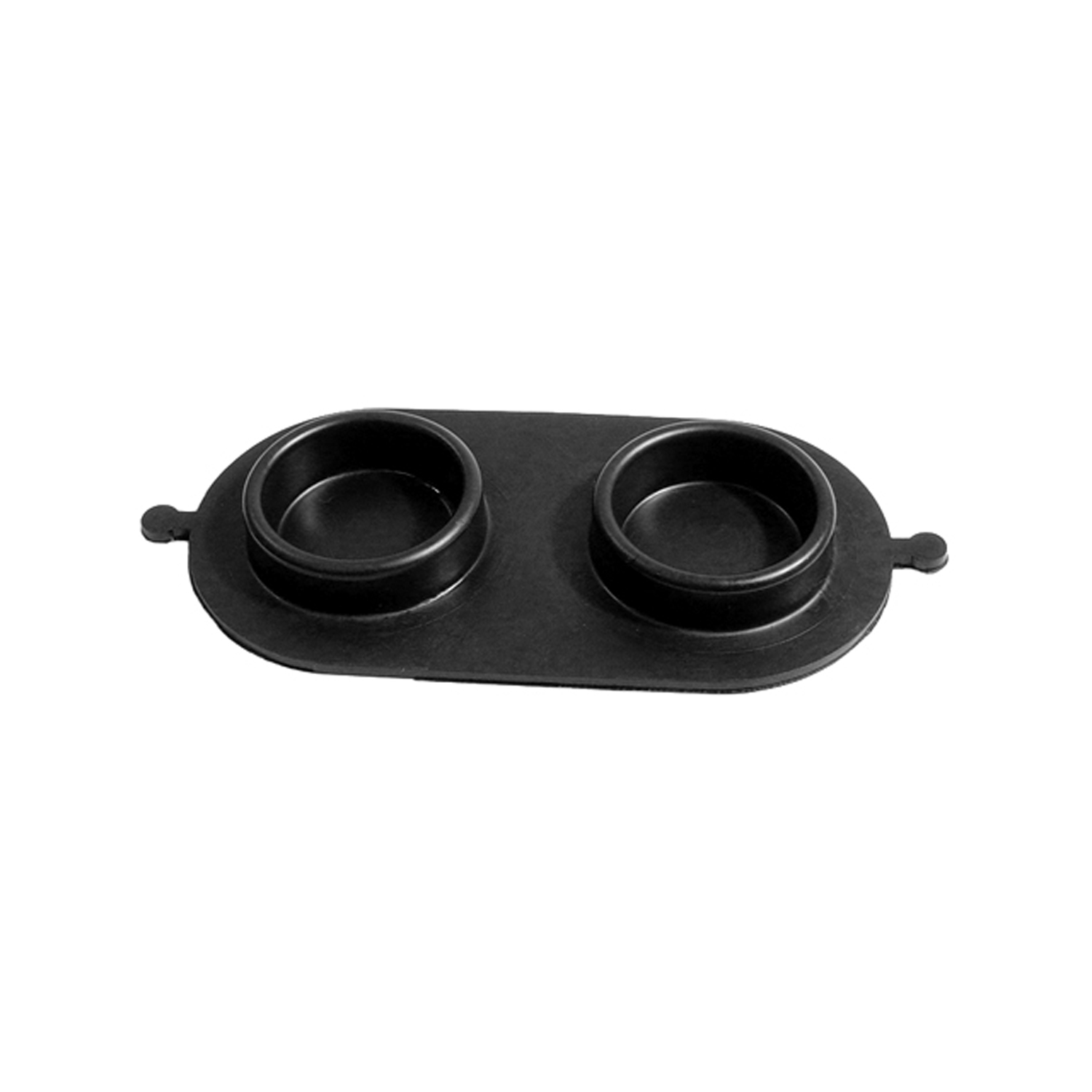 1971 Ford Country Sedan Brake Master Cylinder Cover Seal. Replaces OEM #C7AZ2167-A-RP 2-BBrake Master Cylinder Cover Seal. Replaces OEM #C7AZ2167-A. Each
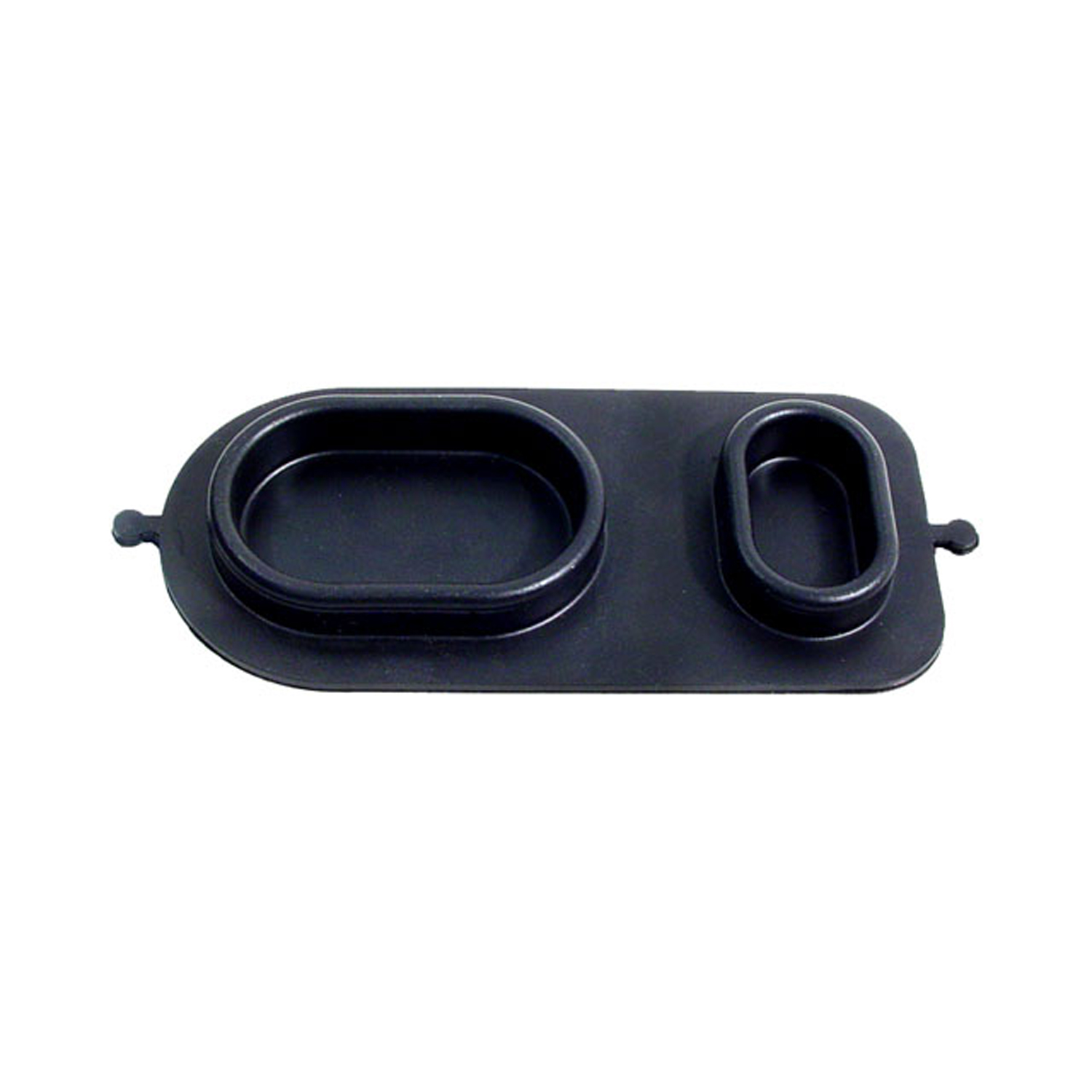 1971 Ford Country Sedan Brake Master Cylinder Cover Seal. Replaces OEM #5470861-RP 2-CBrake Master Cylinder Cover Seal. Replaces OEM #5470861. 5-9/16" long, 2-5/8" wide. Each
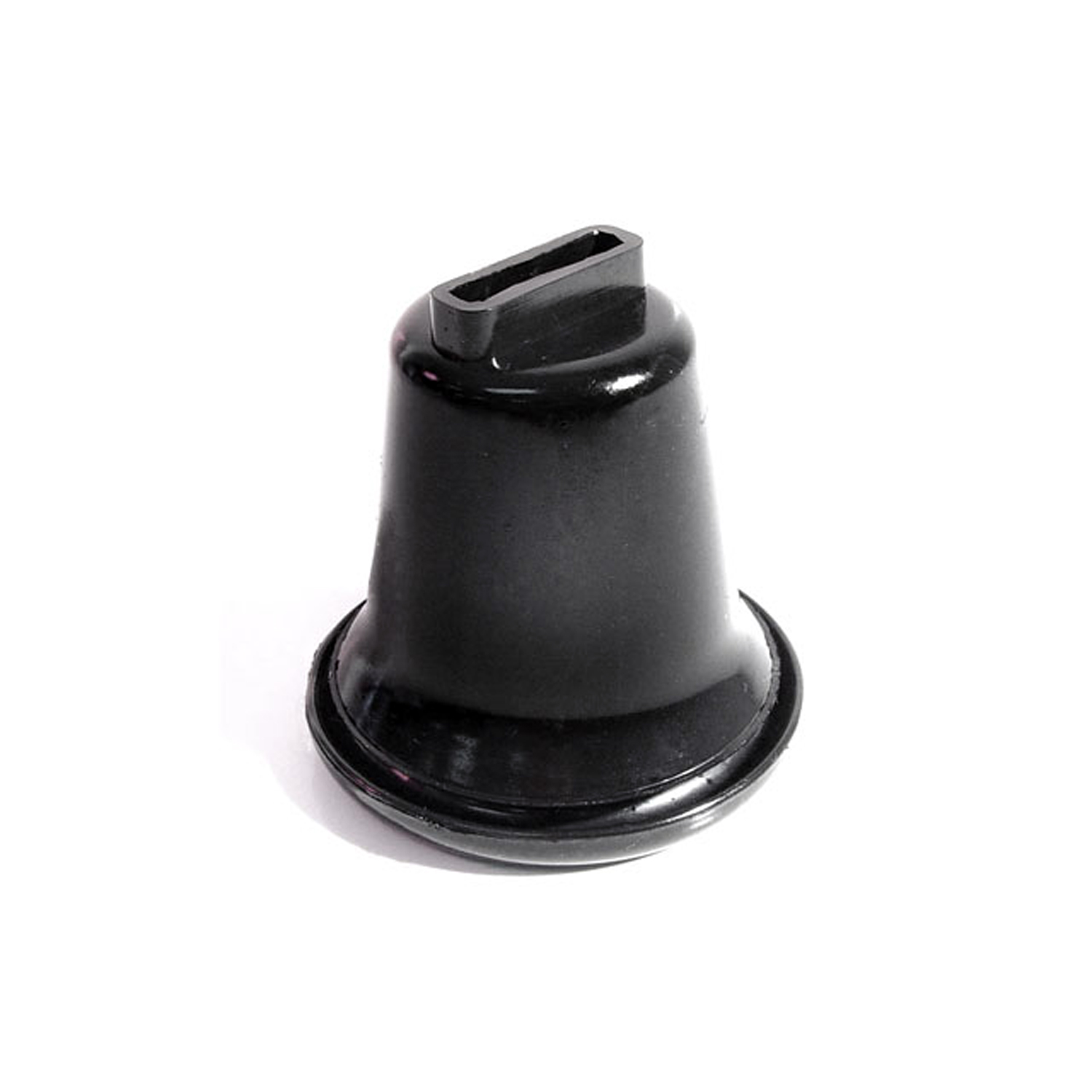 1971 Ford Country Sedan Brake Booster Boot. Each-RP 32-AABrake Booster Boot. Each
 1971 Ford Country Sedan Rear Windshield Reveal Molding Clip. Made of steel. Each-WF 228Rear Windshield Reveal Molding Clip. Made of steel. Each
Why Choose Metro?
For over 100 years, Metro Moulded Parts has been the pinnacle of quality in classic car restoration parts. Our commitment to precision and authenticity in every component ensures a perfect fit and an OEM-level appearance.
- Expert Craftsmanship & Quality: Each part is a testament to our dedication to reliability and perfection, crafted from original designs and thoroughly tested.
- Advanced Technology: We use cutting-edge techniques to create flawless, long-lasting parts that surpass others in performance.
- SuperSoft Sponge – The Ultimate Door Seal: Not only are our door seals 30% softer than competitors', but they're also guaranteed to never leak. They effectively reduce wind and road noise, enhancing your classic car's comfort and driving experience.
- Proudly American: Our parts are a product of American craftsmanship, made in the USA with a spirit of excellence and heritage.
- Unrivaled Warranty: We back our products with a 30-year industry-leading warranty, a testament to our confidence in their quality.
Join us in preserving the legacy of classic cars with parts that are crafted for perfection, not just made.