

Image of 1971 Ford Custom 500, Note: These illustrations use artistic license and may differ from actual historical models.
Performance Metrics
Fundamental Metrics
Emotional Appeal
MMP Rating
| Engine Specifications | |
|---|---|
| Engine: | 240 CID I6, 302 CID V8, 351 CID V8, 400 CID V8, 429 CID V8 |
| Displacement: | 240-429 cubic inches |
| Horsepower: | 115-360 HP |
| Torque: | 185-480 lb-ft |
| Compression Ratio: | 8.0:1 - 11.3:1 |
| Ignition System: | Conventional breaker-point ignition system |
| Cooling System: | Liquid-cooled |
| Performance Specifications | |
| 0-60 Time: | 10-15 seconds |
| 1/4 Mile Time: | 16-20 seconds |
| Top Speed: | 105-120 mph |
| Transmission and Drive | |
| Drive Type: | Rear-wheel drive |
| Transmission Type: | 3-speed manual, 3-speed automatic, 4-speed manual |
| Fuel and Efficiency | |
| Fuel System Type: | Carburetor |
| MPG: | 10-15 mpg |
| Dimensions and Brakes | |
| Brakes: | Front disc and rear drum brakes |
| Wheelbase: | 119 inches |
| Weight: | 3,500-4,000 lbs |
Note: Specifications for classic cars are given to the best of our ability, considering the limited and variant data available.
1971 Ford Custom 500: The Full-Size Ford Without the Flash
The 1971 Ford Custom 500 was built for people who wanted a big, comfortable American car without paying extra for luxury trim. Beneath its straightforward name sat a roomy full-size Ford, made by the Ford Motor Company and shaped by an era when family sedans, fleet cars, and powerful V8s still dominated American roads.
The Custom 500 belonged to Ford’s redesigned 1971 full-size lineup, which also included more lavish Galaxie 500 and LTD models. Its simpler trim made it a practical choice for families and businesses, while its available V8 engines gave it the performance potential to be more than basic transportation. A notable part of its story is its connection to police and fleet service: the Custom 500’s sturdy, no-nonsense character made it a natural foundation for vehicles expected to cover long miles and take hard use.
Clean Lines and Practical Trim
Ford’s 1971 full-size cars had a long, formal profile, with a broad hood, a squared-off roofline, and substantial rear quarters. The Custom 500 wore less brightwork than its upscale siblings, giving its grille and body sides a cleaner, more restrained look. It was unmistakably a large American sedan, but its relatively uncluttered trim suited its practical role.
The cabin emphasized space over luxury. The broad front bench seat and generous rear-seat room made it comfortable for passengers, while the simple dashboard kept controls easy to reach. Materials and finishes depended on the trim and options ordered, but the Custom 500 generally used durable cloth or vinyl upholstery, straightforward door panels, and less decorative detailing than a Galaxie or LTD. Air conditioning, power steering, power brakes, upgraded upholstery, and other comfort features could be added, though equipment varied from car to car.
For its day, the Custom 500’s technology was conventional rather than groundbreaking. Buyers could choose between manual and automatic transmissions, and available power assists helped make a large car easier to maneuver. Safety equipment reflected the period’s changing standards, including federally required features such as seat belts and an energy-absorbing steering column. It did not offer modern driver aids, of course, but it delivered the comfort and convenience expected of a full-size Ford.
Ford offered period colors ranging from subdued whites, blues, greens, golds, and browns to brighter reds. Exact names and availability depended on the paint chart and build date. White and darker, conservative colors suit the Custom 500’s fleet-ready image, while a well-preserved metallic or vivid color can make one stand out at a show.
The lineup centered on two- and four-door sedans, with a four-door station wagon also available in the Custom 500 range. The four-door sedan is perhaps the most familiar expression of the model: spacious, easy to enter, and well suited to family or fleet duty. Wagon buyers could also look to Ford’s Country Sedan and wood-trimmed Country Squire, which occupied different places in the broader full-size range.
Why the Custom 500 Matters
The Custom 500 was not a revolutionary design, and that is part of its appeal. It represented the dependable, full-size end of Ford’s 1971 lineup at a time when American manufacturers were balancing comfort, performance, cost, and tightening safety and emissions rules. Its basic trim gave buyers access to the same large-car architecture and broad engine choices found across the range, without the price of luxury appointments.
Compared with many contemporaries, the Custom 500 stood out through its combination of scale, simplicity, and flexibility. It could be a family car, a business sedan, a station wagon, or a fleet vehicle. Its understated appearance also gives it a different kind of classic-car appeal today: it evokes everyday American motoring rather than the muscle-car spotlight. The model’s legacy is less about introducing a single breakthrough than about showing how adaptable a full-size platform could be.
Engines, Speed, and Road Manners
Engine availability could vary by body style and equipment, but the 1971 Custom 500 range included an inline-six and several V8 choices. Depending on configuration, buyers could find engines such as the 240-cubic-inch six, a 302 V8, and larger 351-, 400-, or 429-cubic-inch V8s. The smaller engines suited economical or fleet-minded buyers, while the larger V8s delivered the effortless low-speed torque expected from a big Ford. A three-speed manual was available on some versions, with Ford’s Cruise-O-Matic automatic offered for buyers who preferred easier cruising.
There is no single meaningful 0-to-60-mph or top-speed figure for every Custom 500: engine, transmission, axle ratio, vehicle condition, and test method all matter. As a broad period-car estimate, a V8 example might reach 60 mph in roughly 10 to 13 seconds, while a six-cylinder car would generally be slower. A healthy V8 could approach or exceed 100 mph, with larger-engine versions potentially capable of more, but these are estimates rather than guaranteed factory test figures. Today, mechanical condition and safe tire and brake performance matter far more than chasing a top-speed number.
On the road, the Custom 500 feels substantial. Its long wheelbase and soft suspension help it glide over broken pavement, though the ride can feel floaty by modern standards. It is most comfortable on open roads, where the big body settles into a steady cruise. On tight, winding roads, its size, weight, and period steering require more planning than a modern sedan. Crosswinds can also make a large car feel less settled, particularly if its suspension, tires, or alignment need attention.
From behind the wheel, a V8 Custom 500 delivers a deep, unhurried rumble rather than the sharp, high-revving character of a modern performance car. The steering is generally light when power-assisted, and the broad bench seat encourages relaxed driving. It rewards smooth inputs and steady cruising more than quick direction changes or hard cornering.
Living With a 1971 Custom 500
Today, most examples are used as weekend cruisers, show cars, nostalgia builds, or restored family heirlooms. A sound Custom 500 can still handle local driving, but its size, fuel consumption, and older safety design make it a less practical daily driver than a modern car. Wagons and clean four-door sedans are especially appealing to owners who want a classic with room for passengers and gear.
Routine service is familiar territory for a competent home mechanic. The carburetor, ignition, brakes, suspension, and many other systems use traditional components, and common maintenance procedures do not require specialized diagnostic equipment. Parts availability is generally reasonable for mechanical service items, though trim, body panels, and model-specific interior pieces can take more searching. Before buying, inspect the frame and body for rust, check the transmission and cooling system, and look closely at brake condition. On a car this large, sound brakes and good tires are essential.
Reliability depends heavily on maintenance and restoration quality. These Fords were built for everyday use, but age can bring worn suspension bushings, leaks, electrical faults, and tired cooling components. A well-maintained car can be a dependable cruiser; a neglected one can quickly turn into a long list of repairs.
Little-Known Custom 500 Details
The Custom 500’s plain styling helped make it useful for police, government, and commercial fleets. In those roles, a large interior, a robust chassis, and available V8 power mattered more than luxury trim. It is worth distinguishing an ordinary Custom 500 from a specially equipped police car, however: not every sedan with a large engine or a fleet-style appearance was a factory police package.
There is no widely recognized 1971 Custom 500 speed, sales, or endurance record that defines the model. Its significance is more everyday than headline-grabbing. It was part of the full-size Ford family that put millions of Americans on the road, and examples in police or fleet service reflect the model’s practical reputation.
Common criticisms are familiar to anyone who has driven a large early-1970s American car: fuel economy is poor by modern standards, handling is not especially agile, and the car’s bulk makes parking a challenge. Its age also means that safety, braking, and emissions performance fall short of modern expectations. For fans, those drawbacks are balanced by its roomy cabin, relaxed ride, mechanical simplicity, and unmistakable period character.
Collector Values and Availability
The 1971 Custom 500 is generally more affordable than a high-profile muscle car or a top-trim Ford, but good examples are not always easy to find. As a broad current-market guide, a project or rough driver might sell for around $2,000 to $5,000. A usable, presentable car could fall in the $5,000 to $10,000 range, while a clean, well-restored example may bring roughly $10,000 to $20,000. Exceptional condition, unusual factory equipment, documented history, or a particularly desirable engine can push a sale higher. These are estimates, not fixed price guarantees, and local market conditions matter.
Ford did not commonly publish an easy-to-use production total for every Custom 500 body and equipment combination. A reasonable working estimate is that production across the 1971 Custom 500 range reached tens of thousands, perhaps roughly 40,000 to 70,000 cars, but that figure should be treated as an informed estimate rather than an official count. Survivors are less common than the original numbers suggest, especially in rust-prone regions, and wagons or unusually well-documented cars may be harder to locate.
Values have tended to remain below those of fashionable muscle cars, but clean, original full-size Fords have gained interest among buyers seeking something different. The Custom 500 is best viewed as a steady, condition-driven classic rather than a guaranteed investment. Originality, rust-free bodywork, documentation, and correct trim usually matter more to its value than costly modifications.
A Full-Size Ford With Everyday Character
The 1971 Ford Custom 500 combined generous space, a choice of straightforward engines, and practical styling in a package built for real-world use. It was not the flashiest Ford of its era, nor was it designed to set sports-car records. Its appeal lies in its honest, adaptable character: a comfortable full-size sedan or wagon that could serve a family, a business, or a fleet.
For classic-car enthusiasts, the Custom 500 offers a rewarding way to experience early-1970s American motoring without chasing a famous nameplate. It is a reminder that automotive history is made not only by icons, but also by the durable, unpretentious cars that carried ordinary life down the highway.
1971 Ford Custom 500 Catalog of Parts
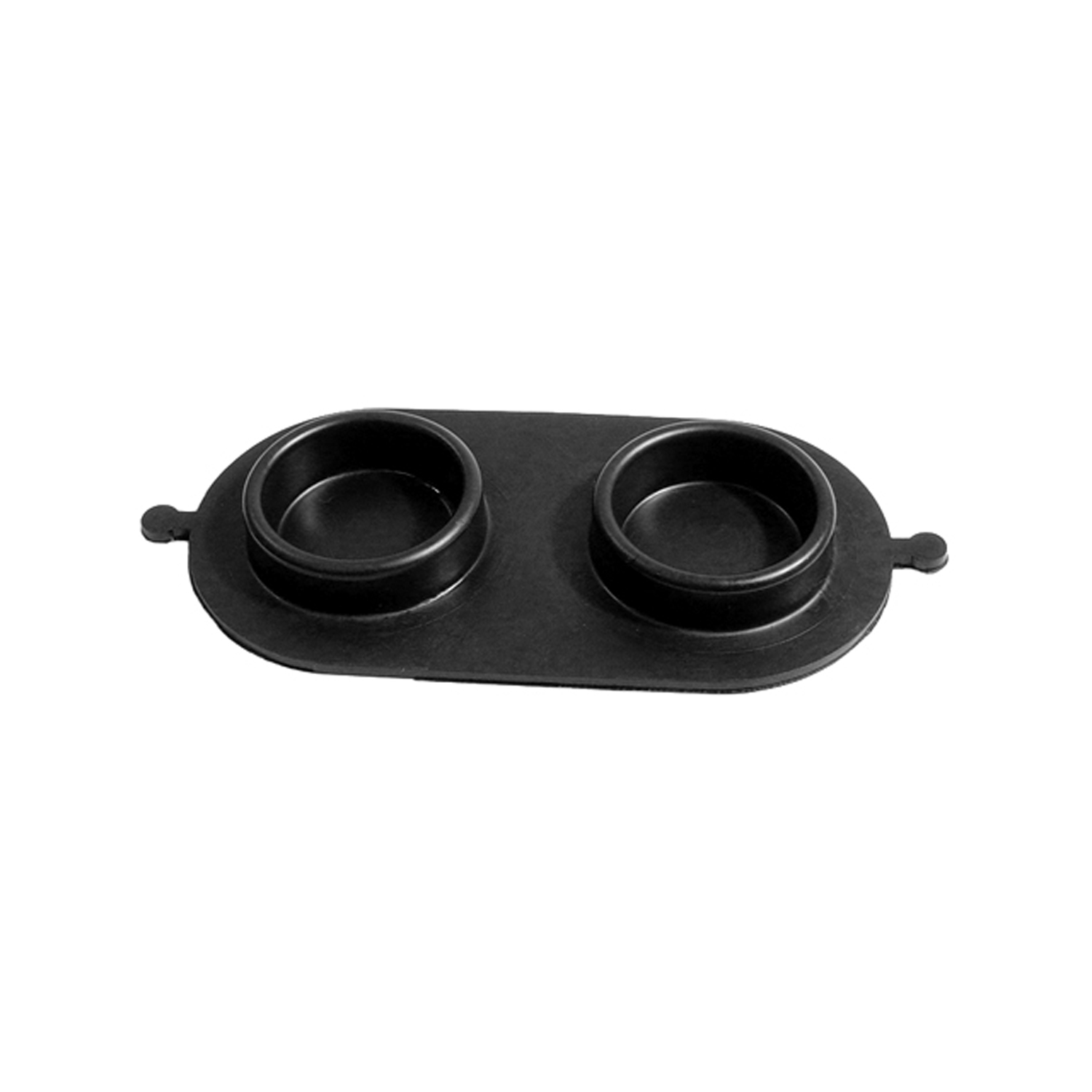 1971 Ford Custom 500 Brake Master Cylinder Cover Seal. Replaces OEM #C7AZ2167-A-RP 2-BBrake Master Cylinder Cover Seal. Replaces OEM #C7AZ2167-A. Each
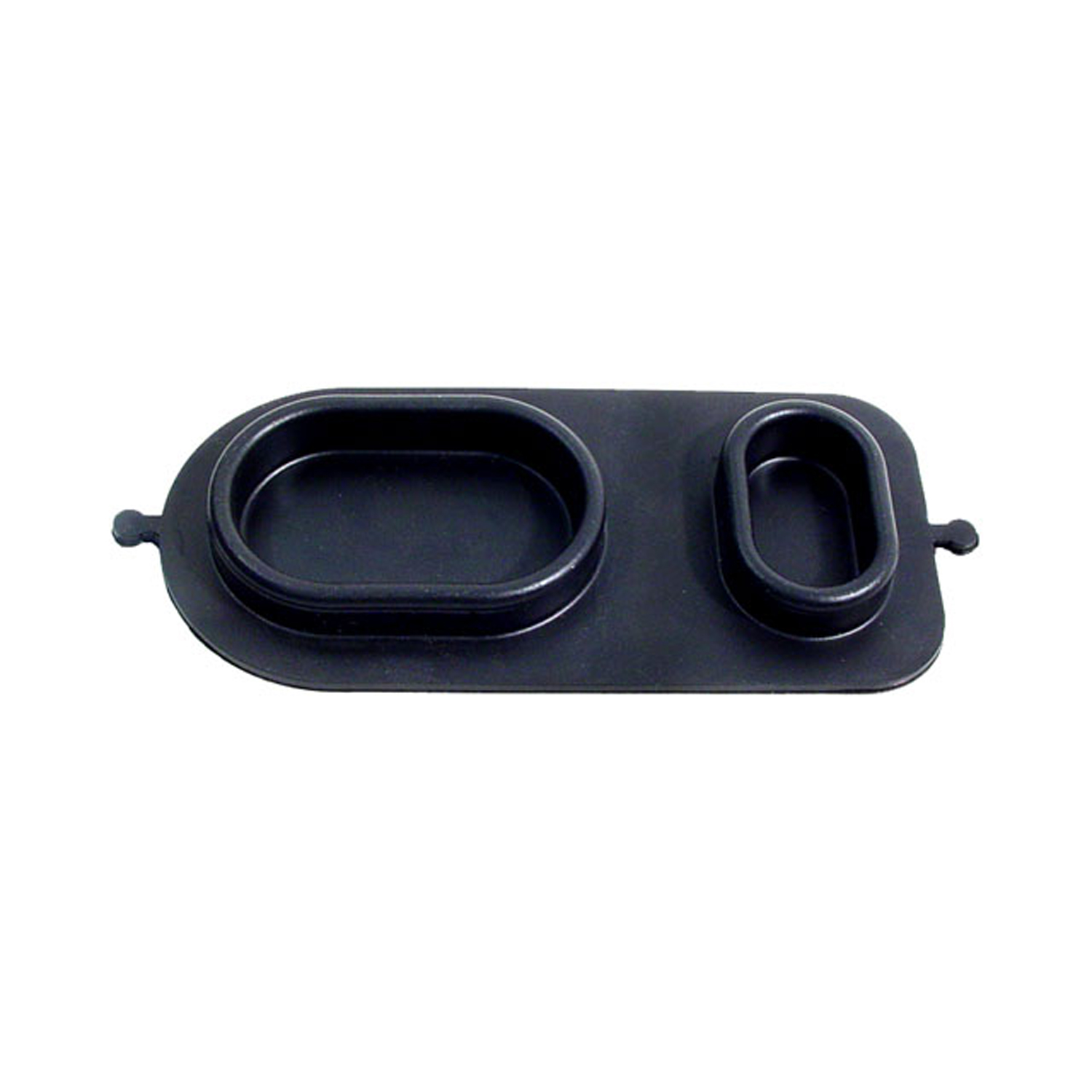 1971 Ford Custom 500 Brake Master Cylinder Cover Seal. Replaces OEM #5470861-RP 2-CBrake Master Cylinder Cover Seal. Replaces OEM #5470861. 5-9/16" long, 2-5/8" wide. Each
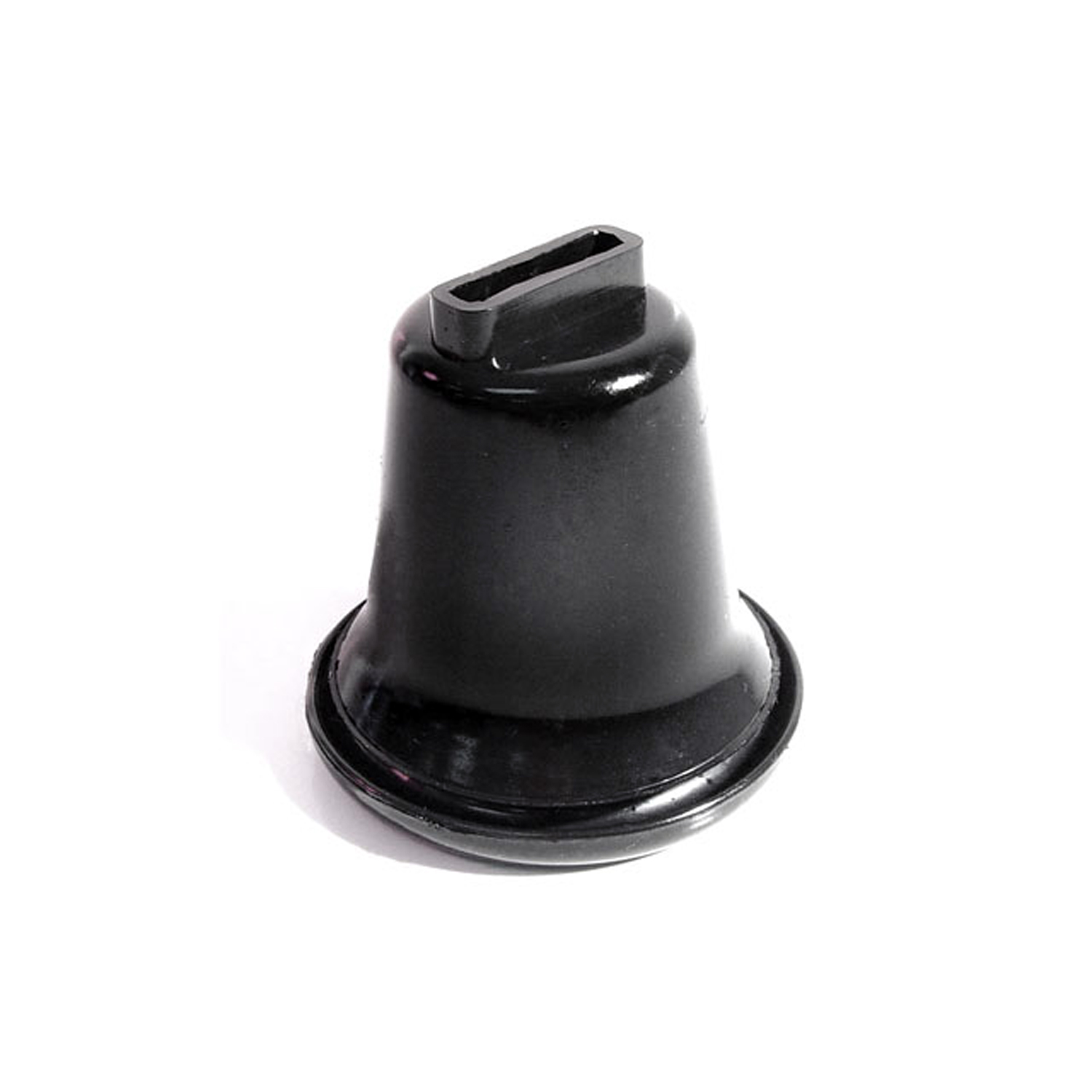 1971 Ford Custom 500 Brake Booster Boot. Each-RP 32-AABrake Booster Boot. Each
 1971 Ford Custom 500 Rear Windshield Reveal Molding Clip. Made of steel. Each-WF 228Rear Windshield Reveal Molding Clip. Made of steel. Each
Why Choose Metro?
For over 100 years, Metro Moulded Parts has been the pinnacle of quality in classic car restoration parts. Our commitment to precision and authenticity in every component ensures a perfect fit and an OEM-level appearance.
- Expert Craftsmanship & Quality: Each part is a testament to our dedication to reliability and perfection, crafted from original designs and thoroughly tested.
- Advanced Technology: We use cutting-edge techniques to create flawless, long-lasting parts that surpass others in performance.
- SuperSoft Sponge – The Ultimate Door Seal: Not only are our door seals 30% softer than competitors', but they're also guaranteed to never leak. They effectively reduce wind and road noise, enhancing your classic car's comfort and driving experience.
- Proudly American: Our parts are a product of American craftsmanship, made in the USA with a spirit of excellence and heritage.
- Unrivaled Warranty: We back our products with a 30-year industry-leading warranty, a testament to our confidence in their quality.
Join us in preserving the legacy of classic cars with parts that are crafted for perfection, not just made.