

Image of 1971 Ford Custom, Note: These illustrations use artistic license and may differ from actual historical models.
Performance Metrics
Fundamental Metrics
Emotional Appeal
MMP Rating
| Engine Specifications | |
|---|---|
| Engine: | 240 CID I6, 302 CID V8, 351 CID V8, 400 CID V8, 429 CID V8 |
| Displacement: | 240 - 429 cubic inches |
| Horsepower: | 115 - 360 HP |
| Torque: | 185 - 480 lb-ft |
| Compression Ratio: | 8.0:1 - 10.5:1 |
| Ignition System: | Conventional breaker-point ignition system |
| Cooling System: | Liquid-cooled |
| Performance Specifications | |
| 0-60 Time: | Estimated 8 - 12 seconds |
| 1/4 Mile Time: | Estimated 16 - 20 seconds |
| Top Speed: | 105 - 120 mph |
| Transmission and Drive | |
| Drive Type: | Rear-wheel drive |
| Transmission Type: | 3-speed manual, 3-speed automatic, 4-speed manual |
| Fuel and Efficiency | |
| Fuel System Type: | Carburetor |
| MPG: | Estimated 10 - 15 mpg |
| Dimensions and Brakes | |
| Brakes: | Front disc and rear drum brakes |
| Wheelbase: | 119 inches |
| Weight: | 3,500 - 4,000 lbs |
Note: Specifications for classic cars are given to the best of our ability, considering the limited and variant data available.
1971 Ford Custom: A Full-Size Ford Built for the Real World
The 1971 Ford Custom made its case with size, straightforward engineering, and a practical streak rather than flashy trim. It was a full-size Ford from an era when American cars were still broad-shouldered, rear-wheel-drive machines, but buyers and manufacturers were beginning to reckon with higher fuel costs, changing safety expectations, and stricter emissions rules.
Ford Motor Company positioned the Custom as a more affordable, less ornamented member of its full-size range. It shared much of its basic architecture with better-trimmed Fords, including the Galaxie and LTD, while emphasizing usable space and value. Model names and equipment varied by market, so a 1971 Custom should not automatically be confused with a Custom 500, a separate trim designation used in some Ford lineups.
One intriguing part of its story is that the Custom’s plain appearance was a selling point. Its lower trim level made it attractive to fleet buyers, including government and commercial operators, while the same sturdy underpinnings also suited families looking for a roomy sedan without paying for luxury appointments.
Full-Size Styling and Cabin Design
The 1971 Custom wears the proportions of a classic American full-size car: a long hood, a spacious passenger compartment, and a broad rear deck. Its styling is more restrained than the chrome-heavy designs of the early 1960s. A wide front grille, paired headlamps, and clean body sides give it a substantial, formal look, while modest brightwork keeps the focus on the car’s size rather than decoration.
Inside, the Custom favored durability over plushness. Depending on body style and equipment, buyers could find vinyl upholstery or cloth-and-vinyl combinations, a broad bench seat, and a simple, legible dashboard. Materials and trim were generally less elaborate than in an LTD, but the cabin offered generous room for passengers. The driving position is upright, with a large steering wheel and controls that feel distinctly mechanical by modern standards.
Available paint colors varied by market and equipment. Ford’s 1971 palette included a mix of traditional whites, blacks, reds, blues, greens, and metallic shades. On a Custom, understated colors such as white, blue, or green suit the car’s practical character, while brighter or metallic finishes make surviving examples stand out at shows. Interior colors were typically coordinated with the exterior and trim selection.
Body-style availability also depended on the market and model designation. The full-size range included two-door and four-door sedans, along with station wagons. The four-door sedan is the most familiar practical Custom configuration, while a two-door sedan has a simpler, more unusual profile today. A wagon offers the greatest utility, though its exact trim and naming can differ from sedan versions.
What Made the Custom Significant
The Custom was not a radical technology showcase, and that is precisely why it matters. It represented the core of Ford’s full-size business: a conventional body-on-frame car that could be configured for private owners or fleet service. The same basic formula, with roomy interiors, rear-wheel drive, and a range of engines, had defined American family cars for decades.
By 1971, that formula was entering a period of change. Safety requirements and emissions controls were becoming more consequential, while the high-performance era was losing momentum under rising insurance costs and tightening regulations. Ford’s full-size Custom reflects that transition. It offered familiar V8 power and substantial road presence, but its mission was increasingly about dependable transportation rather than headline-grabbing performance.
Its lasting influence is less about a single styling feature than about the practical platform beneath it. Ford’s full-size cars helped establish the idea that one basic chassis and body structure could serve multiple roles, from economical base sedan to luxury cruiser and fleet vehicle.
Engines, Speed, and Road Manners
Engine choices depended on the exact body, market, and equipment package. Six-cylinder power was available in parts of the full-size range, while V8s were a natural fit for many buyers. Ford’s broader 1971 full-size engine offerings included small-block and larger-displacement V8 options, but not every engine was offered with every Custom configuration. Three-speed manual transmissions and automatic gearboxes were among the possible driveline choices.
There is no single meaningful factory performance figure for every 1971 Custom. A six-cylinder car or a modestly powered V8 would likely take roughly 12 to 16 seconds to reach 60 mph, depending on gearing, transmission, condition, and vehicle weight. A stronger V8 could make the sprint in about 9 to 11 seconds. As a broad estimate, top speed for ordinary road-going versions would be around 100 to 115 mph, although tire condition, gearing, engine specification, and safety considerations matter far more than the theoretical maximum.
On the road, the Custom feels like a large, traditional American sedan. Its soft suspension takes the edge off ordinary bumps, and the long wheelbase helps it settle into a relaxed highway rhythm. On a winding road, its size and body lean are obvious. It is not a nimble sports sedan, and gusty crosswinds can make a big car of this period require attention, especially on worn suspension or tires.
A V8 Custom brings the familiar low burble and easy torque that suit a heavy car. The steering is less precise and more effortful than a modern power-assisted system, while the brakes and suspension feel more direct and mechanical. The experience is less about cornering speed than about the unhurried sensation of a large Ford moving smoothly down the road.
Living With a 1971 Ford Custom
Today, a Custom can serve as a weekend cruiser, a low-key show car, or a period-correct project. Its spacious interior and relaxed highway manners make it more usable than many smaller classics. A well-maintained example can also be driven regularly, though fuel economy is modest by modern standards, particularly with a larger V8.
Basic maintenance is familiar to many classic-car mechanics. Common service items include ignition components, carburetor tuning, cooling-system upkeep, suspension bushings, brake work, and attention to fuel and vacuum lines. The mechanical layout is generally accessible, and many engine and drivetrain parts are shared with other Ford models of the period. Body panels, trim, and model-specific interior pieces can be harder to find, so check their condition before buying.
Reliability depends heavily on maintenance and storage. Age-related rust, neglected cooling systems, worn steering components, and old wiring can turn an inexpensive purchase into a substantial project. Inspect the frame and body structure, floor pans, trunk, and lower body areas carefully. For a car intended for regular use, a thorough brake, tire, and steering inspection should come before any attempt at spirited driving.
Little-Known Facts and Common Criticisms
The Custom’s fleet-friendly reputation is part of its appeal, but it also creates identification challenges. A surviving car may have been ordered for government or commercial use, and trim or equipment can differ from what buyers expect from a privately owned Galaxie or LTD. Confirming the car’s original series, engine, and body style through documentation or identification numbers is a useful step when authenticity matters.
There is no widely recognized speed, endurance, or sales record specifically associated with the 1971 Ford Custom. Nor is the model especially known for a single celebrity owner or a defining appearance in a major historical event. Its story is quieter: it was one of the practical full-size Fords that served ordinary drivers and fleets during a turning point for American automobiles.
Common criticisms are easy to understand. The Custom is large, thirsty, and not especially agile. Base-trim examples can feel plain inside, and period brakes and steering do not match modern expectations. On the other hand, those same qualities make it an honest example of a traditional full-size Ford rather than a luxury car pretending to be a budget model.
Collector Value and Availability
There is no dependable, widely published production total for every 1971 Custom body style and configuration, so any single figure should be treated cautiously. As a reasonable broad estimate, production likely reached the tens of thousands across the relevant Custom configurations, but individual combinations of body style, engine, transmission, and market can be much harder to find. A clean two-door or an intact wagon may draw more interest than a common four-door sedan.
In the current U.S. classic-car market, a rough value range might run from about $2,000 to $5,000 for a project, $5,000 to $12,000 for a usable driver, and $12,000 to $25,000 for a notably clean, well-restored example. Exceptional cars with rare specifications or high-quality restorations could exceed that range, while rust, incomplete trim, or mechanical problems can pull a car below it. These are estimates, not guaranteed sale prices; location, documentation, originality, and condition make a major difference.
Values have generally been steadier than those of famous muscle cars. The Custom’s appeal is growing among enthusiasts who want an overlooked full-size classic, but demand remains selective. A sound, original car is often a better long-term buy than an ambitious restoration, especially when model-specific trim or body panels are missing.
Why the 1971 Custom Still Deserves a Look
The 1971 Ford Custom is a straightforward snapshot of American motoring at a crossroads. It combines full-size comfort, familiar Ford engineering, and practical styling with the changing priorities of the early 1970s. It may not have the fame of a muscle car or the luxury of an LTD, but its honest, workaday character is exactly what makes it memorable.
For enthusiasts who value substance over spectacle, the Custom offers a roomy, repairable, and distinctive classic. It is a reminder that automotive history is shaped not only by icons, but also by the dependable cars that quietly carried people through everyday life.
1971 Ford Custom Catalog of Parts
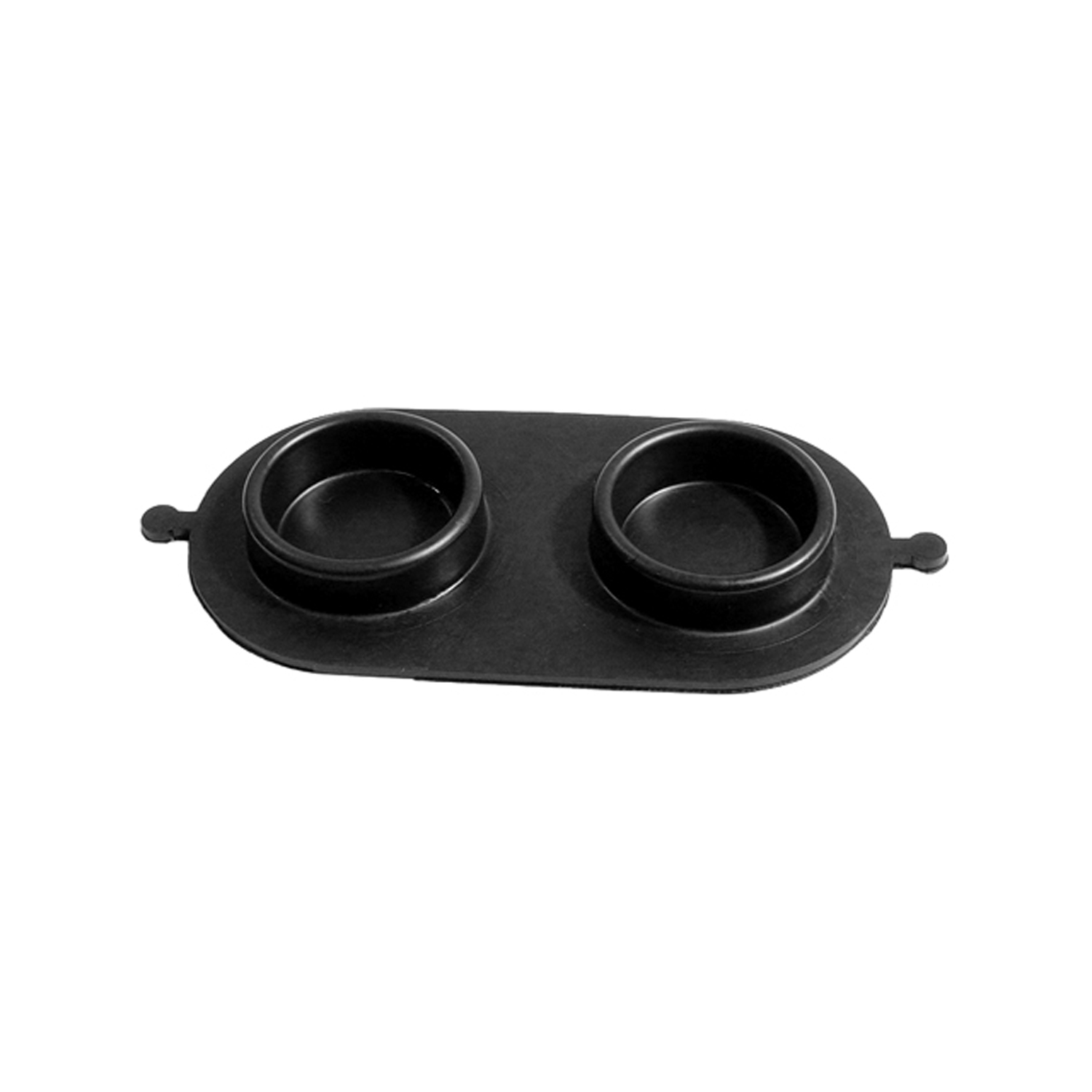 1971 Ford Custom Brake Master Cylinder Cover Seal. Replaces OEM #C7AZ2167-A-RP 2-BBrake Master Cylinder Cover Seal. Replaces OEM #C7AZ2167-A. Each
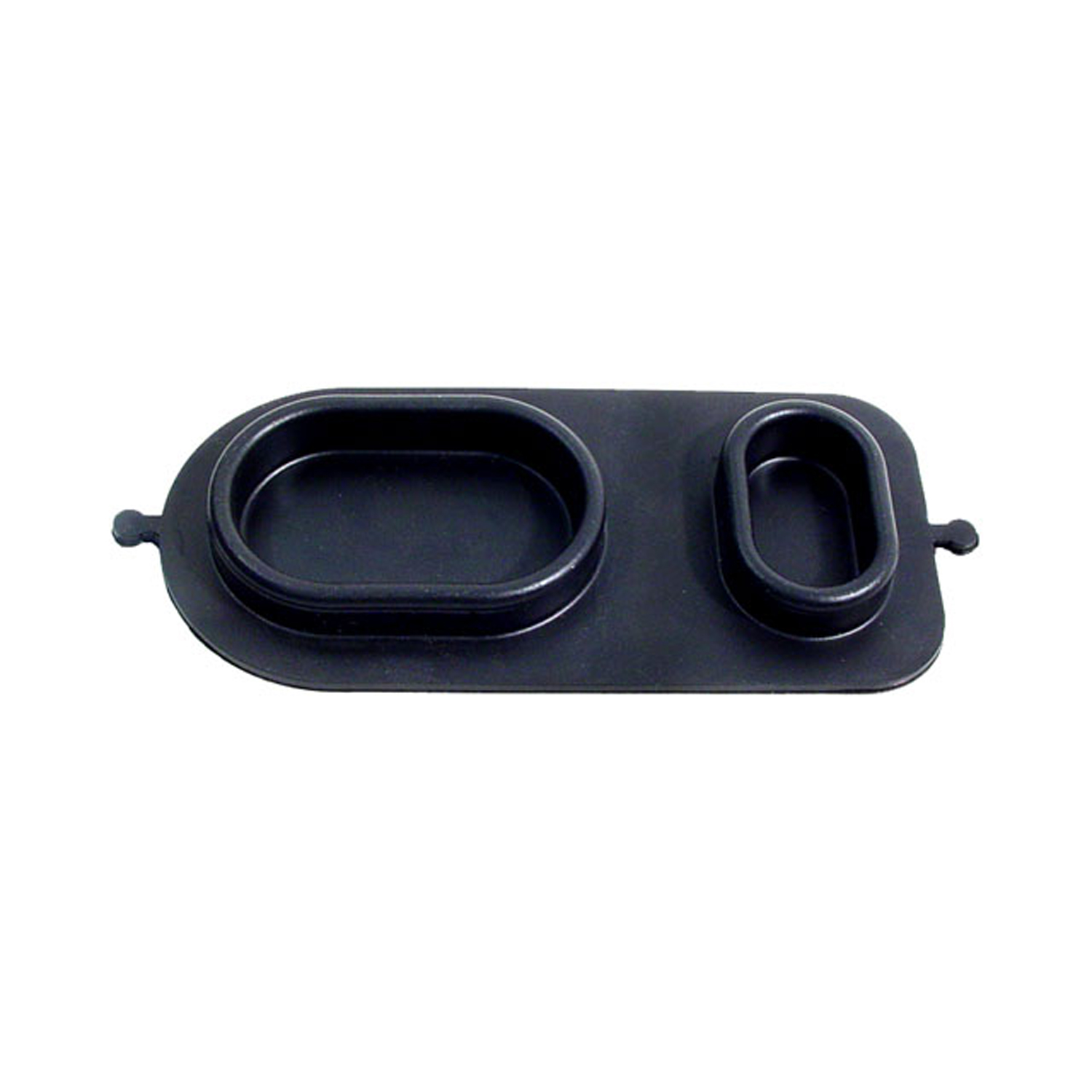 1971 Ford Custom Brake Master Cylinder Cover Seal. Replaces OEM #5470861-RP 2-CBrake Master Cylinder Cover Seal. Replaces OEM #5470861. 5-9/16" long, 2-5/8" wide. Each
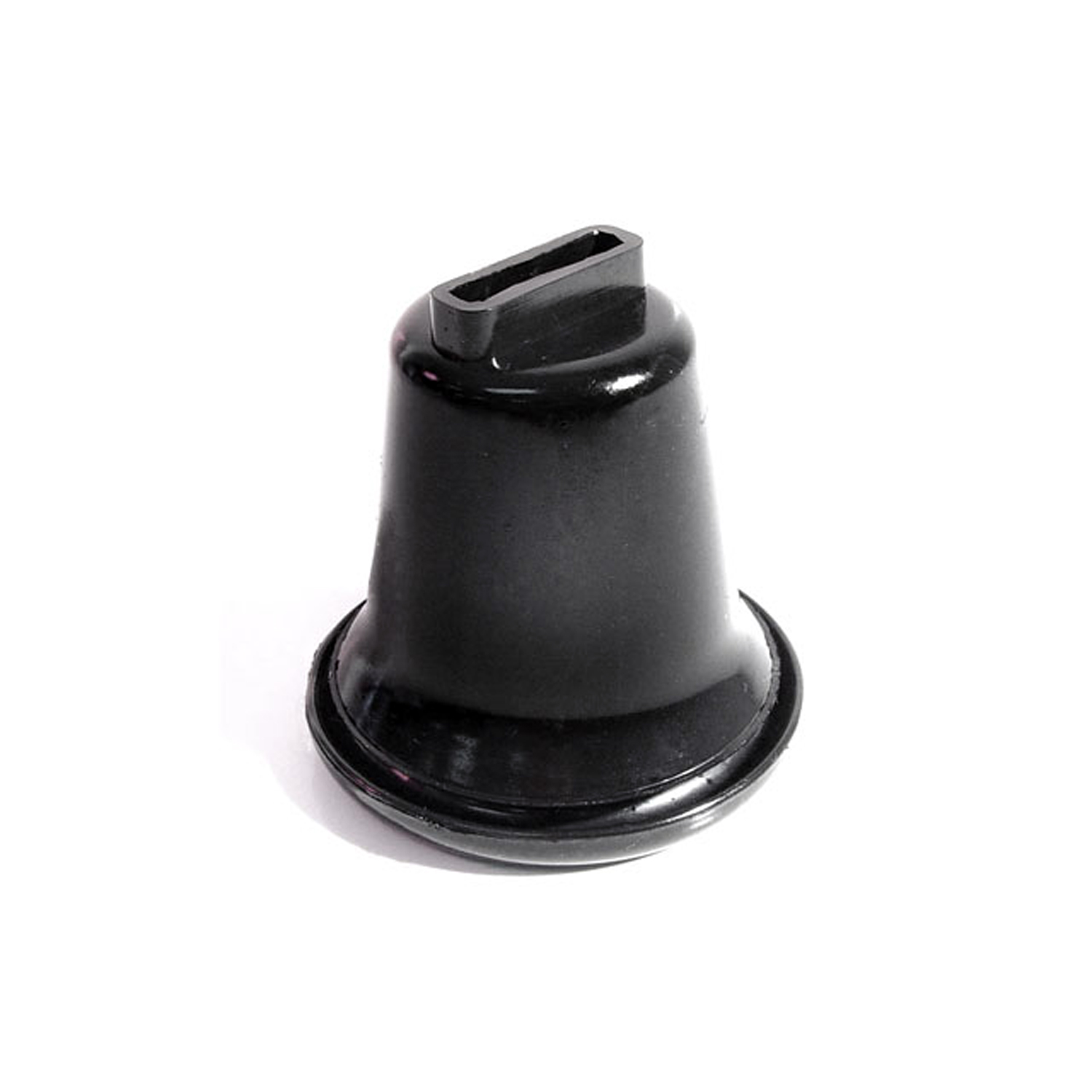 1971 Ford Custom Brake Booster Boot. Each-RP 32-AABrake Booster Boot. Each
 1971 Ford Custom Rear Windshield Reveal Molding Clip. Made of steel. Each-WF 228Rear Windshield Reveal Molding Clip. Made of steel. Each
Why Choose Metro?
For over 100 years, Metro Moulded Parts has been the pinnacle of quality in classic car restoration parts. Our commitment to precision and authenticity in every component ensures a perfect fit and an OEM-level appearance.
- Expert Craftsmanship & Quality: Each part is a testament to our dedication to reliability and perfection, crafted from original designs and thoroughly tested.
- Advanced Technology: We use cutting-edge techniques to create flawless, long-lasting parts that surpass others in performance.
- SuperSoft Sponge – The Ultimate Door Seal: Not only are our door seals 30% softer than competitors', but they're also guaranteed to never leak. They effectively reduce wind and road noise, enhancing your classic car's comfort and driving experience.
- Proudly American: Our parts are a product of American craftsmanship, made in the USA with a spirit of excellence and heritage.
- Unrivaled Warranty: We back our products with a 30-year industry-leading warranty, a testament to our confidence in their quality.
Join us in preserving the legacy of classic cars with parts that are crafted for perfection, not just made.