
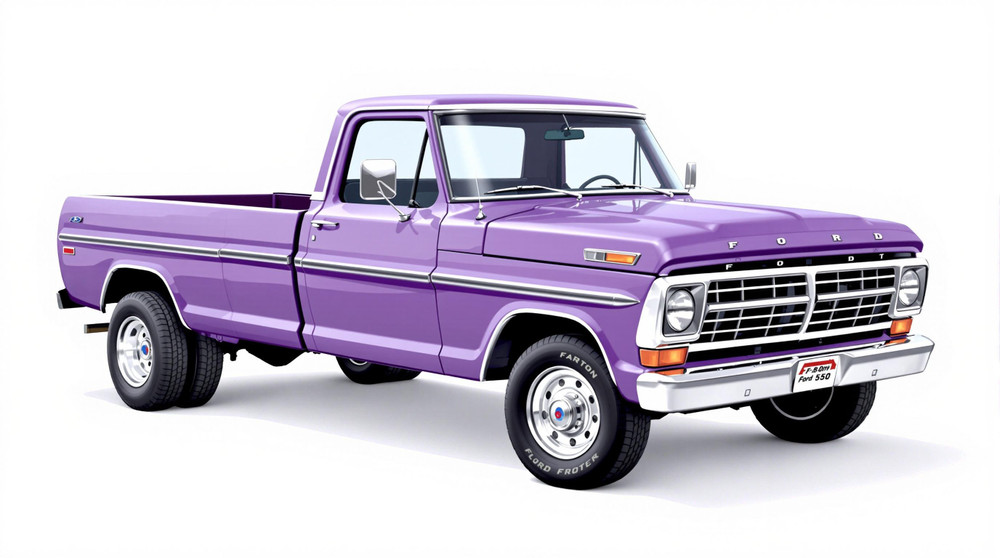
Image of 1971 Ford F-350, Note: These illustrations use artistic license and may differ from actual historical models.
Performance Metrics
Fundamental Metrics
Emotional Appeal
MMP Rating
| Engine Specifications | |
|---|---|
| Engine Options: | 360 cu in (5.9 L) FE V8, 390 cu in (6.4 L) FE V8 |
| Displacement Range: | 360-390 cu in |
| Horsepower Range: | 215-255 hp |
| Torque: | 315-390 lb-ft |
| Compression Ratio: | 8.9:1 - 9.5:1 |
| Ignition System: | Conventional breaker-point ignition system |
| Cooling System: | Liquid-cooled |
| Performance Specifications | |
| 0-60 Time: | Estimated 10-12 seconds |
| 1/4 Mile Time: | Estimated 17-19 seconds |
| Top Speed: | 85-95 mph |
| Transmission and Drive | |
| Drive Type: | Rear-wheel drive |
| Transmission Type: | 3-speed manual, 4-speed manual, 3-speed automatic |
| Fuel and Efficiency | |
| Fuel System Type: | Carburetor |
| MPG: | Estimated 10-12 mpg |
| Dimensions and Brakes | |
| Brakes: | Front disc and rear drum brakes |
| Wheelbase: | 140 in |
| Weight: | 4,500-5,000 lbs |
Note: Specifications for classic cars are given to the best of our ability, considering the limited and variant data available.
1971 Ford F-350: The One-Ton Workhorse
The 1971 Ford F-350 was built for the jobs that made lighter pickups sweat: hauling heavy loads, carrying commercial bodies and spending long days on farms, construction sites and delivery routes. As part of Ford’s 1967-1972 F-Series generation, it combined a purposeful, squared-off design with a stout one-ton chassis and a broad range of work-ready configurations.
Ford had been building trucks since the early days of the company, but by 1971 the F-Series had become a familiar fixture of American working life. The F-350 sat at the heavy-duty end of the pickup range, above the F-100 and F-250. Buyers could order a pickup or a chassis cab ready for a service body, flatbed, stake bed or other commercial equipment. One detail that surprises some modern truck fans: many F-350s were sold as basic vocational platforms rather than as conventional pickup trucks.
The 1971 model belongs to the generation enthusiasts often call the “bumpside” trucks, a nickname inspired by the pronounced body crease along the sides. Ford did not use that name in its advertising, but it has become a handy way to distinguish these trucks from the flatter-sided models that followed.
Square-Jawed Styling and a Practical Cab
The F-350 had the confident, upright stance of a working truck. Its broad hood, flat fenders and tall grille gave it a straightforward, no-nonsense look, while the long side crease added a touch of character to the otherwise slab-sided body. Chrome and bright trim depended on the trim level and options. A well-kept Styleside pickup presents a clean, broad cargo-box profile; a Flareside version has separate rear fenders and a more traditional, narrow-bed appearance.
Buyers could choose a regular cab pickup in Styleside or Flareside form, as well as chassis-cab configurations intended for commercial upfits. Ford and its body suppliers turned those chassis into everything from dump trucks and tow rigs to utility vehicles and delivery trucks. Crew-cab configurations were also available in the broader F-Series world, though availability and specifications depended on the particular order. For many observers, the most iconic F-350 remains a regular-cab Styleside with a long bed and, where specified, dual rear wheels.
The cabin was designed to be durable and easy to clean rather than luxurious. A wide bench seat, simple gauges and painted metal surfaces gave it a distinctly period work-truck feel. Depending on trim and equipment, upholstery could be vinyl or cloth, and buyers could add comforts such as a heater, radio, carpeting and upgraded trim. Even a well-optioned truck remained more practical than plush by modern standards.
Ford offered a varied paint palette, with choices that included traditional whites and reds as well as blues, greens and earthier period shades. Exact colors and availability depended on the paint code and the truck’s configuration. White was a common fleet and farm choice, while brighter colors could make a privately owned pickup stand out. Today, an original, documented factory color is often part of a truck’s appeal, especially when it has been preserved rather than repainted.
Engineering for the Job
The F-350’s main innovation was not a single headline-grabbing gadget. Its appeal came from matching a heavy-duty frame, axles, springs and available drivetrains to the demands of a one-ton truck. Buyers could configure the vehicle for different loads and working roles, and the chassis-cab format made it a useful starting point for specialist bodies.
Engine and drivetrain choices varied with configuration and intended use. Common engines included the 300-cubic-inch inline-six and FE-series V8s such as the 360 and 390. A three-speed manual was typical on basic work trucks, with other manual gearboxes and an automatic available depending on specification. Rear-wheel drive was the standard arrangement; equipment such as dual rear wheels, axle ratios and transmission choice varied by order.
Power steering and power brakes were available, as were convenience features that made a long workday easier. These were significant quality-of-life upgrades, even if the truck’s technology was straightforward by today’s standards. There were no digital displays or electronic driver aids. The driver relied on analog instruments, mechanical controls and a clear sense of what the truck was doing.
Why the F-350 Mattered
The 1971 F-350 reflects an important period in truck design. Pickups were becoming more comfortable and more polished, but the heavy-duty models still had to earn their keep as commercial equipment. Ford’s approach was to offer useful configuration choices without losing the simple, serviceable character that fleet operators and private owners valued.
What set the F-350 apart from lighter pickups was its capacity for serious work and the range of bodies it could support. It could be a pickup one day and a platform for a utility, agricultural or delivery body the next. That flexibility helped establish the heavy-duty pickup as more than a large personal vehicle. It was a practical chassis that could be adapted to a specific job.
The 1967-1972 F-Series also helped shape the visual language of later Ford trucks. Its squared-off proportions and strong side crease gave the generation a recognizable identity that remains popular with restorers. The underlying idea still resonates: build a truck with a clear purpose, then let the buyer choose the equipment to suit the work.
Performance: Built to Pull, Not Sprint
There is no single performance figure for a 1971 F-350. Engine, transmission, axle ratio, tires, body style and load all had a major effect. As a broad estimate, a lightly loaded example might take roughly 20 to 30 seconds to reach 60 mph. A heavy-bodied or fully loaded truck could be slower. Top speed was similarly dependent on gearing and condition, but approximately 75 to 90 mph is a reasonable estimate for many configurations. These are approximate modern estimates, not a single official factory rating.
Period engine ratings were commonly presented in gross horsepower, so they should not be compared directly with modern net-horsepower figures. The 300 six was known for its durable, workmanlike character, while the 360 and 390 V8s offered stronger performance for drivers who wanted more power. In an F-350, gearing and torque mattered far more than a quick sprint away from a stoplight.
On the road, the truck feels substantial. Its steering is slower and less precise than that of a modern pickup, and the ride can be firm when the bed is empty. A heavy load settles the suspension and can make the truck feel more composed, though weight must always be handled within the specific vehicle’s ratings. Over bumps, the chassis communicates plenty of what is happening beneath it. On a windy road, the tall body and work-truck suspension call for measured inputs rather than enthusiastic cornering.
The driving experience is part of the charm. A six-cylinder produces a steady, purposeful mechanical note; a V8 adds a deeper rumble under acceleration. The manual versions invite the driver to work the clutch and gear lever, while an automatic makes stop-and-go use easier. There is little isolation from the machine: you hear the engine, feel the suspension and remain aware of the truck’s size. It is satisfying in a way that feels earned rather than effortless.
Living With a 1971 F-350
These trucks were designed to work, and that remains their most natural role. Today, owners use them as farm trucks, tow vehicles, shop trucks, parade entries and weekend show vehicles. Some are restored to factory-style condition; others remain useful with a period-correct patina. A properly maintained example can still handle occasional chores, but using a classic F-350 as a modern daily driver means accepting slower performance, higher fuel consumption and less comfort than a contemporary truck.
Mechanical simplicity is a major ownership advantage. The engines and systems are largely understandable to a mechanically inclined owner, and many routine repairs can be handled with common tools. Parts availability is generally good for popular service items and restoration components, though trim pieces, model-specific details and parts for unusual configurations may take more searching.
Condition matters more than the odometer reading. Inspect the frame, cab corners, floor, bed and chassis carefully for rust or previous repairs. Check the steering, brakes, suspension, cooling system and drivetrain, especially if the truck has spent years carrying heavy loads. A commercial body or homemade modification can also affect value and roadworthiness. A pre-purchase inspection by a mechanic familiar with older Ford trucks is money well spent.
F-350 Facts and Common Criticisms
One F-350 could look dramatically different from another because Ford sold the model in pickup and chassis-cab forms and buyers could add specialist bodies. Dual rear wheels are strongly associated with heavy-duty F-350s, but they were not fitted to every configuration. The truck’s final appearance depended on the original order and, in many cases, the work body added after it left the factory.
There is no widely recognized 1971 F-350 speed or endurance record that defines the model. Its achievement was practical rather than spectacular: it served as a durable base for a huge range of working vehicles. Exact production totals for individual F-350 body, engine and axle combinations are not readily available in commonly published model-year summaries, so claims about a particular configuration being exceptionally rare should be treated with care.
Common criticisms are predictable. The truck is thirsty by modern standards, can be slow in traffic, and has a firm ride when unloaded. Its brakes, steering and safety equipment also reflect the standards of its era, so it requires more attention and planning than a new pickup. Those drawbacks are real, but they are also part of the honest, mechanical character that many owners enjoy.
Collector Values and Availability
Values vary widely according to rust, originality, body style, engine, drivetrain, restoration quality and documentation. As a broad 2026 U.S. market estimate, a rough or project-grade F-350 may sell for about $3,000 to $8,000. A usable driver in fair to good condition often falls around $8,000 to $18,000. A clean, well-restored example can bring roughly $20,000 to $40,000, with exceptional restorations or unusual, desirable configurations sometimes reaching $45,000 or more.
Those figures are guideposts, not appraisals. A rare-looking utility body is not automatically valuable, and a pickup with serious frame corrosion may be worth far less than its appearance suggests. Originality, quality workmanship and clear documentation usually matter more than a long list of modifications. Regional demand also plays a role, particularly where rust-free trucks are scarce.
F-350s are less common than lighter F-100 and F-250 pickups, but the model is not impossible to find. Chassis-cab trucks are often available because many began life as fleet vehicles, while clean, original pickups attract more attention from collectors. Ford did not publish a widely available breakdown that makes a precise 1971 F-350 production count easy to verify. A reasonable broad estimate is that tens of thousands were built, perhaps around 20,000 to 40,000 across the year’s various configurations, but that should be treated as an informed estimate rather than a confirmed factory total.
Prices for solid classic trucks have generally strengthened over the long term, though the market moves in cycles. The best examples continue to command a premium, while unfinished restorations and heavily modified trucks can be harder to sell. The F-350’s appeal is especially strong among buyers who value its working-truck history as much as its styling.
A One-Ton Ford With Staying Power
The 1971 Ford F-350 brings together the qualities that made old heavy-duty pickups so useful: a robust chassis, straightforward mechanicals, practical body choices and styling that is unmistakably of its time. It is not fast, quiet or gentle over every road, but it was never meant to be. Its job was to carry, haul and keep going.
More than half a century later, the F-350 still feels like a truck with a clear purpose. Whether preserved as a showpiece or put back to work, it stands as a memorable example of Ford’s hardworking F-Series and an era when capability was measured in what a truck could get done.
1971 Ford F-350 Catalog of Parts
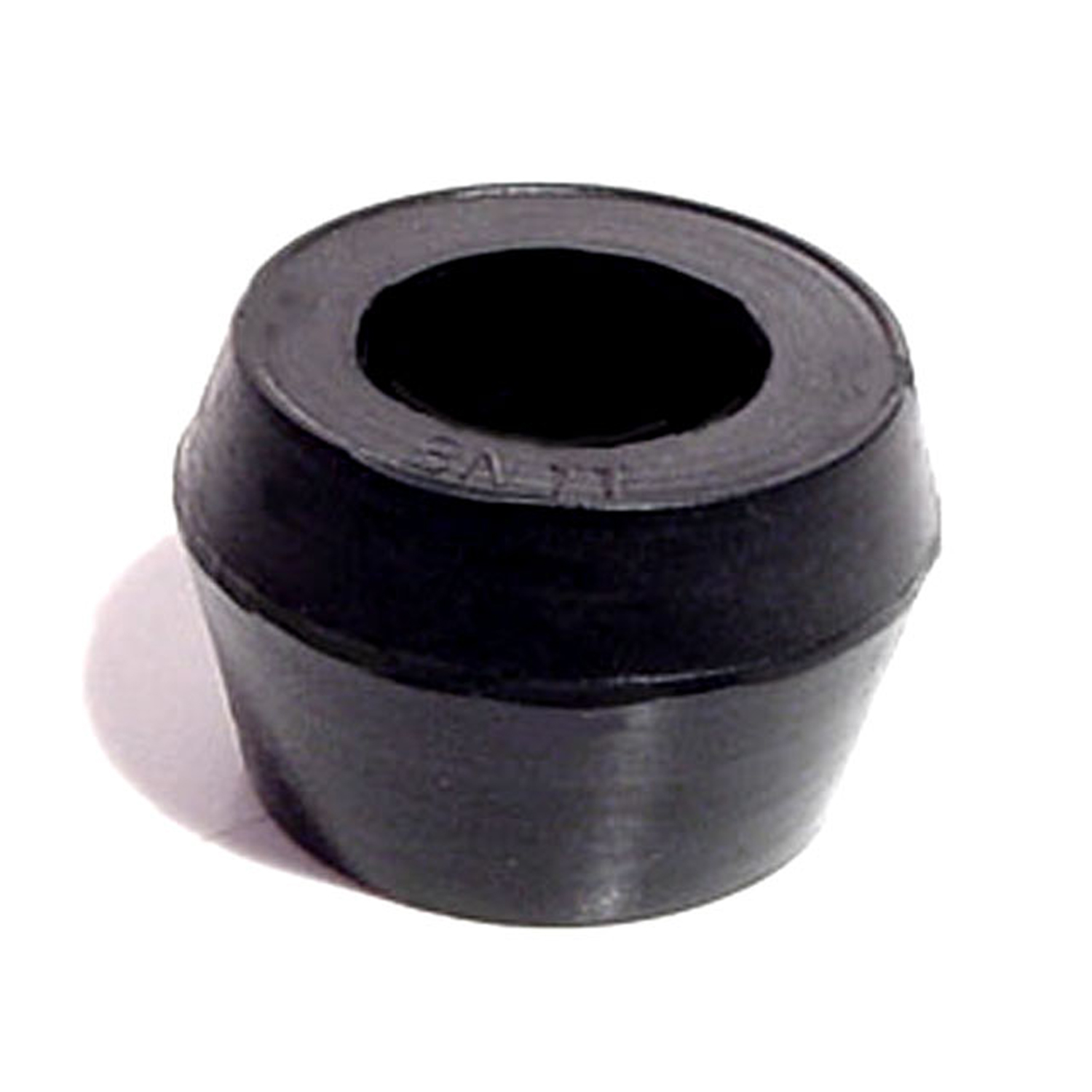 1971 Ford F-350 Shock Absorber Grommet. 1" bottom O.D-BN 11Shock Absorber Grommet. 1" bottom O.D., 3/4" high, with 5/8" I.D. Each
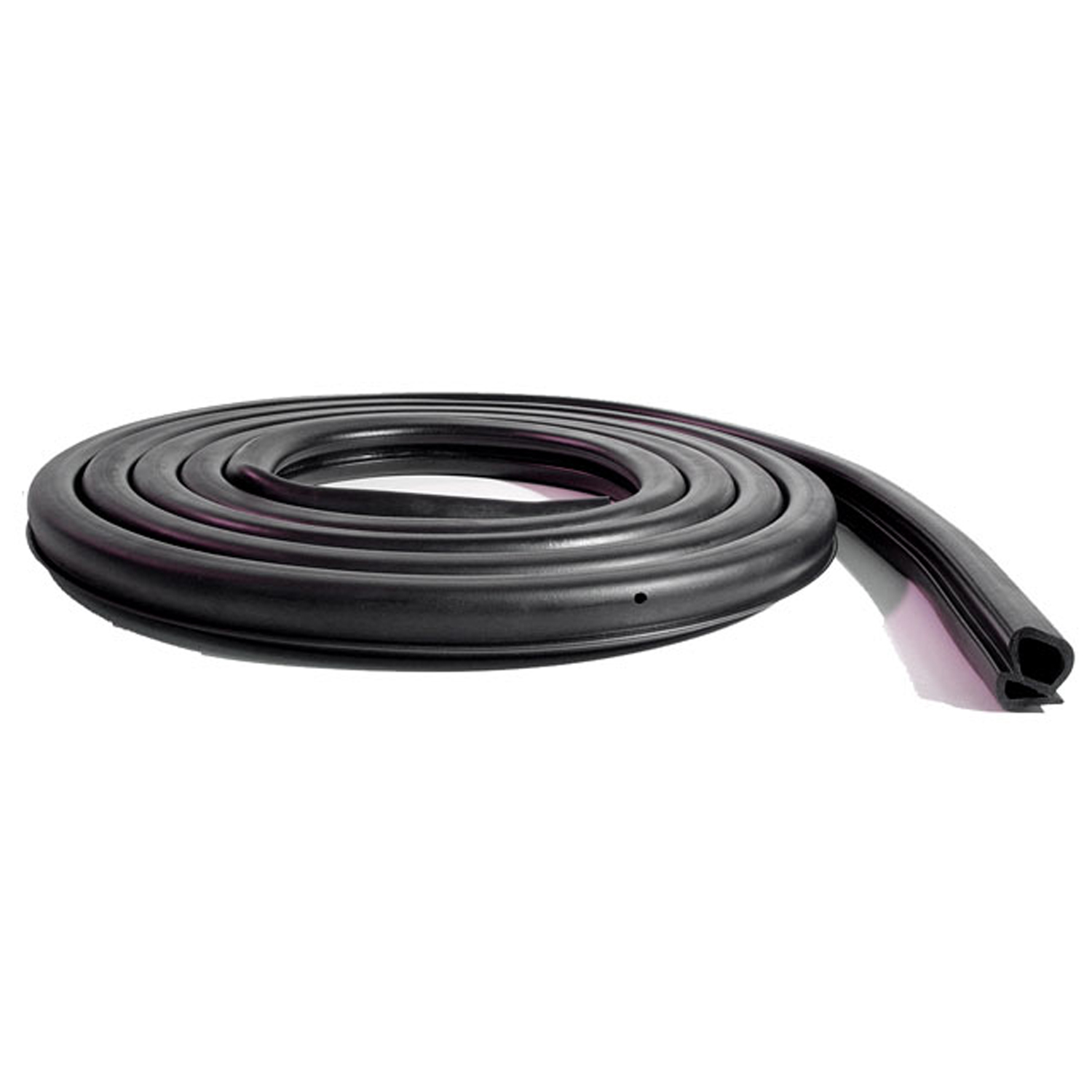 1971 Ford F-350 Door Seal. Fits either side. Each-LM 110-BDoor Seal. Fits either side. Each
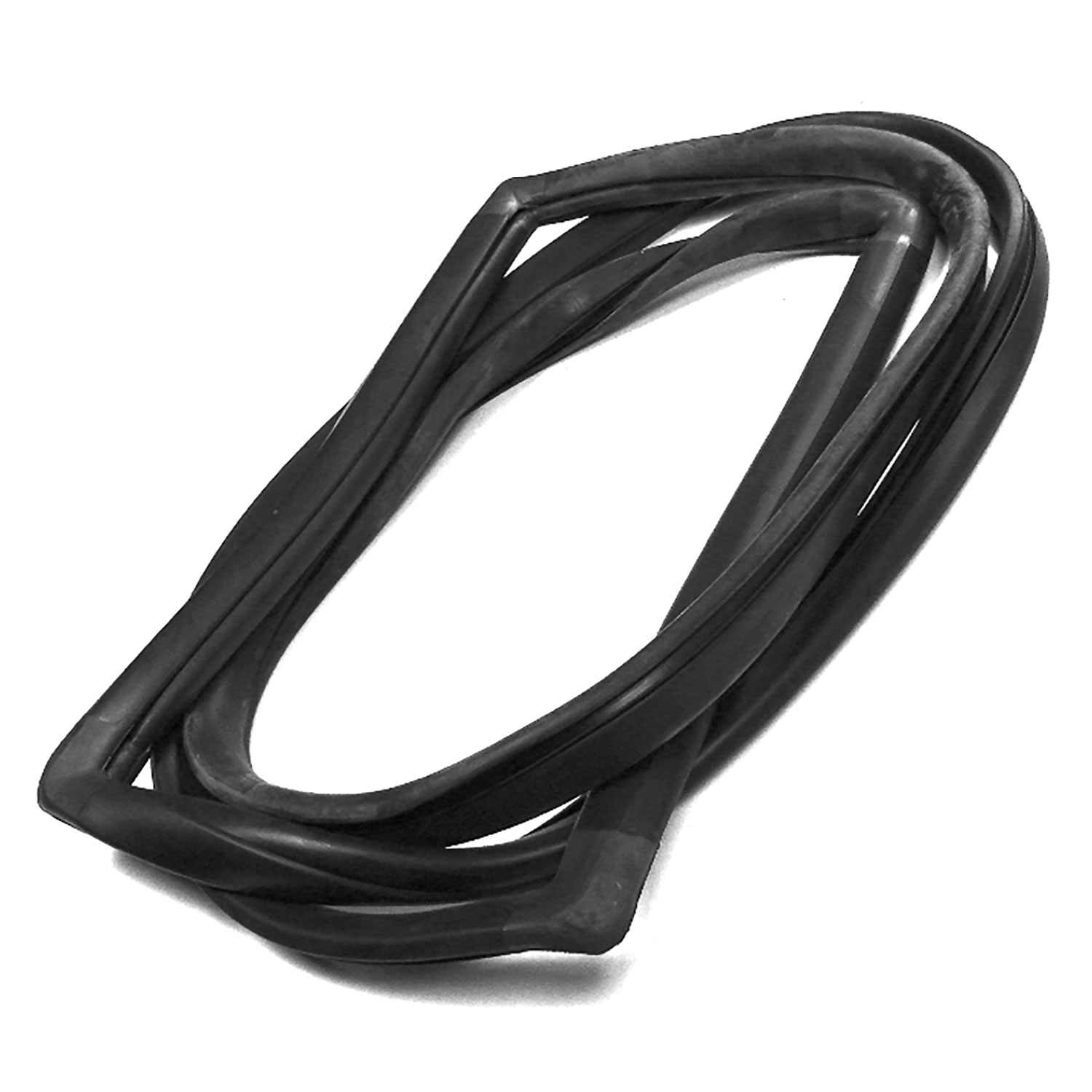 1971 Ford F-350 Windshield Seal, 67-79 Ford Full Size Truck, 78-79 Bronco, Without Trim Groove-VWS 3304-CThis windshield seal goes first on the glass and is installed using the rope-in method. This product is made from the original specs and with high quality ozone resistant EPDM rubber for a great fit and long life. This item is designed to be installed during glass replacement.
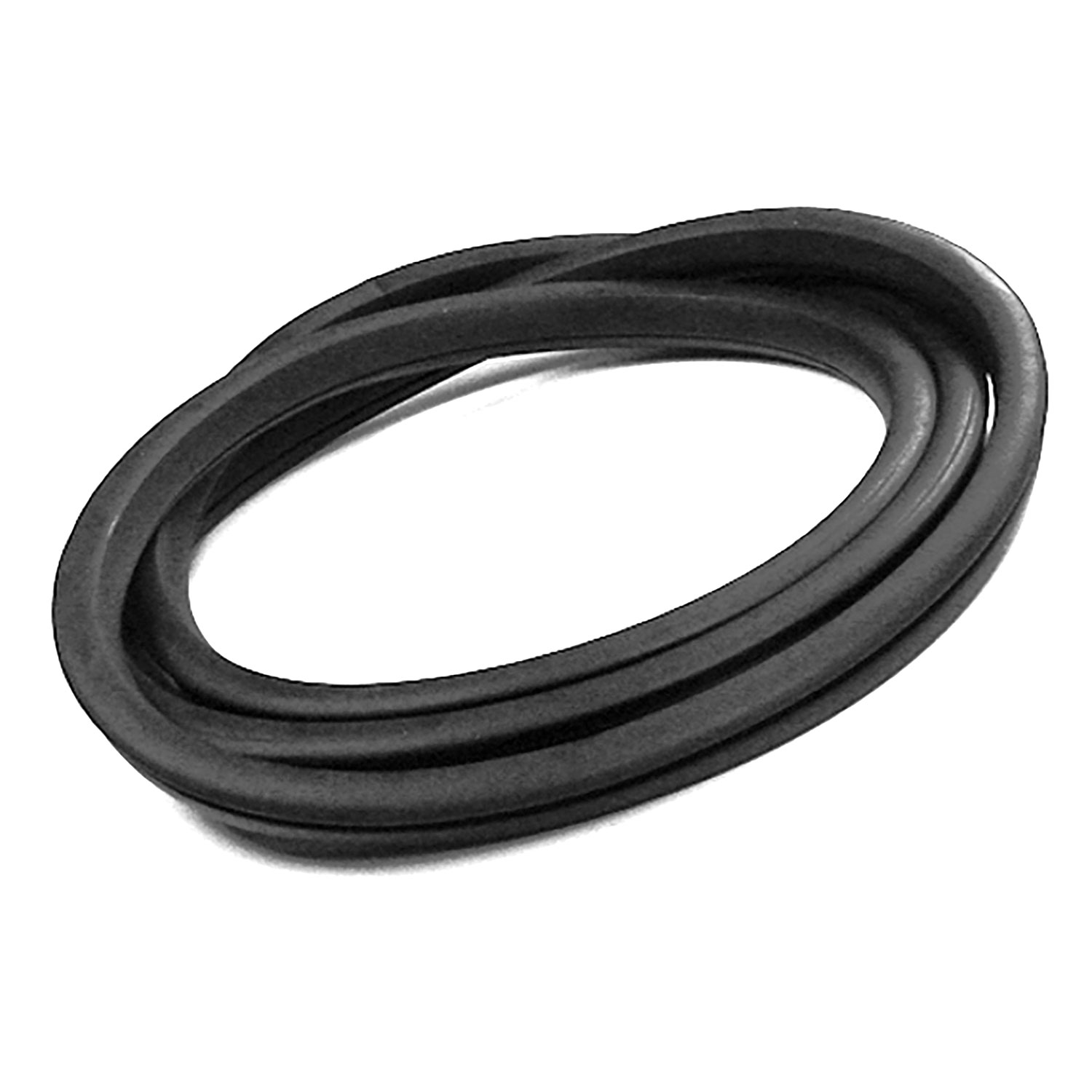 1971 Ford F-350 Rear Window Seal, 67-72 Ford Full Size Truck, Without Trim Groove, Each-VWS 3304-QThis rear window seal goes first on the body then the glass is placed in the opening. It is a standard black gasket without trim groove. This product is made from the original specs and with high quality ozone resistant materials for a great fit and long life. This item is designed to be installed during glass replacement.
Why Choose Metro?
For over 100 years, Metro Moulded Parts has been the pinnacle of quality in classic car restoration parts. Our commitment to precision and authenticity in every component ensures a perfect fit and an OEM-level appearance.
- Expert Craftsmanship & Quality: Each part is a testament to our dedication to reliability and perfection, crafted from original designs and thoroughly tested.
- Advanced Technology: We use cutting-edge techniques to create flawless, long-lasting parts that surpass others in performance.
- SuperSoft Sponge – The Ultimate Door Seal: Not only are our door seals 30% softer than competitors', but they're also guaranteed to never leak. They effectively reduce wind and road noise, enhancing your classic car's comfort and driving experience.
- Proudly American: Our parts are a product of American craftsmanship, made in the USA with a spirit of excellence and heritage.
- Unrivaled Warranty: We back our products with a 30-year industry-leading warranty, a testament to our confidence in their quality.
Join us in preserving the legacy of classic cars with parts that are crafted for perfection, not just made.