

Image of 1971 Ford Galaxie 500, Note: These illustrations use artistic license and may differ from actual historical models.
Performance Metrics
Fundamental Metrics
Emotional Appeal
MMP Rating
| Engine Specifications | |
|---|---|
| Engine Options: | 351 cu in (5.8 L) Windsor V8, 400 cu in (6.6 L) Cleveland V8, 429 cu in (7.0 L) ThunderJet V8 |
| Displacement Range: | 351-429 cu in (5.8-7.0 L) |
| Horsepower Range: | 240-360 hp |
| Torque: | 355-480 lb-ft |
| Compression Ratio: | 9.0:1 - 10.5:1 |
| Ignition System: | Conventional breaker-point ignition system |
| Cooling System: | Liquid-cooled |
| Performance Specifications | |
| 0-60 Time: | 8-10 seconds |
| 1/4 Mile Time: | 16-18 seconds |
| Top Speed: | 120-130 mph |
| Transmission and Drive | |
| Drive Type: | Rear-wheel drive |
| Transmission Type: | 3-speed automatic, 4-speed manual |
| Fuel and Efficiency | |
| Fuel System Type: | Carburetor |
| MPG: | 10-12 mpg |
| Dimensions and Brakes | |
| Brakes: | Front disc, rear drum |
| Wheelbase: | 121 inches |
| Weight: | 3,800-4,200 lbs |
Note: Specifications for classic cars are given to the best of our ability, considering the limited and variant data available.
1971 Ford Galaxie 500: A Full-Size Ford With Room to Roam
The 1971 Ford Galaxie 500 made a statement without needing a flashy badge: it was a broad-shouldered American sedan built for spacious travel, smooth V8 power, and the open road. Produced by Ford Motor Company, it belonged to the long-running Galaxie family, a name introduced in the late 1950s during the height of America’s fascination with space and modern design.
By 1971, the Galaxie 500 occupied the comfortable middle ground in Ford’s full-size range. It sat below the more luxuriously trimmed LTD and above the simpler Custom 500, offering generous room and traditional American-car comfort. The 1971 model arrived with a new, larger-looking body and a more formal profile, reflecting a shift in taste away from the sharp, flamboyant styling of the 1960s.
One detail that makes the car especially interesting is its timing. The 1971 Galaxie 500 was part of Ford’s last generation of full-size cars before the fuel crisis and changing emissions rules transformed the American automobile. It represents the confident, pre-oil-shock era of big engines, long-distance comfort, and substantial body-on-frame construction.
Long Lines and Comfortable Cabin
The 1971 Galaxie 500 wore the proportions expected of a full-size Ford: a long hood, a wide cabin, and a substantial trunk. Its revised body had smoother, more formal lines than many of the late-1960s cars it replaced. A broad grille and large bumpers gave the front end a confident appearance, while the gently sculpted sides and generous glass area kept the car from looking overly ornate. Depending on the body style, the roofline could appear upright and practical or low and swept back.
Inside, the emphasis was on space and comfort rather than sporty detail. A broad bench seat was common, with room for adults in both rows. Upholstery varied by trim and order, with cloth-and-vinyl combinations and vinyl coverings among the choices. The cabin featured substantial door panels, a wide dashboard, and straightforward controls that were easy to reach while driving. Buyers could add convenience and appearance options, so equipment and materials differ from one surviving Galaxie to another.
Technology was more about making everyday driving easier than showcasing electronics. Depending on equipment, buyers could order power steering, power brakes, air conditioning, an AM radio, and an automatic transmission. Ford’s automatic climate controls and advanced driver-assistance systems were still far in the future, but the Galaxie delivered the conveniences that mattered to many buyers of the day. Safety equipment and federal requirements were also evolving, though the car retained the conventional layout and driving feel of its era.
Factory paint choices covered the period’s familiar range of whites, blues, greens, reds, golds, browns, and darker tones. Exact colors varied by production and trim, but white and blue cars are especially recognizable today, while darker green and metallic shades give the Galaxie a distinctly early-1970s look. Body styles included two-door hardtops, four-door sedans, and four-door hardtops. The two-door hardtop is often the most visually striking, while the four-door sedan was a practical and popular family choice. Ford’s full-size station wagons wore separate names, such as Country Sedan and Country Squire, rather than the Galaxie 500 badge.
Where It Fit in Ford History
The Galaxie name had once identified one of Ford’s most prominent full-size models, and the 500 designation signaled a well-equipped version of the range. By 1971, the Galaxie 500 was no longer the flagship. The LTD took that role, reflecting the growing market for upscale domestic cars with more formal styling and luxury features. The Galaxie 500’s appeal was its balance: substantial size and comfort without the LTD’s more elaborate positioning.
Its influence was less about introducing a single landmark technology and more about representing a successful formula. American manufacturers had spent decades refining the full-size car as a quiet, roomy, easygoing form of transport. The Galaxie 500 carried that tradition into the early 1970s with body-on-frame construction, a wide ride, and a choice of engines for different budgets and needs.
It also belongs to a family with a strong motorsports legacy. Earlier Galaxies had been important in NASCAR during the 1960s, when Ford’s big sedans battled rivals on high-speed ovals. The 1971 road car was not itself a racing special, but the Galaxie name still carried that association with Ford’s stock-car history. On public roads, its identity was less competition and more comfortable, capable highway travel.
V8 Options and Big-Car Road Manners
Engine availability depended on the exact model and equipment, but the 1971 full-size Ford range offered choices that included a 240-cubic-inch inline-six and several V8s, such as 302-, 351-, 400-, and 429-cubic-inch engines. The 429 was the headline option for buyers who wanted strong big-block power. Ratings varied with carburetion and specification, and published horsepower figures from this period often used gross rather than later net measurements, so they should not be compared directly with modern ratings.
Most Galaxie 500s were paired with an automatic transmission, which suited the car’s relaxed character. Manual-transmission examples were less common. Performance depended heavily on engine, gearing, vehicle condition, and tune. As a practical guide, a six-cylinder or small-V8 car could take roughly 12 to 15 seconds to reach 60 mph, while a well-equipped big-block example might manage the sprint in about 8 to 10 seconds. Top speed also varied, but roughly 105 to 120 mph is a reasonable period-car estimate for healthy examples. These are broad estimates, not guaranteed factory test figures for every configuration.
Behind the wheel, the Galaxie feels unmistakably large. Power steering makes parking and low-speed maneuvering manageable, while the long wheelbase helps the car settle into a smooth highway rhythm. The suspension is tuned for comfort, so it absorbs ordinary road imperfections with a soft, floating motion. On rough pavement, the body can move more than a modern car’s, and on a winding road the Galaxie’s size and weight encourage a measured pace rather than quick direction changes.
A V8 adds the deep, unhurried exhaust note that many owners consider part of the appeal. Acceleration is strongest when the engine is allowed to build speed, and the automatic transmission takes the effort out of relaxed cruising. The driver sits behind a broad hood and a large steering wheel, with the car responding in a deliberate rather than delicate way. It is a comfortable tourer, not a sports sedan.
Living With a Galaxie 500
Today, the 1971 Galaxie 500 is most often enjoyed as a weekend cruiser, a local show car, or a nostalgic family vehicle. A sound example can also handle occasional commuting, but its fuel consumption, size, and older safety design make it less convenient for daily use than a modern car. Owners who drive one regularly tend to value its roomy interior and relaxed highway character more than its efficiency.
Routine mechanical work is familiar to many classic-car shops and home mechanics. The engines are conventional, and common service items such as ignition parts, belts, hoses, brakes, and suspension components are generally manageable. Some replacement parts are readily available through classic Ford suppliers, while trim-specific pieces, interior materials, and rust-free body panels can take more searching.
Before buying, inspect the frame, floor pans, trunk, lower body panels, and areas around the windshield for corrosion. Check that the transmission shifts properly, the cooling system holds temperature, and the power steering and brakes work as intended. A car that has been sitting may need more than a battery and fresh fuel. Rubber components, fuel lines, brake hoses, and seals can deteriorate with age, even when the odometer reading looks reassuring.
Galaxie Trivia and Common Complaints
The Galaxie name was inspired by the Space Age, a period when rockets, satellites, and the space race captured the public imagination. The name first appeared in Ford’s full-size lineup in 1959, and the Galaxie family developed into one of the company’s best-known model lines.
There was no single famous 1971 Galaxie 500 special edition that defines the model, and no widely recognized speed or endurance record belongs specifically to this year’s production car. Its more notable historical connection is the Galaxie name’s earlier NASCAR success. Big Fords also served in fleet and official roles during this era, though an individual car’s history depends on its documented provenance.
The most frequent criticisms are familiar to anyone who has driven a large car from the period: fuel economy is poor by modern standards, the body takes up plenty of space, and handling feels soft compared with contemporary sedans. Some owners also find that aged trim and weather seals are harder to replace than routine mechanical parts. Those drawbacks are part of the ownership calculation, but they are also reminders that the Galaxie was designed around a different set of priorities.
Collector Values and Rarity
Production figures can be difficult to pin down by exact trim and body style, so any estimate for the Galaxie 500 should be treated as a broad approximation. A reasonable best guess is that roughly 150,000 to 250,000 examples were produced across its main body styles, with the total varying according to how model and trim categories are counted. The car is not exceptionally rare, but finding a clean, original example is harder than finding a project car.
In today’s collector market, a running but tired car might sell for around $5,000 to $10,000. A presentable driver in good mechanical condition may bring approximately $10,000 to $20,000, while a well-restored or unusually original example can reach $20,000 to $35,000. Exceptional cars with desirable equipment, documented history, or a strong big-block configuration may sell for more, sometimes approaching $40,000 to $50,000. Condition, originality, rust, and quality of restoration matter more than the badge alone.
Values have generally strengthened for clean, usable classics, but the Galaxie 500 remains more affordable than many muscle cars and highly sought-after convertibles. Its prices are best described as steady to gradually appreciating for good examples, rather than rapidly rising across the board. Project cars remain sensitive to repair costs, especially when bodywork or hard-to-find trim is involved.
A Classic Built for the Long Way Home
The 1971 Ford Galaxie 500 combines full-size proportions, a comfortable cabin, straightforward mechanicals, and a choice of engines ranging from sensible to powerful. It was not a technological revolution or a corner-carving sports sedan. Instead, it delivered what many buyers wanted: space for the family, a smooth ride, and the reassuring presence of a big Ford.
More than half a century later, the Galaxie 500 is a reminder of an era when American cars were designed to make the highway feel wide and unhurried. Put one in good condition on an open road, and its appeal becomes clear: this is a classic that does not ask you to rush.
1971 Ford Galaxie 500 Catalog of Parts
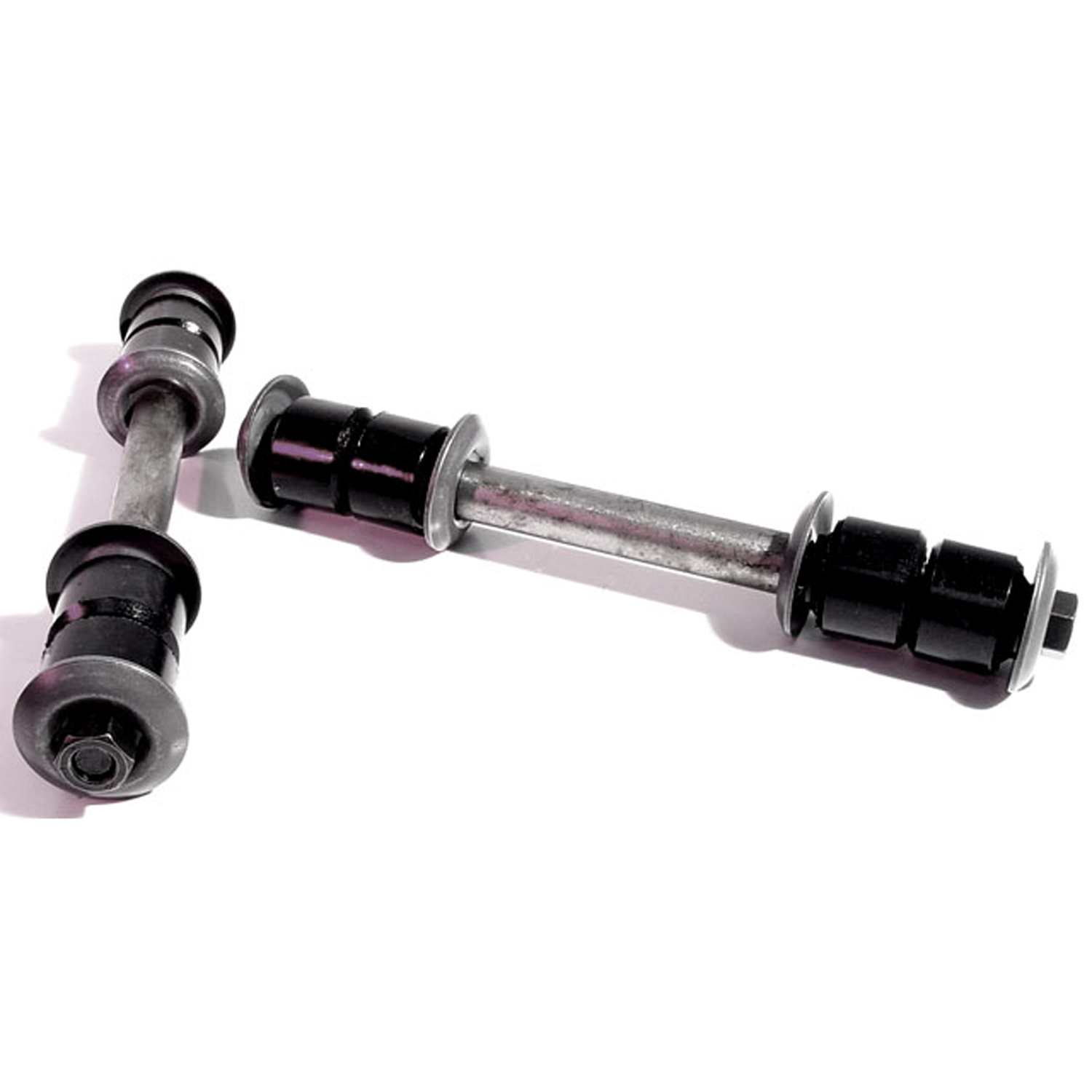 1971 Ford Galaxie 500 Front Stabilizer End Repair Kit-BNK 21Front Stabilizer End Repair Kit. 22-piece set for two stabilizer bars. Contains all rubber bushings, washers, bolts and nuts, enough for one front end. Set
 1971 Ford Galaxie 500 Clutch and Brake Pedal Pads. 2-3/16" long X 3-3/8" wide-CB 111-KClutch and Brake Pedal Pads. 2-3/16" long X 3-3/8" wide. Pair
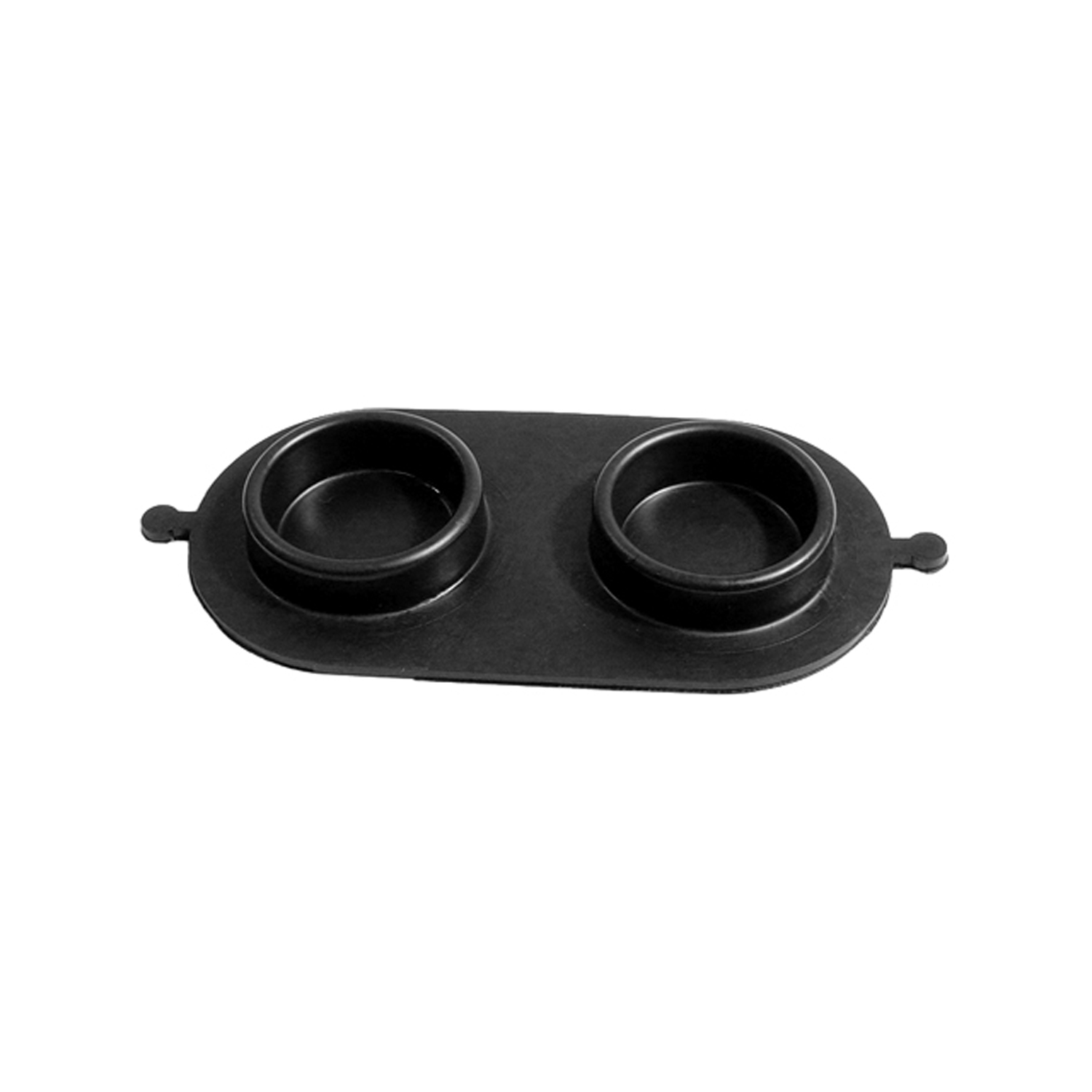 1971 Ford Galaxie 500 Brake Master Cylinder Cover Seal. Replaces OEM #C7AZ2167-A-RP 2-BBrake Master Cylinder Cover Seal. Replaces OEM #C7AZ2167-A. Each
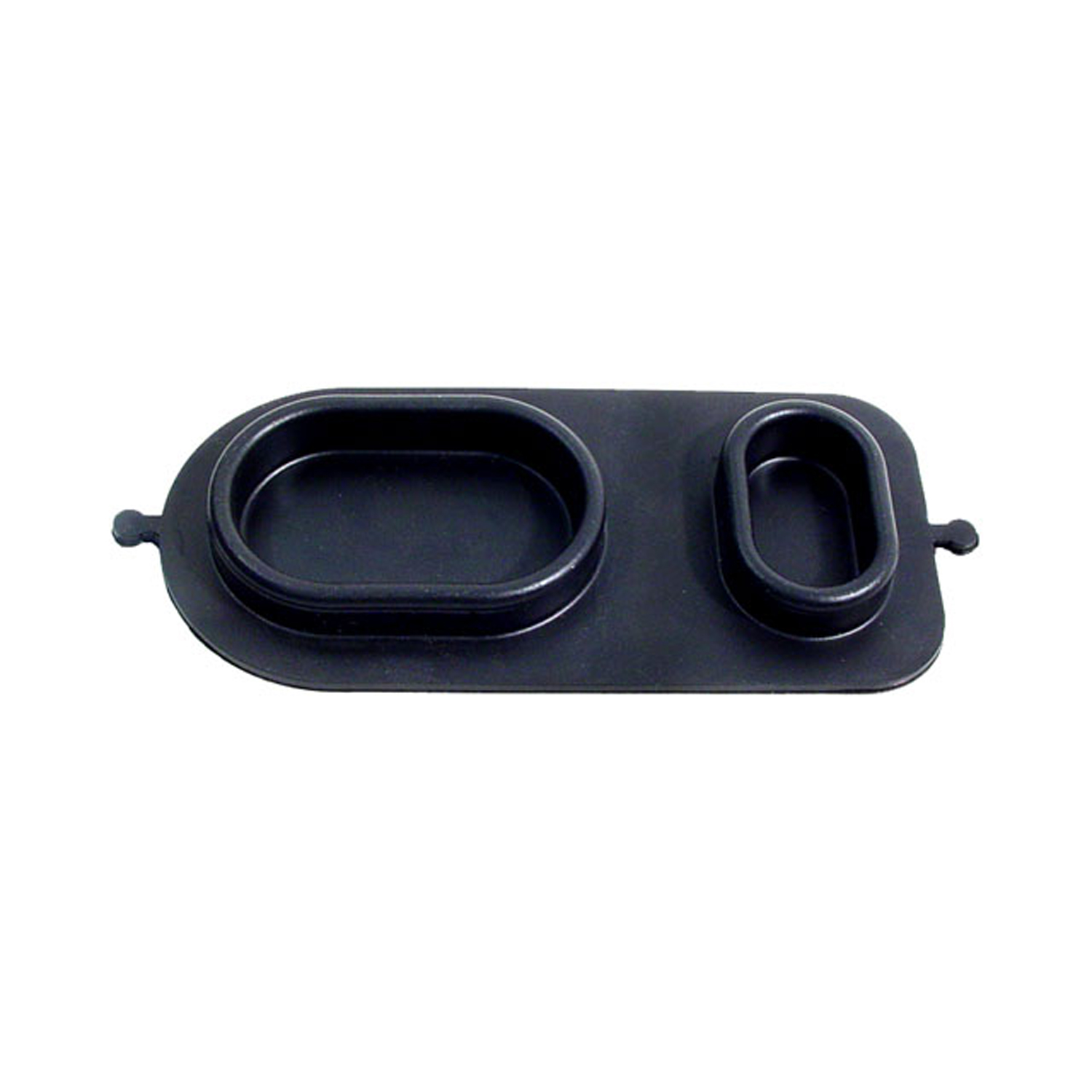 1971 Ford Galaxie 500 Brake Master Cylinder Cover Seal. Replaces OEM #5470861-RP 2-CBrake Master Cylinder Cover Seal. Replaces OEM #5470861. 5-9/16" long, 2-5/8" wide. Each
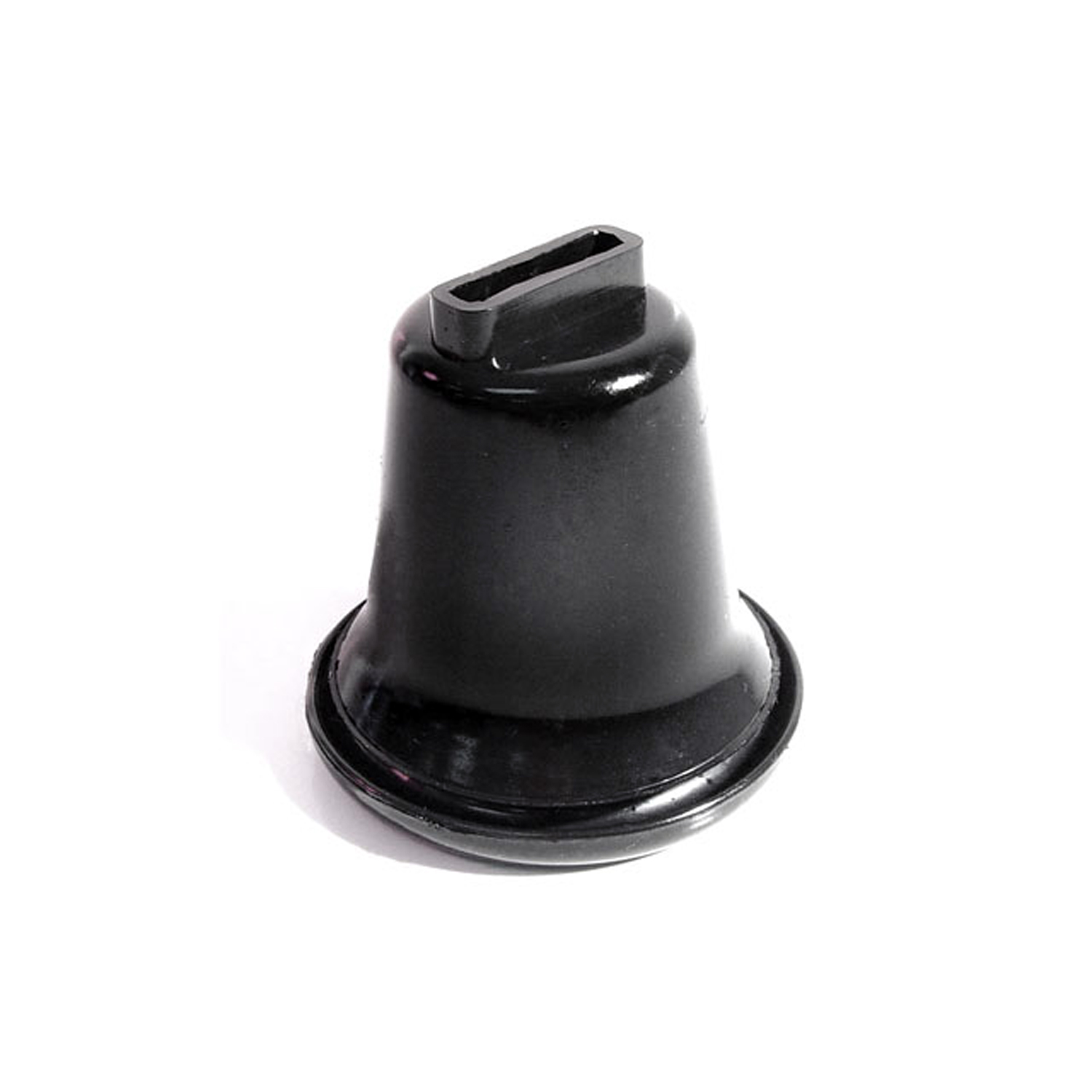 1971 Ford Galaxie 500 Brake Booster Boot. Each-RP 32-AABrake Booster Boot. Each
 1971 Ford Galaxie 500 Trunk Seal. 18 feet long. Each-TK 51-18Trunk Seal. 18 feet long. Each
 1971 Ford Galaxie 500 Rear Windshield Reveal Molding Clip. Made of steel. Each-WF 228Rear Windshield Reveal Molding Clip. Made of steel. Each
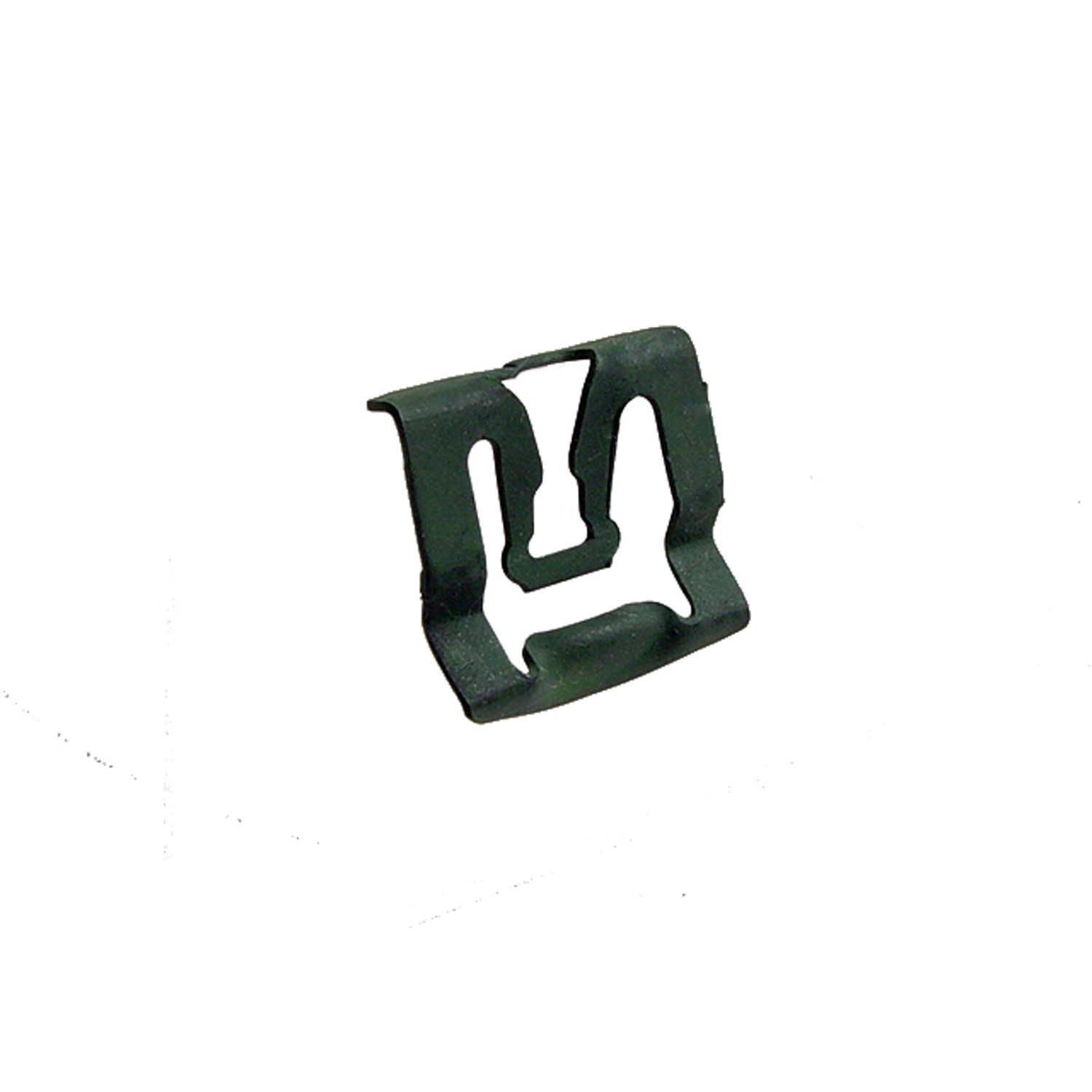 1971 Ford Galaxie 500 Windshield Reveal Molding Clip. Made of steel. Each-WF 228-AWindshield Reveal Molding Clip. Made of steel. Each
Why Choose Metro?
For over 100 years, Metro Moulded Parts has been the pinnacle of quality in classic car restoration parts. Our commitment to precision and authenticity in every component ensures a perfect fit and an OEM-level appearance.
- Expert Craftsmanship & Quality: Each part is a testament to our dedication to reliability and perfection, crafted from original designs and thoroughly tested.
- Advanced Technology: We use cutting-edge techniques to create flawless, long-lasting parts that surpass others in performance.
- SuperSoft Sponge – The Ultimate Door Seal: Not only are our door seals 30% softer than competitors', but they're also guaranteed to never leak. They effectively reduce wind and road noise, enhancing your classic car's comfort and driving experience.
- Proudly American: Our parts are a product of American craftsmanship, made in the USA with a spirit of excellence and heritage.
- Unrivaled Warranty: We back our products with a 30-year industry-leading warranty, a testament to our confidence in their quality.
Join us in preserving the legacy of classic cars with parts that are crafted for perfection, not just made.