

Image of 1971 Ford Ltd, Note: These illustrations use artistic license and may differ from actual historical models.
Performance Metrics
Fundamental Metrics
Emotional Appeal
MMP Rating
| Engine Specifications | |
|---|---|
| Engine: | 400 CID 2V V-8, 429 CID 4V V-8 |
| Displacement: | 400-429 cubic inches |
| Horsepower: | 172-360 hp |
| Torque: | 312-480 lb-ft |
| Compression Ratio: | 9.0:1 |
| Ignition System: | Conventional, breaker point |
| Cooling System: | Liquid-cooled |
| Performance Specifications | |
| 0-60 Time: | 10-12 seconds |
| 1/4 Mile Time: | 17-19 seconds |
| Top Speed: | 115-120 mph |
| Transmission and Drive | |
| Drive Type: | Rear-wheel drive |
| Transmission Type: | 3-speed automatic |
| Fuel and Efficiency | |
| Fuel System Type: | Carburetor |
| MPG: | 10-12 mpg |
| Dimensions and Brakes | |
| Brakes: | Front disc, rear drum |
| Wheelbase: | 121 inches |
| Weight: | 3,900-4,200 lbs |
Note: Specifications for classic cars are given to the best of our ability, considering the limited and variant data available.
1971 Ford LTD: Full-Size American Luxury
The 1971 Ford LTD brought a new, imposing shape to Ford’s flagship lineup, combining full-size comfort with the kind of formal styling that made a family sedan feel like a luxury car. Built by the Ford Motor Company in the United States, the LTD sat near the top of Ford’s passenger-car range and competed with big-selling rivals such as the Chevrolet Impala and Plymouth Fury.
The LTD name had been introduced in 1965, but 1971 marked the beginning of a redesigned generation of full-size Fords. The new cars were broad, substantial, and unmistakably of their era, arriving just as Detroit’s priorities were beginning to shift toward tighter emissions rules, changing safety requirements, and rising fuel costs. One memorable detail was the LTD’s available concealed headlamps: when switched off, the lamps disappeared behind vacuum-operated covers, giving the car a smooth, formal face.
Formal Styling and a Plush Cabin
The 1971 LTD wore its size proudly. A long hood, generous wheelbase, straight body sides, and broad rear quarters gave it a stately profile. Up front, a wide grille and substantial bumper emphasized the car’s width, while the roofline varied according to body style. The two-door hardtop had a sleek, pillarless look with its windows down, while the four-door hardtop offered an open, airy appearance without a fixed center pillar. Concealed headlights, where fitted, added a clean, upscale finish.
Inside, the LTD was designed around space and comfort rather than sporty restraint. Wide bench seats were common, with a front split-bench arrangement and individual seating options available depending on trim and equipment. Buyers could choose cloth, vinyl, or combinations of the two, and higher-spec cars offered richer upholstery, padded surfaces, wood-tone accents, and extra brightwork. The materials and detailing varied by trim, but even a well-equipped standard LTD aimed to feel more refined than a basic full-size Ford.
Period conveniences could include power steering, power brakes, air conditioning, power windows, a power-adjustable seat, cruise control, and AM or AM/FM radio. These were options rather than universal equipment, so a modern buyer should check the car itself rather than assume every LTD came fully loaded. The concealed-headlamp system was a particularly memorable piece of technology, though its vacuum actuators and plumbing can require attention on surviving examples.
Ford offered the LTD in a range of colors, with choices varying by year, trim, and market. White, blue, red, green, gold, and other metallic or earth-tone shades suited the car’s substantial shape. White and darker blues are especially familiar on surviving examples, while period greens and golds give an LTD a distinctly early-1970s character.
The core LTD passenger-car range included two-door hardtops, four-door hardtops, and four-door sedans. Ford’s full-size station wagons shared the same broad family and platform, but the upscale wagon identity was most closely associated with the Country Squire, recognizable for its simulated woodgrain sides. For many enthusiasts, the two-door hardtop is the most visually dramatic LTD, while the four-door hardtop makes the best showcase for the model’s spacious, pillarless design.
Why the LTD Mattered
The LTD helped make traditional American luxury accessible within a mainstream brand. It offered size, quietness, comfort, and upscale trim without requiring buyers to move to Ford’s separate luxury marque, Lincoln. That formula was not unique to Ford, but the LTD became one of its best-known examples and a major rival in a fiercely competitive full-size market.
The 1971 redesign was significant less for introducing a revolutionary new technology than for refining the American full-size car at the height of its popularity. Its long, formal proportions, broad seating, and emphasis on a smooth ride reflected what many buyers wanted from a family car: room for passengers, a substantial presence on the road, and enough convenience equipment to make long trips easy. The model also captures a turning point in the industry. It arrived just before fuel economy and emissions became much more prominent concerns, making it a particularly vivid example of the big-car era.
V8 Power and the Full-Size Ride
Engine availability depended on body style and equipment, but V8 power was central to the LTD’s character. A 351-cubic-inch V8 was among the commonly offered engines, with larger-displacement options such as 400-, 429-, and 460-cubic-inch V8s available in various configurations. Exact availability and specifications should be verified against the car’s original documentation, since Ford’s engine choices varied across the full-size range.
These engines were built to move a heavy car with relaxed authority, not to deliver sharp sports-car responses. A 351-powered LTD generally feels unhurried off the line, with a period-appropriate 0-to-60 mph time in roughly the 10-to-12-second range. Larger-engine examples can be quicker, often reaching 60 mph in about 8 to 10 seconds depending on engine, axle ratio, transmission, condition, and test method. As broad estimates rather than guaranteed factory figures, those numbers describe the difference between a comfortable cruiser and a notably strong big-block car.
Top speed also varies with the engine, gearing, tires, and mechanical condition. A healthy car may be capable of roughly 110 to 120 mph, but the LTD’s natural job is cruising rather than sustained high-speed driving. Its weight and period tires call for sensible driving, especially in a classic car that may no longer have its original braking components or suspension parts.
On the road, the LTD feels broad and substantial. Its suspension is tuned for comfort, so it can absorb ordinary bumps and broken pavement with the soft, composed motion expected of a full-size American car. On a winding road, the long wheelbase, body weight, and relatively light steering make it less agile than a smaller car. In crosswinds, drivers will notice its large body, and careful steering inputs are more rewarding than quick corrections.
The driving experience is part of the appeal. A V8 produces a low, smooth rumble, while the automatic transmission encourages easy acceleration rather than constant gear changes. The driver sits high behind a wide hood, with a large cabin and generous windows creating a relaxed, almost lounge-like feel. The LTD is at its best on open roads, where it can settle into a steady pace and make distance feel effortless.
Living With a 1971 Ford LTD
Today, most LTDs are used as weekend cruisers, local show cars, or nostalgic family vehicles. They are generally not ideal as economical daily drivers: their size can make parking difficult, and fuel consumption is considerable by modern standards. A carefully maintained example can still handle regular use, but buyers should budget for fuel, tires, brakes, and age-related repairs.
Mechanical repairs are often approachable for an experienced home mechanic. The LTD uses familiar Ford V8 and automatic-transmission technology, and many routine service tasks are straightforward. The greater challenge is often finding correct trim, interior pieces, glass, body panels, and model-specific hardware. Before buying, inspect the frame and body for rust, especially around the floors, lower bodywork, wheel openings, and trunk. Also check the cooling system, steering and suspension joints, brake condition, electrical accessories, and operation of any concealed-headlamp equipment.
Parts availability is mixed. Common mechanical service parts are generally easier to locate than original-quality exterior trim or hard-to-find interior components. A complete, well-kept car is usually a better starting point than an inexpensive project missing its badges, lamps, or upholstery.
Notable Details and Common Criticisms
The concealed headlights are the 1971 LTD’s signature talking point. They provided a sleek appearance when closed, but the vacuum-operated system can develop leaks or fail to open and close properly with age. That makes a working system a fun feature and a useful inspection item.
The LTD was not a record-setting performance car, and it is not especially associated with a single famous race victory or major historical event. Its significance lies in its popularity and its role in American everyday life. It carried families, served as a comfortable long-distance car, and appeared in the same broad range of real-world settings as many other full-size Fords of the period. Individual cars have also found second lives in film, television, and enthusiast collections, though no one celebrity association defines the model.
Common criticisms are straightforward: the LTD is large, thirsty, and not particularly nimble. Its age also means that comfort equipment can become a source of repairs, and some replacement trim is harder to find than basic mechanical parts. For enthusiasts who want a compact classic or a sharp-handling driver’s car, it may not be the right choice. For those who value period style and a soft, spacious ride, those same qualities are part of its charm.
Collector Values and Availability
The 1971 LTD is not especially rare as a model, but finding a clean, original example is increasingly difficult. A reasonable broad estimate is that Ford built somewhere in the low hundreds of thousands of LTD-badged passenger cars for the 1971 model year, perhaps around 200,000 to 300,000. That is an informed estimate rather than a definitive production count, and totals can differ depending on whether particular body styles or related wagon models are included.
In today’s collector market, a project car may sell for roughly $2,000 to $5,000, while a usable driver in presentable condition might bring about $5,000 to $12,000. A very good, well-maintained example can reach approximately $12,000 to $20,000, with exceptional or unusually well-equipped cars sometimes asking more. These are broad U.S. market estimates, not appraisals. Condition, originality, documentation, location, engine, body style, and the quality of any restoration can all move the price substantially.
Values have generally been more modest than those of high-performance muscle cars. Interest in well-preserved 1970s full-size cars has grown, but the LTD is still best viewed as an affordable classic rather than a guaranteed investment. The strongest value trend is likely to favor clean, original cars and distinctive equipment, particularly examples with desirable larger engines or functioning concealed headlights. As with any classic, purchase condition matters more than an optimistic restoration budget.
The Big Ford’s Lasting Appeal
The 1971 Ford LTD stands out as a confident expression of full-size American motoring: roomy, quiet, richly trimmed, and powered by V8s designed for relaxed travel. Its redesigned body, optional hidden headlights, and broad range of comfort features gave it a distinctive place in Ford’s lineup, while its scale and soft ride set it apart from smaller, more modern-feeling cars.
It may not be the quickest or rarest classic on the road, but the LTD offers something increasingly uncommon: the feeling of a genuinely spacious, formal American cruiser. For anyone drawn to the grand proportions and easygoing character of early-1970s Fords, the 1971 LTD remains a memorable way to experience the era from behind the wheel.
1971 Ford Ltd Catalog of Parts
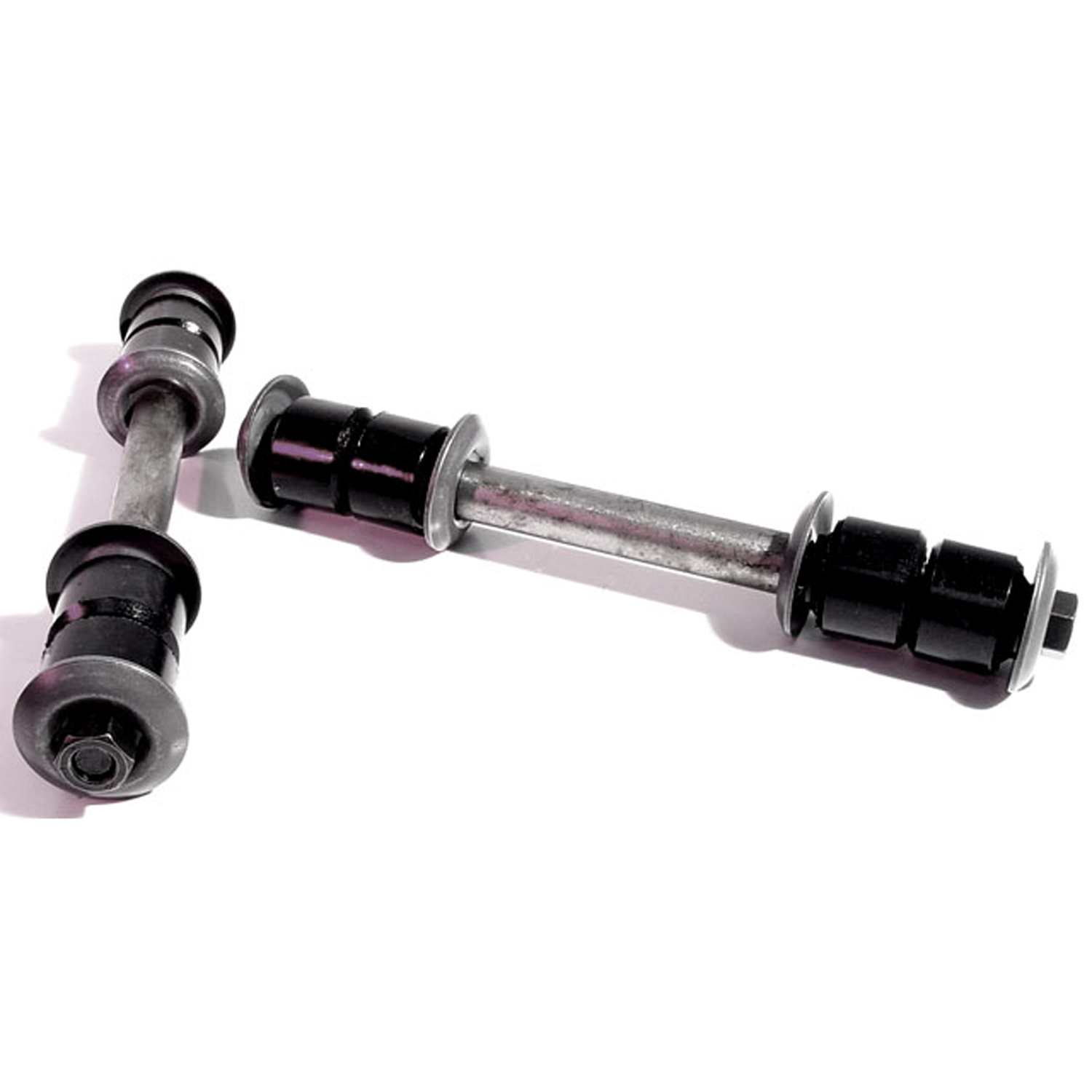 1971 Ford LTD Front Stabilizer End Repair Kit-BNK 21Front Stabilizer End Repair Kit. 22-piece set for two stabilizer bars. Contains all rubber bushings, washers, bolts and nuts, enough for one front end. Set
 1971 Ford LTD Clutch and Brake Pedal Pads. 2-3/16" long X 3-3/8" wide-CB 111-KClutch and Brake Pedal Pads. 2-3/16" long X 3-3/8" wide. Pair
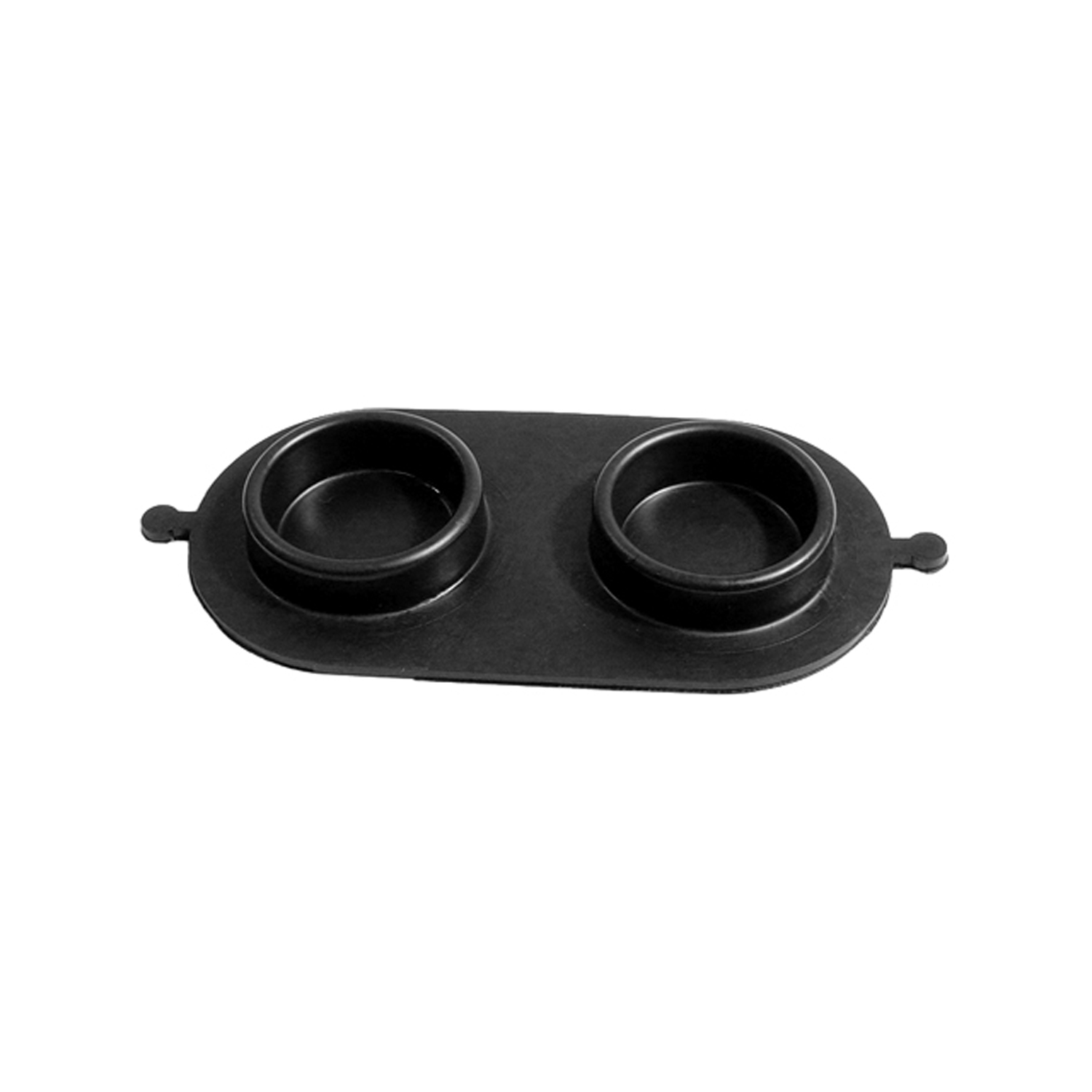 1971 Ford LTD Brake Master Cylinder Cover Seal. Replaces OEM #C7AZ2167-A-RP 2-BBrake Master Cylinder Cover Seal. Replaces OEM #C7AZ2167-A. Each
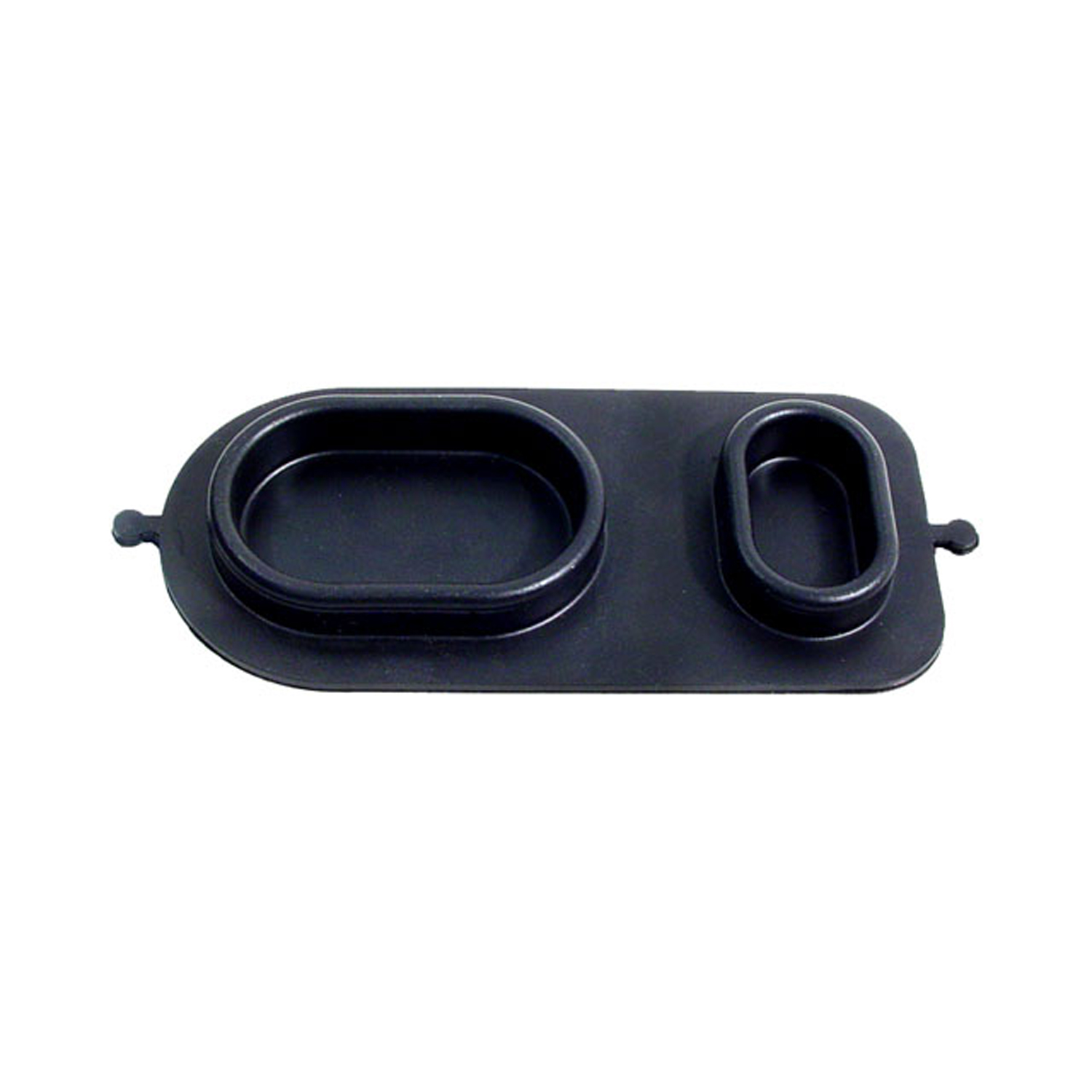 1971 Ford LTD Brake Master Cylinder Cover Seal. Replaces OEM #5470861-RP 2-CBrake Master Cylinder Cover Seal. Replaces OEM #5470861. 5-9/16" long, 2-5/8" wide. Each
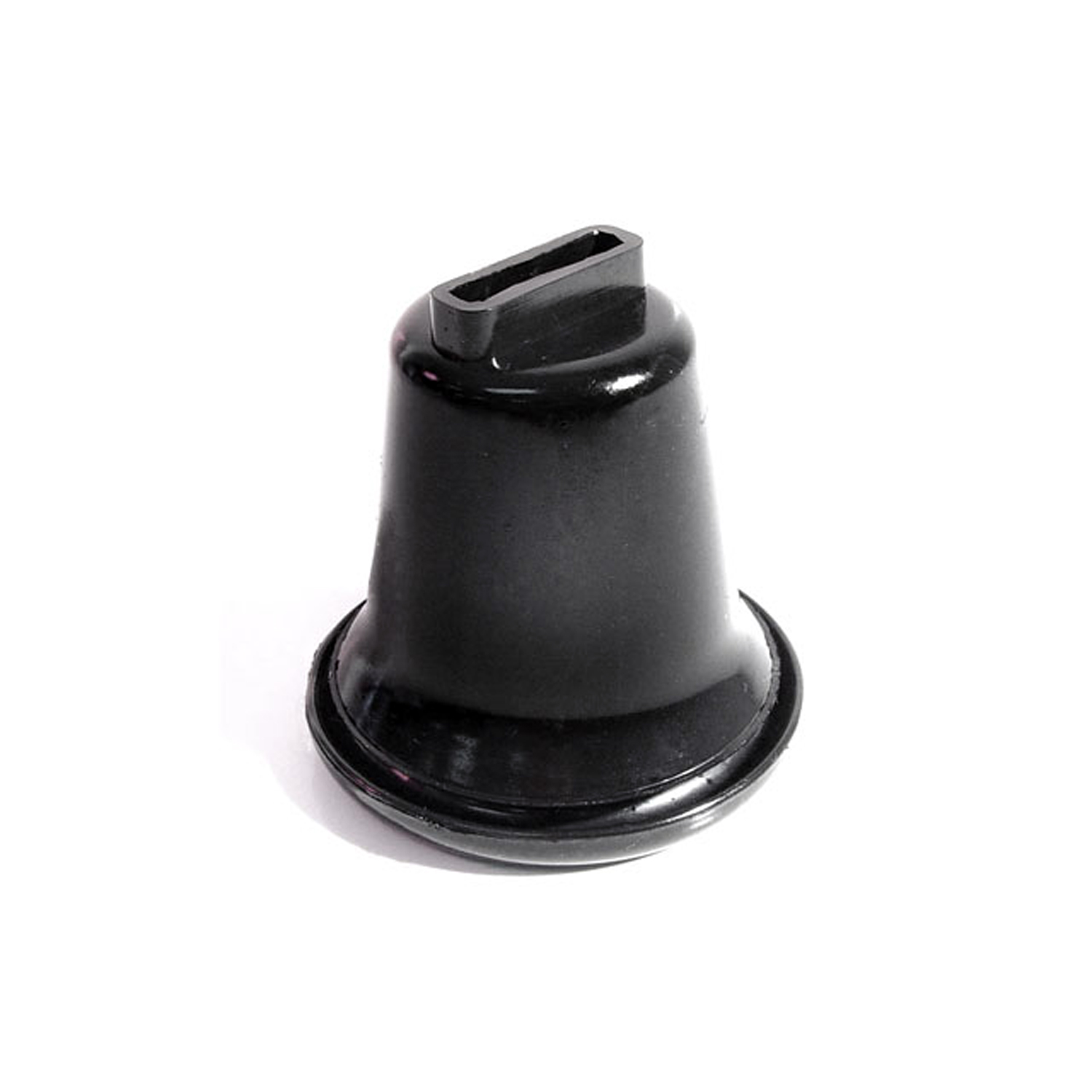 1971 Ford LTD Brake Booster Boot. Each-RP 32-AABrake Booster Boot. Each
 1971 Ford LTD Rear Windshield Reveal Molding Clip. Made of steel. Each-WF 228Rear Windshield Reveal Molding Clip. Made of steel. Each
Why Choose Metro?
For over 100 years, Metro Moulded Parts has been the pinnacle of quality in classic car restoration parts. Our commitment to precision and authenticity in every component ensures a perfect fit and an OEM-level appearance.
- Expert Craftsmanship & Quality: Each part is a testament to our dedication to reliability and perfection, crafted from original designs and thoroughly tested.
- Advanced Technology: We use cutting-edge techniques to create flawless, long-lasting parts that surpass others in performance.
- SuperSoft Sponge – The Ultimate Door Seal: Not only are our door seals 30% softer than competitors', but they're also guaranteed to never leak. They effectively reduce wind and road noise, enhancing your classic car's comfort and driving experience.
- Proudly American: Our parts are a product of American craftsmanship, made in the USA with a spirit of excellence and heritage.
- Unrivaled Warranty: We back our products with a 30-year industry-leading warranty, a testament to our confidence in their quality.
Join us in preserving the legacy of classic cars with parts that are crafted for perfection, not just made.