

Image of 1971 Ford Maverick, Note: These illustrations use artistic license and may differ from actual historical models.
Performance Metrics
Fundamental Metrics
Emotional Appeal
MMP Rating
| Engine Specifications | |
|---|---|
| Engine: | 170 CID I6, 200 CID I6, 250 CID I6, 302 CID V8 |
| Displacement: | 170-302 cubic inches |
| Horsepower: | 105-210 hp |
| Torque: | 158-296 lb-ft |
| Compression Ratio: | 8.3:1 - 9.0:1 |
| Ignition System: | Conventional, distributor |
| Cooling System: | Liquid-cooled |
| Performance Specifications | |
| 0-60 Time: | 10-12 seconds |
| 1/4 Mile Time: | 17-19 seconds |
| Top Speed: | 105-115 mph |
| Transmission and Drive | |
| Drive Type: | Rear-wheel drive |
| Transmission Type: | 3-speed manual, 3-speed automatic |
| Fuel and Efficiency | |
| Fuel System Type: | Carburetor |
| MPG: | 15-20 mpg |
| Dimensions and Brakes | |
| Brakes: | Front disc, rear drum |
| Wheelbase: | 103.9 inches |
| Weight: | 2,800-3,000 lbs |
Note: Specifications for classic cars are given to the best of our ability, considering the limited and variant data available.
1971 Ford Maverick: The Compact That Took on Detroit
The 1971 Ford Maverick made its case with a simple promise: give American drivers a practical, affordable compact without making it feel like a compromise. Small by the standards of its era, it offered straightforward mechanicals, clean styling, and, with the right options, a lively V8. Built by Ford Motor Company, the Maverick arrived as a timely alternative to larger, thirstier cars and imported compacts.
The Maverick first went on sale in 1969 as a 1970 model, drawing on Ford’s experience with compact-car engineering and components related to the Falcon. By 1971, the lineup had expanded to include a four-door sedan alongside the original two-door. One especially appealing twist was the Grabber package, which gave the modest compact a sportier look and access to V8 power. The Maverick was never a full-size muscle car, but it let buyers enjoy some of that era’s performance-car character in a more manageable package.
There is also a larger international chapter to its story: Ford introduced the Maverick in Brazil in 1973, where it remained in production through 1979. Brazilian Mavericks were distinct from the U.S. cars and became especially well known for their available V8 power.
Clean Lines, Practical Cabin
The 1971 Maverick’s styling was compact and unfussy. Its long hood, short deck, straight body sides, and simple grille gave it a tidy profile without the heavy ornamentation found on many larger American cars. The two-door sedan looked especially crisp, while the new-for-1971 four-door added easier rear-seat access for families. Neither body style was a hatchback or wagon.
The Grabber package was the standout for buyers who wanted more visual attitude. Depending on equipment and market, Grabbers featured distinctive paint and graphics, a sportier grille treatment, hood scoops, and a rear spoiler. The details helped separate it from an everyday Maverick, though the package was primarily an appearance and equipment upgrade rather than a comprehensive performance transformation.
Inside, the Maverick favored durability and low cost over luxury. The cabin used straightforward vinyl upholstery, hard-wearing trim, and simple controls. Buyers could choose a front bench seat or available bucket seats, with different trim and convenience options depending on the model. The layout was easy to understand and repair, but materials and sound insulation were basic by upscale-car standards. Rear-seat space in the two-door was also limited compared with a larger sedan.
Paint choices varied by trim and production details. Grabber models are particularly associated with bold colors such as Grabber Blue, Grabber Lime, and Grabber Yellow, along with contrasting graphics. Standard Mavericks were also offered in more restrained colors. Bright Grabber shades remain popular at shows because they suit the car’s playful, sporty character.
Engines and Equipment for 1971
Ford offered a range of engines that made the Maverick adaptable to different budgets and driving styles. The lineup included a 170-cubic-inch inline-six, a 200-cubic-inch inline-six, a 250-cubic-inch inline-six, and an available 302-cubic-inch V8. Exact availability and output depended on configuration and the way horsepower was rated. Period horsepower figures were generally quoted as gross ratings, so they should not be compared directly with modern net-horsepower numbers.
Transmission choices included manual gearboxes and Ford’s C4 automatic on applicable configurations. Equipment could include front disc brakes, power steering, air conditioning, and other comfort or convenience options. These features were not all standard, so a car’s original specification can vary considerably. The Maverick’s technology was conventional rather than cutting edge: its appeal came from simple, familiar engineering that was relatively easy to service.
A Compact with a Bigger Industry Role
The Maverick arrived during a period when American buyers were paying more attention to compact cars, operating costs, and imported competition. Ford’s answer was not a radical new design, but a well-priced, uncomplicated car with familiar American styling and mechanicals. Its success helped establish the idea that a compact could be a mainstream Ford rather than a niche choice.
What set the Maverick apart was its balance of cost, simplicity, and choice. A buyer could order an economical six-cylinder commuter, a family-friendly four-door, or a two-door Grabber with V8 power. That range broadened its appeal and helped make the Maverick one of Ford’s important compact nameplates of the 1970s. Its influence was less about introducing a new technology than about showing how a straightforward compact could serve many kinds of buyers.
The car also reflects a turning point in American motoring. It debuted before the 1973 oil crisis, but its compact dimensions and available six-cylinder engines made it seem increasingly relevant as fuel economy became a bigger concern. The V8 Grabber, meanwhile, kept one foot firmly in the performance-minded car culture of the period.
How the 1971 Maverick Drives
Performance depends heavily on engine, transmission, axle ratio, vehicle condition, and test method. A 302 V8 Maverick Grabber could reach 60 mph in roughly eight to nine seconds and approach a top speed in the neighborhood of 110 mph in favorable conditions. Six-cylinder versions were substantially more relaxed, with approximate 0-to-60 times often in the 12-to-15-second range and lower top speeds. These are broad period-style estimates, not guaranteed figures for every surviving car.
On the road, the Maverick feels light and direct compared with a full-size American sedan, though it is still a product of its time. The front suspension uses coil springs, while the rear relies on a traditional live axle and leaf springs. That setup is sturdy and uncomplicated, but rough pavement can produce a firm, busy ride, especially with worn suspension parts or modern low-profile tires. On winding roads, expect body roll and modest grip rather than sports-car precision. The car is happiest when driven smoothly.
A six-cylinder Maverick delivers a relaxed, practical experience. The V8 changes the mood: its deeper exhaust note and stronger acceleration make the compact feel much more energetic. Steering is typically less precise than in a modern car, and braking performance depends on the equipment fitted and the condition of the system. A well-maintained example feels approachable and engaging, with simple controls and a clear connection between driver and machine.
Owning and Maintaining a Maverick
Today, Mavericks appear as weekend cruisers, show cars, restoration projects, and occasional daily drivers. Their uncomplicated design makes them friendly to hands-on owners. Routine servicing is familiar to most classic-car mechanics, and many parts are shared with Ford models of the same general era. Mechanical components are usually easier to source than some model-specific trim, body panels, and Grabber details.
Rust is a key inspection point. Check the floorpans, rocker panels, lower quarters, trunk area, and structural sections, along with the cowl for leaks that can send water into the cabin. Examine suspension and steering components, brake lines, and the condition of any previous repairs. As with any classic, a solid body and documented, careful maintenance are often worth more than a long list of upgrades.
Common criticisms include the basic interior, limited rear-seat room in the two-door, modest sound insulation, and handling that can feel dated. The standard six-cylinder models are not quick by modern standards, while a V8 car may need updates to brakes, tires, and suspension to feel comfortable in current traffic. Those shortcomings are part of the ownership equation, but they are also why the Maverick remains an accessible classic rather than a complicated high-performance machine.
Maverick Trivia and Production
The Maverick name suited Ford’s independent-minded compact image, and the model’s straightforward design became part of its identity. The Grabber package gave the 1971 lineup its most recognizable enthusiast version, but it was still a Maverick at heart: relatively simple, affordable, and easy to personalize.
Ford built approximately 271,900 U.S. Mavericks for the 1971 model year, though production totals can vary slightly between reference sources and counting methods. The Grabber was a smaller part of that total, making a genuine, well-documented example more desirable than a standard car, especially when it retains its original equipment and distinctive trim. The Maverick is not generally associated with a major speed or endurance record. Its claim to fame is its broad appeal and the sheer number of drivers it brought into Ford’s compact-car lineup.
1971 Ford Maverick Values and Collectibility
Values depend on body condition, originality, engine, trim, documentation, and location. As a broad U.S. market guide, a running project or rough driver may sell for about $3,000 to $7,000. A presentable, usable car often falls around $8,000 to $15,000, while a clean, restored example can reach roughly $16,000 to $25,000. Exceptional, highly original, or correctly restored Grabbers may bring $25,000 to $35,000 or more. These are estimates rather than fixed prices, and auction results can differ substantially.
Standard six-cylinder cars are generally easier to find than desirable, well-preserved Grabbers. The Maverick is not rare in the broad sense, but rust-free cars and authentic examples with their original equipment are increasingly harder to locate. Prices have generally strengthened for clean classics and especially for attractive Grabbers, while ordinary project cars remain more affordable. Condition and authenticity have a much larger effect on value than simply having a V8 badge or sporty paint.
Why the Maverick Still Matters
The 1971 Ford Maverick brought together compact dimensions, uncomplicated engineering, several body and engine choices, and an unmistakably American personality. Its two-door Grabber delivered the era’s sporty look, while the four-door and six-cylinder models made the nameplate practical for everyday life. It was not a technological showpiece, but it showed how a simple compact could become a major part of Ford’s lineup.
More than five decades later, the Maverick’s charm is its honesty. It is easy to understand, rewarding to maintain, and distinctive without needing to be exotic. In the right color and configuration, a 1971 Maverick still turns heads, proving that an affordable compact can leave a lasting mark on classic-car history.
1971 Ford Maverick Catalog of Parts
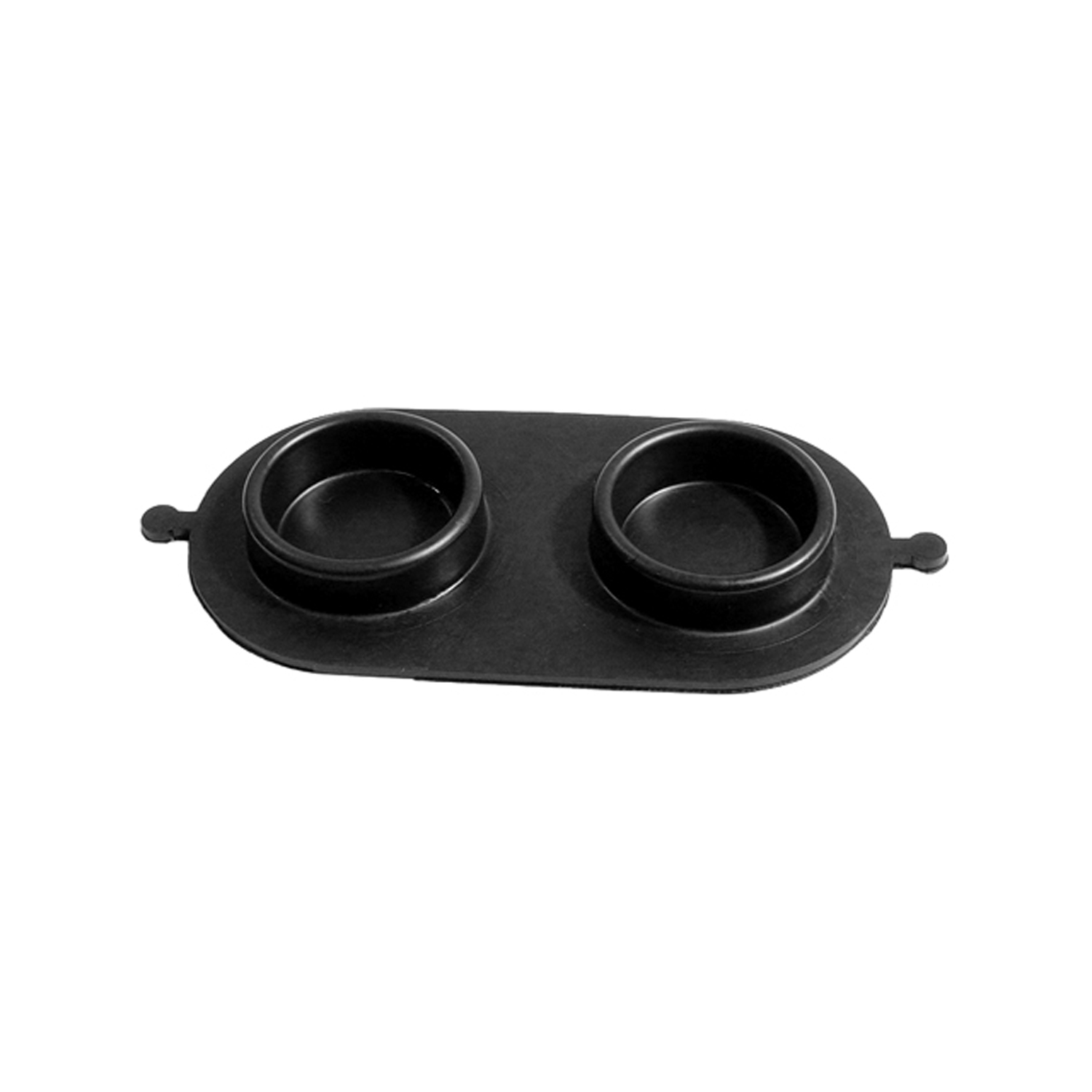 1971 Ford Maverick Brake Master Cylinder Cover Seal. Replaces OEM #C7AZ2167-A-RP 2-BBrake Master Cylinder Cover Seal. Replaces OEM #C7AZ2167-A. Each
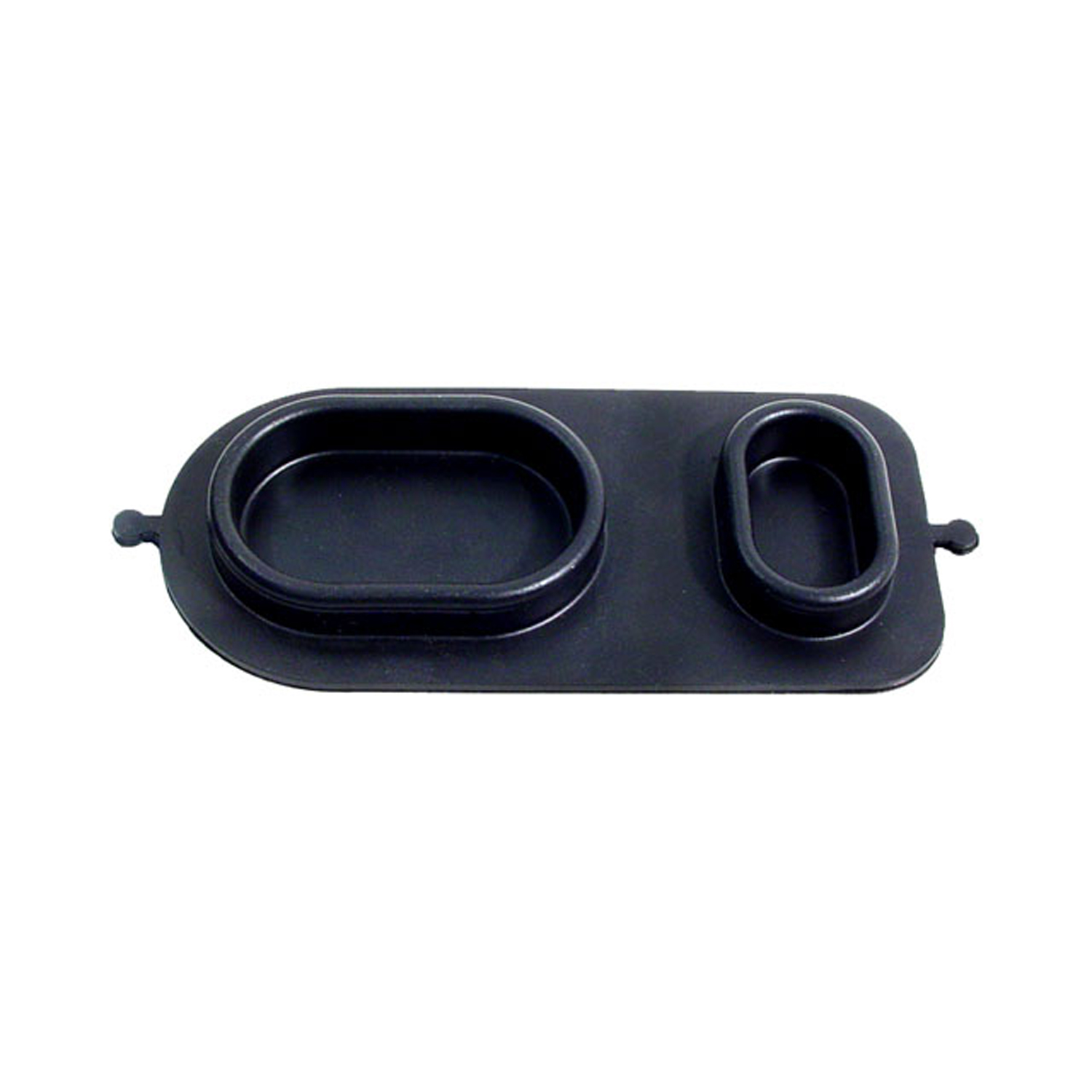 1971 Ford Maverick Brake Master Cylinder Cover Seal. Replaces OEM #5470861-RP 2-CBrake Master Cylinder Cover Seal. Replaces OEM #5470861. 5-9/16" long, 2-5/8" wide. Each
 1971 Ford Maverick Windshield and Rear Windshield Reveal Molding Clip-WF 226Windshield and Rear Windshield Reveal Molding Clip. Made of steel. Each
 1971 Ford Maverick Spare Tire Hold Down Nut. 1/2- 13 thread size-WF 3503Spare Tire Hold Down Nut. 1/2- 13 thread size. Replaces OEM #C8AZ-1462-A. Each
 1971 Ford Maverick Window Grommet. Plastic. 1-1/2" O.D., 3/8" I.D. Each-WF 981Window Grommet. Plastic. 1-1/2" O.D., 3/8" I.D. Each
Why Choose Metro?
For over 100 years, Metro Moulded Parts has been the pinnacle of quality in classic car restoration parts. Our commitment to precision and authenticity in every component ensures a perfect fit and an OEM-level appearance.
- Expert Craftsmanship & Quality: Each part is a testament to our dedication to reliability and perfection, crafted from original designs and thoroughly tested.
- Advanced Technology: We use cutting-edge techniques to create flawless, long-lasting parts that surpass others in performance.
- SuperSoft Sponge – The Ultimate Door Seal: Not only are our door seals 30% softer than competitors', but they're also guaranteed to never leak. They effectively reduce wind and road noise, enhancing your classic car's comfort and driving experience.
- Proudly American: Our parts are a product of American craftsmanship, made in the USA with a spirit of excellence and heritage.
- Unrivaled Warranty: We back our products with a 30-year industry-leading warranty, a testament to our confidence in their quality.
Join us in preserving the legacy of classic cars with parts that are crafted for perfection, not just made.