

Image of 1971 Ford Mustang, Note: These illustrations use artistic license and may differ from actual historical models.
Performance Metrics
Fundamental Metrics
Emotional Appeal
MMP Rating
| Engine Specifications | |
|---|---|
| Engine: | 302 CID 2V V-8, 351 CID 2V V-8, 351 CID 4V V-8, 429 CID 4V V-8 |
| Displacement: | 302 - 429 cu in |
| Horsepower: | 210 - 375 hp |
| Torque: | 296 - 450 lb-ft |
| Compression Ratio: | 9.0:1 - 11.3:1 |
| Ignition System: | Electronic |
| Cooling System: | Water-cooled |
| Performance Specifications | |
| 0-60 Time: | 6.5 - 8.0 seconds |
| 1/4 Mile Time: | 14.5 - 16.0 seconds |
| Top Speed: | 120 - 140 mph |
| Transmission and Drive | |
| Drive Type: | Rear-wheel drive |
| Transmission Type: | 3-speed automatic, 4-speed manual |
| Fuel and Efficiency | |
| Fuel System Type: | Carburetor |
| MPG: | 10 - 15 mpg |
| Dimensions and Brakes | |
| Brakes: | Front disc, rear drum |
| Wheelbase: | 109.0 in |
| Weight: | 3,000 - 3,600 lbs |
Note: Specifications for classic cars are given to the best of our ability, considering the limited and variant data available.
1971 Ford Mustang: The Big-Body Mustang Arrives
The 1971 Ford Mustang arrived with a longer, wider stance and a personality that felt more muscular than ever. Built by Ford Motor Company, it marked a major redesign for the original Mustang generation, trading some of the compact pony car’s early lightness for a bigger presence, more room, and serious V8 power.
By 1971, the Mustang had helped inspire an entire class of sporty American cars, but the market was changing. Buyers faced rising insurance costs, tightening emissions rules, and growing interest in comfort as well as performance. Ford answered with a larger Mustang that could still be ordered as a high-powered street machine. One of the year’s standout offerings was the Boss 351, a limited-production performance model that lasted only for the 1971 model year.
The 1971 Mustang also earned a memorable place on the silver screen. A Mach 1 appears in the Las Vegas chase in the James Bond film Diamonds Are Forever, released that same year. The scene’s unusual alley maneuver helped make the car one of the movie’s most recognizable vehicles.
Long Hood, Fastback Roof, and Mach 1 Attitude
Ford’s 1971 redesign gave the Mustang a substantial, planted look. The body was longer and wider than before, while the 109-inch wheelbase remained unchanged. A long hood, pronounced front end, sculpted body sides, and broad rear quarters gave the car a more imposing profile. The design was bold even by the standards of an era crowded with dramatic American coupes.
The SportsRoof body style, often called a fastback by enthusiasts, was especially striking. Its sloping roof flowed into a raised rear deck, creating a distinctive silhouette and making it the natural choice for many performance-minded buyers. The Mach 1 added visual punch with sport trim, bold striping, and a hood treatment that made its performance intentions clear. The Boss 351 brought its own unique graphics and hardware, while the Grande leaned toward a more refined appearance.
The cabin paired a driver-focused layout with the comfort features buyers increasingly expected. Bucket seats and a center console were popular options, and buyers could add air conditioning, power steering, power brakes, and upgraded audio equipment. Trim ranged from straightforward and durable in basic models to more decorative finishes in the Grande. The materials were typical of Detroit cars of the period: plenty of vinyl and molded plastic, with richer trim available on upscale versions. It was a handsome, functional interior rather than a hand-finished luxury-car cabin.
Ford offered the Mustang in hardtop, SportsRoof, and convertible body styles. The hardtop suited buyers who wanted a traditional coupe, while the convertible offered open-air cruising. The SportsRoof, particularly in Mach 1 form, became the most iconic look of the 1971 lineup. Popular paint choices included bright blues, yellows, golds, reds, and more restrained metallic shades, with the vivid Grabber colors especially suited to the car’s youthful image.
Engines and Performance Options
The engine range ran from a 250-cubic-inch inline-six to several V8 choices. V8 buyers could choose small-block power such as the 302, or step up to a 351 Cleveland in different configurations. At the top of the performance ladder sat the 429 Cobra Jet, while the Boss 351 used a specially prepared 351 Cleveland with high-performance components and a four-speed manual transmission.
Ford’s published horsepower figures for this period were generally measured using the older SAE gross method. Those numbers are not directly comparable with modern net-horsepower ratings, so a quoted figure should be understood in its original context. The Boss 351 was advertised at 330 gross horsepower, and the 429 Cobra Jet was rated as high as 370 gross horsepower, depending on configuration.
Performance varied substantially with engine, transmission, axle gearing, and condition. Period-style estimates put a healthy Boss 351 or 429 Cobra Jet in the neighborhood of 5.5 to 7 seconds from 0 to 60 mph, while more ordinary V8 versions were generally slower. High-performance examples could reach roughly 125 to 140 mph in favorable conditions, but exact top speed depended heavily on gearing and setup. These are estimates, not universal factory-tested figures for every car.
How the 1971 Mustang Drives
Behind the wheel, a 1971 Mustang feels like a substantial American coupe. The V8 models deliver the familiar low-frequency rumble and broad torque that make the car satisfying at ordinary road speeds. A four-speed manual adds a more involved experience, while an automatic suits relaxed cruising. Big-block and high-output versions bring a deeper exhaust note and stronger acceleration, though engine sound and behavior vary with exhaust, tune, and modifications.
The front suspension uses an independent layout, while the rear relies on a solid axle and leaf springs. That arrangement was familiar, durable, and relatively straightforward to service, but it does not provide the precision of a modern sports car. On a smooth road, the Mustang feels stable and confident. Over broken pavement, the rear axle can hop or feel unsettled, and quick bends may reveal body roll and understeer, especially in heavier big-block cars. Power steering, when fitted, makes low-speed maneuvering easier but can reduce the crisp road feel some drivers prefer.
Braking and handling condition matter enormously in a car more than five decades old. A well-maintained example with fresh suspension bushings, sound tires, and properly serviced brakes can be enjoyable on winding roads. A neglected one may feel loose, wander at speed, or take longer to stop than its owner expects. Modern tires and carefully chosen suspension upgrades can improve control without erasing the Mustang’s vintage character.
Why the 1971 Redesign Matters
The 1971 Mustang represents a turning point in the model’s story. Ford enlarged the car as customer expectations shifted toward more interior space, comfort, and presence. That move distinguished it from smaller, lighter early Mustangs and reflected the broader direction of American performance cars at the start of the 1970s.
The redesign also arrived as the muscle-car era was becoming more complicated. Insurance premiums, emissions requirements, and changing fuel concerns were putting pressure on high-output models. The Boss 351 and 429 Cobra Jet preserved a taste of traditional big-engine performance, but their brief availability captured how quickly the market was changing. The 1971 Mustang therefore stands between the first wave of pony cars and the more constrained performance era that followed.
Its lasting appeal comes from that combination of size, styling, and choice. A 1971 Mustang could be a comfortable coupe, an open-top cruiser, or a serious V8 performance car. The SportsRoof shape and Mach 1 package became especially influential images of early-1970s American muscle, while the Boss 351 remains a prized example of Ford’s engineering at the end of the classic muscle-car boom.
Ownership, Maintenance, and Reliability
Today, owners use 1971 Mustangs as weekend cruisers, show cars, restoration projects, and vintage drag or track cars. Some are driven regularly, but a classic Mustang requires more attention than a modern daily driver. Age-related issues can include rust in the floor pans, cowl, frame rails, and lower body panels, along with worn suspension parts, electrical gremlins, and tired cooling systems.
Mechanical repairs are generally accessible for an experienced home mechanic. The engines and transmissions are conventional, parts support is strong, and the Mustang’s popularity means that restoration components are widely available. The challenge is often not finding a replacement part but assessing the quality of previous repairs and confirming that the car’s major components match its history. Rust repair, paintwork, and a thorough restoration can quickly cost more than routine mechanical maintenance.
Before buying, inspect the body carefully, check the vehicle identification and data plates, and verify the engine and options where possible. Documentation from Ford’s historical records service can help establish how a car was originally equipped. For valuable Boss 351 or 429 Cobra Jet examples, careful verification is especially important.
Rare Versions and Mustang Trivia
The Boss 351 is one of the most collectible 1971 Mustangs. It was a one-year model, and production is commonly reported at about 1,806 cars. Its high-output Cleveland V8, four-speed transmission, and distinctive trim make it much rarer than an ordinary Mustang. The 429 Cobra Jet cars are also sought after, particularly when their original drivetrain and documentation remain intact.
The Mach 1 is the best-known performance-oriented version of the year and appears in Diamonds Are Forever. The film’s chase helped connect the Mustang with a wider audience beyond car enthusiasts. The 1971 model also marked the beginning of the Mustang’s largest early-generation body design, a change that remains a frequent point of discussion among fans who prefer the smaller first-generation cars.
Not every enthusiast considers the 1971 Mustang an improvement. Common criticisms include its greater size and weight, reduced agility compared with earlier models, and the visual bulk of the new body. Some buyers also find that a large V8’s fuel consumption and heavy front-end feel are poorly suited to modern commuting. Those drawbacks are part of the car’s character, but they explain why condition, intended use, and the particular engine matter so much.
1971 Mustang Collector Values
Production estimates place total 1971 Mustang output at roughly 150,000 cars across the available body styles and trims. That makes ordinary versions findable, though clean, unmodified examples are increasingly difficult to locate. Convertibles, desirable SportsRoof cars, and well-documented performance models tend to attract the most attention.
As a broad U.S. market guide, a project car or rough driver may sell for around $8,000 to $18,000. A solid, presentable standard Mustang might bring roughly $20,000 to $40,000, while a well-restored Mach 1 can fall in the $35,000 to $70,000 range. A genuine Boss 351 or 429 Cobra Jet can command substantially more, often from about $75,000 into six figures, with exceptional, highly documented examples selling above that range. These estimates vary widely with originality, rust, restoration quality, drivetrain, options, and market timing.
Values for desirable, authentic performance versions have generally strengthened over the long term, while ordinary cars have followed a more moderate path. The gap between a documented original and a clone or heavily modified car can be significant. Because restoration costs are high, buyers should compare purchase price with the work still required rather than assume a low asking price is a bargain.
A Classic Mustang at a Crossroads
The 1971 Ford Mustang is a compelling snapshot of American performance at a moment of change. Its larger body brought fresh presence and comfort, while engines such as the Boss 351 and 429 Cobra Jet kept serious power in the picture. The Mach 1’s movie-star visibility, the SportsRoof’s unmistakable shape, and the car’s wide range of personalities have kept it firmly in the classic Mustang conversation.
It may be bigger and heavier than the early cars, but that is precisely what gives the 1971 Mustang its own identity. It is a bold, rumbling reminder of the final years when a buyer could order a family-friendly coupe with the heart of a muscle car.
1971 Ford Mustang Catalog of Parts
 1971 Ford Mustang Brake Pedal Pad-CB 111-BBrake Pedal Pad, for models with manual transmission and disc brakes. 3-7/16" wide. Each
 1971 Ford Mustang Brake Pedal Pad-CB 111-FBrake Pedal Pad, for models with manual transmission and manual brakes (without disc brakes). 3-1/2" wide. Each
 1971 Ford Mustang Clutch and Brake Pedal Pads. 2-3/16" long X 3-3/8" wide-CB 111-KClutch and Brake Pedal Pads. 2-3/16" long X 3-3/8" wide. Pair
 1971 Ford Mustang Gas Neck to Body Gasket. Made of Cork. 2-1/2" I.D-GF 46Gas Neck to Body Gasket. Made of Cork. 2-1/2" I.D., 3-11/16" O.D. Each
 1971 Ford Mustang Door Seals, 71-73 Ford Mustang, Mercury Cougar 2 Doors, Pair-LM 10-DDoor Seals, 71-73 Ford Mustang, Mercury Cougar 2 Doors, Pair, R&L. Replaces OEM #'s D1ZZ-6520530-A & D1ZZ-6520531-A.
 1971 Ford Mustang Airfoil Bracket to Body Pads. 2" wide X 4-3/8" long-MP 1050-AAirfoil Bracket to Body Pads. 2" wide X 4-3/8" long. Pair R&L
 1971 Ford Mustang License Lamp Lens Pad. 1-1/2" wide X 3-1/8" long. Each-MP 1052-FLicense Lamp Lens Pad. 1-1/2" wide X 3-1/8" long. Each
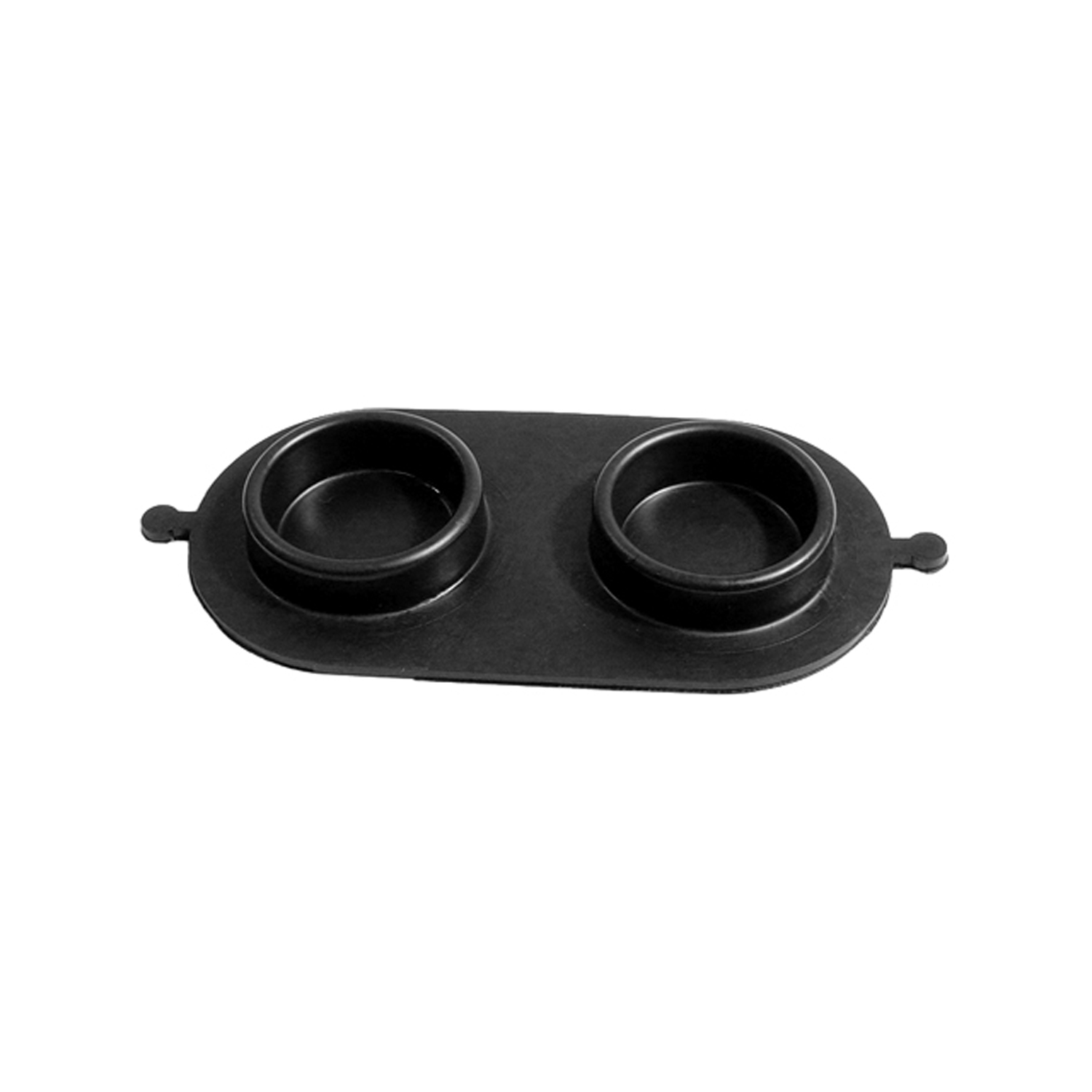 1971 Ford Mustang Brake Master Cylinder Cover Seal. Replaces OEM #C7AZ2167-A-RP 2-BBrake Master Cylinder Cover Seal. Replaces OEM #C7AZ2167-A. Each
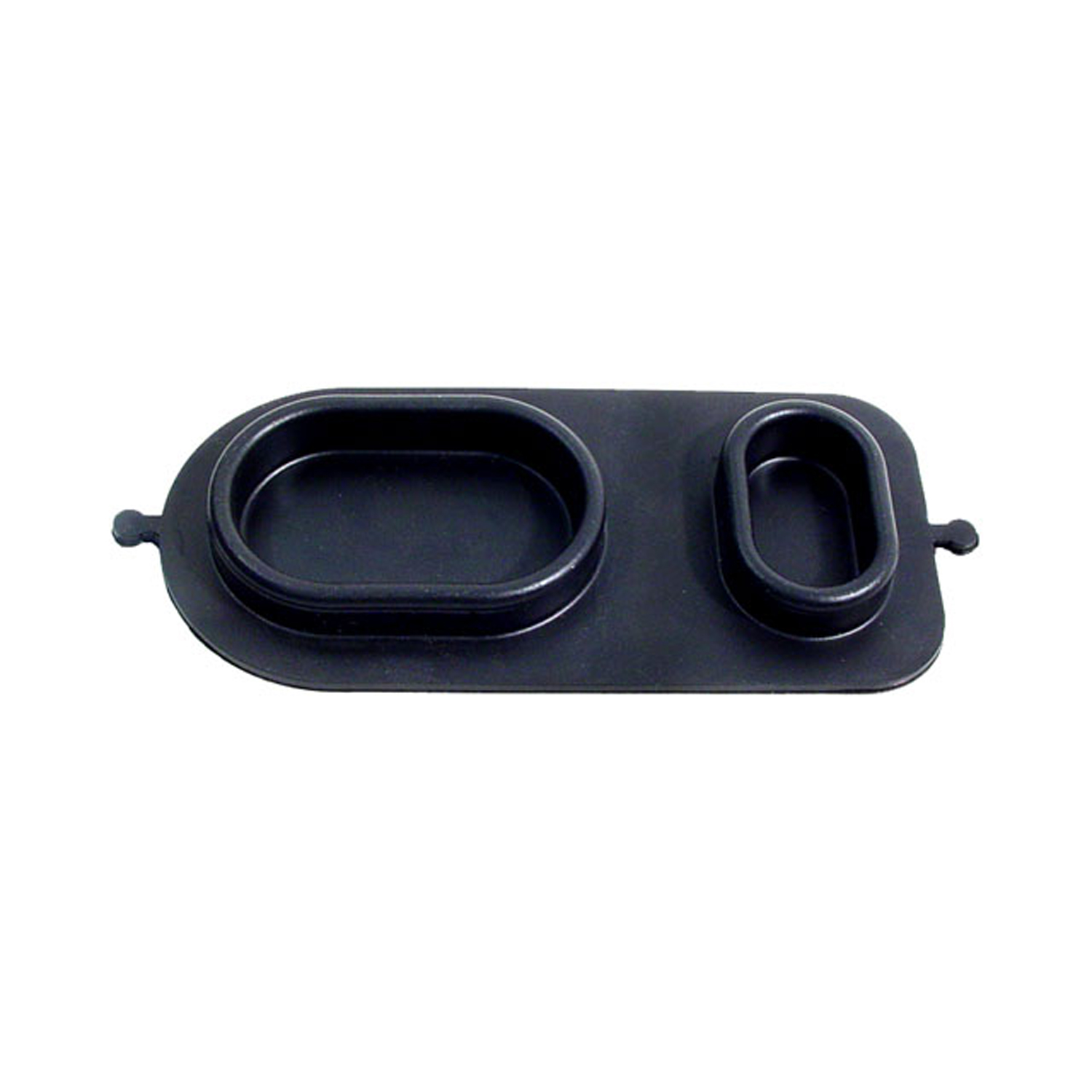 1971 Ford Mustang Brake Master Cylinder Cover Seal. Replaces OEM #5470861-RP 2-CBrake Master Cylinder Cover Seal. Replaces OEM #5470861. 5-9/16" long, 2-5/8" wide. Each
 1971 Ford Mustang Door Lock Button Grommet. Made of clear plastic. Each-RP 303-LDoor Lock Button Grommet. Made of clear plastic. Each
 1971 Ford Mustang Roof Rail Seals, 71-73 Ford Mustang Coupe/Fastback & Mercury Cougar Coupe, Pair-RR 6400-DRoof Rail Seals, 71-73 Ford Mustang Coupe/Fastback & Mercury Cougar Coupe, Pair. R&L. Replaces OEM #'s D1ZZ 6551222-A / D1ZZ 6551223-A.
 1971 Ford Mustang Trunk Bumper. 7/8" high, 5/8" O.D. Each-SB 30Trunk Bumper. 7/8" high, 5/8" O.D. Each
 1971 Ford Mustang Special Socket Plug. Fits a 1-1/2" hole. Each-SB 48Special Socket Plug. Fits a 1-1/2" hole. Each
 1971 Ford Mustang Rear Roll-Up Window Seals, for 2-Door Fastback. Pair R&L-VS 3-TRear Roll-Up Window Seals, for 2-Door Fastback. Pair R&L. 15.5" Long. Replaces OEM #'s D1ZZ 6330146-A & D1ZZ 6330147-A.
 1971 Ford Mustang Window Sweeper Set, 71-73 Mustang Convertible 8 piece-WC 6900-22This eight piece Window sweeper kits is the perfect solution for keeping your side windows clean when the glass is lowered. This set includes inner and outer seals for all side windows, and comes ready to install with finished ends and body curvature bends for a factory like appearance.
 1971 Ford Mustang Window sweeper kit. Fits 71-73 Mustang Fastback 8 Piece Kit-WC 6900-23This eight (8) piece set includes inner and outer window sweeps. These sweeps keep the windows from rattling and wipe the glass as it is rolled up and down.
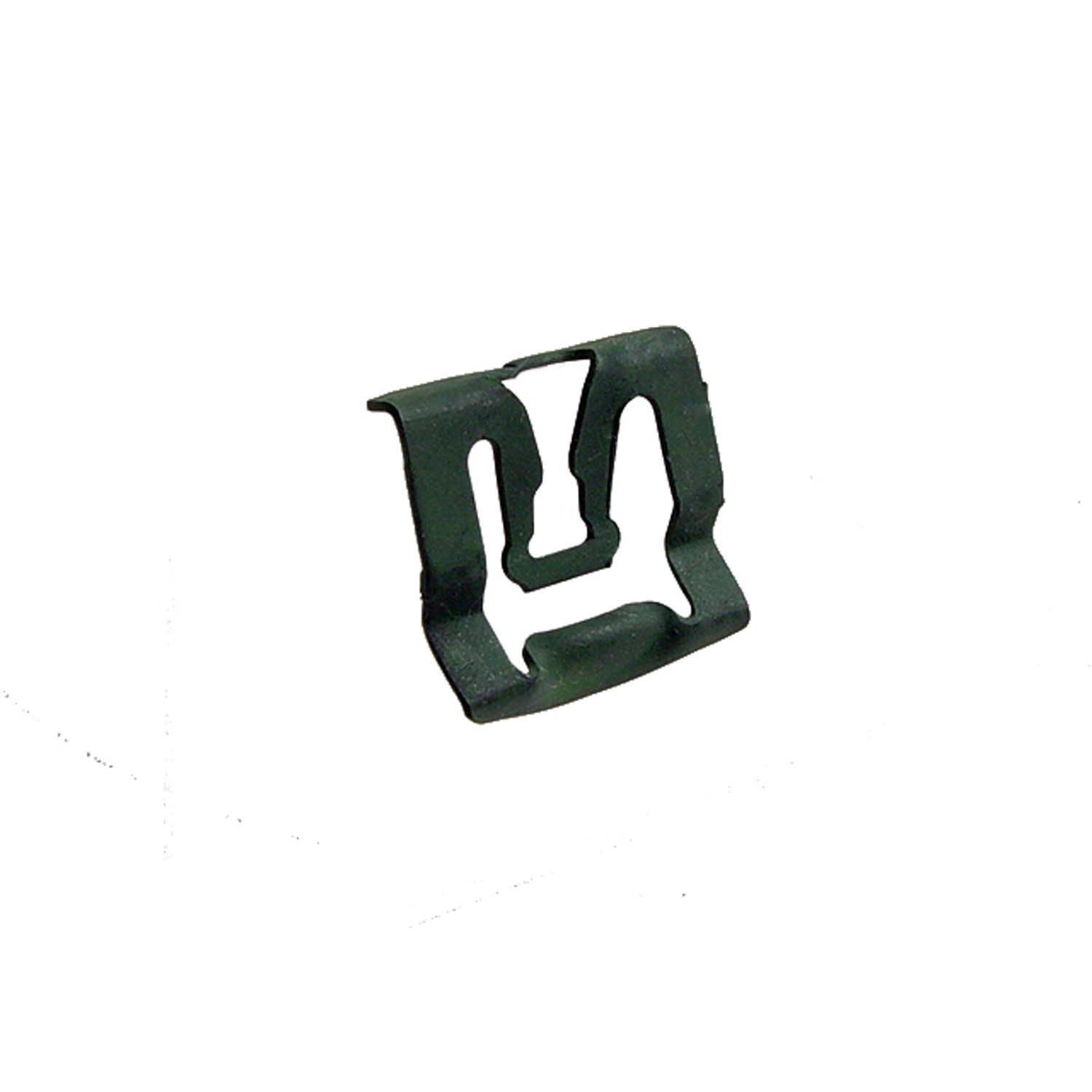 1971 Ford Mustang Windshield Reveal Molding Clip. Made of steel. Each-WF 228-AWindshield Reveal Molding Clip. Made of steel. Each
 1971 Ford Mustang Window Grommet. Plastic. 1-1/2" O.D., 3/8" I.D. Each-WF 981Window Grommet. Plastic. 1-1/2" O.D., 3/8" I.D. Each
Why Choose Metro?
For over 100 years, Metro Moulded Parts has been the pinnacle of quality in classic car restoration parts. Our commitment to precision and authenticity in every component ensures a perfect fit and an OEM-level appearance.
- Expert Craftsmanship & Quality: Each part is a testament to our dedication to reliability and perfection, crafted from original designs and thoroughly tested.
- Advanced Technology: We use cutting-edge techniques to create flawless, long-lasting parts that surpass others in performance.
- SuperSoft Sponge – The Ultimate Door Seal: Not only are our door seals 30% softer than competitors', but they're also guaranteed to never leak. They effectively reduce wind and road noise, enhancing your classic car's comfort and driving experience.
- Proudly American: Our parts are a product of American craftsmanship, made in the USA with a spirit of excellence and heritage.
- Unrivaled Warranty: We back our products with a 30-year industry-leading warranty, a testament to our confidence in their quality.
Join us in preserving the legacy of classic cars with parts that are crafted for perfection, not just made.