

Image of 1971 Ford Pinto, Note: These illustrations use artistic license and may differ from actual historical models.
Performance Metrics
Fundamental Metrics
Emotional Appeal
MMP Rating
| Engine Specifications | |
|---|---|
| Engine Options: | Inline 4 |
| Displacement Range: | 1.6L-2.0L |
| Horsepower Range: | 54-100 HP |
| Torque: | 74-120 lb-ft |
| Compression Ratio: | 8.2:1 - 9.0:1 |
| Ignition System: | Conventional, distributor |
| Cooling System: | Water-cooled |
| Performance Specifications | |
| 0-60 Time: | 14-16 seconds |
| 1/4 Mile Time: | 19-21 seconds |
| Top Speed: | 90-100 mph |
| Transmission and Drive | |
| Drive Type: | RWD (Rear Wheel Drive) |
| Transmission Type: | 4-speed manual, 3-speed automatic |
| Fuel and Efficiency | |
| Fuel System Type: | Carburetor |
| MPG: | 20-25 MPG |
| Dimensions and Brakes | |
| Brakes: | Front disc, rear drum |
| Wheelbase: | 94.0 in |
| Weight: | 2000-2200 lbs |
Note: Specifications for classic cars are given to the best of our ability, considering the limited and variant data available.
1971 Ford Pinto: The Subcompact That Changed Ford
The 1971 Ford Pinto was small, affordable, and built to take on a new wave of compact imports. It also became one of the most debated American cars of its era. Designed by Ford Motor Company as a straightforward, low-cost subcompact, the Pinto combined simple mechanicals with crisp early-1970s styling, then went on to shape a lasting conversation about automotive safety.
Ford introduced the Pinto in September 1970 as a 1971 model. It arrived when American buyers were increasingly interested in smaller, more economical cars, and rivals such as the Volkswagen Beetle and Toyota Corolla were gaining attention. Ford’s target was famously ambitious: keep the car under 2,000 pounds and its starting price under $2,000. The Pinto came close to that brief, with a base price around $1,919.
One detail that often gets lost in the car’s controversial reputation is how quickly it was developed. Ford moved the Pinto from program approval to production in roughly 25 months, a remarkably brisk schedule for the time. The result was a practical, distinctly American answer to the growing subcompact market.
Compact Styling and a Simple Cabin
The 1971 Pinto was offered as a two-door sedan. Its compact proportions gave it a short hood, upright cabin, and tidy rear end, while restrained body creases and a modest grille kept the look clean rather than flashy. Slim bumpers, simple rectangular lighting, and modest wheel openings reflected the car’s budget-conscious purpose. The design was easy to park and maneuver, but still looked like a scaled-down American car rather than a bare-bones import.
The cabin was equally straightforward. The dash used a clear, uncomplicated layout, with large, easy-to-read instruments and controls within comfortable reach. Bucket seats were a popular choice, and upholstery could be ordered in vinyl or upgraded materials depending on the equipment selected. The interior was durable and serviceable, though hard surfaces and basic trim were reminders that Ford had worked to keep the price low. Buyers could add comfort and appearance options, but the Pinto’s appeal was its simplicity, not luxury.
Paint choices varied by trim and production details, but buyers could find period-appropriate colors ranging from red, blue, and yellow to green, silver, and more subdued shades. Bright colors suited the Pinto’s youthful image, while darker or metallic finishes gave the little Ford a more restrained look.
For 1971, the two-door sedan was the Pinto’s sole body style. The familiar hatchback Runabout arrived for the 1972 model year, followed by the Pinto wagon. Those later versions broadened the range, but the original sedan remains the purest expression of the Pinto’s first-year concept.
Engineering for Everyday Motoring
The Pinto used a front-engine, rear-wheel-drive layout. Its standard engine was a 1.6-liter four-cylinder, rated at about 75 horsepower. Buyers wanting more punch could choose a 2.0-liter four-cylinder producing roughly 100 horsepower. A four-speed manual transmission was the typical enthusiast choice, while an optional three-speed automatic made commuting easier.
For a small economy car, the Pinto had useful contemporary hardware. It featured independent front suspension with MacPherson struts, a solid rear axle, and front disc brakes with rear drums. The design was conventional, which helped keep manufacturing costs under control and made many repairs familiar to independent mechanics.
Ford’s approach helped make the Pinto an important part of the American subcompact boom. It was not the first small car sold in the United States, nor was it alone in challenging imports. But it gave Ford a domestically built entry in a fast-growing segment and demonstrated how quickly a major manufacturer could develop a low-cost car for changing customer priorities.
Performance and the Pinto Driving Feel
The 1971 Pinto was built for everyday transportation, not high-speed thrills. Performance depended on engine, transmission, gearing, and vehicle condition, but period figures and later estimates generally put the 1.6-liter car’s 0-to-60 mph time in the mid-to-high teens. A 2.0-liter example could manage the run in roughly 12 to 14 seconds. Top speed was generally around 90 to 100 mph, though that was not a speed most owners would have sought in a modestly powered economy car.
On the road, the Pinto feels light and uncomplicated. The four-cylinder engine has a buzzy, purposeful sound when worked hard, especially with the manual transmission. The steering and controls are direct, and the car’s compact size makes narrow streets and parking lots easy to negotiate. The suspension is tuned for ordinary roads rather than sharp cornering, so broken pavement can feel choppy, while rough surfaces may bring some body movement from the simple rear suspension.
On winding roads, a well-maintained Pinto can be enjoyable at sensible speeds. Its modest power encourages momentum driving: carry speed through a bend, choose a gear, and avoid expecting modern levels of grip or braking. Crosswinds and highway passing can expose the limits of its light weight and small engines. A healthy 2.0-liter car with a manual gearbox is usually the more relaxed choice for mixed driving.
Ownership, Maintenance, and Reliability
In its day, the Pinto was intended as a daily driver for commuters and small families. Today, surviving examples are more likely to serve as weekend classics, local-show cars, restoration projects, or inexpensive vintage transportation. Some owners also modify them for drag racing or grassroots motorsports, and the car’s rear-wheel-drive layout makes such projects approachable.
Routine service is relatively straightforward. The Pinto’s conventional four-cylinder engines and mechanical systems are familiar to many classic-car shops, and basic jobs such as tune-ups, brake work, and suspension repairs do not require unusually specialized equipment. The bigger challenge is often finding sound body and trim parts. Rust can affect floors, rocker panels, wheel arches, and structural areas, so a careful inspection is essential before buying.
Reliability on a 55-year-old car depends more on maintenance and restoration quality than on its original reputation. Check the cooling system, fuel lines, brakes, steering components, and wiring, and look closely for poor-quality repairs. A car that has been stored for years may need a full recommissioning even if it starts and moves under its own power.
The Safety Controversy and Its Legacy
The Pinto’s history cannot be told without addressing its rear-impact fuel-system controversy. The location and protection of the fuel tank made certain rear collisions a serious concern, and the issue became a major national story in the late 1970s. In 1978, Ford recalled approximately 1.5 million 1971 to 1976 Pinto cars, along with certain Mercury Bobcats, for modifications to the fuel system.
The public debate grew beyond the engineering details and became a landmark discussion about corporate responsibility, cost-benefit analysis, and product safety. Popular accounts sometimes reduce the story to a simple claim that Pintos routinely exploded, which overstates what happened. The underlying safety concern, however, was real and had a lasting effect on how consumers, regulators, and manufacturers thought about crash protection and fuel-system design.
That legacy is part of what sets the Pinto apart from many otherwise ordinary economy cars. Its place in automotive history is not only about a low price or a compact footprint. It also marks a turning point in the public scrutiny of vehicle safety decisions.
Pinto Facts and First-Year Details
The name “Pinto” refers to a spotted horse, fitting the playful, informal naming style used for many American cars of the era. The 1971 model was a sedan only; the hatchback Runabout and wagon came later. That makes a genuine first-year car distinct from the more familiar hatchback versions often associated with the Pinto.
Ford built an estimated 352,000 Pintos for the 1971 model year. Across its full production run from 1971 through 1980, the Pinto reached roughly 3.2 million cars. It did not set a headline speed or endurance record, but its sales made it one of the best-known American subcompacts of its generation. Its four-cylinder engine also became familiar in other Ford applications and in various racing and performance projects.
There is no single famous celebrity-owned 1971 Pinto that defines the model’s story. Its more enduring claim to fame is cultural: the Pinto became a shorthand for the American small-car boom and one of the most discussed automotive safety cases in U.S. history.
1971 Ford Pinto Values and Collectibility
The 1971 Pinto is not yet a high-dollar collector car in the way that a muscle-era Mustang or a rare European sports car might be. It is, however, drawing interest from buyers who remember the model, collect unusual first-year cars, or want an accessible piece of 1970s automotive history. The original sedan is less commonly seen than later Runabouts and wagons, but it is not rare in the sense of having been built in tiny numbers.
As a broad 2026 estimate in the U.S. market, a project Pinto may sell for about $1,500 to $5,000, depending heavily on rust and completeness. A usable driver in decent condition might fall around $5,000 to $12,000. A clean, well-restored, or unusually original example could bring roughly $12,000 to $20,000, with exceptional cars potentially exceeding that range. These are general market estimates, not a substitute for a condition-specific appraisal.
Values have generally remained modest, but the best survivors are becoming harder to find. Interest is likely to grow gradually rather than surge dramatically, with originality, rust-free bodywork, documentation, and correct first-year details doing the most to support a strong price. A rough car can still be affordable, but restoration costs may quickly exceed its finished value.
Why the 1971 Pinto Still Matters
The 1971 Ford Pinto was an affordable, mechanically straightforward subcompact that helped Ford respond to changing tastes and rising interest in smaller cars. Its clean styling, simple four-cylinder power, and easy-to-understand engineering made it a practical choice for its era. Its safety controversy later gave it a significance far beyond its sales figures.
Today, a first-year Pinto offers a distinctive way to explore the 1970s, from the era’s economy-car ambitions to its evolving safety standards. It may not be fast or lavish, but it remains a memorable reminder that even the most everyday cars can leave an extraordinary mark on automotive history.
1971 Ford Pinto Catalog of Parts
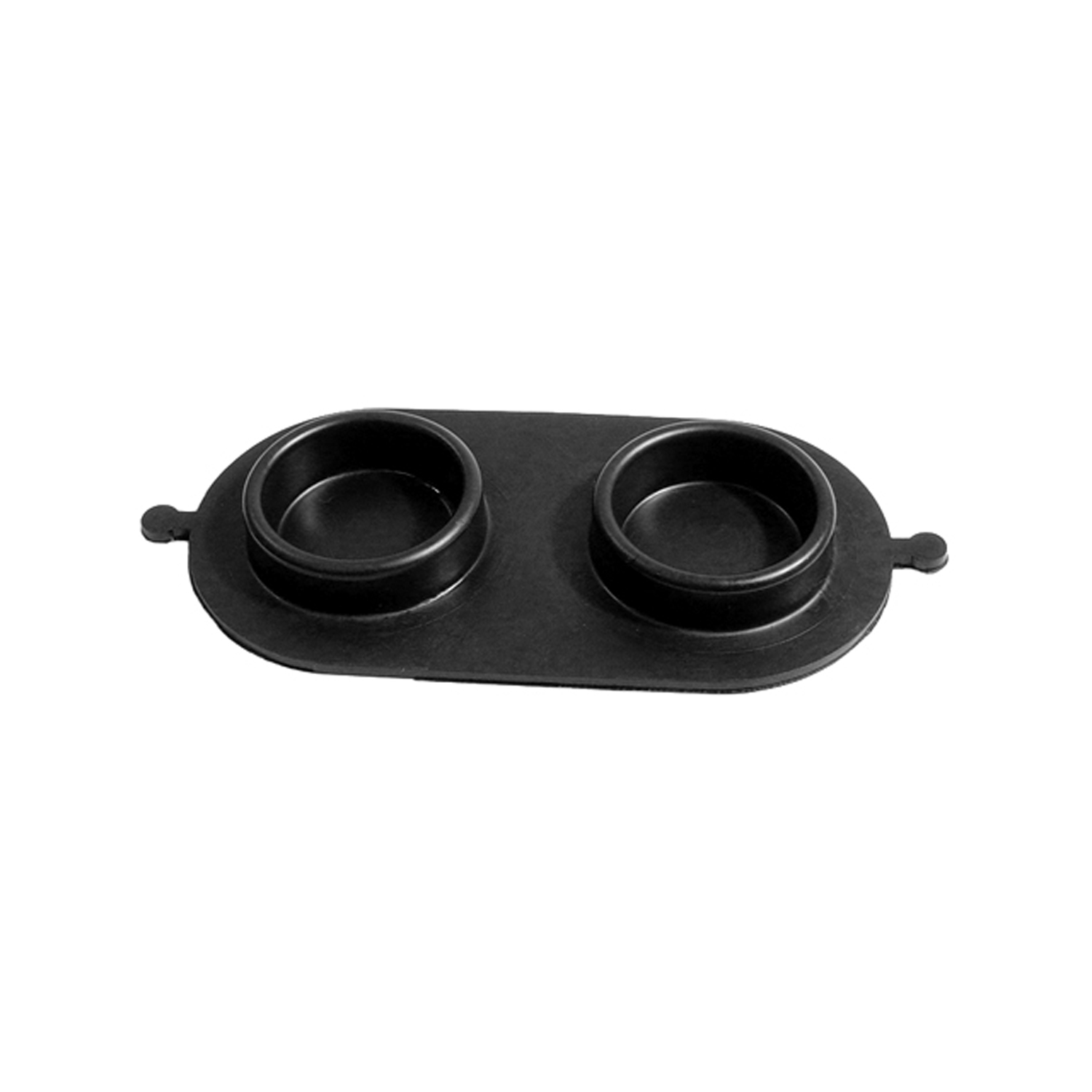 1971 Ford Pinto Brake Master Cylinder Cover Seal. Replaces OEM #C7AZ2167-A-RP 2-BBrake Master Cylinder Cover Seal. Replaces OEM #C7AZ2167-A. Each
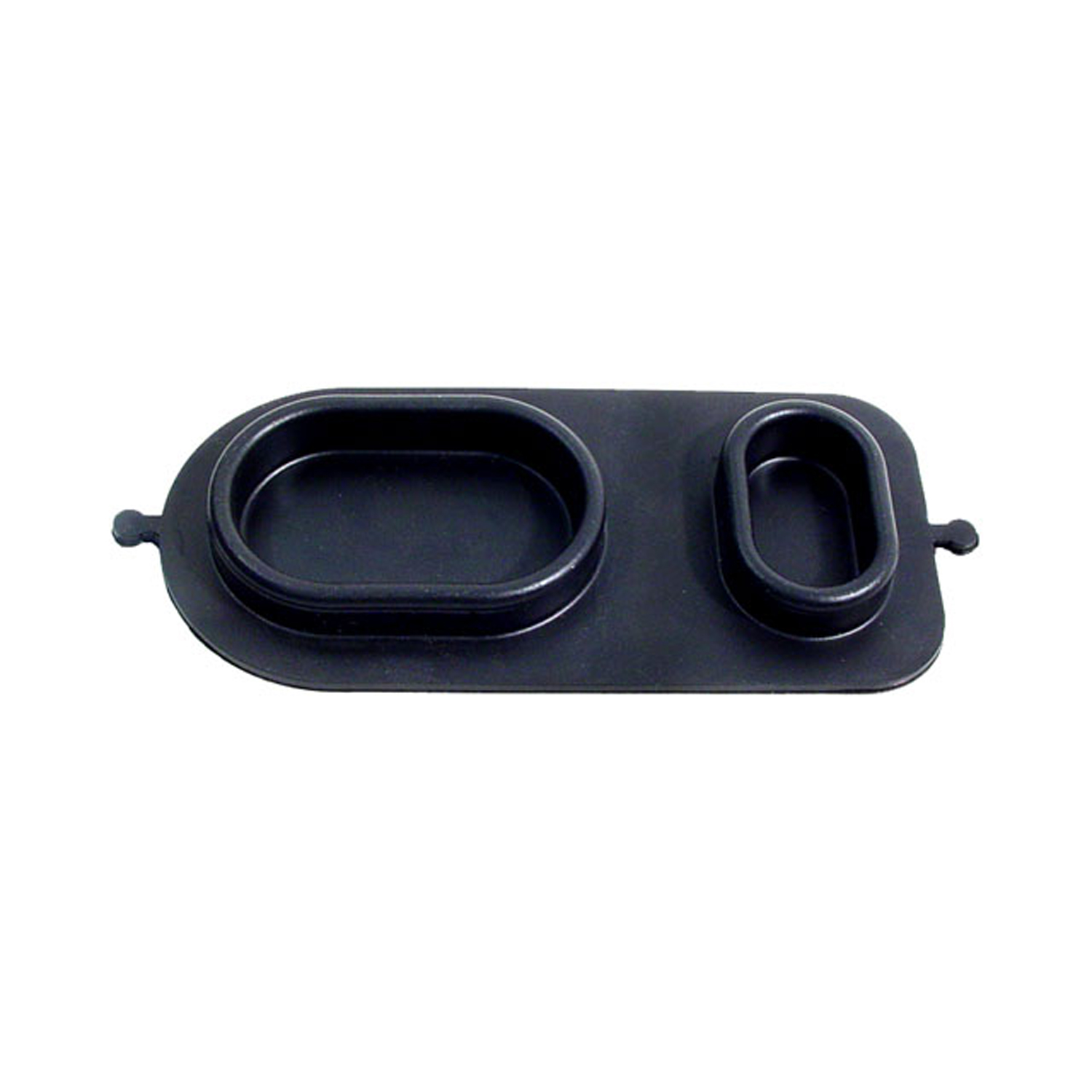 1971 Ford Pinto Brake Master Cylinder Cover Seal. Replaces OEM #5470861-RP 2-CBrake Master Cylinder Cover Seal. Replaces OEM #5470861. 5-9/16" long, 2-5/8" wide. Each
 1971 Ford Pinto Windshield and Rear Windshield Reveal Molding Clip-WF 226Windshield and Rear Windshield Reveal Molding Clip. Made of steel. Each
 1971 Ford Pinto Spare Tire Hold Down Nut. 3/8- 16 thread size-WF 3504Spare Tire Hold Down Nut. 3/8- 16 thread size. Replaces OEM #B9AZ-1462-A. Each
Why Choose Metro?
For over 100 years, Metro Moulded Parts has been the pinnacle of quality in classic car restoration parts. Our commitment to precision and authenticity in every component ensures a perfect fit and an OEM-level appearance.
- Expert Craftsmanship & Quality: Each part is a testament to our dedication to reliability and perfection, crafted from original designs and thoroughly tested.
- Advanced Technology: We use cutting-edge techniques to create flawless, long-lasting parts that surpass others in performance.
- SuperSoft Sponge – The Ultimate Door Seal: Not only are our door seals 30% softer than competitors', but they're also guaranteed to never leak. They effectively reduce wind and road noise, enhancing your classic car's comfort and driving experience.
- Proudly American: Our parts are a product of American craftsmanship, made in the USA with a spirit of excellence and heritage.
- Unrivaled Warranty: We back our products with a 30-year industry-leading warranty, a testament to our confidence in their quality.
Join us in preserving the legacy of classic cars with parts that are crafted for perfection, not just made.