

Image of 1971 Ford Ranch Wagon, Note: These illustrations use artistic license and may differ from actual historical models.
Performance Metrics
Fundamental Metrics
Emotional Appeal
MMP Rating
| Engine Specifications | |
|---|---|
| Engine Options: | 302 V8, 400 V8, 429 V8 |
| Displacement Range: | 302 - 429 cu in |
| Horsepower Range: | 210 - 360 hp (estimated) |
| Torque: | 310 - 480 lb-ft (estimated) |
| Compression Ratio: | 8.5:1 - 10.5:1 (estimated) |
| Ignition System: | Conventional, distributor |
| Cooling System: | Liquid-cooled |
| Performance Specifications | |
| 0-60 Time: | 10 - 12 seconds (estimated) |
| 1/4 Mile Time: | 17 - 19 seconds (estimated) |
| Top Speed: | 115 - 130 mph (estimated) |
| Transmission and Drive | |
| Drive Type: | Rear-wheel drive |
| Transmission Type: | 3-speed automatic, 4-speed manual |
| Fuel and Efficiency | |
| Fuel System Type: | Carburetor |
| MPG: | 10 - 14 mpg (estimated) |
| Dimensions and Brakes | |
| Brakes: | Front disc, rear drum |
| Wheelbase: | 119.0 in |
| Weight: | 4,000 - 4,500 lbs (estimated) |
Note: Specifications for classic cars are given to the best of our ability, considering the limited and variant data available.
1971 Ford Ranch Wagon: A Full-Size Ford With Room to Roam
The 1971 Ford Ranch Wagon turned ordinary family miles into a long, comfortable cruise, with the size and practicality of a full-size American wagon and the straightforward character of a workhorse Ford. Built by the Ford Motor Company, it belonged to a long-running nameplate that began in 1952, when Ford brought the Ranch Wagon to market as a more affordable, car-based alternative to a utility vehicle.
By 1971, the Ranch Wagon sat within Ford’s full-size station wagon range. It was the plainer, less lavish choice beside models such as the Country Sedan and woodgrain-trimmed Country Squire. Its appeal was simple: generous space, familiar mechanicals, and plenty of room for people, luggage, camping gear, or a week’s worth of errands.
One useful detail for anyone shopping today: Ford used the Ranch Wagon name for the two-door wagon in this period, while the related four-door Custom Ranch Wagon was a separate model. The two-door configuration gives the 1971 Ranch Wagon an especially distinctive profile among its more common four-door contemporaries.
Long Lines, Practical Details
The Ranch Wagon wore the clean, broad-shouldered look of early-1970s Ford full-size cars. Its long hood, upright nose, substantial grille, and nearly 18-foot overall length gave it a presence that was hard to miss. The roofline stretched back over a generous cargo area, while the large side glass made the cabin feel open and gave passengers a good view of the scenery.
Rather than relying on simulated wood trim or luxury flourishes, the Ranch Wagon kept its appearance relatively restrained. Chrome accents, brightwork around the windows, and wheel-cover options could dress it up, but its basic look remained practical. The two-door body added a particularly long rear side window and a sleek, uninterrupted stretch of sheet metal behind the front doors.
Inside, the emphasis was on space and durability. Depending on trim and equipment, buyers could get cloth-and-vinyl seating or tougher all-vinyl upholstery, with simple door panels and a straightforward dashboard. Bench seating was typical, and the large cabin made the car well suited to family use. Materials were appropriate to a value-oriented wagon: robust and easy to live with, though not as plush as those in a Country Squire.
Ford offered a range of period paint colors, including shades of white, blue, green, red, gold, and earth tones. Exact names and availability depended on the paint code and production details. White and darker greens or blues suit the Ranch Wagon’s understated character especially well, while brighter colors make the long body stand out at shows.
Wagon Features Ahead of Their Time
Station wagons were the family haulers of their day, and Ford equipped its full-size models with useful features for loading and travel. One notable option was the Magic Doorgate, a versatile tailgate arrangement that could open down like a conventional tailgate or swing outward like a door. A power-operated rear window was also available, making it easier to load bulky items without opening the entire gate.
Other available conveniences included power steering, power brakes, air conditioning, and an AM radio. An automatic transmission was a popular choice, while manual gearboxes were also offered in some configurations. These features were not exotic technology, but they made a large wagon easier to use every day. The combination of a car-like driving position and a useful cargo opening was a major part of the wagon’s appeal.
Its Place in Ford’s Full-Size Lineup
The 1971 Ranch Wagon was part of Ford’s broad full-size family, which also included sedans and more highly trimmed wagons. It offered buyers a way to get the space and basic capability of a large Ford without paying for the extra trim of a Country Sedan or Country Squire. The related Custom Ranch Wagon added a four-door alternative for customers who wanted easier rear-seat access.
That practical position set it apart from more decorative rivals. The Ranch Wagon was not a luxury statement, and it was not an off-roader. It was a large, rear-wheel-drive family car with a useful cargo compartment. That formula helped make station wagons a familiar sight on American roads through the 1960s and early 1970s, before minivans and SUVs gradually took over much of the family-hauling role.
Ford’s full-size wagons did not introduce a single breakthrough that transformed the industry. Their significance was more everyday than revolutionary: they helped establish the wagon as a comfortable, car-based alternative to trucks for families and businesses alike. The Ranch Wagon’s lasting appeal comes from that combination of straightforward engineering and versatile space.
Engines, Speed, and Road Manners
Engine and equipment availability varied by body style, market, and order. Depending on configuration, the 1971 full-size Ford range offered six-cylinder and V8 power, with V8 choices commonly including 302- and 351-cubic-inch engines and larger 400- or 429-cubic-inch options. The transmission could be a manual or an automatic, and rear-wheel drive was standard. For a specific car, the door data plate and engine identification are more reliable than a seller’s description.
Performance figures also depend heavily on the engine, axle ratio, transmission, vehicle condition, and load. As a general guide, a typical V8 Ranch Wagon might take roughly 10 to 13 seconds to reach 60 mph. A healthy, larger-engine example could be quicker, while a six-cylinder car or a heavily loaded wagon would take longer. Approximate top speed for a stock example is in the neighborhood of 100 to 115 mph, though this is not a car designed for sustained high-speed driving.
On the road, the Ranch Wagon feels substantial and relaxed. Its long wheelbase helps it glide over ordinary pavement and absorb broad bumps, while the body-on-frame construction and soft suspension favor comfort over sharp cornering. On winding roads, expect noticeable body lean and a large turning footprint. Crosswinds and uneven pavement can remind the driver just how much car is behind the steering wheel.
A V8 brings a familiar low rumble, growing louder under acceleration, while the automatic transmission generally suits the car’s easygoing character. The steering is not sports-car precise, and parking takes patience, but the elevated view over the hood and broad bench seat create an unmistakably old-school driving experience. It is happiest cruising with room to spare, not darting through tight traffic.
Living With a 1971 Ranch Wagon
Owners today tend to use a Ranch Wagon as a weekend cruiser, a vintage-family hauler, a show car, or a practical classic for local trips. Its long roof and broad cargo area also make it a natural fit for camping equipment, vintage surfboards, or the occasional hardware-store run. It is generally not a sensible choice for modern daily commuting unless the owner is comfortable with its fuel consumption, size, and age-related maintenance needs.
Mechanical repairs are often manageable for an experienced home mechanic. Ford engines and transmissions from this era are familiar to many classic-car shops, and routine service items are generally more approachable than those on a modern vehicle. The larger challenge can be locating body and trim parts, especially wagon-specific glass, tailgate components, interior pieces, and two-door body parts.
Before buying, inspect the frame and underbody for rust, along with the floor pans, lower body panels, wheel openings, and tailgate area. Check the rear window mechanism and the Magic Doorgate, if fitted. Also verify that the engine, transmission, brakes, cooling system, and electrical equipment work as they should. A wagon that has spent decades outdoors may need substantial restoration even if its engine still runs.
Ranch Wagon Trivia and Common Complaints
The Ranch Wagon name was part of Ford’s lineup for more than two decades, reflecting how important station wagons were to American households before the modern SUV era. The 1971 model belongs to the nameplate’s later full-size years, and its two-door layout is less frequently seen today than a conventional four-door wagon.
There is no widely recognized speed or endurance record associated with the Ranch Wagon. Its claim to fame is more practical: it offered substantial passenger and cargo capacity in a familiar passenger-car format. Nor is there a well-documented celebrity ownership story that defines the model. Its appeal is rooted in everyday American use rather than a single famous appearance or headline-grabbing achievement.
Common criticisms are easy to understand from a modern perspective. The car is large, thirsty, and less nimble than a contemporary crossover. Its braking and safety equipment are from another era, and the simple cabin can feel basic compared with more luxurious wagons. On the other hand, many owners value that simplicity, along with the generous space, distinctive styling, and ease of understanding its mechanical systems.
Collector Values and Availability
Production figures for the 1971 Ranch Wagon are not consistently broken out in commonly available records, so an exact total is difficult to confirm. A reasonable estimate is that production numbered in the thousands, potentially reaching the low tens of thousands when related configurations are considered. The two-door Ranch Wagon is less commonly encountered today than four-door family wagons, but rarity varies with condition, location, and surviving documentation.
In the current U.S. collector market, a project car may sell for roughly $2,000 to $5,000. A usable driver in fair-to-good condition might fall around $5,000 to $12,000, while a clean, well-maintained example can bring approximately $12,000 to $20,000. A high-quality restoration or unusually well-preserved car may reach $20,000 to $30,000 or more, especially if it has desirable options and strong documentation. These are broad estimates, not a formal appraisal, and wagon-specific condition can make a major difference.
The Ranch Wagon has generally remained more affordable than highly sought-after muscle cars and premium woodgrain wagons. Values for clean examples have been firming as interest in unusual full-size classics grows, but the market is selective. Condition, originality, rust repair, and the operation of the tailgate and rear window matter more than simply having a large engine. A well-kept, honest driver often makes better financial sense than a rough car with ambitious restoration needs.
Why the 1971 Ranch Wagon Still Matters
The 1971 Ford Ranch Wagon combined full-size comfort, useful cargo space, simple engineering, and understated styling in a package made for everyday life. It was not the most luxurious wagon in Ford’s lineup, nor was it intended to be a performance car. Its strength was being a capable, roomy Ford that could carry people and gear without fuss.
For collectors, its appeal lies in the details: the long two-door silhouette, the broad American-road presence, and practical features such as the Magic Doorgate. The Ranch Wagon captures a moment when the station wagon was still the default family road-trip machine. That makes it more than a large old Ford. It is a rolling reminder of how American families traveled before the SUV took the lead.
1971 Ford Ranch Wagon Catalog of Parts
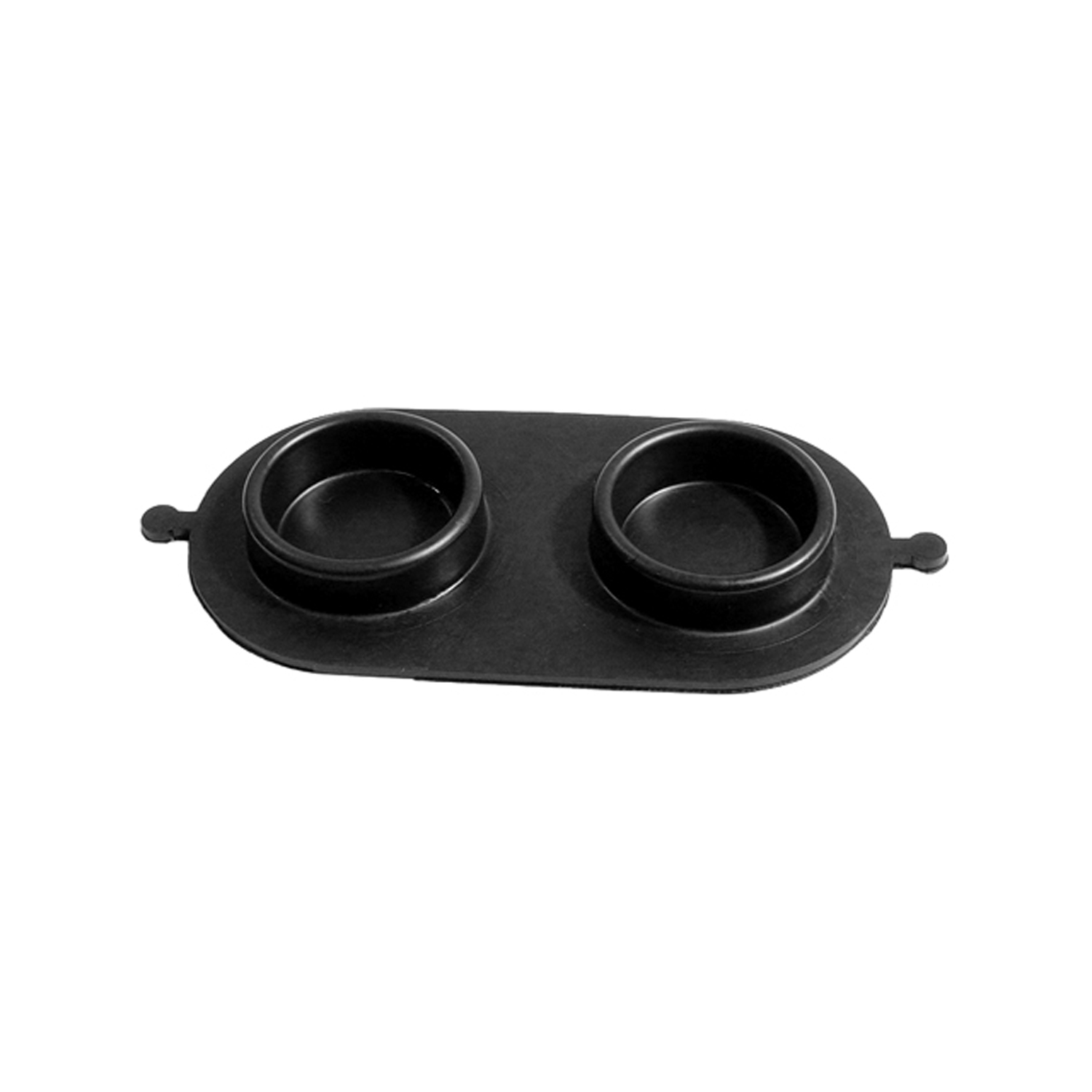 1971 Ford Ranch Wagon Brake Master Cylinder Cover Seal. Replaces OEM #C7AZ2167-A-RP 2-BBrake Master Cylinder Cover Seal. Replaces OEM #C7AZ2167-A. Each
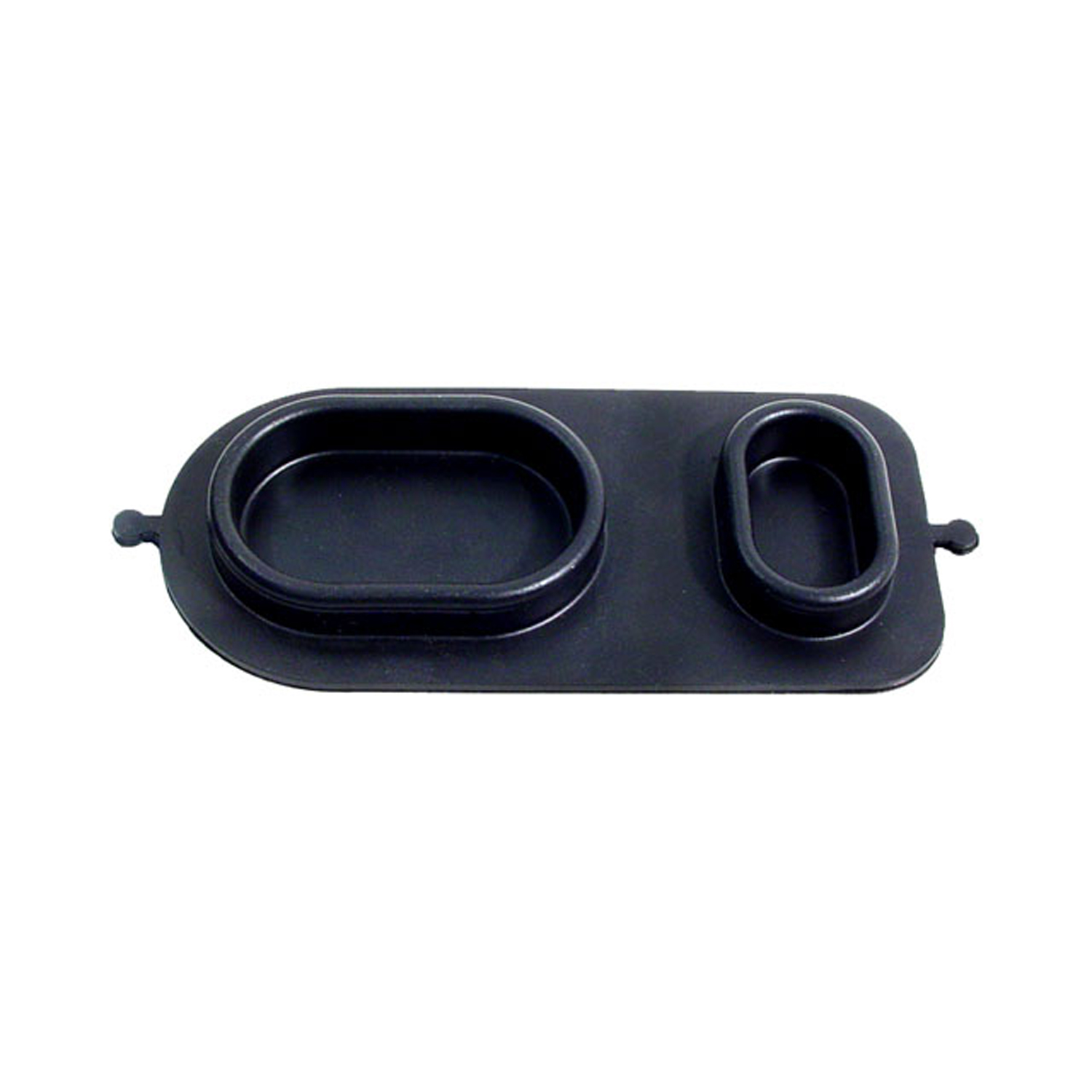 1971 Ford Ranch Wagon Brake Master Cylinder Cover Seal. Replaces OEM #5470861-RP 2-CBrake Master Cylinder Cover Seal. Replaces OEM #5470861. 5-9/16" long, 2-5/8" wide. Each
Why Choose Metro?
For over 100 years, Metro Moulded Parts has been the pinnacle of quality in classic car restoration parts. Our commitment to precision and authenticity in every component ensures a perfect fit and an OEM-level appearance.
- Expert Craftsmanship & Quality: Each part is a testament to our dedication to reliability and perfection, crafted from original designs and thoroughly tested.
- Advanced Technology: We use cutting-edge techniques to create flawless, long-lasting parts that surpass others in performance.
- SuperSoft Sponge – The Ultimate Door Seal: Not only are our door seals 30% softer than competitors', but they're also guaranteed to never leak. They effectively reduce wind and road noise, enhancing your classic car's comfort and driving experience.
- Proudly American: Our parts are a product of American craftsmanship, made in the USA with a spirit of excellence and heritage.
- Unrivaled Warranty: We back our products with a 30-year industry-leading warranty, a testament to our confidence in their quality.
Join us in preserving the legacy of classic cars with parts that are crafted for perfection, not just made.